


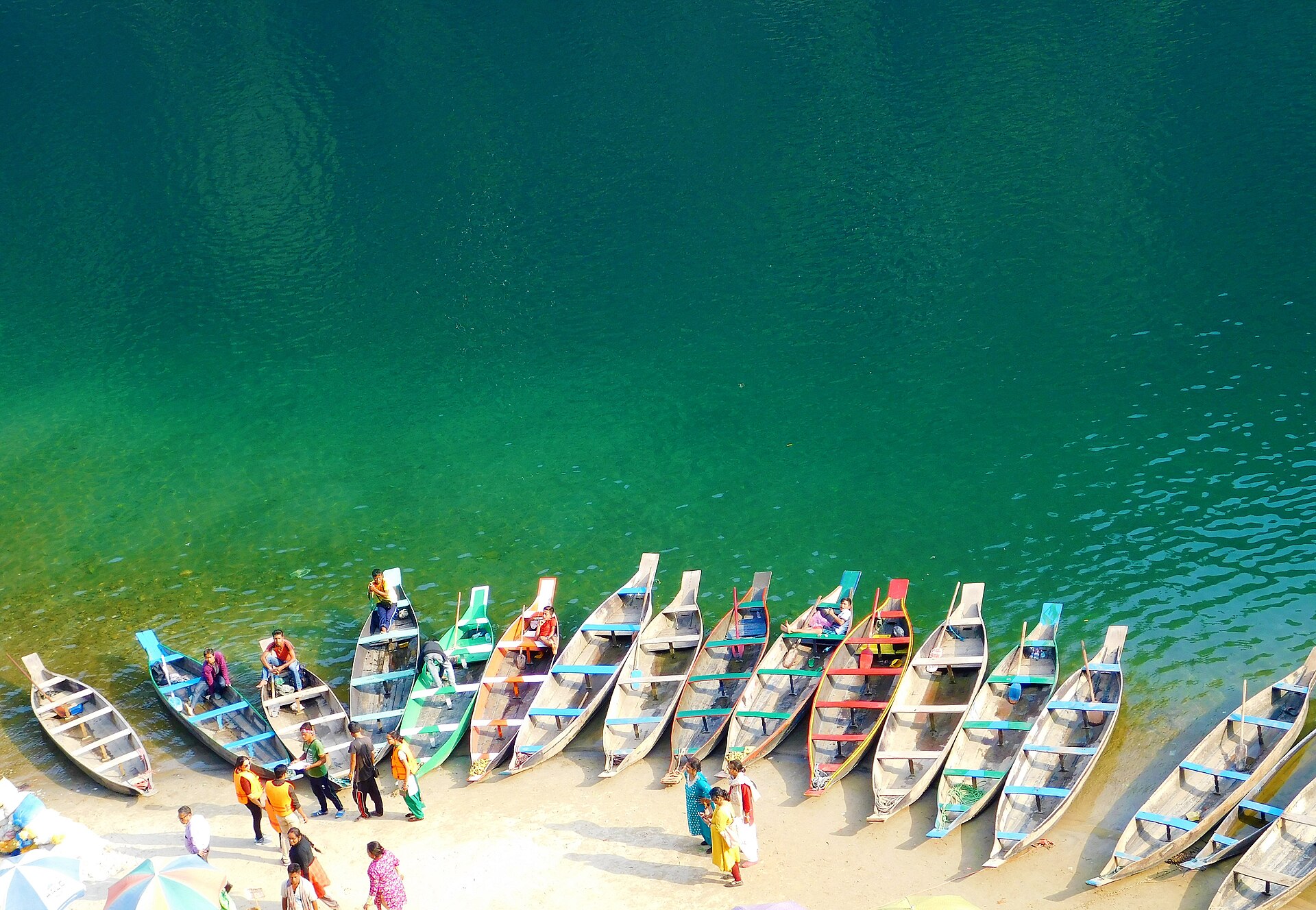
Are you planning your first trip to Meghalaya and wondering how to fit Shillong, Cherrapunji and Dawki into one short holiday without spending half of it in a taxi? That is exactly what this Meghalaya travel guide answers. The distances look tiny compared to the Himalayas, but the roads wind around the edge of a plateau, the weather changes by the hour, and the rules for tourists changed more in 2025 and 2026 than in the ten years before.
Let me be upfront. I have not travelled the full Shillong – Sohra – Dawki circuit myself yet, so this guide is based on research: official Meghalaya Tourism pages, district orders, 2025-2026 news reports and recent traveller fare reports. Wherever a number could not be verified from an official source, you will see “verify locally” next to it. I would rather give you an honest range than a confident number that turns out wrong at the taxi stand 🙂
Quick Answer: What Does a 5-Day Meghalaya Trip Look Like in 2026?
Fly or take a train to Guwahati, drive about 100 km to Shillong, spend two nights in Sohra (Cherrapunji) for the waterfalls and the Nongriat double decker root bridge, then go south to Mawlynnong and Dawki for the Umngot River. Budget roughly Rs 8,820 to Rs 13,100 per person on shared transport, or Rs 19,250 to Rs 27,250 with a hired car. October to April is the best window. For the trek itself, read my living root bridges trek guide.
Meghalaya Trip Planning at a Glance
| Gateway | Guwahati airport or railway station. Shillong’s Umroi Airport has limited flights |
| Guwahati to Shillong | About 100 km, roughly 3 hours |
| Shillong to Sohra (Cherrapunji) | About 54 km, roughly 2 hours |
| Shillong to Dawki | 82 km via NH-206 (Meghalaya Tourism) |
| Ideal duration | 5 days, or 6 if your Guwahati flight is before 4 PM |
| Best time | October to April. Monsoon only for waterfalls |
| Budget, 5 days per person | Rs 8,820 to Rs 50,250 depending on travel style |
| Permit for Indians | No Inner Line Permit as of October 2026. Hotels must register you on the state tourism app |
| Key 2025 rule | Registered guide mandatory for treks in East Khasi Hills, including the root bridges |
| Altitude | Shillong is around 1,500 m (about 4,900 ft). No altitude sickness concerns |
| Emergency | 112 |
| Last verified | October 2026 |
What Changed for Tourists in Meghalaya in 2025 and 2026?
Quick answer: since June 2025, a registered local guide is mandatory for treks in East Khasi Hills, every hotel and homestay must register guests on the state tourism app, and renting private cars to self-drive tourists is banned. A stricter “virtual ILP” style entry registration was proposed in July 2026 but was not in force when this guide was written.
Read this section twice, because most Meghalaya itineraries on social media were written before these changes. They followed a widely reported 2025 crime involving a visiting couple in Sohra, after which the state tightened tourist safety rules quickly.
1. Registered guides are mandatory for treks. In June 2025, the East Khasi Hills Deputy Commissioner ordered that all tourists must take a registered guide for treks and outdoor activities in the district, as reported by The Statesman and other outlets. The district covers Sohra, Nongriat and the living root bridges, so this applies directly to Day 3 below. Guide fees are set locally, so verify the current rate at Tyrna or through your homestay.
2. Every guest is registered by the hotel. On 18 June 2025, according to All India Radio News, Tourism Minister Paul Lyngdoh directed all homestays, resorts and landlords to register visitors through the state tourism app. Carry government photo ID for every adult, with a soft copy just to be on the safer side.
3. No self-drive in rented private cars. The same directive banned renting private vehicles to tourists for self-drive. If you usually rent a car and drive yourself, like many of us do in Himachal, plan for a hired cab with a driver instead.
4. Friction over Assam-registered taxis. In September 2025, a Meghalaya tourist taxi association pushed to stop non-Meghalaya vehicles operating freely at tourist spots beyond Shillong, and local drivers briefly blocked some routes before a magistrate intervened (reported by EastMojo). This is an association demand, not a government rule, but it is why I suggest a Meghalaya-registered cab for the sightseeing days.
5. A proposed entry registration system. On 13 July 2026, News Arena India reported plans for a mandatory visitor registration on the lines of a virtual Inner Line Permit, with the first facilitation centre at Umling on the Guwahati – Shillong road. As of October 2026 this is a proposal, not a rule, and the Umling facility had earlier been closed by a court order. If it goes live, it adds a stop to Day 1.
How Do You Reach Shillong from Guwahati?
Quick answer: Guwahati is the practical gateway. Shillong is about 100 km and roughly 3 hours away by bus, shared taxi or private cab. Meghalaya Transport Corporation buses start from about Rs 210, and shared taxis are reported at Rs 400 to Rs 500 per seat. Shillong’s Umroi Airport is about 30 km from Police Bazar but has few flights.
By air: Guwahati has by far the best connectivity from Delhi, Mumbai, Bengaluru and Kolkata. Umroi Airport is roughly 30 km and 1 to 1.5 hours from Police Bazar, but it gets only a handful of small regional flights. Make sure your return flight leaves room for the 3-hour drive plus a traffic buffer.
By bus: Meghalaya Transport Corporation (MTC) and Assam State Transport Corporation (ASTC) run Guwahati – Shillong buses roughly between 6 AM and 5 PM from the Paltan Bazar side of Guwahati, with MTC fares listed from around Rs 210. They stop midway at Nongpoh. Check current timings at the counter.
By shared taxi: shared Sumos leave from near Guwahati railway station and Paltan Bazar, and from around Police Bazar in Shillong. Traveller reports put the fare at about Rs 400 to Rs 500 per seat. This is approximate, so confirm before you load your bags.


Shared Transport, Hired Cab or Guwahati Taxi: Which Should You Choose?
Quick answer: for two or more people, a Meghalaya-registered hired cab for the sightseeing days is the most practical choice. Solo backpackers can manage on buses, shared Sumos and the Meghalaya Tourism day tour to Sohra. Self-drive rentals of private cars are banned for tourists since June 2025.
| Option | Best for | Approximate cost | 2026 status and catch |
|---|---|---|---|
| Bus, shared Sumo and MTDC tour | Solo and budget travellers | MTC bus from about Rs 210, MTDC Sohra tour about Rs 450 to Rs 500 per person | Fine for Shillong and Sohra. Dawki and Nongriat are much harder without a vehicle |
| Hired Meghalaya-registered cab | Couples, families, groups of 3 to 4 | About Rs 3,500 to Rs 4,500 per day for a small car (older quotes, verify locally) | The smoothest option. Driver knows parking, timings and guide contacts |
| Guwahati taxi for the whole trip | Those who want one booking | Varies widely | Risk of friction with local taxi unions beyond Shillong since September 2025 |
| Self-drive rental | Not recommended | Not applicable | Renting private cars to self-drive tourists was banned in June 2025 |
The cab day rates come from Shillong operator listings published a couple of years ago, so treat them as a floor and do the math with a 10 to 20 percent cushion. The Meghalaya Tourism Development Corporation (MTDC) runs its sightseeing buses from its Police Bazar office, with the Sohra tour typically leaving around 8 AM. Book a day ahead in peak season.

What Is the Best 5-Day Meghalaya Itinerary?
Quick answer: Day 1 Guwahati to Shillong, Day 2 Shillong to Sohra with the waterfalls, Day 3 the Nongriat double decker root bridge trek, Day 4 Sohra to Mawlynnong and Dawki, Day 5 an early Umngot River boat ride and the return to Guwahati. Sleep one night in Shillong, two in Sohra and one near Dawki.
Sohra and Dawki sit on different southern edges of the plateau, so you do not want to return to Shillong every evening the way many day-trip packages do. Hence, this plan keeps moving forward. If you are used to the Manali – Leh Highway, the kilometres will look laughably short, but keep in mind that 54 km on these winding roads still takes two hours.
Day 1: Guwahati to Shillong (about 100 km, 3 hours)
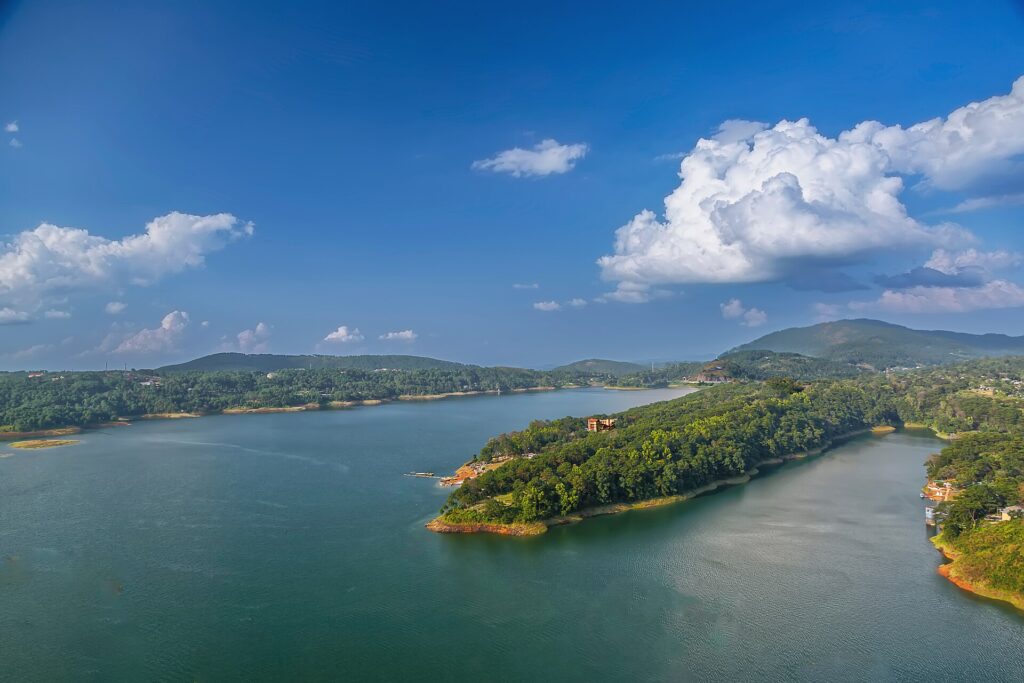
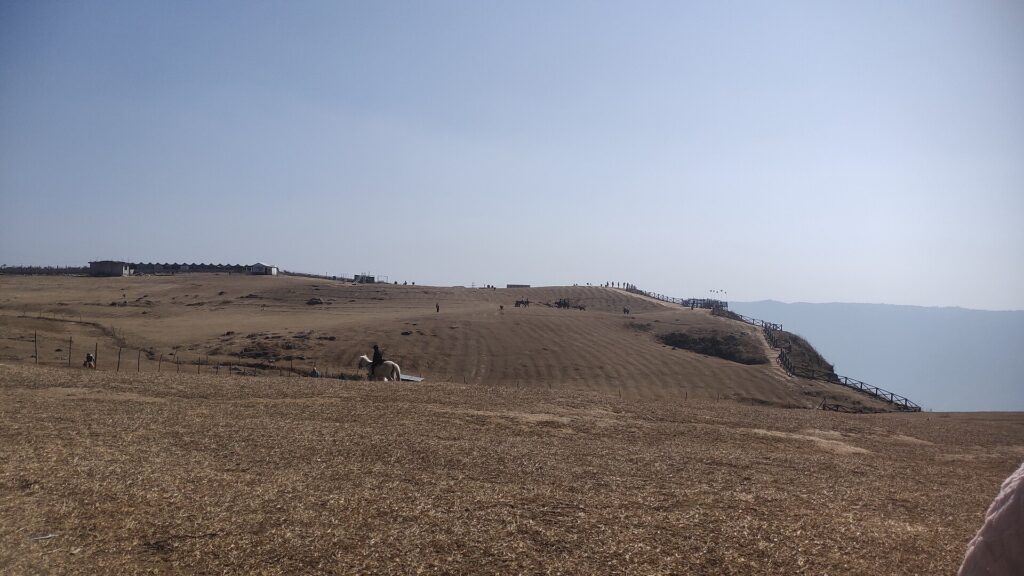
Leave Guwahati by late morning. Umiam Lake appears about 15 km before Shillong, a good tea break. Stay near Police Bazar or Laitumkhrah, close to food and taxi stands. If you arrive with daylight to spare, Laitlum Canyon on the eastern edge of the plateau is a quieter sunset viewpoint than the city spots.
Day 2: Shillong to Sohra (about 54 km, 2 hours plus stops)
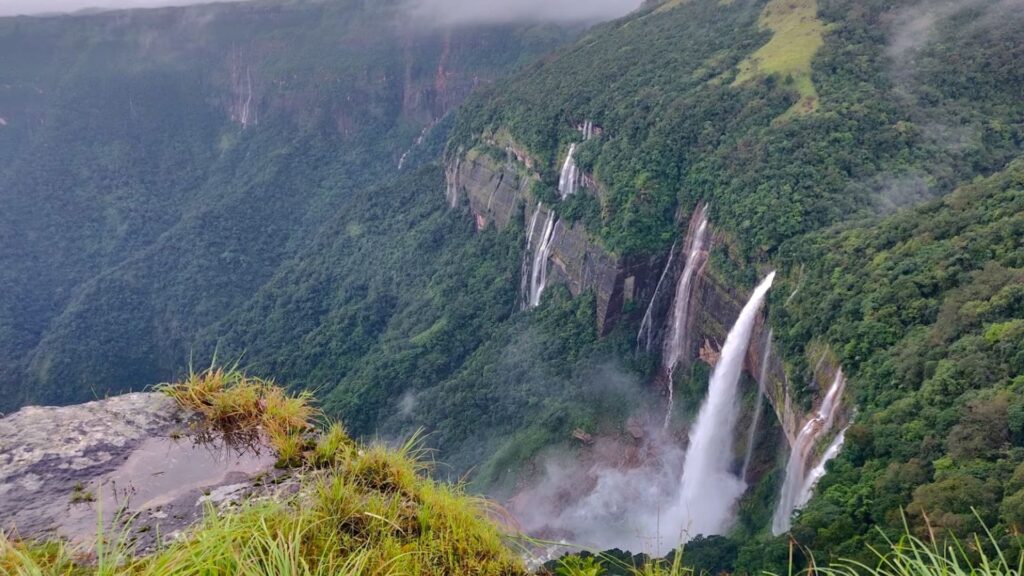
Start with Elephant Falls on the outskirts of Shillong (entry reported at about Rs 20). Then head south to Sohra for the afternoon viewpoint circuit: Nohkalikai Falls, Seven Sisters Falls at Mawsmai, and Mawsmai Cave, which older reports price at around Rs 10 plus a camera fee. Fees at these community-run spots change, so carry small change. My Meghalaya caves guide has the full cave circuit with current fees.
Stay in Sohra tonight, not Shillong. Tyrna, the Nongriat trailhead, is about 12 km from Sohra but roughly two and a half hours from Shillong. Sohra homestays are reported from around Rs 1,200 a night.
Day 3: Nongriat Double Decker Root Bridge Trek
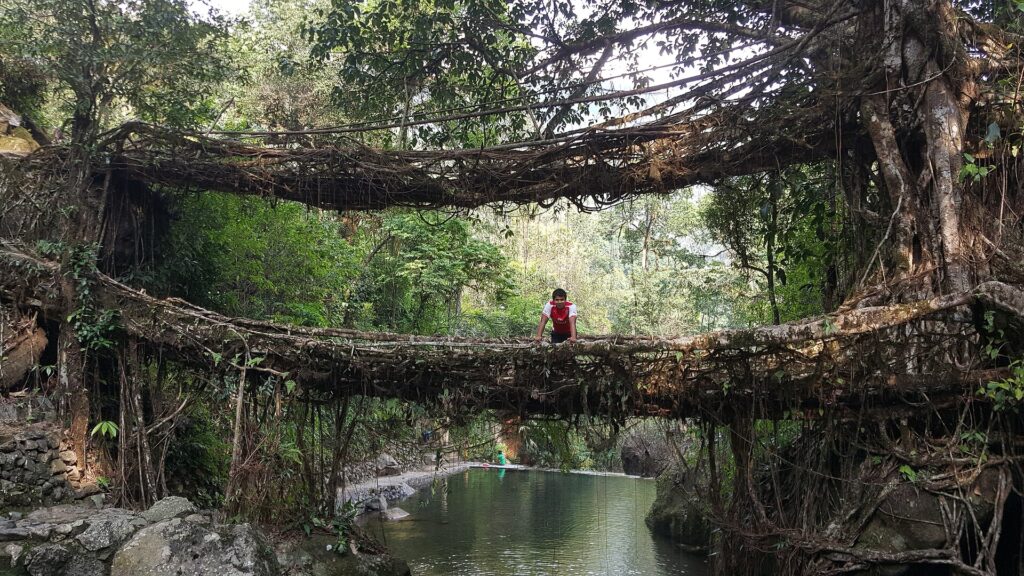
Drive to Tyrna early, meet your registered guide, and start down the stone staircase to Nongriat. Most people need the full day because the climb back is the real test. You can also stay overnight in a Nongriat homestay and climb out the next morning, which turns one hard day into two easy ones.
Day 4: Sohra to Mawlynnong and Dawki
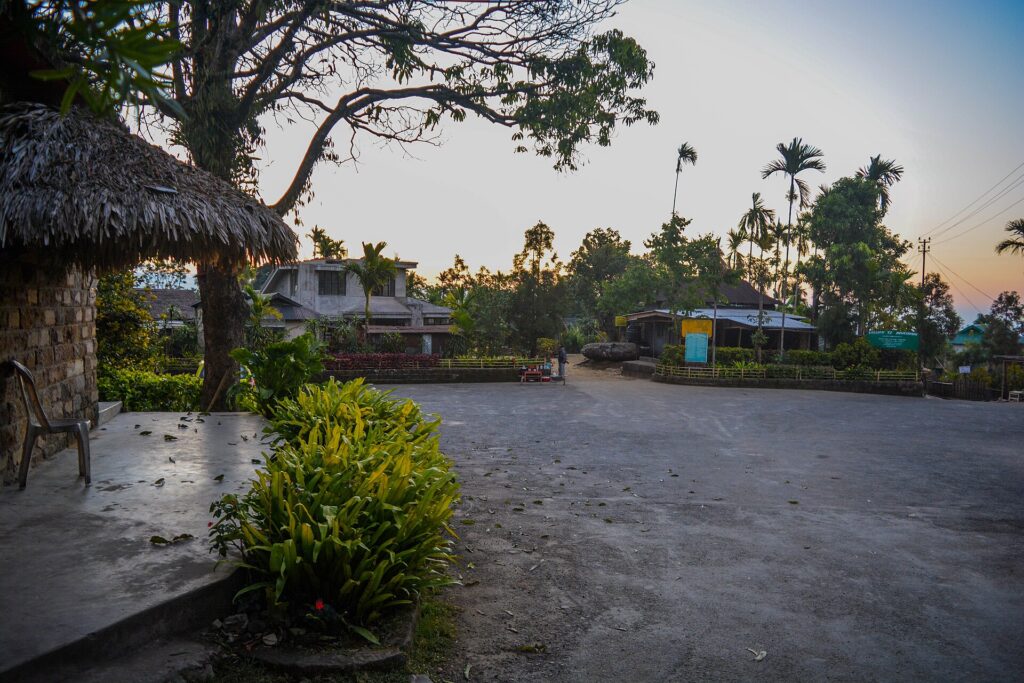
This is the longest driving day, because the road from Sohra loops back toward Shillong before turning south-east to the Bangladesh border. Ask your driver for a realistic estimate, since roadworks on the Shillong – Dawki stretch have been changing travel times. Stop at Mawlynnong, known for its cleanliness and community-run tourism, for lunch, and nearby Riwai has a single root bridge if you skipped Nongriat. Sleep at Shnongpdeng, whose riverside camps are quieter than Dawki town and better for an early boat ride.
Day 5: Umngot River and the Return to Guwahati
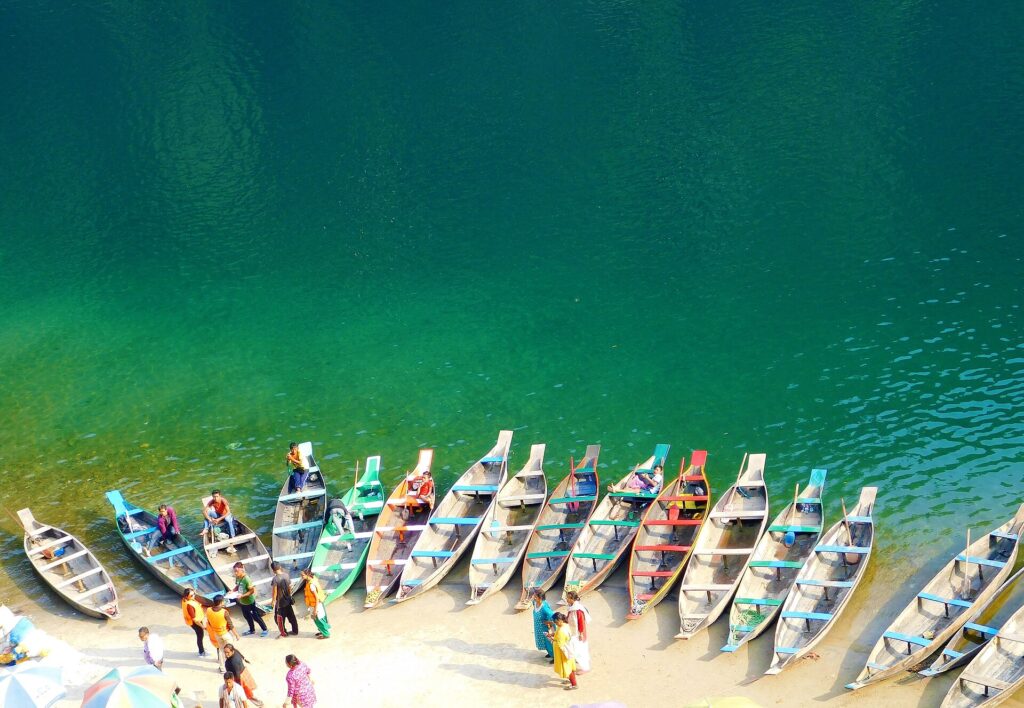
Be on the water early. Meghalaya Tourism lists Dawki’s visiting hours as 6 AM to 6 PM, and morning light gives the best chance of see-through water. Then drive 82 km back to Shillong and about 100 km more to Guwahati. If your flight is before 4 PM, please do not attempt this. Add a sixth night in Shillong instead.
How Hard Is the Double Decker Living Root Bridge Trek?
Quick answer: moderately hard, mainly because of the steps. The route from Tyrna drops roughly 3,500 stone steps and crosses steel suspension bridges to Nongriat, and you climb all of it back. Fit walkers manage the round trip in a day. A registered guide is mandatory, and a night in Nongriat makes it far easier.
Route descriptions are consistent: a steep staircase of around 3,500 steps from Tyrna, narrow steel suspension bridges to Nongriat village, then a short climb to the bridge itself. Going down is easy on the lungs and hard on the knees. Coming up is the opposite. The real difference from a Himalayan day hike is humidity, which makes you sweat far more than the altitude suggests.
- Start early. Leave Tyrna by 8 AM so the climb back is done well before dark.
- Wear shoes with real grip. The steps stay damp and mossy for most of the year. Skip cotton jeans, which stay wet and heavy.
- Carry water and cash. Small shops sell water and snacks at a premium. A bridge entry fee of about Rs 20 has been reported, verify on the day.
- Respect the bridges. These are living structures grown by Khasi villagers over decades. Do not climb the railings or strip roots for photos.
In March 2022, “Jingkieng Jri: Living Root Bridge Cultural Landscapes” was added to the UNESCO World Heritage tentative list. Reports describe around 100 known root bridges across 72 villages in East Khasi Hills and West Jaintia Hills, grown by guiding rubber fig roots across streams over 10 to 15 years. They are village infrastructure first, so walk on them like a guest.
Is the Umngot River at Dawki Still Crystal Clear?
Quick answer: usually between November and April, but not guaranteed. In late 2025, silt from the Shillong – Dawki road project turned the river murky, though boating continued. In monsoon the water is muddy and boating is unsafe. Check photos from the last week before building your trip around the floating-boat shot.
The famous photo of a boat hovering over the riverbed is real, but it needs calm, silt-free water. Meghalaya Tourism recommends visiting Dawki between October and May, and the clearest water is generally reported in the drier winter months.
However, there is a twist most guides miss. In November 2025, The Tribune reported that soil dumping, excavation and hill cutting for the Shillong – Dawki road project had increased silt runoff, so even light showers clouded the water. It also called claims of a two to three year closure false. I could not find a confirmed 2026 update on clarity, so ask your homestay before you go.
Boating cost: commonly reported at around Rs 800 to Rs 1,500 per boat, with some 2025 reports of Rs 1,500 to Rs 3,000 depending on duration and operator. Confirm price and duration first, and wear the life jacket. Kayaking and snorkelling are also offered at Shnongpdeng in the dry months. Dawki sits right on the India – Bangladesh border, so stay on the Indian side and follow any BSF instructions.
What Is the Best Time to Visit Meghalaya?
Quick answer: October to April for this circuit. October and November give flowing waterfalls with drier trails. December to February brings the clearest Umngot water but thin waterfalls and cold Shillong nights. June to September is heavy monsoon, great for waterfalls but poor for treks and boating.

Meghalaya’s seasons work opposite to what Himalayan travellers expect. In Spiti or Ladakh, summer is the travel season. Here, summer is the rain. According to Meghalaya Tourism, Mawsynram near Sohra receives nearly 12,000 mm of rain a year. Hence, the question is not “is the road open” but “can I see anything, and are the trails safe”.
| Months | Waterfalls | Umngot River | Root bridge trek | Verdict |
|---|---|---|---|---|
| October to November | Still strong | Clearing, depends on recent rain | Good, steps drying out | Best all-round window |
| December to February | Thin, some nearly dry | Typically clearest | Very good, cool | Best for Dawki and trekking |
| March to May | Moderate | Good until pre-monsoon showers | Good, humid by May | Pleasant, fewer crowds early |
| June to September | At their most dramatic | Muddy, boating unsafe | Slippery, leeches | Only for monsoon lovers |
If I could pick one window, it would be mid-October to late November, when you get both waterfalls and a reasonable shot at clear water at Dawki. Avoid long weekends and the Christmas to New Year week if you dislike crowds.
How Much Does a 5-Day Meghalaya Trip Cost in 2026?
Quick answer: about Rs 8,820 to Rs 13,100 per person on a backpacker budget, Rs 19,250 to Rs 27,250 mid-range with a hired car, and Rs 32,250 to Rs 50,250 in comfort with resort stays. Figures assume two people sharing a room and a car, starting and ending in Guwahati. Flights or trains to Guwahati are extra.
Meghalaya does not publish an official taxi tariff, so the transport lines below come from operator listings and traveller reports. Treat them as planning numbers, not quotes. If four of you share one car, transport per head roughly halves, and that is the biggest saving available, my friend.
| Expense (per person, 5 days, 4 nights) | Backpacker | Mid-range | Comfort |
|---|---|---|---|
| Guwahati – Shillong return | Rs 420 – 1,000 (bus or shared taxi) | Included in hired car below | |
| Local transport | Rs 2,500 – 3,500 (MTDC tour, shared Sumos, shared cab to Dawki) | Rs 8,750 – 11,250 (small car at Rs 3,500 – 4,500 per day, 5 days, split by 2) | Rs 8,750 – 11,250 (same car) |
| Stay, 4 nights | Rs 2,400 – 3,600 (rooms at Rs 1,200 – 1,800) | Rs 5,000 – 8,000 (rooms at Rs 2,500 – 4,000) | Rs 14,000 – 24,000 (resorts at Rs 7,000 – 12,000) |
| Food, 5 days | Rs 2,500 – 3,500 | Rs 4,000 – 6,000 | Rs 7,500 – 12,500 |
| Entry fees, guide share, boat share | Rs 1,000 – 1,500 | Rs 1,500 – 2,000 | Rs 2,000 – 2,500 |
| Total per person | Rs 8,820 – 13,100 | Rs 19,250 – 27,250 | Rs 32,250 – 50,250 |
The backpacker column assumes you find other travellers to share a cab on the Dawki day. If you cannot, budget roughly one extra day of cab hire on your own. Expect cab quotes at the upper end of the range in peak season. The Nongriat guide fee was not published anywhere I could verify, which is why it sits inside a conservative fees line rather than as an exact number.
If you are comparing North East options, our Sikkim budget and route planner breaks down a 7-day and 10-day Sikkim trip the same way. The difference is where the money goes: Sikkim has permit fees and registered-operator packages for North Sikkim, while in Meghalaya the big swing is how you handle local transport.
What Safety Tips Should You Know Before Visiting Meghalaya?
Quick answer: carry photo ID for hotel registration, hire a registered guide for any trek, avoid trails and cliff-edge viewpoints in heavy rain, wear grippy shoes, keep to the Indian side at Dawki, and save 112 for emergencies. In monsoon, expect landslides and fog on the Sohra and Dawki roads.
- Rain and roads: heavy rain brings landslides and thick fog on the roads to Sohra and Dawki, especially from June to September. Please take a sensible call and do not push a driver in poor visibility.
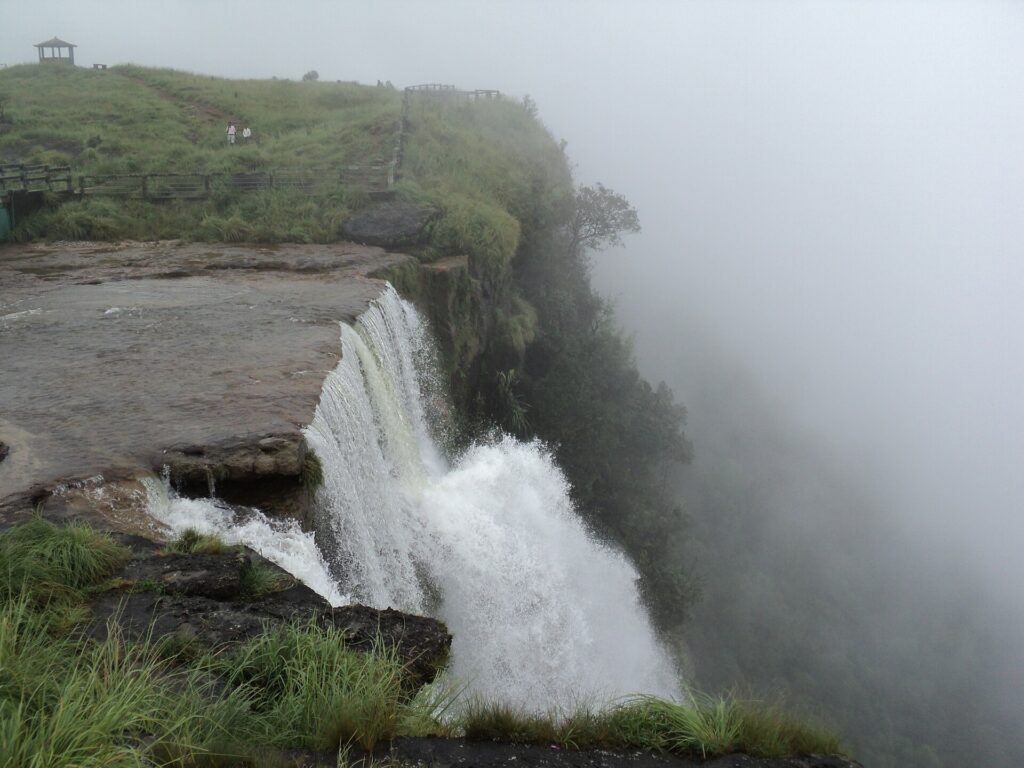
- Cliff viewpoints: Sohra’s viewpoints sit above sheer drops. Stay behind the railings on damp days.
- Water: wear a life jacket at Dawki and Shnongpdeng, and do not swim after rain when the current picks up.
- Cash and network: Shillong has plenty of ATMs, but carry cash for Sohra, Nongriat, Mawlynnong and Dawki. Travellers commonly report weak signal in deep valleys like Nongriat, so share your plan before heading down.
- Packing: think wet, not cold. A proper rain jacket in any month, quick-dry clothes, a dry bag for your phone, a fleece for Shillong evenings and leech socks in the monsoon.
If you are a woman travelling solo, the new guide and registration rules add a useful layer of accountability. The general precautions in our solo female travel safety guide apply here as well.
Related Reading for Your North East Trip
- Sikkim permits 2026: RAP, PAP and ILP explained
- Gangtok weekend trip guide
- North Sikkim travel guide: Lachen, Gurudongmar and Yumthang
- Old Silk Route in East Sikkim
- Bhutan permits for Indians, including the Samdrup Jongkhar entry from Assam
- Bhutan trip cost for Indians
- Honeymoon trip ideas in the Himalayas, which also features Shillong
- Monsoon travel habits from our Uttarakhand guide
- Things to carry on a trip and how to pack a backpack
Frequently Asked Questions About Meghalaya Travel
Do Indians need an Inner Line Permit for Meghalaya?
No, not as of October 2026. Hotels and homestays must register every guest on the state tourism app, so carry photo ID. A virtual ILP-style entry registration was proposed in July 2026 but was not in force at the time of writing. Arunachal Pradesh is different, and the Tawang travel guide explains how Indians apply for its eILP.
Is a guide mandatory for the double decker root bridge trek?
Yes. Since June 2025, East Khasi Hills requires tourists to hire a registered guide for treks and outdoor activities, which covers Sohra and Nongriat. Confirm the guide fee at Tyrna or through your homestay.
How many days are enough for Meghalaya?
Five days covers Shillong, Sohra and Dawki without rushing: one night in Shillong, two in Sohra and one near Dawki. Add a sixth if your Guwahati flight leaves before 4 PM.
Can I self-drive a rented car in Meghalaya?
Renting private vehicles to tourists for self-drive was banned in June 2025. Hire a Meghalaya-registered cab with a driver instead, reported at roughly Rs 3,500 to Rs 4,500 per day for a small car.
How much does a 5-day Meghalaya trip cost?
About Rs 8,820 to Rs 13,100 per person on a backpacker budget, Rs 19,250 to Rs 27,250 mid-range, and Rs 32,250 to Rs 50,250 in comfort, with two sharing a room and car from Guwahati.
When is the Umngot River at Dawki clearest?
Generally between November and April. In monsoon it turns muddy and boating is unsafe, and in late 2025 road-project silt clouded it even in the dry season, so check recent photos first.
What is the distance from Shillong to Cherrapunji and Dawki?
Sohra (Cherrapunji) is about 54 km from Shillong, roughly 2 hours. Dawki is 82 km via NH-206, usually around 3 hours depending on roadworks.
Is Meghalaya worth visiting in the monsoon?
Only if waterfalls are your main goal. June to September brings dramatic falls but also landslides, fog, slippery trails, leeches and unsafe boating. For this circuit, October to April is better.
Final Thoughts: Is This Meghalaya Circuit Right for You?
If you have only done the Himalayas so far, Meghalaya will feel refreshingly different. No high passes, no AMS, no permit queues. Instead you get rain, roots and rivers, plus local rules newer than most advice online. Follow this order, sleep in Sohra rather than commuting from Shillong, hire a local guide for Nongriat, and keep a flexible half-day for the weather.

Since this guide is built on research rather than my own trip, I would love to hear from those of you who have done this circuit recently. What did your cab and Nongriat guide cost, and how clear was the Umngot when you were there? Share it in the comments and I will fold the verified details back in for fellow travelers. For travel partners and trip reports, the DwD Community is always open 🙂 …
If you know friends or family planning a North East trip, do share this article with them. If you have any questions, feel free to ask in the comments section below 🙂
LAST UPDATED: October 2026. Rules, fees and fares in Meghalaya changed significantly in 2025 and 2026. Prices marked approximate come from operator listings and traveller reports, so please verify locally before you travel.
