


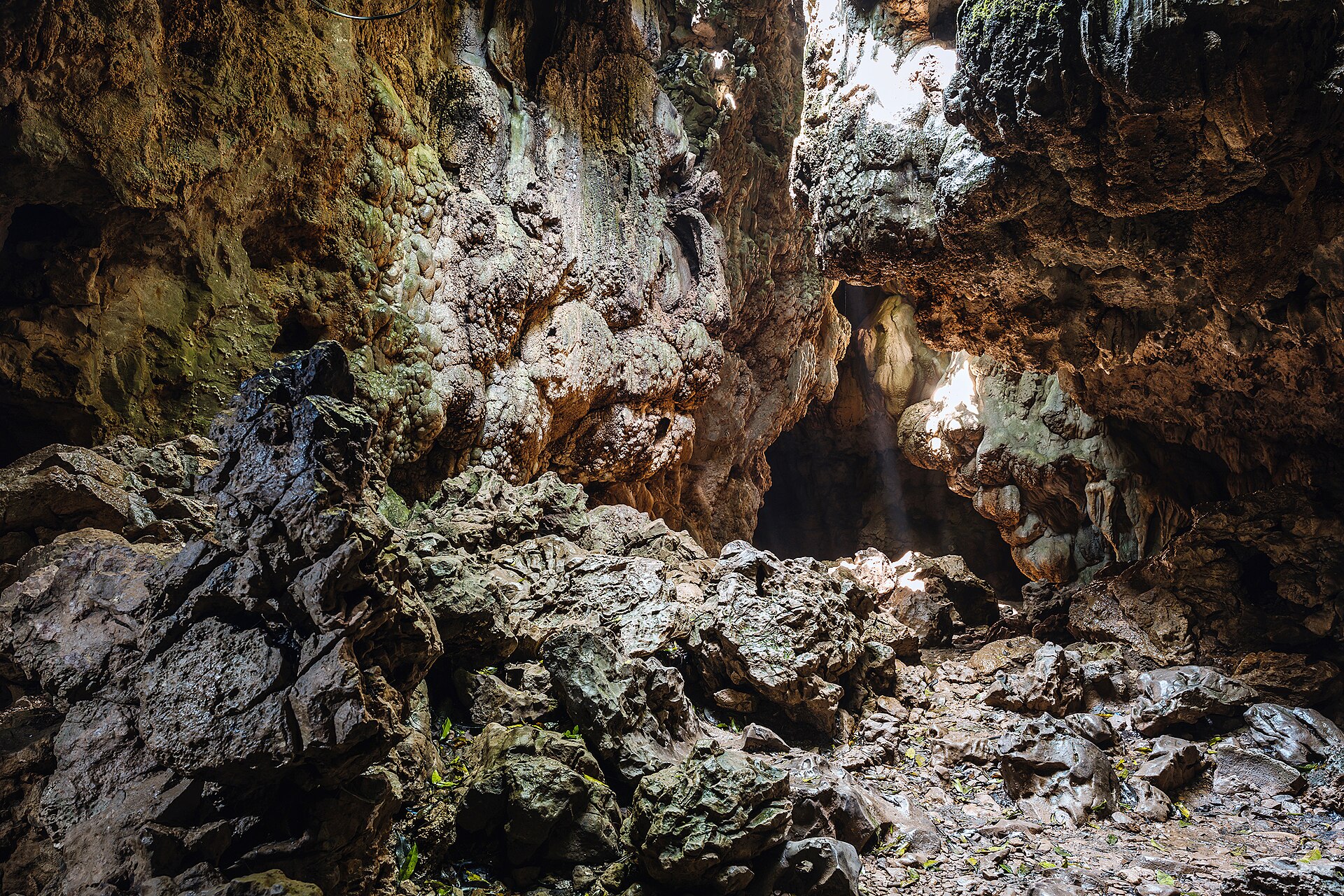
Most people plan their Meghalaya trip around waterfalls and root bridges, and treat the Meghalaya caves as a 20-minute stop between viewpoints. That is a pity, because the state sits on one of the largest cave regions in the subcontinent. Some of these caves are lit, paved and family-friendly. Others, like Krem Liat Prah and Siju, are wild river caves where you need a guide, a headlamp and the right month, or you simply should not go in.
Let me be upfront, my friend. I have not been caving in Meghalaya myself, so this guide is based on research: Meghalaya Tourism’s destination pages, geological records, regional news and visitor data, cross-checked. Where sources disagree on a fee or distance, I say so. For the bigger trip, start with my complete Meghalaya travel guide for 2026. This post covers the caves alone, and which ones make sense now that the monsoon is ending.
Quick Answer: Which Meghalaya Caves Are Open After the Monsoon in 2026?
Quick answer: As of October 2026 I found no official closure notice for any major Meghalaya cave. The lit show caves near Sohra (Mawsmai and Arwah) take visitors through most of the year. The wild caves are different: Meghalaya Tourism recommends November to February for Mawmluh, November to March for Siju, and October to April for Liat Prah, once water levels drop.
Meghalaya Caves at a Glance (Last Verified October 2026)
| Easiest caves | Mawsmai and Arwah near Sohra (Cherrapunji). Lit interiors, short routes, no gear needed |
| Adventure cave | Mawmluh, about 2.9 km by road from Sohra. Wading and a guide are part of the deal |
| Longest cave | Krem Liat Prah, Shnongrim Ridge, East Jaintia Hills. Explored length about 34 km and growing. Expedition caving only |
| Remote river cave | Siju (Dobakkol, the “bat cave”), South Garo Hills. About 255 km from Shillong per Meghalaya Tourism |
| Best months | October to April overall. November to February is the safest window for wet caves |
| Monsoon | June to September. Water collects inside the river caves. Stick to the lit show caves, if any |
| Fees | Small community fees at show caves, reported between Rs 15 and Rs 50. Verify on the day and carry change |
| Guide rule | East Khasi Hills made registered guides mandatory for treks and outdoor activities (reported July 2025) |
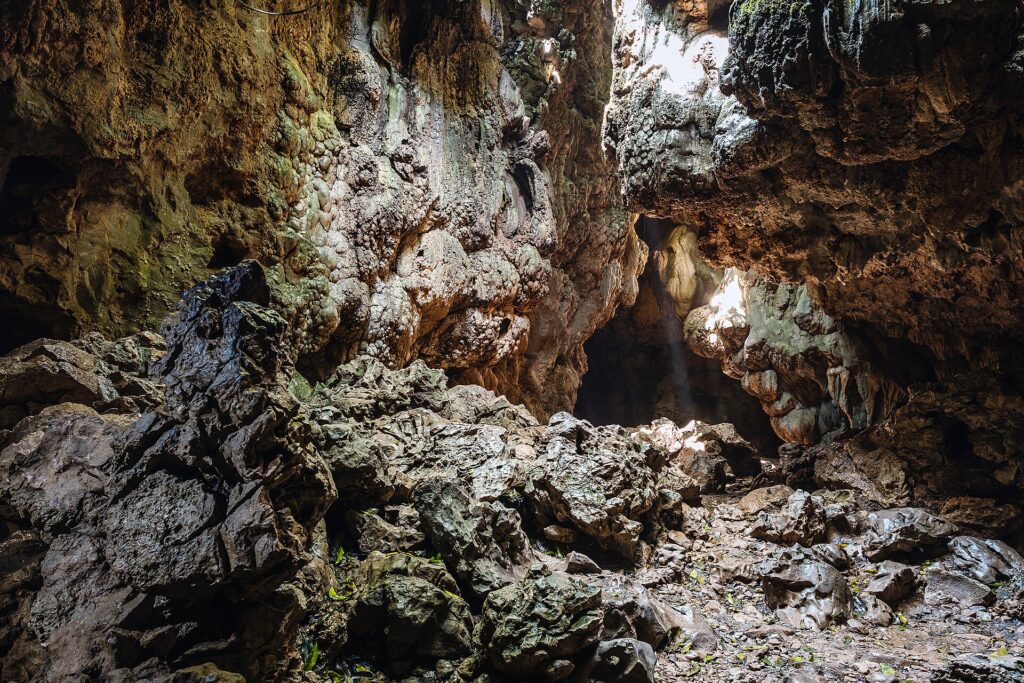
Which Meghalaya Cave Should You Visit? Show Caves vs Wild Caves
Quick answer: Families and first-timers should do Mawsmai and Arwah on a Sohra day. If you want a taste of real caving, add Mawmluh with a local guide between November and February. Liat Prah and Krem Puri are for organised caving expeditions, and Siju only makes sense if you are already heading to the Garo Hills.
The biggest planning mistake is lumping every cave together. “Show caves” have lights, railings and a fixed route. “Wild caves” have streams, mud and no lights at all. Let us sort them first.
| Cave | Area | Type | Who it suits | Best months (official) | Status, Oct 2026 |
|---|---|---|---|---|---|
| Mawsmai | Sohra, East Khasi Hills | Lit show cave, about 150 m route | Everyone, including kids | October to April | No closure reported |
| Arwah | Sohra, East Khasi Hills | Lit cave with fossils | Everyone, short forest walk | October to May | No closure reported |
| Mawmluh | Sohra, East Khasi Hills | Wild river cave, 7.2 km | Fit adults with a guide | November to February | Check water level locally |
| Mawjymbuin | Mawsynram, East Khasi Hills | Shallow cave, large stalagmite | Everyone | Not stated | Reported open 9 AM to 5 PM |
| Krem Liat Prah | Shnongrim Ridge, East Jaintia Hills | Expedition cave, about 34 km | Experienced cavers only | October to April | Not a walk-in attraction |
| Krem Puri | Laitsohum, East Khasi Hills | Sandstone cave, claimed 24.5 km | Expedition cavers only | Not stated | Not a walk-in attraction |
| Siju | South Garo Hills | River cave, 4.7 km plus | Adventurous travellers with a local guide | November to March | No closure reported |
“No closure reported” means I searched Meghalaya Tourism, district news and Shillong media for 2026 notices and found none. It does not mean nobody will stop you at the gate after a night of heavy rain. Hence, confirm with your driver or homestay the evening before.
What Is Mawsmai Cave Like, and Is It Worth It?
Quick answer: Mawsmai is a short, lit limestone cave about 6 km from Sohra town. Meghalaya Tourism describes a route of about 150 m that is “safe and manageable even for beginners,” with a couple of spots where you squeeze or crouch. Plan 30 to 45 minutes inside, longer on a crowded weekend.
Mawsmai is the cave almost every Sohra taxi includes, usually paired with Seven Sisters Falls on the same ridge. Meghalaya Tourism puts it about 58 km from Shillong and roughly 6 km from Cherrapunji town. The interior is electrically lit, which is why it is the default choice for families and older parents.
Keep in mind that “lit” does not mean “wide.” Visitors mention one or two narrow passages where you turn sideways or bend low, and the floor stays damp all year. Wear shoes with grip, leave big backpacks in the car, and let claustrophobic friends enjoy the entry chamber and skip the tight bit.
Fees are where the internet gets messy. A 2023 cave-database listing gives Rs 20 for adults, Rs 10 for children and Rs 20 for a camera, open 9:30 AM to 5:30 PM. Aggregators quote Rs 15 to Rs 40, plus parking. Carry small notes.
Is it worth it? Yes, as an easy introduction to limestone formations, not an adventure. Go early, because the single-file route turns into a slow, stuffy queue at midday on long weekends.
Is Arwah Cave Better Than Mawsmai?
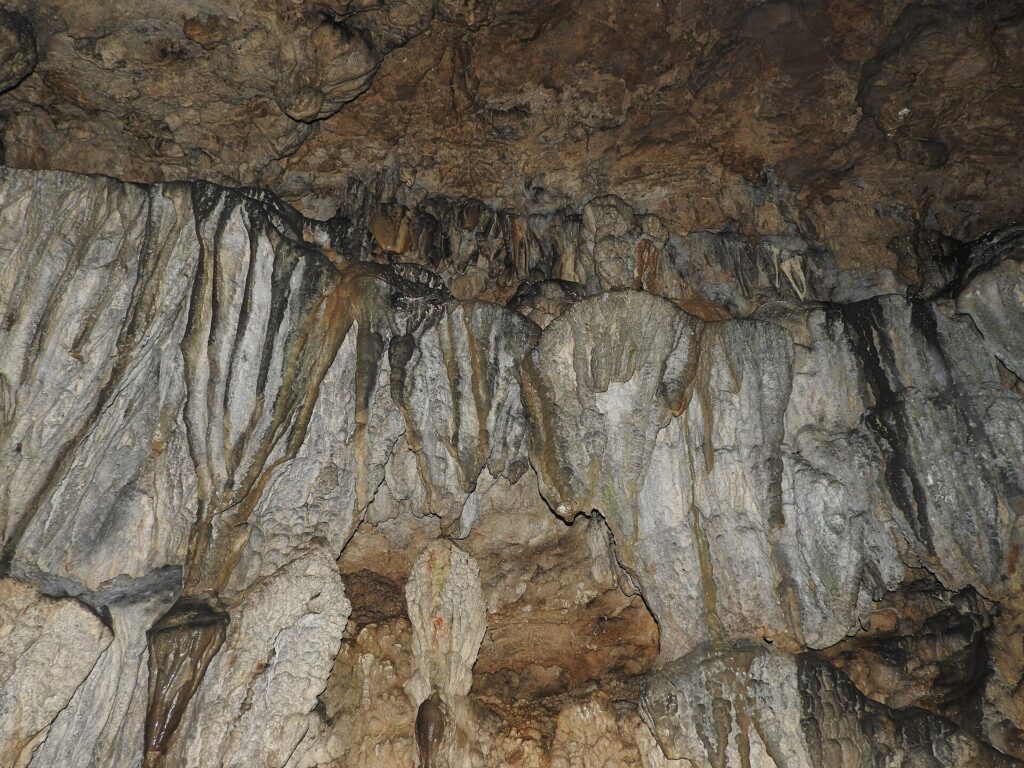
Quick answer: For many travellers, yes. Arwah, about 3.5 km from Cherrapunji bus station, has a bigger entrance chamber, fewer tour groups, and visible marine fossils in its limestone walls. A paved forest path with resting benches leads to it. It is still lit and easy, so it suits the same families who would visit Mawsmai.
The fun part of Arwah is the walk in. Meghalaya Tourism describes a path along Lawshynna Hill with waterfall and valley views and benches along the way, and a cave database puts it at about 400 m from parking. Inside, the official page mentions fossilised crustacean shells and fish bones, most visible towards the far end. Slow down there.
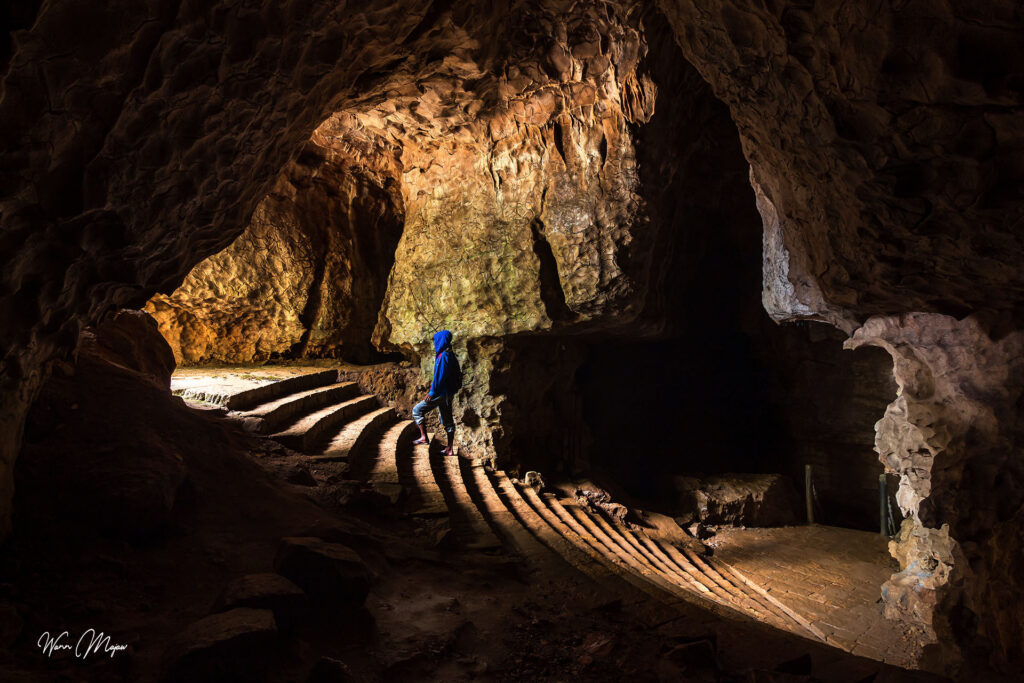
The same 2023 database lists Arwah at Rs 50 for adults and Rs 10 for children, open 6 AM to 6 PM, though other listings differ. My suggestion: if you have time for only one show cave, pick Arwah for the fossils and quieter feel. With a hired car, both fit into the same morning.


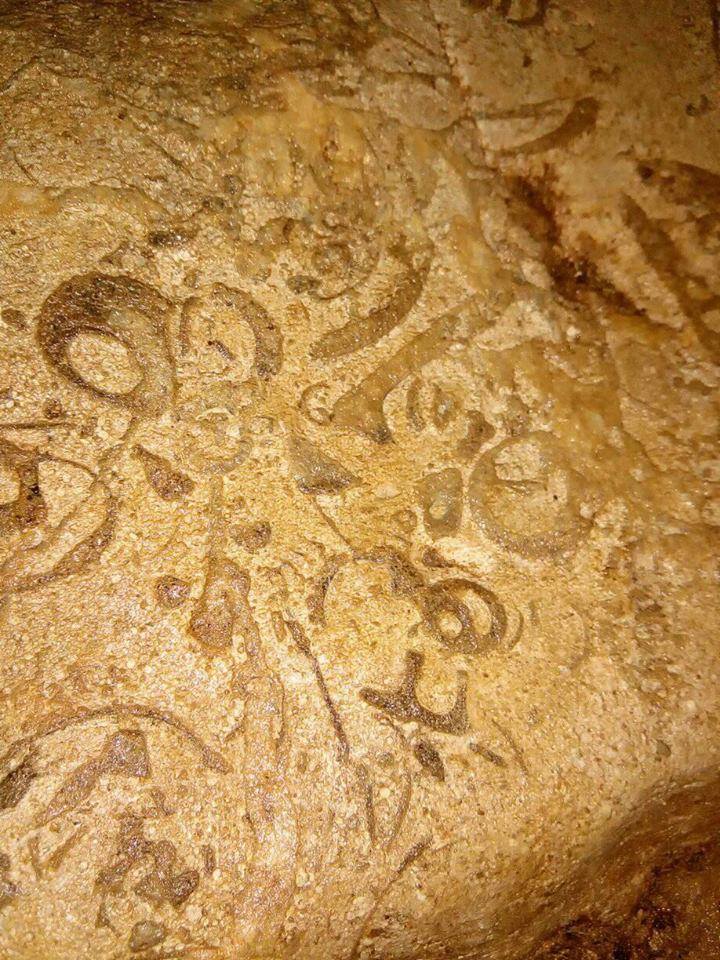
Can Tourists Go Inside Mawmluh Cave?
Quick answer: Yes, but it is a wild cave, not a show cave. Mawmluh is about 2.9 km by road from Sohra and around 7.2 km long. Expect wading, low ceilings and total darkness. Meghalaya Tourism “highly recommends” a guide and suggests November to February, because water collects inside during the monsoon.
Mawmluh is the cave I would be most excited about, and it is also the one where I would be most careful. It is the reason the latest age of Earth’s history carries Meghalaya’s name. In June 2018, the International Commission on Stratigraphy ratified the Meghalayan Age, which begins about 4,200 years ago with a roughly 200-year drought that hit early civilisations. The reference point for that boundary is a cave formation from Mawmluh. In October 2022, the International Union of Geological Sciences also named Mawmluh among its first 100 geological heritage sites.
None of that makes the cave easier to walk through. A 2023 Outlook Traveller piece advises rubber boots because you wade through water in places. The Meghalaya Tourism page for Mawmluh describes narrow tunnels, low ceilings and a route to the cave over rocky ground and riverbeds, which is easier in the dry season. There is no published fee or official guide rate that I could verify, so agree the price and the turnaround point with your guide before you enter.

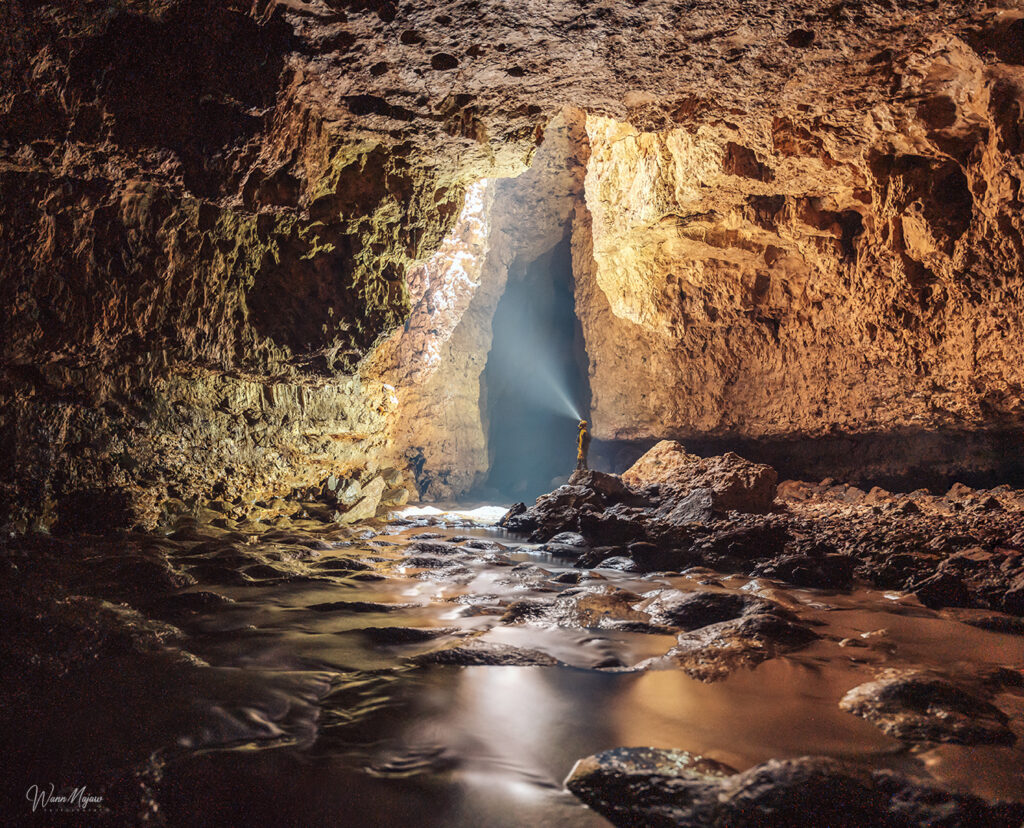
Mawmluh sits in East Khasi Hills, where registered guides were made mandatory for treks and outdoor activities (reported July 2025). A wild cave clearly falls in the spirit of that order, so take a registered guide and keep the receipt. My living root bridges trek guide explains how the rule works at Tyrna.
What About Mawjymbuin Cave in Mawsynram?
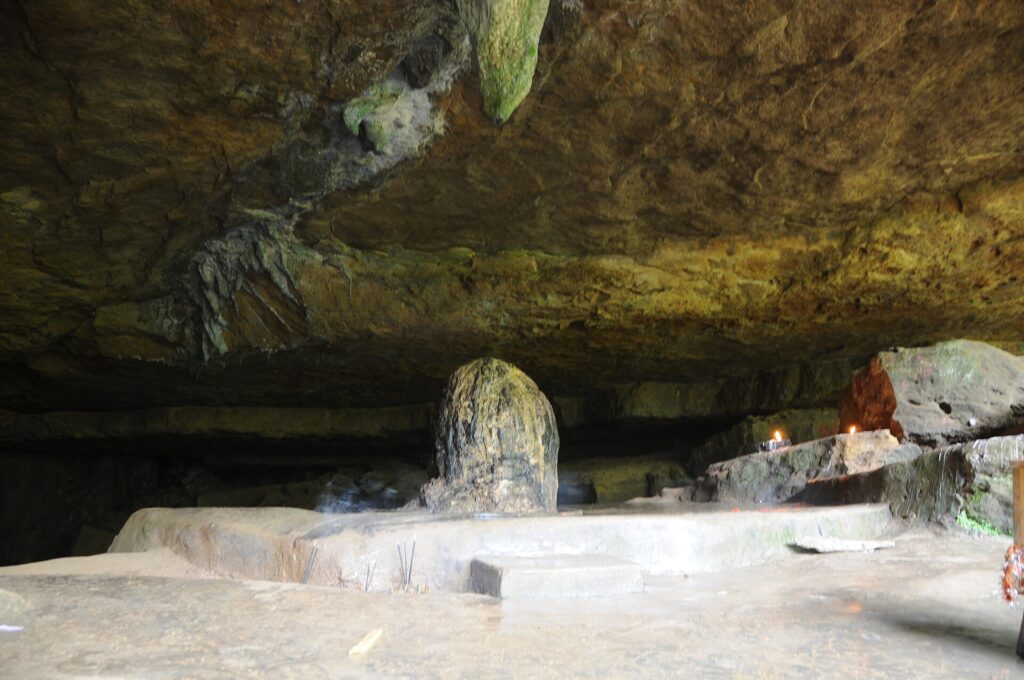
Quick answer: Mawjymbuin is a shallow cave in Mawsynram known for a large dome-shaped stalagmite. It is reported open daily from 9 AM to 5 PM. Since August 2024, the local Dorbar Shnong has barred religious rituals inside, and the dispute reached the Meghalaya High Court. Visit as a tourist and respect the rule.
Mawjymbuin is a separate half-day towards Mawsynram, Sohra’s rival for the title of wettest place on Earth. The cave is short. The draw is the stalagmite, which some visitors venerate as a natural Shiva lingam.
Regional papers report that the Mawsynram Dorbar Shnong (village council) stopped Hindu prayers inside in August 2024, saying it is a tourist spot, not a temple. The High Court later allowed a conditional pilgrimage without puja inside. I could not confirm the latest court position, so go as a visitor, light nothing inside, and follow the village volunteers at the entrance.
Can You Visit Krem Liat Prah, India’s Longest Cave?
Quick answer: Not as a casual tourist. Krem Liat Prah lies on the Shnongrim Ridge in East Jaintia Hills and has an explored length of about 34 km, the longest known natural cave in India. Its passages were mapped by international caving expeditions. Exploring it means joining an organised caving trip with experienced local guides.
According to Wikipedia, it is one of about 150 known caves on the Shnongrim Ridge, and its trunk passage is nicknamed the “Aircraft Hangar” for its size. The length keeps growing as surveyors link neighbouring caves: a 2006 report said about 22 km, and both Wikipedia and Meghalaya Tourism now say about 34 km.
Most of the mapping came from the “Caving in the Abode of the Clouds” project, where European cavers have worked with the Shillong-based Meghalaya Adventurers’ Association for over two decades. Those expeditions run in the dry season, typically February and March. That tells you when the deep caves are safe.
The Meghalaya Tourism page for Liat Prah puts it 7 to 8 km from Nongkhlieh village and suggests October to April, but the same page also carries copy-pasted Sohra road details. Do not plan this from a web page. Contact the Meghalaya Adventurers’ Association or an established Shillong caving operator, and ask about helmets, lights, insurance and the section you will see.
The same logic applies to Krem Puri near Laitsohum in East Khasi Hills. A 2018 expedition led by the Meghalaya Adventurers’ Association mapped it at 24,583 m between 5 February and 1 March 2018, and it is claimed as the world’s longest sandstone cave. It is a research and expedition cave, not a sightseeing stop.
How Do You Reach Siju Cave in the Garo Hills?
Quick answer: Siju is in South Garo Hills, near the Simsang River and about 5 km from Duramong Siju bazaar. Meghalaya Tourism puts it about 255 km from Shillong via Nongstoin and Baghmara (7 to 8 hours), or about 125 km from Tura (4 to 5 hours by SUV). A local guide is essential, and November to March is the safe window.
Siju, also called Dobakkol or the bat cave, is nowhere near Sohra. Go only if you are already doing the Garo Hills, perhaps with Tura, Balpakram or Nokrek. The official Siju page describes the cave as stretching over 4.7 km, with “maze-like corridors,” and says plainly: “A guide is essential.” The tourism department’s distances vary slightly between its own pages, so treat 255 km from Shillong as approximate.
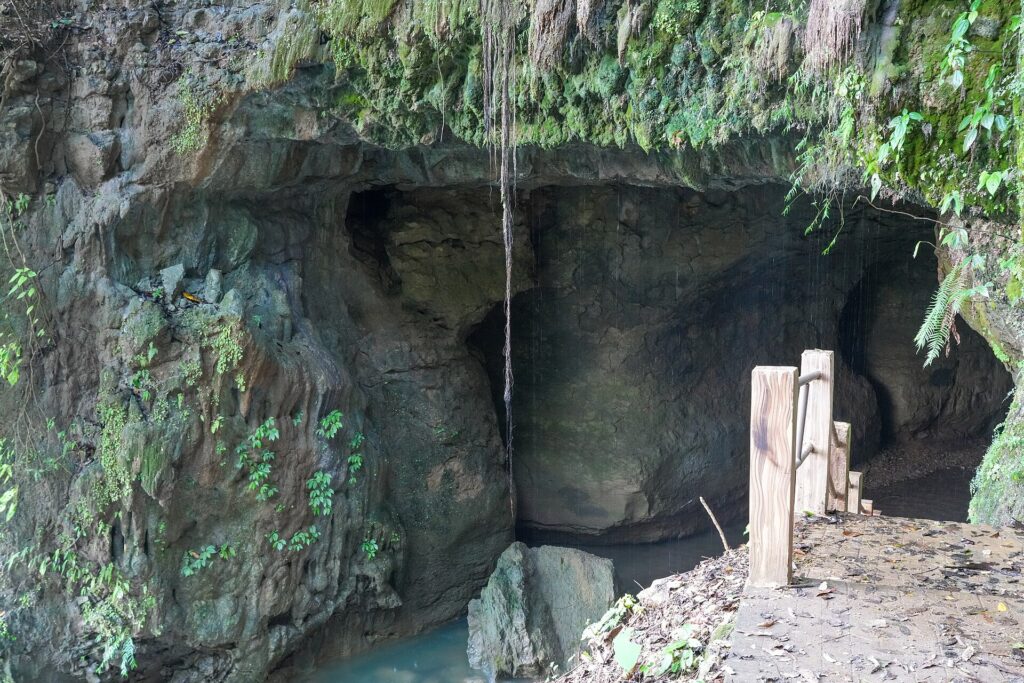
Inside, a stream runs along the cave floor, so wet feet are a given even after the rains. A related Meghalaya Tourism listing mentions blind cave fish, and a frog species described from here was named Amolops siju after the cave. Across the river is the Siju Bird Sanctuary, known for hornbills and peacock pheasants, which makes a good early-morning add-on.
For a stay, the tourism listing names the Siju Tourist Lodge: dorm beds at Rs 700 per night and seasonal camping at Rs 1,000. Keep infrastructure expectations modest. In February 2025, The Sentinel reported a Garo Students’ Union complaint that Rs 9.10 crore Swadesh Darshan facilities near the caves were cracking before inauguration. I could not confirm repairs.
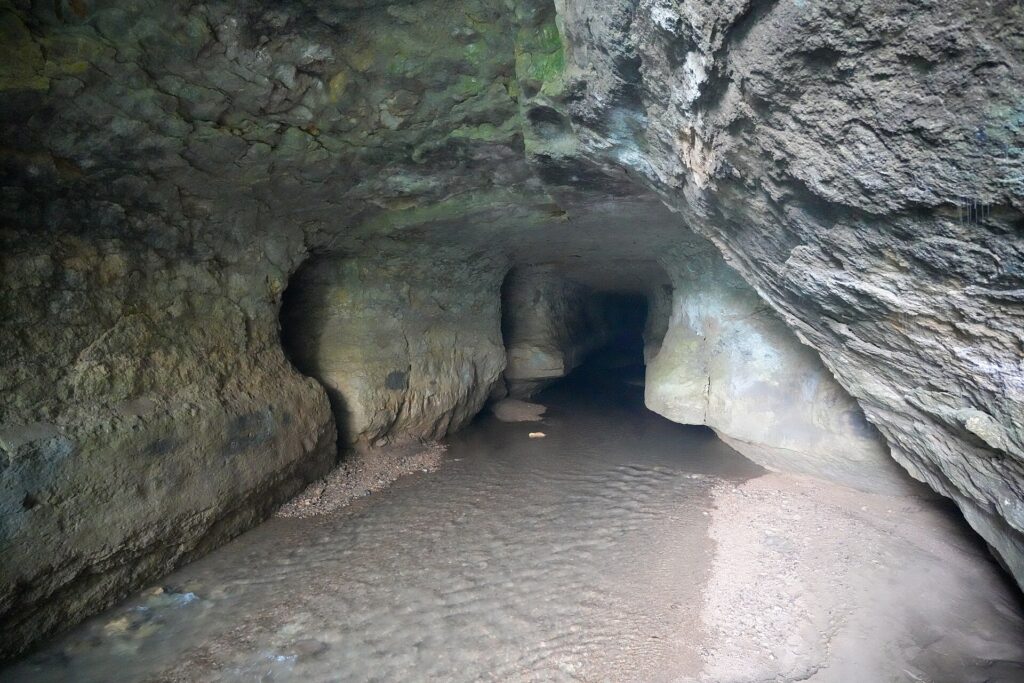
When Do Meghalaya Caves Reopen After the Monsoon?
Quick answer: The show caves rarely “close” in a formal sense. The wild caves become sensible once streams drop, which usually means November onwards. October is a transition month: fine for Mawsmai and Arwah, but check local rain before entering Mawmluh or Siju. December to February is the most reliable window for all of them.
These caves are carved by Meghalaya’s rain. Hence, the real question is not “is the cave open?” but “how much water is inside today?” Here is the year, based on official best-season advice.

| Month | Mawsmai and Arwah | Mawmluh and Siju | Liat Prah and Krem Puri |
|---|---|---|---|
| June to September | Usually visitable, slippery approach paths | Avoid. Water collects inside | Off season for expeditions |
| October | Good. Post-monsoon greenery outside | Borderline. Ask the guide about water level | Official season starts for Liat Prah |
| November to February | Best. Dry paths, busy weekends | Best window per Meghalaya Tourism | Expedition caving months (Feb to Mar) |
| March to May | Good until pre-monsoon showers | Siju fine till March, Mawmluh riskier | Season tapers off after April |
My honest advice for a post-monsoon trip: in October, build the day around Mawsmai and Arwah, with Mawmluh only if your guide says the water is low. From November, plan Mawmluh with more confidence. For waterfalls and the Umngot by month, see the best time section of my Meghalaya guide.
How Do You Plan a One-Day Sohra Caves Circuit?
Quick answer: Base yourself in Sohra, start by 8 AM, and do Mawsmai first, then Arwah, then Mawmluh with a guide after lunch if conditions allow. Sohra is about 54 km from Shillong (around 2 hours), so day-tripping from Shillong works only for the two show caves.
Since June 2025, renting private cars to tourists for self-drive is banned in Meghalaya, so use a Meghalaya-registered cab, shared Sumos, or the MTDC Sohra day tour (fares in my Meghalaya travel guide). The MTDC tour usually includes Mawsmai but runs on a fixed clock, with no time for Arwah or Mawmluh.
Here is the order I would follow with a cab and a free day in Sohra:
- 8:00 to 9:30 AM, Mawsmai Cave: arrive at opening to beat the tour groups, then step next door for Seven Sisters Falls.
- 10:00 to 11:30 AM, Arwah Cave: walk the forest path slowly and save time for the fossils at the far end.
- Lunch in Sohra market: eat light if Mawmluh is next.
- 1:30 to 4:00 PM, Mawmluh Cave: only with a registered guide, boots and a headlamp, and only if the water is low.
- Evening: Nohkalikai Falls viewpoint if the clouds allow, then back to your homestay.
Do not squeeze the living root bridges into this day. The Nongriat steps are a full day on their own, and your knees will thank you.
How Much Does a Meghalaya Caves Trip Cost in 2026?
Quick answer: A Sohra caves day costs roughly Rs 2,720 to Rs 3,900 per person for two people sharing a hired cab and a homestay room, before any Mawmluh guide fee. Cave entry fees are small. The cab is most of the bill. For Siju, the official tourist lodge dorm costs Rs 700 per bed per night.
Figures are per person for two sharing, using the same cab and room rates as my main Meghalaya guide. All are approximate, so verify locally.
| Sohra caves day (per person, 2 sharing) | Low | High | Notes |
|---|---|---|---|
| Hired small cab for the day | Rs 1,750 | Rs 2,250 | Rs 3,500 to Rs 4,500 per car per day, older quotes, verify |
| Entry and camera fees (Mawsmai, Arwah) | Rs 70 | Rs 150 | Reported fees vary from Rs 15 to Rs 50 per cave |
| Food for the day | Rs 300 | Rs 600 | Simple local meals and tea |
| Homestay share, 1 night | Rs 600 | Rs 900 | Sohra rooms reported from Rs 1,200 to Rs 1,800 |
| Total | Rs 2,720 | Rs 3,900 | Excludes Mawmluh guide fee |
I left the Mawmluh guide fee out because I found no verified rate. Agree it upfront, ideally on WhatsApp, and confirm whether boots and lights are included. For Siju, the only official numbers are the lodge rates (Rs 700 per dorm bed, Rs 1,000 seasonal camping). Transport and guide there are quoted on the spot.
What Safety Rules Matter Inside Meghalaya’s Caves?
Quick answer: Never enter a wild cave without a local guide, never go in after heavy rain, carry your own headlamp plus a backup, and wear shoes with grip. Do not touch formations, do not disturb bats, and tell your homestay where you are going and when you expect to be back.
Unlike my Himalayan posts, altitude is not the enemy here. Water is. River caves can rise quickly after a downpour upstream, even if it is sunny where you stand. Please take a sensible call, my friend. A cave that was knee-deep in the morning is no place to be once the sky opens up.
- Light: carry a headlamp and a spare torch, even for lit caves, in case the power fails. Phone torches drain fast and leave you with one hand.
- Footwear: grippy trekking shoes for show caves, and rubber boots or quick-dry sandals with straps for Mawmluh and Siju. My list of budget trekking shoes is a good starting point.
- Guide and receipt: in East Khasi Hills a registered guide is mandatory for outdoor activities, as reported in July 2025. Keep the receipt.
- Kit: a small dry bag for phone and cash, a light rain jacket, water and a basic first aid kit. My trekking packing checklist covers the basics.
- Respect: do not break or touch stalactites, do not write on walls, and do not light anything inside. These caves are living scientific sites.
- Registration: since June 2025, hotels and homestays must register guests on the state tourism app, so carry your ID.
- Network: expect no signal inside any cave and patchy signal around Siju. Carry cash.
Related Reading for Your Meghalaya and North East Trip
- Meghalaya 5-day circuit: Shillong, Cherrapunji and Dawki
- Nongriat and the double decker root bridge trek
- Sikkim budget route planner for 2026
- Sikkim permits explained: RAP, PAP and ILP
- A weekend in Gangtok
- Honeymoon ideas across the Himalayas and the North East
- How I think about monsoon travel safety in the hills
Frequently Asked Questions About Meghalaya Caves
Which is the longest cave in Meghalaya?
Krem Liat Prah on the Shnongrim Ridge in East Jaintia Hills, with an explored length of about 34 km. It is also the longest known natural cave in India, and the figure keeps growing as surveyors link nearby caves.
Are Meghalaya caves open in October 2026?
I found no official closure notice for the major caves as of October 2026. Mawsmai and Arwah take visitors normally. For Mawmluh and Siju, ask your guide about water levels, since official advice favours November onwards.
What is the entry fee for Mawsmai Cave?
A 2023 listing gives Rs 20 for adults, Rs 10 for children and Rs 20 for a camera. Other sources quote Rs 15 to Rs 40, plus parking. There is no official published rate card, so carry small change.
Is Mawsmai Cave safe for kids and senior citizens?
Yes, for most. Meghalaya Tourism calls it safe and manageable for beginners, and the route is lit and about 150 m long. A couple of narrow spots need crouching, so anyone with knee issues or claustrophobia can stop at the entry chamber.
Do I need a guide for caves in Meghalaya?
For wild caves, yes. East Khasi Hills made registered guides mandatory for treks and outdoor activities, as reported in July 2025, and Meghalaya Tourism calls a guide essential at Siju. Lit show caves like Mawsmai do not need one.
Can tourists visit Krem Liat Prah?
Not as a walk-in attraction. It is a remote expedition cave about 7 to 8 km from Nongkhlieh village. Visiting means an organised caving trip with experienced local guides, ideally arranged through the Meghalaya Adventurers’ Association or a Shillong caving operator.
How far is Siju Cave from Shillong?
Meghalaya Tourism gives about 255 km via Nongstoin and Baghmara, a 7 to 8 hour drive, or about 125 km from Tura. Its own pages vary slightly, so treat these as approximate.
Why is Mawmluh Cave famous?
A formation from Mawmluh marks the start of the Meghalayan Age, ratified in June 2018, which began about 4,200 years ago with a long drought. In 2022 the IUGS listed it among its first 100 geological heritage sites.

Final Thoughts: Which Meghalaya Caves Are Worth Your Time?
Based on everything I researched, my recommendation is simple. Give the caves one unhurried Sohra day: Mawsmai early, Arwah for the fossils, and Mawmluh with a registered guide only from November to February when the water is low. Keep Siju for a Garo Hills trip, and leave Krem Liat Prah and Krem Puri to proper caving expeditions.
Since this guide is research-based, your first-hand updates matter a lot. What did you pay at Mawsmai and Arwah this season, how deep was the water in Mawmluh, and did your Siju guide take you past the first stream? Share it in the comments and I will fold verified details back in for fellow travellers. You can also find travel partners for a North East trip through the DwD Community 🙂
If you have any questions, feel free to ask in the comments section below 🙂
