


Sikkim is one of those states where the trip cost swings wildly depending on one single decision, and most people do not realise which decision it is. It is not the hotel. It is not the flight. It is how you cover the Gangtok to North Sikkim leg, because that stretch is locked behind permits, operator-registered itineraries, and a minimum-nights rule that changed recently. Get that leg right and a week in Sikkim is genuinely affordable. Get it wrong and you pay for a private vehicle you never needed.
This guide is the planning layer that sits on top of our destination guides. Instead of describing what Gurudongmar Lake or Yumthang Valley looks like, which we have already covered in detail elsewhere, this one answers the two questions people actually ask before booking: what does the whole trip cost, and in what order should I do it. You will find a full 7-day plan, a 10-day extension, and two cost tables with every line item spelled out in rupees.
Quick Answer: What Does a Sikkim Trip Cost in 2026?
A 7-day Sikkim trip covering Gangtok, Nathu La and North Sikkim costs roughly Rs 15,200 per person as a backpacker, Rs 23,600 mid-range, and Rs 42,500 in comfort, assuming two people share a room. A 10-day route that adds West Sikkim runs about Rs 20,350, Rs 33,500 and Rs 60,250 respectively. Flights or trains to Bagdogra or NJP are extra.
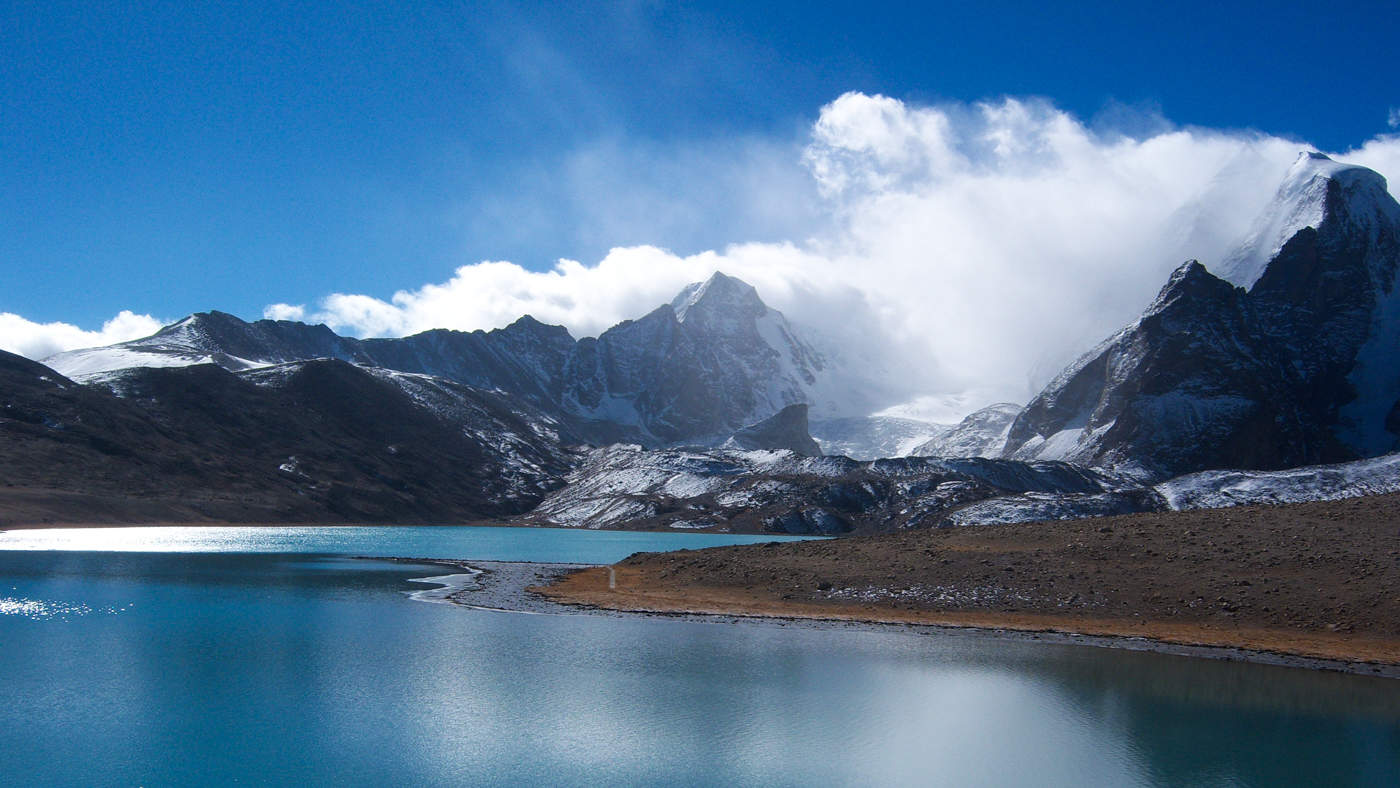
Sikkim Trip Planning at a Glance
| Entry points | Bagdogra Airport (IXB) or New Jalpaiguri railway station (NJP), both near Siliguri |
| NJP to Gangtok | Approximately 115 km, 4 to 5 hours by road |
| Gangtok to Lachen | Approximately 125 km, 6 to 7 hours depending on road repair status |
| Best time | March to May and October to early December. June to September is monsoon and landslide season |
| Budget, 7 days | Rs 15,200 to Rs 42,500 per person |
| Budget, 10 days | Rs 20,350 to Rs 60,250 per person |
| Permits | PAP for Tsomgo, Nathu La, North Sikkim and Dzongu. RAP for all foreign nationals entering Sikkim |
| Key restriction | Gurudongmar Lake and Nathu La are closed to foreign nationals |
| Minimum nights | North Sikkim now needs a minimum 2-night itinerary. Single-night permits are no longer issued |
| Last verified | September 2026 |
How Much Does a Sikkim Trip Actually Cost in 2026?
Quick answer: budget travellers using shared jeeps and shared North Sikkim packages spend around Rs 2,000 to Rs 2,200 per day. Mid-range travellers spend roughly Rs 3,350 to Rs 3,400 per day. Booking private vehicles throughout pushes the daily figure to about Rs 6,000 per person.
The per-day numbers stay remarkably steady between the 7-day and 10-day versions, which tells you something useful. Adding days to a Sikkim trip does not make it disproportionately expensive, because the costly items are the fixed ones at the start. Your permits, your North Sikkim package and your arrival transfer are all paid once regardless of whether you stay a week or ten days.
The single biggest lever is shared versus private transport. A shared North Sikkim package running Lachen and Lachung over three days and two nights is quoted at roughly Rs 5,500 to Rs 8,000 per person by operators. The same itinerary as a private vehicle is quoted at roughly Rs 25,000 to Rs 40,000 per car. For two travellers that private option costs three to five times more per head. For a group of five or six it becomes competitive again, which is worth knowing before you dismiss it.
Keep in mind that every rupee figure in this guide comes from operator quotes and booking platforms gathered in September 2026, not from a government tariff notification. Sikkim’s taxi rates are set by local unions and revised seasonally. Treat these as planning ranges and confirm the exact number when you book.
What Does the 7-Day Sikkim Itinerary Look Like?
Quick answer: the standard 7-day route is Gangtok for three nights, a Tsomgo Lake and Nathu La day trip, then three days and two nights in North Sikkim covering Lachen, Gurudongmar Lake, Lachung and Yumthang Valley, before returning to Gangtok and departing.
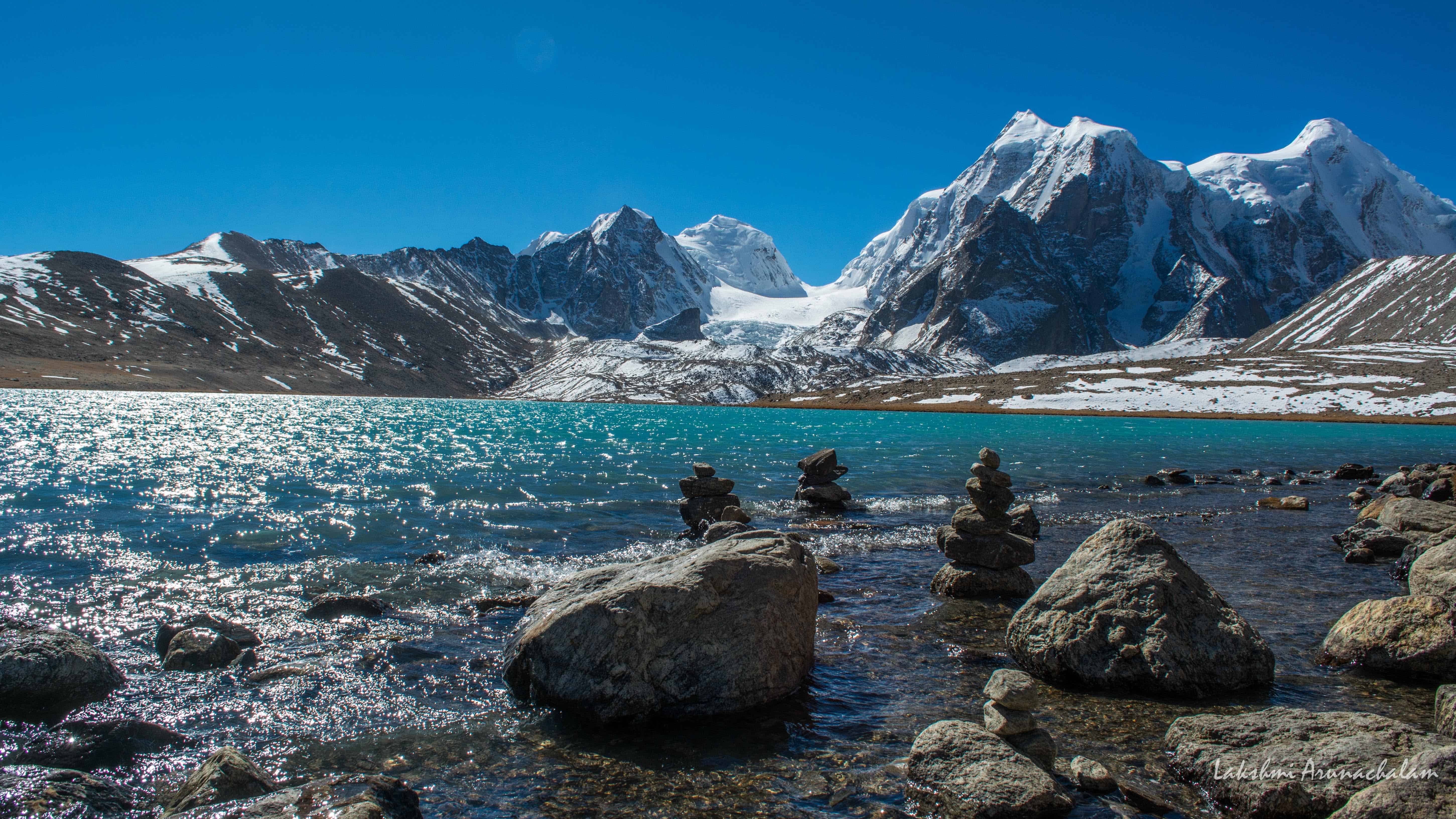
This sequencing is not arbitrary. You need to be physically present in Gangtok for a day or two before your North Sikkim permit is processed against a registered operator itinerary, and those first days at roughly 5,500 feet do useful acclimatisation work before you attempt Gurudongmar at well over 17,000 feet.
- Day 1: Arrive Bagdogra or NJP, drive to Gangtok, 4 to 5 hours. Submit permit paperwork through your operator the same evening.
- Day 2: Gangtok sightseeing. Monasteries, MG Marg, Ganesh Tok, the ropeway. An easy altitude day by design.
- Day 3: Tsomgo Lake, Baba Mandir and Nathu La as a day trip, returning to Gangtok by evening.
- Day 4: Gangtok to Lachen, 6 to 7 hours along the Teesta and the North Sikkim Highway.
- Day 5: Pre-dawn start for Gurudongmar Lake, back through Thangu, then transfer to Lachung.
- Day 6: Yumthang Valley and Zero Point in the morning, then the long drive back to Gangtok.
- Day 7: Gangtok to NJP or Bagdogra for your onward journey.
One honest warning about Day 6. Yumthang plus Zero Point plus the return to Gangtok is a brutal day, often twelve hours or more in a vehicle on a road that is still under phased repair. If you have any flexibility at all, add a night and split it. Our North Sikkim travel guide covers what that stretch of highway is actually like once you are on it.
What Is the Full 7-Day Cost Breakdown?
Quick answer: the 7-day trip totals Rs 15,200 per person on a backpacker budget, Rs 23,600 mid-range and Rs 42,500 in comfort. The North Sikkim package is the largest single line item in every tier, accounting for a third or more of the total.
| Item | Backpacker | Mid-range | Comfort |
|---|---|---|---|
| NJP or Bagdogra to Gangtok and back | 900 | 2,000 | 4,500 |
| Tsomgo Lake, Baba Mandir and Nathu La day trip | 1,700 | 2,500 | 4,000 |
| North Sikkim 3 days 2 nights, transport, stay and meals | 6,500 | 8,000 | 15,000 |
| Gangtok accommodation, 4 nights | 2,400 | 5,000 | 9,000 |
| Food, 4 days outside the package | 2,200 | 3,600 | 6,000 |
| Gangtok sightseeing and entry fees | 800 | 1,500 | 2,500 |
| Permits, tips and buffer | 700 | 1,000 | 1,500 |
| Total for 7 days | 15,200 | 23,600 | 42,500 |
| Per day | 2,171 | 3,371 | 6,071 |
A few notes on where these numbers come from. Shared taxis from NJP to Gangtok are quoted at roughly Rs 350 to Rs 550 per seat, while a private SUV for the same leg is around Rs 4,000 to Rs 4,500. Budget rooms in Gangtok start near Rs 1,200 a night, which is Rs 600 each when two of you share. Food runs Rs 500 to Rs 1,000 per person per day if you eat at local places rather than hotel restaurants. For a shorter Northeast trip to compare against, the Meghalaya travel guide for 2026 prices a 5-day circuit at Rs 8,820 to Rs 13,100 per person on shared transport.


The Tsomgo and Nathu La day trip is usually quoted as a whole-vehicle rate of roughly Rs 6,500 to Rs 8,000 including the vehicle permit and the mandatory local driver, plus a per-person permit charge of around Rs 200. Filling those seats is the difference between the backpacker and comfort columns. If you are two people, ask your hotel to pair you with another pair heading out the same morning.
What Does the 10-Day Sikkim Route Add?
Quick answer: the 10-day route keeps the first six days identical, then adds South and West Sikkim. You travel Gangtok to Ravangla, Ravangla to Pelling, spend a full day on the Pelling circuit, and exit to NJP or Bagdogra from the west rather than doubling back through Gangtok.
Exiting from the west is the part most itineraries get wrong. Pelling to NJP is a direct run down through West Sikkim, so there is no reason to return to Gangtok first. Planning it as a loop rather than an out-and-back saves you the better part of a day and one night’s accommodation.
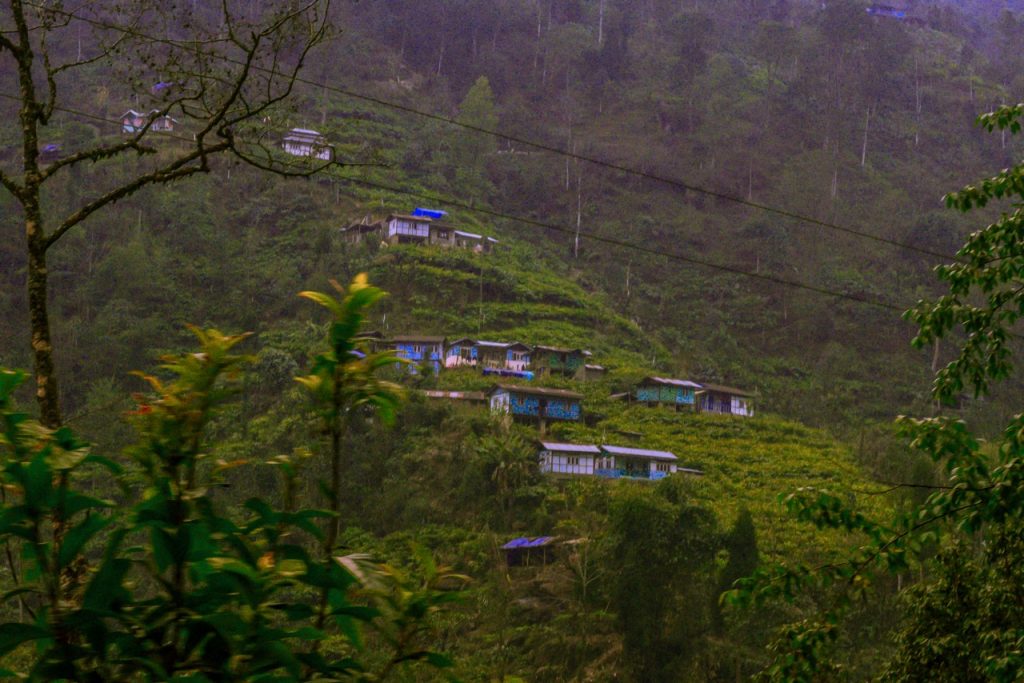
- Days 1 to 6: Exactly as the 7-day plan, ending back in Gangtok on the evening of Day 6.
- Day 7: Gangtok to Ravangla, stopping at Namchi for the Char Dham and Samdruptse complexes.
- Day 8: Ravangla to Pelling, with Buddha Park and Ralang Monastery en route.
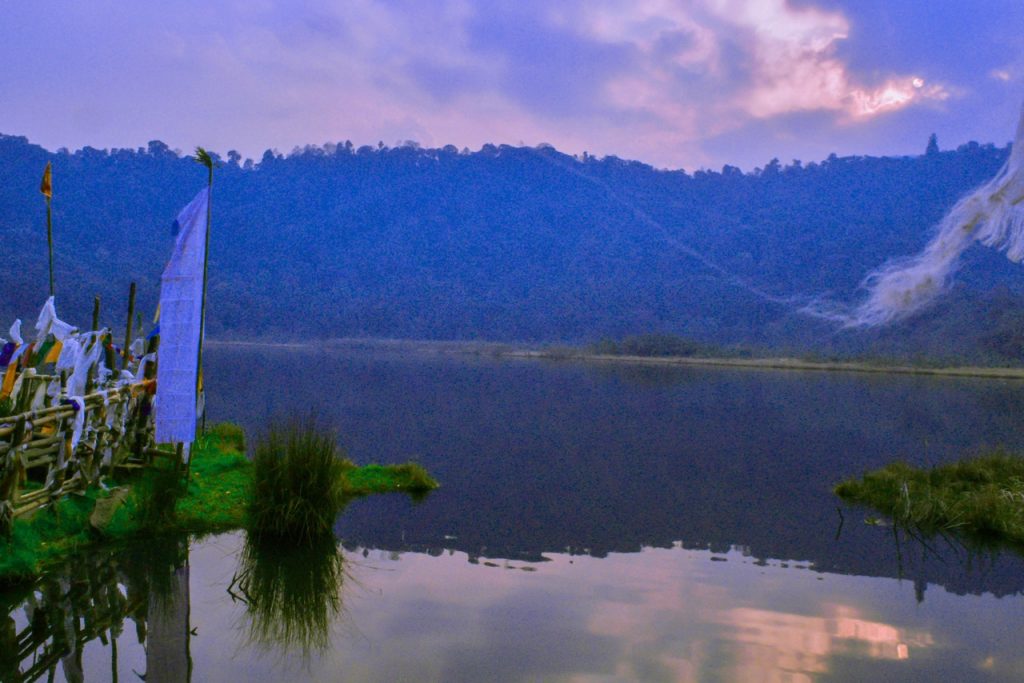
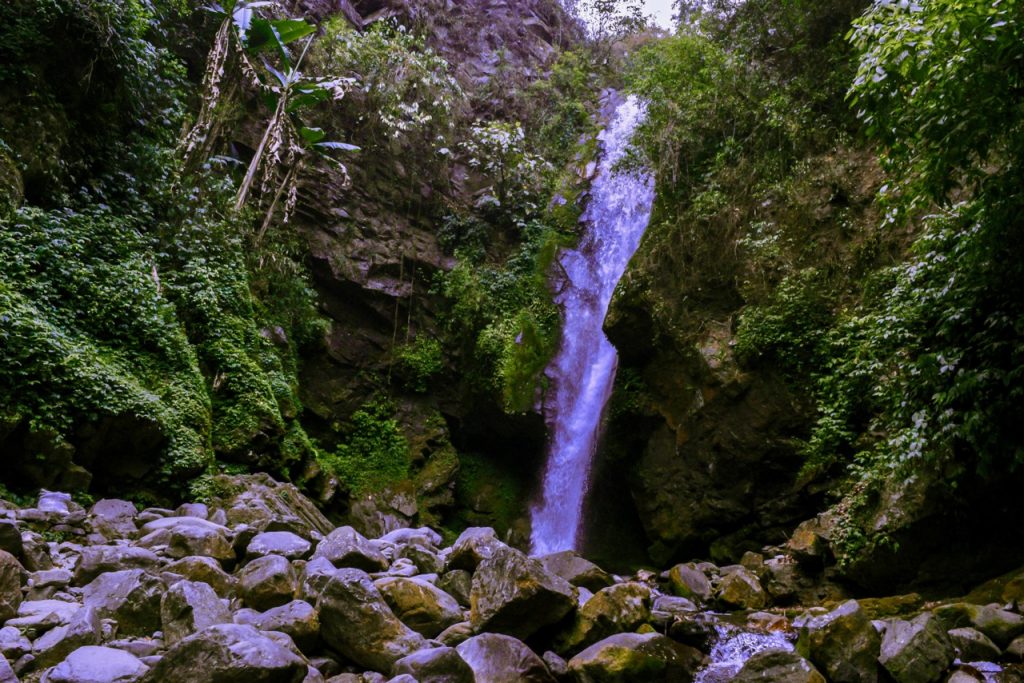
- Day 9: The Pelling circuit. Khecheopalri Lake, Yuksom, Rimbi Falls, Kanchenjunga Falls and Pemayangtse Monastery.
- Day 10: Pelling to NJP or Bagdogra, roughly 5 to 6 hours.
What Is the Full 10-Day Cost Breakdown?
Quick answer: the 10-day route totals Rs 20,350 per person as a backpacker, Rs 33,500 mid-range and Rs 60,250 in comfort. That works out to roughly Rs 2,035, Rs 3,350 and Rs 6,025 per day, slightly cheaper per day than the 7-day version.
| Item | Backpacker | Mid-range | Comfort |
|---|---|---|---|
| NJP or Bagdogra to Gangtok, arrival | 450 | 1,000 | 2,250 |
| Pelling to NJP or Bagdogra, departure | 500 | 1,200 | 2,750 |
| Tsomgo Lake, Baba Mandir and Nathu La day trip | 1,700 | 2,500 | 4,000 |
| North Sikkim 3 days 2 nights, transport, stay and meals | 6,500 | 8,000 | 15,000 |
| Gangtok to Ravangla, Ravangla to Pelling | 650 | 1,500 | 3,000 |
| Pelling circuit day | 800 | 1,500 | 2,500 |
| Accommodation, 7 nights outside the package | 4,200 | 8,750 | 15,750 |
| Food, 7 days outside the package | 3,850 | 6,300 | 10,500 |
| Gangtok sightseeing and entry fees | 800 | 1,500 | 2,500 |
| Permits, tips and buffer | 900 | 1,250 | 2,000 |
| Total for 10 days | 20,350 | 33,500 | 60,250 |
| Per day | 2,035 | 3,350 | 6,025 |
Three extra days cost a backpacker about Rs 5,150 and a mid-range traveller about Rs 9,900. Hence, if you are already flying across the country to get here, the 10-day version is usually the better value per rupee. The marginal cost of a day in Sikkim is low once you have absorbed the fixed costs.
How Do You Plan the Gangtok to North Sikkim Leg?
Quick answer: you cannot self-drive or independently book this leg. North Sikkim requires a Protected Area Permit issued against a registered operator’s itinerary, a minimum 2-night stay, and a local vehicle with a local driver. Book through a Gangtok-based operator at least a few days ahead.
This is the rule that catches most first-time visitors. You can wander Gangtok, Pelling and Ravangla entirely on your own, hopping shared jeeps as you please. The moment you cross the check post at Phidang or Toong toward Lachen and Lachung, you are inside a protected area and your paperwork has to name an operator, a vehicle and a fixed itinerary.
Single-night North Sikkim permits are no longer issued as of 2026, so the minimum is a 2-night itinerary. This matters for budgeting because it removes the cheapest option people used to plan around. The Protected Area Permit for the Lachen, Lachung, Yumthang, Yumesamdong and Thangu axis is issued for a minimum of three days and a maximum of five, as per the official Sikkim Tourism listings.
Road status is the other variable you cannot plan away. North Sikkim has gone through repeated closures and phased reopenings since the October 2023 glacial lake outburst flood on South Lhonak Lake. Lachen, Lachung and Gurudongmar were reopened to tourists in 2026, but the BRO and the state PWD are still repairing sections in phases. Confirm live status with your operator in the week before you travel, not a month before. We track the current picture in our Gurudongmar Lake and Chopta Valley guide.
If you hold a foreign passport, note two hard exclusions before you build any of this into a plan. Gurudongmar Lake and Nathu La are both closed to foreign nationals because of border proximity. Foreigners can travel up to Tsomgo Lake and up to Chopta Valley instead. The full picture of who needs what is in our Sikkim permits guide covering RAP, PAP and ILP, which is the one piece of reading I would not skip.
Should You Pick West Sikkim or the Old Silk Route for Your Extra Days?
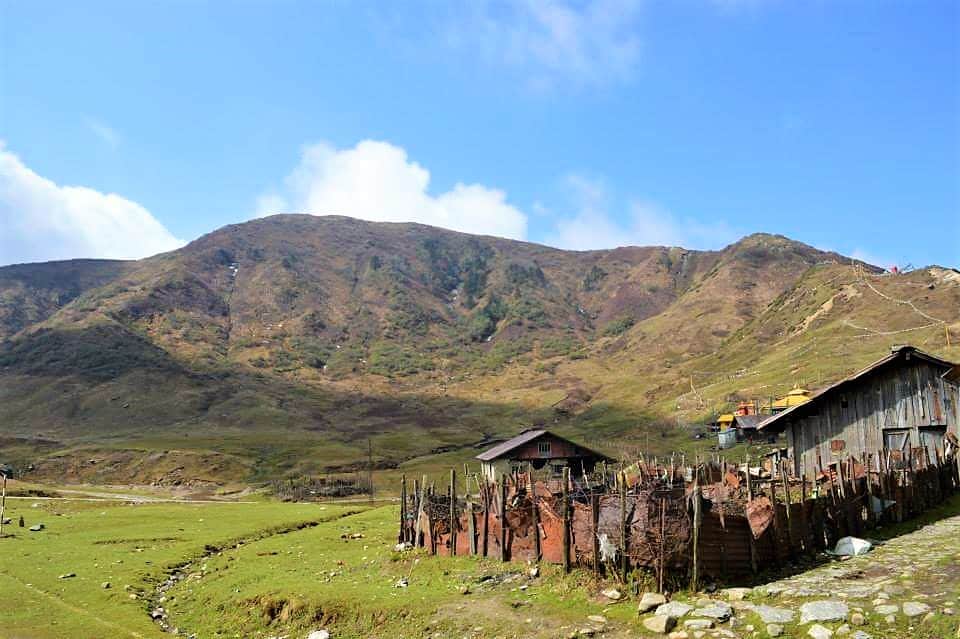
Quick answer: choose West Sikkim (Ravangla and Pelling) if you want monasteries, lakes and an efficient exit to NJP. Choose the East Sikkim Old Silk Route (Zuluk and Nathang) if you want dramatic high-altitude driving and far fewer tourists, and you do not mind backtracking through Gangtok.
| Factor | West Sikkim (Ravangla, Pelling) | East Sikkim (Zuluk, Old Silk Route) |
|---|---|---|
| Extra cost, backpacker | About Rs 5,150 for 3 days | Higher. Shared transport is scarce, so expect private vehicle rates |
| Exit logistics | Direct Pelling to NJP, saves a day | Returns via Gangtok or exits through Rongli, longer |
| Altitude | Gentle, 4,000 to 7,000 feet | High, Thambi View Point and Nathang above 13,000 feet |
| Permits | None needed for Pelling or Ravangla town | PAP required for the Zuluk and Kupup axis |
| Open to foreigners | Yes | No, the Silk Route axis is closed to foreign nationals |
| Best for | First visit, families, monastery and lake circuits | Repeat visitors, photographers, road-trip enthusiasts |
For a first trip I would take West Sikkim without much hesitation, purely because the loop geography works and you are not repeating roads. Save the Silk Route for a return visit when you can give it four or five days on its own. Our Old Silk Route guide for East Sikkim and the dedicated Zuluk travel guide both lay out that route properly.
When Should You Go, and How Does the Season Change the Cost?
Quick answer: March to May and October to early December are the reliable windows. June to September is monsoon, when landslides regularly close the North Sikkim Highway. Accommodation in Gangtok is cheapest around February and most expensive in June, so shoulder-season travel saves real money.
Spring, roughly late March into May, is when the rhododendrons are out in Yumthang Valley and the Barsey sanctuary in the west. It is also the busiest and priciest stretch along with the summer school holidays. Autumn, from October into early December, gives you the clearest Kanchenjunga views of the year and noticeably thinner crowds.
Avoid the monsoon if you can, and not for the reason you might expect. Rain itself is manageable. The problem is that the road to North Sikkim runs alongside the Teesta through terrain that slides, and a single blocked stretch can strand you for a day or two with a permit that is expiring. If monsoon travel is your only option, keep two spare days in the plan and do not book a tight onward flight.
One budgeting note that catches people out. Prices in Gangtok swing a long way by month, with June the peak and the winter months well below that. If your dates are flexible, moving a trip from June to late October can reduce your accommodation line by a third without changing anything else about the itinerary.

What Should You Keep in Mind on the Road?
Quick answer: budget for altitude, not just money. Gurudongmar sits above 17,000 feet and is reached from Lachen in a single pre-dawn push, which is the highest-risk element of the whole trip. Carry cash, keep permit photocopies, and do not assume mobile network coverage beyond Lachen and Lachung.
- Acute mountain sickness is the real risk here. The Gurudongmar run gains enormous altitude in a few hours with no acclimatisation night above Lachen. Headache, nausea and breathlessness are your signals to turn around. Nobody has ever regretted skipping a lake.
- Do not linger at the lake. Most operators keep the stop to twenty or thirty minutes, and that is deliberate rather than stingy. Descend and recover at Thangu on the way back.
- Carry cash. ATMs are unreliable beyond Gangtok and effectively absent in Lachen and Lachung. Withdraw what you need before you leave.
- Carry permit photocopies and ID. Multiple check posts will want them, and a single set will not survive the trip.
- Network coverage thins out fast. Expect patchy or no signal through much of North Sikkim. Tell people at home in advance.
- Build in buffer days. Road status in North Sikkim is genuinely unpredictable while repairs continue. A tight schedule is the one thing guaranteed to cause trouble.
On the driving itself, the North Sikkim Highway is the only road connecting Gangtok to the region and it is maintained as a priority military supply line by the Border Roads Organisation. That is good news for how quickly it gets cleared and bad news for how often you will wait behind convoys and roadworks. Factor it into your day, my friend, rather than fighting it.
Related Reading from the DwD Archive
This planner deliberately stays at the route and budget level. For what each place is actually like, these are the guides to read next.
- Sikkim permits explained, covering RAP, PAP and ILP for Indian and foreign travellers.
- Gangtok weekend trip guide, useful if you are extending the Gangtok portion.
- Gangtok and Nathu La guide for the Day 3 day trip in detail.
- North Sikkim travel guide covering Lachen, Lachung and the highway.
- Yumthang Valley guide for the Day 6 morning.
- Pelling travel guide for the West Sikkim extension.
- Dzongu guide, the Lepcha reserve worth swapping in if you want something quieter.
- Lava and Aritar guide if you are combining Sikkim with the Bengal hills.
- Sandakphu trek guide for the Sleeping Buddha view from the Singalila ridge.
Frequently Asked Questions
How much does a 7-day Sikkim trip cost per person?
A 7-day Sikkim trip costs approximately Rs 15,200 per person on a backpacker budget, Rs 23,600 mid-range and Rs 42,500 in comfort, assuming two people share a room. This covers transport within Sikkim, accommodation, food, permits and sightseeing, but not flights or trains to Bagdogra or NJP.
Is 7 days enough for Sikkim?
Seven days is enough for Gangtok, the Tsomgo and Nathu La day trip, and the core of North Sikkim covering Lachen, Gurudongmar, Lachung and Yumthang. It is not enough to add West Sikkim as well. For that you need ten days, which also works out slightly cheaper per day.
Can I travel to North Sikkim on my own without a tour operator?
No. North Sikkim is a protected area and the Protected Area Permit is issued against a registered operator’s itinerary, with a designated vehicle and local driver. You can travel independently around Gangtok, Pelling and Ravangla, but the Lachen and Lachung axis must be booked through an operator.
Is Gurudongmar Lake open in 2026?
Lachen, Lachung and Gurudongmar Lake were reopened to tourists in 2026 after repeated closures following the October 2023 glacial lake outburst flood. However, repairs by the BRO and state PWD continue in phases and access can change at short notice. Confirm current status with your operator within a week of travel.
Can foreigners visit Gurudongmar Lake and Nathu La?
No. Both Gurudongmar Lake and Nathu La are closed to foreign nationals because of their proximity to the international border. Foreign passport holders can travel up to Tsomgo Lake and up to Chopta Valley instead, and they need a Restricted Area Permit simply to enter Sikkim.
What is the minimum number of nights for a North Sikkim permit?
Single-night North Sikkim permits are no longer issued as of 2026, so the minimum is a 2-night itinerary. The Protected Area Permit for the Lachen, Lachung, Yumthang, Yumesamdong and Thangu axis is issued for a minimum of three days and a maximum of five.
Is it cheaper to take shared jeeps or book a private taxi in Sikkim?
Shared transport is dramatically cheaper for one or two travellers. A shared North Sikkim package is quoted at roughly Rs 5,500 to Rs 8,000 per person for three days, while the same trip as a private vehicle runs roughly Rs 25,000 to Rs 40,000 per car. Private vehicles only become competitive for groups of five or six.
What is the best time to visit Sikkim?
March to May and October to early December are the most reliable windows. Spring brings rhododendron blooms in Yumthang, while autumn gives the clearest Kanchenjunga views and thinner crowds. June to September is monsoon season, when landslides regularly disrupt the North Sikkim Highway.
How do I reach Sikkim, and is there an airport?
Most travellers arrive via Bagdogra Airport or New Jalpaiguri railway station, both near Siliguri, and then drive about 115 km and 4 to 5 hours to Gangtok. Shared taxis on this leg are quoted at roughly Rs 350 to Rs 550 per seat, and a private SUV at around Rs 4,000 to Rs 4,500.
Should I add West Sikkim or the Old Silk Route to a longer trip?
For a first visit, West Sikkim via Ravangla and Pelling is the better choice because it forms a loop and lets you exit directly to NJP, saving a day. The East Sikkim Old Silk Route through Zuluk is more dramatic but requires backtracking, costs more without shared transport, and is closed to foreign nationals.
Final Thoughts on Planning Your Sikkim Budget
If I had to reduce this entire guide to one piece of advice, it would be this. Decide early whether you are sharing transport or booking private, because that single choice moves your total by more than every other decision combined. Everything else, the hotel tier, the food, the entry fees, is noise by comparison.
My honest recommendation is the 10-day loop at the mid-range tier, around Rs 33,500 per person. You get North Sikkim and West Sikkim, you never repeat a road, and the per-day cost is lower than the shorter trip. Hence, if you can find the extra three days, find them.
A closing caution worth repeating. Every price here is an operator-quoted range collected in September 2026, and Sikkim’s union-set taxi tariffs are revised seasonally. Use these as planning figures, then confirm the actual numbers when you book. Road and permit status in North Sikkim in particular deserves a fresh check in the week before you leave. You can cross-check official permit and area rules on the Sikkim Tourism portal and the Government of Sikkim site, and read the background on the region on Wikipedia.

If you have been to Sikkim recently and your numbers came out differently, please tell us in the comments. Reader corrections are how the cost tables on this blog stay honest, and they help the next person planning the same trip.
If you have any questions, feel free to ask in the comments section below 🙂
