



Planning a Bhutan trip in 2026 and confused about which permits you actually need, what the SDF really costs, and whether to apply online or at the border? You are not alone. Good news first: Indians do not need a visa for Bhutan. You need two permits, an Entry Permit and a Route Permit, both of which are free. You also pay Rs 1,200 per night as the Sustainable Development Fee. Bhutan’s Parliament passed that fee for Indian nationals in 2020, and with the online permit portal at immi.gov.bt, a lot has changed from the earlier walk-in process. In this post, I will walk you through every permit, fee, and document step by step, with the latest November 2026 information, flagging what I could not verify.

Whether you are an Indian national entering by road via Phuentsholing or flying into Paro, or a non-Indian passport holder planning a Bhutan holiday, keep in mind that the requirements are quite different for each category. I have put together this guide keeping Indian travelers in mind, since that is the bulk of the DwD community, but I have also covered the details for non-Indian visitors so this post can be a one-stop reference.
Quick Answer (Bhutan permits for Indians in 2026): No visa needed for Indians. You need (1) an Entry Permit, obtained free at Phuentsholing border or Paro Airport on arrival, or online via immi.gov.bt (operators advise applying at least 5 working days ahead), valid for Thimphu and Paro only; (2) a Route Permit from the Thimphu Immigration Office, free, required for Punakha, Bumthang, Ha Valley, Eastern Bhutan, and all destinations beyond Thimphu and Paro. The Sustainable Development Fee (SDF) is Rs 1,200 per person per night (Rs 600 for children aged 6 to 12, free for under 6), and The Bhutanese reports the Cabinet has held this rate until 21 September 2028. Permit validity follows your itinerary, and traveller reports put the maximum stay at 15 days, so confirm at the counter. Valid ID: Indian Passport (6+ months validity) or Voter ID only. Aadhaar, PAN, and driving licence are NOT accepted.
Let's quickly dive into the details:
What Changed for Bhutan Permits in 2025-2026?
If you visited Bhutan a few years ago, the basics remain the same in 2026, but here are the key updates worth knowing before you travel:
- SDF rate for Indians held until September 2028 (reported): The Rs 1,200 per night Sustainable Development Fee for Indian nationals has not changed. The Bhutanese reported in September 2026 that the Lhengye Zhungtshog (Cabinet) decided to maintain the existing rate until 21 September 2028. I found this in one news outlet only and could not yet find it on an official tourism page, so check the latest notice on the Bhutan Travel announcements page before you budget around the date.
- The USD 100 rate is a separate clock: The USD 100 SDF for non-Indian visitors is a 50% concession that, as per the official Bhutan Travel announcement of 25 August 2023, runs until 31 August 2027. That date does not apply to the Indian rate.
- Online permit system: The immi.gov.bt portal lets Indian nationals apply for the Entry Permit before arrival. Operators advise applying at least 5 working days ahead. This is optional but worth it in peak season (March-May, September-November) to skip the Phuentsholing queue.
- SDF payment online: As per Windhorse Tours, the SDF can be paid online during the Entry Permit application, in cash at the entry port, or through a Bhutanese tour operator.
- Border-town waiver still 24 hours: Visitors who stay within the designated zone of Samtse, Phuentsholing, Gelephu or Samdrup Jongkhar and leave within 24 hours pay no SDF. The National Assembly pushed for 72 hours in May 2026, but the ministry said that is not necessary at this stage.
- Phuentsholing congestion in 2026: Business Bhutan reported 13 e-gates at Phuentsholing and 12 at Paro after permit delays in May 2026 (details in the Pro Tip below).
What Are the Bhutan Entry Requirements for Non-Indian Nationals?
If you hold a passport from any country other than India, Bangladesh, or Maldives, the rules are straightforward but require more advance planning. Bhutan does not offer visa on arrival for non-regional nationals. You will need to arrange everything before you depart.
You will need to apply for a Bhutan visa through a licensed Bhutanese tour operator or through a foreign travel agent who is partnered with one. As per the official Bhutan Travel visa page, a non-refundable one-off visa application fee of USD 40 is payable. Wikipedia’s visa policy page notes that e-visa approval may take up to 5 business days, and one operator quotes 5 to 6 working days after payment, so apply a few weeks before you fly. Most visitors then enter through Paro Airport.
Pro Travel Tip: Do not forget to check this complete travel guide for traveling to Western Bhutan.
What is the Sustainable Development Fee (SDF) for Non-Indian Visitors?
For non-Indian, non-Bangladeshi, and non-Maldivian nationals, Bhutan charges a Sustainable Development Fee (SDF) of USD 100 per person per night. The SDF replaced the older “Minimum Daily Package” system when Bhutan reopened in September 2022 at USD 200, and the rate was halved to USD 100 from 1 September 2023. As per the official Bhutan Travel announcement of 25 August 2023, the USD 100 rate stays in force until 31 August 2027, after which the government may revise it following periodic reviews.
Since the SDF replaced the package, it is only the government’s fee. As per the Bhutan Travel official site, children get concessionary rates, and everything else is paid to your operator and hotels separately. Ask your operator for an itemised quote that lists:
- Accommodation and the star category you are getting
- Meals
- A licensed Bhutanese guide, if you book one
- Internal transport within Bhutan
- Camping equipment and haulage, for trekking tours
- The SDF itself (USD 100 per person per night), shown as a separate line

Are There Any Surcharges for Solo Travelers or Small Groups?
I could not find any current surcharge. Earlier editions of this guide listed a USD 40 per night surcharge for a single traveller and USD 30 per person for a group of two, but I removed these because neither the official Bhutan Travel visa page nor Wikipedia’s visa policy page lists them. Your operator may still quote a solo trip higher, since the vehicle and guide cost is shared among fewer people, so ask for an itemised quote before you pay.
What Are the Bhutan Entry Requirements for Indian Nationals?
Indian nationals visiting Bhutan have it considerably easier than other foreign nationals, but keep in mind that the process has changed significantly since 2020. Here is what you need to know as of November 2026.
What ID Documents Do Indians Need for Bhutan?
Indian nationals do not need a visa to enter Bhutan. Instead, you need to carry any one of two valid travel documents: a valid Indian Passport with a minimum validity of 6 months from your date of travel, or a Voter Identity Card (VIC) issued by the Election Commission of India. No other ID is accepted at the immigration counter. The Embassy of India in Thimphu lists only these two documents and also asks for recent passport-size photographs. Keep in mind that PAN cards, Aadhaar cards, and driving licenses are NOT valid documents for entry into Bhutan.
Pro Travel Tip: Do not forget to check this complete travel guide for hiking Tiger’s Nest Monastery in Bhutan.
Do Indians Have to Pay the Sustainable Development Fee (SDF)?
Bhutan Permit Cost Breakdown: SDF, Visa Fee, and Permit Charges
Bhutan permit cost has three separate components: the permits themselves (free for every nationality), the Sustainable Development Fee (SDF), and, for non-Indian nationals only, a one-time visa fee. Here is the complete fee table so you can budget the actual number, not just the headline SDF figure. The USD rates run until 31 August 2027 as per the official Bhutan Travel announcement, and the Indian SDF is reported (by The Bhutanese, September 2026) to be held until 21 September 2028.
| Fee Type | Amount, Indian Nationals | Amount, Non-Indian Nationals | Frequency | Rate Valid Through |
|---|---|---|---|---|
| Entry Permit | Free | Not a separate application for visa holders booked through a licensed operator | One-time | No fee to lock |
| Route Permit | Free (as per earlier editions, confirm at the counter) | Your operator arranges any special-area permits | One-time | No fee to lock |
| Visa Fee | Not applicable, no visa needed | USD 40, non-refundable (per bhutan.travel) | One-time | Check bhutan.travel before booking |
| SDF, adult | Rs 1,200 | USD 100 | Per person, per night | Indians: 21 Sep 2028 (reported). Others: 31 Aug 2027 |
| SDF, child 6 to 12 years | Rs 600 | Concessionary rate (operators quote USD 50 for ages 6 to 11) | Per person, per night | Same as adult rate |
| SDF, child under 6 | Free | Free (as per operator guides) | Per person, per night | Same as adult rate |
| Solo traveler surcharge | Not applicable | No current official surcharge found | Not applicable | Not applicable |
| Permit Extension | Free (as per earlier editions, confirm at the counter) | Arranged through your licensed tour operator | One-time | No fee to lock |
Hence, for a typical 7-night Bhutan trip in 2026, an Indian traveler’s total permit-related cost is approximately Rs 8,400 (7 nights times Rs 1,200 SDF, with both permits themselves free). A non-Indian tourist pays roughly USD 740 for the same 7 nights (USD 40 one-time visa fee plus 7 nights times USD 100 SDF), before accommodation, meals, a guide, and internal transport, which you pay your operator separately.


Yes. Bhutan’s Parliament passed the Rs 1,200 SDF for Indian tourists in 2020, but, as The Bhutanese explained, it could not be implemented while the pandemic kept the borders closed. The Embassy of India in Thimphu states the fee as INR 1,200 per day for the period of stay in Bhutan. It has not been revised, and The Bhutanese reported in September 2026 that the Cabinet has decided to maintain it until 21 September 2028. For children between the ages of 6 and 12 years, a 50% concession applies, so the fee is Rs 600 per night. Children aged 5 and below are exempted entirely, as per operator guides such as Windhorse Tours.
While Rs 1,200 per night sounds steep compared to the earlier free entry, do keep in mind the context. The SDF for other foreign nationals (non-Indian, non-Bangladeshi, non-Maldivian) is USD 100 per person per night, many times the Indian rate at current exchange rates. So Indian nationals are still getting a very significant concession. For a 7-night trip, the SDF adds Rs 8,400 per person (7 nights x Rs 1,200) to your total budget.
Border Town Exemption: If you stay within the designated zone of Phuentsholing, Samtse, Gelephu, or Samdrup Jongkhar and leave within 24 hours, the SDF is waived. The waiver is mentioned in the Bhutan Travel announcements, and it does not cover travel further into Bhutan. A day trip from Siliguri or Cooch Behar into Phuentsholing is the typical use.
Pro Travel Tip: Are you wondering how much a Bhutan trip will cost in total? Check our detailed guide on how to calculate the cost or budget of a Bhutan trip.
Can Indians Apply for the Bhutan Permit Online?
Yes, and this is one of the biggest changes since the original version of this post was written. The Department of Immigration of Bhutan has launched the Online Permit System at immi.gov.bt, where Indian nationals can apply for their Entry Permit online before arriving in Bhutan. The process is simple:
- Visit immi.gov.bt and create an account with your email address
- Select the “Entry Permit” option and fill in your personal details (name, passport or voter ID number, date of birth)
- Upload a clear scan or photo of your passport or voter ID
- Pay the SDF online at the time of application, or at the entry port if you prefer
- Operators advise allowing at least 5 working days for processing
- Download your permit clearance and carry it along with your original ID
The portal screens change from time to time, so treat these steps as the general flow and follow the on-screen prompts. If you use the online system, pick your port of entry carefully, since Paro Airport and the Phuentsholing land border are the most commonly used. The online route is optional for Indians. You can still get your permit on arrival at the port of entry without pre-applying. However, if you are traveling during a busy season or want to save time at the immigration counter, applying online in advance is the smarter choice. I suggest doing this at least a week before your planned travel date to be safe.
Pro Travel Tip: If you prefer traveling solo, this article will help you plan a solo trip to Bhutan.
How to Get the Entry Permit at the Port of Entry
If you are not applying online, here is how the on-arrival permit process works. Indians can enter Bhutan through two main points: Phuentsholing land border (opposite Jaigaon in West Bengal) or Paro Airport. Gelephu, Samdrup Jongkhar and Samtse are also valid entry points, as per the Embassy of India in Thimphu. The Entry Permit issued at any of these locations allows you to visit Thimphu and Paro only. For any other destinations, you will need a separate Route Permit. If you are crossing at Phuentsholing without your own vehicle, my Bhutan bus schedules and fares guide covers how to get onward from the border to Thimphu and Paro by public transport.
The Entry Permit itself is free (you still pay the SDF separately). Validity is set by the immigration officer to match your itinerary, and earlier editions of this guide quoted 7 to 10 days, so ask at the counter. Earlier traveller reports put the Immigration Office hours at 9 AM to 5 PM with a lunch break from 1 PM to 2 PM, and closed on weekends and public holidays. Timings change, so check locally.

Documents Required for Bhutan Entry Permit for Indians
Fill in the entry form at the Immigration Office and attach all documents in the sequence below:
- Correctly filled Entry Permit Form
- One passport-size photo fixed to the Entry Permit Form (keep 2-3 extra just in case)
- Short Itinerary Print Out (1 copy)
- Photocopy of Hotel Booking for the first night (1 copy)
- Xerox of Passport or Voters ID Card (1 copy for all travelers)
- Undertaking letter (for solo travelers only)
Entry Permit Process via Phuentsholing
- Collect the Entry Permit Form from the Immigration Office
- Attach all documents in the sequence above
- Stand in the queue to submit the form
- After submission, wait in a separate queue for biometric verification
- If you submitted a Voter ID (not passport), you will need to go to a separate window for additional verification after biometrics
Pro Tip: Avoid arriving at Phuentsholing Immigration on a Monday or after a long holiday stretch when queues are the longest. Aim to be early in the queue. On busy days the whole process can run to several hours, so an early start saves your first day. Business Bhutan reported that on 24 May 2026, more than 2,000 people arrived at Phuentsholing against a daily average of about 1,000, and permits were delayed.
Entry Permit Process at Paro Airport
If you are traveling to Bhutan by air, the process is much simpler. Just fill in the Entry Form at the Paro Airport immigration counter and you are done. Traveller reports describe the airport permit process as far smoother than the land border one.
Pro Travel Tip: Do not forget to check this complete travel guide for traveling to Eastern Bhutan.
What is the Route Permit and How Do You Get It?
Once you have your Entry Permit and have arrived in Thimphu, you will need a Route Permit to travel beyond Thimphu and Paro. This permit is mandatory for visiting all other destinations in Bhutan, such as Punakha, Ha Valley, Gangtey, Phobjikha Valley, Trongsa, Bumthang, and anywhere in Eastern Bhutan.

Documents Required for the Route Permit
Head to the Department of Immigration, Thimphu on any weekday (Monday to Friday) with the following documents:
- Correctly filled Route Permit Form
- Photocopy of Short Itinerary (1 copy)
- Photocopy of the entry stamp from your Entry Permit (1 copy)
- Original and photocopy of Passport or Voters ID Card
Submit these documents at the counter and collect your Route Permit later the same day. The time depends on the queue. The Route Permit covers the districts and places you have listed in your itinerary, so make sure your itinerary mentions every destination you plan to visit. Traveller reports put the maximum duration for the Entry Permit and Route Permit combined at 15 days from arrival, so confirm your exact dates at the counter.
Pro Travel Tip: Check our article about important tips for saving costs on your Bhutan trip, if you are looking to plan on a budget.
How to Extend Your Bhutan Permit Beyond 15 Days
If you plan to stay longer than your initial Entry Permit allows (traveller reports put the maximum at 15 days), you will need a permit extension. Visit the Immigration Office in Thimphu and submit an Extension Form along with the documents for your Route Permit, plus a photocopy of your taxi driver’s license or your bus ticket if traveling by public transport. Since reports put the maximum at 15 days from arrival, extensions are mainly useful if your first permit was issued for fewer days.
Where Are Permits Checked in Bhutan?
Keep in mind that your permits will be checked at every checkpost throughout Bhutan. This is not a formality. Bhutan has a well-organized system of checkposts along all major routes, and travelers without valid permits are not allowed through. So always carry your original Entry Permit and Route Permit with you at all times, along with your original ID document (passport or voter ID).
The Route Permit you obtain in Thimphu is specific to the districts and places listed on it. If you decide to add a new destination mid-trip that is not on your Route Permit, you will need to return to the Thimphu Immigration Office (or visit a regional immigration office if available) to update it. Hence, it is better to plan your full itinerary in advance and list every place you might want to visit when you apply for the Route Permit the first time.
Pro Travel Tip: Do not forget to check this complete travel guide for traveling to Central Bhutan.
Quick Summary: Bhutan Permits for Indians in 2026
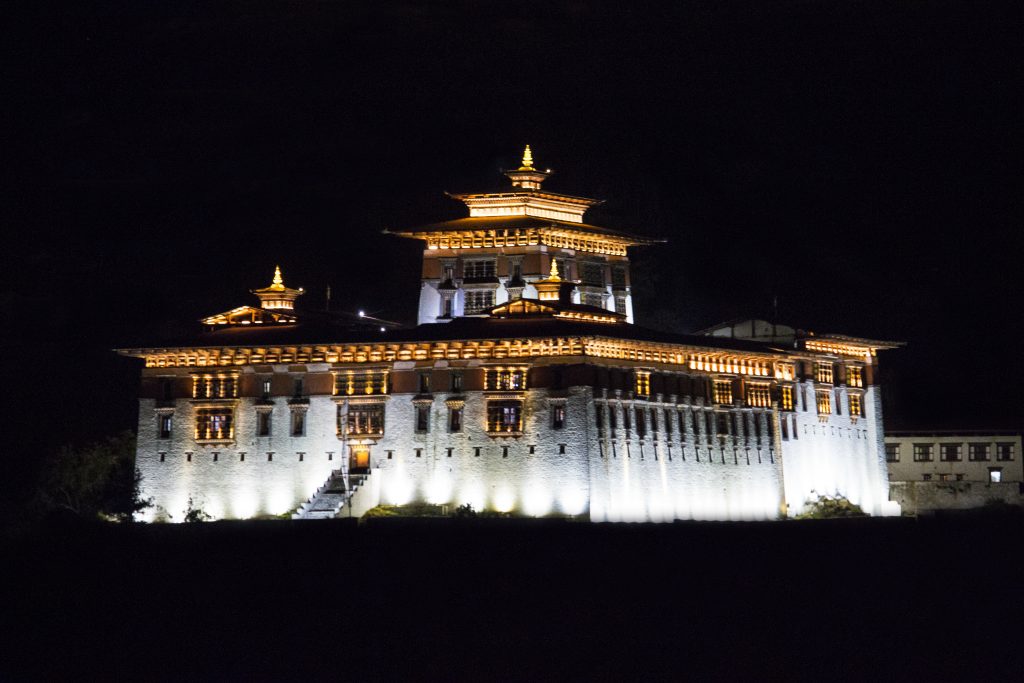
Here is a quick summary table of all permits required for Indian nationals:
| Permit Type | Where to Get It | Cost | Validity | Where Valid |
|---|---|---|---|---|
| Entry Permit | Phuentsholing Immigration or Paro Airport (on arrival), or online via immi.gov.bt | Free (SDF of Rs 1,200/night applies separately) | Set by the officer to match your itinerary (earlier guides: 7 to 10 days) | Thimphu and Paro only |
| Route Permit | Thimphu Immigration Office (weekdays only) | Free | Up to 15 days total from arrival (traveller reports, confirm) | All other districts (Punakha, Bumthang, Ha, Eastern Bhutan, etc.) |
| Extension | Thimphu Immigration Office | Free | Up to 15 days total from arrival date (traveller reports, confirm) | Same as Route Permit |
| SDF | Paid at immigration or online via immi.gov.bt | Rs 1,200/person/night (Rs 600 for kids 6-12; free for under 6) | Per night of stay | All of Bhutan |
Pro Travel Tip: If you are interested in exploring the wildlife in Bhutan, please check our detailed guide on Bhutan Wildlife Sanctuaries and National Parks.
Practical Tips for Getting Bhutan Permits Without Hassle
Based on recent traveller reports and the official notices above, here are some practical tips that will save you time and stress:
- Carry multiple photocopies of your ID and passport photos. You will need photocopies at multiple stages: Entry Permit, Route Permit, each checkpost, and sometimes for hotel check-in. Carry at least 10 photocopies and 6 passport-size photos per person.
- Have a printed itinerary ready before you arrive. The Immigration Office will ask for a short itinerary printout. It does not have to be very detailed, but it should list the places you plan to visit and your approximate dates. Write it before you leave India so you are not scrambling for a printer at Phuentsholing.
- Arrive at Phuentsholing on a Tuesday or Wednesday. Avoid Mondays (traveller reports say these are busiest after the weekend) and days immediately after public holidays. The queue can run to several hours on bad days.
- Book your first night’s hotel in advance. A hotel booking confirmation for your first night in Bhutan is mandatory for the Entry Permit. The cheapest guesthouses in Phuentsholing or Thimphu work fine for this.
- Apply online if flying into Paro. Operators advise at least 5 working days for the immi.gov.bt online system, so apply at least a week before your travel date. This can save you time at the airport immigration counter.
- Apply for the Route Permit on the same day you arrive in Thimphu, or the next morning. The Thimphu Immigration Office is a weekday office, and traveller reports say it closes at 5 PM. Many travelers waste a full day by not doing this first thing. Without the Route Permit, you cannot visit Punakha or anywhere beyond Thimphu and Paro.
- Keep original IDs with you at all times. Photocopies are accepted at the Entry Permit stage but you will need to show originals at checkposts and sometimes at the Route Permit window. Do not leave your passport or voter ID in your hotel room when sightseeing.
When Is the Best Time to Visit Bhutan?
While the permit process works year-round, certain times of the year are much better for a Bhutan trip. The peak seasons are March to May (spring, with rhododendrons in bloom and the famous Paro Tsechu festival) and September to November (autumn, clear skies, best Himalayan views). These months also see the longest queues at the Immigration Office, so budget extra time for permits during these periods.
The monsoon months of June, July, and August are less crowded but come with road closures, landslides, and limited visibility. January and February are cold but festivals like the Punakha Drubchen and Punakha Tsechu make them worth considering. For a detailed month-by-month breakdown, check our complete guide on the best time to visit Bhutan.
How Many Days Do You Need for a Bhutan Trip?
Your Entry Permit validity follows your itinerary (earlier guides quoted 7 to 10 days), and traveller reports put the maximum combined duration with the Route Permit at 15 days. I would suggest a minimum of 6 to 7 days if you want to cover the western circuit (Phuentsholing, Thimphu, Punakha, Paro). For a more complete experience including Bumthang and Eastern Bhutan, plan for 12 to 15 days. For a detailed itinerary broken down day by day, check the most perfect itinerary for a Bhutan road trip.
Pro Travel Tip: Do not forget to check this complete month by month guide on the best time to visit Bhutan.
Wrapping Up: Bhutan Permits Are Simpler Than They Look
I know the permit process can seem complicated when you read it all at once, but in practice it is quite manageable once you break it down step by step. The key things to remember: carry the right ID documents (passport or voter ID only), pay the Rs 1,200 per night SDF, get your Entry Permit at the port of entry (or apply online in advance via immi.gov.bt), and then collect the Route Permit from Thimphu Immigration on your first full day if you plan to explore beyond Paro and Thimphu.
Have a travel question?? You can subscribe to my YouTube channel and leave a comment to ask your travel questions about traveling to the Himalayas.
The SDF might feel like an extra cost, but The Bhutanese explains that the Indian SDF was meant to check mass tourism, and that is a big part of why Bhutan still feels quiet. Honestly, it is a small price to pay for one of the most unique travel experiences in the region. Bhutan remains one of the most traveler-friendly destinations for Indians, and the permit process, while multi-step, is very well organized. 🙂 …
If you have recently been to Bhutan and have updated information on permit timings or process changes, I would love to hear from you in the comments below. Feel free to also share this guide with friends planning a Bhutan trip. For more details on planning your trip, explore the most important budget tips for Bhutan and the complete guide to Bhutan.
Last Updated: November 2026. This article has been updated with the reported extension of the Indian SDF to September 2028, the 24-hour border-town waiver, the corrected USD 100 SDF end date, and 2026 Phuentsholing congestion reports.
Frequently Asked Questions About Bhutan Permits
Do Indians need a visa to visit Bhutan in 2026?
No. Indian nationals do not need a visa to enter Bhutan. Instead, you need an Entry Permit, which can be obtained on arrival at Phuentsholing border or Paro Airport, or applied online in advance through immi.gov.bt. You do need to carry either a valid Indian Passport (minimum 6 months validity) or a Voter Identity Card (VIC).
What is the SDF fee for Indians visiting Bhutan in 2026?
The Sustainable Development Fee (SDF) for Indian nationals is Rs 1,200 per person per night as of 2026. The Bhutanese reported in September 2026 that the Cabinet decided to maintain this rate until 21 September 2028, though I could not find the decision on an official page yet. Children aged 6 to 12 pay Rs 600 per night (50% concession). Children aged 5 and below are exempt. The SDF can be paid at the immigration counter or online via immi.gov.bt when applying for the permit in advance.
What is the difference between the Entry Permit and the Route Permit?
The Entry Permit allows you to visit only Thimphu and Paro. It is obtained at the port of entry (Phuentsholing, Paro Airport, Gelephu, Samdrup Jongkhar, or Samtse). The Route Permit allows you to travel to all other districts including Punakha, Ha Valley, Bumthang, Eastern Bhutan, etc. It is obtained from the Thimphu Immigration Office on weekdays. Both permits are free, but you still pay the SDF separately.
Can Aadhaar card be used to enter Bhutan?
No. Aadhaar cards are NOT accepted at Bhutan immigration. Only a valid Indian Passport (minimum 6 months validity) or a Voter Identity Card (VIC) issued by the Election Commission of India is accepted. PAN cards and driving licenses are also not valid. Make sure you carry one of these two accepted documents.
How long does the Entry Permit process take at Phuentsholing?
The on-arrival Entry Permit process at Phuentsholing can take several hours depending on the queue, and there is no official fixed time. Peak season (March-May, September-November) is the busiest, and Business Bhutan reported long delays after a surge of more than 2,000 arrivals on 24 May 2026. Traveller reports put office hours at 9 AM to 5 PM with a lunch break, so check locally. Arrive as early as possible. Alternatively, apply online at immi.gov.bt, and operators advise doing this at least 5 working days before travel.
Is the SDF waived for Indian tourists visiting only Phuentsholing?
Yes, with limits. The SDF is waived for up to 24 hours if you stay within the designated zone of Phuentsholing (or Samtse, Gelephu, or Samdrup Jongkhar) and do not travel further into Bhutan. In May 2026 the National Assembly asked for this to be extended to 72 hours, but the ministry said it was not necessary at this stage, and The Bhutanese reports the Phuentsholing boundary is unchanged.
What is the maximum duration Indians can stay in Bhutan?
Traveller reports put the maximum stay for Indian nationals under the Entry Permit and Route Permit system at 15 days from the date of arrival, and I could not confirm this figure on an official page. The Entry Permit validity follows your itinerary and can be extended at the immigration office. If you need to stay beyond the limit, you may need to exit and re-enter on a fresh permit, so confirm with immigration before you travel.
Can a child below 18 travel to Bhutan alone on a voter ID?
Children below 18 typically do not have a Voter ID. A valid Indian Passport with minimum 6 months validity is the safest document for minors. The Embassy of India in Thimphu says minors under 18 without a passport need their original birth certificate. If a child is traveling without parents, a parental consent letter is a sensible precaution, though it is my suggestion and not something the Embassy page requires.
