


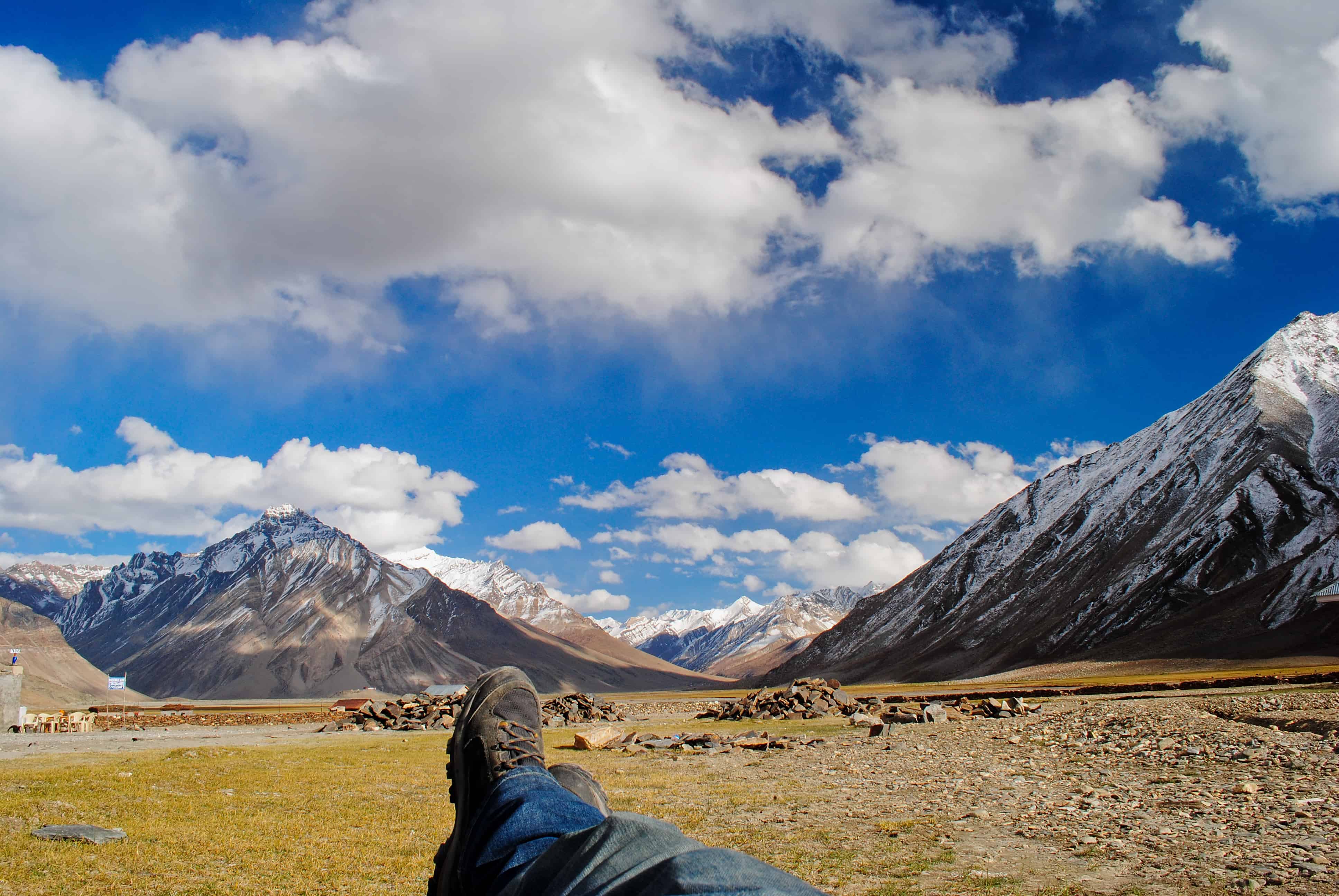
A good pair of trekking shoes can make or break your Himalayan adventure. I have learned this the hard way over years of trekking across Ladakh, Spiti, Zanskar, and various trails in Himachal Pradesh and Uttarakhand. Your feet take the most beating on any trek, and investing in the right shoes is honestly the single most important gear decision you will make before heading to the hills.
The good news is that you do not need to spend a fortune. There are solid trekking shoes available under Rs 5,000 in India that work well for most Himalayan treks. I have tested several of these personally over the years. Prices in this category move around a fair bit, so I checked the current Decathlon India listings again in August 2026 before updating this guide. The Quechua MH500 (the shoe I always get asked about) had briefly touched Rs 8,999 earlier this year but has since come back down to around Rs 6,999 for the Mid version and Rs 5,999 for the lighter MH500 Light. So I have updated the entire comparison below to reflect what is actually available right now.
Let's quickly dive into the details:
Quick Answer: Best Trekking Shoes Under Rs 5,000 (August 2026)
| Shoe Model | Price (as of Aug 2026) | Best For |
|---|---|---|
| Quechua MH100 Waterproof Mid | Rs 4,999 (MRP Rs 7,999), Decathlon India | Best overall pick for Ladakh, Spiti and technical Himalayan trails |
| Quechua NH150 | Rs 3,599 (MRP Rs 4,999), Decathlon India | Beginners and easy day hikes |
| Wildcraft Hypagrip Halvor 2.0 | Rs 4,999 list on Flipkart, spotted as low as Rs 1,489 during a Flipkart flash sale on 9 August 2026 | Budget Indian-brand all-rounder |
| Woodland Mid Ankle Hiking Shoe | Rs 4,270 to Rs 4,999 | Casual hikes and hill-station walks |
| Wildcraft Terra Lite LA (Low Ankle) | Rs 4,299, Flipkart | Lightweight low-ankle hiking |
| Wildcraft Trail Shoes | Rs 3,999, Flipkart | Everyday trail walking on well-defined paths |
Practical Info: Budget Trekking Shoes in India (August 2026)
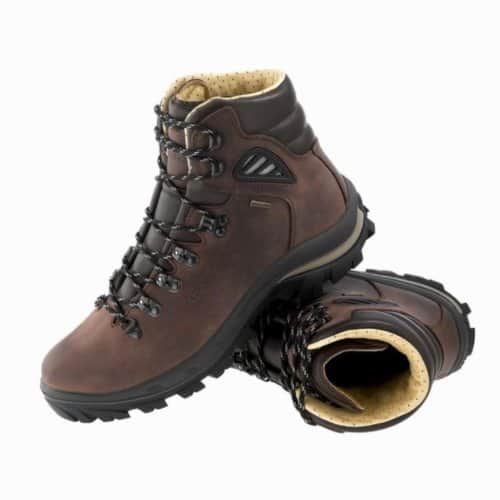
Top Pick Under Rs 5,000: Quechua MH100 Waterproof Mid (Rs 4,999, MRP Rs 7,999, at Decathlon)
Best Budget Option: Quechua NH150 (Rs 3,599, MRP Rs 4,999, at Decathlon)
Indian Brand Pick: Wildcraft Hypagrip (around Rs 4,999 on Amazon/Flipkart, up from roughly Rs 3,000 a year ago)
Where to Buy: Decathlon stores in-person (best) or Decathlon.in online
Worth Stretching To: Quechua MH500 Light at Rs 5,999 or MH500 Mid at Rs 6,999 (both above Rs 5,000 budget, but the price has actually come down from the Rs 8,999 peak seen earlier in 2026)
Quick Comparison Table: Trekking Shoes Under Rs 5,000 (2026 Prices)
Here is what the market looks like as of August 2026. I have rechecked all prices directly on the Decathlon India, Amazon, and Flipkart product listings before publishing this update, since gear prices in this category tend to drift within months.
| Shoe | Price (Aug 2026) | Best For | Waterproof | Ankle Cut |
|---|---|---|---|---|
| Quechua MH100 Mid Waterproof | Rs 4,999 (MRP Rs 7,999) | All Himalayan treks | Yes | Mid cut |
| Quechua NH150 | Rs 3,599 (MRP Rs 4,999) | Beginners, day hikes | Splash-proof | Mid cut |
| Wildcraft Hypagrip | Rs 3,499-4,999 | Budget all-rounder | No | Mid/High |
| Woodland Mid Ankle | Rs 4,270-4,999 | Casual hikes | No | Mid cut |
| Quechua MH500 Light (above budget) | Rs 5,999 (MRP Rs 8,999) | Technical treks | Yes | Mid cut |
| Quechua MH500 Mid (above budget) | Rs 6,999 (MRP Rs 10,999) | Technical treks | Yes | Mid cut |
Note: Earlier in 2026 the Quechua MH500 had briefly climbed to around Rs 8,999, which is what I flagged in my last update. As of August 2026, Decathlon has it back down to Rs 6,999 for the Mid version and Rs 5,999 for the lighter MH500 Light. Both are still above the Rs 5,000 budget, but closer to it than a few months ago. Prices at Decathlon change with sales and stock cycles, so verify on decathlon.in before you buy.
What Should You Look for in Budget Trekking Shoes for Ladakh and Spiti?
Before jumping into the recommendations, let me quickly explain what actually matters when choosing trekking shoes for high-altitude Himalayan terrain. This is especially important if you are planning for Ladakh, Spiti, or Zanskar, where the conditions are very different from a forest trail or a weekend nature walk.
- Ankle Support (Non-Negotiable for Himalayan Treks): Always go for mid or high cut for any serious trekking. Your ankles take tremendous stress on loose scree, snow patches, and boulder fields. Low-cut trail runners are fine for flat trails but can mean a sprain on rocky mountain terrain. The descents in Ladakh and Spiti are particularly unforgiving on ankles.
- Waterproofing: In the Himalayas you will encounter water crossings, wet trails after rain, morning frost and dew, and snow patches even in summer. Waterproof shoes are worth the extra cost. Splash-proof is fine for day hikes in dry conditions but not for multi-day treks.
- Sole Grip and Lug Depth: The outsole grip is critical on wet rocks, loose gravel, and shale slopes. Look for deep lugs (5mm or more) and rubber soles that provide traction on both wet and dry surfaces. This is where many cheap shoes fail badly.
- Stiff Midsole for Rocky Terrain: A semi-rigid midsole distributes weight better on rocky and uneven surfaces. Too flexible means your foot gets fatigued faster on rocky Himalayan trails.
- Weight: Under 600 gm per shoe is ideal for budget options. Every extra gram of weight on your foot equals many times that effort over a full day of trekking.
- Fit with Trekking Socks and Toe Room for Descents: When trying shoes, wear your trekking socks and check there is a thumb’s width of space ahead of your longest toe. On steep descents, your feet slide forward and toes hitting the front of the shoe is a common source of blisters and black toenails.
Keep in mind that you should always buy trekking shoes at least 2 to 3 weeks before your trek and wear them around the house and on short walks to break them in. Taking brand new shoes on a multi-day trek is a reliable recipe for blisters and misery.
Top Trekking Shoes Under Rs 5,000 in 2026: Honest Reviews
1. Quechua MH100 Waterproof Mid (Best Overall Under Rs 5,000)
With the MH500 now priced between Rs 5,999 and Rs 6,999 depending on the version, the Quechua MH100 Waterproof Mid remains my top recommendation for anyone planning Himalayan treks on a genuinely tight budget. Priced at Rs 4,999 (MRP Rs 7,999) at Decathlon, it offers genuine waterproofing, good grip, and proper mid-ankle support. The lug pattern on the sole handles both wet and dry mountain terrain reasonably well.
I have seen this shoe on trails like Tungnath-Chandrashila and on the approaches to Chandratal in Spiti, and trekkers consistently report good performance. It handles light rain, wet grass, and rocky trails without issues. The waterproofing holds well for the first two to three seasons of regular use. If you are planning to do multiple Himalayan treks in a year, this is the shoe to buy right now under Rs 5,000. Grip matters just as much on wet stone steps, such as the 3,500 steps of the living root bridge trek in Meghalaya.
2. Quechua NH150 (Best for Beginners and Day Hikes)
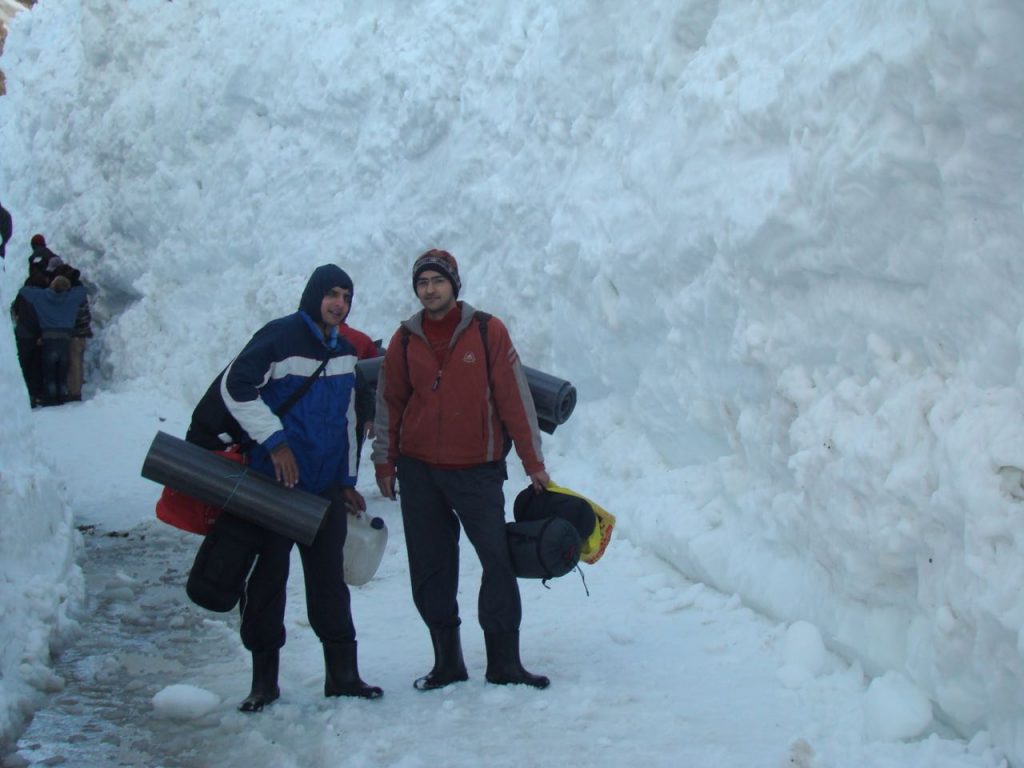
At Rs 3,599 (MRP Rs 4,999), the NH150 is the entry-level Quechua hiking shoe that makes a lot of sense for first-timers or people who do only one or two easy treks per year. This price has stayed steady since my last update, which is rare in this category. The Cross Contact sole provides decent grip for well-maintained trails. The water resistance handles morning dew and light drizzle for about two hours, so it is not suitable for serious rain or water crossings.
For day hikes around Kasol, Manali, or Shimla, and for short walks in Ladakh towns, this shoe does the job well. I would suggest upgrading to the MH100 if you are planning any serious multi-day trek with elevation gain, river crossings, or monsoon-season hiking. The NH150 is fine for shorter treks like Prashar Lake where the trail is well-defined and not too technical.
3. Wildcraft Hypagrip (Best Indian Brand Under Rs 5,000)
Wildcraft is an Indian outdoor brand that has built a solid reputation among budget trekkers over the past decade. Keep in mind that Hypagrip pricing has moved up since I last checked, from around Rs 2,995 to closer to Rs 4,999 on current Amazon and Flipkart listings for models like the Hypagrip Halvor 2.0. It still offers a sturdy build with decent grip on mountain terrain. The shoe is not waterproof, so you will want to spray it with a waterproofing treatment if you are trekking in wet conditions.


The biggest advantage of Wildcraft is availability. If there is no Decathlon store in your city, you can order Wildcraft online and get reasonably reliable delivery and return options. For easy trails and casual hiking, this works well. For technical Himalayan treks with significant water crossings or heavy rain exposure, I would prefer the MH100, which is now similarly priced but comes with proper waterproofing. As a budget starter shoe, Wildcraft is still a legitimate choice, but check current pricing before you decide since it no longer has as clear a price advantage over the MH100 as it once did.
4. Woodland Mid Ankle Hiking Shoe (For Casual Hikes)
At around Rs 4,270 to Rs 4,999, the Woodland mid-ankle hiking shoe is a familiar option for Indian travelers. It is heavier than the Quechua options and not waterproof, but it is durable and works well for casual hikes, sightseeing in hill stations, and short walks in the mountains. Woodland has wide availability in India, including in smaller towns that may not have a Decathlon store.

I would not recommend this for serious multi-day treks with steep ascents, descents, or water crossings. The sole grip is not as aggressive as Quechua or Wildcraft trekking-specific shoes. But if you want a shoe that doubles as daily footwear and handles occasional hikes, Woodland delivers on durability and is available across India. Hence, for a lot of casual hikers visiting Shimla, Mussoorie, or Manali who do not trek seriously, this is a practical buy.
Should I Stretch Budget to the Quechua MH500 at Rs 6,999?
I get this question often, and the answer changed a bit with the recent price movement. The MH500 is genuinely a better shoe than the MH100. Better grip, better waterproofing membrane, better midsole stiffness. Now that the gap has narrowed (Rs 5,999-6,999 for the MH500 versus Rs 4,999 for the MH100), stretching your budget makes even more sense than before if you are planning serious treks to places like Hampta Pass or high-altitude routes in Ladakh and Zanskar. The extra Rs 1,000 to Rs 2,000 investment over the MH100 is a smaller ask than the Rs 4,000 gap that existed earlier in 2026, and the MH500 will last you five or more years of regular Himalayan trekking.
However, if this is your first trek or you trek only once a year, start with the MH100. It will serve you well for most conditions you will encounter on standard Himalayan trails. You can always upgrade later when you know trekking is a habit you will keep.
Planning a trek? Do not forget to check my complete list of things to carry on a trekking trip to make sure you have everything sorted before heading out.
My Personal Experience: The Quechua Forclaz 500 Ventiv Story
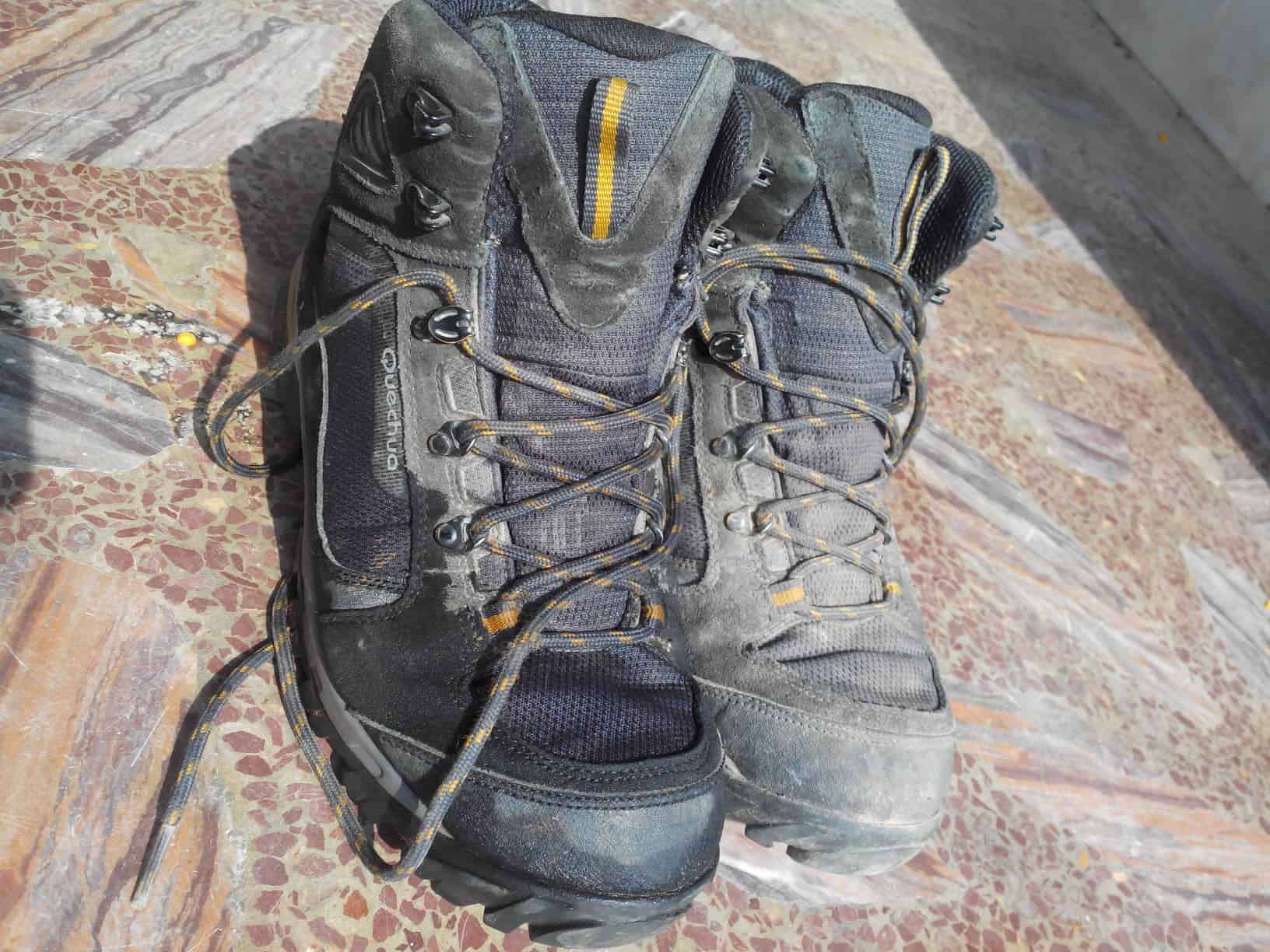
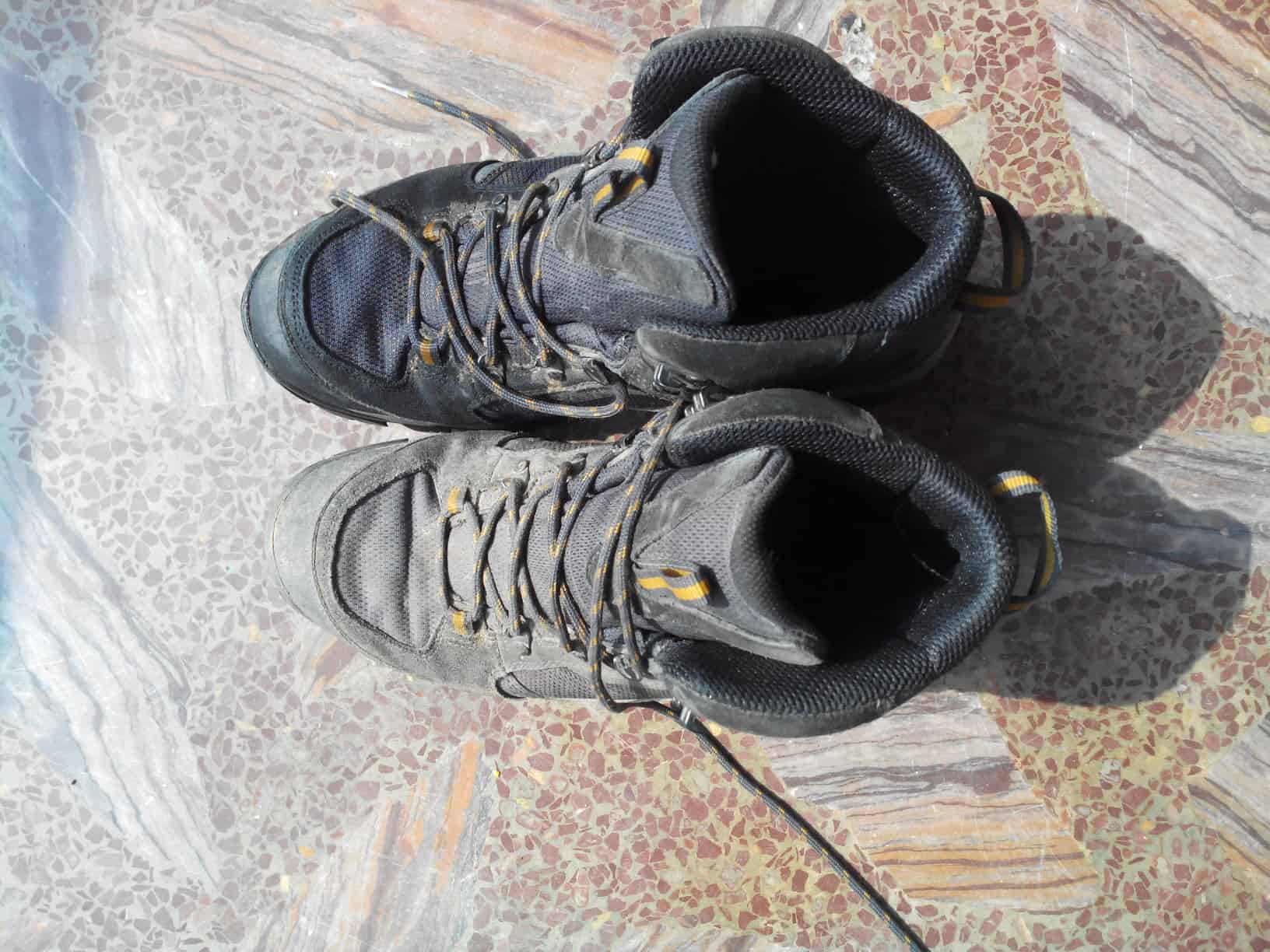
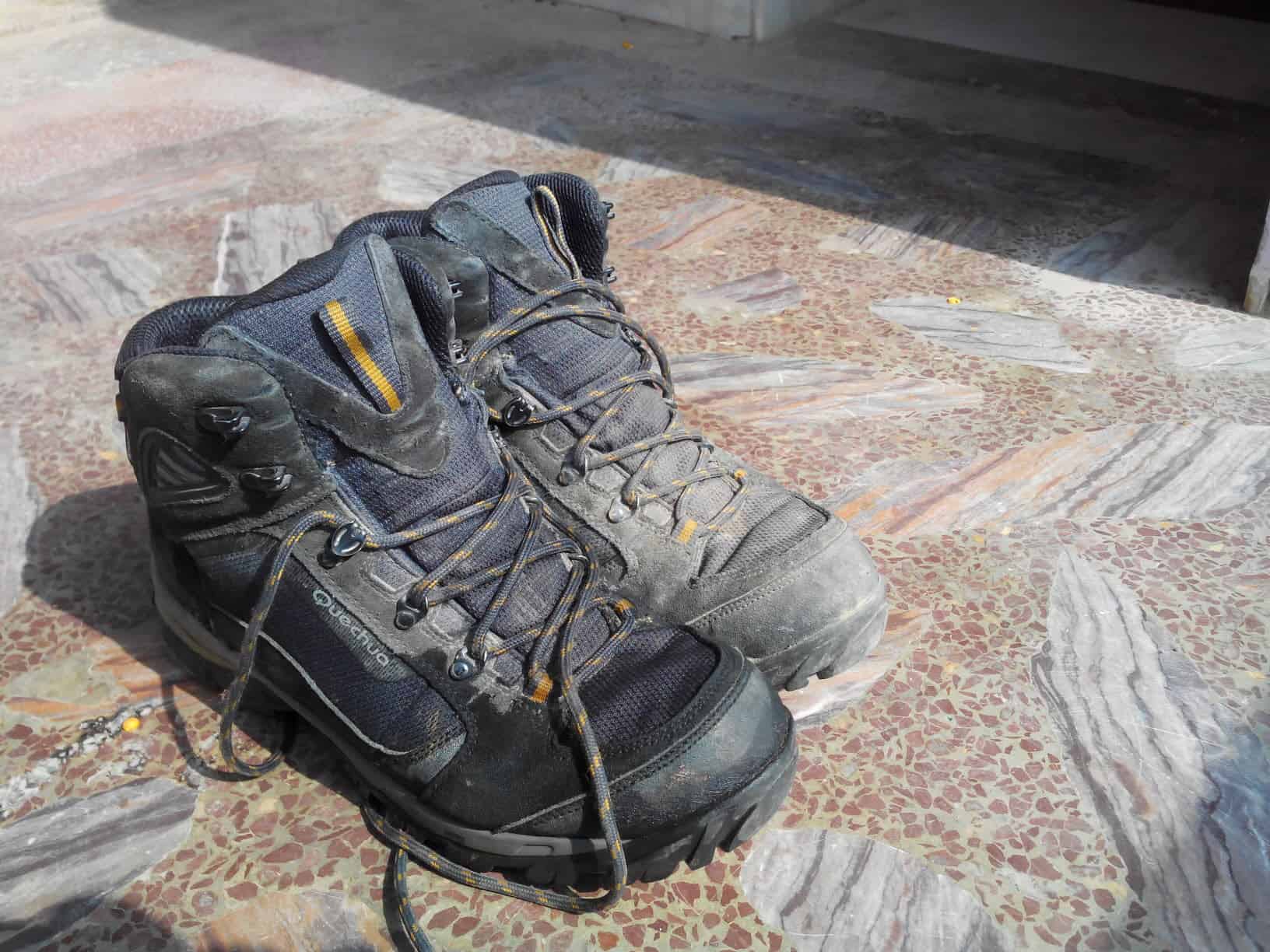
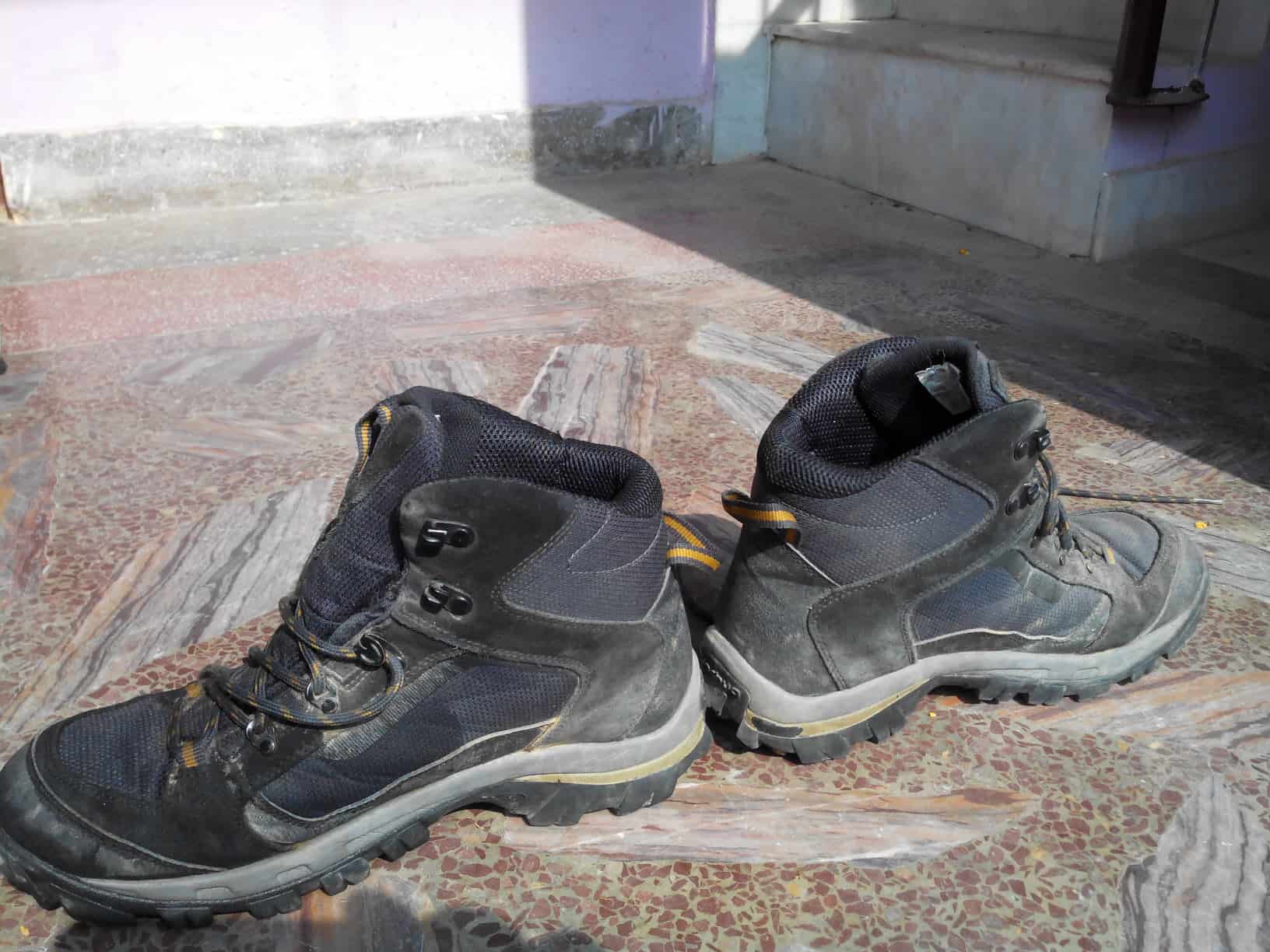
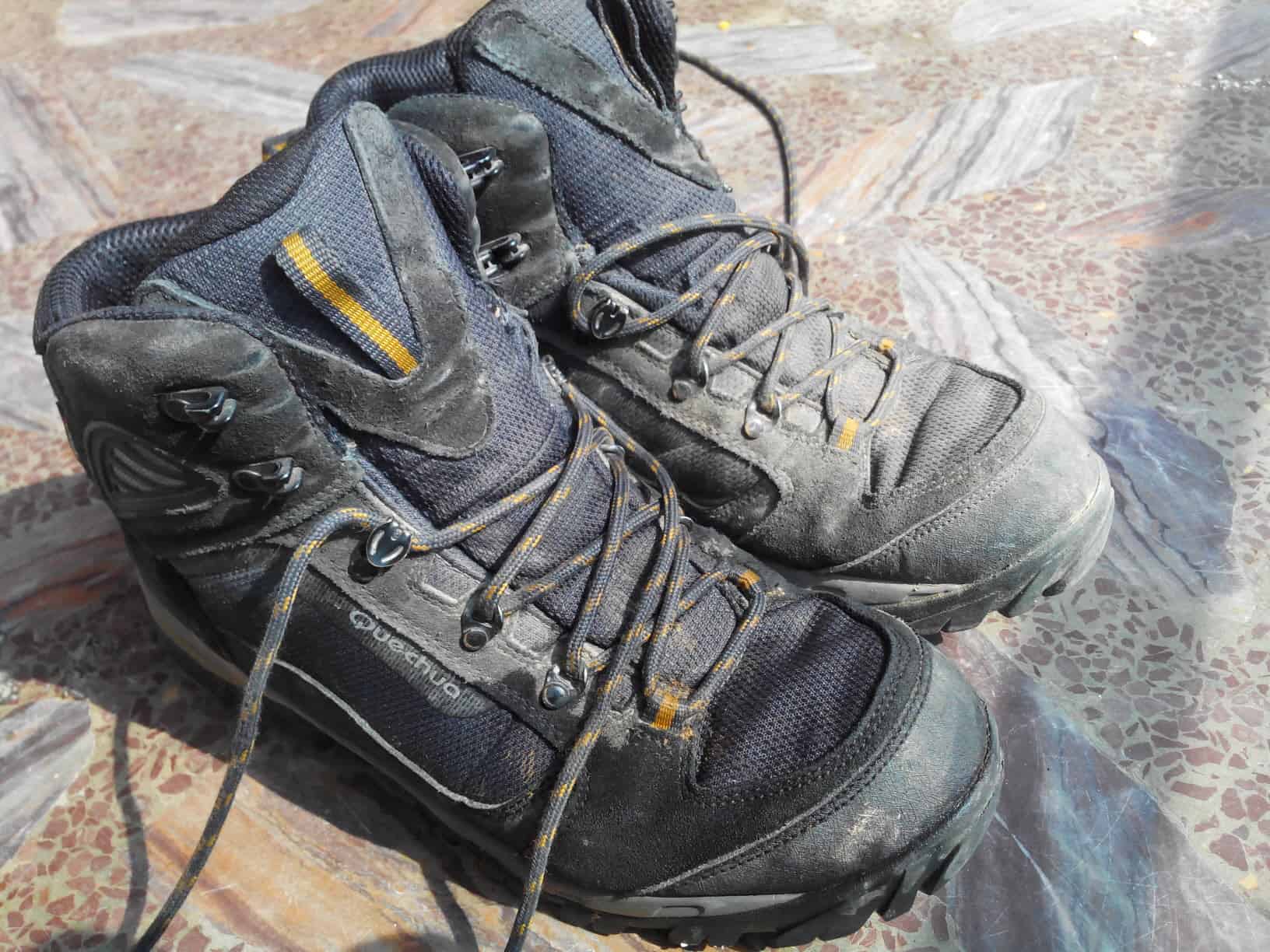
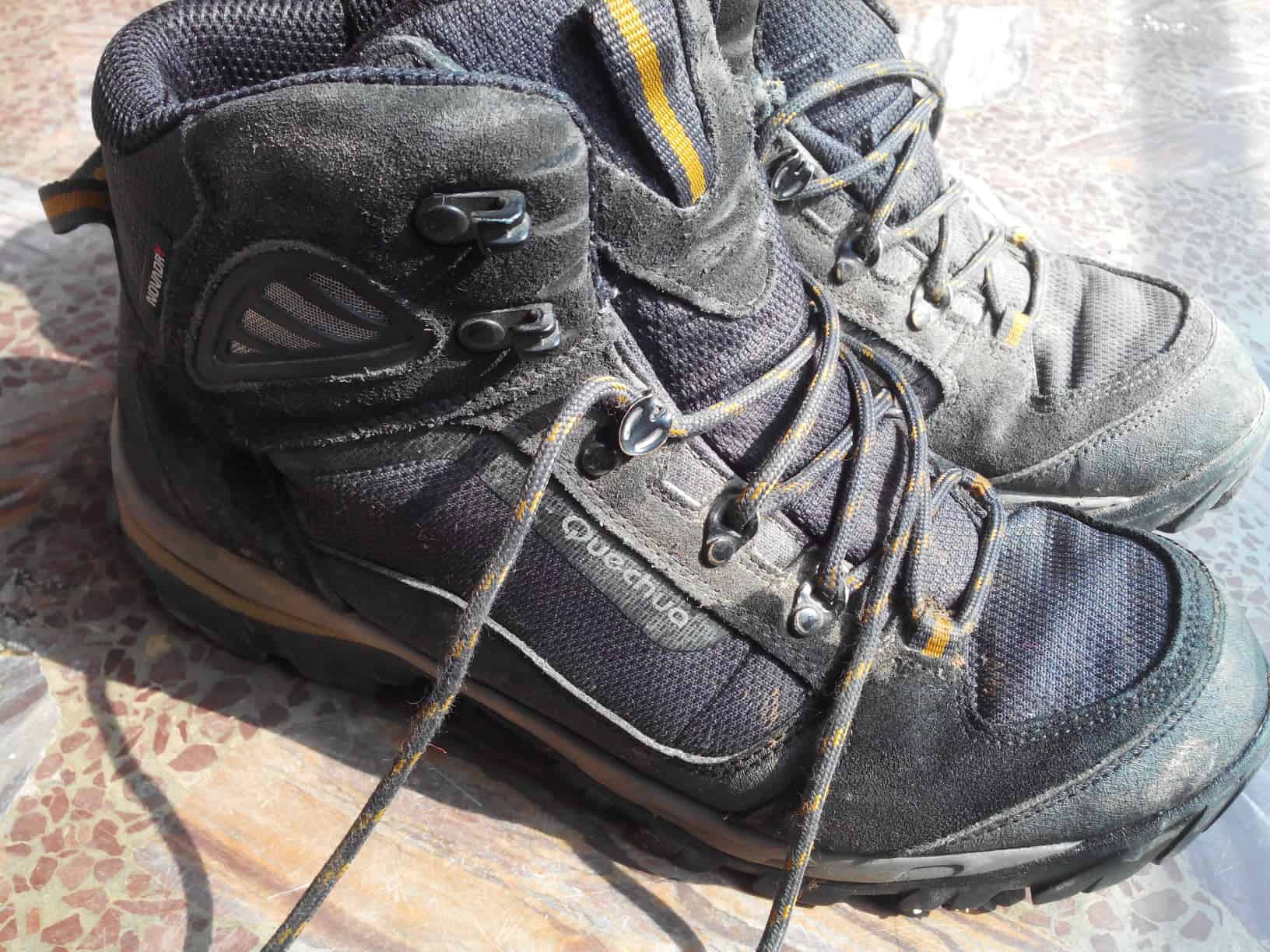
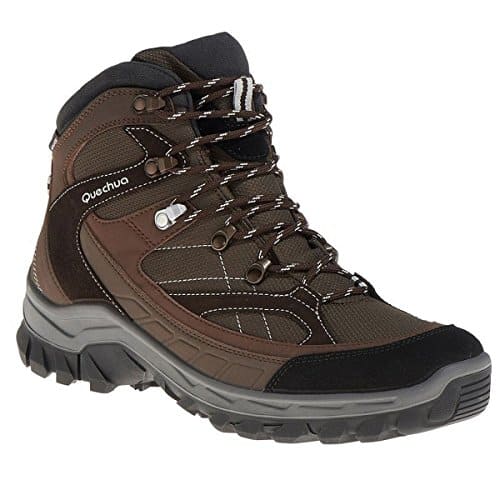
I want to share my experience with the Quechua Forclaz 500 Ventiv shoes because they were genuinely one of the best gear purchases of my life considering the money spent versus performance delivered. I bought this pair years ago when it was well within the Rs 5,000 range, and since then I have battered them across snow treks to Tungnath, Prashar Lake, multiple tours in Spiti, Ladakh, and Zanskar, and even at the office on cold winter days in Delhi. They simply did not die despite performing hard for years.
Comfort and Durability
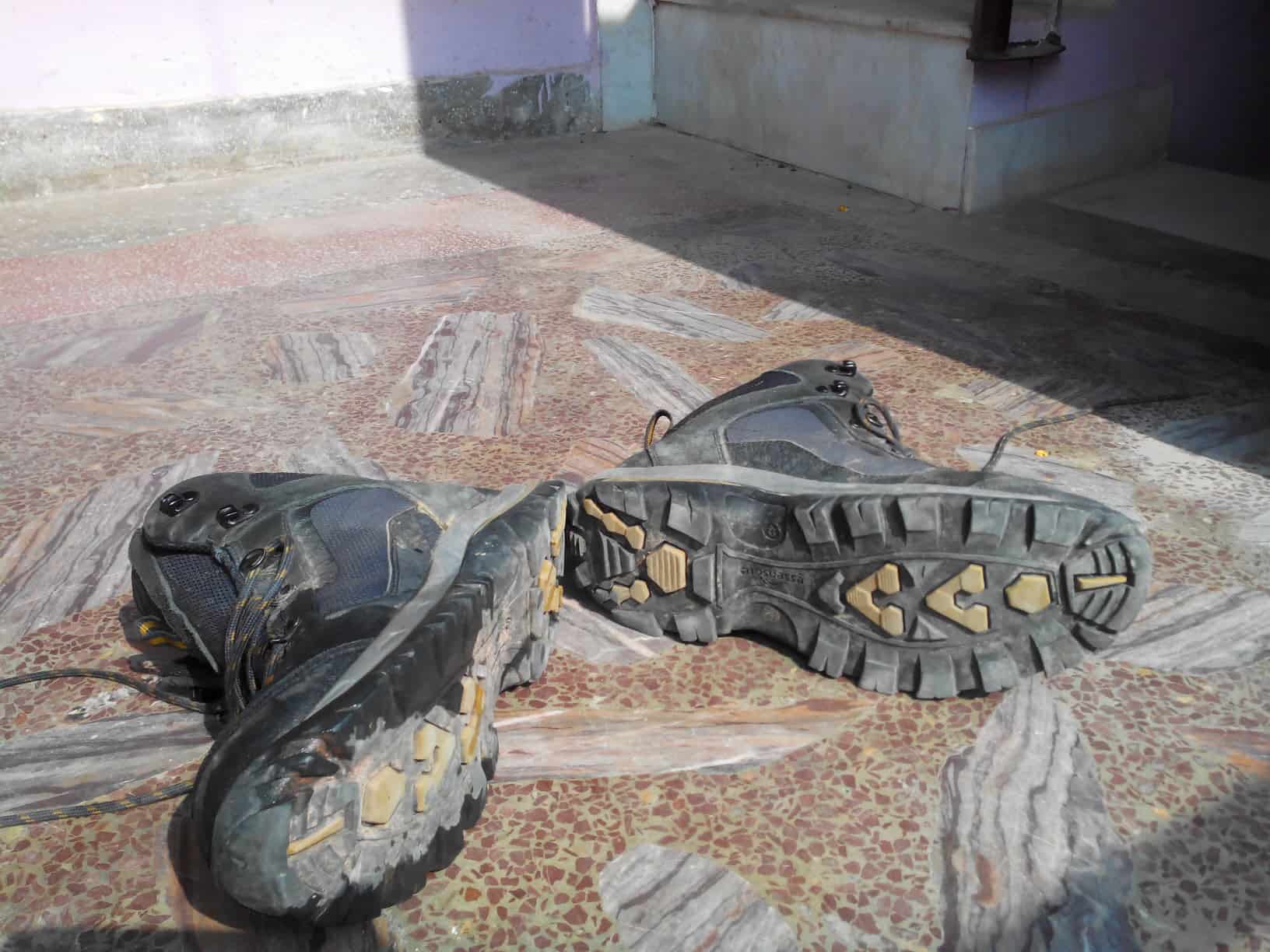
The Forclaz 500 was quite lightweight with good ankle support. Considering the price I paid, the value for money was incredible. The shoe is breathable, which helps remove bad odour and keeps feet from overheating during hard climbs. The sole eventually smoothened off after years of use, making it slightly less grippy, but the shoe held up for well over three years of serious trekking. One tip I found: if you tie the laces in the second-last latch instead of the last one, the balance improves considerably, and the shoe feels less cramped, even while driving.
Waterproofing in Real Himalayan Conditions
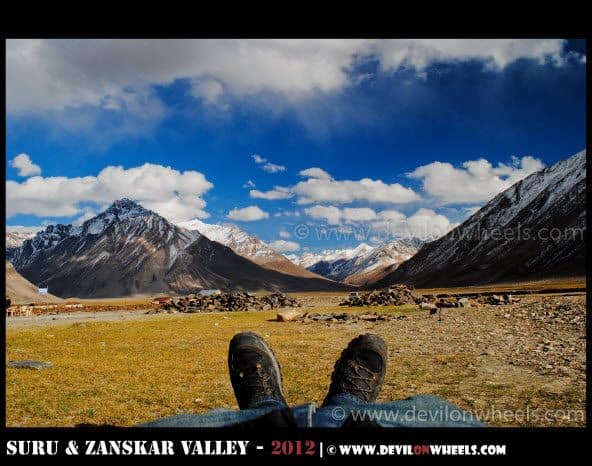
Being waterproof, the Forclaz 500 handled water crossings, snow treks, and even standing in shallow lakes for photographs with no problems. With just one warm pair of socks, I used them comfortably in temperatures ranging down to minus 8 degrees Celsius in Ladakh and Zanskar. Please keep in mind that waterproofing degrades over time with use. A waterproofing wax or spray every season can bring back the water resistance and significantly extend the life of any waterproof shoe. Also, these are not meant for deep water crossings where water is above ankle level. For that, you need gaiters as well.
Photos After Years of Use
Here are some pictures of my battered Forclaz 500 shoes that still held up after years of abuse across the Himalayas. This is what a well-made budget shoe looks like after real use.
Which Trek Type Needs Which Shoe?
Not all Himalayan treks make the same demands on your feet. Here is a quick guide to help you match your shoe choice to your planned trek type. This is something most budget shoe guides skip entirely, but it matters a lot.
- Easy weekend treks (Kasol, Triund, Prashar Lake, Shimla area day hikes): NH150 or Wildcraft Hypagrip are sufficient. Not much technical terrain, and these routes are generally dry.
- Moderate treks with river crossings (Kheerganga, Hampta Pass approach, Chandratal Lake): MH100 Waterproof Mid is the minimum I would recommend. River crossings and unpredictable monsoon rain make waterproofing worth it.
- High-altitude Himalayan treks (Ladakh, Zanskar, Spiti Valley trails): MH100 waterproof is the budget minimum. The MH500 is better if your budget allows, and the price gap between the two has narrowed in 2026. The combination of rocky scree, snow patches, cold temperatures, and remote terrain makes a quality shoe a safety item, not just a comfort item.
- Multi-day winter treks (Spiti in February, Zanskar frozen river): The MH100 or MH500 with good wool or thermal socks work down to about minus 5 degrees Celsius. Beyond that, you need insulated trekking boots, which are outside the Rs 5,000 range entirely.
For anyone specifically heading to high-altitude destinations, I recommend reading through the easy treks in Uttarakhand guide and the Kheerganga trek guide where I have also covered gear recommendations specific to those routes.

Where to Buy Trekking Shoes in India?
Here are the best places to buy budget trekking shoes in 2026.
- Decathlon stores (in-person, recommended): The best option for Quechua shoes. You can try them on in-store, which is important for getting the right fit. Decathlon has stores in most major Indian cities. If you are in Delhi, there are stores in Vasant Kunj, Noida, and Gurgaon. Always buy trekking shoes in-person if you can, since sizing can vary by model.
- Decathlon.in (online): Reliable for Quechua products with return options. Prices quoted above reflect what was live on this category page in August 2026. Deliveries are generally reliable to most Indian pin codes.
- Amazon India: Good for comparing prices and finding discounts on Wildcraft and other brands. Check reviews carefully before buying from third-party sellers.
- Flipkart: Another option for Wildcraft and Woodland shoes. Watch for sales during Big Billion Days and other events. Prices for Wildcraft can drop significantly during sale periods.
- Trek rental option: If you are trekking with organizations like Indiahikes, you can rent trekking shoes for around Rs 100 to Rs 150 per day (as of my last check, verify locally before your trek). This is a practical option if you trek only once or twice a year and are not sure if trekking will become a regular hobby.
In case you find a good deal on premium brands like Columbia, Merrell, or Salomon during sale seasons, those are worth picking up even if they slightly exceed the Rs 5,000 budget. The durability and performance on technical Himalayan terrain is noticeably better for frequent trekkers. However, for most Indian trekkers doing one or two Himalayan trips per year, the Quechua MH100 remains the best value-for-money choice available right now.
How to Take Care of Your Trekking Shoes
A good pair of budget trekking shoes can last three to five years with basic care. Here is what I have learned from keeping my own shoes in good shape across multiple Himalayan seasons.
- Clean after every trek: Remove mud and debris with a stiff brush and water. Do not use a washing machine as it damages the waterproofing membrane and glue holding the sole.
- Dry naturally: Never dry trekking shoes next to a fire or heater. The heat damages the sole adhesive. Stuff them with newspaper to absorb moisture and let them dry at room temperature.
- Re-waterproof every season: Apply a waterproofing wax or spray (Nikwax or similar, available at Decathlon) at the start of each trekking season. This restores DWR (durable water repellent) treatment and significantly extends waterproofing life.
- Store properly in offseason: Keep in a cool, dry place away from direct sunlight. Sunlight degrades rubber soles and causes the upper material to crack over time.
- Check soles before every trip: Inspect for delamination (sole separating from upper) before a trek. If the sole is starting to separate, get it repaired before you go. Nothing is worse than a sole flapping loose on a remote mountain trail.
Frequently Asked Questions About Budget Trekking Shoes
Which trekking shoes are best for Ladakh and Spiti under Rs 5,000?
As of August 2026, the Quechua MH100 Waterproof Mid from Decathlon (Rs 4,999) is the best trekking shoe under Rs 5,000 for Ladakh and Spiti. It offers mid-ankle support, genuine waterproofing, and good grip on rocky mountain terrain. The MH500 (previously the top recommendation) now costs Rs 5,999-6,999 depending on the version and is no longer within the under-Rs-5,000 budget, though it has come down from the Rs 8,999 peak seen earlier in 2026.
Are Quechua trekking shoes good for Himalayan treks?
Yes, Quechua shoes from Decathlon are among the best budget options for Himalayan treks. The MH100 model handles both dry and wet terrain well and is the most popular choice among budget trekkers in India right now. The MH500 is technically better and now costs Rs 5,999-6,999. For most standard Himalayan trails up to moderate difficulty, the MH100 at Rs 4,999 is excellent value.
Can I use running shoes for trekking in the Himalayas?
No, running shoes are not suitable for Himalayan trekking. They lack ankle support, have flat soles without deep lugs, and are not waterproof. On mountain trails with loose rocks, wet surfaces, and uneven terrain, running shoes significantly increase the risk of ankle sprains and falls. This is one of the most common gear mistakes first-time trekkers make.
How do I break in new trekking shoes before a trek?
Wear your new trekking shoes around the house and for short walks for at least 2 to 3 weeks before your trek. This softens the material and moulds the shoe to your foot shape. Walk on varied surfaces including stairs. Never take brand new shoes directly on a multi-day trek. This is one of the most consistent causes of serious blisters on Himalayan trails.
Waterproof vs water-resistant shoes: what should I choose for Himalayan treks?
For serious Himalayan trekking, choose fully waterproof shoes. Waterproof shoes keep water out during prolonged rain, water crossings, and snow. Water-resistant or splash-proof shoes handle light moisture for about two hours. If you are planning treks involving river crossings, monsoon-season hiking, or high-altitude routes with snow patches (which is most Himalayan treks), waterproof is worth the investment.
Should I buy trekking shoes online or from a Decathlon store?
I strongly recommend buying from a physical Decathlon store so you can try the exact size. Trekking shoe sizing can differ from your regular shoe size, and you need to check fit with trekking socks on and with enough toe room for descents. If buying online, order your regular size and consider ordering half-size up as well, and return whichever does not fit.
Do I need trekking shoes for Ladakh sightseeing trips (not trekking)?
For pure sightseeing trips to Ladakh, Spiti, or similar destinations where you are staying in vehicles or at viewpoints, trekking shoes are optional. A sturdy sports shoe or casual walking shoe works. However, even sightseeing in these areas involves some walking on rocky or uneven ground, so a mid-ankle shoe with good grip makes the experience more comfortable. The NH150 or Wildcraft Hypagrip are good options for sightseeing trips.
Wrapping Up
It is especially important to take care of your feet while in the hills. A good pair of trekking shoes and a reliable jacket make up the majority of your trekking gear. Invest wisely and choose based on comfort, ankle support, and grip, not just looks. For most budget trekkers in India in 2026, the Quechua MH100 Waterproof from Decathlon is the best value for money under Rs 5,000. If you can stretch to Rs 6,999, the MH500 is worth every rupee for serious trekkers. 🙂

Feel free to check my complete trekking checklist to make sure your gear setup is sorted beyond just the shoes. And if you have used any of these shoes on your own Himalayan treks, I would love to hear your experience in the comments below. In case I have missed any budget trekking shoe that deserves a mention, drop a comment and let me know!
Have a travel question?? You can subscribe to my YouTube channel and leave a comment to ask your travel questions about traveling to the Himalayas.
Last Updated: August 2026
