


Last Updated: April 2026
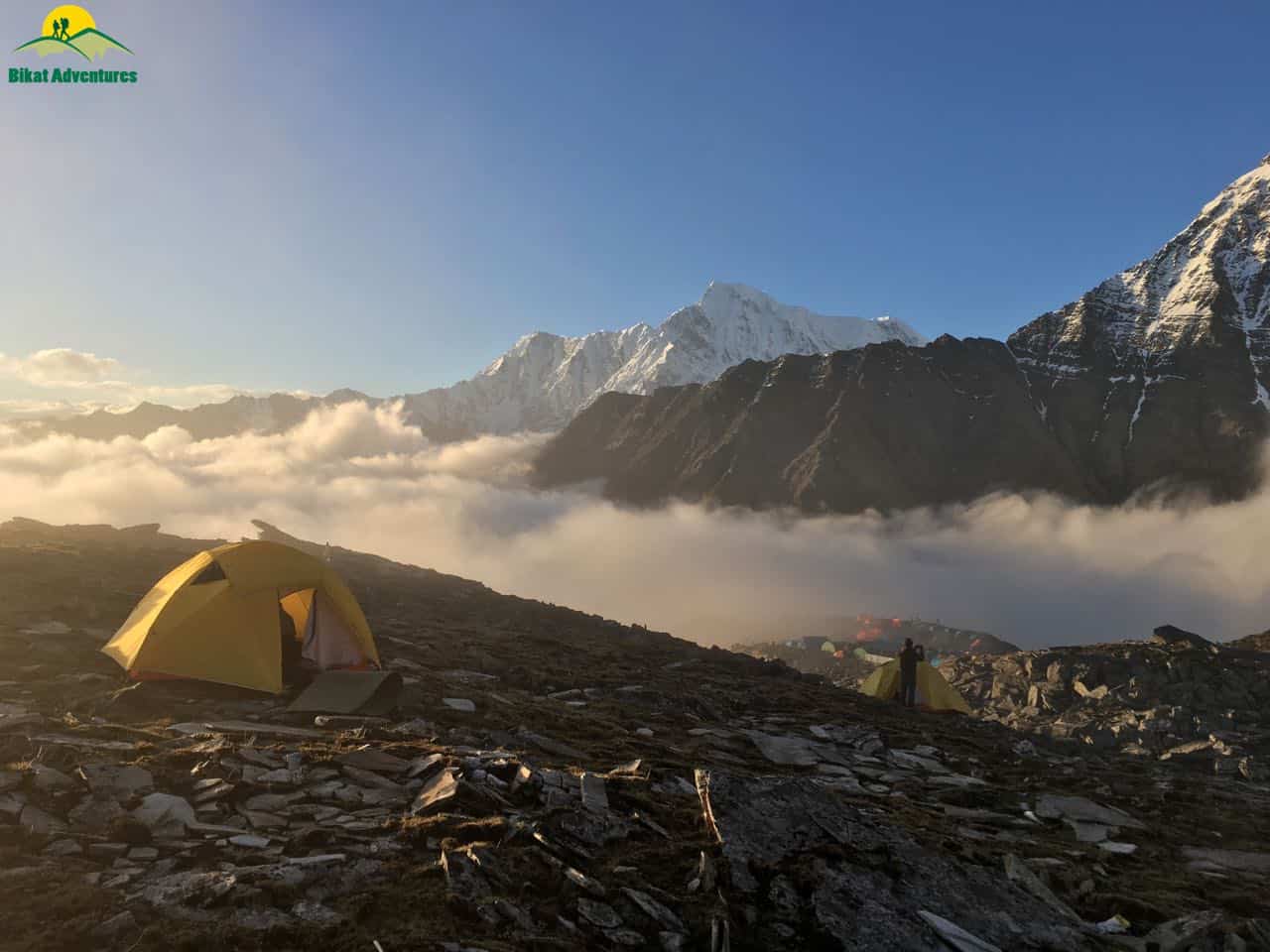
Cold weather camping in the Himalayas is one of those experiences that stays with you long after the trip is over. The silence of a frozen valley at night, the stars blazing overhead without a trace of light pollution, and the satisfaction of waking up warm inside your sleeping bag when the world outside is at sub-zero. I have camped in temperatures ranging from mild cold in Deoria Tal to bone-chilling nights in Spiti and Ladakh, and every trip has taught me something new about how to stay safe, warm, and comfortable when the mercury drops.
This guide covers everything you need to know about cold weather camping, specifically in the context of Indian Himalayan conditions. Whether you are planning a winter trek to Kedarkantha, a camping trip near Chandratal, or pitching your tent on a Ladakh road trip, these tips will help you prepare properly. Keep in mind, cold weather camping is not about surviving the night. It is about being prepared enough to actually enjoy it.
Let's quickly dive into the details:
What Should You Know Before Cold Weather Camping?
The first thing to understand about cold weather camping is that it demands a different mindset compared to regular camping. You will be without most of the comforts you take for granted, and the cold adds a layer of challenge that can catch you off guard if you are not prepared.
In my experience, the biggest mistake people make is underestimating the cold. At places like Chandratal (14,100 ft), Pangong (14,270 ft), or even Deoria Tal (7,841 ft), the temperature can drop well below 0°C at night, even during summer months. In winters, it gets much worse. At higher altitudes like Zanskar or upper Spiti, night temperatures can easily touch -15°C to -20°C between November and March.
Here is what I always tell my fellow travelers. If you are in the right headspace and accept that comfort levels will be different from home, you will enjoy every moment. The trick is to prepare your gear so well that the cold becomes manageable, not miserable. Hence, let us get into the details of how to do exactly that.
What Gear Do You Need for Cold Weather Camping in the Himalayas?
Your camping gear is your lifeline in cold weather. Investing in the right equipment can mean the difference between a memorable trip and a dangerous one. Here is a breakdown of everything you need, with approximate prices in INR so you can plan your budget.
How Does the Layering System Work for Cold Weather?
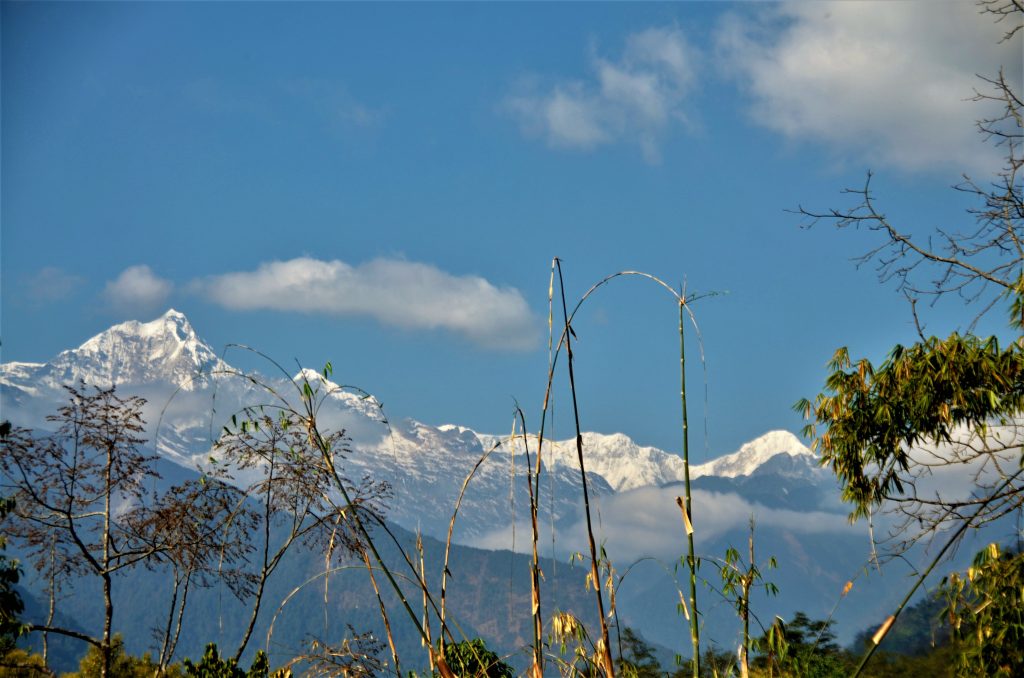
The layering system is the foundation of staying warm in cold conditions. Instead of wearing one thick jacket, you wear multiple layers that you can add or remove as the temperature changes throughout the day. This is critical in the Himalayas where mornings can be sunny, afternoons windy, and nights freezing.
Base Layer (next to skin): This layer wicks moisture away from your body. Look for merino wool or synthetic thermal underwear. Avoid cotton at all costs. Cotton absorbs sweat, stays wet, and will make you colder. A good pair of thermal tights and a full-sleeve thermal top form your base. Brands like Quechua (Decathlon) offer decent thermals starting at Rs 800-1,200 per piece.
Middle Layer (insulation): This is the layer that traps body heat. A fleece jacket or a puffy down jacket works best here. For temperatures around 0°C to -5°C, a good fleece is sufficient. Below that, you need a down or synthetic insulated jacket. Decathlon’s padded jackets start around Rs 2,000-3,500. If you are going to extreme cold (-10°C and below), invest in a proper down jacket from brands like Wildcraft or The North Face (Rs 5,000-15,000).
Outer Layer (shell): The outermost layer protects you from wind, rain, and snow. This should be a waterproof, windproof jacket. It does not need to be heavily insulated because the middle layer handles warmth. A good hardshell jacket costs Rs 3,000-8,000 depending on the brand. Keep in mind, your bottoms matter too. Denim jeans are absolutely useless in cold weather. They provide zero insulation and get heavy when wet. Wear trekking pants with a waterproof over-trouser for heavy snow conditions.
How to Choose the Right Sleeping Bag for Cold Weather Camping?
Your sleeping bag is arguably the most important piece of gear for cold weather camping. If you cannot sleep because you are shivering, the entire trip becomes miserable. Here is what you need to know.
Temperature rating: Always buy a sleeping bag rated at least 5°C lower than the coldest temperature you expect. If you are camping where temperatures drop to -5°C, get a bag rated to -10°C. This buffer accounts for wind chill and individual variations in how people feel cold. For most Himalayan winter treks and high-altitude camping, a bag rated -10°C to -15°C is the sweet spot.
Down vs Synthetic: Down sleeping bags are lighter, more compressible, and warmer for their weight. But they lose insulation when wet and are more expensive. Synthetic bags are heavier and bulkier but work even when damp, dry faster, and cost less. For Indian Himalayan conditions where you might encounter moisture from snow or condensation inside the tent, I recommend synthetic bags unless you are very experienced at keeping your gear dry.
Budget options available in India (2026 prices):
- Quechua Arpenaz 10°C (Decathlon): Rs 1,300-1,500, suitable for mild cold only
- Tripole Shivalik -10°C: Rs 2,400-3,000, good budget option for moderate cold
- Tripole Zanskar -15°C: Rs 3,100-4,500, solid choice for high-altitude camping
- Adventure Worx -10°C: Rs 3,500-5,000, designed for Himalayan trekking
- Wildcraft/Quechua -15°C to -20°C: Rs 5,000-10,000, best for extreme cold
A trick I have learnt over the years: before sleeping, do a few jumping jacks or squats inside the tent. This raises your body temperature and you enter the sleeping bag already warm. Also, drink a hot cup of tea or soup right before turning in. Keep a separate set of dry thermals that you use only for sleeping. Never sleep in the same clothes you wore during the day, as they carry moisture from sweat.
Why Is a Sleeping Pad Essential for Winter Camping?
Most body heat loss during sleep happens through the ground, not the air. A sleeping pad creates an insulating barrier between you and the cold ground. Without one, even the best sleeping bag will not keep you warm enough.
For cold weather camping, look for a sleeping pad with an R-value of 4.0 or higher. The R-value measures insulation. Higher means warmer. There are two main types. Closed-cell foam pads are cheap (Rs 500-1,500), lightweight, and nearly indestructible, but they are not very comfortable. Inflatable insulated pads are more comfortable and have better R-values but cost more (Rs 3,000-8,000) and can puncture.


My personal trick that has worked well across multiple trips is to double up. I place a closed-cell foam pad underneath and an inflatable pad on top. The foam pad protects the inflatable one from punctures and adds baseline insulation. This combination works brilliantly in temperatures down to -15°C without breaking the bank.
What Food and Hydration Strategy Works Best in Cold Weather?
Nutrition and hydration become even more critical in cold weather because your body burns significantly more calories just to maintain its core temperature. Proper meal planning can make or break your cold weather camping trip.
Food planning: Figure out the length of your trip and plan meals accordingly. Carry food that is calorie-dense but lightweight. Nuts, dried fruits, energy bars, and instant noodles are camping staples. For dinner, dal-rice or khichdi cooked on a portable stove is both warming and nutritious. I always carry extra food for at least one additional day beyond my planned trip, because weather delays are common in the Himalayas.
The dehydration trap: This is something many people do not realize. In freezing temperatures, your body does not signal thirst as effectively as it does in warm weather. You do not feel like drinking water because you are not sweating. But you are still losing moisture through breathing (that visible breath in cold air is water leaving your body). Dehydration in cold weather is a real risk and can make AMS symptoms worse at high altitude. Force yourself to drink water regularly, even when you do not feel thirsty.
Why Do You Need Insulated Water Bottles for Cold Weather Camping?
Regular water bottles will freeze overnight in sub-zero temperatures. An insulated bottle (like a basic steel thermos) keeps water at a drinkable temperature for hours. I carry two, one for regular water and one filled with warm tea or soup before bed. The warm bottle also doubles as a heat source inside the sleeping bag.
Also, keep in mind that canned drinks and plastic bottles can crack or burst when the water inside them freezes and expands. Store them inside the tent, never outside. If you are carrying a hydration bladder, blow air back through the tube after each sip to prevent the tube from freezing solid.
What Skills Should You Have Before Cold Weather Camping?
Having the right gear is only half the battle. Certain practical skills become essential when you are camping in cold, remote Himalayan locations where help may be hours away.
How to Build a Campfire Safely in the Hills?
A campfire is a morale booster in cold weather, but building one responsibly in the Himalayas requires care. At developed campsites with a fire ring or grill, it is straightforward. In the wild, you need to be much more cautious.
Keep these points in mind. Always carry waterproof matches or a reliable lighter in a waterproof container. Build your fire away from tents, dry grass, and overhanging branches. Clear the area properly. When done, extinguish the fire completely with zero embers remaining. This is not just about safety, it is about responsible travel in the Himalayas. Forest fires caused by careless campers have caused serious damage in areas like Uttarakhand and Himachal Pradesh.
In many protected areas and national parks (like Gangotri National Park or Great Himalayan National Park), campfires are banned entirely. Check local regulations before lighting one.
How Important Is Navigation for Winter Camping?
If you are hiking to your campsite during winter months, navigation becomes critical. Snow cover can obscure trails completely. Familiar landmarks disappear under a white blanket. Mobile network coverage is unreliable or non-existent in most Himalayan camping areas.
Always carry a physical map and compass as backup. Learn basic map-reading and compass skills before your trip. GPS apps like Maps.me or Google Maps (with offline maps downloaded) are helpful, but battery drains faster in cold weather. Keep your phone in an inner pocket close to your body to preserve battery life.
Pro Tip: True north and magnetic north are different. A compass points to magnetic north, not true north (direction of the North Star). This difference is called declination and varies by location. In most parts of the Indian Himalayas, the declination is relatively small, but it is worth understanding if you are navigating through unfamiliar terrain in snow.
If possible, hire a local guide for winter camping trips. They know the terrain, weather patterns, and safe routes better than any app. For popular trekking areas like Hampta Pass or Tungnath-Chandrashila, guides are readily available and affordable (Rs 1,500-2,500/day as of 2026).
What Are Some Practical Tips to Stay Warm at Night?
Nighttime is when cold weather camping gets most challenging. Here are tried-and-tested tips from my own camping trips across the Himalayas that will help you get through the night comfortably.
- Never go to bed hungry. Your body needs fuel to generate heat through the night. Eat a warm, calorie-rich dinner. Keep some nuts or chocolate handy for a midnight snack if you wake up cold.
- Hot water bottle inside the sleeping bag. Fill your insulated bottle with hot water and place it near your core or feet. It works as a personal heater for hours.
- Wear a beanie and socks to bed. You lose a lot of heat through your head and feet. Dry, clean wool socks and a warm beanie make a huge difference.
- Do not hold your bladder. Slightly TMI, but your body spends energy keeping urine warm. If you need to go, go. Carry a pee bottle or use a Pee Buddy (for women) so you do not have to fully leave the tent. I have been in situations where getting out of the sleeping bag at 2 AM in -10°C was genuinely unpleasant, so plan for this.
- Tent ventilation matters. Keep tent vents slightly open. A sealed tent leads to condensation buildup, which drips onto your sleeping bag and makes you colder. A well-ventilated tent may feel slightly cooler initially but will keep you drier and warmer overall.
- Sleeping bag liner. Adding a silk or fleece liner inside your sleeping bag can add 5-10°C of warmth for a very small investment (Rs 500-1,500). This is one of the best budget upgrades you can make.
What Is the Complete Gear Checklist for Cold Weather Camping?
Here is a comprehensive checklist with approximate prices in INR (as of 2026) so you can plan your budget. You do not need top-end gear for every trip. Match your investment to the conditions you expect.
| Item | Budget Option (INR) | Mid-Range (INR) | Notes |
|---|---|---|---|
| Sleeping bag (-10°C to -15°C) | Rs 2,400-3,500 | Rs 5,000-10,000 | Synthetic recommended for beginners |
| Sleeping pad (R-value 4+) | Rs 500-1,500 (foam) | Rs 3,000-8,000 (inflatable) | Double up foam + inflatable for best results |
| Sleeping bag liner | Rs 500-800 | Rs 1,000-1,500 | Adds 5-10°C warmth |
| 4-season tent (2-person) | Rs 4,000-6,000 | Rs 8,000-15,000 | Must handle wind and snow |
| Base layer (thermal set) | Rs 800-1,200 | Rs 2,000-4,000 | Merino wool is best, avoid cotton |
| Insulated jacket (down/synthetic) | Rs 2,000-3,500 | Rs 5,000-15,000 | Down lighter but fails when wet |
| Hardshell jacket (waterproof) | Rs 3,000-5,000 | Rs 5,000-12,000 | Wind + waterproof essential |
| Trekking shoes (waterproof) | Rs 2,500-4,000 | Rs 5,000-10,000 | Must be broken in before the trip |
| Headlamp | Rs 400-800 | Rs 1,000-2,500 | Carry extra batteries (cold drains them) |
| Insulated water bottle | Rs 500-800 | Rs 1,000-2,000 | Steel thermos works great |
| Portable stove + fuel | Rs 800-1,500 | Rs 2,000-4,000 | Canister stoves with pressure regulator for cold |
| First aid kit | Rs 300-500 | Rs 500-1,000 | Include hand/toe warmers |
Total budget estimate: A basic cold weather camping setup costs Rs 15,000-25,000 if you buy budget gear. Mid-range gear pushes this to Rs 40,000-70,000. Keep in mind that good gear lasts for years, so think of it as an investment across multiple trips. You can also rent camping gear in places like Manali, Leh, and Rishikesh, which brings costs down significantly for occasional campers.
How to Choose the Right Campsite in Cold Weather?
Where you pitch your tent matters as much as what gear you carry. A well-chosen campsite can protect you from wind and cold, while a poorly chosen one can make even the best gear insufficient.
Wind protection: Set up your tent behind natural windbreaks like large rocks, ridgelines, or tree lines. Wind chill can make a -5°C night feel like -15°C. Positioning your tent’s smallest side (usually the foot end) facing the prevailing wind helps too.
Water proximity: Camp near a water source but not too close. Rivers and streams create cold air channels, and being right next to water means more moisture and colder conditions. A distance of 50-100 meters is ideal.
Ground check: Avoid camping on depressions or valley floors where cold air pools at night (this is called temperature inversion). A slightly elevated, flat spot with dry ground is best. If there is snow, pack it down flat with your feet before pitching the tent.
Avoid avalanche-prone areas: In snowy conditions, stay away from steep slopes, especially those with fresh snow accumulation. This is particularly relevant for camping in areas like Zanskar or upper Spiti during winter months.
What Are the Best Destinations for Cold Weather Camping in India?
India offers some incredible cold weather camping options across different difficulty levels. Here are some that I would recommend based on experience and community feedback.
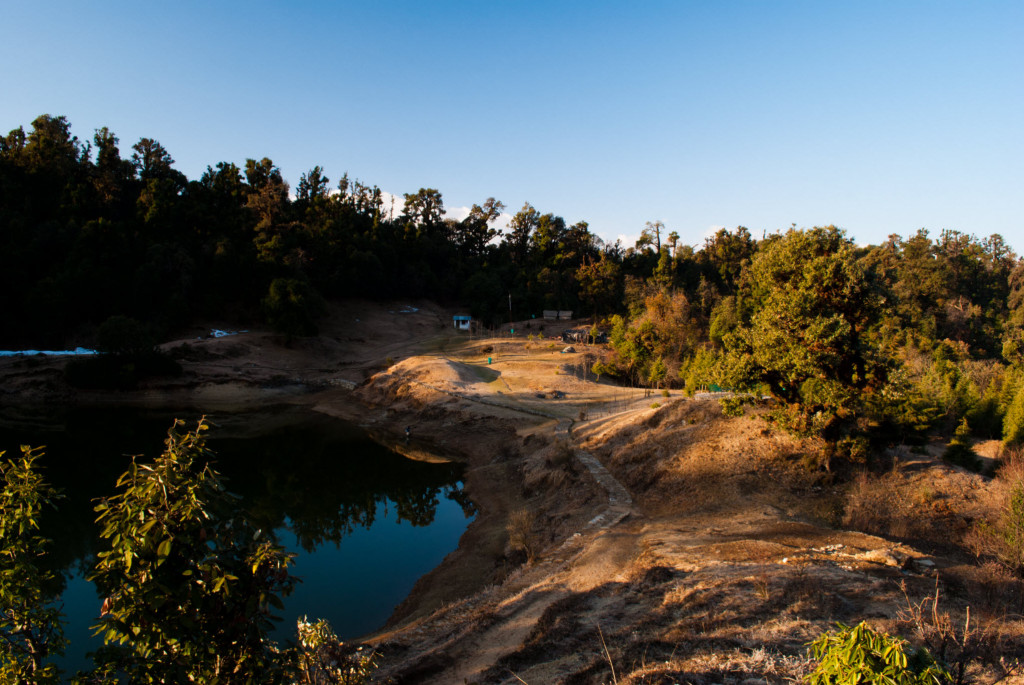
Beginner friendly: Deoria Tal (Uttarakhand, 7,841 ft), Triund (Himachal, 9,350 ft), and Kheerganga (Parvati Valley, 9,700 ft) are great starting points with manageable temperatures and accessible trails.
Intermediate: Camping in Spiti and Kinnaur, Kedarkantha basecamp (10,600 ft), and Chandratal Lake (14,100 ft) offer a real cold weather experience with more challenging conditions.
Advanced: Camping in Ladakh (Pangong, Tso Moriri, Hanle), Zanskar in shoulder season, and high-altitude passes along the Manali-Leh highway are for experienced campers with proper gear and acclimatization.
For detailed guides on camping in specific regions, check out the camping guides for Kinnaur and general Himalayan camping tips on this blog.
What Safety Precautions Should You Take for Cold Weather Camping?
Cold weather camping comes with genuine risks. These are not meant to scare you, but please take them seriously, my friend.
Hypothermia: This happens when your body loses heat faster than it can produce it, causing your core temperature to drop. Symptoms include uncontrollable shivering, confusion, slurred speech, and drowsiness. If someone in your group shows these signs, get them warm immediately. Replace wet clothing, give warm drinks, and share body heat inside a sleeping bag if needed. In severe cases, evacuate immediately.
Frostbite: Exposed skin, especially fingers, toes, nose, and ears, is vulnerable in extreme cold. Keep extremities covered and dry. Wiggle your toes and fingers regularly to maintain circulation. If skin turns white or waxy and feels numb, that is frostbite. Warm the area gradually with body heat, not hot water or direct heat.
Altitude sickness: If you are camping above 10,000 ft, AMS is a real concern that cold weather can aggravate. Proper acclimatization, hydration, and knowing when to descend are essential. I have written extensively about this in the AMS prevention guide.
Carbon monoxide poisoning: Never use a portable stove or heater inside a sealed tent. The carbon monoxide buildup can be fatal. If you must cook inside during a storm, keep the tent well ventilated. This is non-negotiable.
What Should You Pack for Your Cold Weather Camping Trip?
Beyond the main gear listed in the checklist above, here are additional items that are easy to forget but important for cold weather camping. I have learnt some of these the hard way.
- Hand and toe warmers: Disposable warmers cost Rs 50-100 per pair and provide 6-10 hours of warmth. Worth every rupee on really cold nights.
- Duct tape: For emergency repairs to tent, gear, or even as makeshift blister protection.
- Dry bags: Keep your sleeping bag and spare clothes in waterproof dry bags. Wet insulation is useless insulation.
- Extra batteries: Cold drains battery life by 30-50%. Carry spares for headlamp, GPS, and camera. Keep them warm in inner pockets.
- Sunglasses and sunscreen: Snow reflects UV radiation and can cause snow blindness. Even in cold weather, sunburn is a real risk at altitude.
- Trekking poles: Essential for stability on icy or snowy terrain when hiking to your campsite.
- Multi-tool or knife: Useful for food prep, gear repair, and cutting firewood where permitted.
- Toilet kit with bio-degradable bags: Practice Leave No Trace principles. Pack out all waste. This is especially important in sensitive areas like Chandratal, Pangong, and national parks.
For a comprehensive packing guide, also check out the must-have items for hiking and trekking guide which covers many overlapping items.
Frequently Asked Questions
What temperature rating sleeping bag do I need for Himalayan camping?
For most Himalayan camping between 8,000-14,000 ft, a sleeping bag rated -10°C to -15°C works well. Always buy a bag rated at least 5°C lower than the coldest temperature you expect. Budget options like the Tripole Zanskar (-15°C) cost around Rs 3,100-4,500 and work reliably for most conditions.
Is cold weather camping safe for beginners?
Yes, with proper gear and preparation. Start with accessible locations like Deoria Tal, Triund, or organized camping sites near Manali where temperatures are cold but not extreme. Avoid high-altitude camping above 12,000 ft until you have experience with both cold weather and altitude acclimatization.
How much does a complete cold weather camping setup cost in India?
A budget cold weather camping setup (sleeping bag, pad, tent, clothing layers, accessories) costs approximately Rs 15,000-25,000 with gear from Decathlon and Indian brands like Tripole and Wildcraft. Mid-range gear pushes the total to Rs 40,000-70,000. You can also rent gear in Manali, Leh, and Rishikesh to reduce costs.
Can I use a regular tent for cold weather camping?
A regular 3-season tent works for mild cold (above 0°C) with low wind. For genuine winter camping below 0°C or in snowy, windy conditions, you need a 4-season tent with stronger poles, better wind resistance, and reduced ventilation points. Budget 4-season tents start around Rs 4,000-6,000 in India.
What is the best time for cold weather camping in the Indian Himalayas?
October to March offers cold weather camping conditions across most of the Indian Himalayas. December to February is the coldest period. For beginners, late October or early March offers cold nights without extreme temperatures. For experienced campers, January in Spiti, Ladakh, or Zanskar provides a genuine high-altitude winter camping experience.
How do I prevent my water from freezing while camping?
Use insulated steel bottles or thermoses. Sleep with your water bottle inside the sleeping bag. For hydration bladders, blow air back through the tube after each sip to prevent freezing. Store all liquids inside the tent, never outside. Boil water before bed and store it in a thermos for morning use.
What should I eat while cold weather camping?
Focus on calorie-dense, lightweight food. Nuts, dried fruits, energy bars, and instant noodles are camping essentials. For cooked meals, dal-rice or khichdi provides good nutrition and warmth. Your body burns significantly more calories in cold weather to maintain core temperature, so eat more than you normally would and never go to bed hungry.
Where can I rent cold weather camping gear in India?
Manali (near Mall Road and Old Manali), Leh (Main Bazaar area), Rishikesh (Tapovan), and McLeod Ganj are the main gear rental hubs. A sleeping bag rental costs Rs 100-300/day, tent Rs 200-500/day, and a full camping kit Rs 500-1,000/day depending on quality. Always inspect rental gear for damage before heading out, especially sleeping bags and tent zippers.
Final Thoughts
Cold weather camping in the Himalayas is one of the most rewarding experiences for anyone who loves the outdoors. The key is preparation. Invest in the right gear, understand the layering system, plan your meals, choose your campsite wisely, and respect the conditions. The cold is manageable when you know what you are doing. It becomes miserable only when you are underprepared.
I hope this guide helps you plan your cold weather camping trip with confidence. These are tips I have gathered through years of camping across Spiti, Ladakh, Kinnaur, and Uttarakhand, and they have served me well. Start with the basics, keep adding what works for you, and before long, you will have your own set of tricks for staying comfortable in the cold.
If you have your own cold weather camping tips or gear recommendations, feel free to share them in the comments below or post in the DwD Community. Let us build this knowledge together. For other travel-related queries, discussions, and finding travel partners, check out the DoW Travel Calendar from the main menu. Keep camping, stay safe, and enjoy every moment out there 🙂

1 Comment
Comments section gets closed in 90 days. To ask your travel questions, you can follow my YouTube Channel for a faster reply or for a much slower reply follow me on Instagram. :)
thank you for sharing the post. Keep up the good work