


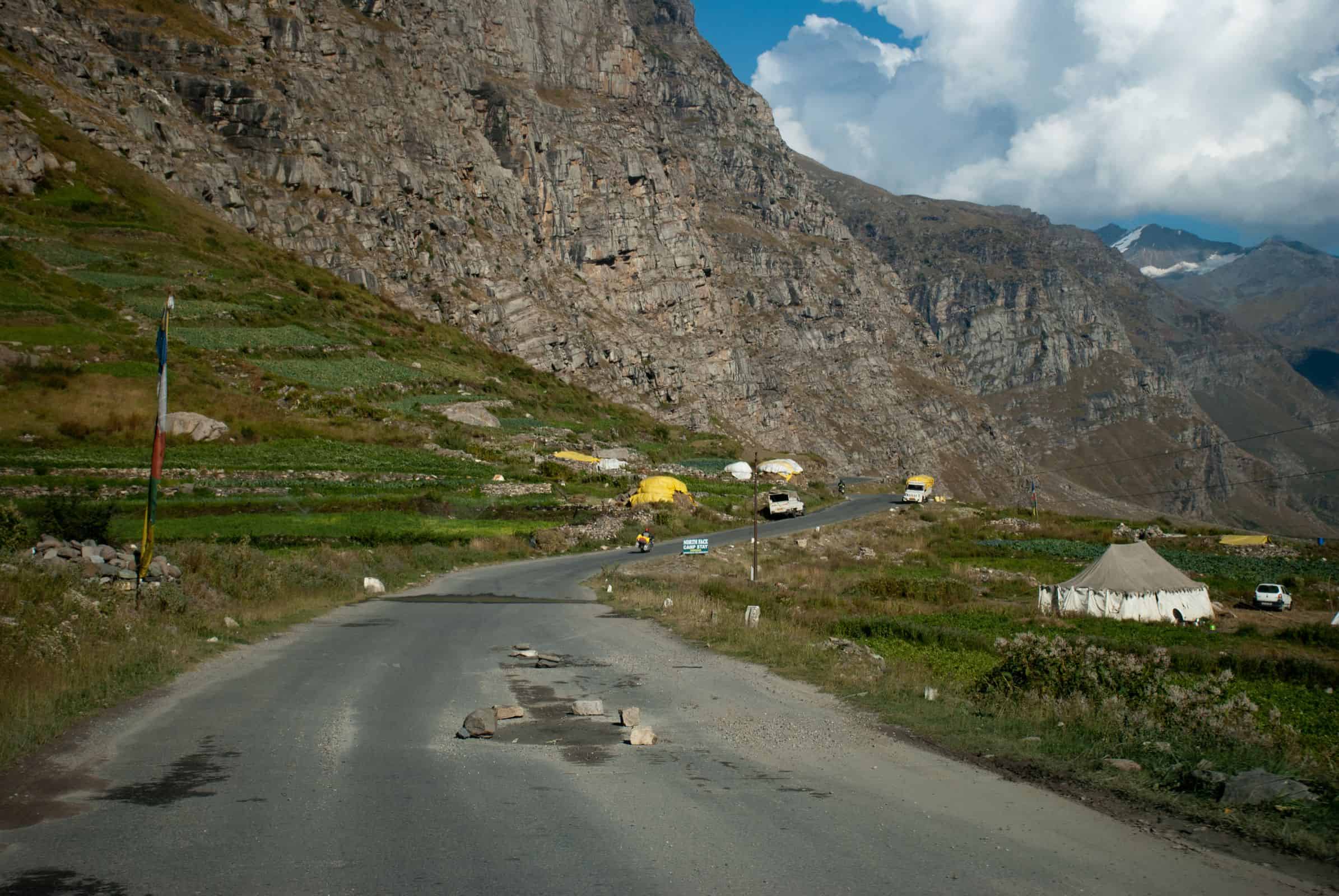
Are you planning a trip to Lahaul Valley and looking for a detailed travel guide that covers everything from how to reach, where to stay, what to see, and how much it will cost? You have come to the right place.
Lahaul used to be clubbed with the Spiti Valley when travel plans were made. This might still make a lot of sense, today. But, with the construction and opening of the Atal Tunnel in October 2020, Lahaul has become very accessible and an extension of Manali trip for many. Even if folks don’t have many days on hand, heading to the other side of the tunnel is now a legit activity. You can literally drive from Manali to Sissu in under an hour.
But, if you have been mesmerized by Lahaul on your short visit, I am sure you will fall in love when you explore the place extensively. So, if you are looking for a detailed Lahaul Valley travel guide with a common itinerary, budget breakdown, and practical tips, then look no further. This article deep dives into all the required details for you 🙂 …
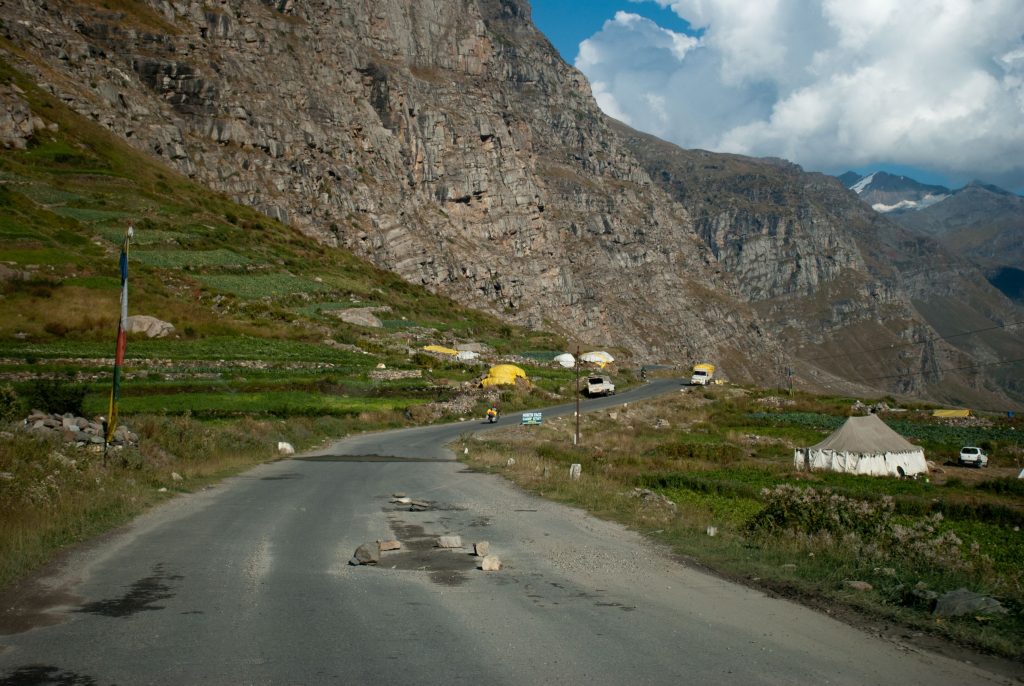
Let's quickly dive into the details:
Quick Facts About Lahaul Valley
Lahaul Valley is located in the Lahaul and Spiti district of Himachal Pradesh. The valley starts from the northern portal of the Atal Tunnel and extends all the way to Sarchu on the Manali – Leh Highway, which is almost halfway to Leh. Here are the key facts you need to plan your trip.
| Detail | Information |
|---|---|
| District HQ | Keylong (10,200 ft / 3,100 m) |
| Distance from Manali | 33 km to Sissu via Atal Tunnel, 115 km to Keylong |
| best time to visit | May to October (summer), Dec-Feb (winter via Atal Tunnel) |
| Nearest Airport | Kullu Bhuntar Airport (51 km from Manali) |
| Nearest Railway | Joginder Nagar (4-hour drive from Manali) |
| Fuel Pump | Only one, at Tandi (105 km from Manali) |
| ATM | Available in Keylong (carry sufficient cash) |
| Mobile Network | BSNL, Airtel 4G, Jio 4G (intermittent in remote areas) |
| Permits Required | No permits needed for Lahaul Valley via Atal Tunnel |
What Is Lahaul Valley and Why Should You Visit?
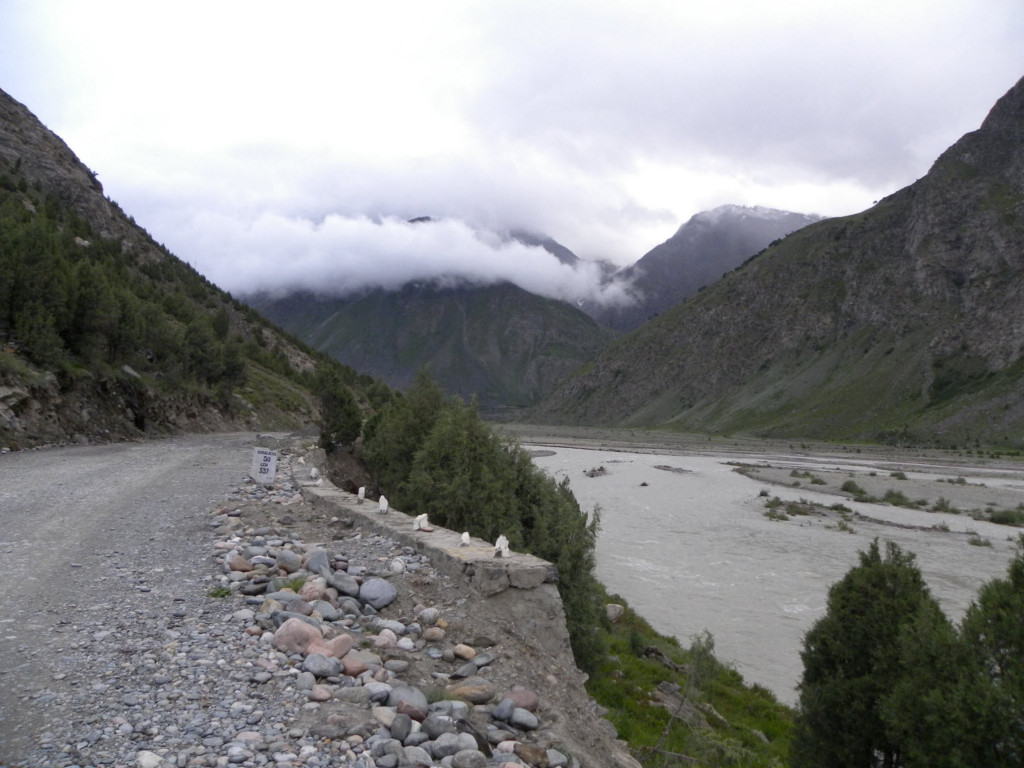
Lahaul Valley encompasses a much smaller valley compared to Spiti, but it has some of the most stunning views of glaciers, rivers, monasteries, deep valleys, and high peaks. Lahaul forms one-half of the Lahaul-Spiti district. However, Lahaul is separated from its sister Spiti by the gigantic Kunzum Pass (15,060 ft).
What makes Lahaul special is the variety it offers in a compact area. You get four distinct sub-valleys, each with its own character. Ancient gompas, sacred temples, high-altitude lakes, and remote villages that still live by centuries-old traditions. The valley is less crowded than Manali, more accessible than Spiti, and way more rewarding than a rushed Rohtang day trip. If you have 3-5 days to spare, Lahaul will give you memories for a lifetime. For a step-by-step plan, read my Lahaul Valley 5-Day Itinerary covering Sissu, Keylong, Jispa, and Trilokinath with day-by-day logistics and stay options.
When Is the Best Time to Visit Lahaul Valley?
The best time to visit Lahaul Valley is mid-May to mid-October, when Rohtang and the Manali-Leh Highway are open and daytime temperatures sit between 10-22°C. July-September is greenest but monsoon-prone. Via the Atal Tunnel, Sissu stays reachable year-round, though Keylong and beyond close roughly November to April under heavy snow.
The best time to visit Lahaul Valley depends on what kind of experience you are looking for. Here is a month-by-month breakdown, with temperature ranges and which roads are actually open, to help you decide.
January-February (deep winter): The coldest months. Keylong nights drop to minus 15 to minus 20 degrees Celsius, with daytime highs rarely crossing 0-5 degrees Celsius. Rohtang Pass and the Manali-Leh Highway beyond Sissu are fully snowbound and closed. The Atal Tunnel itself stays open, so Sissu is technically reachable, but most homestays beyond Sissu shut for the season. Not recommended unless you are specifically chasing snow.
March-April (late winter): Still winter conditions at higher elevations. Daytime temperatures in Keylong hover around 5-12 degrees Celsius, dropping below freezing at night. Rohtang and the highway beyond Sissu remain closed through this period. BRO snow-clearance work toward Gramphu and Kunzum usually starts in April but does not open the route to traffic yet.
May to June: The valley starts opening up after winter. Snow begins melting, and the Rohtang Pass route (old highway) usually opens by mid to late May. In 2026, BRO officially reopened Rohtang Pass for tourists on 17 May, almost two weeks earlier than the 2024 season, since the Atal Tunnel means BRO no longer has to clear Rohtang first before starting work on the Gramphu-Kunzum stretch. The weather is cool and pleasant, with temperatures between 10 to 20 degrees Celsius during the day. This is a great time for photography as the snow-capped peaks contrast against clear blue skies. Keep in mind that higher passes like Baralacha La may still be closed in May and typically open only by early to mid June.
July to September: This is the green season, and the warmest, with Keylong daytime temperatures between 18-24 degrees Celsius. The valley transforms into a lush, vibrant landscape. Wildflowers bloom everywhere, and the rivers are full. July to September is also ideal for catching the Pauri festival, which gives you a real taste of Lahauli culture. However, this is also monsoon season, so expect occasional rain and possible landslides on the highway, particularly on the Manali side before the tunnel. I suggest keeping buffer days in your itinerary.
October: The fall colors are beautiful, daytime temperatures drop to 8-15 degrees Celsius (near freezing at night), and tourist crowds thin out. This is excellent for those who want a quieter experience. Rohtang and the higher passes usually stay open through most of October, but by late October, snowfall can close them without much warning, so check road status before heading up.
November-December (early winter): Winter sets in fast. Rohtang Pass and the highway beyond Sissu typically close for the season by mid to late November, sometimes earlier if snowfall arrives early, cutting off Keylong, Jispa, and everything beyond by road until the following spring. Before the Atal Tunnel, all of Lahaul was completely cut off through winter. Now, the tunnel stays open year-round, so you can still reach Sissu even in peak winter. Some areas receive over 10 feet of snow, and a 4X4 with snow chains is highly recommended for anyone driving in on the tunnel side.
How to Reach Lahaul Valley from Delhi and Manali?
Reaching Lahaul has never been easier since the Atal Tunnel opened. The valley lies only 33 km from Manali on the Manali – Leh Highway. The Atal Tunnel, at 9.02 km, is the world’s longest highway tunnel above 10,000 feet and essentially bridges Manali and Lahaul. No toll or fee is charged to use the tunnel as of 2026.
By Road (Self-Drive or Taxi)
The best way to reach Lahaul is by road. Most places in Lahaul (except the hikes, of course) are motorable, so having your own vehicle gives you a lot of freedom. In terms of reaching the valley, you will travel to Manali and from there, head towards the Atal Tunnel. Once you cross the tunnel, you are in Lahaul, ready to start your journey.
From Delhi: Delhi to Manali is about 530 km (12-14 hours by road). From Manali, Sissu is about 33 km via Atal Tunnel (under 1 hour), Keylong is about 115 km (3-4 hours), and Jispa is about 140 km (4-5 hours). If you are starting from Chandigarh, add about 6-7 hours for the Chandigarh to Manali stretch (280 km).
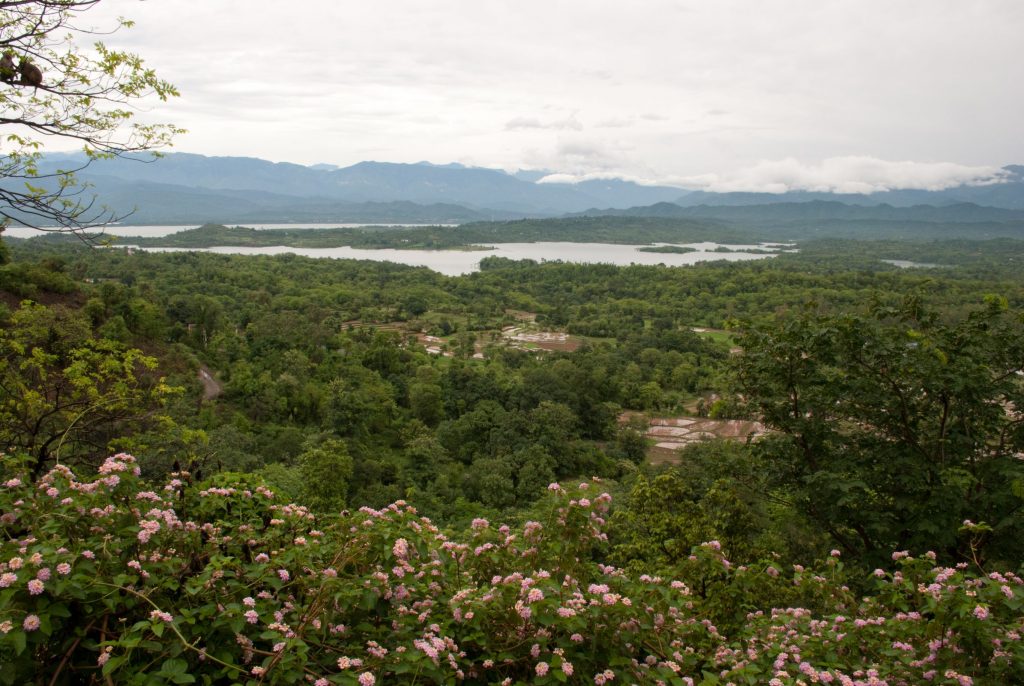
By Bus (HRTC)
HRTC operates 5 daily buses from Manali to Keylong, starting from 4:00 AM to 12:00 Noon. These are non-AC seater coaches that can accommodate about 40 passengers. The fare is Rs 250 per person (inclusive of all taxes). The journey takes about 6 hours depending on traffic and weather conditions. Tickets can be booked online on the HRTC website or at the HRTC bus stand in Manali.
| Departure from Manali | Arrival at Keylong | Fare |
|---|---|---|
| 4:00 AM | 10:00 AM | Rs 250 |
| 6:00 AM | 12:00 PM | Rs 250 |
| 9:00 AM | 3:00 PM | Rs 250 |
| 11:00 AM | 5:00 PM | Rs 250 |
| 12:00 Noon | 6:00 PM | Rs 250 |
Bus schedules may vary seasonally. Verify with HRTC before travel, especially during winter months when some services may be reduced.


By Taxi from Manali
Private taxis are available from the Manali taxi stand. As of 2025-2026, approximate rates are as follows.
| Route | Sedan (approx) | SUV (approx) |
|---|---|---|
| Manali to Sissu / Atal Tunnel | Rs 3,000 – 4,000 | Rs 4,000 – 5,000 |
| Manali to Keylong | Rs 2,600 – 4,000 | Rs 3,600 – 5,000 |
| Manali to Jispa | Rs 3,500 – 5,000 | Rs 5,000 – 6,500 |
Rates vary by season (peak season May-June costs more). These are one-way fares. For multi-day trips, negotiate a daily rate with the driver. Verify locally for current rates.
By Air
The nearest airport is the Kullu (Bhuntar) Airport, which lies about 51 km from Manali. Cabs and buses are available from there for heading to Lahaul Valley. However, flights to Kullu are limited and often get cancelled due to weather. In terms of comfort, Chandigarh is a better destination for flying in, as it enjoys higher connectivity with the rest of India. From Chandigarh, you can take a bus or cab to Manali.
By Rail
The nearest railway station is Joginder Nagar, situated at a 4-hour drive from Manali. Buses and cabs are available at the railhead. However, most travelers prefer to take a Volvo or semi-deluxe bus directly from Delhi or Chandigarh to Manali, as it is more convenient.
![Why avoid traveling on Manali Leh Highway in October for Ladakh trip? [5 Safety Reasons]](https://discoverwithdheeraj.com/yt_vid_thumbs/ladakh/104.png)
What Are the Best Places to Visit in Lahaul Valley?
Lahaul Valley is sub-divided into 4 distinct sub-valleys, each offering a unique experience. I also have a detailed post on some of the more offbeat locations in Lahaul you might want to check out. One thing to keep in mind is that you can, should, and must explore the smaller villages and settlements to truly get a pulse of Lahaul life. If accommodation seems like a concern, plan on returning to a major village (Jispa, Keylong, Udaipur) for the night. Camping is also a very legit option.
1. Tinan Valley (Khoksar to Tandi)
Stretching from Khoksar up to Tandi, Tinan Valley is your introduction to Lahaul. There is a lot to do here, and each village offers something unique for you to explore. Villages of Teling, Jagdjang, and Shurthang can easily be visited from Sissu. Here are the key attractions.
Sissu Waterfall
The waterfall is visible from all parts of Sissu and makes for a great accompaniment on your drive. I was happy to sit at a dhaba for my morning breakfast, en route Leh, and have the serene view as my backdrop. However, if you have a 4X4 and are willing to hike for an hour, you can comfortably reach visibly close to the waterfall and make a day out of it. To reach the waterfall, take the diversion from the nursery and keep heading straight up. Locals will be happy to guide you if you are confused or lost.
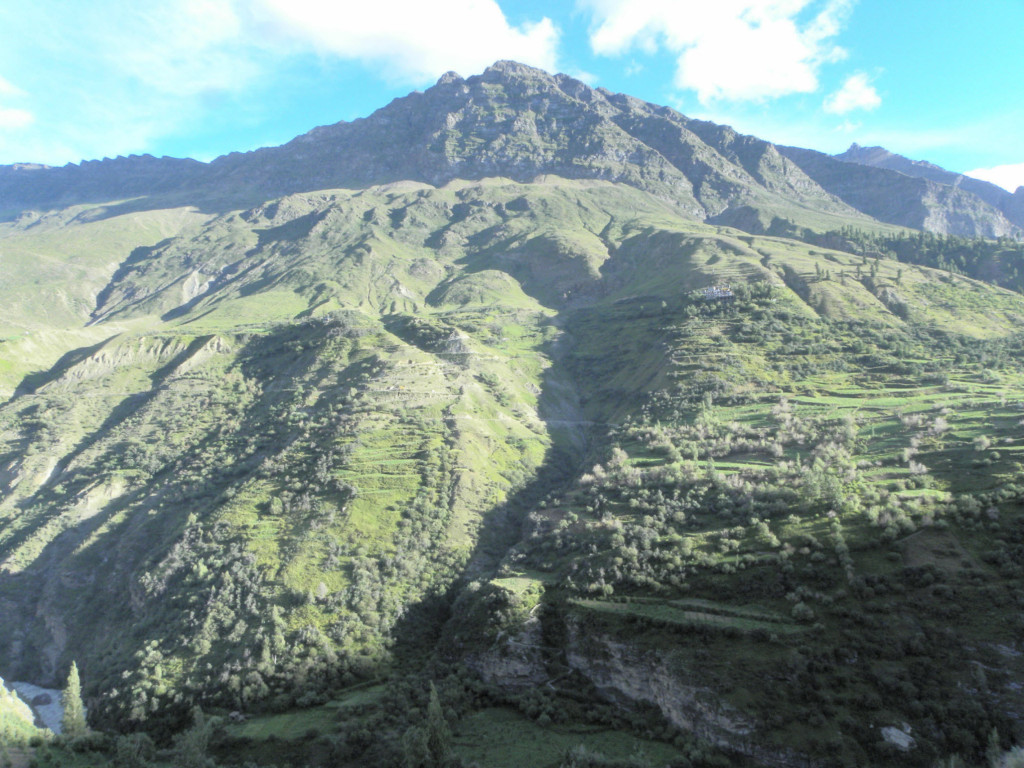
Labrang Gompa
Another important and fun hike from Sissu is heading to the Labrang Gompa, only 3 km from the village. The trail up to the Jagdhang village is cemented and meets a motorable road as well. The views will keep you mesmerized and the fresh air will make you feel alive. The freedom of climbing a mountain is such a privilege.
Gephan Lake and Temple
Heading to Gephan Lake will take some energy and the hike is a bit extensive. Even though the route is not well known, the locals do help guide you. Since the trail is not very famous or well-defined, I urge you to take a guide with you for this as it is easy to get lost in the hills. The Gephan temple is one of the most revered temples of the valley and it is after this Raja that the peak is named.
Gondhla Fort
Located around 18 km from Keylong, Gondhla can easily be spotted from the Manali – Leh Highway. The road is motorable and it is a fun excursion to take. The fort has historical significance and gives you a glimpse into Lahaul’s past.
2. Gahar Valley (Keylong Area)
Right when you enter Keylong, you are now part of the Gahar Valley. The Lady of Keylong peak will be your co-traveler when you are in this village. The district headquarters, you are about 110 km from Manali at this point. This is the beginning of your love affair with exploring Gompas.
Guru Ghantal Gompa
The oldest Gompa of Lahaul, Guru Ghantal is truly valued. Only reachable on foot through a steep hike, the Guru Ghantal trek starts from Tupchiling Gompa near the Tandi bridge. The views from the top are especially scenic and the serenity of the place will knock your socks off.
Shashur Gompa
Founded by Zanskar’s Lama, Deva Gyatsho, Shashur Gompa is one of the biggest Gompas of the region. Lying about 5 km from Keylong, this place is well worth the visit. If you have your car, drive to the Gompa. Alternatively, you can book a cab from Keylong as well, or even hike up to the top to enjoy the religious history and the stunning views of the valley.
Kardang Gompa
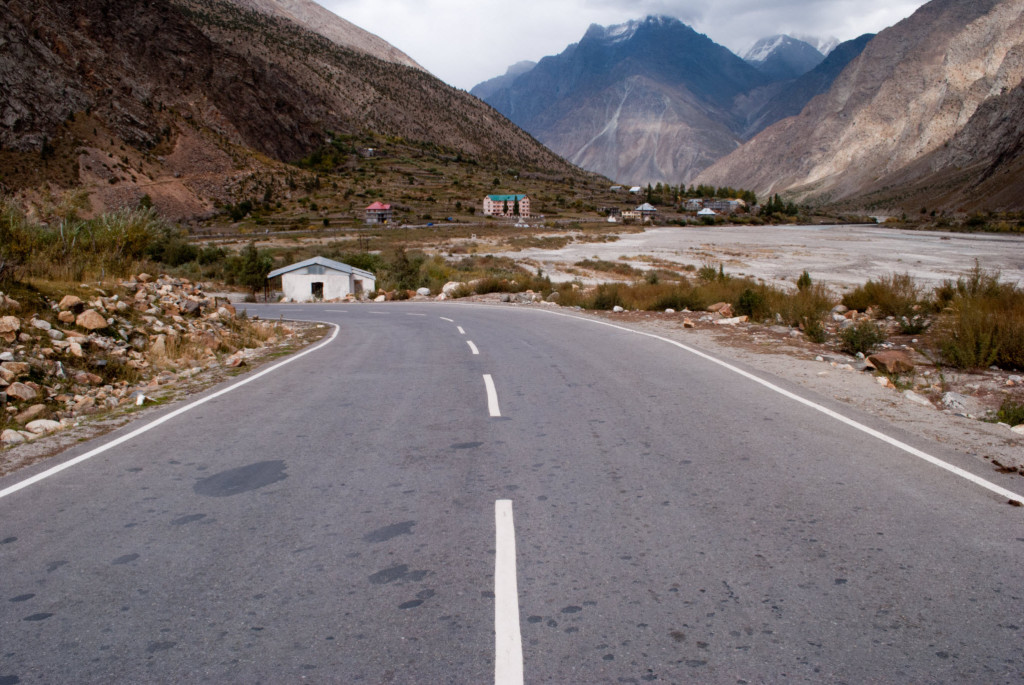
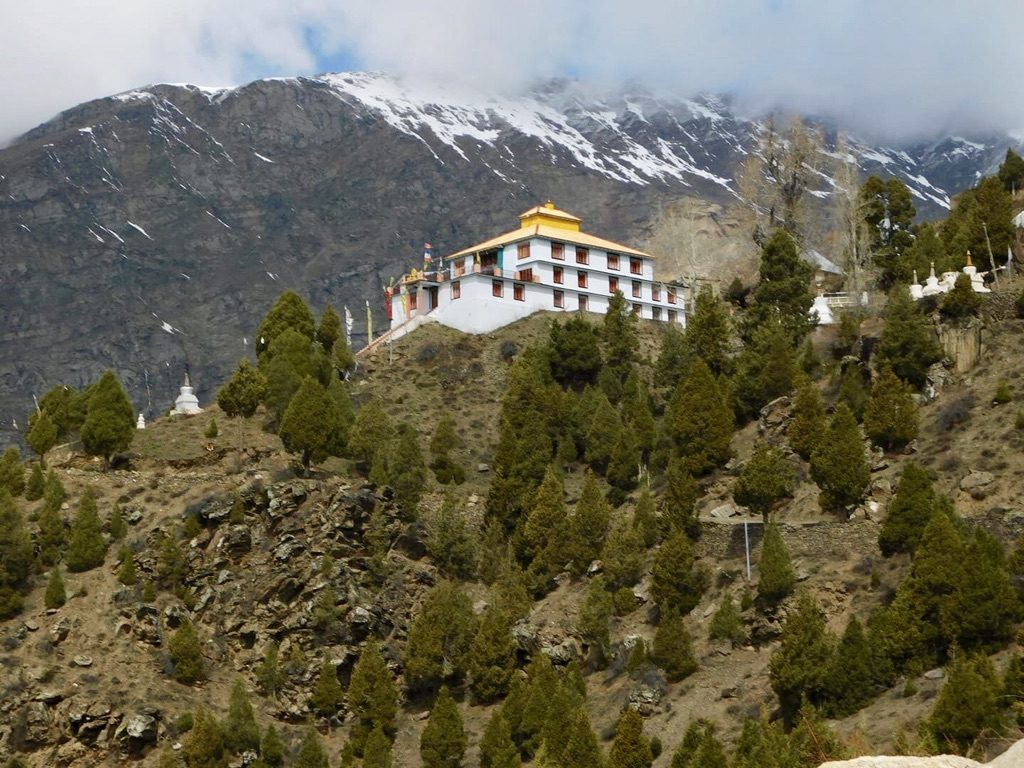
Lying opposite to the Shashur Gompa, Kardang is located at about 3,500 meters elevation and is surrounded by snow-capped peaks. For the route, you will need to travel to Tandi, then Kardang Village, and finally the Gompa, taking about 18 km in total. If you plan on hiking, as always, take the advice of the locals for the route.
Jispa
Even though there are lots of historic and religious places to cover in this valley, I think the scenic beauty of Jispa must be appreciated. Though this village is quite famous for those heading to Leh, it is not just a pit stop by any means. The immense beauty and sheer delight of nature all around you will make you stop in your tracks. A worthy place for your overnight stay and to discover the wonders of the valley. I have a detailed Jispa travel guide if you want to plan your stay there.
3. Tod Valley (Darcha to Sarchu)
Beginning from Darcha and leading you right up to Sarchu, the very end of Himachal Pradesh’s border, Tod Valley also includes the Shingo La pass. On a personal note, Tod (Todh) valley is one of my favorite places on earth and some of my happiest memories of travel are from here. So, I am a bit biased when it comes to the wonders of this super pretty place.
Baralacha La
Those who have been on the Manali – Leh Highway know of the innate charm of this high pass (16,043 ft). Situated about 80 km from Keylong, Baralacha La is otherworldly in its beauty. The darkness of the mountain almost resembling coal-black, sprinkled with the purity and whiteness of snow, it is indescribable and must be experienced to be understood. The pass, given its height, is perpetually covered in snow. If you are lucky, like me, you might experience snowfall here (even in June, blessed!).
Suraj Tal
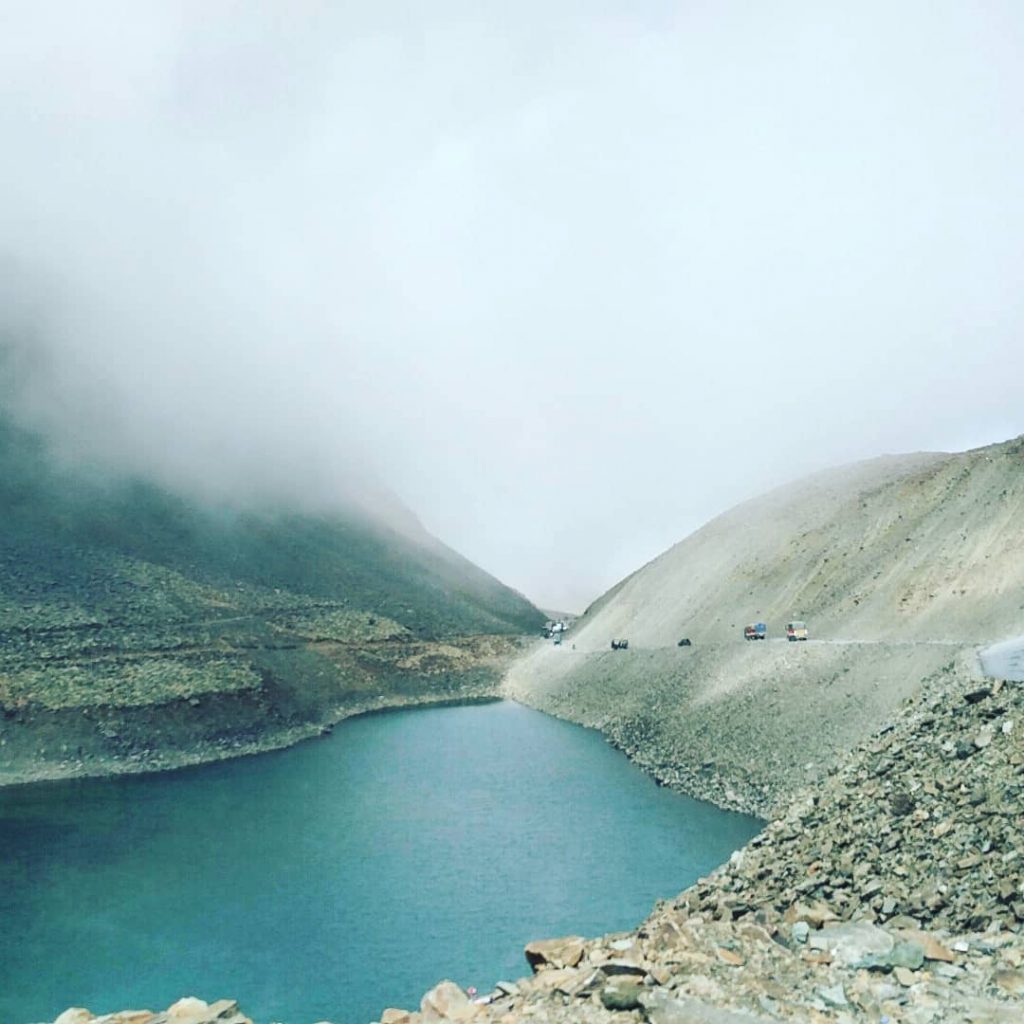
As you are approaching Baralacha La, you will come across this magical lake of Suraj Tal. A stunning drive takes you right along the lake and it is a worthy place to go explore through a little hike. The drive is a bit moody and at one point it might even feel like there is no road ahead, because of the steep turn awaiting you. The lake remains frozen for many months. I would advise you to hire a guide if you are trekking there, as the route is not well defined.
Deepak Tal
When you are traveling towards Baralacha La, before you reach the famous Zing-Zing Bar (must have tomato soup here!), Deepak Tal lies right along the roadside. It is a very small lake, but any water body here seems so magical. We stopped and chilled here for about half an hour, though there is not much to do (except being mesmerized by the beauty!).
Shinku La (Shingo La)
Also known as Shingo La, Shinku La is a motorable pass and a gateway to Zanskar. As of 2025, the Darcha to Shinkula to Padum road has been opened and is a shorter route to get into Zanskar. The traffic on this route is regulated on alternate days, with vehicles traveling from Lahaul towards Zanskar on Thursdays and from Zanskar to Lahaul on Fridays. However, you will need an Inner Line Permit for Zanskar. Also, the road is exceptionally tricky. If you are not an expert hill driver, it is better to take the longer route. A 4X4 is a must.
4. Pattan Valley (Tandi to Udaipur)
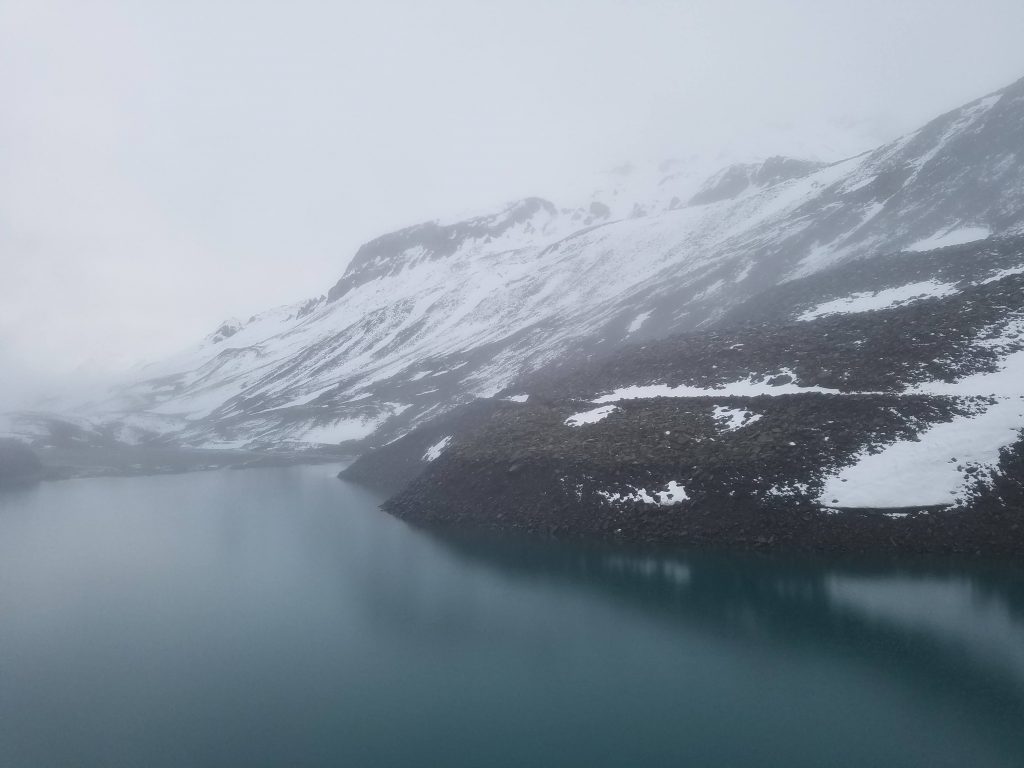
The last valley to form a part of Lahaul is the Pattan Valley. This covers the region from Tandi to Udaipur. One of the least explored regions of Lahaul, Pattan is undeniably the prettiest.
Udaipur
Udaipur of Lahaul is very fertile and low-lying. Once you enter this massive village, you will be greeted by apple orchards all around. Udaipur is the gateway to Pangi Valley in Chamba district and lies approximately 55 km from Keylong.
Mrikula Devi Mata Temple
Udaipur offers a lot in terms of exploration. Mrikula Devi Mata temple is one of the most ancient temples of the region and is famous for intricate woodwork and carvings. Many scenes from Mahabharata and Ramayana are engraved on the walls. Once you visit this temple, you can easily spend hours making sense of all the depictions.
Trilokinath Temple
Another ancient temple of Pattan valley, Triloknath is highly revered by both Hindus and Buddhists. I love this region of the hills particularly because of such a beautiful amalgamation of religions and cultures to form such a symbiotic society. What a beautiful thing to experience! Located at an elevation of 2,700 meters, the temple also has some stunning bird’s eye view of the entire valley.
Miyar Valley
A sub-valley and part of the Pattan valley, Miyar offers the best of both Himachal and Zanskar. Here, you will feel like you are simultaneously in Kinnaur and right at the end of the valley, it resembles Zanskar. Not as famous as its counterparts, Miyar has a firm hold in the offbeat traveler and hiking crowd. The valley has many little settlements and villages, including Tingrit, Urgos, Shukto, and Khanjar. Shukto is the last motorable village.
How Much Does a Lahaul Valley Trip Cost in 2026?
The cost of a Lahaul Valley trip depends on how you travel, where you stay, and how many days you spend. Here is a rough per-person, per-day breakdown to help you plan. For a more detailed cost analysis, you can read my Lahaul trip budget guide.

| Category | Budget (per person/day) | Mid-Range | Comfort |
|---|---|---|---|
| Accommodation | Rs 400 – 700 (homestay) | Rs 1,200 – 2,000 (hotel) | Rs 2,500 – 4,000 (resort) |
| Food | Rs 300 – 500 (dhabas) | Rs 500 – 800 (restaurants) | Rs 800 – 1,200 |
| Transport (own vehicle) | Rs 500 – 800 (fuel share) | Rs 500 – 800 | Rs 500 – 800 |
| Transport (bus/taxi) | Rs 250 – 500 (HRTC bus) | Rs 600 – 1,000 (shared taxi) | Rs 2,000 – 3,000 (private taxi) |
| Miscellaneous | Rs 200 – 300 | Rs 300 – 500 | Rs 500 – 1,000 |
| Daily Total | Rs 1,500 – 2,500 | Rs 3,000 – 5,000 | Rs 6,000 – 10,000 |
So, for a 4-day Lahaul trip on a budget, expect to spend around Rs 6,000 to 10,000 per person (excluding Delhi to Manali travel). If you are traveling with 3-4 friends and sharing a car, the transport costs drop significantly. As I always say, 4 is the magical number for group travel in the Himalayas.
Where Should You Stay in Lahaul Valley?
The valley has quite a few hotels, guesthouses, homestays, and camping sites. The settlements of Keylong, Jispa, and Sissu are the most popular places to stay. Keylong has the widest range of options, from HPTDC hotels and PWD rest houses to private hotels and homestays. Jispa offers beautiful riverside camping and guesthouses. Sissu has become a favorite stop for short-trip travelers coming through the Atal Tunnel.
Many smaller villages also have sufficient homestays. If in doubt, don’t hesitate to ask the local community for help and guidance. However, I must encourage you to either homestay or camp in nature to get the best out of this region. You can also find rooms in the local monasteries in some areas, which is a unique experience.
What Kind of Food Is Available in Lahaul Valley?
I am sure you know that you will be traveling offbeat. Nothing close to luxury or fine dining is available in this region. Momos, Thukpa, and basic Indian meals of Daal, Vegetable, and Roti will be available in most places. Of course, the love affair of Maggi and chai in the hills continues in Lahaul as well, so you are pretty sorted food-wise.
However, do stop over in Keylong and try some lip-smacking local food. Lahauli cuisine includes Aktori (a wheat flour pancake), Siddu (steamed bread), and Patande (local crepes). These are seasonal specialties and worth trying. Most homestays serve traditional meals, which is one more reason to prefer homestays over hotels.
What Is a Good Itinerary for Lahaul Valley?
For a detailed day-by-day itinerary with multiple options (3-day, 5-day, 7-day), check my dedicated post on Lahaul Valley common itineraries. Here is a quick overview.
Short Trip (3 Days): Manali to Sissu (Day 1), explore Sissu waterfalls and nearby villages, drive to Keylong (Day 2), return via Atal Tunnel (Day 3). This is ideal if you are extending a Manali trip by a couple of days. For more tips on planning a quick visit, read my guide on how to plan a weekend trip to Lahaul.
Full Lahaul Trip (5-7 Days): Add Jispa, the Tod Valley (Baralacha La, Suraj Tal, Deepak Tal), Udaipur and Pattan Valley, and possibly the Shinku La route towards Zanskar. This gives you time to soak in the valley properly, camp by the rivers, and explore the gompas at your own pace.
Practical Tips for Your Lahaul Valley Trip
Here are some important things to keep in mind when planning your Lahaul trip.
Fuel: There is only one petrol pump in Lahaul Valley, located at Tandi (about 105 km from Manali). This is extremely important for bikers and self-drivers. Fill up your tank in Manali before entering the tunnel. If you are heading further towards Leh, the next fuel pump is at Karu in Ladakh (over 350 km away).
Cash and ATM: There are a couple of ATMs in Keylong, but they are not always reliable. I suggest carrying sufficient cash from Manali. Carry at least Rs 5,000 – 10,000 per person for a 3-5 day trip, as UPI and card payments may not work in smaller villages.
Mobile Network: BSNL, Airtel 4G, and Jio 4G are available in Keylong and Sissu. However, in far-flung villages and on the highway beyond Keylong, connectivity becomes very patchy. You will have access to Wi-Fi in some Keylong hotels. If staying connected is important, BSNL has the widest coverage in the region.
Altitude and AMS: Keylong sits at 10,200 ft, and Baralacha La goes up to 16,043 ft. If you are coming directly from the plains, give your body time to acclimatize. Drink plenty of water, avoid alcohol, and do not overexert yourself on the first day. For detailed information on altitude sickness, read my guide on Acute Mountain Sickness and acclimatization.
Vehicle Recommendation: For Sissu, Keylong, and the main highway, any vehicle will do. However, for offbeat villages, side roads, and especially the Shinku La route, a SUV or 4X4 is highly recommended. In winter, snow chains are a must.
Permits: No permits are required to visit Lahaul Valley via the Atal Tunnel as of 2026. However, if you are visiting Rohtang Pass via the old highway, you will need a Rohtang Pass permit as per the orders of the National Green Tribunal. Also, there have been discussions about a green tax on vehicles entering Lahaul, which is still under consideration.
How Can You Be a Responsible Tourist in Lahaul?
This is something very close to my heart. It is our innate responsibility to ensure that Lahaul Valley does not become the next Rohtang Pass. In the past, Rohtang faced a lot of challenges with pollution and waste thrown around by irresponsible tourists. As the Atal Tunnel brings more visitors to Lahaul, the same risk exists here.
Please ensure that you carry your trash back with you. Do not litter at any of the scenic spots, campsites, or monasteries. Support local businesses, eat at local dhabas, and stay at homestays where possible. The valley is still getting used to handling large numbers of tourists. Be kind to the people and to nature. If you are part of the DwD community, you already know about our DoW Causes initiative for responsible travel. Let us lead by example 🙂 …
How Is Lahaul Different from Spiti?
I get this question a lot. While Lahaul and Spiti are in the same district, they are quite different in character. Lahaul is greener, more accessible (especially via Atal Tunnel), has more water bodies and glaciers, and is closer to Manali. Spiti is more barren, remote, higher in altitude, and requires more days to explore. Lahaul is ideal for 3-5 day trips, while Spiti needs at least 7-10 days.
If this is your first trip to the region, I suggest starting with Lahaul and saving Spiti for a longer dedicated trip. However, if you have 10+ days, you can combine both by crossing Kunzum Pass (open June to October). For more on Spiti, check the best time to visit Spiti Valley guide.
Related Reading
- Lahaul Valley – Most Common Itineraries
- 10 Best Offbeat Places to Visit in Lahaul Valley
- Jispa Village – Complete Travel Guide
- Lahaul Trip Budget and Cost Calculator
- How to Plan a Weekend Trip to Lahaul
- Why Choose Jispa Over Sarchu on Manali – Leh Highway
- Best Offbeat Places in Himachal Pradesh
Conclusion
Lahaul Valley is one of those places that has recently cropped up on the radar of many travelers, and for good reason. Please ensure you keep the place pristine and enjoy its beauty as it is. I highly recommend visiting Lahaul. It forms part of some of my happiest trips. The isolation and serenity of this valley are pretty unmatched.
I hope this Lahaul Valley travel guide gave you all the details you needed to plan your trip. If you have any questions, or if I missed out on any key details, feel free to ask in the comments section below. If you know friends or family who are planning a trip to Lahaul or Manali, do share this article with them. You can also join the DwD community for trip discussions, finding travel partners, and the latest road updates. Happy travels, my friend 🙂 …
Last Updated: February 2026
Frequently Asked Questions About Lahaul Valley
Is an Inner Line Permit required for Lahaul Valley?
No, there is no need to obtain any permit to visit Lahaul Valley via the Atal Tunnel as of 2026. However, if you are visiting Rohtang Pass via the old highway, you will need a Rohtang Pass permit as per the National Green Tribunal orders. If you plan to continue towards Zanskar via Shinku La, you will need an Inner Line Permit for that section.
Can I visit Lahaul Valley in winter?
Yes, thanks to the Atal Tunnel, you can visit Lahaul even in winter. The tunnel stays open year-round, though it may close briefly during heavy snowfall for clearance. In winter, you can reach Sissu and parts of Keylong. However, roads beyond Keylong towards Baralacha La remain closed from November to May. A 4X4 vehicle with snow chains is strongly recommended for winter travel.
How many days are enough for a Lahaul Valley trip?
A minimum of 3 days is needed for a quick Lahaul trip covering Sissu and Keylong. However, I suggest 5-7 days if you want to explore all four sub-valleys properly, including Jispa, Udaipur, and the Tod Valley. If you are combining Lahaul with a Ladakh trip on the Manali – Leh Highway, you will naturally pass through the valley.
Is the Atal Tunnel free to use?
Yes, as of 2026, there is no toll or fee charged for using the Atal Tunnel. It is a public highway maintained by BRO (Border Roads Organisation). The tunnel is 9.02 km long and is the world’s longest highway tunnel above 10,000 feet.
Where is the nearest petrol pump in Lahaul Valley?
The only petrol pump in Lahaul Valley is at Tandi, which is about 105 km from Manali on the Manali – Leh Highway. Make sure you fill up your tank in Manali before entering the Atal Tunnel. Bikers especially need to plan their fuel carefully.
Is Lahaul Valley safe for solo travelers?
Lahaul Valley is generally safe for solo travelers, including solo women. The locals are warm and helpful. However, keep in mind that mobile connectivity is limited in remote areas, roads can be challenging, and medical facilities are basic (limited to a district hospital in Keylong). I suggest informing someone about your itinerary and carrying a basic first-aid kit.
Can I drive a sedan to Lahaul Valley?
Yes, for the main highway route from Manali to Keylong via the Atal Tunnel, a sedan is perfectly fine. The road is well-maintained. However, for offbeat villages, side roads to gompas, and the Shinku La route, you will need a SUV or a 4X4. In winter, even the main road can get tricky without proper tires.
What is the phone connectivity like in Lahaul Valley?
BSNL, Airtel 4G, and Jio 4G work in Keylong and Sissu with intermittent connectivity. BSNL has the widest coverage in the district. Beyond Keylong towards Baralacha La and in remote villages, connectivity drops significantly. Some hotels in Keylong offer Wi-Fi. Carry offline maps and download any important information before heading out.

1 Comment
Comments section gets closed in 90 days. To ask your travel questions, you can follow my YouTube Channel for a faster reply or for a much slower reply follow me on Instagram. :)
This is an awesome list that i am looking for. Thanks for organizing all of them