


Baralacha La is one of those places on the Manali Leh Highway that most people just drive through without stopping. They are focused on reaching Sarchu before dark, or they are battling altitude headaches, or they are simply too exhausted from the long drive. I get it. But if you rush past Baralacha La without giving it a proper look, you will miss one of the most striking landscapes on the entire highway. I did not expect much from this pass on my first trip, and it ended up being the single most vivid memory of the entire journey.
Sitting at 16,040 feet (4,890 meters), Baralacha La is the highest point you cross on the Manali to Leh road between Keylong and Sarchu. It marks the boundary where Lahaul ends and the high-altitude desert begins. The pass usually opens between mid-May and early June, depending on how fast BRO clears the snow, and stays open until the first heavy snowfall of October or November. In 2026, BRO reopened the highway on May 12. Outside this window, it is buried under several feet of snow and completely inaccessible.
Let's quickly dive into the details:
What Makes Baralacha La So Special on the Manali Leh Highway?
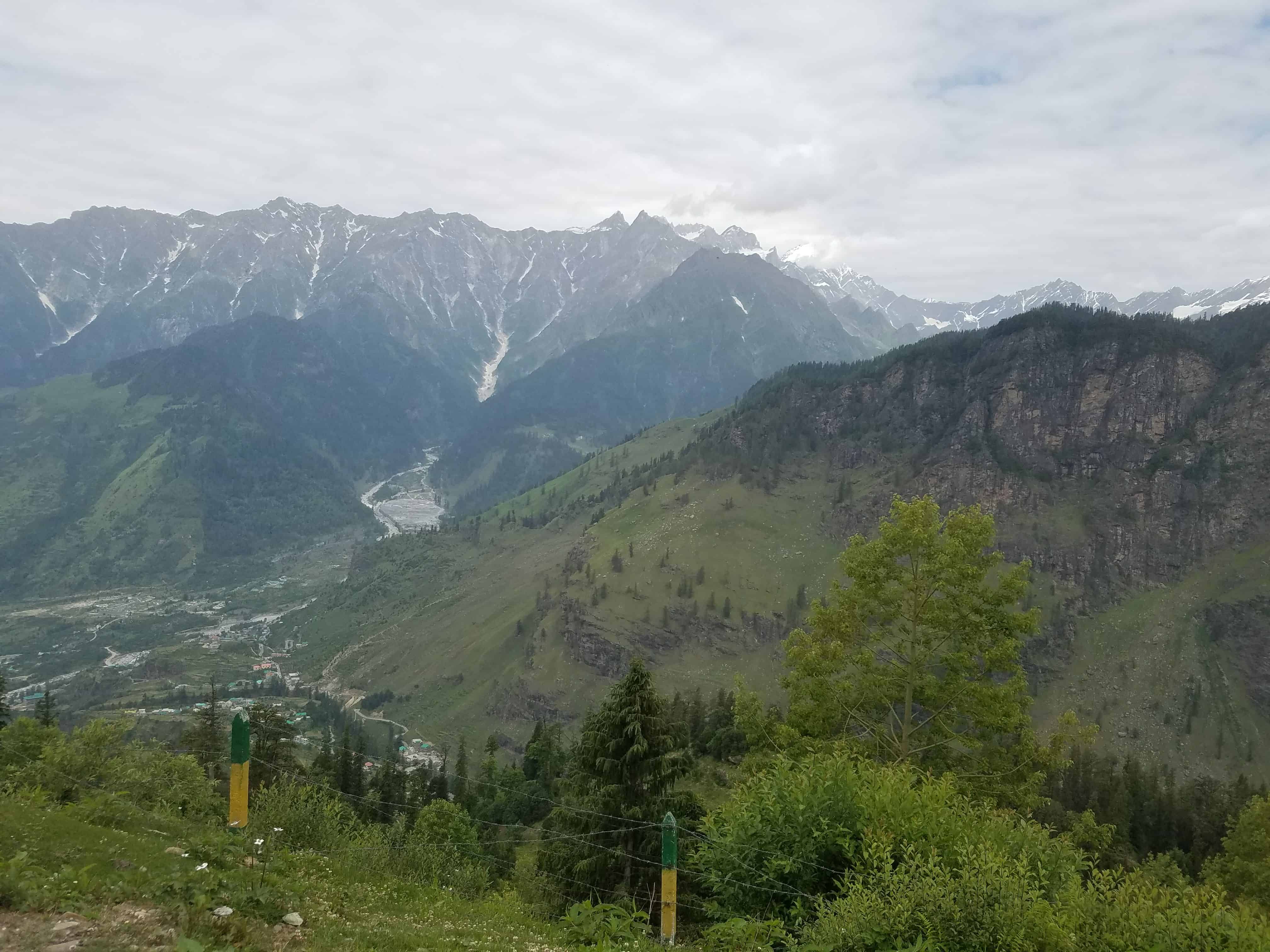
Rohtang gets the tourist crowd. Tanglang La gets the “second highest” claim. But Baralacha La sits in a sweet spot where the landscape transforms so dramatically in the span of a few kilometers that your brain struggles to process the change. You go from the brown, scrubby terrain around ZingZing Bar to pitch-black mountains wrapped in mist and fresh snow, sometimes within a single turn of the road.
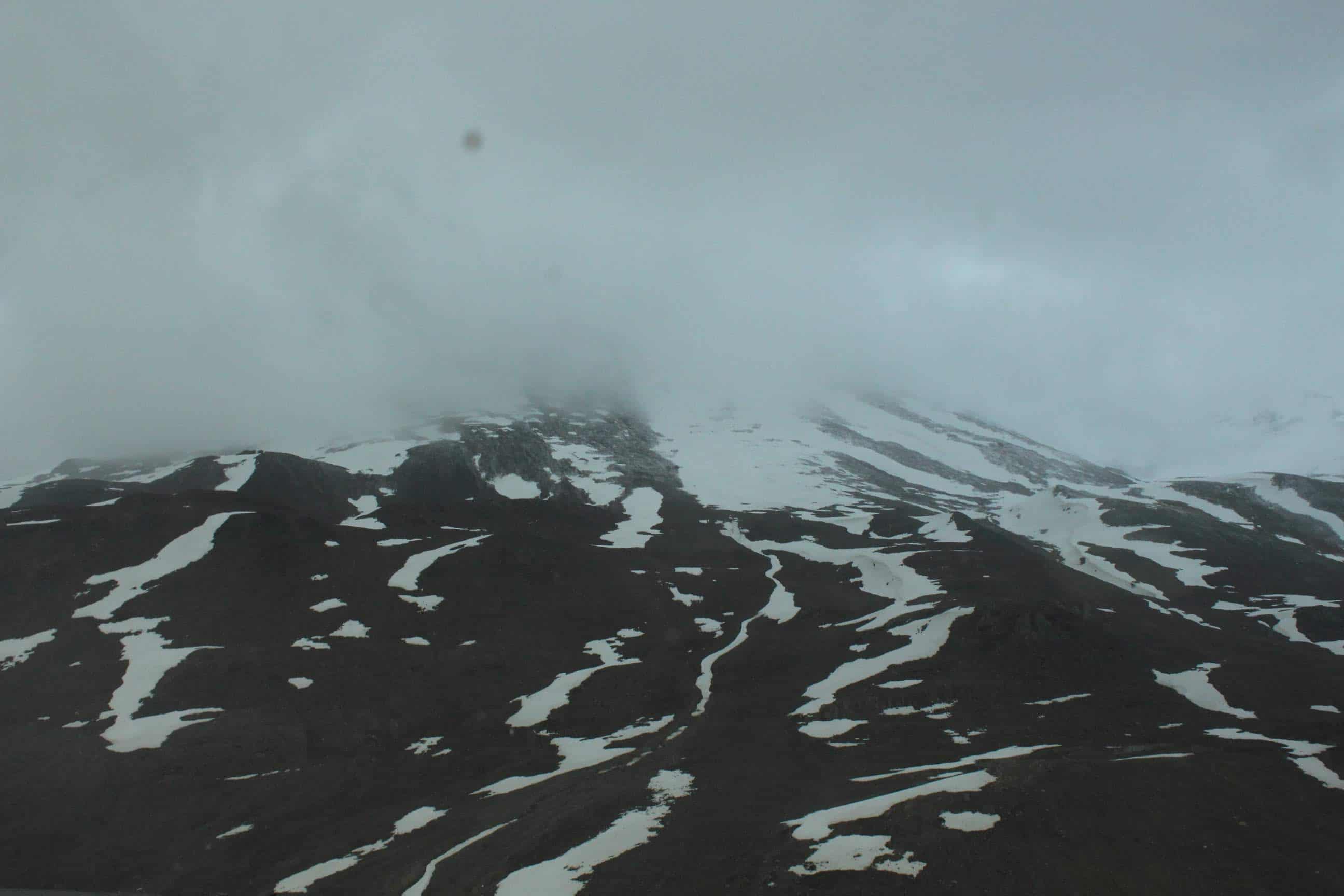
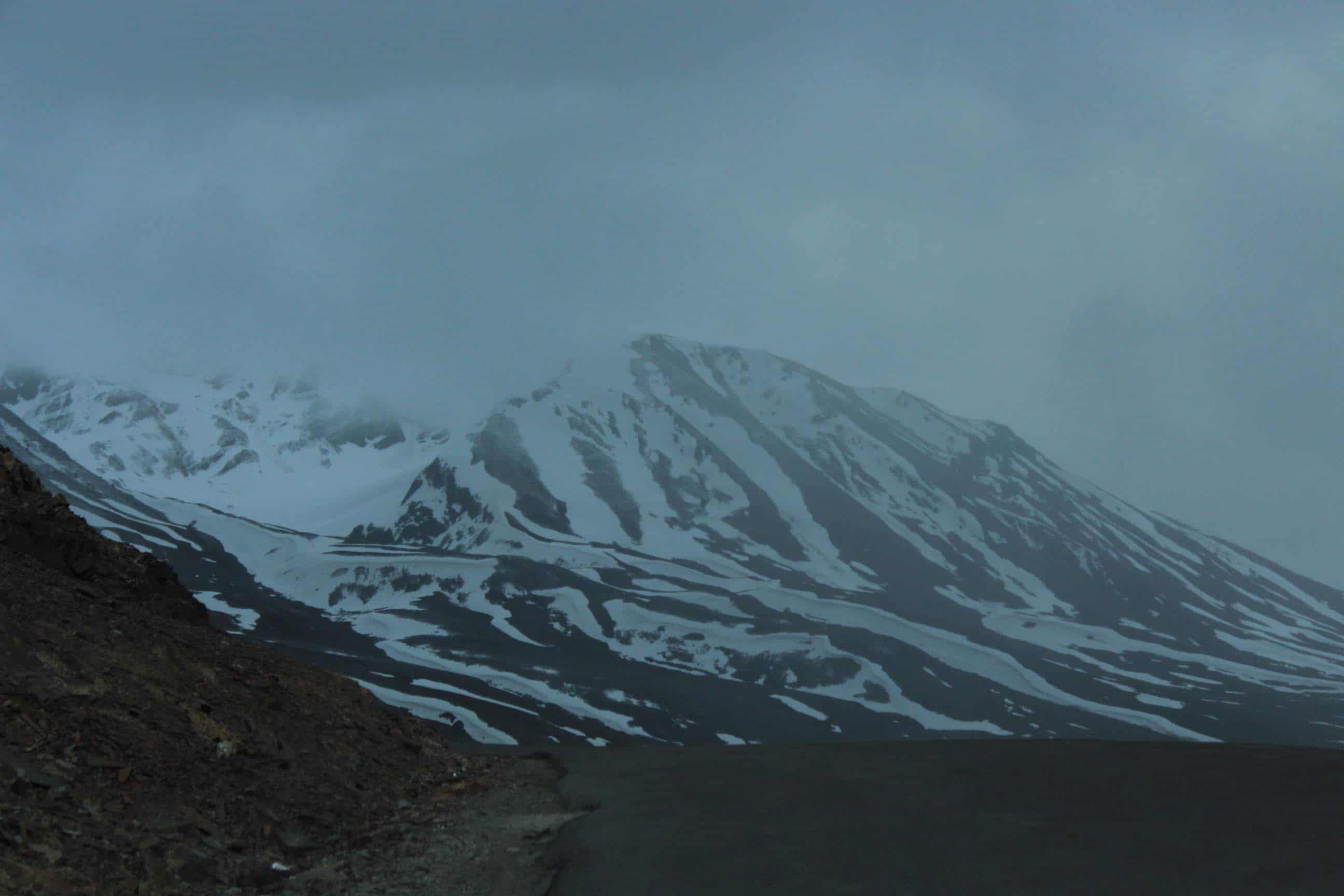
Keep in mind, this is not a gradual shift. One moment you are looking at barren brown hills, and the next moment you are staring at dark, almost volcanic-looking peaks with snow clinging to their ridges. The first time I saw it, I genuinely thought I had crossed into a different country. The scale of these mountains, the absolute silence, the thin air pressing against your chest. It all hits at once.
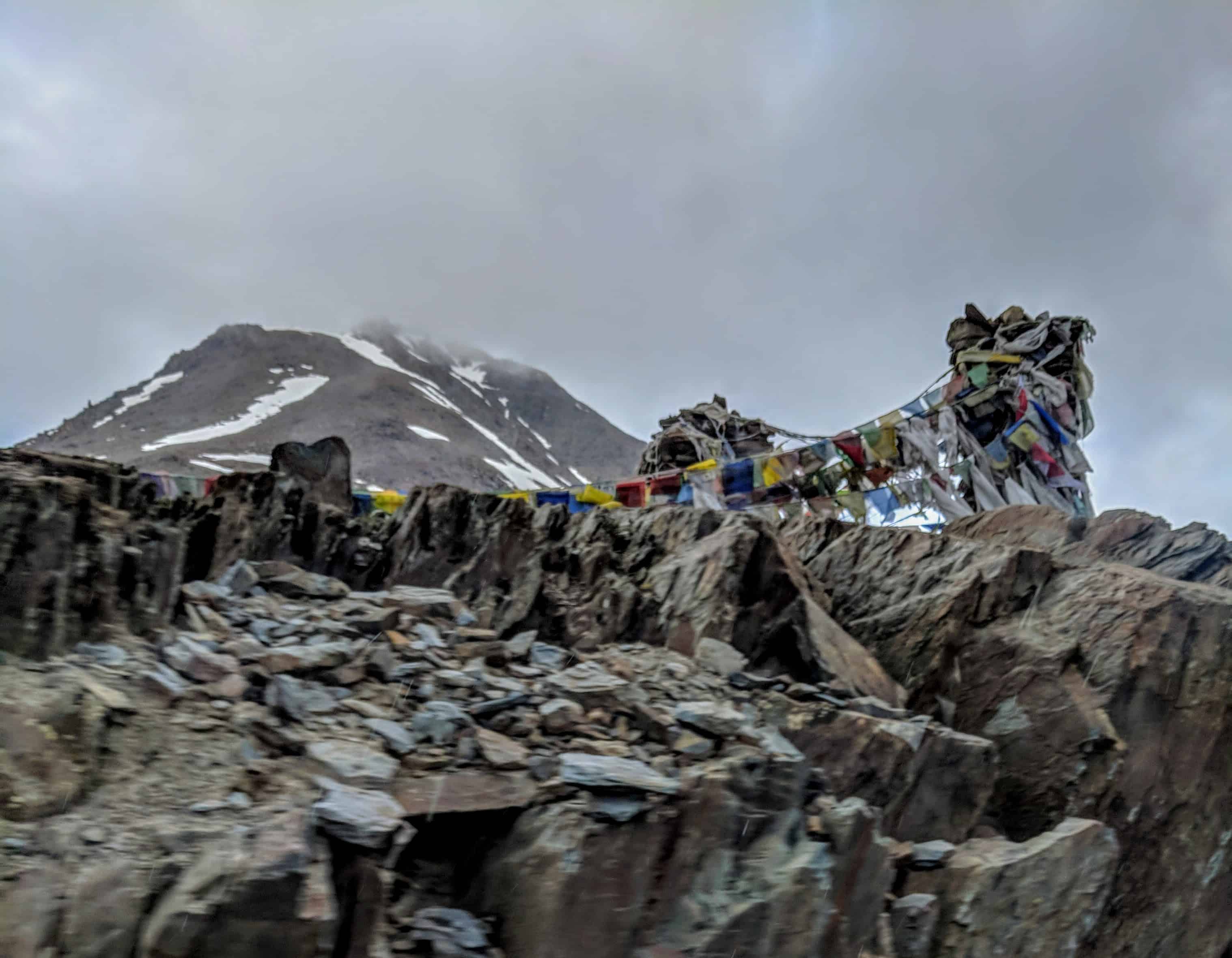
The name itself tells you why this spot matters. Baralacha La is usually translated as the “pass with crossroads on its summit”, since old trade routes from Zanskar, Ladakh, Spiti, and Lahaul met up here. It is also a water divide. As per the Wikipedia entry on Bara-lacha la, the Bhaga flows out from Suraj Tal on one side, while the Chandra rises from the icefields to the south-east. Local folklore says Chandra and Bhaga were lovers who parted here and reunited at Tandi as the Chandrabhaga, today’s Chenab.
How Do You Reach Baralacha La from Manali and Leh?
Quick answer: Baralacha La is about 145 km from Manali via the Atal Tunnel (the old Rohtang route made it roughly 190 km) and about 280 km from Leh. From Manali it is a 5-6 hour drive. From Leh, plan on splitting the drive over two days.
From the Manali side, the route goes through the Atal Tunnel (bypassing Rohtang Pass), then through Sissu, Tandi, Keylong, Jispa, Darcha, ZingZing Bar, and finally up to the pass. From Leh, you drive through Upshi, Pang, Sarchu, and then climb to Baralacha La.
Most travelers cross it on Day 1 or Day 2 of their Leh Ladakh itinerary, halting at Jispa or Sarchu.
How Far Is Baralacha La from Leh? Full Distance Breakdown
Baralacha La sits roughly 280 km from Leh, but that single number hides the real story. Nobody drives it in one straight run, and you should not try to either. Here is how the distance actually breaks down, stage by stage, based on the standard route through Sarchu, Pang, and Tanglang La.
| Stage | Distance | Typical Drive Time |
|---|---|---|
| Baralacha La to Sarchu (via Killing Sarai) | ~33 km | 1 – 1.5 hrs |
| Sarchu to Pang (via Gata Loops, Nakee La, Lachalung La) | ~76 km | 3 – 4 hrs |
| Pang to Tanglang La (via the More Plains) | ~66 km | 1.5 – 2 hrs |
| Tanglang La to Upshi | ~61 km | 1.5 hrs |
| Upshi to Karu | ~14 km | 20 – 25 min |
| Karu to Leh | ~34 km | 45 min – 1 hr |
| Total | ~284 km | 9 – 11 hrs of pure driving |
That is nine to eleven hours of pure driving between 14,000 and 17,500 feet, which exhausts even experienced drivers and works against your acclimatization. Hence, split this stretch into two days, using Sarchu or Pang as the overnight halt.
Keep in mind, as per our own Manali Leh Highway status tracking (last verified August 25, 2026), the Sarchu to Pang stretch still had unpaved patches and glacial-melt water crossings into early July before BRO’s repairs caught up. BRO reopened the highway on May 12, 2026, after a roughly 42-day clearance push, when Border Roads Organisation teams from Project Deepak (Manali to Sarchu, including Baralacha La) and Project Himank (Sarchu to Leh) met at Sarchu. For an early-June crossing, build in extra time for Sarchu-Pang. For the latest status, check our Manali Leh Highway status page.
Practical Info: Baralacha La (16,040 ft / 4,890 m) sits between ZingZing Bar and Sarchu on the Manali Leh Highway. Usually open mid-May/June to October-November (2026 reopening: May 12). No fuel, food, or medical facilities at the pass. Last fuel at Tandi or Keylong (Manali side), next at Karu (Leh side). No permit for the pass itself, but non-HP vehicles need a free e-Aagman e-pass and pay the SADA fee at Sissu (Rs 200 car, Rs 50 bike). Temperature at the pass: 3 to -10 degrees Celsius even in June-July. Mobile network: none at the pass, BSNL postpaid works intermittently near Sarchu.
What Was My Experience Crossing Baralacha La for the First Time?
On my maiden Ladakh road trip, the top five things I was thinking about for months were: spending a full-moon night at Pangong Tso, star-gazing in Nubra, driving on one of the toughest terrains in India, the dread of AMS (for which we were sadly not prepared at all), and experiencing the high-altitude desert. Never once did Baralacha La feature on my list of expectations.
We left ZingZing Bar around 6:30 PM, which was already much later than planned. Our resolve to not drive in the dark was out the window. It was freezing, and we were glad to be back in the car after a pit-stop for some hot soup. The bikers we had met at ZingZing Bar had warned us about AMS. But exhaustion was winning the battle over caution. Since the roads were smooth, we were feeling sluggish. Everyone except the driver and navigator had mentally checked out.
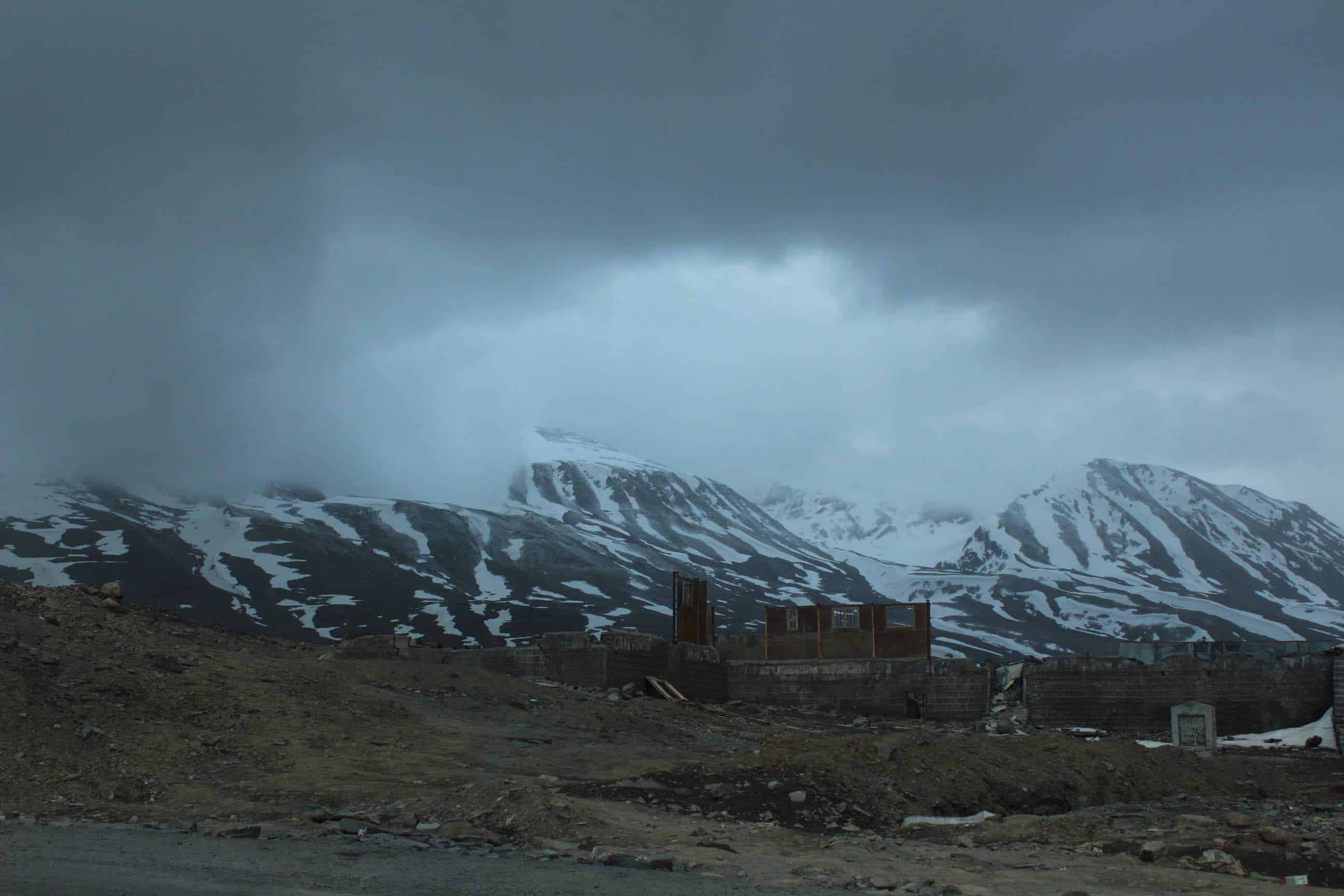
Then, upon one of the mountain bends, the brown desolate mountains just disappeared. In their place stood pitch-black peaks with their summits hidden in hazy mist. As someone who grew up in the hills, I have always associated mountains with green, snow-capped peaks. This was nothing like that. These mountains were black and imposing, almost stern in their beauty. The only thought in my head was: is this real? Am I dreaming?


All traces of tiredness vanished. We turned off the music to let the silence do its work. At the highest point of the pass, it was cold, we were completely isolated from the world, and none of us could speak. In that trance-like state, we rounded another bend to start the descent, and that is when nature decided to show us something even more extraordinary.
Fresh snow. Falling in June. On a road where we had expected nothing but dust and brown rock.
What Are the Key Attractions Near Baralacha La?
Quick answer: The three stops worth your time around Baralacha La are Suraj Tal (right below the pass, source of the Bhaga), Deepak Tal (about 20 km beyond Jispa), and ZingZing Bar (the last chai and maggi before the climb). All three are on the highway, with no entry fee.
Most travelers only photograph these from the car window. Here is why each deserves a stop.
Suraj Tal (Sun Lake)
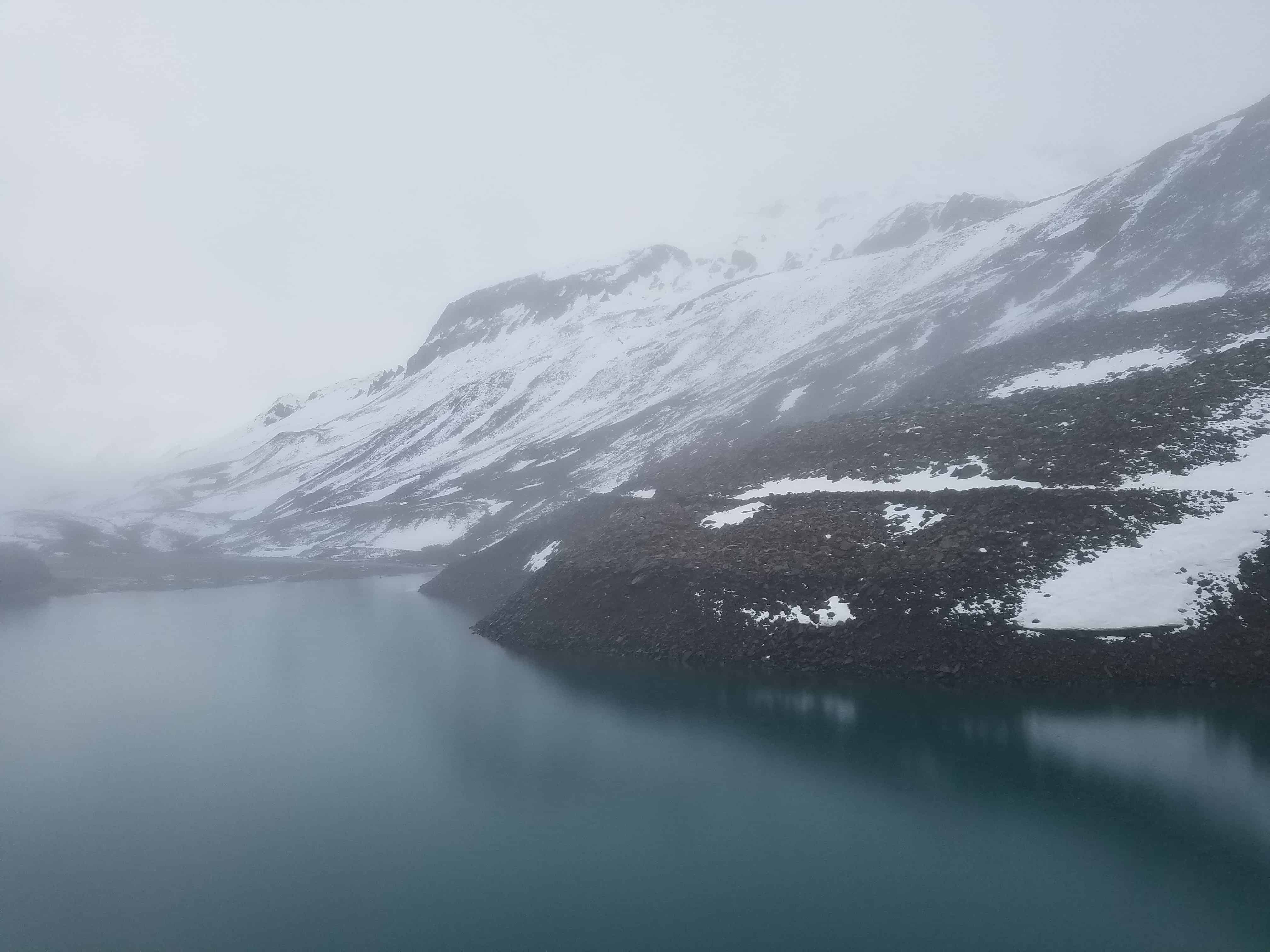
Suraj Tal sits just below the pass at around 16,000 feet, making it India’s third-highest lake. It is the source of the Bhaga River (one of the two rivers that form the Chenab). The lake is about 800 meters long, and on a clear day, the water is an impossible shade of blue-green. You can see it from the road itself, but if you have time, walk down to the edge. In early season (June), the lake is partially frozen, which makes for an even more dramatic sight. There is no entry fee and no facilities here, so carry your own water and snacks.
Deepak Tal
Deepak Tal is a small glacial lake at about 3,750 meters (12,300 feet), located roughly 20 km beyond Jispa, past Darcha, on the way up to ZingZing Bar. The surrounding rock formations give it an almost lunar quality, and it makes a good 10-15 minute break before the serious altitude begins.
ZingZing Bar
ZingZing Bar (not a bar serving drinks, my friend) is a BRO camp and rest stop at about 14,000 feet (4,270 m) on the Manali side, around 25 km beyond Darcha, just before the final ascent to Baralacha La. It has a few tea stalls and dhabas where you can get hot soup and maggi. This is the last place to get any food or hot drinks before the pass. If you are crossing the ZingZing Bar nullah early in the season, be prepared for water crossings that can be tricky for low-clearance vehicles.
When Is the Best Time to Visit Baralacha La?
Quick answer: July to mid-September is the safest window for Baralacha La. June gives you snow walls and a half-frozen Suraj Tal but icy patches too, while October is clear and cold with a real risk of sudden snow. The pass is shut from roughly late October or November until May.
The exact opening and closing dates depend on BRO’s snow clearance work each year. Here is a month-by-month breakdown so you can plan accordingly.
- Late May to early June: The pass has just opened. Expect snow walls on both sides of the road, possible ice patches, and very cold temperatures. The views are stunning, but the drive requires caution. Suraj Tal may be partially frozen. Not recommended for inexperienced drivers.
- July to August: The most stable weather window. Roads are generally clear, though rain and fog can reduce visibility. This is monsoon season in the lower hills, but the trans-Himalayan region around Baralacha La is relatively dry. The landscape is at its greenest (in the valleys below).
- September to October: Clear skies, excellent visibility, and very cold mornings. The autumn light makes the landscape look sharp and dramatic. The window is narrowing though, and snowfall can happen any day after mid-September. In early October 2025, fresh snow briefly blocked the Darcha-Sarchu stretch even though the official closure came much later. Plan conservatively.
In case you are wondering about winter, the pass closes once heavy snow settles in. In 2025, the official closure to all vehicles came on November 20, and in other years it has come by late October. Temperatures drop to minus 20 degrees Celsius and below. No traffic, no clearance, no access until BRO reopens it in May or June. As of early October 2026, the pass was still open and I had not seen a closure order. Keep in mind, that changes fast at this time of year, so check the dated season log on our Baralacha La road status page before you leave.
What Should You Know Before Crossing Baralacha La?
Quick answer: Sleep at Jispa or Keylong first, fill fuel at Tandi or Keylong, register your vehicle on e-Aagman, cross before 2 PM, and expect no mobile network. These are the things I wish someone had told me before my first crossing.
AMS Risk Is Real at 16,000 Feet
At 16,040 feet, Baralacha La is high enough to trigger Acute Mountain Sickness in people who have not acclimatized properly. If you are coming from Manali (6,726 feet) and have gained this much altitude in a single day, your body will protest. Headache, nausea, and breathlessness are common. Do not ignore them.
The smart approach is to spend a night in Jispa (10,600 feet) or Keylong (10,000 feet) before crossing the pass. This gives your body an intermediate acclimatization stop. If you push straight from Manali to Sarchu in one day (crossing both Rohtang/Atal Tunnel altitude and Baralacha La), the AMS risk increases significantly. A couple of us felt it on our first trip, and it nearly ruined the experience.
Fuel and Food Situation
The last fuel on the Manali side is at Tandi (about 32 km before Jispa) or the smaller pump just before Keylong. After that, there is nothing until Karu, about 34 km before Leh. The famous sign at Tandi reads “Next filling station 365 km away”, and while the actual gap to Karu works out a little shorter, it is still well over 300 km. Fill your tank at Tandi or Keylong without exception. If you are on a motorcycle, carry extra fuel. For food, the last reliable options before the pass are at ZingZing Bar (basic maggi and soup). After the pass, the next food stop is Sarchu (tent accommodations with basic meals). Carry dry snacks, water, and ORS packets.
Vehicle Requirements
In peak season (July-August), most vehicles cross this paved highway without trouble. In early June or from late September, snow patches, ice, and water crossings near ZingZing Bar demand good ground clearance, so take an SUV if you can and carry anti-skid chains.
Mobile Network and Safety
There is zero mobile network at Baralacha La. BSNL postpaid may work intermittently near Sarchu and Jispa, but long dead zones are normal on this highway. Tell someone your plan before leaving Manali or Keylong, and carry offline maps.
How Much Does It Cost to Visit Baralacha La?
There is no entry fee or permit at Baralacha La itself. The pass is on the public highway, and you just drive through it. However, every vehicle entering Lahaul and Spiti needs a free e-Aagman e-pass from the HP government portal, and non-Himachal vehicles pay a Special Area Development Authority (SADA) fee at the Sissu barrier: Rs 200 per car and Rs 50 per bike, in cash. There is no toll on the Atal Tunnel itself. Fill the e-Aagman form in Manali, because there is no usable network at the barrier. Beyond that, the overall cost of your Manali-Leh road trip will include fuel, accommodation, food, and any permits needed for Ladakh itself. Here is a rough budget breakdown for the Manali to Sarchu segment (which includes Baralacha La).
| Expense | Budget (per person) | Mid-Range (per person) |
|---|---|---|
| Fuel (Manali to Sarchu, ~180 km via Atal Tunnel) | Rs 1,200-1,500 (shared in car) | Rs 2,000-2,500 (own vehicle) |
| Accommodation in Jispa/Keylong | Rs 500-1,000 | Rs 1,500-3,000 |
| Accommodation in Sarchu (tent camps) | Rs 800-1,200 | Rs 1,500-2,500 |
| Food (2 days, Manali to Sarchu) | Rs 400-600 | Rs 800-1,200 |
| HRTC Bus (Manali to Keylong) | Rs 250-400 | N/A |
| SADA fee at Sissu (non-HP vehicles) | Rs 200 per car, Rs 50 per bike (shared) | Rs 200 per car |
If you are doing the entire Manali to Leh road trip, the total budget for a 5-7 day one-way drive ranges from Rs 8,000-12,000 per person (budget, shared vehicle) to Rs 20,000-35,000 per person (mid-range, own vehicle, comfortable stays). Feel free to check our detailed Lahaul Valley guide for more on the Manali-side costs and logistics.
What Is the Ideal Itinerary for Experiencing Baralacha La Properly?
Quick answer: Take two days. Day 1, drive Manali to Jispa (about 95 km) and sleep at 10,600 feet. Day 2, cross Baralacha La in the morning, spend 10-15 minutes at the top and at Suraj Tal, then descend to Sarchu (about 85 km in total).
Most people treat Baralacha La as a drive-through point on their Manali-Leh journey. If you want to actually experience the pass (and you should), here is what I recommend.
Day 1: Manali to Jispa (95 km, 3-4 hours via Atal Tunnel)
Leave Manali by 8 AM. Drive through the Atal Tunnel (9.02 km, no Rohtang permit needed), show your e-Aagman pass and pay the SADA fee at the Sissu barrier if your vehicle is not HP-registered, and stop at Tandi for a full fuel tank. Reach Jispa by afternoon. Walk around the village, eat a good dinner, and sleep well. This night at 10,600 feet is your acclimatization stop.
Day 2: Jispa to Sarchu via Baralacha La (85 km, 4-5 hours)
Leave Jispa by 8 AM. Stop at Deepak Tal, then ZingZing Bar for chai and maggi before the ascent. Take your time at the pass. Stop the car, step out (bundle up, it is freezing), and walk around for 5-10 minutes. Do not stay longer than 10-15 minutes at 16,000 feet if you are not well acclimatized. Continue to Suraj Tal (visible from the road, short walk to the lake edge). Then descend to Sarchu for the night.
Hence, splitting the drive gives you proper time at Baralacha La instead of rushing past it in a fog of exhaustion.
Pro tip: If you are driving from Manali to Leh, I strongly recommend stopping at Jispa instead of pushing to Sarchu on Day 1. Sarchu is at 14,070 feet and many people experience AMS symptoms there at night. Jispa at 10,600 feet is far more comfortable for your first night on the highway. Read our detailed comparison: Why choose Jispa over Sarchu.
How Does Baralacha La Compare to Other Passes on the Manali Leh Highway?
Quick answer: Baralacha La is the most dramatic pass visually, but not the highest. Lachalung La and Tanglang La are higher, and the Gata Loops up to Nakee La are the hardest driving. For the stretch after Sarchu, read my notes on crossing Nakee La and Lachalung La.
| Pass | Altitude | Key Feature |
|---|---|---|
| Rohtang Pass (bypassed by Atal Tunnel) | 13,051 ft (3,979 m) | Tourist crowd, snow activities, now bypassed |
| Baralacha La | 16,040 ft (4,890 m) | Dramatic black mountains, Suraj Tal, fresh snow in June |
| Nakee La | 15,547 ft (4,739 m) | Reached via the 21 Gata Loops from the Sarchu side, often foggy |
| Lachalung La | 16,616 ft (5,065 m) | Short gap after Nakee La, then the long descent to Pang |
| Tanglang La | 17,480 ft (5,328 m) | Second highest pass on the route, vast open plateau |
In my experience, Baralacha La offers the most dramatic visual transformation of all the passes. The contrast between the brown terrain before it and the dark volcanic landscape at the summit is sharper than anything else on the highway. Tanglang La is higher, and the Gata Loops leading up to Nakee La are more challenging to drive, but Baralacha La wins on sheer visual impact.
What Lessons Did Baralacha La Teach Me?
Baralacha La was one of those places that changed how I think about travel planning. Before this trip, I had a fixed list of “must see” spots. Pangong was on it. Nubra was on it. Khardung La was on it. Baralacha La was not. It was just a point on the map, a pass to cross, a necessary part of the drive. The fact that it turned out to be the most visually striking moment of the entire trip taught me something important.
The best parts of a Himalayan road trip are often the ones you cannot plan for. The fresh snow falling in June, the black mountains materializing out of the mist, the silence that was so complete it felt loud. None of this was in the itinerary. All of it stayed with me.
Moving onward from Baralacha La was difficult. There was no way we could soak it all in. Thankfully, a couple of us started feeling AMS symptoms, which snapped us back to reality and forced us to keep moving. Sometimes, the things that seem like hardships are actually blessings. That AMS nudge probably saved us from staying too long at 16,000 feet in the cold.
It took us nearly 3 hours to reach Sarchu from ZingZing Bar over Baralacha La. By the time we arrived, it was dark, freezing, and our heads were pounding. But the images of those black mountains and falling snow were burned into our minds. Still are, years later.
Himalayan Lesson: The most beautiful memories are made from the things you cannot factor into your itinerary. Go with the flow and enjoy the ride. There are happy things waiting for you out there. Trust the journey, and you will be rewarded. 🙂
Quick Tips for Baralacha La in 2026
- Do not stop for more than 10-15 minutes at the pass summit unless you are well acclimatized. The altitude can cause rapid onset of AMS symptoms.
- Carry warm layers even in July-August. Temperatures at the pass hover around 0-5 degrees Celsius during daytime.
- Fill fuel at Tandi or Keylong without exception. The next pump is at Karu near Leh, well over 300 km away.
- Start early from Jispa or Keylong. Aim to cross the pass before 2 PM to avoid afternoon clouds and reduced visibility.
- Stay hydrated. Dehydration worsens AMS. Use refillable bottles, not single-use plastic.
- Keep medications handy. Diamox (consult a doctor before taking), Disprin for headaches, and ORS packets. These are standard for any high-altitude crossing.
- Do not drive at night. ZingZing Bar to Sarchu has no lights, no reflectors, and loose gravel. We did it, and I would not repeat it.
If you are planning a road trip on the Manali Leh Highway, give Baralacha La time. Stop the car. Step out into the cold. Let the silence do its thing.
For the complete Ladakh road trip planning, check our things to consider for a Ladakh trip guide, and if you have any doubts, drop a comment below or reach out to the DwD Travel Circle community. We are always happy to help fellow travelers plan their Himalayan journeys. Safe travels, my friend.
Last Updated: October 2026
Frequently Asked Questions
What is the altitude of Baralacha La?
Baralacha La sits at 16,040 feet (4,890 meters) above sea level. It is located on the Manali Leh Highway in the Lahaul and Spiti district of Himachal Pradesh. The pass marks the boundary between the Lahaul Valley and the higher reaches leading toward Sarchu and Ladakh.
How far is Baralacha La from Leh, and how long does the drive take?
Baralacha La is approximately 280 km (284 km by the stage-by-stage breakdown) from Leh via Sarchu, Pang, and Tanglang La. On paved road with no overnight stop, that works out to 9-11 hours of pure driving. In practice, nobody covers it in one push. Split it into two days using Sarchu or Pang as the halt, and check current road status for the Sarchu-Pang stretch before you go, since it is the section most likely to have seasonal water crossings or repair work.
When does Baralacha La open and close each year?
Baralacha La usually opens between mid-May and early June once BRO completes snow clearance. In 2026 it reopened on May 12. It stays open until heavy snow closes it, anywhere from late October to late November (the 2025 official closure was November 20). For the latest status, check the Baralacha La road status log and the Manali Leh Highway status page.
Is Baralacha La dangerous to cross?
In peak season (July-August), the road is well-maintained and the primary risk is altitude sickness, not the road. In early June or from late September, ice, snow, and water crossings near ZingZing Bar add difficulty. Drive slowly and never cross in poor visibility or after dark.
Do I need a permit to cross Baralacha La?
No permit is required for you to cross Baralacha La itself. Your vehicle, however, needs a free e-Aagman e-pass to enter Lahaul and Spiti, and non-Himachal vehicles pay a SADA fee at Sissu (Rs 200 per car, Rs 50 per bike). If you are continuing into Ladakh, Indian travellers no longer need a stamped Inner Line Permit. Instead, you pay the Ladakh Environment and Development Fee online on the LAHDC Leh permit portal: Rs 400 once, plus Rs 20 per day, plus an optional Rs 50 Red Cross contribution, so roughly Rs 590 for a 7-day trip. Here is my step-by-step Ladakh permit guide.
Can a sedan cross Baralacha La?
Yes, in peak season (July-August) a sedan with decent ground clearance can cross Baralacha La. In June or September-October, take an SUV because of water crossings and snow patches.
Where should I stay before crossing Baralacha La?
I recommend staying in Jispa (10,600 feet) or Keylong (10,000 feet) the night before crossing Baralacha La. Both have stays from Rs 500 to Rs 3,000 per night, and Jispa is closer to the pass. Avoid pushing straight to Sarchu (14,070 feet) on your first day, as the higher altitude increases AMS risk during sleep.
What is Suraj Tal near Baralacha La?
Suraj Tal (Sun Lake) is often called India’s third-highest lake, located just below Baralacha La at approximately 16,000 feet. It is the source of the Bhaga River, which later joins the Chandra River to form the Chenab. The lake is about 800 meters long and is visible from the highway. In early season, it may be partially frozen. There is no entry fee.
