


So, you are planning your first Manali – Leh road trip and the big question staring at you is, where do I spend that crucial first night, Jispa or Sarchu? On paper, Sarchu looks like the obvious pick because it cleanly splits the 472 km highway into two halves. In reality, that one decision is the difference between a smooth, healthy adventure and a sleepless night of headache, vomiting, and regret. I have done this drive many times, watched friends and readers struggle at Sarchu, and I want to save you that pain. Hence, in this guide I will walk you through why Jispa at 10,500 Ft is the smarter, safer, and far more enjoyable first-night stopover for almost every first-timer.
Quick Answer: Choose Jispa (10,500 Ft) or nearby Keylong over Sarchu (14,070 Ft) for your first night on the Manali – Leh Highway. The lower altitude at Jispa dramatically reduces your risk of Acute Mountain Sickness (AMS), gives you proper hotels and riverside camps (Rs 1,500 – Rs 7,000 per night in 2026) instead of basic tents, and lets you enjoy the stunning Jispa – Sarchu stretch in daylight the next morning. The extra distance on Day 2 (335 km vs 215 km) is easily manageable if you start early.
Sarchu lies about 78 km from Jispa by road on the Manali – Leh Highway, via Darcha (6 km), Zingzingbar (about 25 km further), and Baralacha La pass (16,500 Ft, about 22 km further), before the final stretch past Bharatpur into Sarchu (14,070 Ft). Budget 3.5 – 4 hours of driving.
Let's quickly dive into the details:
Practical Info at a Glance: Jispa – Sarchu Stretch
| Road Distance (Jispa to Sarchu) | About 78 km via Darcha, Zingzingbar, and Baralacha La |
| Best Time to Visit | Late May – mid-October |
| Budget (per day) | Rs 1,500 – Rs 7,000 (Jispa) / Rs 1,500 – Rs 3,500 (Sarchu tents) |
| Difficulty Level | Moderate (high-altitude driving over Baralacha La, 16,500 Ft) |
| Nearest ATM | Keylong, 22 km before Jispa |
| Mobile Network | BSNL reliable at Jispa/Keylong; no coverage at Sarchu |
| Fuel Availability | Tandi pump, about 35 km before Jispa, is the last reliable pump before Leh |
| Permits Required | None for this Himachal stretch (permits apply only once you enter Ladakh) |
| Last Updated | August 2026 |
Where Are Sarchu and Jispa on the Manali – Leh Highway?
Before I get into the reasons, let me give you a quick introduction to both places so you understand the context. The Manali – Leh Highway is approximately 472 km long (via Atal Tunnel, which opened in October 2020 and bypasses the old Rohtang Pass route). On this highway, Jispa and Sarchu are the two most common overnight stops.
Sarchu at a Glance
Sarchu lies at a distance of about 215 km from Leh and 255 km from Manali. It sits at a staggering altitude of 14,070 Ft (4,290 m), right on the border of Himachal Pradesh and Ladakh. To reach Sarchu from Manali, you cross through the Atal Tunnel and then climb over Baralacha La (16,500 Ft). The landscape here is already barren and Ladakh-like. Accommodation is limited to seasonal tented camps only, set up between June and September by operators like Goldrop Camps, Himalayan Brothers, and a handful of HPTDC-affiliated outfits. Tariffs in 2026 typically run Rs 1,500 – Rs 3,500 per night for a basic Swiss tent with twin sharing and simple meals. There are no permanent structures, no electricity backup beyond a few hours of generator power, no proper medical facilities, and very limited mobile network coverage.
Further ahead towards Leh from Sarchu, you still have three passes to cross. First come the twin passes of Nakee La (15,547 Ft) and Lachung La (16,616 Ft), and then the mighty Tanglang La (17,480 Ft). In terms of activities, there is not a lot to do at Sarchu. And in all likelihood, you will not even have enough energy to explore the stunning landscape after the long drive.
Jispa at a Glance
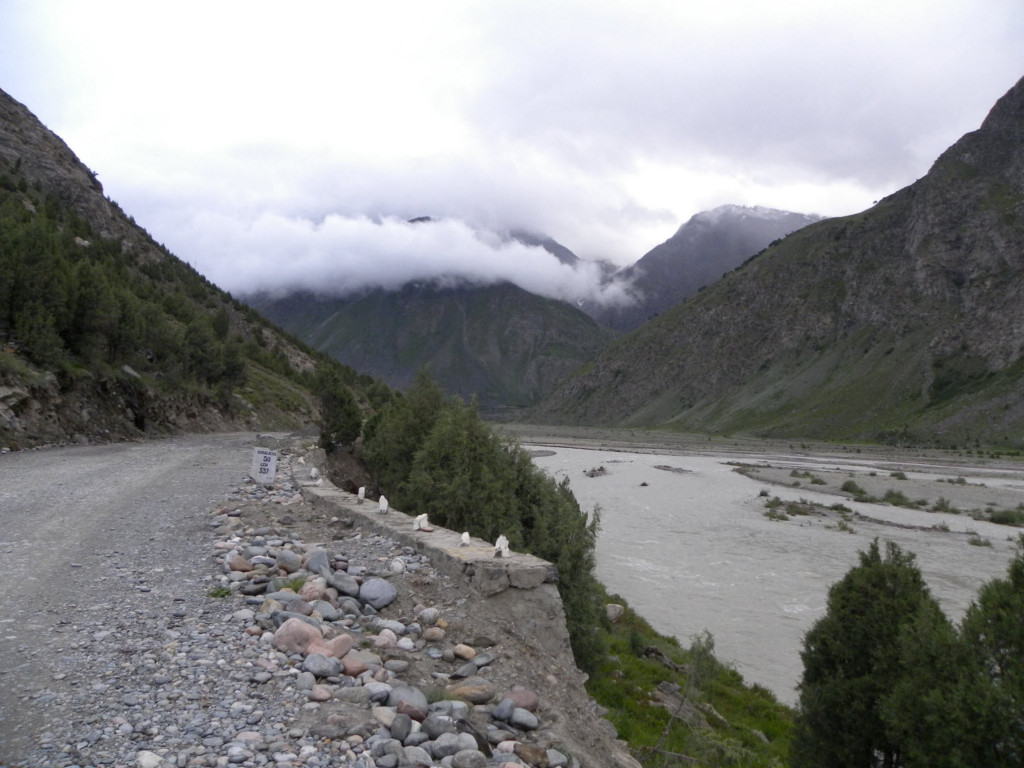
Jispa is situated about 137 km from Manali (roughly 2.5 – 3 hours via Atal Tunnel) and 335 km from Leh. It is a tiny village in the Lahaul Valley, sitting at an elevation of 10,500 Ft (3,200 m). That is nearly 4,000 feet lower than Sarchu. You get proper cemented hotels here, family-run guesthouses, and some lovely riverside camps along the Bhaga River. Budget guesthouses and basic camps in 2026 run Rs 1,500 – Rs 3,500 per night, while mid-range hotels and glamping options like Bhaga Eco Camp, Alpinist Glamping Resort, YOLO Outdoors, Kinzom Valley Camps, and Gemoor Khar Manor House charge Rs 3,500 – Rs 7,000 per night including breakfast. Most properties open from late May to mid-October, in line with the highway season. You can explore the tiny Gemur Monastery nearby, a small Lahaul folk museum, and walking trails along the Bhaga. The vibe is quintessentially Lahaul, green and peaceful, and makes for a lovely change from the chaos of Manali.
Why Should You Choose Jispa Over Sarchu?
Now, let me walk you through the real reasons why I always recommend Jispa (or Keylong, which is just 22 km before Jispa) over Sarchu. These are based on my personal experiences of driving this highway multiple times and watching many travelers struggle at Sarchu.
1. How Does Altitude Sickness (AMS) Affect You at Sarchu?
In short: Sarchu sits at 14,070 Ft, which is well into the “very high altitude” band where AMS strikes hard. Sleeping at this altitude on your very first night, after starting the day in Manali at 6,700 Ft, breaks every standard acclimatization rule. Headache, vomiting, breathlessness, and a wretched sleepless night are the norm here, not the exception.
This is the single biggest reason to skip Sarchu on your first night. As able-bodied, fairly fit people traveling by road to Leh, we tend to assume we are strong enough to deal with some mild discomfort from lack of oxygen. After all, if we can climb hills and do strenuous physical exercise, our lungs should be able to manage a slight drop in environmental oxygen. Right? Well, that is how my group thought when we embarked on this journey of a lifetime.
Let me shed some light on what AMS (Acute Mountain Sickness) is and why it is such a big thing. Altitude is categorized as follows:
- High Altitude: 8,000 – 12,000 Ft
- Very High Altitude: 12,000 – 18,000 Ft
- Extremely High Altitude: 18,000+ Ft
One can develop symptoms of AMS typically above 10,000 Ft. Manali sits at about 6,700 Ft. Most medical professionals advise climbing no more than 1,000 Ft of sleeping altitude every 24 hours. This gradual ascent lets your body acclimatize, meaning it adjusts to lower oxygen levels and changes its breathing and blood composition accordingly.
Now, keep in mind that Sarchu is at 14,070 Ft. That means you are jumping over 7,000 Ft in a single day from Manali. On top of that, you cross Baralacha La at 16,500 Ft before descending to Sarchu. Your body goes through a roller coaster of dizzying heights, and the descent to Sarchu is not significant enough for proper relief.
In my experience, the symptoms in my group ranged from mild (feeling cold, headache, inability to sleep) to extreme (bleeding nostrils, nausea, vomiting). Sarchu has earned the nickname “Vomit Hilton” among veteran Ladakh travelers for exactly this reason. If you do not have access to proper medical staff around, and at Sarchu you will not, you will be in a very difficult situation if things get serious. Hence, I always suggest that first-timers avoid sleeping at Sarchu. Jispa at 10,500 Ft gives your body a much gentler adjustment.
2. Is the Extra Distance on Day 2 Really a Problem?
Short answer: No. The extra 120 km of Day 2 from Jispa is mostly easy, well-paved driving once you cross Tanglang La, and a 5 – 6 AM start gets you to Leh by late afternoon comfortably. The Sarchu “shortcut” actually costs you more time because you arrive at sunset, sleep poorly, and start Day 2 already half-broken.
This is the argument most people use against Jispa. “If I stop at Jispa, Day 2 becomes 335 km instead of 215 km. That is too much!” Let me give you another perspective.


Manali to Jispa is about 137 km and easily takes 3 – 4 hours via Atal Tunnel (it used to be 5+ hours via Rohtang Pass). Even if you leave at 8 AM from Manali, you will reach Jispa by 12 – 1 PM. Now, many people think that Sarchu is just another 78 km of driving (2 – 3 hours more). So why not push ahead?
However, here is the thing. Those 78 km include climbing over Baralacha La (16,500 Ft), which takes longer than you think. You will likely reach Sarchu long after sunset, in an area with no streetlights and extremely isolated terrain. You will be exhausted, your body will be dealing with the altitude shock, and you will be trying to sleep in a basic tent at sub-zero temperatures. Not a great start to your Ladakh adventure.
If you stay at Jispa instead, yes, Day 2 is 335 km. But you will be well rested in a proper room. If you leave Jispa by 5 – 6 AM, the driving time to Leh is about 9 – 10 hours. Add 2 – 3 hours of breaks, and you will reach Leh by 4 – 5 PM comfortably. Also, once you cross the last major pass (Tanglang La), the roads towards Leh are excellent, and you will be cruising. At least half of your Day 2 drive will be smooth and enjoyable, not back-breaking.
3. What Can You Explore at Jispa and Keylong?
Jispa provides you with far more opportunities in terms of exploration compared to Sarchu. The views around Jispa are similar to what you would have in Manali, lush greenness and a beautiful river flowing. I always say you should enjoy the bountifulness of the hills before exploring their harshness. Yes, the barren landscapes and extreme conditions are what attract us to Ladakh. However, it does not hurt to soak in the green valleys of Lahaul first.
Since you will reach Jispa by early afternoon, you will have plenty of energy to walk around, visit the monastery, explore the trails, or just sit by the Bhaga River with a cup of chai. Keylong, the district headquarters of Lahaul, is just 22 km before Jispa and offers even more options. You can visit the Kardang Monastery, Shashur Monastery, and the Lahaul museum. At Sarchu, in contrast, you will barely have the energy to step out of your tent.
4. Why Is the Jispa to Sarchu Stretch Best Enjoyed in Morning Light?
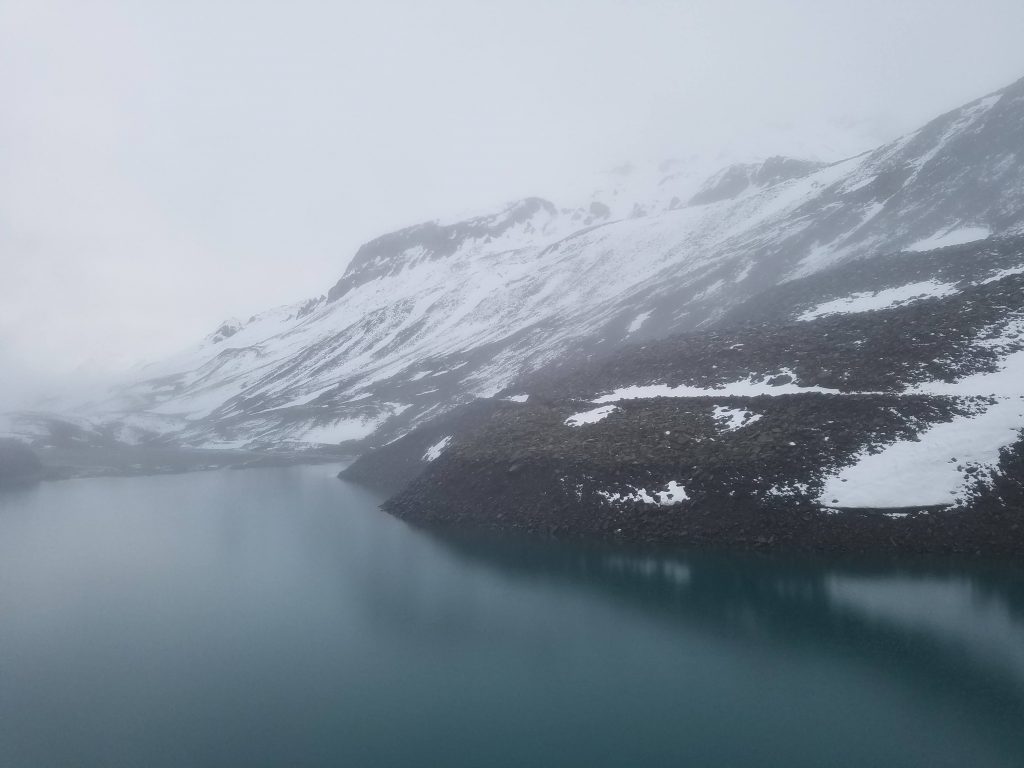
This is a reason most people do not think about, and it might be the most important one for your overall trip experience. The 78 km stretch from Jispa to Sarchu includes some of the most stunning sights on the entire Manali – Leh Highway:
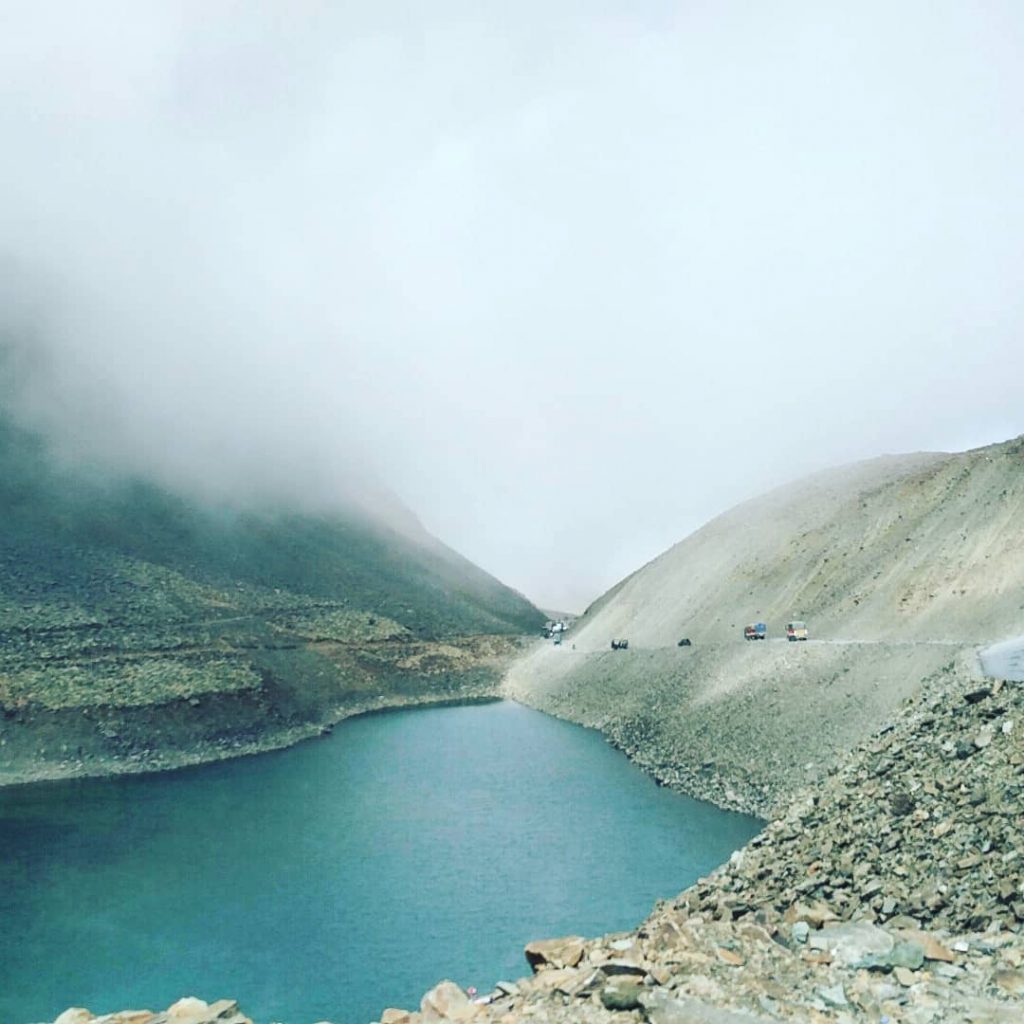
- Suraj Tal, the stunningly blue lake near Baralacha La
- Deepak Tal, a smaller but equally pretty lake
- Zing Zing Bar, with its cute roadside cafes (the Peace Cafe is a must-stop)
- Baralacha La Pass (16,500 Ft), still my favorite pass on this entire journey
If you push to Sarchu on Day 1, you will cross all these places in the evening or after dark. You will be tired and rushing to reach your destination before sunset. That is a waste of a once-in-a-lifetime opportunity. However, if you sleep at Jispa, you will drive through this magical stretch in the fresh morning light. Your photography will be on point, the views will be at their best, and you can actually stop for a cup of hot tomato soup and Maggi at Zing Zing Bar without worrying about the time. That, my friend, is how this highway is meant to be experienced.
5. How Does Weather Affect Your Choice Between Jispa and Sarchu?
Apart from AMS and lack of oxygen, you need to consider the temperature shock your body goes through. If you are traveling from the plains (and most likely in the summer months), chances are you are coming from a 35 – 40 degrees Celsius climate. Suddenly sleeping at 14,070 Ft at Sarchu with temperatures dropping to minus 5 or minus 10 degrees at night will take a serious toll on your system.
If you are like me and your body is sensitive to sudden temperature changes, you might develop a fever, cough, cold, or lethargy. This is not good for the days ahead, especially if you are on a motorcycle. At Jispa (10,500 Ft), the nighttime temperature in summer stays around 5 – 10 degrees Celsius. That is a much more gradual transition from the plains. You will sleep better, wake up healthier, and be ready for the big Day 2 drive. Keep in mind, staying healthy on this highway is not optional. Nature will test you sooner or later.
6. What About Accommodation Quality?
At Sarchu, your only option is tented camps. These are basic Swiss tents set up by seasonal operators during the summer months (June to September). Expect thin mattresses, shared washrooms, no running hot water, and limited generator-based electricity for a few hours after sunset. As of 2026, tent camps at Sarchu charge around Rs 1,500 – Rs 3,500 per night with twin sharing and basic meals (dal, rice, sabzi, roti). There are no permanent structures, no real backup if a tent operator runs out of supplies, and no mobile network at all.
Jispa and Keylong, on the other hand, offer proper hotels and guesthouses with attached bathrooms, hot water, room heaters, electricity, and mobile connectivity (BSNL is the most reliable in Lahaul, while Jio and Airtel work patchily in Keylong town and at some Jispa hotels as of 2026). In Keylong, budget guesthouses run Rs 1,000 – Rs 2,000 per night, and HPTDC’s Hotel Chandrabhaga sits in the mid-range at around Rs 2,500 – Rs 4,000. In Jispa, expect Rs 1,500 – Rs 3,500 for budget guesthouses and homestays, and Rs 3,500 – Rs 7,000 for riverside camps and mid-range hotels like Jispa Journeys, Bhaga Eco Camp, and Alpinist Glamping Resort. The difference in comfort after a long day of driving is enormous. A good night’s sleep in a proper bed, on a proper mattress, makes all the difference for Day 2.
7. Can You Alter Your Itinerary to Explore Even More?
Here is a bonus tip that I always share with travelers. Instead of staying in Manali before your trip begins, how about exploring the lesser-known, gorgeous town of Naggar? This way, your 8 – 10 hour journey from Chandigarh is evenly divided and you are not exhausted.
Similarly, on Day 2 from Jispa, instead of pushing all the way to Leh, consider stopping an hour before at the quiet town of Karu. From there you can explore Hemis Monastery and Thiksey Monastery at leisure. This way, you get to explore so much more and it adds a lot of depth to your Manali – Leh road trip. Do not rush through this highway, my friend. The details lie in the journey and not in the destination.
What About Keylong as an Alternative to Jispa?
Some travelers ask me whether Keylong is a better option than Jispa. Keylong is the district headquarters of Lahaul and sits at about 10,050 Ft, just 22 km before Jispa on the highway. It offers a wider range of accommodation, more restaurants, ATM facilities, a hospital, and better mobile coverage.
Honestly, both are excellent choices. If you want more convenience and options, stay at Keylong. If you prefer a quieter village setting closer to the highway (so you save 22 km on Day 2), go with Jispa. Either way, you are at a safe altitude for your first night. The important thing is to not push to Sarchu.
Practical Comparison: Jispa vs Sarchu at a Glance
Here is a quick comparison to help you decide:
| Factor | Jispa | Sarchu |
|---|---|---|
| Altitude | 10,500 Ft (3,200 m) | 14,070 Ft (4,290 m) |
| Distance from Manali | 137 km (3 – 4 hrs via Atal Tunnel) | 255 km (7 – 8 hrs) |
| AMS Risk | Low to moderate | High (first night at very high altitude) |
| Accommodation | Hotels, guesthouses, camps | Tented camps only |
| Budget Stay | Rs 1,500 – Rs 3,500/night | Rs 1,500 – Rs 3,500/night (tent + meals) |
| Mid-Range Stay | Rs 3,500 – Rs 7,000/night (hotels, glamping) | Not available |
| Mobile Network | BSNL reliable, Jio/Airtel patchy at Keylong | No coverage |
| Medical Facilities | Hospital at Keylong (22 km) | None |
| Things to Do | Monastery, museum, river walks, Keylong sightseeing | Limited (only landscape) |
| Day 2 to Leh | 335 km (9 – 10 hrs driving) | 215 km (6 – 7 hrs driving) |
| Temperature (Summer Night) | 5 – 10 degrees C | -5 to 0 degrees C |
How Should You Plan Your Manali – Leh Itinerary With Jispa?
Based on my experience, here is the recommended 2-day itinerary for the Manali – Leh Highway:
Day 1: Manali to Jispa (137 km, 3 – 4 hours)
- Leave Manali by 8 – 9 AM
- Drive through Atal Tunnel (no Rohtang permit needed)
- Lunch stop at Sissu or Keylong (and fill up at Tandi pump, the last reliable fuel before Leh, around 7 km north of Keylong)
- Reach Jispa by 12 – 1 PM
- Explore the village, monastery, river walks in the afternoon
- Early dinner, sleep well in a proper hotel
Day 2: Jispa to Leh (335 km, 9 – 12 hours with stops)
- Leave Jispa by 5 – 6 AM (earlier is better, fill up your fuel tank fully the previous evening since Tandi pump, 35 km behind Jispa, is the last reliable petrol pump before Leh)
- Enjoy Suraj Tal, Baralacha La in morning light
- Maggi and soup at Zing Zing Bar
- Cross Sarchu, Pang, Tanglang La, Upshi
- Smooth roads after Tanglang La, cruise through More Plains
- Reach Leh by 4 – 6 PM
- Rest and acclimatize in Leh for the next day
In case you have more time, I suggest breaking the journey into 3 days. Spend a night at Naggar (before Manali), then Jispa, then Karu/Hemis area, and then Leh. This way you get the most out of the entire Manali – Leh experience.
What Has Changed Since the Atal Tunnel Opened?
One important update for 2026. The Atal Tunnel, which opened on October 3, 2020, has changed the dynamics of this highway significantly. The tunnel is 9.02 km long at an altitude of about 10,050 Ft and completely bypasses Rohtang Pass. For the latest road conditions, you can also check our Manali Leh Highway status update. The tunnel changes a few practical things:
- You no longer need a Rohtang Pass permit to travel towards Leh via the tunnel
- The drive from Manali to Keylong/Jispa has been cut from 5 – 6 hours to 2.5 – 3.5 hours
- You can leave Manali a bit later and still reach Jispa comfortably by afternoon
- Some travelers now try to push all the way to Sarchu or even Pang on Day 1, which I strongly advise against for first-timers
The faster road to Jispa actually makes the Jispa-halt even more logical. Since you reach Jispa so quickly now, you have plenty of time to relax and explore. Do not use the time saved by the tunnel to push further. Use it to acclimatize better and enjoy Lahaul.
2026 highway season: The Manali – Leh Highway typically opens for civilian traffic in mid to late May once the Border Roads Organisation (BRO) clears Baralacha La and the higher passes of winter snow. Reliable open-road conditions usually run from late May through mid-October. In 2026, BRO confirmed Baralacha La (16,500 Ft) clear on May 14 and the highway has been open since. The Atal Tunnel itself stays open year-round, so you can reach Jispa via Sissu and Keylong even in winter, but the road beyond Jispa to Sarchu and Leh is closed in winter. Always check the latest BRO advisories before you start. In case of fresh snowfall in shoulder months (May or October), Baralacha La can shut for a day or two on short notice. For a full breakdown of what October specifically looks like in Ladakh itself, including which routes stay open and what changes after peak season, see my Ladakh in October guide.
Conclusion
Logically, yes, Sarchu lies closer to the halfway point from Manali to Leh. However, there are strong reasons for you to choose Jispa and make your journey more comfortable, more memorable, and far safer. The lower altitude, proper accommodation, medical access at Keylong, mobile connectivity, and the chance to experience the Baralacha La stretch in daylight all make Jispa the smarter choice.
I have been traveling this highway for over a decade now, and I can promise you with all my heart and soul that 90% of my memories are from looking out the car window and being mesmerized that such beauty could exist. Do not rush this journey. Stop at Jispa, rest well, and enjoy every kilometer the next day.
If you need help planning your Manali – Leh trip or have any questions about where to stay, what to carry, or how to handle AMS, feel free to ask in the comments below or check the DwD Community for discussions and travel partners. I will be happy to hear from you 🙂 …
Last Updated: June 2026
Frequently Asked Questions
Is Sarchu safe for first-time travelers to Ladakh?
Sarchu is at 14,070 Ft and poses a significant AMS risk for first-timers coming from the plains. The tented accommodation is basic, there are no medical facilities, and no mobile network. I always suggest first-timers halt at Jispa (10,500 Ft) or Keylong (10,050 Ft) instead. Experienced high-altitude travelers who have acclimatized before can consider Sarchu, but even then, Jispa is the safer and more comfortable option.
How long does it take to drive from Manali to Jispa via Atal Tunnel?
The drive from Manali to Jispa via the Atal Tunnel takes about 2.5 to 3.5 hours for the 137 km distance, depending on traffic and road conditions. Before the Atal Tunnel opened in 2020, this used to take 5+ hours via Rohtang Pass. You no longer need a Rohtang permit for this route.
Can I reach Leh from Jispa in a single day?
Yes, absolutely. Jispa to Leh is 335 km and takes about 9 to 10 hours of driving. With 2 to 3 hours of breaks (lunch, photography, fuel stops), you can reach Leh by 4 to 6 PM if you leave Jispa by 5 to 6 AM. The roads after Tanglang La are smooth and you will cruise through the More Plains section.
Is Keylong better than Jispa for an overnight halt?
Both are excellent options at similar altitudes. Keylong (10,050 Ft) is the district headquarters and offers more facilities: wider accommodation range, ATMs, a hospital, restaurants, and reliable mobile coverage. Jispa (10,500 Ft) is 22 km ahead of Keylong on the highway, so it saves you a bit of distance on Day 2 and offers a quieter village atmosphere. Choose based on your preference. I personally lean towards Jispa for the peaceful vibe.
What if I have already acclimatized and want to push to Sarchu?
If you have spent a few days at 10,000+ Ft before starting the Manali – Leh Highway (for example, if you explored Lahaul Valley first), then Sarchu is a viable option. However, most travelers drive directly from Manali or even from Chandigarh/Delhi, and for them, Sarchu is too high too fast. In case you are a repeat Ladakh traveler and your body handles altitude well, you can consider Sarchu, but you will still miss the Baralacha La stretch in daylight.
Do I need any permits to stay at Jispa or Sarchu?
No permits are required for Indian nationals to stay at Jispa or Sarchu. Both are in Himachal Pradesh. You will need permits only once you enter Ladakh (for areas like Nubra Valley, Pangong Lake, and Tso Moriri). The Atal Tunnel does not require any permit either. The old Rohtang Pass permit is only needed if you specifically want to visit Rohtang Pass for sightseeing.
What is the road distance from Sarchu to Jispa?
Sarchu to Jispa is about 78 km by road on the Manali – Leh Highway, running through Darcha, Zingzingbar, and over Baralacha La pass (16,500 Ft). Budget 3.5 – 4 hours of driving, more if you stop for photos at Suraj Tal or tea at Zing Zing Bar.
What checkpoints will I pass between Jispa and Sarchu?
Heading from Jispa toward Sarchu, you pass Darcha (about 6 km, the last real village before the high passes), Zingzingbar (roadside dhabas and the Peace Cafe), Deepak Tal and Suraj Tal (two high-altitude lakes), Baralacha La pass (16,500 Ft), and Bharatpur before the final descent into Sarchu.
Is the road from Jispa to Sarchu in good condition?
As of the 2026 season, the Jispa to Sarchu stretch is mostly well-paved BRO tarmac, with only short patchy sections near Baralacha La where snowmelt or landslides can cause temporary damage. Check the latest Manali Leh Highway status update before you set out, since conditions change fast at this altitude.
Can I drive from Sarchu to Jispa in one stretch without stopping overnight?
Yes, most travelers cover the 78 km Sarchu to Jispa stretch in a single 3.5 – 4 hour drive without an overnight stop, since Jispa’s lower altitude (10,500 Ft) makes it a natural halt whether you are heading toward Leh or back to Manali.

1 Comment
Comments section gets closed in 90 days. To ask your travel questions, you can follow my YouTube Channel for a faster reply or for a much slower reply follow me on Instagram. :)
Hi,
Your article are so informative, thank you for sharing with us.