


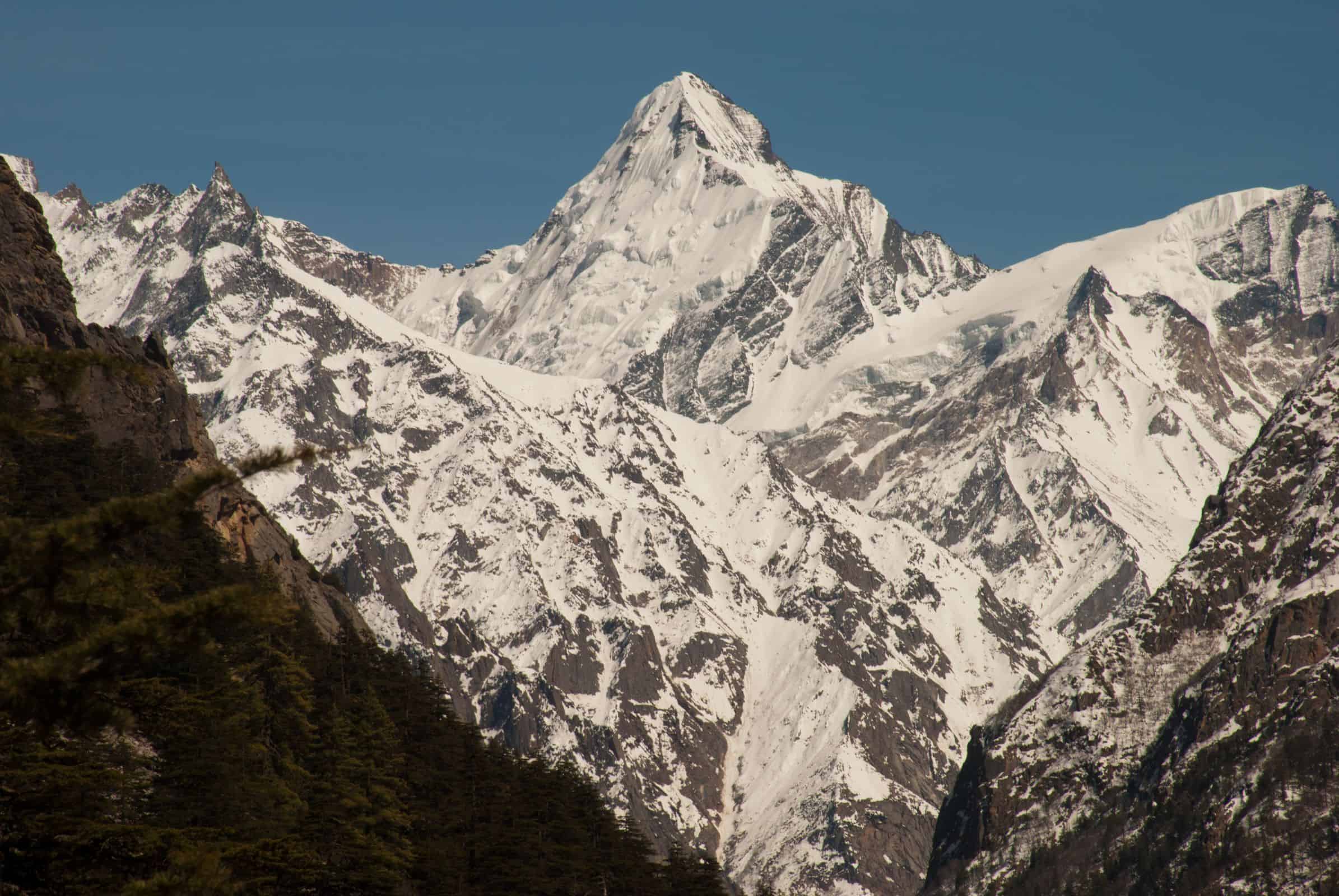
Planning a trip to Harsil and Gangotri but not sure how many days you need or what to cover each day? I have been to this region multiple times and can tell you that your itinerary depends entirely on how much time you have and what you want to see. Some people manage it in a rushed weekend, while others spend a full week and still feel like they missed something.
In this guide, I will share ready-to-use day-by-day itineraries for a Harsil Gangotri trip, ranging from a quick 3-day weekend plan to a full 7-day circuit that includes the Gaumukh trek, Gartang Gali, and Nelong Valley. Each plan includes distances, driving times, and what to prioritize. Pick the one that fits your schedule and adjust as needed.
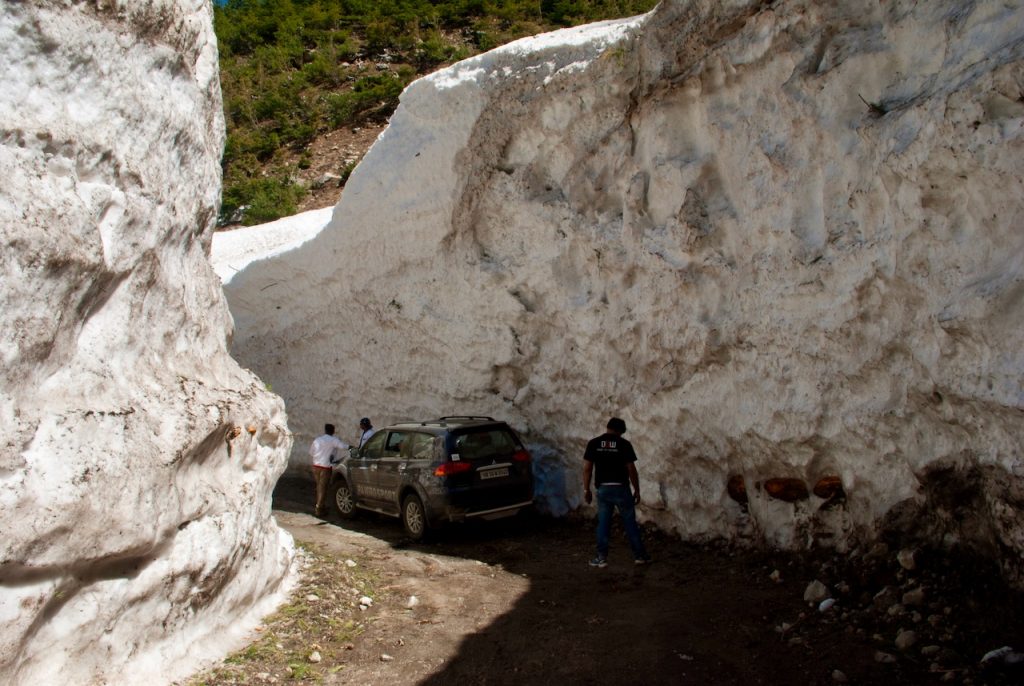
Harsil sits 25 km from Gangotri by road, via Dharali and Bhairon Ghati, with the final 8 km alone running from Bhairon Ghati. On our own documented March 2015 drive, we left Harsil at 12:45 PM and reached Gangotri by 2:30 PM, a 1 hour 45 minute journey with a snow-slope stop, not the flat 25-minute Google Maps estimate.
Let's quickly dive into the details:
Practical Info at a Glance: Harsil to Gangotri
| Best Time to Visit | April-June, September-October |
| Budget (per day) | Rs 1,500 – Rs 3,000 |
| Difficulty Level | Moderate driving (rough final 25 km); Easy-Moderate treks (Sattal, Gartang Gali) |
| Nearest ATM | Uttarkashi town (last reliable ATM before Harsil); SBI ATM at Bhatwari as backup |
| Mobile Network | BSNL widest coverage; Jio and Airtel patchy past Uttarkashi, unreliable near Gangotri |
| Fuel Availability | Last petrol pump at Uttarkashi, none in Harsil or Gangotri |
| Permits Required | Char Dham registration (free, mandatory); Gartang Gali Rs 226; Gaumukh trek Rs 150 |
| Last Updated | July 2026 |
What Are the Quick Facts for a Harsil Gangotri Trip?
Before we get into the day-by-day plans, here are the essential numbers you need. Harsil sits at 2,620 meters (8,596 ft) and Gangotri at 3,048 meters (10,000 ft), both in the Uttarkashi district of Uttarakhand’s Garhwal Himalayas. The distance from Delhi to Harsil is roughly 480 km (12-14 hours), and Gangotri is another 25 km beyond Harsil.
| Detail | Information |
|---|---|
| Harsil Altitude | 2,620 m (8,596 ft) |
| Gangotri Altitude | 3,048 m (10,000 ft) |
| Delhi to Harsil | ~480 km, 12-14 hours |
| Harsil to Gangotri | 25 km, 1-1.5 hours |
| Best Time to Visit | April-June, September-October |
| Gangotri Temple Opens | 19 April 2026 (Akshaya Tritiya) |
| Gangotri Temple Closes | ~November 11, 2026 (Diwali) |
| Char Dham Registration | Mandatory, free online at registrationandtouristcare.uk.gov.in |
| Budget (per person/day) | Rs 1,500-3,000 depending on accommodation |
When Is the Best Time to Visit Harsil and Gangotri?
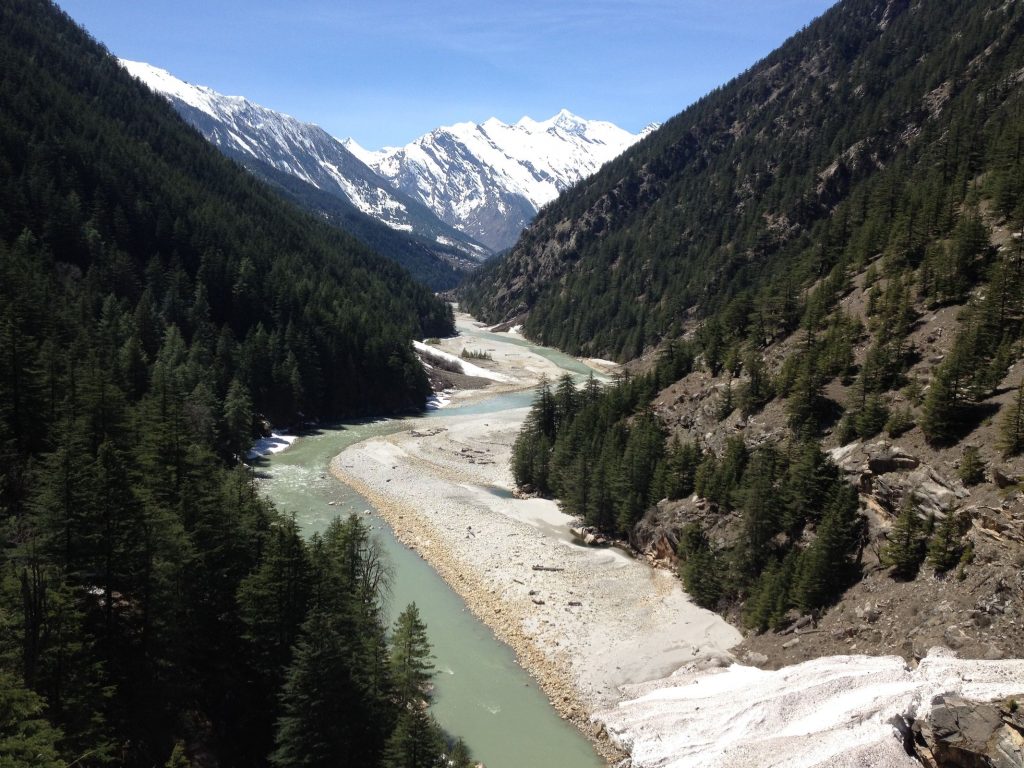
The best months for a Harsil Gangotri trip are April to June and September to October. Each window has a different character, and your choice should depend on what kind of experience you want.
April-May: The Gangotri temple opens around April 19 (2026). Roads are clear, weather is pleasant (10-20°C in daytime), and the snow is still visible on higher peaks. This is the sweet spot for most travelers. Keep in mind that early April can still have snow patches on the Harsil-Gangotri road.
June: Good for motorcycle riders and trekkers. The weather is warm but not unbearable. However, late June brings early monsoon showers, so plan for the first two weeks if possible.
July-August: Avoid this period entirely. The monsoon hits Garhwal hard. Landslides block the road between Bhatwari and Harsil, and the Bhagirathi river swells dangerously. Not worth the risk.
September-October: Post-monsoon clarity makes this the best window for photography. The skies are clean, the valley turns golden, and the crowds thin out significantly. October brings the apple harvest in Harsil and Dharali, so you get the added bonus of fresh apples straight from the orchards.
November: I would not recommend this month. The scenery is in transition, it gets bitterly cold, and there is usually no snow yet. You end up with the worst of both worlds. Gangotri temple closes around November 11 (Diwali), and the idol of Goddess Ganga is shifted to the Ganges temple in Mukhba village for the winter months.
Winter (December-March): Harsil remains accessible through winter, but Gangotri is closed. If you specifically want snowfall and do not mind skipping Gangotri, a winter trip to Harsil and Dharali can be magical. Check my Harsil Gangotri trip in March guide for details on what to expect.
How Do You Reach Harsil and Gangotri from Delhi?
Most travelers drive from Delhi via the NH7/NH94 route. The standard route is Delhi, Meerut, Haridwar, Rishikesh, Chamba, Dharasu, Uttarkashi, Bhatwari, Harsil. The total distance is about 480 km and takes 12-14 hours with stops.
By bus: UTC/UPSRTC buses run from Delhi ISBT to Uttarkashi (Rs 400-600, 10-12 hours). From Uttarkashi, you can get a shared taxi or local bus to Harsil (Rs 200-300, 3-4 hours). Direct buses from Rishikesh to Gangotri run during the Char Dham season (Rs 850 approximately). In case you are taking the bus route, I would suggest breaking the journey at Uttarkashi to avoid exhaustion.
By air: The nearest airport is Jolly Grant Airport in Dehradun, roughly 230 km from Harsil. You can hire a taxi from the airport (Rs 5,000-7,000 one way to Harsil) or take a bus to Uttarkashi and then onwards.
By train: Rishikesh railway station (215 km from Harsil) and Haridwar Junction (245 km) are the nearest rail connections. Both have good bus and taxi connectivity towards Uttarkashi.
What Are the Road Conditions Like?
The road quality varies significantly across different stretches. Here is a realistic breakdown so you can plan your driving time accordingly.
- Delhi to Haridwar/Rishikesh (230 km): NH highway, well-maintained, 5-6 hours with traffic
- Rishikesh to Chamba to Dharasu (130 km): Mix of good and patchy road, single lane in places, 4-5 hours
- Dharasu to Uttarkashi to Bhatwari (65 km): Some landslide-prone sections. Road quality fluctuates between good and rough. Keep an eye out for falling rocks, especially during and after rain.
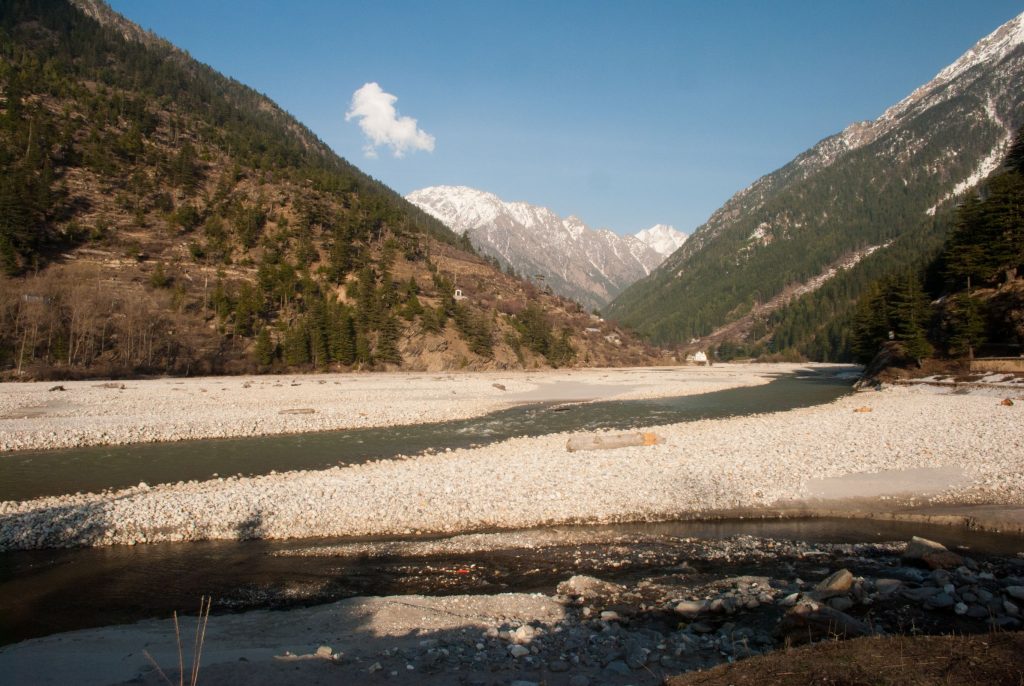
- Bhatwari to Sukhi Top to Harsil (55 km): This is where it gets interesting. Expect 5-6 water crossings and some slush stretches, particularly in early season. Drive carefully, especially if you have a low-clearance vehicle.
- Harsil to Dharali to Bhairon Ghati to Gangotri (25 km): Mostly bad roads with some very rough sections after Bhairon Ghati. A couple of water crossings. The views compensate for the bumps, but do not rush this stretch.
What Are the Must-Visit Places on This Trip?
The Harsil-Gangotri region has several distinct attractions, each worth dedicating time to. Here is what you should know about each one before deciding how many days you need.
Harsil Village
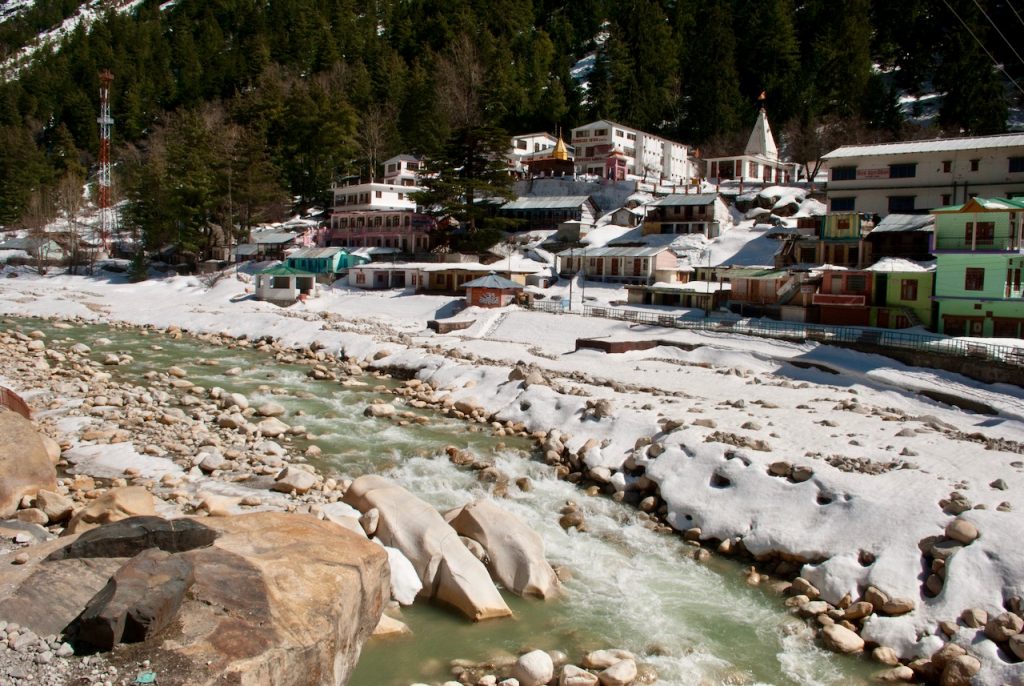
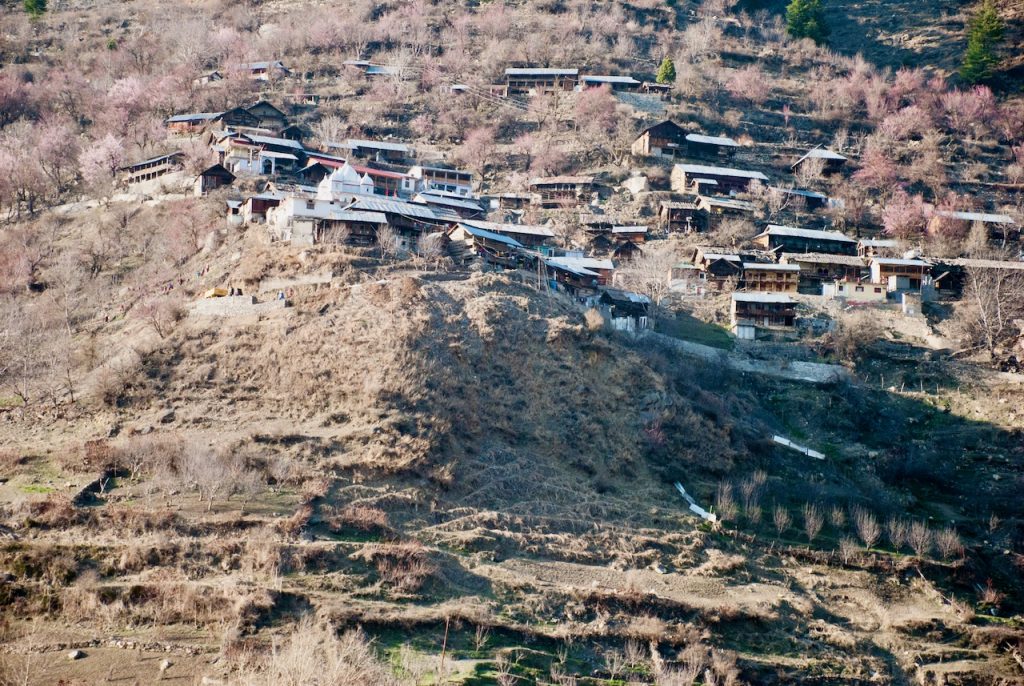
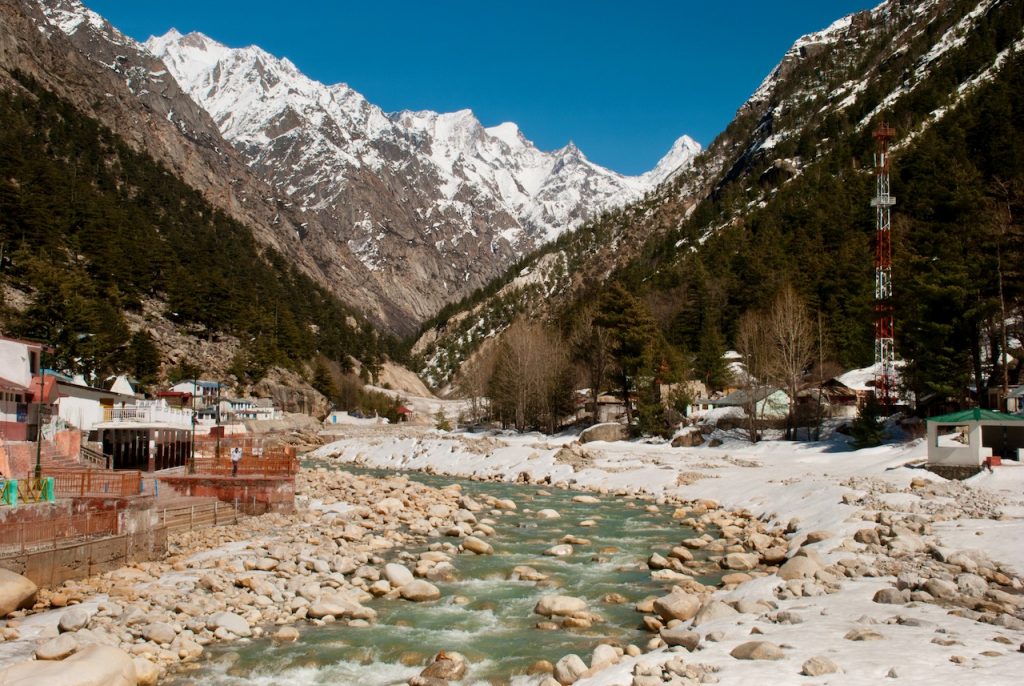
Harsil sits at 2,620 meters, surrounded by deodar and pine forests with the Bhagirathi river running through the valley. The village is populated by Bhutiya and Jadh communities and has apple orchards stretching for kilometers. It is classified as an army area, so you will see military presence. The village is an integral part of the Gangotri National Park and the perfect base for exploring the entire region. Budget hotels in Harsil cost Rs 1,000-2,500 per night.


Gangotri Temple
Gangotri is one of the four temples in the Chota Char Dham circuit and the sacred origin point of the Bhagirathi river (which becomes the Ganga downstream). The temple sits at 3,048 meters, about 25 km from Harsil. Even if you are not religiously inclined, the setting is worth the visit. The temple opens around April 19 each year and closes in November. GMVN accommodation in Gangotri starts from Rs 800 per night for basic rooms, with deluxe rooms at approximately Rs 2,300. I recommend staying overnight in Gangotri if you want to truly experience the place, though most people make it a day trip from Harsil.
Mukhba Village
Also known as Mukhwas or Mukhwa, this hamlet is approximately one kilometer from Harsil. When Gangotri closes for winter, the idols are shifted to the Ganges temple here. I recommend taking an evening stroll from Harsil to check out the village. It is peaceful and gives you a glimpse of the local way of life in the valley.
Dharali
Dharali is just 2 km from Harsil and is known for its apple orchards and spectacular snow walls in winter. The village has mythological significance, as this is where Bhagirath is said to have meditated to bring the Ganga from heaven to earth. If you are visiting for snowfall near Delhi, Dharali is one of the best options in Uttarakhand.
Gartang Gali
This is a relatively recent addition to the tourist circuit. Gartang Gali is a historic wooden walkway carved into the cliff face of the Jadh Ganga gorge, originally built in the 17th century for trade with Tibet. The trek is about 6-7 km and takes 3-4 hours. You need a separate permit from the Uttarkashi Tourism Department, costing Rs 226 for Indians (Rs 206 forest fee + Rs 20 processing). The walkway is narrow and single-file in places, so carry sturdy shoes. Gartang Gali remains closed from November to March.
Sattal Trek (Sat Taal)
About 5 km from Dharali, the Sattal trek takes you to a cluster of seven lakes at different altitudes. Mridunga Tal sits at 9,600 ft and Bakria Tal at 10,034 ft, with the other five lakes scattered between these two elevations. You can cover five lakes comfortably in a day trek (3-4 hours). The remaining two are at higher altitudes and need additional time and proper acclimatization.
Please note that this Sattal trek near Harsil is different from the Sattal Lake in Kumaon near Nainital. Do not confuse the two when planning.
Gaumukh Trek
If you have extra days and are reasonably fit, the Gaumukh trek from Gangotri is one of the most rewarding experiences in the Himalayas. The 18 km trek (one way) takes you to the exact source of the Ganga at the Gomukh glacier (4,000 m / 13,120 ft). Budget 2-3 days for this. A permit is required (Rs 150 for Indians, available online), and since September 2024 a guide, insurance, and medical certificate are mandatory. Overnight halt is at Bhojbasa (14 km from Gangotri, GMVN has 32 beds, ashrams charge Rs 300/person including meals). For a complete step-by-step guide, read my Gaumukh trek guide.
What Is the 3-Day Weekend Itinerary for Harsil and Gangotri?
This is the most popular plan for people who can only spare a long weekend. It is rushed, and you will spend a lot of time on the road, but it covers the essentials. We have done this trip before and documented it in detail.
Day 1: Delhi to Harsil (480 km, 12-14 hours)
Start before dawn, ideally by 3-4 AM. Drive via Meerut, Haridwar, Rishikesh, Chamba, Dharasu, and Uttarkashi. You should reach Harsil by evening if there are no major delays. Check into your hotel, have dinner, and rest. If you reach early enough, take a short walk along the Bhagirathi river banks or visit Wilson Cottage.
Day 2: Harsil to Gangotri and Back (50 km round trip)
Start early, by 7 AM. Drive the 25 km to Gangotri (takes about 90 minutes due to road conditions). Spend the morning at the temple, take darshan, and explore the area. Head back by afternoon. On the return, stop at Mukhba village for an evening stroll. Spend a relaxed night in Harsil.
Day 3: Harsil to Delhi (480 km, 12-14 hours)
Start early and drive back to Delhi. This will be a long driving day. Keep in mind that weekend traffic near Haridwar and Rishikesh can add 1-2 hours in the evening, so plan accordingly.
What Is the 4-Day Itinerary for Harsil and Gangotri?
Adding one more day makes a significant difference. You get to explore Harsil properly and do not feel like the entire trip was just driving. This is the plan I recommend for most first-timers.
Day 1: Delhi to Harsil (480 km)
Same as the 3-day plan. Leave early, reach Harsil by evening. Rest and acclimatize.
Day 2: Sightseeing in Harsil, Dharali, Mukhba, and Sattal Trek
This is your exploration day. Visit Dharali (2 km, apple orchards), walk to Mukhba village (1 km, Ganges temple), and if you are feeling active, do the Sattal Trek (5 km from Dharali, 3-4 hours for five lakes). The Sattal trek is moderate and does not require any special gear. Have a relaxed dinner in Harsil.
Day 3: Harsil to Gangotri and Back (50 km round trip)
Drive to Gangotri in the morning. Spend the day at the temple and exploring nearby areas. Return to Harsil by evening. Since you already covered Harsil’s local attractions on Day 2, you can dedicate the full day to Gangotri without feeling rushed.
Day 4: Harsil to Delhi (480 km)
Return drive to Delhi. Start by 5-6 AM to avoid reaching Delhi too late.
What Is the 5-6 Day Itinerary Including the Gaumukh Trek?
If you can spare five to six days, this is the way to go. You get to break the long drive, explore Harsil thoroughly, and add either the Gaumukh trek or the Gartang Gali walk. This is the itinerary I personally prefer because it lets you experience the region without rushing.
Day 1: Delhi to Uttarkashi (370 km, 10-12 hours)
Instead of pushing all the way to Harsil on Day 1, break the journey at Uttarkashi. This way you arrive rested and can explore Uttarkashi’s temples and market in the evening. GMVN rest house in Uttarkashi starts from Rs 800/night. I always prefer breaking long road trips like this because it ensures you reach your final destination well-rested and ready to enjoy it.

Day 2: Uttarkashi to Harsil (110 km, 4-5 hours) and Local Sightseeing
Reach Harsil by lunch. Spend the afternoon exploring the village, walking through the apple orchards, and soaking in the valley views. The Bhagirathi river gives this sleepy village its character. Take an evening walk to Mukhba and Dharali.
Day 3: Sattal Trek or Gartang Gali, then move to Gangotri
Cover the Sattal lake trek in the morning (at least 5 of the 7 lakes). Alternatively, if you have the Gartang Gali permit, do that trek instead (6-7 km, 3-4 hours). After the trek, drive to Gangotri (25 km) and spend the night there.
Day 4 and 5: Gangotri to Gaumukh Trek and Back to Harsil
Visit the Gangotri temple early in the morning, then start the trek to Gaumukh. The 18 km trail takes you to the source of the Ganga at 13,120 ft. Halt overnight at Bhojbasa (GMVN or ashrams). Return the next day to Gangotri and then drive back to Harsil. If you are a novice trekker, consider taking three days for this trek instead of two, and hire a guide. The permit is Rs 150 for Indians and can be obtained online. Since September 2024, guide, insurance, and medical certificate are mandatory.
Day 6: Harsil to Delhi (480 km)
Return drive to Delhi. If you have the energy, you can break this at Rishikesh and reach Delhi the next morning.
Can You Add Nelong Valley or a 7-Day Circuit?
If you have an extra day or two beyond the 5-6 day plan, I strongly suggest adding Nelong Valley to your itinerary. Often called “Mini Ladakh of Uttarakhand” for its stark, barren landscapes, Nelong Valley sits at 11,400 ft and is open only from May to November for Indian nationals. The entry fee is Rs 150 per person plus Rs 250 per vehicle.
However, the permit process requires multiple office visits in Uttarkashi (DM office, Forest Department Kotbangla, and LIU Thana), so you need to plan at least a day for permit collection. Maximum 24 visitors per day are allowed (6 Forest Department jeeps, 4 persons each). No overnight stays are permitted in the 25 km restricted zone, and private vehicles stop at Bhairav Ghati. Read my complete Nelong Valley guide for the full permit process.
For a full 7-day circuit, you could combine: Delhi to Uttarkashi (Day 1), Uttarkashi to Harsil with sightseeing (Day 2), Gartang Gali or Sattal trek then Gangotri (Day 3), Gaumukh trek (Days 4-5), Nelong Valley day trip (Day 6), and Harsil to Delhi (Day 7). This covers practically everything the region has to offer.
What Is the Budget for a Harsil Gangotri Trip from Delhi?
Here is a realistic cost breakdown for a 4-day trip (per person, assuming two people sharing costs). These are 2026 estimates based on current rates.
| Expense | Budget (Rs) | Mid-Range (Rs) |
|---|---|---|
| Fuel (Delhi-Harsil-Delhi, ~960 km) | 4,000-5,000 | 4,000-5,000 |
| Tolls (round trip) | 800-1,000 | 800-1,000 |
| Accommodation (3 nights) | 3,000-4,500 | 6,000-9,000 |
| Meals (4 days) | 2,000-2,500 | 3,000-4,000 |
| Char Dham Registration | Free | Free |
| Gartang Gali Permit | 226 | 226 |
| Miscellaneous | 500-1,000 | 1,000-2,000 |
| Total (per person, 2 sharing) | Rs 5,500-7,500 | Rs 8,000-11,000 |
By bus: If you take public transport, your total cost drops significantly. UTC bus Delhi to Uttarkashi is Rs 400-600, shared transport Uttarkashi to Harsil is Rs 200-300, and Rishikesh to Gangotri direct bus is approximately Rs 850. A budget bus trip can cost as low as Rs 3,000-5,000 per person for 3-4 days including accommodation and food.
What Are the Important Tips for This Trip?
A few practical things that will make your trip smoother, based on my own experiences in the region.
- Char Dham registration is mandatory in 2026. Register online at the official Uttarakhand government portal before your trip. The registration is free. Offline counters open from April 15 at checkpoints including Hina near Maneri (for the Gangotri route).
- Carry cash. ATM availability is unreliable beyond Uttarkashi. The last reliable ATMs are in Uttarkashi town. In Harsil, UPI works intermittently when the network is up.
- Fuel up at Uttarkashi. The last petrol pump before Harsil is at Uttarkashi. There is no fuel station in Harsil or Gangotri.
- Mobile network: BSNL postpaid has the widest coverage. Jio and Airtel work in Uttarkashi and parts of Harsil but get patchy towards Gangotri. Do not rely on mobile data for navigation beyond Uttarkashi.
- Altitude awareness: Gangotri is at 10,000 ft and Gaumukh at 13,120 ft. If you are coming directly from the plains, take it slow on Day 1. Drink plenty of water and avoid alcohol.
- Travel light for treks. For the Sattal trek and Gartang Gali, you do not need heavy gear. Good walking shoes, water, and a light jacket are enough. For the Gaumukh trek, carry proper trekking equipment. Check my trekking essentials checklist.
- Respect the environment. Harsil and Gangotri are ecologically sensitive areas inside the Gangotri National Park. Carry your trash back, do not play loud music, and follow responsible travel practices.
Frequently Asked Questions
How many days are enough for a Harsil Gangotri trip?
A minimum of 3 days is needed for a rushed trip covering both Harsil and Gangotri. However, 4-5 days is ideal to explore the region properly without spending all your time driving. If you want to add the Gaumukh trek, plan for 6-7 days.
How far is Harsil Valley from Gangotri?
Harsil Valley is 25 km from Gangotri by road, via Dharali and Bhairon Ghati. On our own documented drive from Harsil, we covered this stretch in 1 hour 45 minutes door to door, including a stop near the snow slopes past Dharali. Budget 1 to 1.5 hours if you are driving straight through.
How long does it take to drive from Harsil to Gangotri?
The drive from Harsil to Gangotri takes about 1 to 1.5 hours to cover 25 km, mostly because the final stretch past Bhairon Ghati is narrow and rough rather than because of the distance itself. Add extra time in April-May if there are still snow patches on the road.
Is the road from Harsil to Gangotri safe to drive?
Yes, but drive carefully. The Harsil to Dharali to Bhairon Ghati to Gangotri stretch has some very rough sections after Bhairon Ghati and a couple of water crossings. It is manageable in a sedan if driven slowly, though an SUV is more comfortable, especially early in the season.
Is Harsil open in winter?
Yes, Harsil is accessible throughout the year. However, Gangotri temple closes around November 11 (Diwali) and the road to Gangotri may get blocked by snow in heavy winter. Winter trips to Harsil are possible and offer snowfall experiences, especially in December-February.
Do I need a permit for Harsil or Gangotri?
No special permit is needed for visiting Harsil or Gangotri. However, Char Dham registration is mandatory for 2026 (free, done online). For Gartang Gali, you need a separate permit (Rs 226 for Indians) from the Uttarkashi Tourism Department. For the Gaumukh trek, a Gangotri National Park permit is required (Rs 150 for Indians).
Can I visit Harsil and Gangotri by bus?
Yes. Take a UTC bus from Delhi to Uttarkashi (Rs 400-600, 10-12 hours), then a shared taxi or local bus to Harsil (Rs 200-300). During Char Dham season, direct buses run from Rishikesh to Gangotri (approximately Rs 850). Bus travel adds time but cuts costs significantly.
Is the Gaumukh trek difficult?
The Gaumukh trek is moderate to difficult. The trail is 18 km one way from Gangotri, gaining about 600 meters in altitude. Fit trekkers can do it in 2 days (overnight at Bhojbasa). Beginners should budget 3 days and hire a guide. Since September 2024, a guide, insurance, and medical certificate are mandatory.
Where should I stay in Harsil?
Harsil has GMVN rest houses (from Rs 1,000/night), private hotels (Rs 1,500-3,000/night), and a few homestays. For budget travelers, GMVN is the safest bet. In Gangotri, GMVN has deluxe rooms from Rs 2,300/night. Book in advance during May-June peak season.
![How to prepare for cold weather motorcycle ride in Ladakh or Spiti Valley? [13 Important Tips]](https://discoverwithdheeraj.com/yt_vid_thumbs/ladakh/83.png)
Can I combine Harsil Gangotri with Yamunotri?
Yes, but it adds 2-3 extra days. The common route is Delhi, Yamunotri, Uttarkashi, Harsil, Gangotri, and back. This is essentially a Do Dham Yatra. Check my Garhwal itinerary guide for a combined plan covering multiple destinations in the region.
Wrapping Up
I hope these itineraries give you a clear picture of how to plan your Harsil and Gangotri trip based on the number of days you have. My personal recommendation is to go for at least 4 days if this is your first time, and 6 days if you want to include the Gaumukh trek. The region deserves time, not a hurried weekend dash.
If you are confused about which itinerary works best for your situation, or if you want help customizing a plan, feel free to drop a comment below or reach out to the DwD community. We will be happy to guide you. Also check out my offbeat places in Uttarakhand guide if you are looking for more options in the region.
Last Updated: March 2026
