


Valley of Flowers National Park sits at 3,658 meters in Uttarakhand, a UNESCO World Heritage alpine meadow open 1 June to 31 October 2026. The park closes for the season on 31 October. The 2026 entry permit costs Rs 200 for Indian citizens and Rs 800 for foreign nationals, valid three days, verified as of September 2026, with a daily cap of 300 visitors.
Are you planning to visit the Valley of Flowers in 2026 and feeling a little lost about the new online registration, the entry fee, and that 300-people-a-day cap everyone keeps mentioning? You are in the right place, my friend. This year the Uttarakhand Forest Department moved the permit system online, and a lot of the older guides floating around the internet still talk about the gate-only registration that no longer tells the full story. Let us fix that.
I have put together this guide for travelers and trekkers who want the practical stuff first: how to book your permit on the official portal, what the trek actually looks like from Govindghat to Ghangaria to the valley, what it costs, and how to plan it safely. This is a high-altitude trek inside a UNESCO World Heritage Site, so there are rules that matter for your trip and for the fragile alpine meadows that make this place special. As of 2026, the Valley of Flowers National Park is OPEN from 1 June to 31 October.
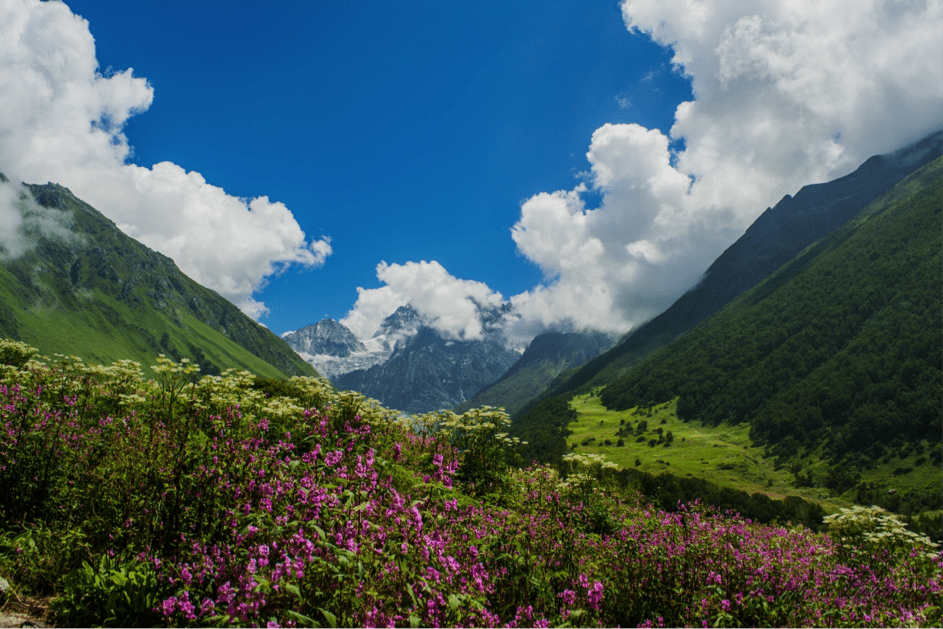
Valley of Flowers 2026 at a Glance (Practical Info Box)
Here is the quick reference you can screenshot before you leave. All figures below are as of the 2026 season. Prices and the registration process change every year, so please verify on the official portal close to your travel date.
| Open season | 1 June to 31 October 2026 |
| Peak bloom | Mid-July to mid-August (600+ alpine species) |
| Entry fee (Indian) | Rs 200, valid for 3 days |
| Entry fee (foreigner) | Rs 800, valid for 3 days |
| Children under 12 | Free |
| Daily visitor cap | 300 visitors per day (enforced since 2017) |
| Online registration | valleyofflower.uk.gov.in (official forest portal) |
| Gate timings | Opens 7:00 AM, last entry 2:00 PM, everyone must exit by 5:00 PM |
| Base village | Ghangaria (no stay allowed inside the valley) |
| Valley base altitude | 3,658 m (about 12,000 ft), upper meadows around 4,050 m |
| Trek from Govindghat | Road to Pulna (4 km), then approx 9-10 km trek to Ghangaria, then 4 km into the valley |
| Last verified | September 2026 |
What Changed for 2026? Registration Went Online
The biggest update this year is that the permit registration has gone virtual. Earlier, most people simply showed up at the Ghangaria forest check post, filled a register, paid the fee, and walked in. In 2026 the Uttarakhand Forest Department launched an online portal so you can apply for and download your permit in advance. The official website is valleyofflower.uk.gov.in. The online window typically opens a couple of days before the park opens, so do not panic if the booking page is not live in early May.
Now, keep in mind that the offline counter at Ghangaria still exists for people who could not book online, but with a daily cap of only 300 visitors, I would not gamble on walk-in availability during the peak July to August window. Book online, carry the printout or a screenshot, and save yourself the stress. According to the Forest Department notification, the same entry fee applies whether you book online or at the counter, so going online costs you nothing extra and saves you a queue.
Planning a Valley of Flowers trip in July or August? The monsoon season is actually the peak bloom window for the valley. My Uttarakhand in Monsoon 2026 guide covers what to expect during the rains, which routes stay open, and how to plan around weather windows. And like most monsoon seasons in the Himalayas, 2026 saw a few short landslide-related closures on the Rishikesh to Govindghat stretch in early August. The road and the park both reopened once the debris was cleared, which is the usual pattern here, so always check the latest road status a day or two before you leave rather than trusting an old blog post.
How Do I Register Online for the Valley of Flowers Permit?
The online registration is straightforward once the portal is live. Go to valleyofflower.uk.gov.in, choose the date you plan to enter, fill in each traveler’s name and a government ID number, pay the entry fee online, and download the permit. Carry a printout plus the original ID you used, because the forest staff at the gate cross-check both. The Rs 200 Indian permit is valid for three days, so you can enter the valley on more than one day during your Ghangaria stay without paying again.
- Open the official portal at valleyofflower.uk.gov.in (it goes live roughly two days before the 1 June opening).
- Select your intended date of entry and the number of visitors in your group.
- Enter each person’s name and a valid government photo ID number (Aadhaar works well for Indians, passport for foreigners).
- Pay online: Rs 200 per Indian adult, Rs 800 per foreign national. Children under 12 are free.
- Download and print the permit. Save a screenshot as backup in case mobile network drops at Ghangaria.
- At the forest gate near Ghangaria, show the permit and the matching original ID. The permit is valid for three days from your entry date.
In case the online portal is down or you simply could not book ahead, head to the Ghangaria permit counter early in the morning. It usually opens before the 7 AM gate timing so people can register and start walking. Just remember the 300-person daily cap is real, and on a busy weekend it fills up.
What Is the Entry Fee and the Daily Visitor Cap?
The 2026 entry fee is Rs 200 for Indian citizens and Rs 800 for foreign nationals, both valid for three days. Children under 12 enter free. A daily cap of 300 visitors has been enforced since 2017 to protect the fragile ecosystem, so during peak season permits can run out. Book online early.
Let us be clear about why the cap matters to your planning. The Valley of Flowers is not a regular tourist park where you can rock up any time. It is a UNESCO World Heritage Site and a core part of the Nanda Devi Biosphere Reserve. The 300-visitor limit is the single biggest reason I keep telling people to book online in advance during July and August. If you arrive at Ghangaria on a peak-season Saturday hoping to register at the counter and the day’s quota is already gone, your trek up to the valley is finished before it began. That is a heartbreak you can avoid with one online booking.
One more practical note. The permit does not allow you to stay overnight inside the valley. There is no camping, no homestay, no dhaba inside the park. You enter after 7 AM, you explore, and you must walk back out to Ghangaria before the gate closes and everyone is required to be out by 5:00 PM. Plan your day around that, especially if you want to go deep towards the upper meadows.
How Do I Reach the Valley of Flowers from Rishikesh?
From Rishikesh, drive roughly 250 to 273 km to Govindghat (about 9 to 10 hours via Devprayag, Rishikesh, Joshimath). From Govindghat, a shared jeep takes you 4 km to Pulna, where the road ends. Then trek about 9 to 10 km uphill to Ghangaria, the base village. The valley is a further 4 km from Ghangaria.
Let us break the journey into the stages you will actually travel, because the Govindghat road situation has changed and a lot of old posts still say you trek the full 13 km from Govindghat. That is no longer true.


- Rishikesh to Govindghat: About 250-273 km by road, 9-10 hours depending on traffic and landslide-prone stretches near Joshimath. Buses and shared taxis run this Char Dham route. Most people break the drive with a night at Joshimath or Pipalkoti.
- Govindghat to Pulna: The motorable road now extends 4 km up to Pulna village. Shared jeeps ferry trekkers for around Rs 50 per person. This is also where you park your own car or bike, since vehicles cannot go beyond Pulna.
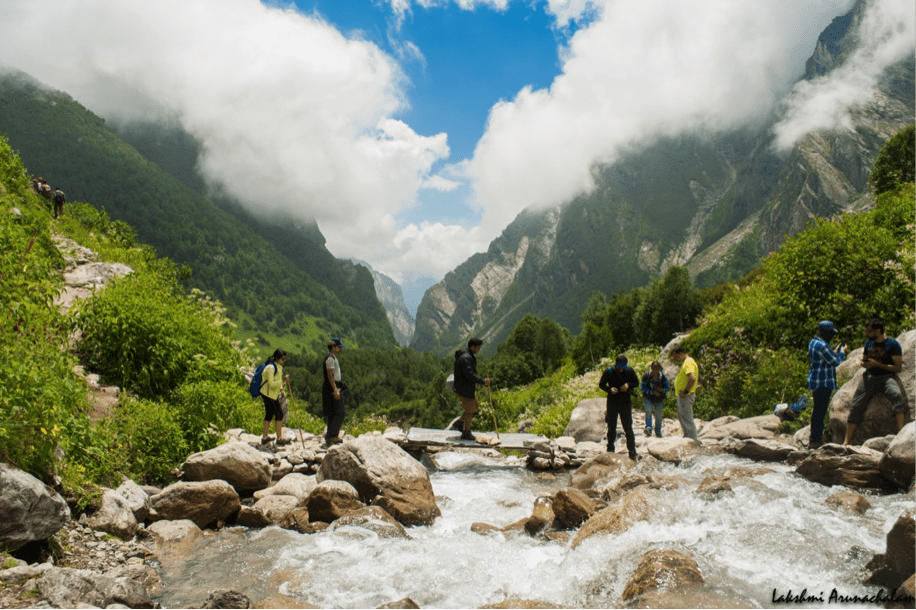
- Pulna to Ghangaria: A trek of roughly 9-10 km that climbs to Ghangaria at around 3,050 m. Budget 5 to 7 hours at a relaxed pace. This is the long, steady-climbing part of the day.
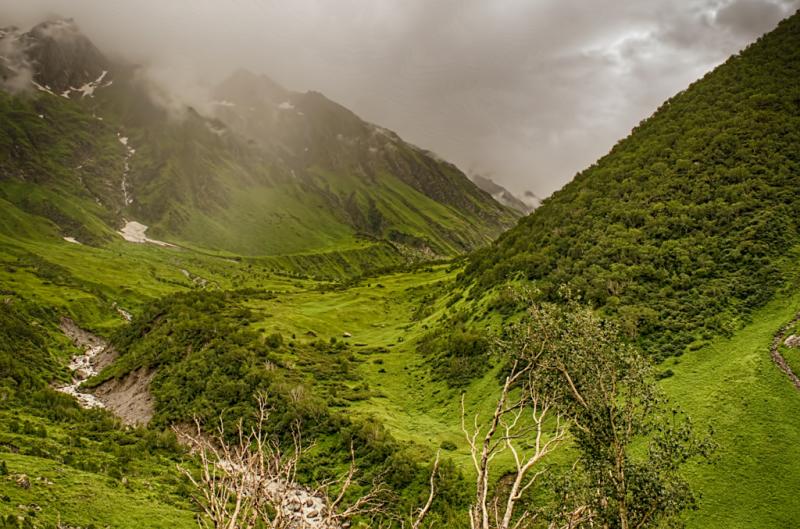
- Ghangaria to Valley of Flowers: About 4 km one way, taking you to the valley base at 3,658 m. The forest gate where your permit is checked sits just outside Ghangaria.
The nearest railhead is Rishikesh (about 273 km) and the nearest airport is Jolly Grant near Dehradun. From either, you will still have that long mountain drive to Govindghat, so plan a full day just for road travel. According to Uttarakhand Tourism’s official site, the Valley of Flowers is connected up to Govind Ghat with motorable roads, which confirms the Pulna extension mentioned above rather than the older 13 km trek some guides still describe.
The Govindghat Parking and Pulna Situation in 2026
If you are self-driving or riding, this section matters. You cannot drive all the way to the trailhead. The road ends at Pulna, 4 km beyond Govindghat. Most travelers park their vehicle at Govindghat in the paid parking lots near the gurudwara and the market, then take a shared jeep up to Pulna. Some people drive themselves up to Pulna and park there, but parking space at Pulna is limited and fills fast during peak season.
My honest suggestion: park at Govindghat where there is more space and reliable security near the gurudwara, then grab the shared jeep to Pulna for about Rs 50. It is cheaper than the stress of hunting for a Pulna parking slot at 6 AM. Keep in mind that Govindghat is also a major stop on the Hemkund Sahib pilgrimage, so during the yatra season the whole area gets busy with pilgrims, vehicles, and langar crowds.
Where Do I Stay? Ghangaria Is the Only Base
Ghangaria is the only place to stay near the valley. There is no accommodation inside the park. Options range from basic guesthouses and trekker lodges to the GMVN (Garhwal Mandal Vikas Nigam) rest house and a few tented camps. Budget rooms run from around Rs 800 to Rs 2,000 a night, with prices rising in peak season. Book ahead for July and August.
Ghangaria is a small, seasonal settlement that exists purely for the Valley of Flowers and Hemkund Sahib trekkers and pilgrims. Electricity can be patchy and runs largely on generators in the evening, mobile network is weak to non-existent, and hot water is often a bucket affair. Do not expect luxury here, my friend. What you get is a warm bed, hot dal-chawal, the inevitable plate of Maggi, and a base to launch both the Valley of Flowers and the Hemkund Sahib treks. Most travelers spend two nights at Ghangaria: one day for the valley, one day for Hemkund.
For accommodation prices, the booking process for GMVN, and a day-by-day plan, you may find our older Valley of Flowers and Hemkund Sahib itinerary and the detailed Valley of Flowers trek travel guide useful as companion reads to this permit-focused article.
When Is the Best Time to Visit the Valley of Flowers?
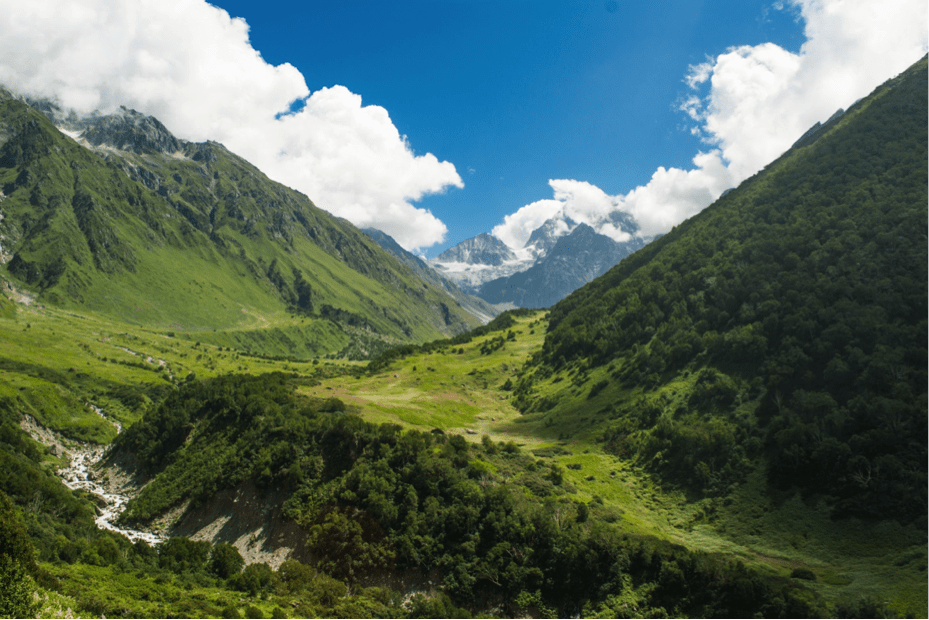
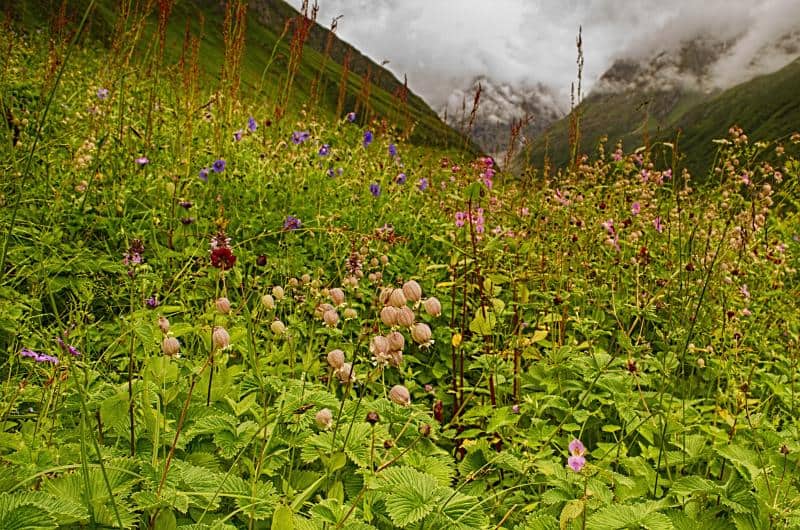
Mid-July to mid-August is the best time for peak bloom, when over 600 species of alpine flowers carpet the valley. June is greener with fewer flowers, and September brings golden autumn colours with the seed heads. The park stays open 1 June to 31 October, but the flower show is strongest during the monsoon weeks of July and August.
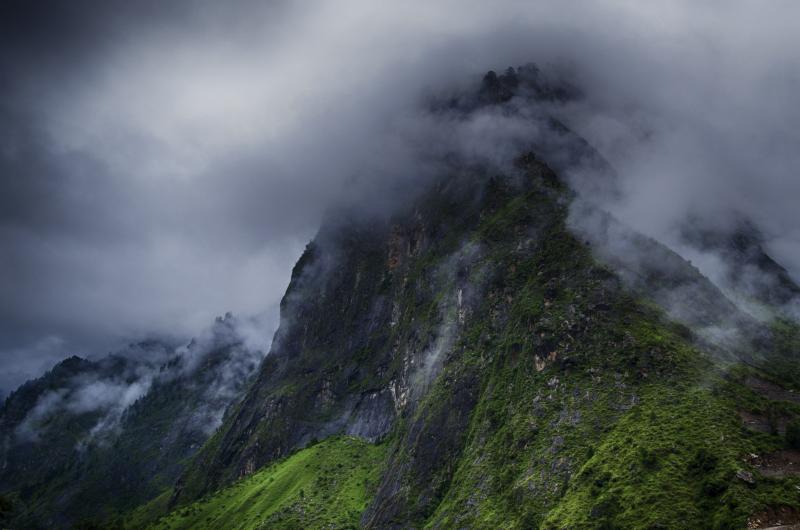
Here is the honest trade-off. The same monsoon that triggers the spectacular bloom also makes the trail muddy, slippery, and leech-prone, and it can disrupt the Rishikesh to Govindghat road with landslides. So while July and August give you the postcard meadows, you are also accepting wet weather, possible road delays, and slick trail sections. If you want fewer flowers but more stable weather and clearer mountain views, early June or late September works well. For first-timers chasing the full bloom, I would still pick the last week of July or the first two weeks of August and simply plan for rain.
If you are planning a late-season visit in September or October, you are past peak bloom, but the crowds thin out considerably and the weather tends to be more stable than the monsoon months. The meadows shift to gold and rust tones by late September, giving you a quieter trek with clearer mountain views, even though the flower count is well down from the July-August peak.
Valley of Flowers Budget Breakdown 2026
Costs depend heavily on how you travel and whether you combine the valley with Hemkund Sahib. The table below is a per-person estimate for a typical trip from Rishikesh, assuming you are travelling in a small group and staying two nights at Ghangaria. Treat these as indicative ranges and verify current rates locally, since mountain prices shift with the season.
| Expense | Budget | Comfort |
| Rishikesh to Govindghat transport (shared/bus, return) | Rs 1,500 | Rs 4,000 (private taxi share) |
| Govindghat to Pulna shared jeep (return) | Rs 100 | Rs 100 |
| Ghangaria stay (2 nights) | Rs 1,600 | Rs 4,000 |
| Food (2-3 days) | Rs 800 | Rs 1,500 |
| Valley of Flowers entry permit | Rs 200 | Rs 200 |
| Pony/porter (optional, per stretch) | Rs 0 (walking) | Rs 1,500 |
| Approximate total per person | Rs 4,200 | Rs 11,300 |
So a no-frills, self-walking trip from Rishikesh works out to roughly Rs 4,200 per person, while a more comfortable trip with private transport, better rooms, and a pony for the climb lands around Rs 11,300. If you also want to do Hemkund Sahib, add a pony or your own legs for the 6 km uphill stretch. Like I always say, do the math for your own group size, because sharing a taxi between four people changes the per-head cost dramatically. Four is the magical number for splitting transport in the Himalayas.
On ponies and porters, rates from Pulna to Ghangaria run roughly Rs 1,000 to Rs 2,000 per stretch depending on season and demand. There is also a helicopter service between Govindghat and Ghangaria, but fares vary widely across operators and seasons, so I will not quote a fixed number here. Please check the current rate locally at Govindghat before you commit, and remember the helicopter only saves you the Pulna to Ghangaria climb, not the walk into the valley itself.
What Should You Pack for the Valley of Flowers Trek?
Pack for wet, cold, and unpredictable mountain weather even in summer: a rain poncho or waterproof jacket, quick-dry trekking clothes, sturdy waterproof shoes with grip, a warm layer for Ghangaria evenings, a headlamp, and a dry bag or poly bags to protect electronics and documents from the monsoon rain.
I get asked this every season, so let me keep it practical rather than hand you a generic trekking checklist copied from somewhere else. The Valley of Flowers trek happens mostly during the monsoon, so rain is not a maybe, it is a given on most days. Here is what actually matters:
- Rain protection: A poncho that covers your backpack, or a proper rain jacket plus a rain cover for your bag. Umbrellas are useless on the narrow trail sections.
- Footwear: Waterproof trekking shoes with good grip, broken in before the trip. The trail gets muddy and has stream crossings, so avoid brand-new shoes.
- Layers: A quick-dry t-shirt or two, a fleece or light down jacket for Ghangaria mornings and evenings, and trekking pants that dry fast.
- Dry bags or poly bags: For your phone, ID, permit printout, and cash. Mobile network is weak past Govindghat, so protect the device that has your offline maps and permit screenshot.
- Headlamp or torch: Ghangaria’s power runs on generators in the evening and can cut out.
- Basic medical kit: Diamox if your doctor has approved it for AMS, blister plasters, and any personal medication. There is no pharmacy once you are past Govindghat.
- Trekking pole: Genuinely useful on the Pulna to Ghangaria climb and on wet, uneven sections inside the valley.
- Cash: Carry enough, since digital payments are unreliable at Ghangaria and non-existent inside the park.
If you want a broader packing checklist for any Himalayan trip, my complete packing checklist for mountain trips and guide to packing your backpack properly cover the details I have not repeated here.
Safety, Altitude, and AMS: Please Read This
The Valley of Flowers sits at 3,658 m and the upper meadows climb beyond 4,000 m, while nearby Hemkund Sahib is at 4,329 m. That is real altitude, and acute mountain sickness (AMS) is a genuine risk, not adventure marketing. Walk slowly, hydrate well, and do not rush the Pulna to Ghangaria climb on day one.
Most healthy travelers handle the Valley of Flowers fine because you sleep at Ghangaria around 3,050 m and the valley day-hike does not push you too high. The bigger AMS concern is Hemkund Sahib at 4,329 m, where people sometimes get headaches, nausea, and breathlessness because they climb 1,300 m in a single morning. If you feel a worsening headache, dizziness, or vomiting, do not push higher. Turn around and descend. Please take a sensible call for yourself and the loved ones waiting for your safe return. For a deeper dive into recognizing symptoms early and acclimatizing properly, my guide to preventing AMS covers this in more detail.
- Acclimatize: Spend a night at Joshimath or Govindghat on the way up rather than racing from Rishikesh to Ghangaria in one shot.
- Rain gear: A good poncho, waterproof shoes with grip, and a dry bag for electronics are non-negotiable in July and August. The trail gets genuinely slippery.
- Start early: The gate opens at 7 AM and you must exit the same day. Going in early gives you time to reach the upper meadows and walk back safely.
- Network and cash: Mobile connectivity is poor at Ghangaria and absent inside the valley. Carry enough cash, since digital payments are unreliable up there.
- Leave no trace: No plastic, no plucking flowers, no straying off the marked trail. This is a protected core zone. Carry your trash back down.
Combining the Valley of Flowers with Hemkund Sahib
Most people who trek to Ghangaria do both the Valley of Flowers and Hemkund Sahib, and it makes sense because you have already done the hard climb to base. The standard plan is two full days from Ghangaria: one day for the valley, one day for Hemkund. The two treks go in different directions from Ghangaria, so you cannot do both well in a single day.
Hemkund Sahib is a revered Sikh shrine beside a glacial lake at 4,329 m, a 6 km uphill trek from Ghangaria that is steeper and higher than the valley walk. Pilgrims of all faiths visit, and the gurudwara langar serves hot food and tea. Because Hemkund is significantly higher, treat it as the more demanding of the two and watch for AMS as described above. If you only have time for one, the Valley of Flowers is the gentler and more flower-focused experience, while Hemkund is the higher, more spiritual one.
One more thing to keep in mind if you are visiting late in the season. Hemkund Sahib’s gurudwara typically closes earlier than the Valley of Flowers itself, usually around the second week of October (the kapat closing was around 10 October in 2026), while the national park stays open until 31 October. If you are planning a September or October trip, check the current Hemkund closing date before you build a combined itinerary, because turning up after the gurudwara has shut means you only get the valley.
Suggested 6-Day Plan from Delhi
Here is a clean, realistic itinerary for travelers starting from Delhi. Adjust it for your own leave days and pace. This plan builds in acclimatization and gives you both the valley and Hemkund.
- Day 1: Delhi to Rishikesh or Haridwar, then onward to Joshimath or Pipalkoti. Long road day, so start early.
- Day 2: Drive to Govindghat, take a shared jeep to Pulna, then trek 9-10 km to Ghangaria. Rest and acclimatize.
- Day 3: Trek to the Valley of Flowers (about 4 km each way). Enter after 7 AM with your permit, explore the meadows, and return to Ghangaria before the gate closes.
- Day 4: Trek 6 km uphill to Hemkund Sahib, visit the gurudwara and lake, descend to Ghangaria.
- Day 5: Trek down to Pulna, jeep to Govindghat, drive towards Joshimath or Rudraprayag.
- Day 6: Drive back to Rishikesh and onward to Delhi.
If you have an extra day, add a buffer at Joshimath for acclimatization or weather. Monsoon landslides on this Char Dham route are common, and having a spare day means a road delay does not blow up your whole plan. If you can spare a 7th day, break your return journey with a stop at Auli, about 16 km from Joshimath. The cable car ride there is worth the detour, and it turns the trip into a fuller Garhwal loop instead of a straight there-and-back yatra. My Auli travel guide has the ropeway timings and costs if you want to add this stop.
Related Reading from Discover With Dheeraj
If you are building a wider Garhwal or Uttarakhand trip around the Valley of Flowers, these guides will help you plan the surrounding region:
- Badrinath travel guide (it is close to Govindghat and easy to add on)
- Auli complete travel guide near Joshimath
- Garhwal day-by-day itinerary for the wider region
- Char Dham Yatra complete guide if you want to combine the pilgrimage
- Easy treks in Uttarakhand for beginners
- Harsil travel guide, another beautiful Garhwal escape
- Tungnath and Chandrashila trek guide, another high-altitude Garhwal favorite
- Kedarnath complete travel guide if you are combining this with the wider Char Dham region
Frequently Asked Questions
What is the entry fee for the Valley of Flowers in 2026?
The 2026 entry fee is Rs 200 for Indian citizens and Rs 800 for foreign nationals, both valid for three days. Children under 12 enter free. The same fee applies whether you book online or at the Ghangaria counter.
How do I book the Valley of Flowers permit online?
Visit the official forest portal at valleyofflower.uk.gov.in, select your entry date, enter each traveler’s name and government ID number, pay the fee online, and download the permit. Carry a printout and the matching original ID to the forest gate near Ghangaria. The online window usually opens about two days before the 1 June opening.
Is there a daily visitor limit at the Valley of Flowers?
Yes. A cap of 300 visitors per day has been enforced since 2017 to protect the fragile alpine ecosystem. During the peak July to August bloom, permits can run out, so booking online in advance is strongly recommended.
When does the Valley of Flowers open and close in 2026?
The Valley of Flowers closes for the season on 31 October 2026. The park is open from 1 June to 31 October 2026, the gate opens at 7:00 AM with last entry at 2:00 PM, and everyone must exit by 5:00 PM. Peak flower bloom is mid-July to mid-August. Keep in mind that Hemkund Sahib’s gurudwara usually closes earlier, around the second week of October, so plan any combined trip accordingly.
How long is the trek to the Valley of Flowers?
From Govindghat you take a shared jeep 4 km to Pulna, then trek about 9-10 km to Ghangaria, the base village. The Valley of Flowers is a further 4 km one way from Ghangaria. Most people spend two nights at Ghangaria to also visit Hemkund Sahib.
Can I stay inside the Valley of Flowers?
No. There is no accommodation or camping inside the park. You enter after 7 AM, explore for the day, and must walk back to Ghangaria before the gate closes. All stays, food, and lodges are at Ghangaria.
Is the Valley of Flowers trek difficult?
It is a moderate trek. The hard part is the 9-10 km climb from Pulna to Ghangaria. The valley walk itself, about 4 km each way at a gentle gradient, is easier. Hemkund Sahib at 4,329 m is the more demanding leg. Walk slowly, hydrate, and watch for AMS at altitude.
What is the best time to visit for the flowers?
Mid-July to mid-August is peak bloom, with over 600 alpine species in flower. June is greener with fewer blooms, and September brings autumn colours. The trade-off in peak season is monsoon rain, mud, and possible landslides on the road.
How much does a Valley of Flowers trip cost in 2026?
A budget trip from Rishikesh costs around Rs 4,200 per person for two nights at Ghangaria with shared transport and no pony. A more comfortable trip with private transport, better rooms, and a pony for the climb costs around Rs 11,300 per person. The Rs 200 entry permit fee is included in both estimates.
What is the nearest airport and railway station to the Valley of Flowers?
The nearest airport is Jolly Grant near Dehradun, and the nearest railhead is Rishikesh, about 273 km from Govindghat. From either point, expect a full day of mountain driving to reach Govindghat, the road base for the trek.
What should I pack for the Valley of Flowers trek?
Pack for monsoon weather even if you are visiting in June or September: a rain poncho or waterproof jacket, waterproof shoes with grip, quick-dry clothes, a warm layer for Ghangaria evenings, a headlamp, a dry bag for electronics and your permit, and a basic medical kit. Trekking poles help on the Pulna to Ghangaria climb.
Does Hemkund Sahib close before the Valley of Flowers?
Yes. Hemkund Sahib’s gurudwara typically closes around the second week of October (around 10 October in 2026), while the Valley of Flowers National Park stays open until 31 October. If you are visiting in late season, verify Hemkund’s exact closing date before planning a combined trip.
Final Thoughts
The Valley of Flowers is one of those rare Himalayan places where the hype is genuinely earned, and the new online registration for 2026 actually makes planning easier once you know the portal. Book your permit at valleyofflower.uk.gov.in in advance, respect the 300-visitor cap, carry rain gear, walk slowly at altitude, and give yourself two nights at Ghangaria so you can do both the valley and Hemkund Sahib without rushing. Do all that, and you are set for a wonderful trek, my friend.
Please keep in mind that fees, the registration process, and road conditions can change each season, so verify the latest on the official portal close to your travel date. If you have done this trek recently and have updated rates or tips to share, I would love to hear them so they can help other travelers, either in the comments below or over in the DwD Community where fellow trekkers swap current updates. If you have any questions, feel free to ask in the comments section below 🙂
Last Updated: September 2026. Facts, fees, and registration details in this guide were rechecked before this update.
