


If you are planning the Char Dham Yatra in 2026, the season is already well underway and there are some important things you need to know before you book anything. Biometric Aadhaar registration is mandatory this year, the 60-40 online-offline registration split is new, helicopter tickets for Kedarnath are sold as round-trip only through IRCTC HeliYatra, and the rush has been unlike anything the circuit has seen before. Nearly 30 lakh pilgrims (29,92,272 to be exact) completed the yatra in just the first 47 days, from April 19 to June 4, which is a record for any opening stretch in Char Dham history. I have been following this circuit closely and have traveled to Kedarnath and Badrinath multiple times over the years, so I will share everything I know to help you plan this journey properly.
The Char Dham Yatra covers four sacred temples in Uttarakhand, Yamunotri, Gangotri, Kedarnath, and Badrinath, and the complete circuit from Delhi takes about 10-12 days by road, covering roughly 1,500-2,000 km. In this guide, I will walk you through the 2026 dates, the registration process, a day-by-day itinerary, the budget breakdown, helicopter booking, and the current on-ground situation on each route.
| Yatra Season | April 19 – November 13, 2026 |
| Total Circuit Distance | ~1,500-2,000 km from Delhi (by road) |
| Days Required | 10-12 days (complete circuit) |
| Budget Estimate | Rs 18,000-1,05,000 per person (budget to comfort) |
| Registration | Mandatory, free, online opened March 6, 2026 (offline counters from April 15) |
| Best Months | May-June and September-October |
| Key Altitudes | Kedarnath: 3,583m | Badrinath: 3,133m |
| Last Updated | August 2026 |
Current status, as of August 2026: All four Dhams are OPEN and the yatra is running, but this is peak monsoon. The India Meteorological Department has kept Uttarakhand under repeated heavy-rain alerts through July and August, and the Gangotri National Highway was closed near Dharasu and Nalupani on August 6, 2026 after rain-triggered debris. Kedarnath helicopter sorties are on their usual monsoon break and fly only in clear windows. In case your dates are flexible, wait for September. That is when the roads stabilise and the heli slots open up properly again.
When does the Char Dham Yatra 2026 start and what are the temple opening dates?
The Char Dham Yatra 2026 began on April 19 with Yamunotri and Gangotri opening first, followed by Kedarnath on April 22 and Badrinath on April 23. All temples close by mid-November. Online registration opened March 6, 2026 and offline counters started April 15, 2026, and both are still open for the remainder of the season.
Here are the confirmed opening and closing dates for all four Dhams in 2026. Keep in mind that the opening dates are decided based on the Hindu calendar, specifically on Akshaya Tritiya (April 19, 2026), and the closing dates are announced on Vijayadashami (Dussehra) every year.
| Temple | Opening Date | Closing Date | Altitude |
|---|---|---|---|
| Yamunotri | April 19, 2026 | November 11, 2026 | 3,293m (10,804 ft) |
| Gangotri | April 19, 2026 | November 10, 2026 | 3,100m (10,170 ft) |
| Kedarnath | April 22, 2026 | November 11, 2026 | 3,583m (11,755 ft) |
| Badrinath | April 23, 2026 | November 13, 2026 | 3,133m (10,279 ft) |
The traditional clockwise route starts with Yamunotri, then Gangotri, followed by Kedarnath, and finally Badrinath. I would suggest following this sequence because it gradually increases in altitude and difficulty, giving your body time to acclimatize. However, many pilgrims now start with Badrinath and work backwards, the choice is yours.
How do I register for the Char Dham Yatra 2026? What are the new rules?
Registration is mandatory and free for all pilgrims. In 2026, biometric Aadhaar-based registration is compulsory. Online registration opened on March 6, 2026 at registrationandtouristcare.uk.gov.in and offline counters opened April 15, 2026. The new 60-40 split means 60% slots are online and 40% at offline counters in Haridwar and Rishikesh. Pre-registrations before the season even began crossed 17-18 lakh, the highest in Char Dham history, so book your dates as early as you can.
The Uttarakhand government introduced two important changes for 2026. Biometric registration linked to your Aadhaar Card is now mandatory, where it was optional in earlier years. And there is a new 60-40 registration split, with 60% of registrations online and 40% at offline counters (30 counters in Rishikesh and 20 in Haridwar).
How to Register Online (Step by Step)
- Visit the official Uttarakhand Tourist Care and Yatra registration portal or download the Tourist Care Uttarakhand app
- Create an account with your name, mobile number, and registration type (Individual, Family, or Tour Operator)
- Complete OTP verification on your mobile and email
- Log in and create your tour, enter tour type, dates, number of pilgrims, and destinations
- Add pilgrim details: full name, age, gender, Aadhaar number, emergency contact
- Upload a passport-sized photo and valid ID (Aadhaar, Voter ID, PAN, Passport, format: 10kb-150kb, .jpg or .png)
- Submit the form, you will receive a Yatra Registration Letter via SMS with a QR code
Alternative registration methods: Send “YATRA” to 8394833833 on WhatsApp, or call the toll-free helpline at 0135-1364. You can also register through authorized travel operators at no extra cost.
At each shrine, your QR code wristband will be scanned at verification centers. Dobata (Yamunotri), Heena (Gangotri), Sonprayag (Kedarnath), and Pandukeshwar (Badrinath). These centers are connected to a central control room in Dehradun for real-time pilgrim tracking. Hence, do make sure your registration is complete before you leave for the yatra.
What is the best time to go for the Char Dham Yatra in 2026?
The best months are May-June (warm weather, all roads open) and September-October (fewer crowds, clear skies, lush green scenery). Avoid July-August due to heavy monsoon rains and landslide risks. May to mid-June sees the heaviest crowds due to school holidays.
Let me break this down month by month so you can pick the window that works best for you:
| Month | Weather | Crowds | Verdict |
|---|---|---|---|
| Late April | 10-20°C, cool nights, some snow at higher altitudes | Low-Medium | Good, early season, roads just opened |
| May | 15-30°C, pleasant days, clear skies | High (peak) | Best weather but heavy crowds |
| June | 18-35°C, warm, pre-monsoon showers late June | Very High | Good weather, maximum rush |
| July-August | 15-25°C, heavy rainfall 400+ mm/month | Low | Avoid, landslides, road closures, heli grounded |
| September | 12-25°C, post-monsoon, green landscapes | Low | Excellent, clear views, fewer pilgrims |
| October | 5-20°C, crisp, clear Himalayan views | Low-Medium | Best for photography and peace |
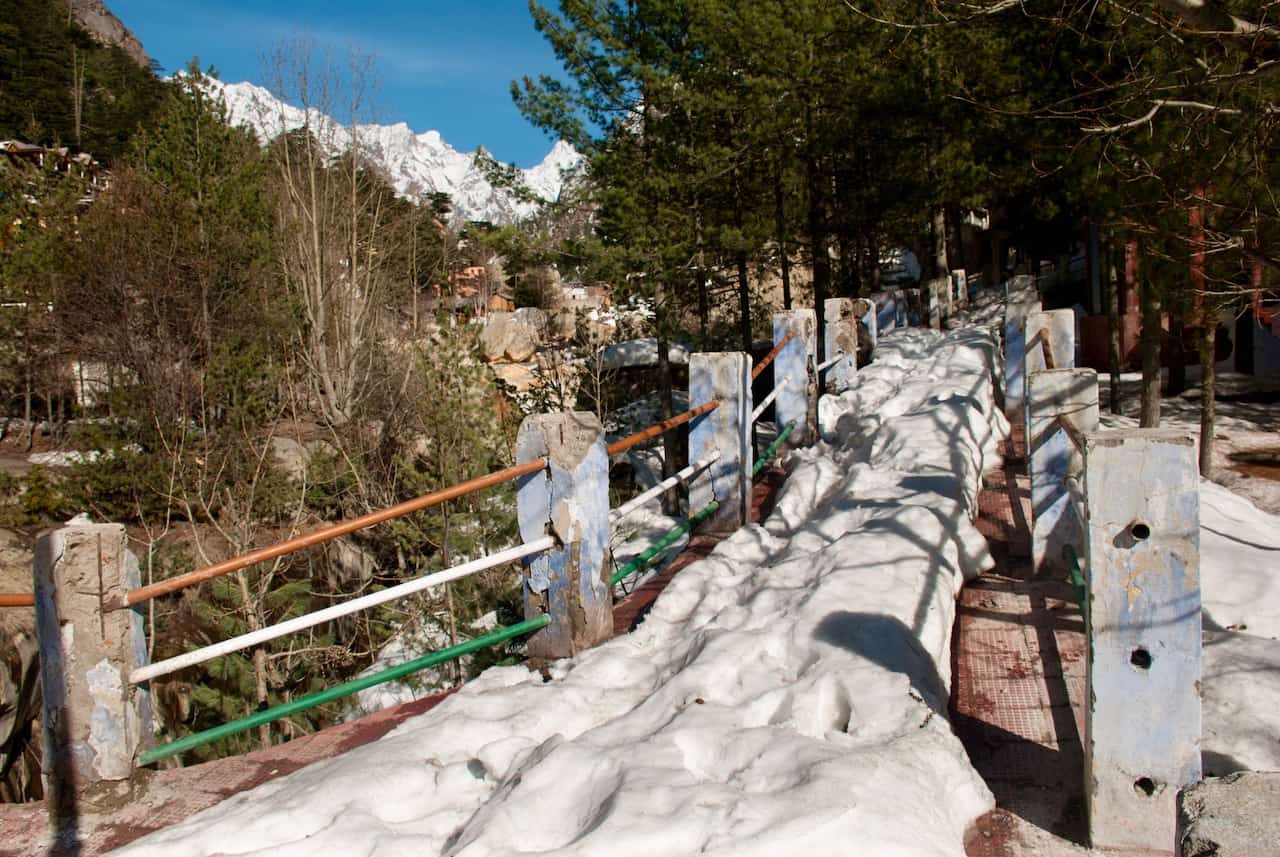
About that July-August row, I want to be specific rather than vague. This season has already shown what monsoon does to these routes. The Gangotri National Highway was blocked near Dharasu and Nalupani on August 6, 2026, debris came down around Helgugad, and the Yamunotri route has seen its own landslide-driven closures. Before you commit to monsoon dates, check the IMD weather warnings for Uttarakhand and the Uttarakhand Tourism advisories on the morning you plan to move, not the week before.
If I were planning my Char Dham Yatra in 2026, I would go in late September or early October. The weather is perfect, the crowds have thinned out significantly after the monsoon, and the landscapes are lush and green from the rains. The only downside is that nights get cold at Kedarnath, temperatures can drop to 0-5°C, so carry proper woolens. If you are looking at the tail end of the season specifically, my October 2026 late-season Char Dham guide covers closing dates, weather shifts, and what changes as the yatra winds down.
How much does the Char Dham Yatra cost in 2026? Complete budget breakdown
A complete Char Dham Yatra costs approximately Rs 18,000-27,000 (budget), Rs 38,000-56,000 (mid-range), or Rs 73,000-1,05,000 (comfort) per person for 10-12 days. This includes transport, accommodation, food, treks, and donations. Kedarnath helicopter (now round-trip only via IRCTC HeliYatra) costs Rs 6,390 from Sirsi, Rs 10,164 from Phata, or Rs 12,762 from Guptkashi per person (plus Rs 300 convenience fee and 18% GST).
Here is a detailed cost breakdown based on current 2026 prices. Keep in mind that costs vary depending on the season, peak months (May-June) are 20-30% more expensive than shoulder months (April, September-October).
| Category | Budget | Mid-Range | Comfort |
|---|---|---|---|
| Transport (ex-Delhi, 10-12 days) | Rs 5,000-8,000 (bus/shared) | Rs 15,000-20,000 (shared Innova) | Rs 30,000-40,000 (private car) |
| Accommodation (10 nights) | Rs 5,000-8,000 (dharamshala/GMVN) | Rs 10,000-15,000 (mid-range hotels) | Rs 20,000-30,000 (good hotels) |
| Food (10-12 days) | Rs 4,000-5,000 (dhaba meals) | Rs 5,000-8,000 (restaurant meals) | Rs 8,000-12,000 (hotel dining) |
| Trek aids (ponies, doli, porter) | Rs 2,000-3,000 (walk most) | Rs 5,000-8,000 (pony for Kedarnath) | Rs 10,000-15,000 (pony/doli all) |
| Misc (darshan, tips, emergency) | Rs 2,000-3,000 | Rs 3,000-5,000 | Rs 5,000-8,000 |
| Total (per person) | Rs 18,000-27,000 | Rs 38,000-56,000 | Rs 73,000-1,05,000 |
Last verified: August 2026. Prices may vary by 10-20% during peak season (May-June).
Helicopter to Kedarnath (optional but popular): The helicopter ride from Sirsi, Phata, or Guptkashi to Kedarnath takes about 7-10 minutes each way. For 2026, IRCTC HeliYatra is the only authorized portal and tickets are sold as round-trip only (no one-way). Official rates per person: Rs 6,390 from Sirsi, Rs 10,164 from Phata, Rs 12,762 from Guptkashi, plus a Rs 300 convenience fee and 18% GST. This saves you the grueling 16 km trek. Authorized operators include Pawan Hans, Himalayan Heli Services, and Arrow Aviation, all of whom operate sorties only through the IRCTC portal.


One thing most guides do not tell you clearly. The helicopter effectively stops running through the monsoon. The listed 2026 service window is May 2 to November 11, but sorties through July, August, and part of September are grounded again and again by poor visibility, low cloud, and high winds. Bookings in this window get cancelled at short notice. Hence, in case you are traveling now, treat the helicopter as a bonus and keep a pony, doli, or trek plan ready as your actual plan. For the May-June and October windows, book early on heliyatra.irctc.co.in, slots there fill up within hours.
Tips to Save Money
- Travel in a group of 4-5: Shared Innova or tempo traveler costs come down significantly, 4 is the magical number for splitting costs
- Go in September-October: Accommodation is 20-30% cheaper than peak season
- Stay in GMVN guesthouses: Government-run Tourist Rest Houses are available at all bases (Rs 500-1,500/night, book at gmvn.in)
- Carry packed snacks: Food gets expensive and options limited at higher altitudes, especially near Kedarnath
- Walk the Kedarnath trek: Saves Rs 5,000-8,000 on ponies/helicopter if you are fit enough
What is the day-by-day itinerary for the complete Char Dham circuit?
The traditional clockwise route takes 10-12 days starting from Delhi or Haridwar: Delhi to Barkot (Day 1), Yamunotri darshan (Day 2), Uttarkashi (Day 3), Gangotri darshan (Day 4), Guptkashi (Day 5), Kedarnath trek and darshan (Days 6-7), Pipalkoti (Day 8), Badrinath darshan (Day 9), return via Haridwar (Days 10-11).
Here is the most practical day-by-day itinerary that I would recommend. This follows the traditional clockwise route and includes enough buffer for rest and acclimatization:

Day 1: Delhi/Haridwar to Barkot (400 km from Delhi, 10-12 hours)
Start early from Delhi, ideally by 4-5 AM to beat the highway traffic. The drive to Haridwar (220 km) takes about 5-6 hours on the expressway. From Haridwar to Barkot, it is another 180-200 km of winding hill roads that take 6-8 hours. If you are starting from Haridwar or Rishikesh, you save half a day. Overnight stay in Barkot, several decent hotels and dharamshalas are available here.
Day 2: Barkot to Yamunotri and back
Drive from Barkot to Janki Chatti (45 km, about 2 hours). From here, it is a 6 km trek one-way to Yamunotri temple. Ponies and dolis (palanquins) are available if you cannot walk. Take a dip in the holy Surya Kund hot spring, offer prayers at the temple, and trek back. Return to Barkot for the night. Start early, the trek gets crowded after 9 AM.
Day 3: Barkot to Uttarkashi (100 km, 5 hours)
A relatively easy driving day through the beautiful Yamuna valley. In Uttarkashi, visit the ancient Vishwanath Temple, one of the oldest Shiva temples in the region. This is a good day to rest and let your body adjust to the altitude. Overnight in Uttarkashi.
Day 4: Uttarkashi to Gangotri and back (100 km one-way, 4-5 hours)
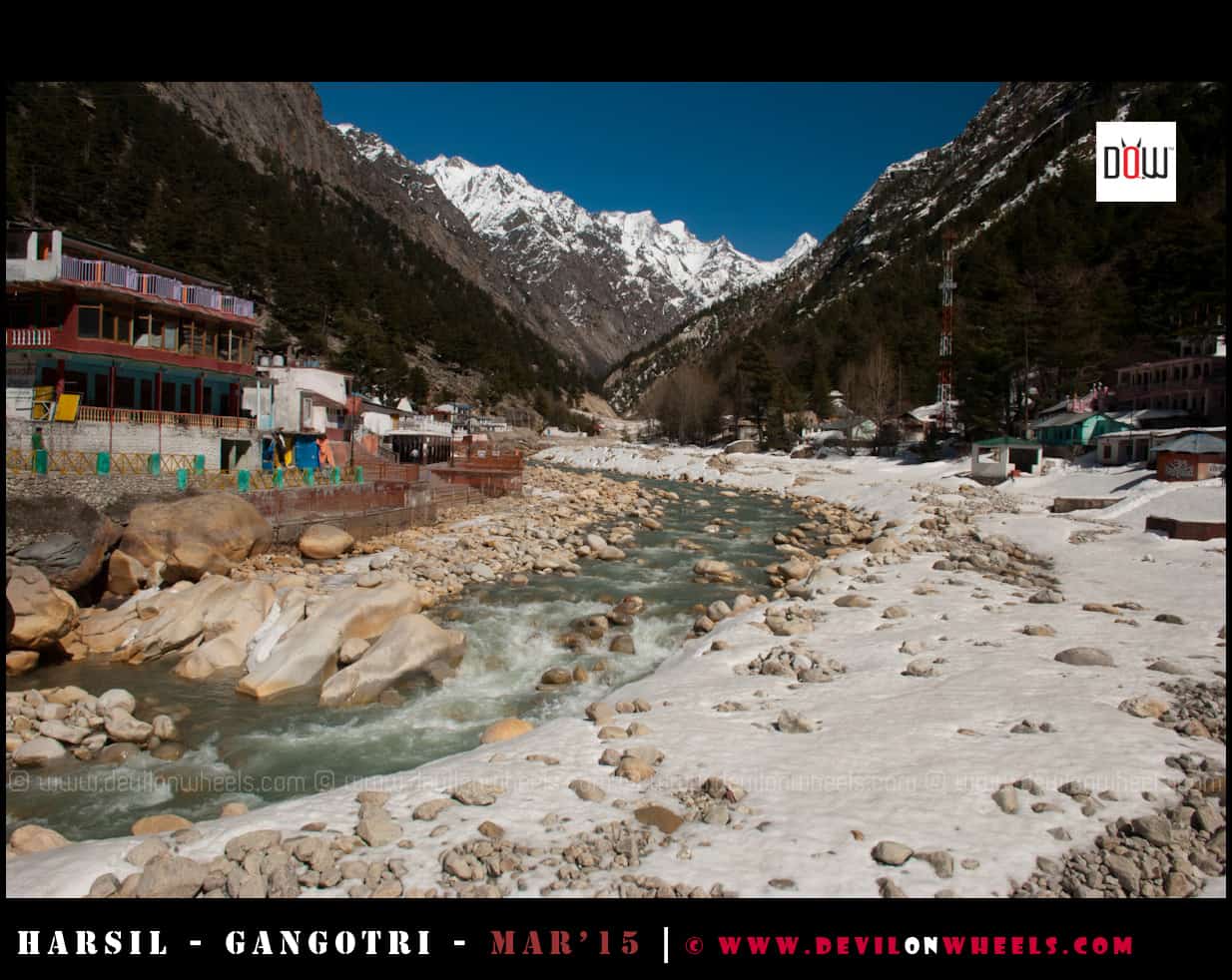
The road from Uttarkashi to Gangotri passes through Harsil, one of the most scenic stretches in all of Uttarakhand. At Gangotri, visit the temple dedicated to Goddess Ganga and take a dip in the holy Bhagirathi river. If you have time, walk to Pandavan Gufa (1.5 km from the temple). Return to Uttarkashi for the night.
One important update for the Gangotri leg. On August 5, 2025, a flash flood down the Kheerganga buried most of Dharali market, about 20 km short of Gangotri, under 12-18 meters of sediment and boulders. The Gangotri National Highway was cut and the yatra to Gangotri only resumed on September 10, 2025, after the BRO and the district administration rebuilt the damaged stretches. As of August 2026, the road is open and has been realigned a few meters away from the Bhagirathi bank, but Dharali market itself is still largely buried and only a handful of shops have reopened. Hence, do not plan on picking up supplies or finding a room at Dharali the way you could before 2025. Base yourself at Harsil, Gangnani, or Uttarkashi instead, and please travel through this stretch with some sensitivity. People here lost family and livelihoods.
Day 5: Uttarkashi to Guptkashi (220 km, 8-10 hours)
This is the longest driving day of the yatra. The route goes via Rudraprayag and the roads can be slow due to ongoing construction and narrow stretches. Start early and plan for a lunch stop at Rudraprayag. Overnight in Guptkashi, book your stay in advance as it gets packed during peak season.
Days 6-7: Guptkashi to Kedarnath and back
Day 6: Drive from Guptkashi to Gaurikund (35 km). From Gaurikund, begin the 16 km trek to Kedarnath, this is the most demanding part of the entire yatra. The trek takes 6-8 hours on foot. Ponies (Rs 3,000-5,000), porters, and doli/palki services are available. Helicopter option (round-trip only via IRCTC HeliYatra in 2026, and largely grounded through the monsoon): Rs 6,390 from Sirsi, Rs 10,164 from Phata, or Rs 12,762 from Guptkashi per person (plus Rs 300 convenience fee and 18% GST). Reach Kedarnath, take darshan at the Jyotirlinga temple, and stay overnight in basic dharamshalas or GMVN accommodation near the temple. My complete Kedarnath guide goes much deeper into the trek, the stay options at the base, and the darshan queues.
Day 7: Early morning darshan (the temple opens at 4 AM, the early morning aarti is something you should not miss), then trek/helicopter back to Gaurikund and drive to Guptkashi. This day will be exhausting, especially if you are trekking down. Rest well.
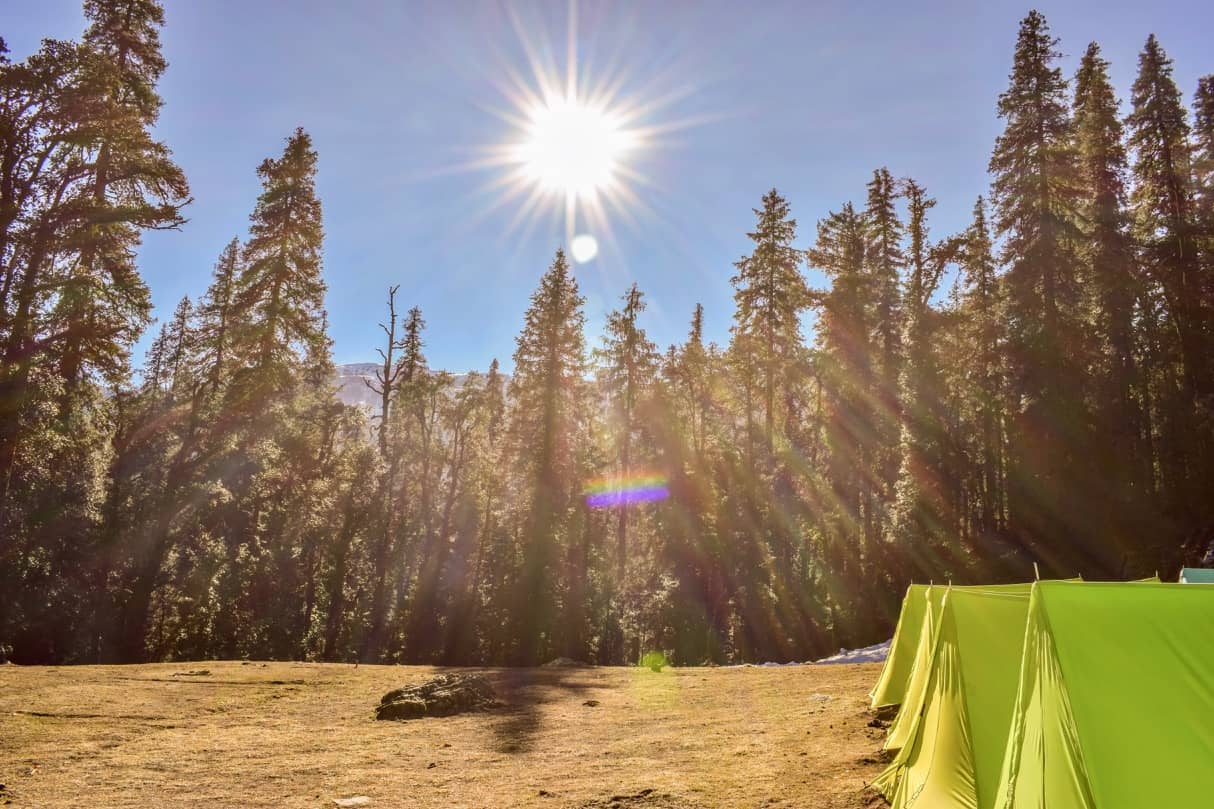
Day 8: Guptkashi to Pipalkoti/Joshimath (160 km, 6-7 hours)
Drive through the beautiful Garhwal hills towards Badrinath. You can stop at Chopta for a quick view of the Tungnath ridge if time permits (3.5 km short trek). Overnight in Pipalkoti or Joshimath.
Day 9: Pipalkoti to Badrinath and back (80 km one-way, 4 hours)
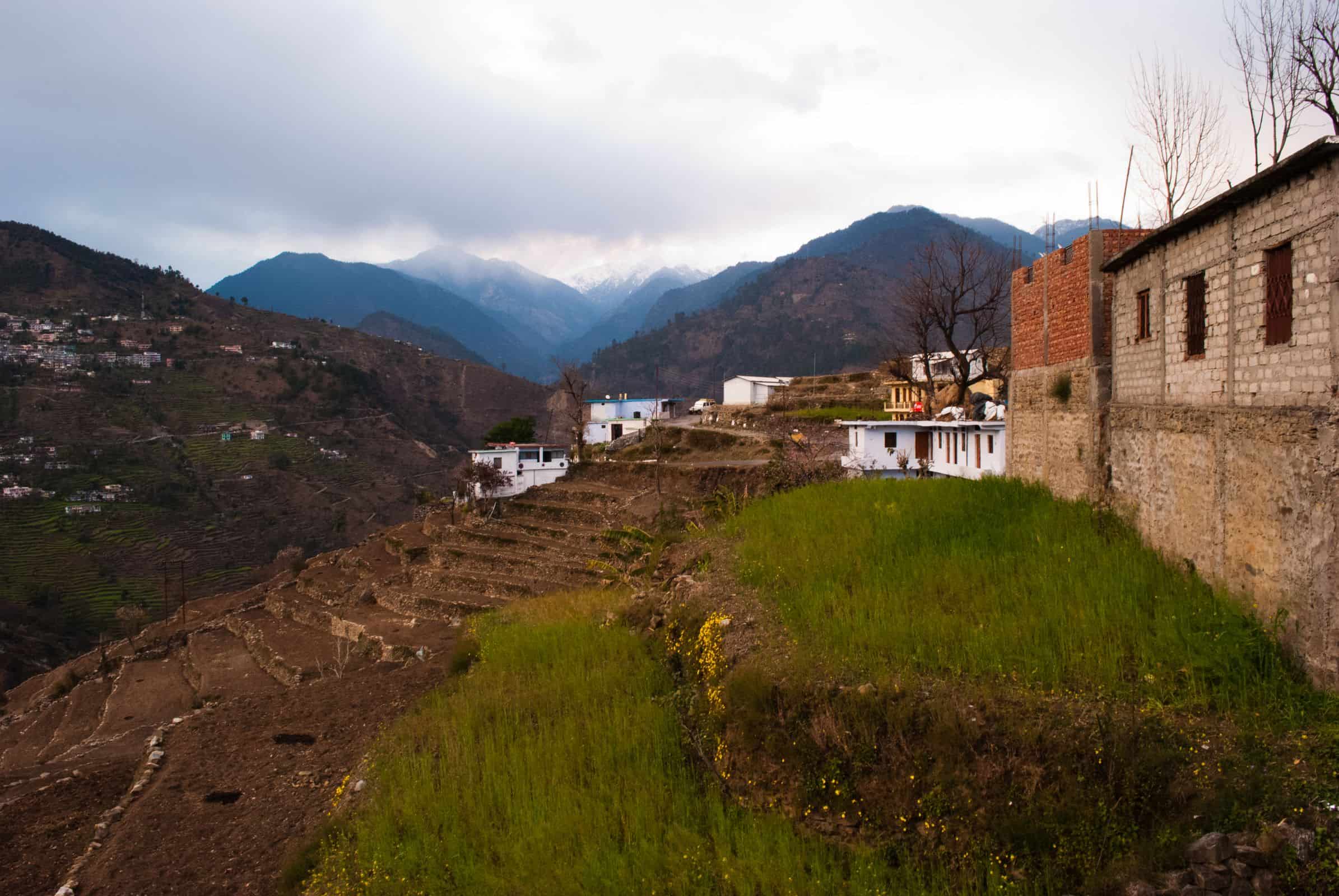
Drive to Badrinath early morning. Take a holy dip in Tapt Kund (natural hot spring right next to the temple), then visit the Badrinath temple for darshan. Special pujas and their live seat availability are listed on the Badrinath Kedarnath Temple Committee site, which is worth checking a day ahead. After darshan, drive 3 km further to Mana Village, the last Indian village before the Tibet border. Visit the Vyas Gufa, Ganesh Gufa, and the Vasudhara Falls (5 km trek from Mana). My detailed Badrinath travel guide covers the darshan timings and stay options in depth. Return to Pipalkoti or drive further to Rudraprayag if you want to save time the next day.
If you have a day or two to spare after Badrinath, consider adding the Valley of Flowers 2026 complete guide to your plan. The valley is accessible from Govindghat, about 25 km before Badrinath, and the 2026 season runs June 1 to October 31. The NTNF online registration at valleyofflower.uk.gov.in, entry fee of Rs 200, and the 300-visitor daily cap mean you need to book in advance, especially for July and August.
Days 10-11: Return to Haridwar and Delhi
Day 10: Drive from Pipalkoti/Rudraprayag to Haridwar (250 km, 8-10 hours via Rishikesh). Take evening Ganga Aarti at Har Ki Pauri. Day 11: Haridwar to Delhi (220 km, 5-6 hours on the expressway). You can also extend the trip by spending a day in Rishikesh for offbeat Uttarakhand exploration if you have the time.
Is the Char Dham Yatra safe? What medical fitness do I need?
The Char Dham Yatra is generally safe with proper preparation, but it is physically demanding. Uttarakhand authorities recorded 152 pilgrim deaths in the first 47 days of the 2026 season, with cardiac arrest the leading medical cause. Pilgrims above 50 years must carry a medical fitness certificate. Key risks are altitude at Kedarnath (3,583m), monsoon landslides (avoid Jul-Aug), and the 16 km Kedarnath trek.
Let me give you the number rather than a vague warning. Between April 19 and June 4, 2026, the first 47 days of the season, 152 pilgrims died on the Char Dham routes, and cardiac arrest was the leading medical cause. The Kedarnath route accounted for 74 of those, Badrinath 44, Yamunotri 19, and Gangotri 15. Most were elderly pilgrims or people with existing heart conditions who pushed too hard, too fast, at altitude. I am not sharing this to frighten anyone. I am sharing it because nearly all of it is preventable with a doctor’s clearance before you leave, a slower pace, and the willingness to turn back on a bad day.
Medical Fitness Requirements
- Pilgrims above 50 years: Must carry a medical fitness certificate from a registered doctor (heart, lungs, BP check). This is not required for registration but may be checked at verification centers
- Heart or respiratory conditions: Consult your doctor before attempting the yatra. Kedarnath at 3,583m can be demanding
- Pregnant women: The trek to Kedarnath is not recommended. Consider the helicopter option or skip Kedarnath
- Free health screening: Health check posts are set up along the routes and at Sonprayag and Gaurikund. In case you feel breathless or unusually tired, stop and get checked. It costs you nothing
Altitude Sickness Prevention (Critical)
Please take utmost caution with altitude sickness. I have seen people underestimate it on the Kedarnath trek. The symptoms range from mild headache and nausea to severe breathlessness and vomiting. Here is what I always suggest:
- Acclimatize gradually: The clockwise route helps because it gains altitude slowly over several days
- Stay hydrated: Drink 3-4 liters of water daily, especially during the Kedarnath trek
- Walk slowly: Do not rush the Kedarnath trek, take breaks every 30-45 minutes
- Avoid alcohol and smoking for at least 48 hours before reaching high altitudes
- Carry Diamox: Consult your doctor and keep it as a precaution
- Oxygen cans: Available at Kedarnath base but better to carry your own (Rs 300-500 each)
Road Safety and Weather Risks
- Monsoon (July-August): Landslides are very common on all four routes. This season alone the Gangotri highway was shut near Dharasu-Nalupani on August 6, 2026, and road closures can strand you for days. I would strongly advise against traveling during these months
- Night driving: Never drive in the hills at night, no streetlights, narrow roads, and cliff edges
- Mobile network: BSNL works best in the hills. Jio and Airtel have patchy coverage. Download offline maps before you leave
- ATMs: Available in Uttarkashi, Guptkashi, Joshimath, and Rudraprayag. Carry enough cash (Rs 10,000-15,000) for stretches where ATMs are not available
- Emergency contacts: Char Dham helpline: 0135-1364 (toll-free) | Uttarakhand Police: 112
What should I pack for the Char Dham Yatra?
Pack warm layers (temperatures drop to 0-5°C at Kedarnath), rain gear, comfortable trekking shoes, a small daypack for treks, basic medicines, and enough cash. Keep luggage light, you will be trekking 6-16 km stretches and heavy bags make it miserable.
- Clothing: Warm jacket, thermals, fleece, windproof layer, rain poncho, comfortable trekking pants (3-4 sets), warm cap and gloves
- Footwear: Waterproof trekking shoes with good grip (non-negotiable for Kedarnath trek), comfortable sandals for rest days
- Daypack: 20-30 liter backpack for day treks with water bottle, snacks, rain cover
- Medicines: Diamox, Disprin, Crocin, ORS, bandages, personal prescriptions, antiseptic
- Electronics: Power bank (10,000 mAh minimum), charger, offline maps downloaded, torch/headlamp
- Documents: Aadhaar Card, Yatra Registration Letter (printed + phone), medical fitness certificate (if above 50), hotel bookings
- Miscellaneous: Sunscreen, lip balm, dry fruits and energy bars, small umbrella, walking stick (can also rent at Gaurikund for Rs 100-200)
Related Reading
If you are planning the Char Dham Yatra, these guides will help you with specific parts of the journey:
- Kedarnath. The Most Complete Guide Ever
- Badrinath. A Complete Travel Guide
- Delhi to Tungnath and Chandrashilla. Complete Travel Guide
- Top 10 Offbeat Places in Uttarakhand. Garhwal and Kumaon
- Top 5 Easy Treks in Uttarakhand for Beginners
- Harsil and Gangotri Trip. Itinerary and Road Conditions
- Mussoorie. A Detailed Travel Guide
- Harsil. An Offbeat Place in Garhwal, Uttarakhand
- Snow Trek to Tungnath. Revisiting Uttarakhand
- The Most Complete Guide to Kausani, Uttarakhand
Frequently Asked Questions
Is the Char Dham Yatra running right now in August 2026?
Yes. All four temples are open and stay open until mid-November 2026. However, August is peak monsoon and the routes see frequent rain-triggered blockages. The Gangotri National Highway was closed near Dharasu and Nalupani on August 6, 2026, and Kedarnath helicopter sorties are largely grounded. Check IMD alerts and the Uttarakhand Tourism advisories on the morning you travel, and keep a spare day in your plan.
Does the Kedarnath helicopter run during the monsoon?
Barely. Services to Kedarnath are effectively shut through July, August, and part of September because of poor visibility, low cloud, and high winds. IRCTC HeliYatra lists the 2026 window as May 2 to November 11, but monsoon sorties get cancelled at short notice. In case you have already booked, keep a pony, doli, or trek plan ready as a backup.
How many days do I need for the complete Char Dham Yatra?
A complete Char Dham circuit takes 10-12 days from Delhi or 9-10 days from Haridwar. If you want a more relaxed pace with rest days, plan for 13-14 days. You can also do individual Dhams separately. Kedarnath-Badrinath takes 5-6 days and Yamunotri-Gangotri takes 4-5 days.
Is the Char Dham Yatra registration free?
Yes, registration is completely free. Do not pay anyone for registration. You can register online at registrationandtouristcare.uk.gov.in, via WhatsApp (send “YATRA” to 8394833833), or at offline counters in Haridwar and Rishikesh (60% slots are online, 40% offline in 2026). Beware of agents who charge money for this, it is a free government service.
Can senior citizens do the Char Dham Yatra?
Yes, but with precautions. Pilgrims above 50 years should carry a medical fitness certificate. Cardiac arrest was the leading cause of the 152 pilgrim deaths recorded in the first 47 days of the 2026 season, so a doctor’s clearance is not a formality. For the Kedarnath trek (16 km), helicopter, pony, or doli/palki services are available. Badrinath, Gangotri, and Yamunotri are easier, with road access or a shorter 6 km trek for Yamunotri.
Do I need to book accommodation in advance?
In May-June (peak season), yes, book at least 2-3 weeks in advance. GMVN guesthouses can be booked at gmvn.in. Hotels in Barkot, Uttarkashi, Guptkashi, and Pipalkoti fill up fast. In September-October, you can find accommodation more easily but advance booking is still recommended. On the Gangotri leg specifically, keep in mind that Dharali has very limited rooms since the 2025 flood, so plan for Harsil, Gangnani, or Uttarkashi.
Is the Kedarnath helicopter worth it?
If you are not physically fit for a 16 km uphill trek or are short on time, the helicopter is absolutely worth it. The ride takes 7-10 minutes versus 6-8 hours of trekking. In 2026, IRCTC HeliYatra (heliyatra.irctc.co.in) is the only authorized portal and tickets are sold as round-trip only. Official rates per person: Rs 6,390 from Sirsi, Rs 10,164 from Phata, Rs 12,762 from Guptkashi (plus Rs 300 convenience fee and 18% GST). Book early for the May-June and October windows, slots fill up within hours.
What is the Kedarnath trek difficulty level?
The 16 km trek from Gaurikund to Kedarnath is moderate to difficult. It gains about 1,500 meters in altitude over steep, paved paths. A reasonably fit person can complete it in 6-8 hours. The last 2-3 km are the most demanding. Carry a walking stick, start early (by 5-6 AM), and take regular breaks. Ponies and porters are available throughout.
Can I do the Char Dham Yatra by helicopter only?
Yes, several operators offer complete Char Dham by helicopter packages covering all four temples in 4-5 days. These start at Rs 1,50,000-2,80,000 per person from Dehradun. This is the most comfortable option for senior citizens or those with limited time.
Is the road to Badrinath safe for sedans?
The main highway to Badrinath via Joshimath is generally well-maintained and sedans can manage it during May-June and September-October. However, in case of rain or construction zones, ground clearance can be an issue. I would recommend an SUV or high ground clearance car for the complete Char Dham circuit, especially the stretches to Yamunotri and the Guptkashi-Gaurikund road.
What food is available during the yatra?
Only vegetarian food is available in all four Dham areas, this is a religious zone. Dhabas and small restaurants serve rice, dal, roti, sabzi, Maggi, and chai at every major stop. Expect to pay Rs 100-200 per meal at dhabas and Rs 300-500 at hotel restaurants. Food gets limited and expensive near Kedarnath temple, carry dry fruits, energy bars, and snacks.
When should I register for the Char Dham Yatra 2026?
Registration opened on March 6, 2026 online and April 15, 2026 at offline counters, and both remain open for the rest of the season. Register as early as you can before your travel dates. Pre-registrations crossed 17-18 lakh even before the season opened, the highest ever, and with the 60-40 split (60% online, 40% offline) the online slots for popular dates fill up fast. Register on registrationandtouristcare.uk.gov.in or the Tourist Care Uttarakhand app.
Final Thoughts on Planning Your Char Dham Yatra 2026
The Char Dham Yatra is one of the most sacred and rewarding pilgrimages you can undertake in India. Whether you are going for spiritual reasons or simply to experience the raw beauty of the Garhwal Himalayas, this journey will leave a lasting impression. My biggest advice, do not rush it. Take your time at each Dham, acclimatize properly, and soak in the experience rather than treating it like a checklist.
If you are planning your dates now, my honest suggestion is to aim for September or October rather than squeezing it into the monsoon. Register free on registrationandtouristcare.uk.gov.in, book accommodation early, and for Kedarnath helicopter head straight to heliyatra.irctc.co.in. And please, take the altitude and the health warnings seriously. That 152-death figure from the first 47 days of this season is not a statistic, it is a reminder that this pilgrimage asks something real of your body.
Join the Discover With Dheeraj community of mountain travelers for more Uttarakhand travel guides, road status updates, and honest reviews. If you have done the Char Dham Yatra this season, I would love to hear how the routes were holding up, share your tips in the comments so other pilgrims can benefit from it too.
If you have any questions about planning your Char Dham Yatra 2026, feel free to ask in the comments section below 🙂
Last Updated: August 2026. Temple dates, registration rules, helicopter rates, and road status verified against Uttarakhand government and IRCTC sources at the time of writing. Road conditions change daily during the monsoon, so please verify locally before you travel.
