


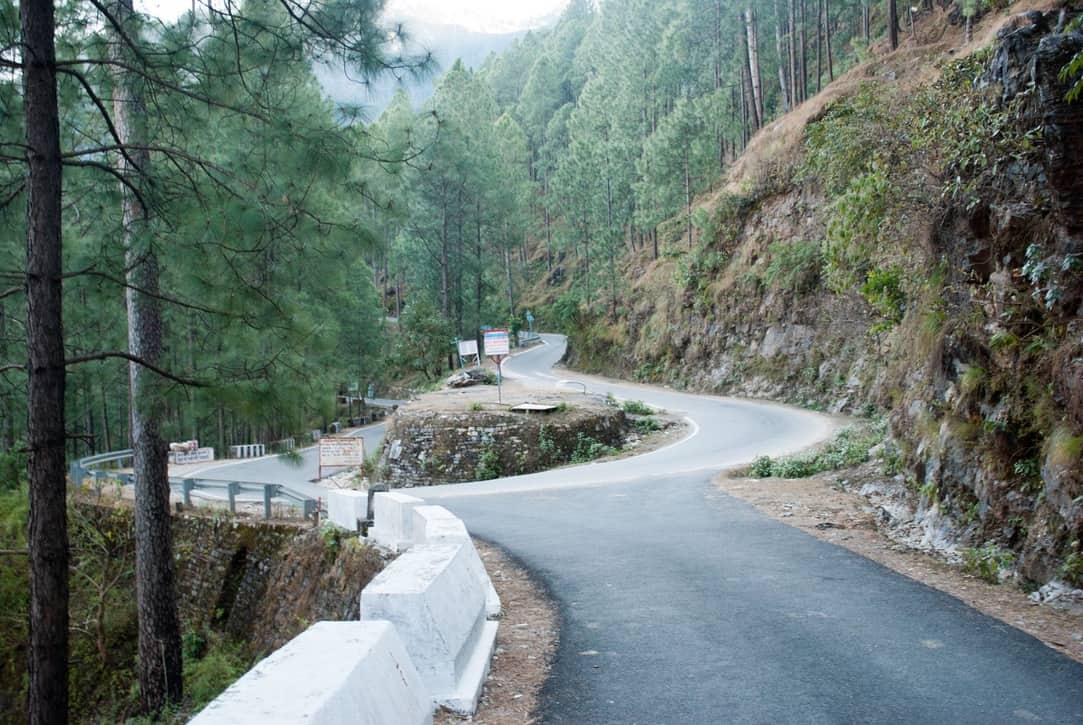
Garhwal, literally meaning the land of many “garhs” or forts, is one of those regions in Uttarakhand that rewards you more the deeper you go. I have been traveling through this part of the Himalayas for years, and every visit reveals something new. From the sacred Char Dham circuit to the alpine meadows of Chopta, from the roaring rapids of Rishikesh to the quiet forests of Rajaji National Park, Garhwal packs an incredible amount of diversity into one region. In this post, I am sharing a detailed 8-day adventure itinerary covering some of the best destinations in the Garhwal division, complete with day-by-day plans, distances, costs, and practical tips to help you plan your trip in 2026.
A Garhwal itinerary typically spans 8 days and roughly 900-950 km, looping from Delhi through Tehri, Chopta, Tungnath, Deoriatal, and Rajaji National Park. Distances stay tight: New Delhi to Chamba runs 320 km (8-9 hours), and Chopta to Jayalgarh covers 70 km (2-2.5 hours), leaving each day daylight for a temple, trek, or safari stop.
One thing worth checking before you extend this route toward Badrinath: on August 6, 2026, debris from a landslide blocked the Badrinath National Highway near Helang in Chamoli district, part of the same Rudraprayag-Karnaprayag-Chamoli stretch this itinerary skirts. It reopened after cleanup, but that stretch stays prone to sudden closures through the monsoon, so check the current status before you commit to an extension.
Let's quickly dive into the details:
Garhwal Itinerary at a Glance: 8 Stops in 8 Days
- Day 1: Delhi to Chamba / New Tehri (320 km, 8-9 hours)
- Day 2: Tehri Dam water sports, Dhanaulti Eco Park, Kanatal rappelling
- Day 3: New Tehri to Kund via Tehri Lake and Srinagar (150 km, 5-6 hours)
- Day 4: Deoriatal Lake trek and pre-sunrise birding near Sari village
- Day 5: Tungnath and Chandrashilla trek, then drive to Jayalgarh (70 km, 2-2.5 hours)
- Day 6: White water rafting on the Alaknanda, then Rajaji National Park (135 km, 4 hours)
- Day 7: Rajaji jeep safari and evening Ganga Aarti at Haridwar
- Day 8: Rajaji National Park back to Delhi (255 km, 6-7 hours)
What Makes Garhwal Special for an Adventure Trip?
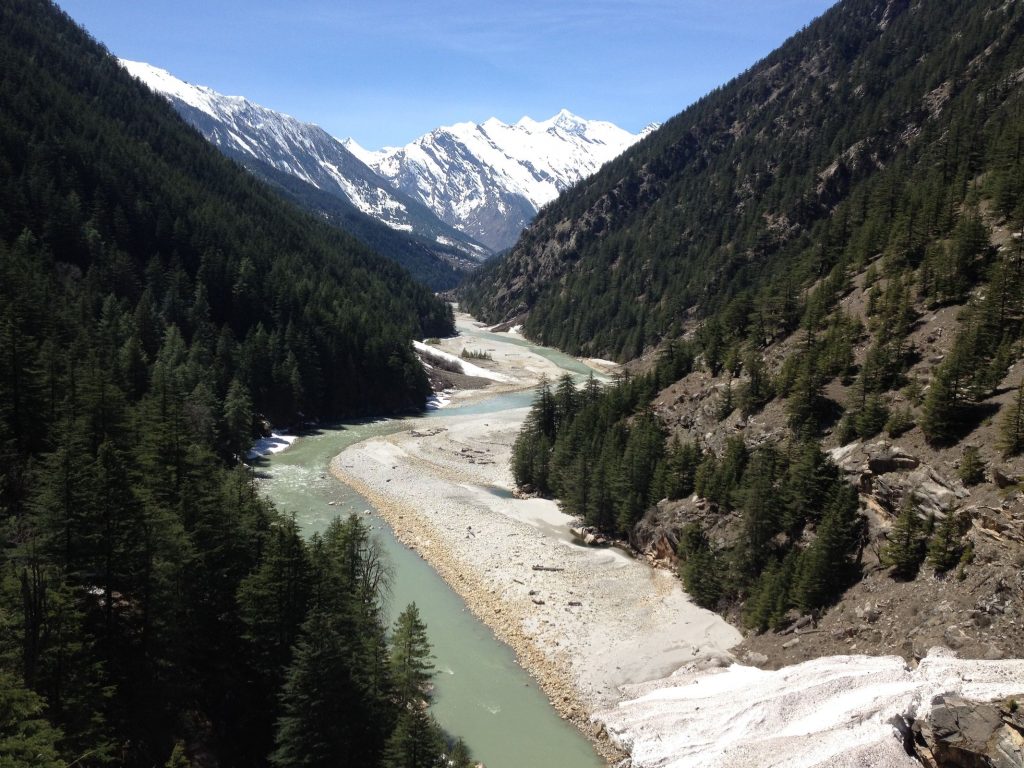
Garhwal is the western half of Uttarakhand, stretching from the plains of Haridwar all the way up to the glaciers near the Tibetan border. The entire region is formed of rocky mountain ranges separated by narrow valleys, with some of India’s tallest peaks standing guard over it. Nanda Devi (7,816 m), Kamet, Chaukhamba, and Trisul tower over this landscape. But what truly sets Garhwal apart is the combination of spiritual depth and raw adventure. You can attend the Ganga Aarti at Haridwar in the morning and be trekking through rhododendron forests by the afternoon.
The Garhwal division includes seven districts: Dehradun, Haridwar, Tehri Garhwal, Pauri Garhwal, Uttarkashi, Chamoli, and Rudraprayag. Each district has its own character. Tehri gives you the massive dam and lake with water sports, Chamoli gives you Auli and Valley of Flowers, Rudraprayag gives you Kedarnath and Chopta, and Uttarkashi is the gateway to Gangotri and the beautiful Harsil Valley. If you enjoy offbeat places in Uttarakhand, Garhwal has more than any other region.
Who Is This Garhwal Itinerary For?
This Garhwal itinerary is designed for activity seekers and adventure enthusiasts who want to see the best of this region in 8 days. It combines trekking, wildlife safaris, water sports, and sightseeing into one packed circuit. You will need your own vehicle (car or motorcycle) or a rented taxi for this route, though I have included public transport options where available.
Keep in mind, this is not the Char Dham Yatra route. If you are looking for the pilgrimage circuit covering Yamunotri, Gangotri, Kedarnath, and Badrinath, read the detailed Char Dham Yatra guide here. That said, you can absolutely combine elements of both. Many travelers add a Kedarnath trek or an Auli extension to this itinerary. I will cover those options at the end.
What Is the Best Time to Visit Garhwal for Adventure?
The best months for a Garhwal adventure trip are April to June and September to November. Summers (April to June) are pleasant with temperatures between 15 to 30 degrees Celsius at lower elevations, which is ideal for trekking and outdoor activities. The post-monsoon window (September to November) offers clear skies, stunning views of snow-capped peaks, and fewer crowds on the trails.
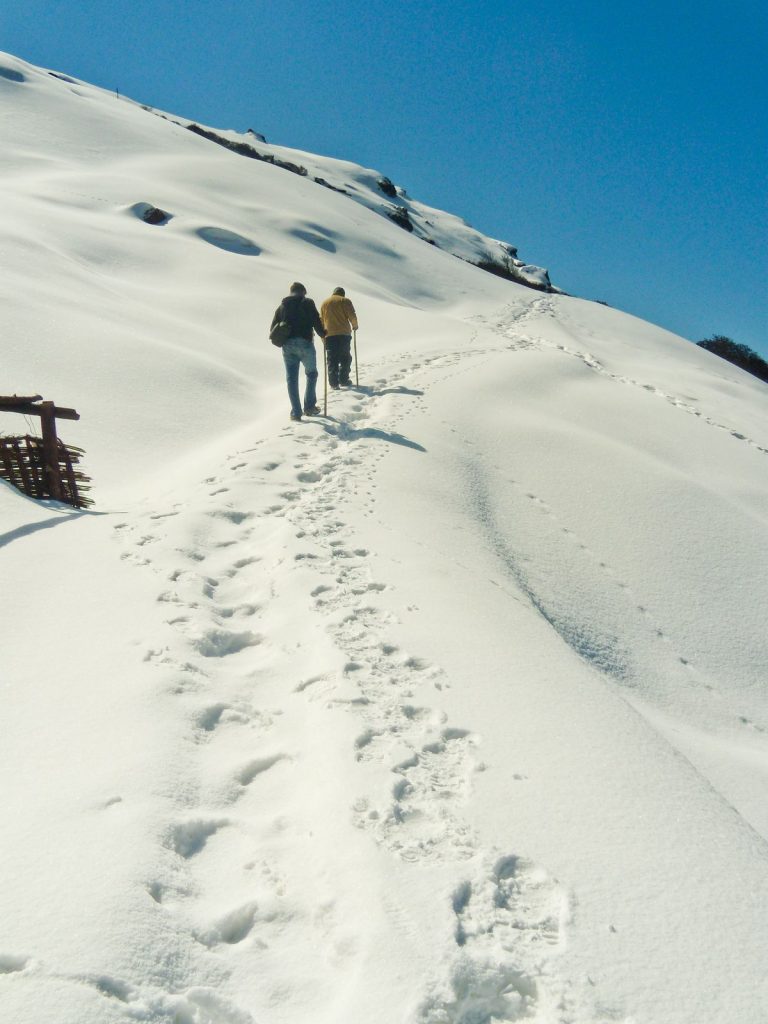
Avoid July to mid-September entirely. Heavy rainfall, landslides, and road closures make travel risky and unpleasant during monsoon. Several stretches on the Badrinath Highway and the Gangotri Highway get blocked for hours or days after heavy rain. For winter snowfall experiences, December to February works for lower-altitude destinations like Dhanaulti and Kanatal. The Tungnath snow trek in winter is popular too, but requires proper gear and experience.
Keep in mind, Rajaji National Park (the safari on Day 6-7 of this itinerary) is only open from November 15 to June 15. In case you are traveling in September, October, or the first half of November, the park will be closed and you will need to drop the safari or swap it for a Haridwar-Rishikesh extension instead. The April to June window works for both the trek and the safari together, so that is the safer choice if you want the complete itinerary as written.
How Much Does a Garhwal Adventure Trip Cost in 2026?
Here is a budget breakdown for the 8-day itinerary. These are per-person costs assuming two people sharing a room and traveling by personal vehicle. I have updated the prices based on current 2025-2026 rates. If you want to see how tight a Himalayan budget trip can really get, our Kasol budget trip guide breaks down a trip under Rs 5,000.
| Expense | Budget (per person) | Mid-Range (per person) |
|---|---|---|
| Accommodation (7 nights) | Rs 3,500 – 5,000 | Rs 7,000 – 12,000 |
| Meals (8 days) | Rs 2,400 – 3,200 | Rs 4,000 – 6,000 |
| Fuel (personal vehicle, ~900 km) | Rs 4,500 – 5,500 | Rs 4,500 – 5,500 |
| Rajaji Safari (jeep share) | Rs 600 – 900 | Rs 900 – 1,500 |
| Activities (rafting, rappelling, water sports) | Rs 1,500 – 2,500 | Rs 3,000 – 5,000 |
| Miscellaneous | Rs 1,000 | Rs 2,000 |
| Total (per person) | Rs 13,500 – 18,100 | Rs 21,400 – 32,000 |
If you are taking a rented taxi from Delhi for the full circuit, add Rs 25,000 to Rs 35,000 for the vehicle (split between passengers). Public transport is possible for parts of this route but will add 2 to 3 extra days. For a detailed cost analysis of a similar Uttarakhand circuit, check the Chopta-Tungnath-Deoriatal itinerary which breaks down expenses in more detail.
What Are the Key Distances on This Garhwal Itinerary?
Before diving into the day-by-day plan, here are the driving distances and approximate times you should plan for. All times are for personal car driving, excluding stops.
- New Delhi to Chamba (via Haridwar, Rishikesh) – 320 km, 8 to 9 hours
- Chamba to Kund (via Tehri Dam, Srinagar) – 150 km, 5 to 6 hours
- Kund to Chopta – 28 km, 1 to 1.5 hours
- Chopta to Jayalgarh (via Chamoli road) – 70 km, 2 to 2.5 hours
- Jayalgarh to Rajaji National Park (Chila Gate) – 135 km, 4 hours
- Rajaji National Park to New Delhi – 255 km, 6 to 7 hours
The complete route forms a rough loop: Delhi to Tehri Garhwal to Rudraprayag district to Chamoli, then back down to Haridwar and Delhi. Total driving distance is approximately 900 to 950 km over 8 days. If you want to explore the Kumaon side as well, that would be a separate trip altogether.
Day-by-Day Garhwal Adventure Itinerary (8 Days)
Day 1: Delhi to New Tehri / Chamba (320 km, 8-9 hours)
Start from Delhi as early as possible, ideally by 4 to 5 AM. The route goes via Meerut, Roorkee, Haridwar, and Rishikesh before climbing into the hills. If time allows, stop briefly at Haridwar for darshan or at Rishikesh for a quick tea by the Ganges. The serious climb begins after Rishikesh via Narendra Nagar and Chamba.


Chamba is situated at an elevation of 1,600 m (5,250 ft) and is a major town on the Gangotri highway. It is only 30 km ahead of Kanatal and 60 km from Mussoorie. Stay overnight in Chamba or New Tehri. Budget hotels in Chamba range from Rs 600 to Rs 1,200 per night, while GMVN guesthouses offer rooms at Rs 900 to Rs 1,800. I would suggest getting a good night’s sleep because the next few days are going to be packed with activities.
Day 2: Explore Tehri Dam, Dhanaulti Eco Park, and Kanatal
This is your sightseeing and activities day around the Tehri-Chamba area. Start with a visit to Tehri Dam, the highest dam in India and one of the tallest in Asia. The reservoir formed behind the dam, Tehri Lake, now offers a range of water sports. Jet skiing costs around Rs 800 per ride (25-30 minutes), speed boating is Rs 600 per ride, banana boat rides are Rs 600, and kayaking sessions cost Rs 3,500 per ride (as of 2025-2026). There is an entry fee of Rs 50 per vehicle at the lake area.
After Tehri, head to the Eco Parks in Dhanaulti. These are a cluster of two eco-parks, Amber and Dhara, about 200 m apart. They were developed by the Forest Department of Uttarakhand and offer nature walks through deodar forests. Entry fee is Rs 20 per person. On the way back, stop at Kanatal for an evening session of rappelling or rock climbing. Several adventure camps here offer packages starting at Rs 1,500 to Rs 2,500 per person. Return to your hotel and rest up for the long drive tomorrow.
![How to prepare for cold weather motorcycle ride in Ladakh or Spiti Valley? [13 Important Tips]](https://discoverwithdheeraj.com/yt_vid_thumbs/ladakh/83.png)
Day 3: New Tehri to Kund via Tehri Lake (150 km, 5-6 hours)
Depart early and drive towards Kund, a riverside settlement about 20 km before Guptkashi in the Mandakini Valley. The route passes through Srinagar (the Uttarakhand one, not Kashmir) and Rudraprayag. The roads are well maintained on this stretch. Kund offers stunning views of the Kedar mountain range, which forms the backdrop of Kedarnath Temple.
Kund is also the base for visiting several important spots. Ukhimath, a pilgrimage town at 1,317 m (4,320 ft), is about 10 km away. During winters, the idols from the Kedarnath and Madhyamaheshwar temples are brought here. If you arrive early enough, do a quick visit to Ukhimath and spend the evening by the river. Homestays in Kund cost Rs 500 to Rs 1,000 per night. The village has a peaceful, laid-back feel that is a nice change from the highway towns.
Day 4: Deoriatal Lake Trek and Birding
Wake up as early as you can and head to the birding spots along the Ukhimath-Chopta road. This stretch passes through thick oak and rhododendron forests that are home to Monal pheasants, Koklass pheasants, and several species of laughingthrush. I highly recommend doing the birding pre-sunrise and having an expert accompany you. Remember to wear subdued colors and keep your voice low.
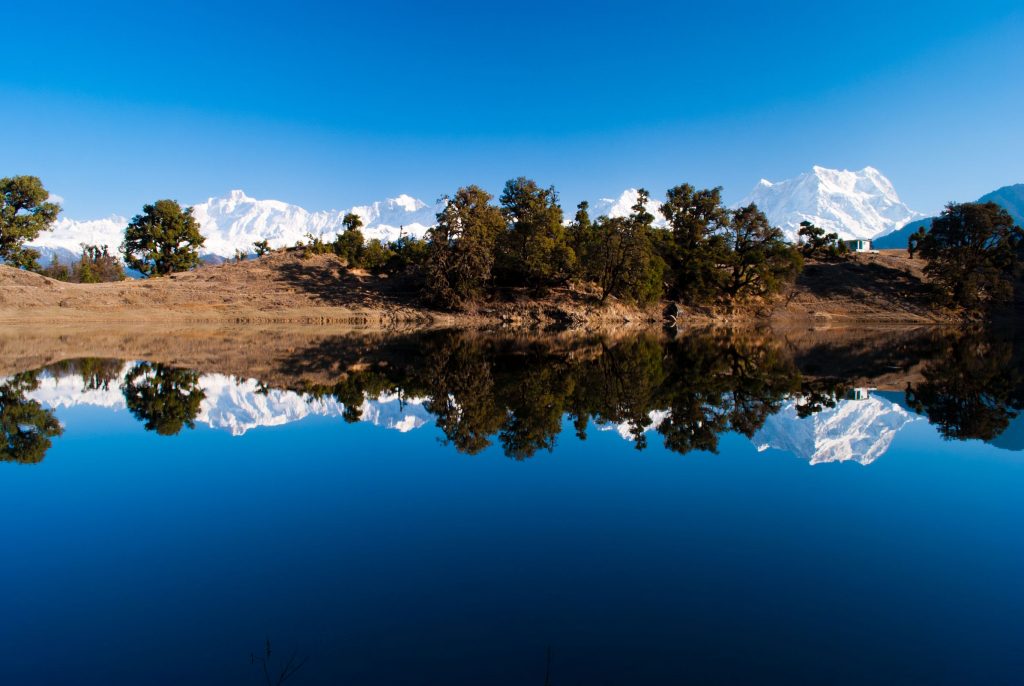
After breakfast, drive to Sari village. From Sari, the trek to Deoriatal is about 3 km (approximately 2 hours uphill). Trust me when I say this, the lake with the Chaukhamba peaks reflecting in it will make you forget any troubles in your life. It is genuinely one of the most beautiful sights in the Indian Himalayas.
The best time for Deoriatal is early morning when the water is still and the reflections are sharpest. Carry your own food and water as there are only a couple of basic shops at the lake. Return to Kund or Sari by evening. Some travelers camp at the lake, but you will need your own gear or a pre-booked camping service (Rs 1,500 to Rs 2,500 per person including meals). If you want to read about my own experience at the lake, check out this trip report.
Day 5: Chopta and Tungnath Trek, Then Drive to Jayalgarh (70 km, 2 hours)
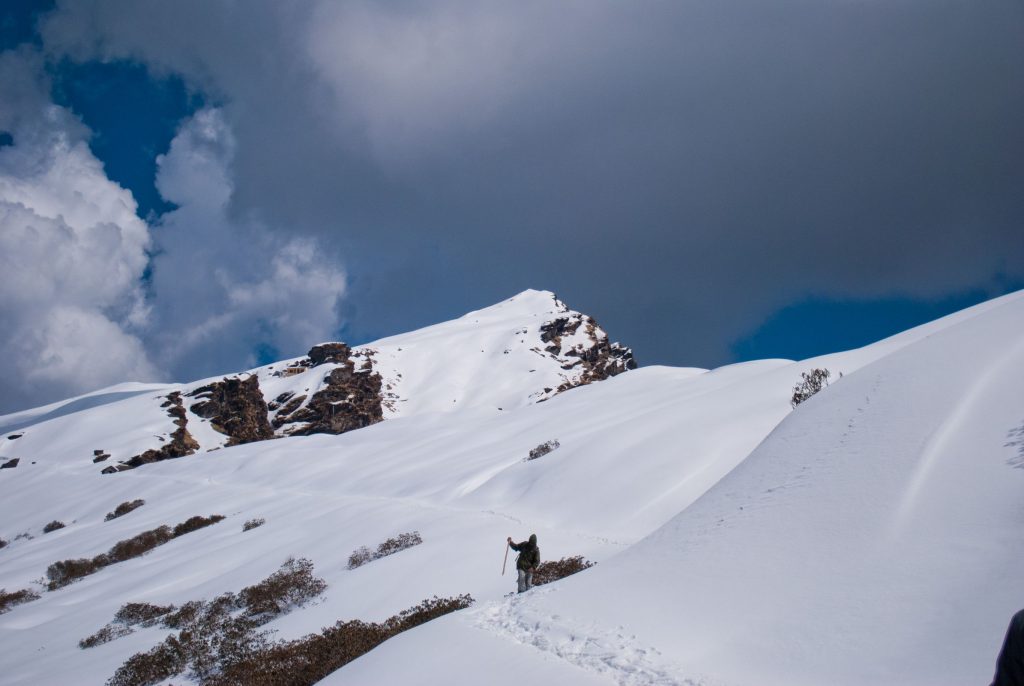
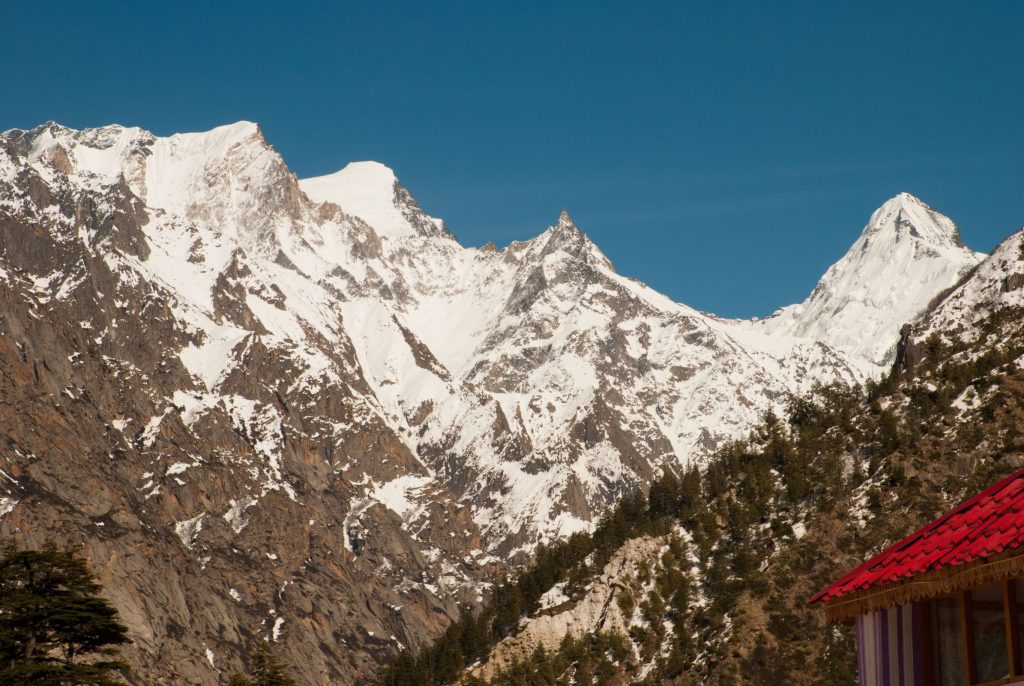
Today is the highlight of the trip for trekkers. Drive to Chopta, often called “Mini Switzerland of India,” and begin the trek to Tungnath Temple at 3,680 m. Tungnath is the highest Shiva temple in the world and the trek is about 4 km one way. It takes 3 to 4 hours to reach the temple at a comfortable pace. If you have the energy, push on another 1.5 km to Chandrashilla Peak at 4,000 m for panoramic views of Nanda Devi, Trisul, Kedar, Bandarpoonch, and Chaukhamba.
The trek does not require any special permit for Indian nationals. The trail is well-marked and moderately difficult. In case you are not used to high-altitude trekking, take it slow. Drink plenty of water and take breaks whenever you feel tired. The rhododendron blooms in April-May make this trail absolutely spectacular. There is a small forest entry fee of Rs 150 to Rs 250 per person.
Return to Chopta by afternoon, have some snacks at one of the dhabas (meals cost Rs 100 to Rs 300), and then drive towards Jayalgarh. Jayalgarh is a base point for white water rafting on the Alaknanda River. I suggest resting today and saving the rafting for tomorrow morning. Budget guesthouses in the area cost Rs 600 to Rs 1,200 per night. For a detailed Chopta-Tungnath-Deoriatal itinerary, check the linked guide.
Day 6: White Water Rafting, Then Drive to Rajaji National Park (135 km, 4 hours)
Start your day with a morning session of white water rafting. Rafting on the Alaknanda is a thrilling experience with Grade 2 to 3 rapids. Costs range from Rs 1,000 to Rs 2,500 per person depending on the stretch and operator. For comparison, rafting in Rishikesh costs Rs 600 for a 9 km stretch (Brahmpuri) and goes up to Rs 2,500 for the 30 km Byasi stretch (as of 2025-2026). There is a Rs 20 entry fee on top of the rafting cost.
After drying off and having a good meal, begin your drive towards Rajaji National Park. The route descends steadily from the hills back towards the plains near Haridwar. Rajaji National Park lies about 25 km from Haridwar and 40 km from Rishikesh. The park covers 820 sq km and is home to Asian elephants, tigers, leopards, and 315 species of birds. According to the Rajaji National Park official website, the park is open from November 15 to June 15 every year. Keep this in mind while planning your dates.
I would recommend staying at one of the riverside lodges or forest rest houses near the park. Premium lodges near the Chila gate cost Rs 2,000 to Rs 5,000 per night, while forest rest houses can be booked through the official website at lower rates.
Day 7: Rajaji Jeep Safari and Haridwar Evening Aarti
This is your wildlife day. Book a jeep safari at Rajaji National Park. Morning safaris run from 6:00 to 9:00 AM and evening safaris from 2:00 to 5:00 PM (timings vary by season). Entry fee for Indians is Rs 150 per person. A jeep safari package costs approximately Rs 3,200 to Rs 4,800 for Indian nationals (as of 2025-2026), which includes the vehicle, guide, and entry fees. The Chila and Motichoor zones are the best for wildlife and bird watching.
You can expect to see elephants, deer, langurs, and if you are very lucky, a tiger. The park has over 500 Asian elephants, making it one of the best places to spot wild elephants in North India. Carry binoculars and a camera with a good zoom lens. The morning safari is usually more productive for wildlife sightings.
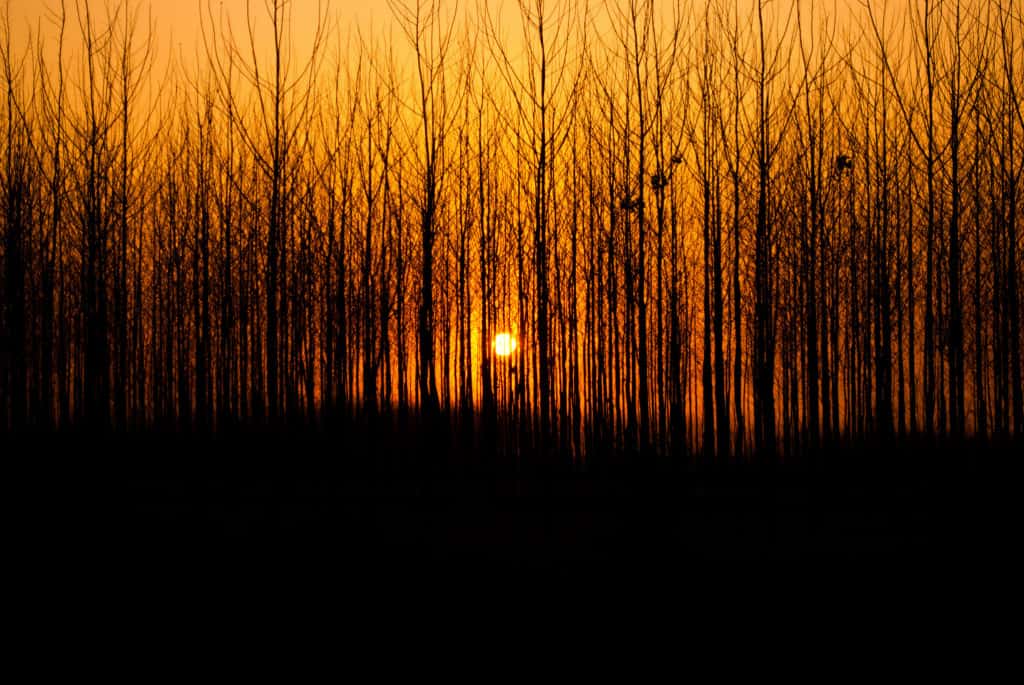
In the evening, if you still have energy, drive to Haridwar (25 km) for the famous Ganga Aarti at Har Ki Pauri. The aarti starts at sunset and is a deeply moving experience, regardless of your religious beliefs. Return to your lodge for the night. This combination of a jungle safari in the morning and the Ganga Aarti in the evening makes for one of the most memorable days of the entire trip.
Day 8: Rajaji National Park to Delhi (255 km, 6-7 hours)
The last day of the trip. Start early to avoid the afternoon traffic on the Haridwar-Delhi highway. If you have time, stop at Rishikesh for a quick breakfast or a walk along the Lakshman Jhula area. The drive back to Delhi via Roorkee and Meerut takes 6 to 7 hours without major stops. I would suggest keeping an extra hour of buffer for the Delhi traffic at the other end.
How Can You Extend This Garhwal Itinerary?
If you have 1 to 3 extra days, there are several excellent additions to this itinerary. Each one adds a different dimension to the trip.
- Rishikesh extension (1 day): Spend a full day in Rishikesh for bungee jumping, cliff jumping, or yoga. The Lakshman Jhula and Ram Jhula area has plenty of cafes and ashrams to explore. Bungee jumping costs around Rs 3,500 to Rs 4,000 per person.
- Auli extension (2 days): From the Chopta-Chamoli area, you can drive to Auli via Joshimath. Auli is one of India’s best ski resorts and offers incredible views of the Nanda Devi range. Add 2 days for this detour.
- Valley of Flowers (3-4 days): If visiting between July and September, the Valley of Flowers trek near Joshimath is a UNESCO World Heritage Site worth the detour. The trek combined with Hemkunt Sahib needs 3 to 4 extra days.
- Harsil and Gangotri (2 days): If you want to explore the Uttarkashi side of Garhwal, add a Harsil-Gangotri extension from Day 1 or 2 of this itinerary. Gangotri is one of the Char Dham sites and Harsil is an offbeat gem that I keep going back to.
- Kedarnath trek (3 days): From Kund, it is a short drive to Gaurikund, the starting point of the Kedarnath trek. Allow 3 days for the return trek.
- Nelong Valley (1 day): If you extend towards Uttarkashi, you can also add a day trip to Nelong Valley, often called the Ladakh of Uttarakhand. You will need a permit from the SDM office in Uttarkashi.
What Are Some Practical Tips for Traveling in Garhwal?
These are the things I have learned from multiple trips through this region. Some of these might save you from avoidable trouble.
- Carry cash: ATMs are unreliable beyond Rishikesh and Srinagar (Uttarakhand). UPI works in some hotels and larger shops, but do not depend on it. Carry enough cash for the entire trip.
- Fuel up: Fill your tank at Rishikesh or Srinagar. Fuel pumps are sparse in the interior Garhwal hills. There is no petrol pump between Srinagar and Rudraprayag on some routes, so plan accordingly. If riding a motorcycle, see my tips on carrying extra fuel and luggage safely for these stretches.
- Mobile network: BSNL has the widest coverage across Garhwal. Jio and Airtel work in towns like Chamba, Srinagar, and Rudraprayag but may drop in remote areas like Chopta and Deoriatal. At Tungnath, you will likely have no signal at all.
- Road conditions: NH-7 (Rishikesh to Badrinath highway) and NH-94/NH-108 (Rishikesh to Gangotri highway via Uttarkashi) are generally well maintained. However, landslides during monsoon can close roads for hours or days. Check the Uttarakhand Tourism website or local news before traveling in June-September.
- Permits: No special permits are needed for any destination on this itinerary. If you extend to Badrinath or Mana Village, registration at Joshimath may be required.
- Altitude: The highest point on this itinerary is Chandrashilla at 4,000 m. If you are not acclimatized, take the Tungnath trek slowly and carry water. Read my guide on avoiding AMS if this is your first high-altitude trek.
- Food: Dhabas along the highway serve good North Indian food. Carry snacks and water for treks. Maggi and chai are available at most trek starting points, but do not expect much variety at Chopta or Sari.
- Clothing: Even in summer, temperatures at higher elevations (Chopta, Deoriatal) can drop to 5 to 10 degrees Celsius at night. Carry layers, a wind-cheater, and a light rain jacket. For a budget option, check my list of winter jackets under Rs 5,000.
How to Reach Garhwal from Delhi?
The gateway to Garhwal is Haridwar or Rishikesh, both well connected to Delhi by road, rail, and air.
- By car: Delhi to Haridwar is 230 km via NH-334 (formerly NH-58). Takes 5 to 6 hours. Delhi to Rishikesh is 250 km, about 6 hours. The road is mostly a 4-lane expressway till Roorkee.
- By train: Several trains run daily from Delhi to Haridwar. The Shatabdi Express (Train 12017) takes about 4.5 hours and costs Rs 700 to Rs 1,500 depending on class. Jan Shatabdi is a cheaper option at Rs 300 to Rs 600.
- By bus: UPSRTC and ISBT Kashmere Gate run Volvo and ordinary buses to Haridwar and Rishikesh. Volvo AC buses cost Rs 600 to Rs 900. Ordinary buses start at Rs 250 to Rs 450. Journey takes 6 to 8 hours depending on traffic. You can also book private Volvo sleepers for Rs 800 to Rs 1,200.
- By air: The nearest airport is Jolly Grant Airport in Dehradun (20 km from Rishikesh). Flights from Delhi take 1 hour. Taxi from airport to Rishikesh costs Rs 800 to Rs 1,200.
If you are coming from Chandigarh, the distance to Haridwar is about 200 km (5 hours). From Jaipur, it is around 500 km (9-10 hours via NH-48 and NH-334). For travelers from Lucknow, Haridwar is about 500 km (8-9 hours). In all cases, I would recommend reaching Haridwar or Rishikesh a day before starting this itinerary to avoid starting the trip already tired.
What Should You Know About Wildlife Safety in Rajaji?
Since this itinerary includes a jeep safari at Rajaji National Park, a few safety pointers are worth mentioning. The park is home to wild elephants, tigers, and leopards, so you need to follow the rules strictly.
- Never step out of the jeep during the safari, even if you spot an animal at a distance.
- Do not use flash photography. It startles animals and can provoke a charge.
- Keep your voice low. Loud talking scares away wildlife and ruins the experience for everyone.
- If an elephant is on the road, the driver will stop and wait. Do not honk or try to overtake.
- Carry binoculars. Most sightings happen at a distance, and a pair of binoculars makes all the difference.
- Wear earthy colors (khaki, olive, brown). Bright clothing makes you more visible to animals.
The Chila zone is the most popular and accessible gate, located right off the Haridwar-Rishikesh highway. The Motichoor zone near Haridwar is another option. Both zones are good for elephant and deer sightings. Tiger sightings are rare but not unheard of. If you enjoy wildlife, you might also want to read about Jim Corbett National Park, which is another excellent option in Uttarakhand.
Frequently Asked Questions
How many days do you need for a Garhwal trip?
A minimum of 7 to 8 days is ideal for covering the adventure circuit described in this itinerary. If you want to add Char Dham sites or extensions like Auli and Valley of Flowers, plan for 12 to 15 days. For a shorter trip, you can do a 4 to 5 day version covering just the Chopta-Tungnath-Deoriatal circuit with Rishikesh.
Is Garhwal safe for solo travelers?
Yes, Garhwal is generally safe for solo travelers including women. The locals are known for their warmth and hospitality. Stick to well-traveled routes and established guesthouses. For treks like Tungnath and Deoriatal, you will find other trekkers on the trail during season. However, avoid traveling alone at night on mountain roads and always inform someone about your plans. For the Deoriatal leg specifically, our Deoria Tal trek guide has the detailed route and camping options.
Can you do this itinerary by public transport?
Partially, yes. GMOU (Garhwal Motor Owners Union) and UPSRTC buses connect Haridwar-Rishikesh to towns like Srinagar, Rudraprayag, and Chamoli. Shared jeeps run from Rudraprayag to Ukhimath and Chopta. However, you will lose 2 to 3 days waiting for connections and covering distances that a car does quickly. Rajaji National Park is also easier to access with your own vehicle. If budget is tight, consider shorter treks near Rishikesh that are easier to reach by bus.
What is the best month to visit Chopta and Tungnath?
May to June and September to November are the best months. The rhododendrons bloom in April to May, making the trek incredibly colorful. October offers the clearest views of the Himalayan peaks. Winter (December to March) brings heavy snow, and while the snow trek is popular, it requires proper gear and experience.
Is Rajaji National Park worth visiting?
Absolutely. Rajaji is one of the most underrated national parks in North India. It covers 820 sq km and is home to over 500 Asian elephants, making it one of the best places to spot wild elephants in the country. The park also has tigers, leopards, and 315 species of birds. A jeep safari package costs around Rs 3,200 to Rs 4,800 for Indians (as of 2025-2026).
What should I pack for a Garhwal adventure trip?
Pack layered clothing (temperatures vary from 30 degrees Celsius in Haridwar to 5 degrees at Chopta), sturdy trekking shoes, a rain jacket (even outside monsoon, mountain weather is unpredictable), sunscreen, a first aid kit, and a power bank. For Rajaji safari, carry binoculars and a camera with a zoom lens. Carry enough cash as digital payments are unreliable in the hills.
Is this itinerary suitable for families with kids?
It depends on the age of your children. Kids above 10 can handle the Tungnath trek with breaks. The Tehri Dam water sports, Dhanaulti Eco Park, and Rajaji safari are all family-friendly activities. However, the daily driving distances are long, so keep that in mind. You might want to add an extra day or two to keep the pace relaxed. Skip the rafting with very young children.
Do I need any permits for this Garhwal itinerary?
No special permits are required for any destination on the main 8-day itinerary. Rajaji National Park requires an entry ticket (Rs 150 per person for Indians) and a jeep booking, but no advance permit. If you extend to Nelong Valley, you will need a permit from the SDM office in Uttarkashi. If you extend to Badrinath or areas beyond Mana Village, biometric registration at Joshimath may be required.
Wrapping Up
Garhwal has so much to offer that no single itinerary can do it justice. This 8-day adventure circuit gives you a taste of everything the region has, from alpine treks and sacred temples to wildlife safaris and river rafting. Every time I visit, I discover something new. Hence, consider this a starting point, not a final plan. Customize it based on your interests, your fitness level, and the season you are traveling in.
If you have been to Garhwal and have suggestions, or if you are planning your first trip and need help with specific details, feel free to drop a comment below or reach out on our Discover With Dheeraj community group. We will be happy to help you plan the perfect Garhwal adventure 🙂
Last Updated: August 2026

1 Comment
Comments section gets closed in 90 days. To ask your travel questions, you can follow my YouTube Channel for a faster reply or for a much slower reply follow me on Instagram. :)
Really this post is great for us. Thank you for sharing the ideas.