


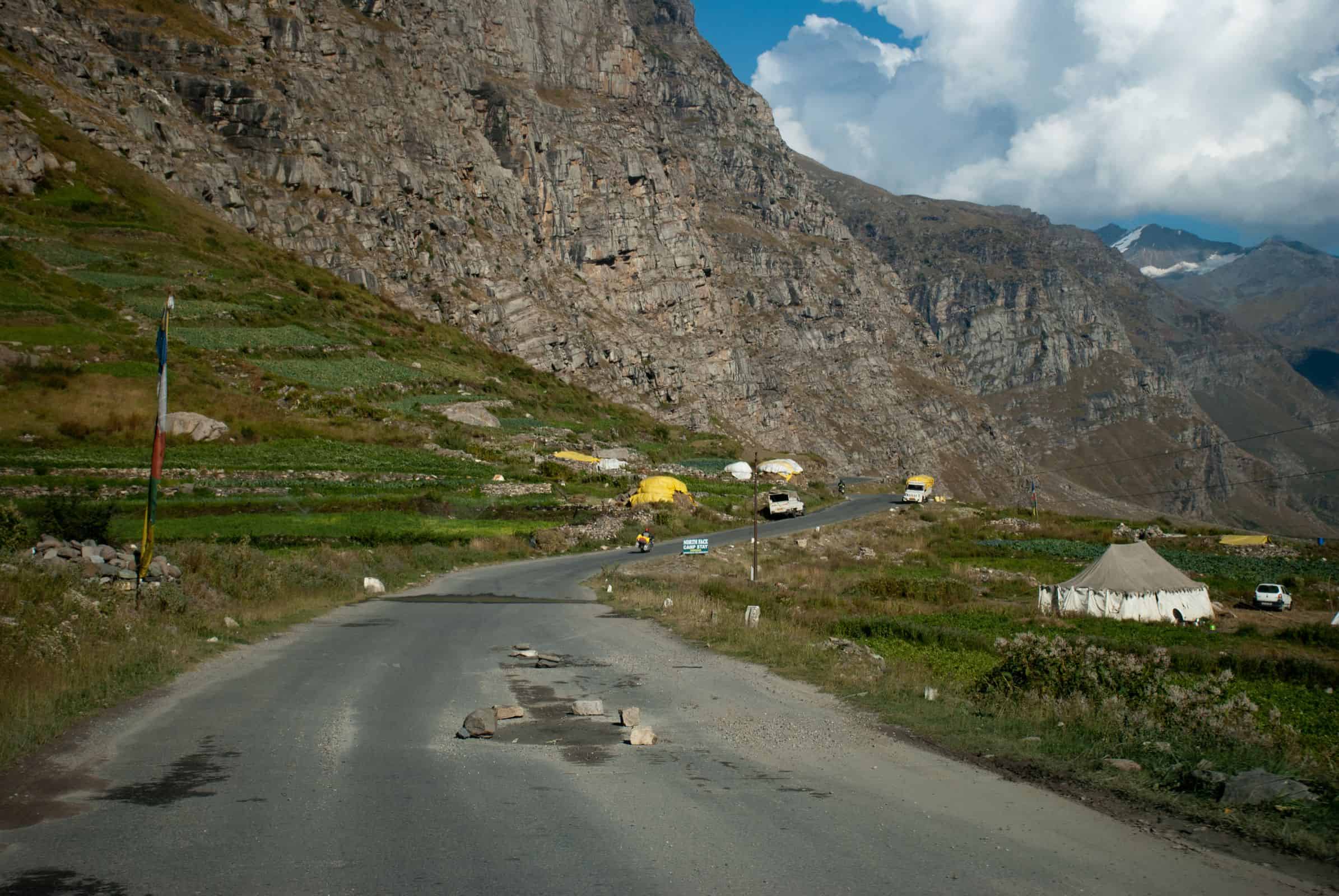
Are you planning a 5-day trip to Lahaul Valley in 2026 and trying to figure out how to fit Keylong, Sissu, Jispa, and Trilokinath into one comfortable itinerary? You are in the right place, because this Lahaul Valley 5-day itinerary is built around exactly that question. Lahaul has changed dramatically since the Atal Tunnel opened in October 2020. What used to be a tough crossing over Rohtang Pass is now a 9 km tunnel drive that gets you into the valley in about 2.5 hours from Manali. The 5-day window is the sweet spot, long enough to actually slow down at each village without rushing, short enough to fit a regular work-leave schedule.
I have driven this circuit multiple times in the post-tunnel era, and I will share an honest, practical day-by-day plan that works for self-drive travelers, bikers, and those hiring a taxi from Manali. We will cover when to start, where to acclimatize, what to skip if Baralacha La is closed, and how to swing the Chandratal detour on the way back. Let us get into it.
Quick Answer: Is 5 Days Enough for Lahaul Valley?
Yes, 5 days is enough to comfortably cover Sissu, Keylong, Jispa, Trilokinath Temple, and reach as far as Suraj Tal or Baralacha La if the road is open. The Atal Tunnel has cut travel time so significantly that you can spend Day 1 reaching Sissu by lunch, dedicate Days 2-4 to local exploration, and use Day 5 for the return drive with a Chandratal detour if conditions permit. For first-timers, this is the most balanced Lahaul itinerary. For current BRO status and crossing tips, read my Baralacha La 2026 guide. BRO Project Beacon connected both ends of the highway on May 12, 2026, tourist traffic was permitted from the end of May, and as of late July 2026 all four passes on the Manali-Leh route are open. One thing I will repeat through this post: sleep at Sissu on Night 1, not Keylong. If you have more or less than 5 days to spare, my Lahaul Valley itineraries overview compares the 5-day, 7-day, and 9-day versions side by side, this post is the fully sequenced, day-by-day version of the 5-day plan.
Practical Info Box: Lahaul Valley 5-Day Trip at a Glance
| Starting Point | Manali (or Chandigarh / Delhi day before) |
| Total Distance Covered | About 450 to 500 km round trip from Manali |
| Best Time | Mid-June to mid-October (June for snow, September for clear skies) |
| Highest Point | Baralacha La at 16,040 ft (if accessible) |
| Daily Budget | INR 2,100 to INR 6,900 per person per day (budget to comfort tier) |
| Total 5-Day Budget | INR 10,500 to INR 34,400 per person (group of 4, budget to comfort tier) |
| Permits | No ILP or PAP for Indian citizens. Free e-Aagman vehicle registration is mandatory in 2026. SADA entry fee INR 200 for non-HP cars at Sissu. |
| Vehicle Recommended | SUV or hatchback in summer. 4X4 mandatory in shoulder season. |
| Difficulty | Easy to Moderate (post-Atal Tunnel) |
| Last Updated | September 2026 |
When Should You Plan This Lahaul Valley 5-Day Itinerary?
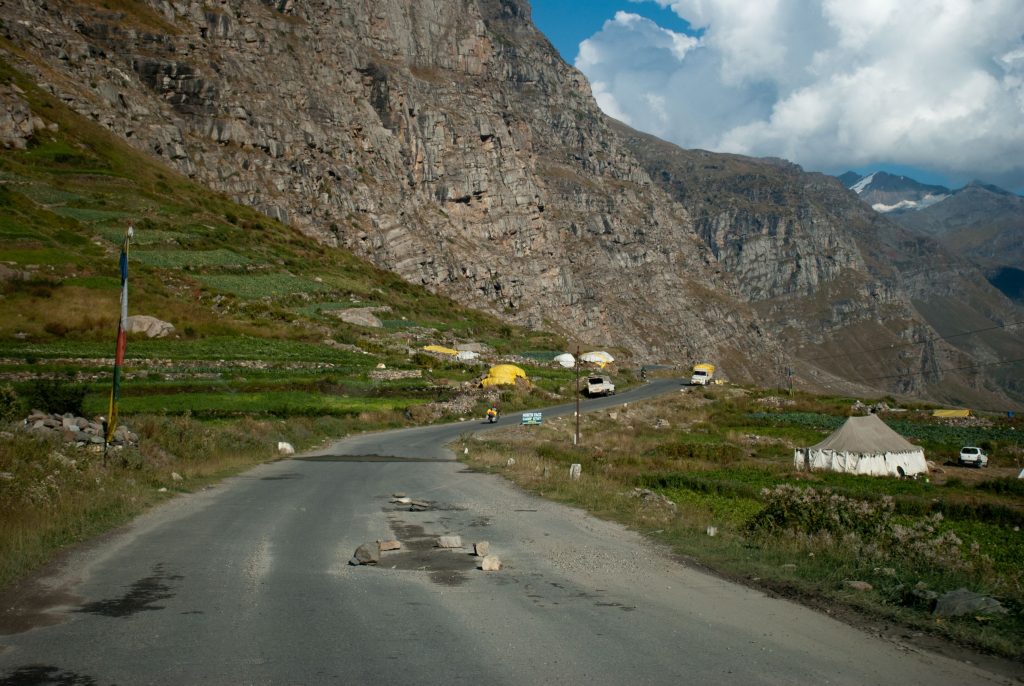
The window for this trip depends entirely on which version of Lahaul you want to see. From mid-June to mid-July, you get the dramatic snow walls along the Manali-Leh Highway, Suraj Tal still partially frozen, and waterfalls at full flow. From mid-August to mid-September, you get clear skies, warm afternoons in Keylong, and the safest road conditions. October is for travelers who want quiet villages and yellow poplar trees, but Baralacha La typically closes by early October. For a full season-by-season breakdown and live road status across the valley, check my complete Lahaul Valley travel guide.
In case you are trying to do this in May, keep in mind that the Atal Tunnel is open year-round but BRO often restricts access beyond Sissu until snow clearing reaches Keylong. For a deeper month-by-month breakdown, you can check our Best Time to Visit Lahaul Valley guide. For winter visits, the conditions change completely and only experienced 4X4 drivers should attempt anything beyond Sissu.
Day 1: Manali to Sissu via Atal Tunnel (Acclimatization Day)
The first day is shorter than people expect, and that is by design. Manali to Sissu is just about 41 km via the Atal Tunnel, and the drive takes about 2 to 2.5 hours including the tunnel transit. The whole point of Day 1 is acclimatization. Sissu sits at around 10,500 ft, and even though that does not sound dramatic, the altitude jump from Manali (6,725 ft) is enough to give you a mild headache by evening if you push too hard.
Suggested Day 1 Schedule
- 7:00 AM: Leave Manali after a heavy breakfast. Carry water and dry snacks.
- 8:30 AM: Reach the South Portal of Atal Tunnel. Tunnel speed limit is 80 km/h, no stopping inside.
- 9:00 AM: Exit at the North Portal near Teling village. The first viewpoint is right after the exit, do stop here.
- 9:30 AM: Arrive at Sissu. Check into your homestay or hotel and rest for an hour.
- 11:30 AM: Visit Sissu Waterfall (across the Chandra River) and the Sissu Lake walking trail.
- 1:30 PM: Lunch at a local dhaba in Sissu market.
- 3:30 PM: Take it easy. Walk around the village, hydrate, and avoid alcohol completely.
- 7:30 PM: Early dinner and sleep by 9:30 PM. Acclimatization is real.
Sissu has grown rapidly since the tunnel opened. You will find decent homestays in the INR 1,500 to INR 3,000 range, and a few mid-range hotels at INR 4,500 to INR 7,000. I always suggest staying on the village side rather than the highway side, the views of Mt. CB13 across the river are something else. Mobile network in Sissu is patchy. Jio and BSNL postpaid usually work, Airtel is unreliable.
Why Should You Sleep at Sissu on Night 1, Not Keylong?
The biggest mistake people make is rushing on to Keylong or Jispa on Day 1 because the drive felt easy. Please do not do this. Almost every 5-day Lahaul plan online puts Keylong as the Night 1 halt, and it is not the altitude that makes that wrong (Keylong is 10,170 ft, Sissu is 10,500 ft), it is what the afternoon tempts you into. A Sissu halt forces you to stop by 9:30 AM and do nothing all day. A Keylong halt pulls you into a Kardang run the same afternoon and a Jispa push the next morning, which is 6,725 ft to 11,000 ft inside 36 hours. Keep in mind Manali does nothing for your acclimatization however many times you have been there. I have seen friends ignore this and wake up vomiting in Jispa. Hence, the protocol is simple: gain altitude during the day, sleep low, and give your first night to Sissu.
Day 2: Sissu to Keylong with Kardang Monastery
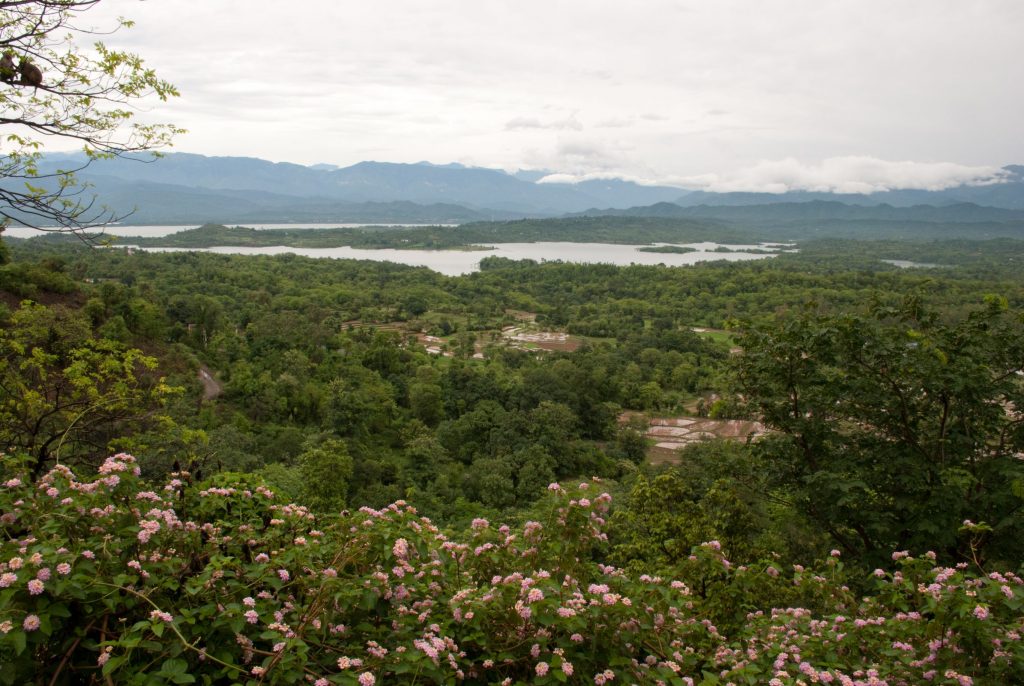
Day 2 covers about 35 km from Sissu to Keylong, but you will spend most of the day at Kardang Monastery and exploring Keylong town. Sissu to Keylong takes around 1 hour of actual driving. You can leave Sissu by 9 AM after a relaxed breakfast and reach Keylong before lunch. Keylong sits at 10,170 ft and is the administrative headquarters of Lahaul and Spiti district, which means it has functional ATMs, a hospital, fuel pump, and proper restaurants.
Kardang Monastery Visit
Kardang Monastery is across the Bhaga River from Keylong, on the opposite slope of the valley. The drive from Keylong to Kardang is about 8 km and takes 25 minutes, the road winds down to the river, crosses a small bridge, and climbs back up. Kardang is the largest monastery in Lahaul and belongs to the Drukpa Kagyu sect. The walk-around is free, donations are welcome, and the views back across to Keylong town are some of the best framed shots you will get all trip.
- 9:00 AM: Leave Sissu after breakfast.
- 10:30 AM: Reach Keylong. Check in to homestay or hotel.
- 11:30 AM: Drive to Kardang Monastery (about 25 minutes).
- 1:00 PM: Return to Keylong, lunch at a local Tibetan restaurant.
- 3:00 PM: Walk through Keylong bazaar, visit Shashur Monastery (above Keylong town).
- 5:30 PM: Tea at a roof-top cafe overlooking the valley.
- 8:00 PM: Dinner and rest.
Where to Stay in Keylong
Keylong has a wider range of accommodation than Sissu. HPTDC Hotel Chandrabhaga is the institutional option at around INR 2,500 to INR 4,000. There are also several private hotels in the INR 1,800 to INR 4,500 range, and a handful of homestays starting at INR 1,200. For a detailed walk-through of a long-time favorite, you can read my Nalwa Guest House review. Keylong is also where you should top up fuel, the next confirmed pump on the Manali-Leh route is at Tandi (about 8 km further north), and after that there is no fuel until Pang.
Day 3: Trilokinath Temple and Udaipur Day Trip from Keylong
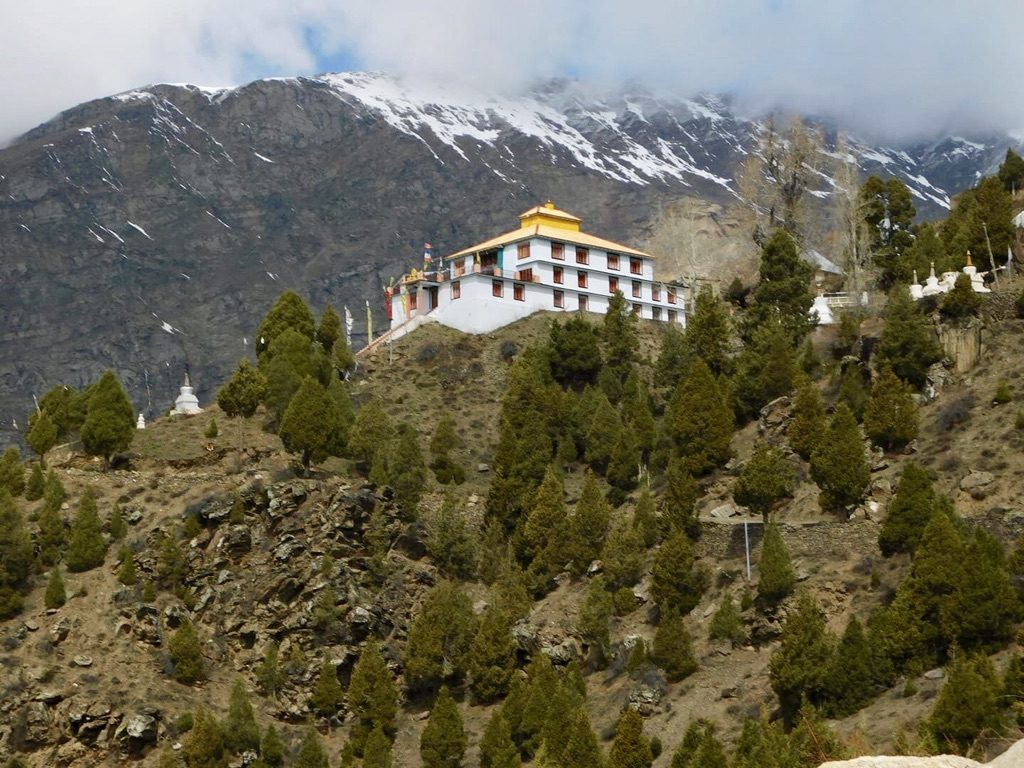
Day 3 takes you west, off the main Manali-Leh corridor, into the Pattan Valley. Keylong to Trilokinath is about 45 km and takes around 2 hours one-way because the road is narrow and traffic moves slowly. The route is Keylong – Tandi – Tholang – Shansha – Jhalma – Thirot – Udaipur – Trilokinath. The diversion to Udaipur happens at Tandi where the Chandra and Bhaga rivers merge to form the Chenab.
Why Trilokinath Is Worth the Detour
Trilokinath Temple is unique because it is sacred to both Hindus and Buddhists. Hindus worship the marble idol as Lord Shiva, Buddhists worship the same idol as Avalokiteshvara. The temple sits at about 9,500 ft in a small village above the Chandrabhaga River. The architecture is a mix of pagoda-style roof and stone walls, and the inner sanctum has a beautiful 6th-century white marble Avalokiteshvara idol. Photography is not permitted inside the inner sanctum, please respect that.


- 8:00 AM: Leave Keylong after early breakfast. Carry packed lunch or snacks.
- 10:00 AM: Reach Trilokinath Temple. Spend an hour here.
- 11:30 AM: Short drive (10 km) to Udaipur to see Mrikula Devi Temple, famous for its intricate wood carving.
- 1:00 PM: Lunch at Udaipur market.
- 2:30 PM: Start the drive back toward Keylong.
- 5:00 PM: Return to Keylong. Tea and rest.
- 8:00 PM: Dinner.
The road to Trilokinath has a few rough patches but is fully driveable in any vehicle including a sedan in summer. In case you want to extend this day, you can continue from Udaipur toward Killar (Pangi Valley), but that is a separate trip in itself. For travelers heading toward Pangi, my Pangi Valley travel guide covers the route in detail.
Day 4: Keylong to Jispa, Suraj Tal and Baralacha La
This is the highest-altitude day of the trip. Keylong to Jispa is just 21 km and takes about 45 minutes. Jispa to Suraj Tal is another 50 km and takes 2 hours because the road climbs steadily through Darcha and Zingzingbar before reaching Baralacha La. The total round trip from Keylong to Baralacha La and back to Jispa is about 142 km. By Day 4 your body has had two nights of acclimatization, so a half-day push to 16,000 ft is reasonable for most travelers.
Suggested Day 4 Schedule
- 7:00 AM: Leave Keylong after breakfast. Top up fuel at Tandi if not already done.
- 8:00 AM: Reach Jispa, drop heavy luggage at your homestay if you are spending the night here.
- 8:30 AM: Continue to Darcha, then Zingzingbar.
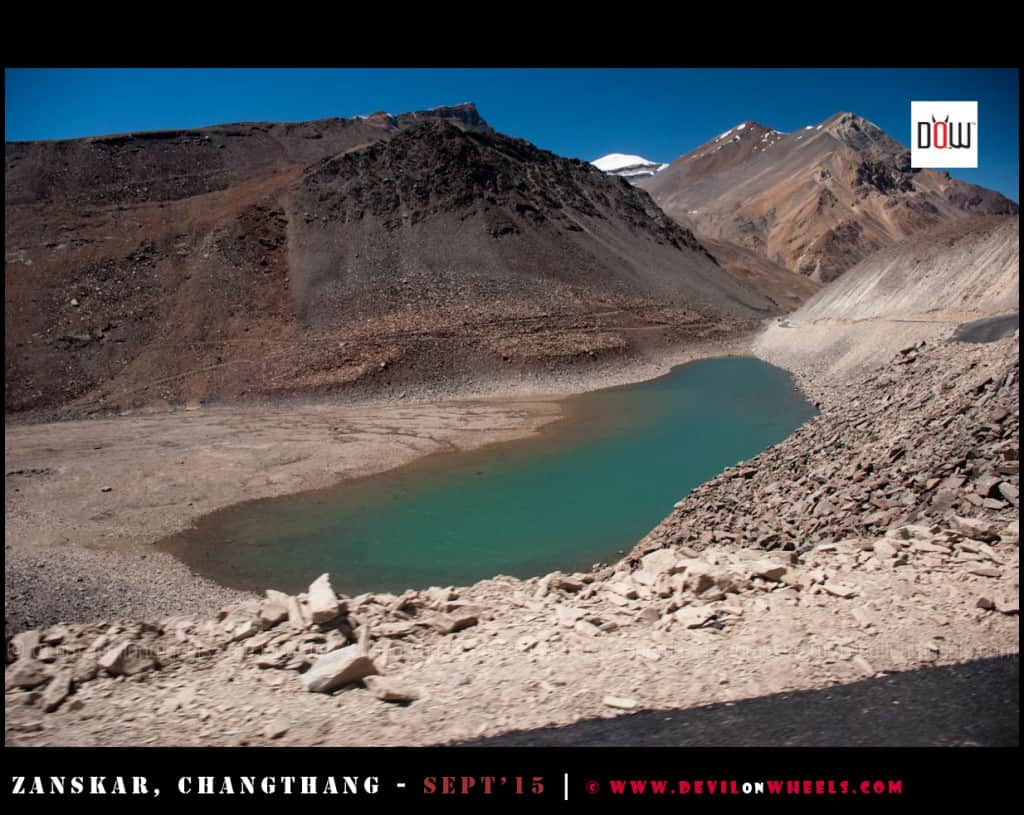
- 10:30 AM: Arrive at Suraj Tal (lake at 16,000 ft). Spend 30 to 45 minutes here, no longer.
- 11:30 AM: Drive 5 km up to Baralacha La if conditions allow.
- 12:30 PM: Begin descent. Avoid lingering at high altitude.
- 2:30 PM: Lunch at a Darcha or Jispa dhaba.
- 4:00 PM: Settle into Jispa for the night, walk along the Bhaga River.
- 8:00 PM: Dinner.
The 7 AM start on Day 4 is not about traffic, it is about the water crossings. The nallahs between Zingzingbar and Baralacha La are snowmelt-fed, so they are low before about 9 AM and can be knee-deep by noon. Cross that stretch on the way up by 11 AM at the latest, and plan the descent so you are not fording the same nallahs at 3 PM. Expect loose gravel and slush on the shaded sections near the top through July, so keep the speed low even where the tarmac looks fine. This is not a theoretical risk. On June 30, 2026, a sudden glacier-meltwater surge at Jhalma Nallah near Jispa (no rainfall involved) washed out a stretch of the highway and stranded around 1,000 vehicles for several hours before BRO cleared it overnight, per Tribune India. It is a good reminder that these nallahs are glacier-fed, not just rain-fed, so a clear sky is no guarantee of a safe crossing.
When Baralacha La Is Closed
Baralacha La opens around late May or early June and typically stays open until early to mid-October, depending on snowfall. In case you arrive and find it closed (BRO will have a checkpoint at Zingzingbar that turns vehicles back), you have a few alternatives for the day. You can spend more time at Suraj Tal, hike up the Deepak Tal area near Patseo, or simply turn back to Jispa and do the Jispa Heritage Museum and the village walk. Honestly, even reaching Suraj Tal is the highlight, Baralacha La is a bonus.
Why Stay in Jispa Instead of Going Back to Keylong
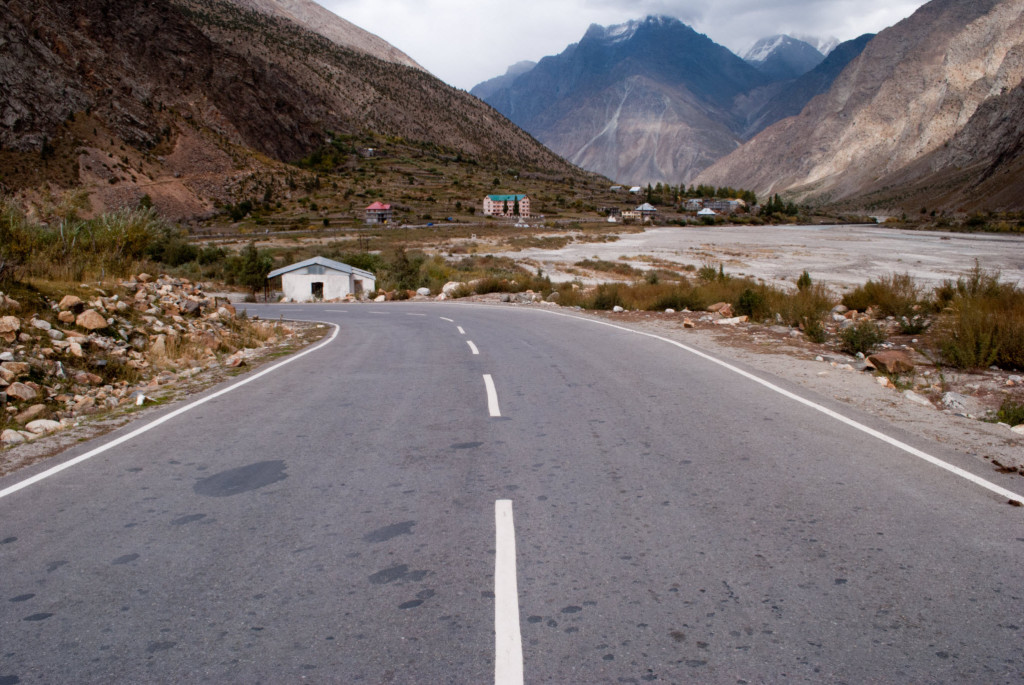
This is something I feel strongly about. Jispa is one of the most peaceful overnight stops in Lahaul. The Bhaga River flows right next to most camps and homestays, the village is small enough to walk end to end in 20 minutes, and the night sky on a clear day is spectacular. Going back to Keylong saves you about 40 minutes of driving, but you lose the entire Jispa experience. I have written more about why I prefer this stopover in my Jispa over Sarchu post. Camps in Jispa range from INR 2,500 to INR 5,500 per night including dinner and breakfast.
Day 5: Return to Manali (with Optional Chandratal Detour)
You have two options for Day 5, and the choice depends on your time, vehicle, and how the legs are feeling. The straightforward return is Jispa to Manali via the Atal Tunnel, about 110 km and 4 hours of driving. The adventurous option is to take the Gramphu – Batal – Chandratal route on the way back, which adds roughly 6 to 7 hours and requires a high-clearance vehicle, ideally a 4X4. The Gramphu side road is open from late June through September only.
Option A: Direct Return Via Atal Tunnel
- 8:00 AM: Breakfast at Jispa, leave by 9 AM.
- 10:00 AM: Reach Keylong, take a final tea break.
- 11:30 AM: Cross Atal Tunnel.
- 12:30 PM: Reach Manali. Lunch and check in to your hotel.
Option B: Chandratal Detour Via Gramphu – Batal Road
- 6:00 AM: Early breakfast and 6:30 AM departure from Jispa.
- 9:00 AM: Reach Gramphu (just before Atal Tunnel North Portal).
- 9:15 AM: Take the right turn toward Batal, road conditions become rough here.
- 12:30 PM: Reach Chandra Dhaba at Batal, lunch.
- 1:30 PM: Drive 14 km to Chandratal Lake parking, walk 1 km to the lake.
- 3:30 PM: Begin return drive.
- 7:00 PM: Cross Atal Tunnel and reach Manali.
Keep in mind, the Gramphu – Batal – Chandratal route is rough. There are several water crossings, and the road climbs over Kunzum La (14,930 ft) before descending to Batal. In case you have a sedan or hatchback, please skip this and stick with Option A. For a sedan-friendly Chandratal trip, the Kaza side approach is better, and I have covered that in my Chandratal Lake guide. Also, sleeping at Chandratal camps requires a separate night, do not try to combine it with the return drive in a single day from Jispa. If you plan to continue toward Kaza instead of looping back to Manali, check my updated Spiti-Manali-Kaza road status guide first, since this stretch opens and closes with the season.
How Much Will This 5-Day Lahaul Trip Cost?
Costs vary based on whether you self-drive, hire a taxi, or join a shared group. The numbers below are for 2026 and assume a group of 4 travelers sharing accommodation and a vehicle. As always, your individual costs will vary depending on your choices.
| Cost Category | Budget (per person) | Mid-Range (per person) | Comfort (per person) |
|---|---|---|---|
| Accommodation (4 nights) | INR 4,000 to 5,500 | INR 7,000 to 9,500 | INR 12,000 to 18,000 |
| Food (15 meals) | INR 2,500 to 3,500 | INR 4,000 to 5,500 | INR 6,000 to 8,000 |
| Fuel share (group of 4, sedan) | INR 2,800 to 3,500 | INR 2,800 to 3,500 | INR 3,500 to 4,500 (SUV) |
| Atal Tunnel + parking + permits | INR 200 to 400 | INR 200 to 400 | INR 200 to 400 |
| Misc (tea, snacks, monastery donations) | INR 1,000 to 1,500 | INR 1,500 to 2,500 | INR 2,500 to 3,500 |
| Total per person | INR 10,500 to 14,400 | INR 15,500 to 21,400 | INR 24,200 to 34,400 |
If you are hiring a taxi from Manali instead of self-driving, expect to pay an additional INR 18,000 to INR 28,000 for a 5-day Innova or Xylo, which works out to roughly INR 4,500 to INR 7,000 per person for a group of 4. For a deeper breakdown of costs and how the math changes with group size, see my Lahaul trip budget calculator. Group size matters a lot here, 4 is the magical number for sharing fuel and vehicle costs.
How to Reach Lahaul Valley: Transport Options
By Self-Drive Car or Bike
From Delhi, the drive is Delhi – Chandigarh – Manali – Atal Tunnel – Sissu, about 555 km from Delhi to Sissu via Manali. Most people break this into two days: Delhi to Manali on Day 0, then Manali to Sissu on Day 1. There is no toll on the Atal Tunnel itself, and no Rohtang permit is needed when you use the tunnel, so ignore the Rohtang Pass permit (INR 550 including the congestion fee) unless you specifically want to drive over the old pass. For bikers, the Atal Tunnel allows two-wheelers and the speed limit inside is 80 km/h. Bike rental from Manali ranges from INR 1,500 to INR 2,500 per day for a Royal Enfield Himalayan or similar.
What has changed for 2026 is the paperwork on the Lahaul side, and this catches people out. Every vehicle entering Lahaul and Spiti district now has to be registered on the Himachal government’s e-Aagman portal, including vehicles coming through the Atal Tunnel. It is free, takes two minutes, and generates a QR e-pass you show at the checkpost. Do it from Manali while you still have 4G, ideally a day or two ahead, because there is no usable network at the barrier. Separately, the Special Area Development Authority (SADA) barrier at Sissu collects an entry fee of INR 200 for a car, and Himachal-registered vehicles are exempt, so keep INR 200 in cash handy if you are on a Delhi, Haryana, or Chandigarh number plate. That is a district entry fee, not a tunnel toll, and the two get confused constantly in older articles including, until this update, mine.
By HRTC Bus
HRTC operates daily buses from Manali to Keylong via the Atal Tunnel during the open season (roughly mid-May to early November). The journey takes about 4.5 to 5 hours. Ordinary or non-AC fares for Manali to Keylong run about INR 150 to INR 250 per person in the 2026 season, and semi-deluxe or Volvo services cost more. Manali to Jispa direct buses also run, fares around INR 350 (verify locally). There are also long-distance HRTC services from Delhi (ISBT Kashmiri Gate) to Keylong via Manali. Always verify current fares and schedules with HRTC before booking, because Lahaul schedules change between the summer and winter timetables.
By Air
The closest airport is Bhuntar (Kullu), about 60 km from Manali. Flights are limited and weather-dependent. Most travelers fly to Chandigarh (about 310 km from Manali) and take a taxi or HRTC Volvo onwards.
Lahaul Valley Safety, AMS, and Emergency Tips
Lahaul is much more accessible now than it used to be, but the altitude is still real and the weather is still unpredictable. Sissu, Keylong, and Jispa are all between 10,000 and 11,000 ft, and Baralacha La crosses 16,000 ft. Please take this seriously even if you have been to Manali many times. Manali itself is at 6,725 ft, which is not high enough to acclimatize you for Lahaul.
AMS Prevention Checklist
- Sleep at Sissu on Night 1, not anywhere higher.
- Drink at least 3 to 4 liters of water per day.
- Avoid alcohol completely on Days 1 and 2.
- Skip strenuous exertion the first 24 hours.
- Carry Diamox (consult a doctor about pre-trip dosing).
- If headache persists for more than 4 hours despite hydration, descend immediately.
For a deeper read on AMS and prevention strategies, see my 12 Tips to Prevent AMS guide. The symptoms in mild form are headache, nausea, inability to sleep, and loss of appetite. In severe form they include vomiting, bleeding nostrils, and confusion. The only definitive treatment for severe AMS is descent, no medicine fixes the underlying problem if you are still at altitude.
Mobile Network, Packing, and Emergency Contacts
BSNL works in most of Lahaul. Jio works in Sissu, Keylong, and Jispa town but is patchy elsewhere. Airtel is unreliable in Lahaul as of 2026. For emergency numbers, ask your homestay host on arrival or use 100 for police. Keep the BRO control room number for road status updates, verify locally.

For packing, even in July and August, evenings in Keylong and Jispa drop to single digits Celsius. Pack a heavy fleece, a windproof jacket, gloves, a beanie, and warm socks. Sunglasses are essential because the UV at altitude is brutal. Carry a basic first-aid kit with paracetamol, Diamox, ORS sachets, and personal medication. A power bank is non-negotiable.
Variations: Bikers, Backpackers, and Families
Bikers: The same itinerary works for bikers, build in 30 to 45 minutes extra per day for fatigue. Carry a basic toolkit, spare clutch cable, and a tire repair kit. Helmet is mandatory inside the Atal Tunnel and avoid riding after 6 PM in Lahaul.
Backpackers using HRTC buses: Day 1 take the morning Manali to Sissu bus, Day 2 explore Keylong by foot plus shared taxi to Kardang (around INR 500 round trip), Day 3 hire a cab for the Trilokinath day trip (INR 2,500 to INR 3,500 split among 4), Day 4 shared taxi to Jispa, Day 5 return bus to Manali. Total budget approximately INR 8,000 to INR 11,000 per person.
Families with kids: Skip Day 4 Baralacha La if you have children under 10. Instead, do a relaxed day at Jispa with a picnic by the Bhaga River. Sissu and Keylong are usually fine for older children if you take the acclimatization day seriously. Pediatric Diamox dosing only on doctor advice.
Frequently Asked Questions about the Lahaul Valley 5-Day Itinerary
Is 5 days enough for Lahaul Valley?
Yes, 5 days is the ideal duration for first-time visitors. It gives you one acclimatization day at Sissu, two days for Keylong area exploration including Kardang Monastery and Trilokinath Temple, one day for Jispa and the high-altitude push toward Baralacha La, and one return day. Adding Chandratal on Day 5 is possible but tight.
Do I need a permit to visit Lahaul Valley?
No, Indian citizens do not need an Inner Line Permit or any tourism permit to visit Sissu, Keylong, Jispa, or Trilokinath, and the Atal Tunnel does not require a permit either. The Inner Line Permit requirement applies to Spiti Valley areas like Tabo and beyond, not Lahaul. Foreign nationals may need a Protected Area Permit (PAP) for some sensitive border zones. For details, see the Inner Line Permits guide. Keep in mind that your vehicle is a separate matter: e-Aagman registration is mandatory in 2026, and the SADA barrier at Sissu charges INR 200 for non-Himachal cars.
Do I need e-Aagman registration for Lahaul in 2026?
Yes. Every vehicle entering Lahaul and Spiti district must be registered on the Himachal government’s e-Aagman portal at eaagman.hp.gov.in, and this applies even through the Atal Tunnel. It is free and produces a QR e-pass you show at the checkpost. Fill it in from Manali or Shimla 24 to 48 hours before you drive, because there is no usable network at the barrier. It is separate from the INR 200 SADA entry fee charged to non-Himachal cars at Sissu.
Can I do this Lahaul itinerary in a sedan?
Yes, a sedan can comfortably do Manali to Sissu, Keylong, Jispa, Trilokinath, and the Manali-Leh Highway up to Baralacha La in good summer conditions. Just drive cautiously on rough patches, especially the road to Trilokinath which has narrow sections. The Gramphu-Batal-Chandratal road on Day 5 is not sedan-friendly, skip that route if you are in a sedan.
When does Baralacha La open in 2026?
Baralacha La typically opens between mid-May and the first week of June, depending on snowfall during the previous winter. In 2026, BRO Project Beacon connected both ends of the Manali-Leh Highway on May 12 and civilian and tourist traffic was allowed through from the end of May. As of late July 2026 the pass is open, and it normally stays open through mid-October, though it can shut for a day or two even in summer after fresh snow. For real-time updates, check our Manali Leh Highway Status page which we update through the season.
Is the Atal Tunnel open in winter?
Yes, the Atal Tunnel is open year-round, including in winter. However, the road beyond Sissu often has restrictions in deep winter (December to March) when only 4X4 vehicles with snow chains are allowed, and only for Lahaul residents during heavy snowfall events. For a normal tourist visit, plan between mid-May and mid-October.
Where should I stay, Sissu, Keylong, or Jispa?
You should stay in all three across the 5 days, that is the whole point of this itinerary. Sissu Night 1 (acclimatization). Keylong Nights 2 and 3 (base for Kardang and Trilokinath). Jispa Night 4 (base for Suraj Tal and Baralacha La). Each village has a different feel, and skipping any one of them shortchanges the experience.
Is Lahaul Valley safe for solo travelers?
Yes, Lahaul is among the safer Himalayan regions for solo travelers including women. Locals are friendly, homestays are well-run, and the post-tunnel tourist flow means you are unlikely to feel isolated. The bigger safety concern is altitude and weather, not people. As always, share your itinerary with a family member, keep your phone charged, and avoid driving alone after dark on mountain roads.
How much does this trip cost in 2026?
For a group of 4 self-driving from Manali, the budget tier costs around INR 10,500 to INR 14,400 per person, the mid-range tier costs INR 15,500 to INR 21,400 per person, and the comfort tier (SUV, mid-range hotels, restaurant meals) costs INR 24,200 to INR 34,400 per person for 5 days. Solo travelers will pay more per person because vehicle and accommodation costs do not split.
What is special about Trilokinath Temple?
Trilokinath is one of the rare sacred sites where Hindus and Buddhists worship the same idol, a 6th-century white marble Avalokiteshvara figure that Hindus see as Lord Shiva. It sits at about 9,500 ft above the Chandrabhaga River near Udaipur, 45 km and 2 hours one-way from Keylong.
Can I add Chandratal to the 5-day itinerary?
You can squeeze Chandratal into Day 5 via the Gramphu-Batal route, but it makes for a long, rough day and requires a high-clearance vehicle. A better option is to extend your trip to 6 or 7 days, sleep at Chandratal camps for a night, and approach via the Kaza-Batal-Kunzum side. For the standard 5-day plan, I recommend skipping Chandratal and saving it for a separate Spiti trip.
Related Lahaul and Manali-Leh Reading from Discover With Dheeraj
- Lahaul Valley Complete Travel Guide 2026 (the pillar guide)
- Best Time to Visit Lahaul Valley – Month by Month
- Lahaul Valley – Most Common Itineraries
- Jispa Village – Complete Travel Guide
- Why Jispa over Sarchu on Manali-Leh Highway
- 10 Beautiful Places to Visit in Lahaul Valley
- Manali Leh Highway Status
- How to Calculate the Budget for a Lahaul Trip
Final Thoughts
Lahaul Valley used to be one of those places only the most dedicated travelers reached, locked behind Rohtang Pass for nine months a year. The Atal Tunnel changed that in 2020. Today you can drive from Delhi to Sissu in two relaxed days, sleep in Keylong’s bazaar, watch the Bhaga River from a Jispa balcony, and stand at 16,000 ft on Baralacha La inside a week of planned leave.

That said, please remember the altitude is real, the weather can flip in 30 minutes, and the slow pace I described in this itinerary is not me being cautious for the sake of it. Travelers I know who tried to cram Lahaul into 3 days came back exhausted, sick, or both. Five days is the right number. Slow down, sleep early, drink water, and let the valley reveal itself at its own rhythm.
If you have any questions about this itinerary, doubts about your route, or have done this trip and want to share what worked or did not, please drop them in the comments section below. The DwD community is full of travelers who have driven and ridden these roads, and someone always has a fresh tip for the upcoming season. Do share this article with friends and family who are planning their Lahaul trip for the rest of the 2026 season, it will help them plan better 🙂 …
LAST UPDATED: September 2026
