


Last Updated: March 2026
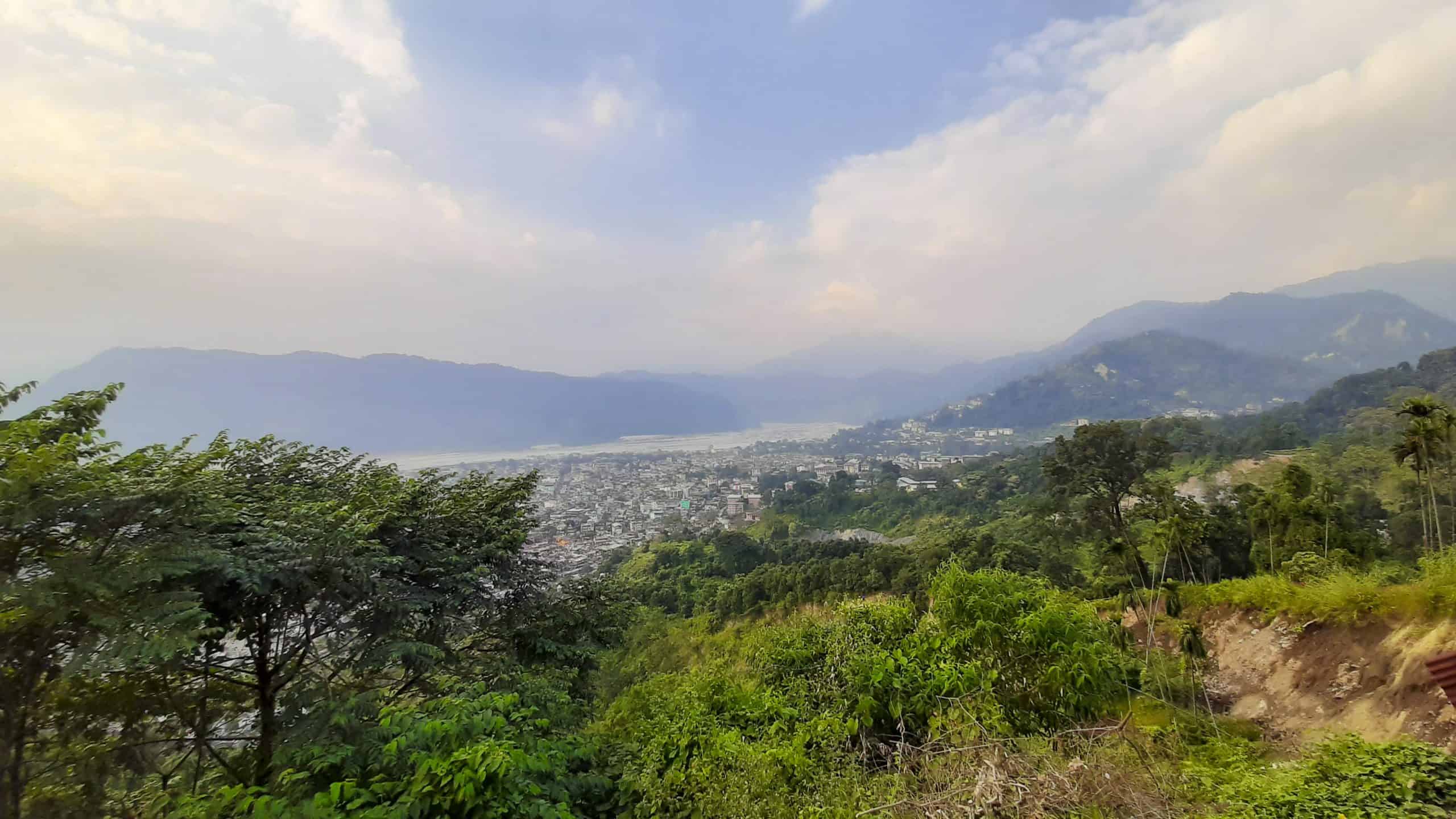
Eastern Bhutan is possibly the most enigmatic part of the Kingdom. Thanks to the enormous distance from Paro International Airport in Western Bhutan, the East has maintained a mystical aura that few travelers ever get to experience firsthand. The further East you move, the more settlements thin out and untouched wilderness takes over. For those who crave genuine offbeat travel, Eastern Bhutan delivers like no other region in the Himalayas.
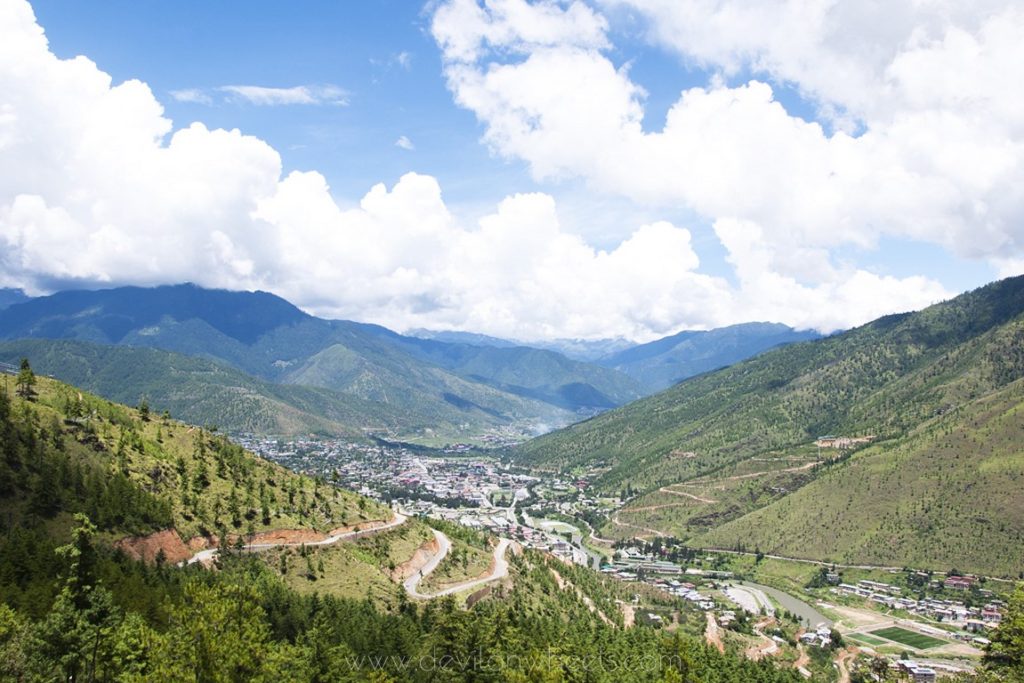
I have been researching and interacting with travelers who have explored Eastern Bhutan for years now. The spirited explorers venturing eastwards are rewarded with fascinating villages living their purest lives, barely disturbed by tourism. You will find ancient dzongs, monasteries, some of the most beautiful handwoven silks in the world, and wildlife sanctuaries that remain virtually untouched. Hence, if you are the kind of traveler who values raw experiences over polished tourism, Eastern Bhutan should be on your radar.
Let's quickly dive into the details:
What Makes Eastern Bhutan Special for Travelers?
Eastern Bhutan stands apart because it receives a tiny fraction of the tourists that Western Bhutan (Paro, Thimphu, Punakha) attracts. While most travelers visiting Bhutan are happy exploring the Tiger’s Nest Monastery or understanding the rich culture in Thimphu and Punakha, I am here to tell you there is more to Bhutan. You should wander off the beaten path and lead yourself to Eastern Bhutan, where not many have come before you.
The four eastern districts, Mongar, Trashigang, Lhuentse, and Trashiyangtse, cover some of the most diverse elevations in the country. From subtropical forests at 600 meters to alpine zones above 4,000 meters, the landscape shifts dramatically within short distances. Given the lack of real tourism activity currently, it makes Eastern Bhutan the perfect place for Discover with Dheeraj readers to visit.
Practical Information Box
| Detail | Information |
|---|---|
| Best Time to Visit | Late February to mid-March (spring blooms, festivals) and September to November (clear skies, post-monsoon) |
| SDF for Indians | Rs 1,200 per person per night (confirmed through August 2027) |
| SDF for Others | USD 100 per person per night |
| Permits Required | Entry Permit + Route Permit (arranged via operator or Thimphu immigration) |
| Nearest Airport | Yongphulla Airport near Trashigang (domestic Druk Air flights from Paro, 3x weekly) |
| Drive from Bumthang | ~200 km to Mongar (6-7 hours via Thrumshingla Pass) |
| Budget Hotels | Rs 1,500-3,000 per night in Mongar/Trashigang |
| Homestays | Rs 800-1,500 per night |
| Mobile Network | Limited. B-Mobile/TashiCell works in town centers, not in rural areas |
| ATMs | Available in Mongar and Trashigang town. Carry cash for rural areas |
How Is the Culture Different in Eastern Bhutan?
Most of Eastern Bhutan lives in tiny hamlets. These villages are often perched high above roads or situated in isolated valleys. Many are home to ethnic minorities, and some villages have fewer than 1,000 people. The villagers have been able to maintain the sanctity of their culture with minimal dilution from the outside world.
This preservation of culture is something deeply special about Bhutan in general. They understand the value of tourism and showing their way of living to others. But they are also extremely proud and protective of their way of life. This trait makes them highly caring individuals that appreciate everything for what it is, nothing less, nothing more. Eastern Bhutan is unrivaled in traditional arts, crafts, and especially handwoven textiles.
What Is the History Behind Eastern Bhutan?
Eastern Bhutan was once reigned by an assortment of distinct small kingdoms. It was an integral part of the trade route between India and Tibet, with goods moving through Singye Dzong in what is now the Lhuentse district.
Chhogyel Mingyur Tenpa is undoubtedly the most important figure in the region’s history. To suppress rebellions in Bumthang, Lhuentse, Mongar, and Zhemgang, he led his armies into Eastern Bhutan as the governor. It was through his efforts that the East came under the rule of the Desi (secular ruler of Bhutan), ultimately leading to the unification of the country as we know it today.
When Is the Best Time to Visit Eastern Bhutan?
Most of Eastern Bhutan sits at lower altitudes compared to the West. Late spring and summer months are especially hot and humid, though this is a great time for birdwatching in the dense forests. Avoid the monsoon months of May to August, as heavy rains damage the already fragile road infrastructure and can cause landslides.
Late February to mid-March is my recommended window. You get comfortable temperatures, low-season crowds, interesting festivals like the Chorten Kora festival, and beautiful spring blooms. September to November is the second-best window, offering clear skies and post-monsoon freshness.
Pro Travel Tip: Do not forget to check this complete month by month guide on the best time to visit Bhutan for all regions.
What Are the Major Attractions in Eastern Bhutan?
Eastern Bhutan is isolated and the terrain can be tough. You need to be physically fit to enjoy your visit truly. Some places in the region will require hiking and walking long distances, otherwise you will not be able to see much. Amenities are limited, so keep your expectations realistic and carry essentials with you.
If you are hiring a guide, I suggest looking for homestays over hotels. In such places, I truly recommend going all out and camping under the blanket of stars. With almost negligible population nearby, the light pollution is controlled, and the night skies are in another gear altogether. Being out in the open, one with nature, is a whole different ballgame.

Which Buddhist Monasteries Should You Visit?
Buddhist architecture in this region is stunning and largely unvisited by tourists. Here are the key monasteries and temples you should prioritize on your Eastern Bhutan trip.
Drametse Goemba
Drametse is the biggest and most significant monastery of Eastern Bhutan. Founded in 1511 by Ani Chhoeten Zangmo, the granddaughter of the great treasure-revealer Pema Lingpa, it sits on a prominent hilltop. The name translates to “the peak where there is no enemy.”
The monastery is home to around 100 monks and Gomchen (lay or married Nyingma monks). It has gained fame for the Nga Cham drum dance, which UNESCO proclaims as a Masterpiece of the Oral and Intangible Heritage of Humanity. Situated around 18 km from Thungari, you can reach here through an hour-long journey on a dirt track, climbing about 1,350 meters. A 4×4 vehicle is advisable, especially after rain. This place makes a good stop when visiting Trashigang or Mongar, where you should arrange accommodation and meals.
Pro Travel Tip: Do not forget to check this complete travel guide for hiking Tiger’s Nest Monastery in Bhutan.
Gom Kora (Gomphu Kora)
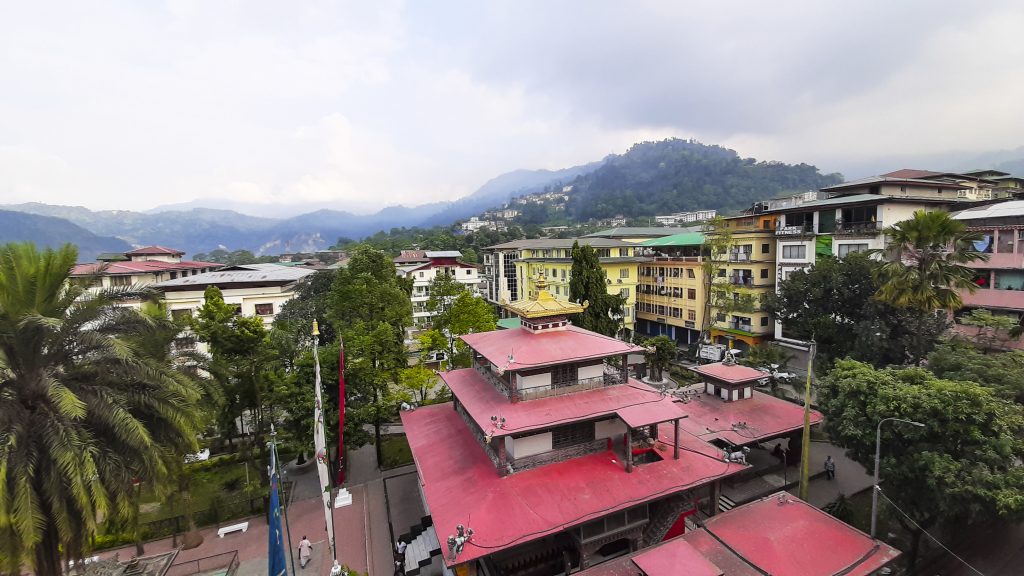
An extremely scenic sanctuary, Gom Kora is located 13 km north of Chazam. The lush fields stretch out, combined with the characteristic red robes of the monks and the backdrop of the yellow temple roof, making for one of the most peaceful days you will have in Eastern Bhutan.
The proper name is Gomphu Kora. “Gomphu” refers to the sacred meditation site of Guru Rinpoche, and “Kora” means circumambulation. The Guru is said to have meditated here and left a body impression on a rock, similar to that in Kurjey Lhakhang in Bumthang. Behind the Goemba lies a large black rock with fascinating folklore. The Guru was meditating in a small cave near the bottom of the rock when a demon in the shape of a cobra appeared. He quickly stood up, leaving the impression of his pointed hat at the top of the cave.
He then transformed himself into a Garuda, leaving imprints of his wings on the rock. The Guru struck an agreement with the demon to stay away until the end of his meditation. They sealed the contract with thumbprints, which are still visible on the rock. A small “sin-testing” passageway leads from the cave to an exit on the side of the rock. Visitors can test their luck by trying to climb up, though legend says only the righteous can make it through.


Pro Travel Tip: Check our detailed guide on how to get all the necessary permits for your Bhutan trip.
Chorten Kora
Chorten Kora has one of the most fascinating stories of all the monasteries in the region. It is a large replica of the Boudhanath Stupa in Nepal, though the two do not look nearly as identical as originally intended. Constructed in 1740 by Lama Ngawang Loday in memory of his uncle Jungshu Phesan, it was also meant to subdue local spirits.
The story goes that Lama Ngawang Loday traveled to Nepal and carved a model of Boudhanath into a radish, so people could visit this holy replica without making the difficult journey to Nepal. However, by the time he returned, the radish had shrunk and distorted the image. This is why the Chorten looks different from the original despite being a replica.
During the first month of the lunar calendar (typically February or March), an auspicious kora is held here. Two communities celebrate on separate dates (the 15th and 30th days of the first lunar month). The first date (Dakpa Kora) is reserved for villagers from Arunachal Pradesh, India. For them, it is a three-day pilgrimage honoring the sacrifice of an eight-year-old girl who was enshrined in the chorten to placate a demon. The second kora (Drukpa Kora) is primarily for the Bhutanese. A local fair with dozens of stalls gives pilgrims a chance to catch up on shopping and local gossip.
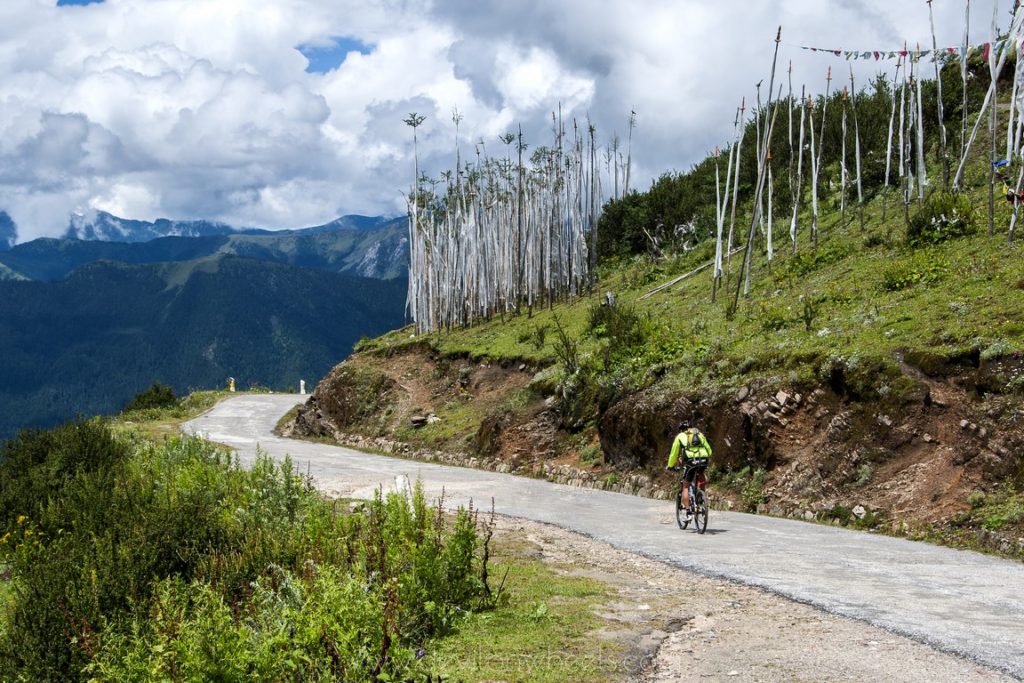
Pro Travel Tip: Do not forget to check this complete travel guide for Western Bhutan if you are planning to explore both sides of the country.
Trashigang Dzong
This Buddhist monastery and fortress sits on a thin peninsula overlooking the confluence of the Drangme Chhu and Gamri Chhu rivers. Known as the “Fortress of the Auspicious Hill,” Trashigang Dzong was built in 1667. The entire eastern region was governed from this Dzong until the beginning of the 20th century. Several tame Jaru (goral or mountain goat) roam the exterior courtyards, which is a delightful sight.
A unique aspect of this monastery is that both the administrative and monastic bodies face onto a single courtyard. Depending on the monks you speak with, you may get access to the half a dozen Lhakhang inside. Murals and paintings depict the rich history of the Dzong, from paintings of a yeti to a chapel dedicated to the deity Choegi (Yama) Gyelpo, the god of death and the king of law, who weighs the good and evil at the end of a person’s life.
Pro Travel Tip: Check this complete travel guide for Central Bhutan for covering Bumthang and Trongsa on your way east.
Yakgang Lhakhang
This Buddhist temple in Mongar was founded in the 16th century by the son of Pema Lingpa. The position of the Lama is inherited and handed down over generations from father to son, which is quite unusual.
When you are exploring this temple, request to view the Lhakhang in the house next door, where they exhibit the main relics. The murals inside are a beautiful combination of old and new, with some handwritten texts brought from Tibet. The temple hosts the annual Tsechu on the 10th day of the fifth month. Most of the valuables are displayed during the festival. As is common with Buddhist festivals, locals perform the ancient cham (ritual dance). Interestingly, the masks used for the performance were crafted by Pema Lingpa’s son himself.
Lhuentse Dzong
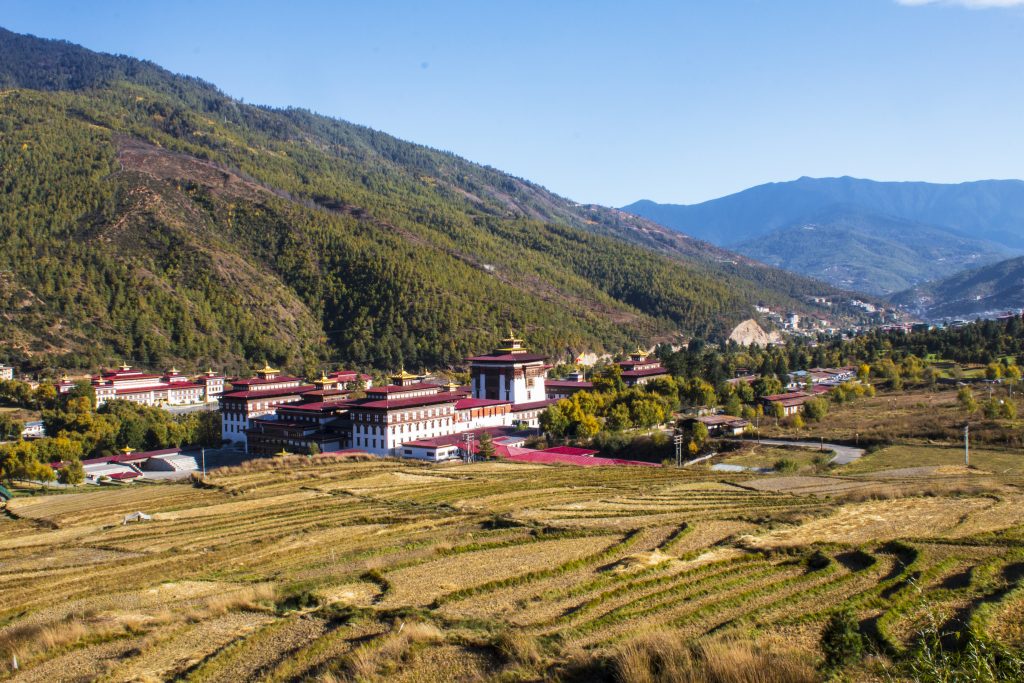
Lhuentse Rinchentse Phodrang Dzong sits high on a rocky ridge overlooking the Kuri Chhu valley. With almost vertical drops on all sides, the monastery is genuinely a sight to behold. It hosts a beautiful three-day Tsechu in December or January.
The monastery is home to around 100 resident monks. Because of the low tourist footfall, the monks allow a lot of freedom to explore the inner sanctity, something other monasteries in Bhutan might not allow. Do remember to find someone with the keys, and you can explore all seven Lhakhang at your own pace. This kind of access is becoming increasingly rare across Bhutan, which makes Lhuentse Dzong a special experience.
Pro Travel Tip: Check our article about important tips for saving costs on a Bhutan trip if you are looking to travel on a budget.
Mongar Dzong
Established in 1930 to replace the original Shongar Dzong, this monastery still uses the original Utse (central tower). Mongar Dzong is unusual because it has two entrances. There are four Lhakhang in the Utse, including a Goenkhang (chapel dedicated to protective deities) and the Sangay Lhakhang. The week-long Mongar Tsechu is held here in November or December, from the seventh to the 10th days of the 10th lunar month.
What Are the Best Offbeat Places to Explore in Eastern Bhutan?
Beautiful monasteries and temples are, of course, an integral part of Bhutanese culture. However, if you are like me, your one true passion is experiencing nature and being part of natural events. Eastern Bhutan will provide plenty of opportunities beyond religious sites.
Mongar Town and Surroundings
Mongar offers some outstanding sights. It is home to the Rhododendron Species Botanical Garden, where you will see over 1,000 species and varieties of rhododendrons collected from around the world. The blooming season (March to May) is especially spectacular. Apart from flora, Mongar is also home to significant religious sites such as Dramitse Lhakhang, Aja Ney, and Yagang Lhakhang. Mongar is worth including in your Bhutan road trip itinerary because it serves as the gateway to the deeper East.
Lhuentse District
If you are truly craving solitude, take the three-hour drive from Mongar towards Lhuentse. This is one of the most isolated districts in the entire country. The area is covered almost entirely by three protected areas: Thrumshingla National Park, Wangchuk Centennial Park, and Bumdeling Wildlife Sanctuary.
Even though the region is exceptionally isolated, it holds administrative significance as the ancestral homeland of Bhutan’s royal family. Must-visits include Lhuentse Dzong, the Kilung Lhakhang, and Jangchubling Monastery. Keep in mind that road conditions here can be challenging, especially during monsoon.
Pro Travel Tip: If you prefer traveling solo, this article will help you plan a solo trip to Bhutan.
Khoma Village
You cannot reach Khoma village by road. To experience this tiny hamlet, you need a two-hour walk from Lhuentse Dzong. Khoma is a must-visit for those who love culture and textiles. It is a haven for silk lovers, and you will find some of the most talented Bhutanese weavers here, creating the distinct pattern called Kishuthara. This is the most complicated weaving pattern in Bhutan and takes about six months to finish a single piece.
Weaving is the main livelihood of this village, and girls are introduced to the loom as early as eight years old. Kishuthara serves as a status symbol because it is quite expensive to acquire. If you are interested in buying one, expect to pay anywhere from Rs 15,000 to Rs 50,000+ depending on the complexity and size.
Trashigang Town
Genuinely the most unexplored part of Bhutan is the eastern side, and Trashigang sits at its heart. It is truly rural, with minimal development and almost negligible commercial activities. This is where wanderers feel alive.
What it lacks in infrastructure, Trashigang makes up in natural wonders, which is why people call it the “Jewel of the East.” Since the region ranges from 600 meters to 4,000 meters, be aware of altitude changes. Apart from its historical significance as a barter junction between India and Tibet, Trashigang is also one of the principal markets of the semi-nomadic Brokpas. You can easily identify the Brokpas thanks to their unique mode of dressing, with distinctive yak-felt hats and colorful woven garments.
Pro Travel Tip: If you prefer traveling via public transport, check this article which will help you plan a trip to Bhutan by bus and public transport.
Trashiyangtse and Bomdeling Wildlife Sanctuary
Trashiyangtse district covers about 1,500 sq km of forest land, most of which belongs to the Bomdeling Wildlife Sanctuary. This sanctuary is home to Bhutan’s national butterfly, Ludlow’s Bhutan Glory, as well as red pandas, barking deer, Himalayan black bears, and big cats like leopards and tigers. If you are a birdwatcher, this is paradise, as the sanctuary lies on an important migratory route for black-necked cranes that arrive in late October.
There are some stunning trails worth exploring. The Far Out East Bhutan Trek takes approximately 6 days and goes to a maximum elevation of 3,000 meters. It is one of the least attempted treks in Bhutan, so you will have the trails mostly to yourself.
Merak and Sakteng Villages
For those wanting to go truly deep, the semi-nomadic Brokpa villages of Merak and Sakteng in the Sakteng Wildlife Sanctuary are a unique experience. This 740 sq km sanctuary in Trashigang district is the only protected area in the world created to protect the habitat of the “Migoi” (yeti), based on local beliefs. The area officially opened for tourism in 2009, and very few travelers have visited since.
Getting to Sakteng requires a trek of about 3 hours from the nearest road head, as there are still no roads to the village. A restricted area permit is required (arranged by your tour operator). The best season for the Merak-Sakteng trek is March to June and September to November. Keep in mind, this is genuinely remote, and you should be prepared for basic conditions and cold nights.
How to Reach Eastern Bhutan?
Getting to Eastern Bhutan requires either a long drive from the West or a domestic flight. Here are your options.
By Road from Western Bhutan: The drive from Paro/Thimphu to Mongar takes 2 full days, passing through Trongsa and crossing Thrumshingla Pass (3,780 m). The total distance is approximately 400 km. The road from Bumthang to Mongar alone takes 6-7 hours for roughly 200 km. From Mongar, Trashigang is another 3 hours (91 km). Roads are generally good on the national highway, but monsoon landslides can cause delays.
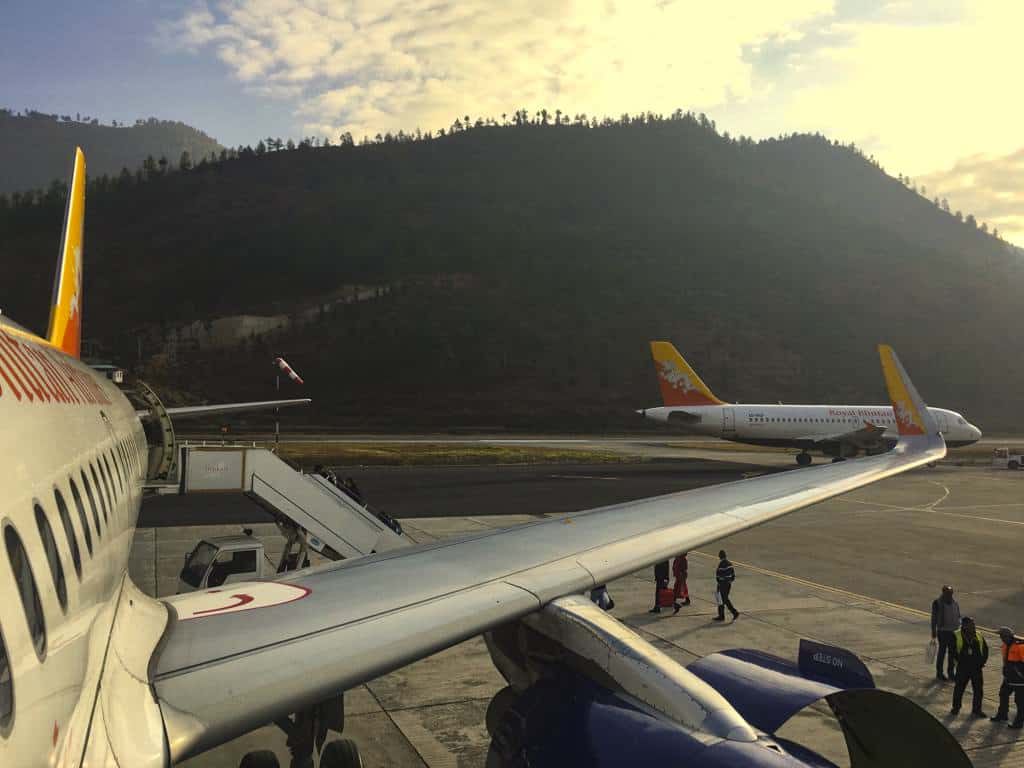
By Domestic Flight: Druk Air operates flights from Paro to Yongphulla Airport near Trashigang, about 3 times per week. The flight takes roughly 45 minutes. However, these flights are weather-dependent and cancellations are common, so always have a backup plan. As of 2026, one-way fares are approximately USD 170-220 for foreigners.
Via Samdrup Jongkhar (India border): If you are traveling from Northeast India, you can enter Bhutan through the Samdrup Jongkhar border crossing. From there, Trashigang is about 180 km (5-6 hours). This route is popular with Indian travelers coming from Guwahati (about 3 hours to the border). Keep in mind, you will still need your Entry Permit and Route Permit.
What Are the Food Options in Eastern Bhutan?
For the most part, food options will be limited to hotels, and the food would be similar to buffet-style meals you find elsewhere in Bhutan. However, if you are staying in a homestay, you have hit the food jackpot. Ask your hosts for authentic preparations, and I am certain they will be happy to oblige.
Must-try dishes include Nakey (unfurled fiddlehead fern frond), locally grown green chilies (the East is known for its particularly fiery varieties), and some home-brewed arra (rice wine). If you enjoy spicy food, you are in for a treat, because Eastern Bhutanese cuisine is among the spiciest in the country.
Some restaurants in Mongar are worth mentioning. The Lotus Pond Restaurant has a huge menu, and you must try the momos when you are here. Puensom Confectionary and Bakery offers decent pizzas, apple pies, and cakes. In Trashigang, the Druk Deothjung Bakery (inside the Druk Deothjung Hotel) is quite nice, and you can also try the Monkey Shoulder Cafe.
Pro Travel Tip: Wondering how much a Bhutan trip will cost? Check our detailed guide on how to calculate the cost or budget of a Bhutan trip.
Where Should You Stay in Eastern Bhutan?
Accommodation options in Eastern Bhutan are limited compared to the West, but you will find something workable in every major town.
Mongar: Budget hotels like Wangchuk Hotel and Druk Zhongar Hotel cost Rs 1,500-2,500 per night. Tragon Villa is a slightly upscale option. Homestays run Rs 800-1,200 per night.
Trashigang: Lingkhar Lodge is the most popular option, offering decent rooms with restaurant facilities. Budget hotels range from Rs 1,500-3,000 per night. There are also a few homestays in the surrounding villages.
Lhuentse and Trashiyangtse: Options are very limited here. You will mostly find basic guesthouses (Rs 800-1,500 per night) or homestays. During festival season at major monasteries, booking ahead is essential, as everything fills up quickly.
To truly experience the feel of Eastern Bhutan, I suggest prioritizing homestays and even trying camping. The night skies in this region are extraordinary because of negligible light pollution.
How Much Does an Eastern Bhutan Trip Cost?
Here is a rough daily budget breakdown for an Eastern Bhutan trip in 2026. These costs are in addition to the SDF fee.
| Expense | Budget (INR/day) | Mid-Range (INR/day) |
|---|---|---|
| Accommodation | Rs 800-1,500 | Rs 2,000-3,500 |
| Food (3 meals) | Rs 500-800 | Rs 1,000-1,500 |
| Local Transport | Rs 300-600 (shared) | Rs 1,500-2,500 (private taxi) |
| Entry/Guide Fees | Rs 200-400 | Rs 500-1,000 |
| Daily Total (excl. SDF) | Rs 1,800-3,300 | Rs 5,000-8,500 |
| SDF (Indians) | Rs 1,200 per person per night | |
For a 7-day Eastern Bhutan trip, Indian travelers should budget approximately Rs 21,000-32,000 per person (budget) or Rs 43,000-68,000 per person (mid-range), including the SDF. This excludes the cost of reaching Bhutan (flights to Paro or travel to the border). Feel free to check our detailed Bhutan trip cost calculator for a more personalized breakdown.
What Should You Pack for Eastern Bhutan?
Eastern Bhutan requires more preparation than the western tourist circuit. Here are the essentials.
Clothing: Layers are key. Mornings and evenings can be cold even in spring/autumn. Carry a warm fleece, rain jacket (essential during monsoon fringe months), and comfortable trekking shoes. If visiting Merak/Sakteng, carry thermal innerwear.
Essentials: Carry enough cash in Ngultrum (or Indian Rupees, which are accepted). ATMs exist only in Mongar and Trashigang town. Carry a power bank, as electricity can be intermittent in remote areas. A basic first aid kit is a must, and carry any prescription medicines you need, as pharmacies are hard to find beyond district headquarters.
Documents: Carry your passport or voter ID (for Indians), Entry Permit, Route Permit, and photocopies of everything. In case you plan to visit Merak/Sakteng, your operator will handle the restricted area permit.
Conclusion
Eastern Bhutan is on no one’s radar currently, and that truly makes it one of the most exciting places to visit in the entire Himalayan region. Yes, the comforts will be minimal. But the kind of beauty, in nature, in people, in food and customs, that you will get to experience, will be unmatchable. If you are someone who values authentic travel over Instagram-worthy comfort, Eastern Bhutan will reward you immensely.
Have you explored Eastern Bhutan? If so, are there any places that I might have missed in this article? Comment below and provide your feedback. It will help your fellow travelers in getting the most out of their visit to this beautiful Kingdom. For other details about traveling to Bhutan, including discussions, queries, and finding travel partners, please go through the DwD Community 🙂 …
Frequently Asked Questions
Is Eastern Bhutan safe for solo travelers?
Yes, Eastern Bhutan is very safe for solo travelers. Bhutan in general has one of the lowest crime rates in Asia. The main challenges are remoteness and limited infrastructure, not safety. However, hiring a local guide is strongly recommended because public transport is scarce and many areas require local knowledge to navigate. Check our guide on planning a solo trip to Bhutan for detailed tips.
How many days do I need for Eastern Bhutan?
You need a minimum of 5-7 days dedicated to Eastern Bhutan alone. This covers Mongar (1-2 days), Trashigang (2 days), and either Lhuentse or Trashiyangtse (1-2 days). If you want to include the Merak-Sakteng trek, add 4-5 more days. Including travel from Western Bhutan, plan for at least 10-14 days total for a comprehensive trip.
Do I need a guide for Eastern Bhutan?
For Indian nationals, a guide is not legally mandatory in Bhutan. However, for Eastern Bhutan specifically, I strongly recommend hiring one. Public transport is very limited, road signage is minimal, and many attractions require local knowledge to find. A guide also helps with language, as many eastern communities speak Sharchopkha rather than Dzongkha.
Can I visit Eastern Bhutan by public bus?
Yes, but it requires patience and flexibility. Bhutan Post Bus runs services connecting major eastern towns, but frequencies are limited (often once daily or a few times per week). The bus from Bumthang to Mongar takes about 7-8 hours. From Mongar, there are connections to Trashigang and Trashiyangtse. Check our detailed Bhutan public transport guide for current schedules and fares.
Is there mobile network coverage in Eastern Bhutan?
B-Mobile and TashiCell provide coverage in district headquarters like Mongar and Trashigang town. Once you leave the main towns, network coverage becomes very patchy or nonexistent. Indian SIM cards do not work in Bhutan. If you need connectivity, buy a local B-Mobile SIM in Thimphu or Paro before heading east. Download offline maps before your trip.
What is the SDF fee for Indian tourists visiting Eastern Bhutan?
Indian nationals pay Rs 1,200 per person per night as the Sustainable Development Fee (SDF). This rate has been confirmed through August 2027. All other foreign nationals pay USD 100 per person per night. Additionally, a 5% GST was implemented on tourism services from January 2026 onwards, which applies on top of accommodation and other services (but not on the SDF itself).
Can I enter Eastern Bhutan from India via Samdrup Jongkhar?
Yes. Samdrup Jongkhar is the closest Indian border crossing to Eastern Bhutan. It is about 3 hours from Guwahati (Assam). From the border, Trashigang is approximately 180 km (5-6 hours). Indian nationals can obtain their Entry Permit at the border with valid ID (passport, voter ID, or Aadhaar). You will still need a Route Permit for traveling beyond the border town, which can be arranged in advance through a local operator or immigration office.
