


Last Updated: April 2026
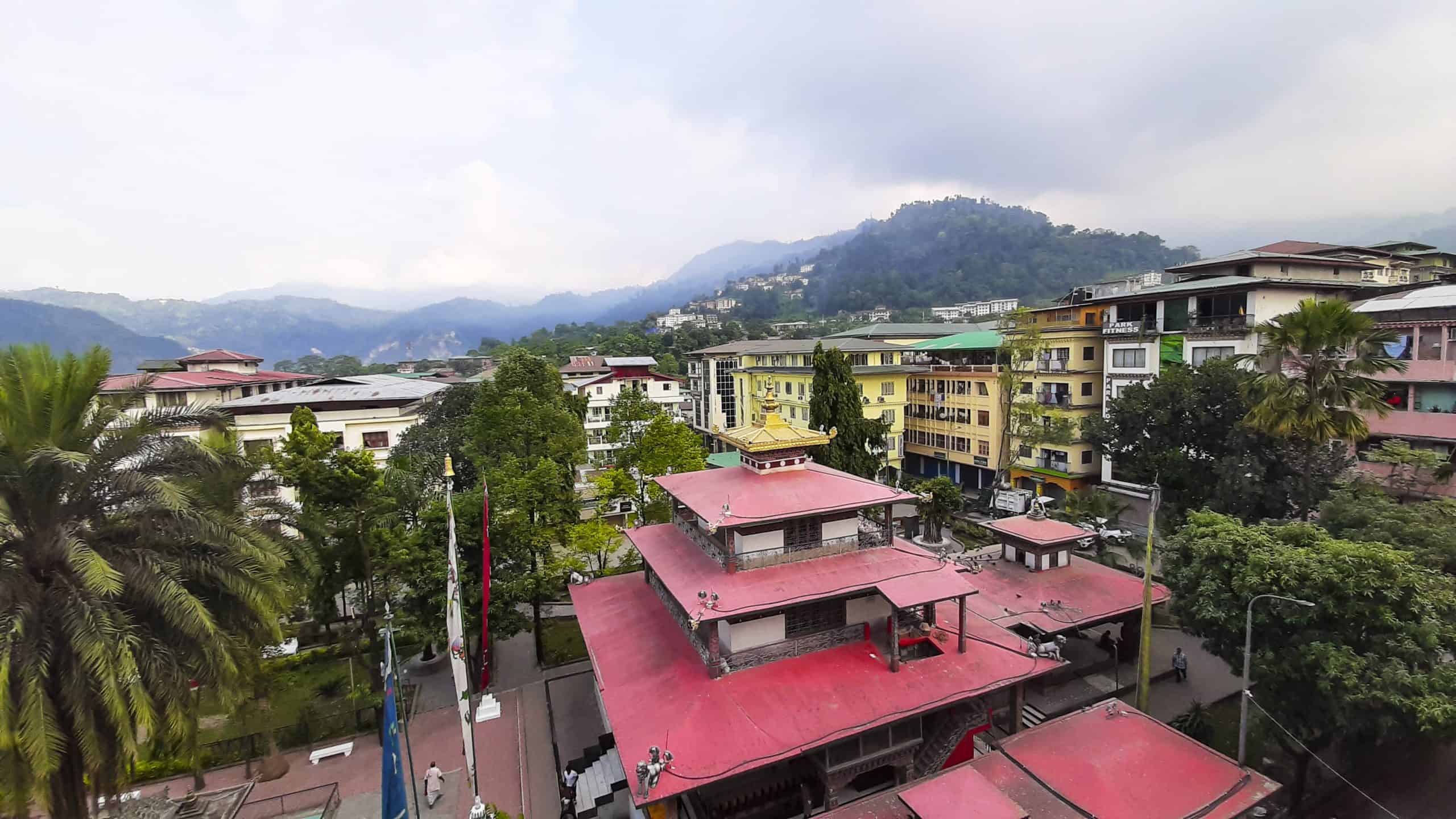
Bhutan is one of those destinations where timing truly makes or breaks your trip. Tucked away in the Eastern Himalayas, this small kingdom has altitudes ranging from 180 meters in the southern plains to 7,800 meters at its highest peaks. That kind of elevation range means the climate can vary from subtropical heat to arctic cold, all within the same country. I have been researching and writing about Bhutan for years now, and one question comes up more than any other: when is the best time to visit Bhutan?
Quick Answer: The best time to visit Bhutan is during spring (March to May) and autumn (September to November). Spring brings blooming rhododendrons, the famous Paro Tshechu, and pleasant temperatures. Autumn offers clear Himalayan views, the Thimphu Tshechu, and ideal trekking conditions. Indian tourists pay INR 1,200/night as SDF (Sustainable Development Fee), confirmed through August 2027.
Let's quickly dive into the details:
What Are the Four Seasons in Bhutan?
Before diving into the month-by-month breakdown, let me give you the broad seasonal picture. Bhutan experiences four distinct seasons, and each brings a completely different travel experience.
- Spring (March, April, May): Warm days, blooming valleys, most Tshechu festivals, great for cultural travel
- Summer/Monsoon (June, July, August): Heavy rains in the south, lush greenery, lowest tourist crowds, budget-friendly
- Autumn (September, October, November): Clear skies, best mountain views, peak trekking season, major festivals
- Winter (December, January, February): Cold but sunny, fewer tourists, snow in high areas, some passes may close
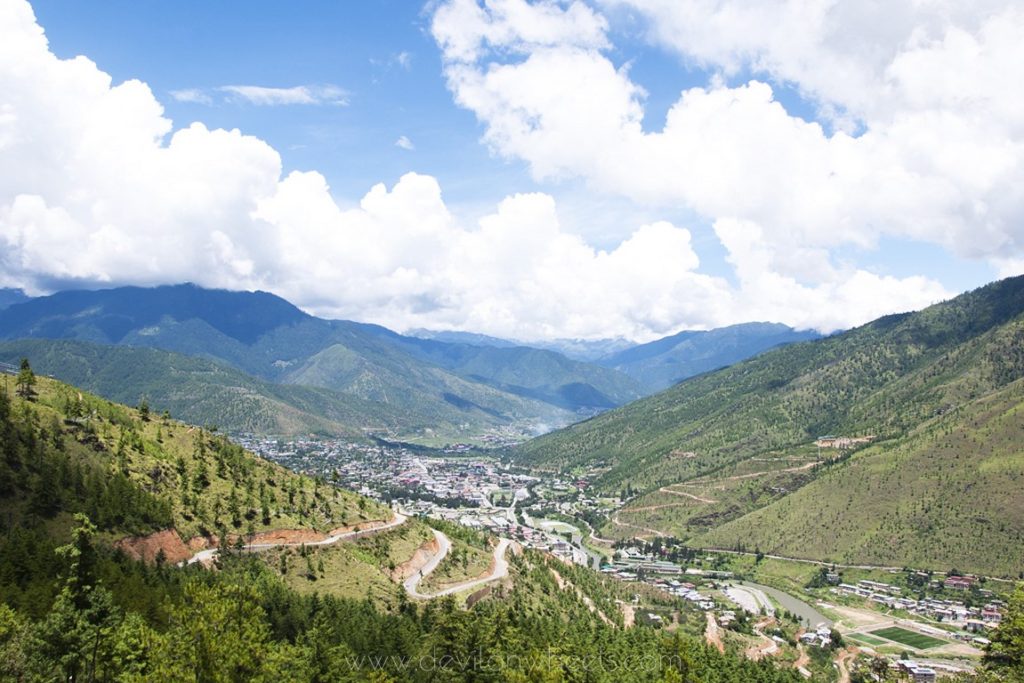
Keep in mind that Bhutan’s climate is not uniform. The southern border towns like Phuentsholing and Gelephu can hit 40°C in summer, while Thimphu at 7,500 feet sees sub-zero temperatures in January. Bhutan’s geography creates micro-climates that can surprise you even within a single day’s drive. Hence, pack layers regardless of when you visit.
What Is the Best Month to Visit Bhutan? (Month-by-Month Breakdown)
Here is the detailed month-by-month guide. I have included weather expectations, festival dates for 2026, crowd levels, and my recommendation for each month.
January and February: Cold, Quiet, and Affordable
Winter in Bhutan means cold mornings, crisp air, and very few tourists. Thimphu drops to -3°C at night, and higher passes like Dochula (3,150 m) may receive snowfall. The southern lowlands around Phuentsholing stay pleasant at 10-23°C. This is Bhutan’s low season, and you will find hotel rates at their lowest.
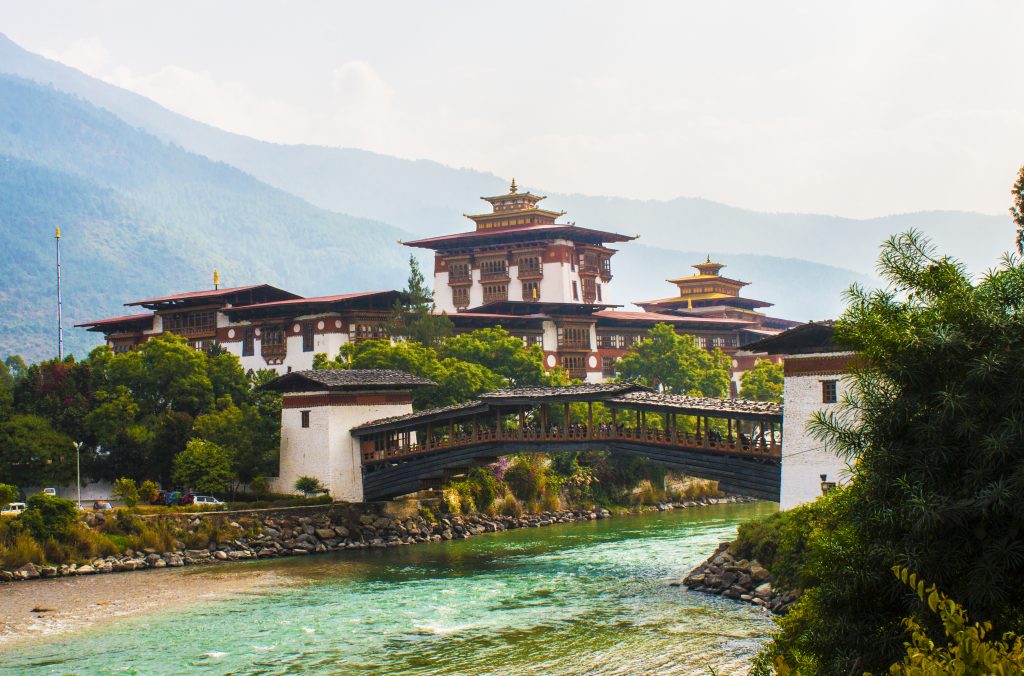
One major advantage of visiting in late February: the Punakha Tshechu (February 27 to March 1, 2026) falls right at the end of winter. Punakha sits at only 1,300 meters, so the weather is mild even in February. If you can time your trip for the last week of February, you get the best of both worlds: low-season prices and a spectacular festival. In case you are worried about the cold, keep in mind that daytime temperatures in Punakha, Paro, and Thimphu are quite comfortable (12-17°C) even in winter. It is the nights that get cold.
January-February summary: Best for budget travelers, photography (clear skies for Himalayan views), and those who do not mind the cold. Avoid if you plan to trek at high altitude, as snow blocks many trails.
March: The Start of Spring and Paro Tshechu Season
March marks the beginning of spring in Bhutan. Temperatures start warming up across the country. Thimphu ranges from 4-16°C, and the lower valleys are genuinely pleasant. The rhododendrons begin blooming at lower elevations, and the countryside starts turning green after winter.
The biggest draw in March is the Paro Tshechu (March 29 to April 2, 2026), one of the most famous festivals in Bhutan. It is held at the Paro Dzong, and the masked dances (cham) attract both locals and tourists from around the world. If you plan to visit Bhutan specifically for the Paro Tshechu, book your hotels at least 2-3 months in advance. Paro has limited accommodation, and rooms fill up fast during the festival.
March summary: Excellent month. Weather is warming, flowers start blooming, and Paro Tshechu is the highlight. Book early because this is peak season pricing.
April and May: Peak Spring, Rhododendrons, and Festivals
April and May are arguably the most beautiful months in Bhutan. The rhododendrons, magnolias, and orchids are in full bloom. Wildlife and birdlife are at their most active, and the valleys look absolutely stunning.
Temperature-wise, this is the sweet spot. Thimphu sees 7-20°C, Punakha gets warmer at 14-27°C, and even higher altitude areas become accessible. However, be prepared for occasional afternoon thunderstorms, especially in May. These are usually short-lived but can be intense.
Festival-wise, April brings the Rhododendron Festival (April 13-14, 2026) and the Domkhar Tshechu (April 26-28, 2026). In late April to early May, the Ura Yakchoe Festival (April 28 to May 2, 2026) takes place in the Ura Valley of Bumthang, one of the more intimate and less touristy festivals.
April-May summary: Best months for nature lovers, photographers, and festival enthusiasts. Pack a light rain jacket. Southern Bhutan gets quite hot (30°C+) by May.
June, July, August: Monsoon Season (Low Season)
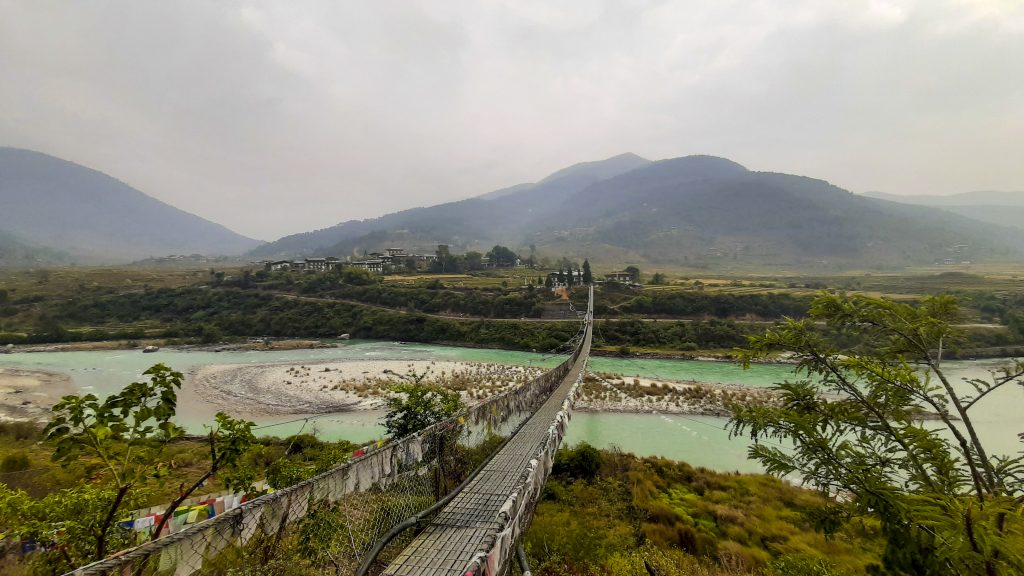
The Indian monsoon hits Bhutan from mid-June through August. Southern Bhutan (Phuentsholing, Gelephu) gets the heaviest rainfall, and landslides can disrupt road travel. The humidity in the southern belt is uncomfortable. However, the central valleys (Thimphu, Paro, Bumthang) receive significantly less rain than the south.
This is Bhutan’s definite low season. Tourist numbers drop sharply, which means lower hotel rates, easier bookings, and a more local experience. If you do not mind occasional rain and are flexible with your itinerary, summer can actually be a good time for budget travel. The landscape is incredibly green, and leeches aside, the natural beauty is at its peak.


One thing to keep in mind: high-altitude treks like the Jomolhari trek and Snowman trek are not recommended during monsoon. River crossings become dangerous, trails get slippery, and visibility drops. The Nimalung Festival in Bumthang (typically late June or early July) is one of the few festivals during this period.
June-August summary: Best for budget travelers comfortable with rain. Avoid if trekking is your priority. Southern entry via Phuentsholing can be challenging due to heavy rains and potential road closures.
September: Monsoon Retreats, Thimphu Tshechu Arrives
September is a transition month. The monsoon starts retreating by mid-September, and the skies begin to clear. Late September is when Bhutan truly shines, with warm days, cooling evenings, and improving visibility.
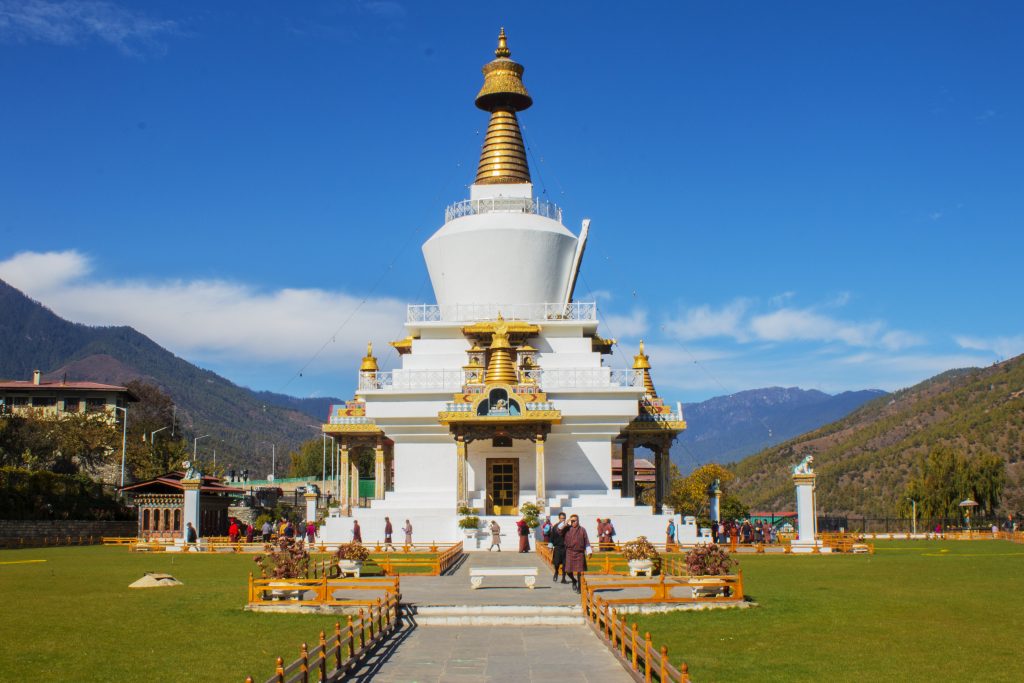
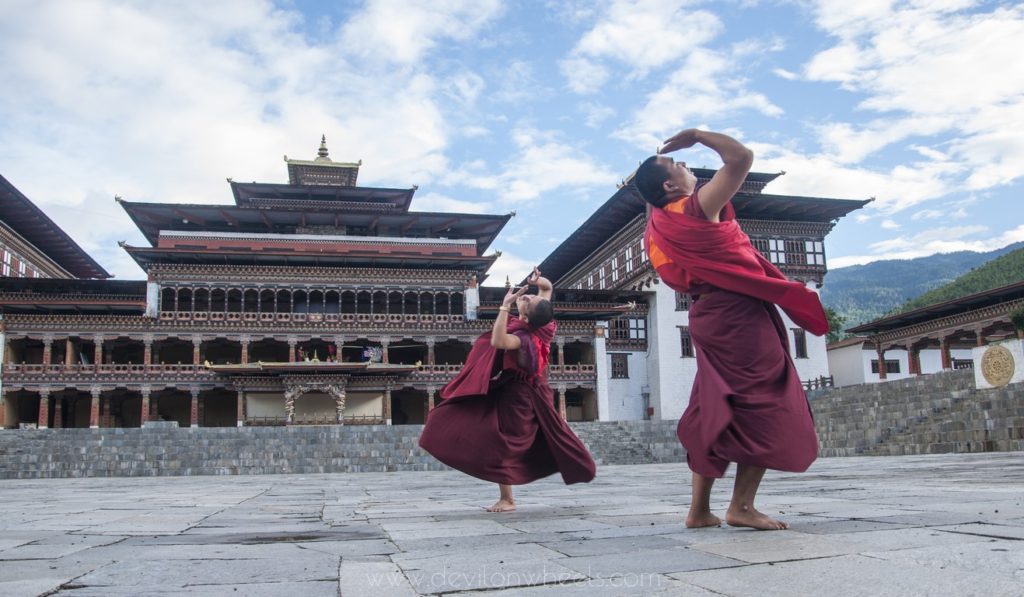
The major draw is the Thimphu Tshechu (September 21-23, 2026), the capital’s biggest festival, held at the Tashichho Dzong. Right after, the Gangtey Tshechu (September 24-26, 2026) takes place in the beautiful Phobjikha Valley, where the black-necked cranes will start arriving within weeks. The Wangdue Tshechu (September 19-21, 2026) adds another option.
September summary: The second half of September is excellent. Early September can still see rain. Three major festivals in one week make late September a packed cultural experience.
October and November: The Golden Season
If I had to pick just one window, October to mid-November is the best time to visit Bhutan. The weather is stable: warm days, cool nights, clear skies, and the Himalayan peaks are visible in all their glory. This is peak trekking season, and the famous Jomolhari trek (8 days), Druk Path trek (5 days), and Snowman trek (25 days) are all at their best.
Festival-wise, October brings the Jambay Lhakhang Drup (October 26-29, 2026) in Bumthang, famous for its sacred fire dances (Mewang) performed at night. The Jakar Tshechu (October 18-21, 2026) is another Bumthang highlight. In November, the Black-Necked Crane Festival (November 11, 2026) in the Phobjikha Valley celebrates the arrival of these endangered birds that migrate from Tibet. It is a one-day event, but the valley itself is worth spending 2-3 days exploring.
Hiking to Tiger’s Nest Monastery is at its best in October, with clear skies making the climb to Taktsang rewarding in every sense.
October-November summary: The absolute best time for trekking, mountain views, and cultural festivals. Book 3-4 months ahead, as this is peak season with highest demand.
December: Early Winter, Clear Skies, Fewer Crowds
Early December carries over the clear autumn weather, but temperatures drop noticeably. By mid-December, Thimphu and Paro are firmly in winter mode (-1 to 15°C). The southern lowlands remain comfortable. Snow starts appearing at Dochula Pass and higher areas.
Tourist numbers thin out dramatically after the November festivals. If you are comfortable with cold weather and want a quieter experience, December offers excellent photo opportunities with snow-capped mountains and empty dzongs. Some high-altitude areas become inaccessible, and the Bumthang Valley gets particularly cold.
December summary: Good for those who enjoy winter travel and solitude. Pack proper cold-weather gear. Not ideal for trekking.
How Does Weather Vary Across Different Regions of Bhutan?
Bhutan is small on the map but massive in altitude variation. Understanding the region-wise climate will help you pick the right areas for your travel dates.
Southern Region (Phuentsholing, Gelephu, Samdrup Jongkhar)
The southern border region is flat, subtropical, and hot in summer. Phuentsholing is the main entry point for Indian travelers coming by road from Jaigaon. Temperatures in summer can reach 40°C with high humidity. The monsoon hits this belt hardest (June to September), and road closures due to landslides are common. The best time for the southern region is November to February, when temperatures are pleasant (10-25°C) and rain is minimal.
| Month | Jan | Feb | Mar | Apr | May | Jun | Jul | Aug | Sep | Oct | Nov | Dec |
| Min(°C) | 10 | 12 | 15 | 20 | 22 | 24 | 25 | 25 | 24 | 21 | 15 | 11 |
| Max(°C) | 23 | 25 | 29 | 32 | 32 | 31 | 31 | 31 | 31 | 30 | 27 | 25 |
Central Valleys and Hills (Punakha, Wangdue, Trongsa)
The central hills between 1,200 and 2,500 meters have a progressively milder climate. Punakha at 1,300 meters (4,250 feet) enjoys some of the warmest weather in central Bhutan, with average temperatures ranging from 11°C in January to 24°C in July. Summers are warm and humid with monsoon rains, though inland valleys receive less rainfall than the southern slopes. The best months are March to May and October to November.
Pro Travel Tip: If you prefer traveling via public transport, check this article which will help you plan a trip to Bhutan by public transport. Bhutan Post Bus operates daily services between major towns, and fares are very affordable.
| Month | Jan | Feb | Mar | Apr | May | Jun | Jul | Aug | Sep | Oct | Nov | Dec |
| Min(°C) | 5 | 8 | 11 | 14 | 17 | 20 | 20 | 20 | 20 | 16 | 10 | 6 |
| Max(°C) | 17 | 19 | 22 | 25 | 27 | 29 | 28 | 28 | 27 | 26 | 23 | 20 |
High Altitude (Thimphu, Paro, Bumthang, Haa)
Above 2,000 meters (6,500 feet), winters are cold with below-freezing nights. Thimphu, at 2,320 meters (7,600 feet), sees average temperatures from -3°C in January nights to 25°C in summer afternoons. Paro has a similar climate. Bumthang, higher and further east, is colder still. Winter days are usually sunny and bright, but snowfall can surprise you. Summers bring the monsoon, though less severe than the south.
Pro Travel Tip: Planning a solo adventure? This article will help you plan a solo trip to Bhutan with tips on SDF, permits, and getting around independently.
| Month | Jan | Feb | Mar | Apr | May | Jun | Jul | Aug | Sep | Oct | Nov | Dec |
| Min(°C) | -3 | 1 | 4 | 7 | 13 | 15 | 15 | 16 | 15 | 10 | 5 | -1 |
| Max(°C) | 12 | 14 | 16 | 20 | 23 | 24 | 25 | 25 | 23 | 22 | 18 | 15 |
Northern Alpine Zone and Inland Valleys
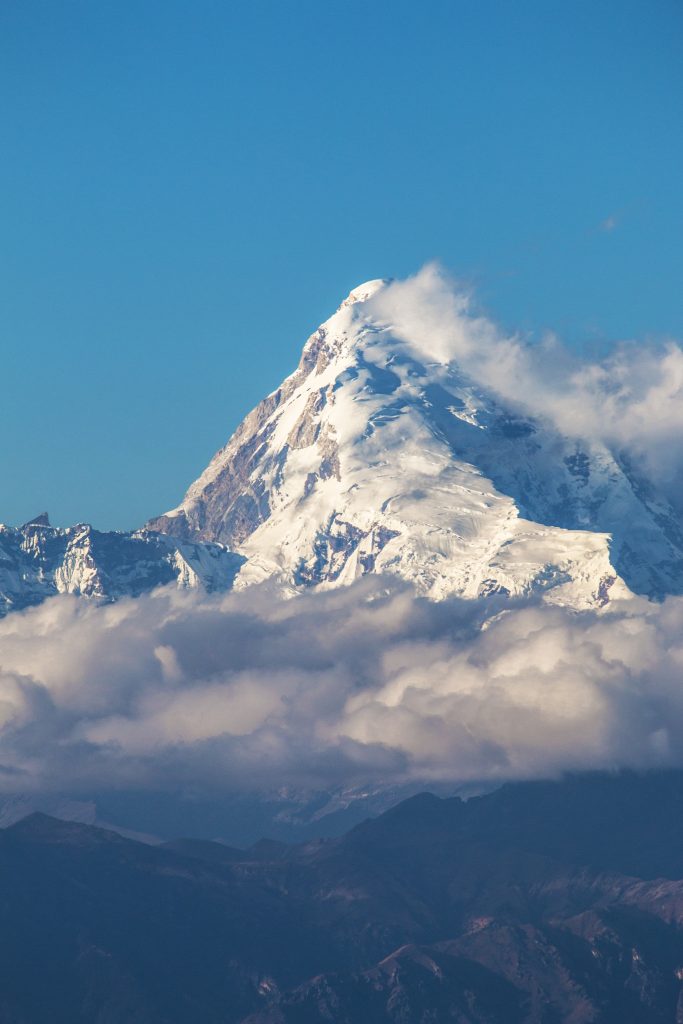
Above 2,800 meters (9,200 feet), the daily average temperature in January hovers around freezing, and even summer nights are cold. Glaciers and perennial snow exist above 5,000 meters (16,400 feet). The highest peak, Gangkhar Puensum at 7,570 meters, remains unclimbed. The northern areas do not experience heavy monsoon, and the sky in summer is often cloudy. You will sometimes be above the clouds, with peaks poking through.
Some inland valleys like Jakar in Bumthang (2,500 meters) receive less rainfall thanks to surrounding mountain barriers. The precipitation still follows the monsoon pattern (winter minimum, summer maximum), but the totals are lower than the exposed southern slopes.
Which Bhutan Festivals Should You Plan Your Trip Around in 2026?
Festivals are the heartbeat of Bhutanese culture, and planning your trip around a Tshechu (religious festival) adds an unforgettable dimension to your visit. The masked dances, the throngs of locals in their finest kira and gho, the blessing ceremonies. These are not tourist shows. They are genuine religious events that have been happening for centuries. Here is the 2026 festival calendar for the major events.
| Festival | Location | Dates (2026) | Best For |
| Punakha Tshechu | Punakha Dzong | Feb 27 – Mar 1 | Photography, mild winter weather |
| Paro Tshechu | Paro Dzong | Mar 29 – Apr 2 | First-time visitors, iconic setting |
| Rhododendron Festival | Lampelri, Dochula | Apr 13 – 14 | Nature lovers, flower enthusiasts |
| Domkhar Tshechu | Domkhar, Bumthang | Apr 26 – 28 | Off-the-beaten-path experience |
| Ura Yakchoe | Ura Valley, Bumthang | Apr 28 – May 2 | Intimate local festival |
| Wangdue Tshechu | Wangdue Phodrang | Sep 19 – 21 | Cultural immersion |
| Thimphu Tshechu | Tashichho Dzong | Sep 21 – 23 | Biggest festival, easy access |
| Gangtey Tshechu | Phobjikha Valley | Sep 24 – 26 | Crane-watching + festival combo |
| Jakar Tshechu | Jakar, Bumthang | Oct 18 – 21 | Eastern Bhutan exploration |
| Jambay Lhakhang Drup | Bumthang | Oct 26 – 29 | Famous fire dances at night |
| Black-Necked Crane Festival | Gangtey Gonpa, Phobjikha | Nov 11 | Wildlife, conservation |
Festival entry fee: As of 2026, festival entry costs USD 12 per person per day. This is separate from the SDF.
How Much Does It Cost for Indians to Visit Bhutan in 2026?
This is a question I get very often, so let me address it here. Indian nationals enjoy several advantages when visiting Bhutan compared to other foreign nationals.

Sustainable Development Fee (SDF): Indians pay INR 1,200 per person per night. This fee has been confirmed through August 2027 at this rate. Children aged 6-12 get a 50% discount (INR 600/night), and children under 5 are exempted. International tourists pay USD 100 per person per night. So Indians get a significantly better deal.
Visa: Indians do not need a visa. You need an Entry Permit, which is free and issued same-day at the Phuentsholing border. You will need either a valid Indian passport (minimum 6 months validity) or a Voter ID card. For children under 18, carry a birth certificate in English.
GST on tourism services: A 5% GST was implemented starting January 1, 2026. This applies to tourism services like hotels and guides but not to the SDF itself.
For a detailed cost breakdown with accommodation, transport, food, and permit costs, check our comprehensive guide on how to calculate the cost or budget of a Bhutan trip.
Pro Travel Tip: Do not forget to check this complete guide on Bhutan permits for Indians. The permit process has been streamlined, but knowing the documentation requirements saves time at the border.
What About Tropical Cyclones and Extreme Weather?
One thing to keep in mind is tropical cyclones. While Bhutan is far from the sea and does not get hit directly by cyclones, the after-effects of cyclones hitting Bangladesh and the Bay of Bengal can be felt in Bhutan. These can cause unexpected heavy rains or snowfall at higher altitudes. According to the India Meteorological Department, cyclone activity in the Bay of Bengal is most likely in May-June and October-November.
If you are traveling during these windows, keep an eye on the weather forecast and have a flexible itinerary. Road closures due to rain-triggered landslides are the main risk, especially on the Phuentsholing-Thimphu highway.
What Should You Pack for a Bhutan Trip?
Packing for Bhutan depends heavily on your travel dates and which regions you are visiting. Here is a practical breakdown.
Winter Packing (December to February)
For the southern plains, pack light clothes for daytime plus a jacket and sweater for evenings. For Punakha and similar mid-altitude areas (around 1,500 m), you need heavier jackets and thermals. For Thimphu, Paro, and Bumthang (above 2,000 m), pack warm fleece, a good parka, thermal innerwear, warm boots, gloves, and a beanie. Nights at these altitudes will be below freezing, and hotel heating can be inconsistent.
Summer Packing (March to August)
For the southern plains, lightweight cotton or linen clothes plus a rain jacket and umbrella. For mid-altitude regions, light clothing with a sweatshirt for evenings and rain protection. For Thimphu and above, carry a sweater and jacket for evenings even in summer. If trekking at high altitude, pack a down jacket, hat, gloves, and scarf. Regardless of the season, always carry sunscreen (UV is strong at altitude), a good water bottle, and extra socks.
When planning your Bhutan road trip itinerary, factor in warm layers even if you are visiting in spring or summer. Mountain weather changes quickly.
How to Reach Bhutan from India?
There are three main ways to reach Bhutan from India.
By Road via Phuentsholing: This is the most common entry point. You drive or take a bus to Jaigaon on the Indian side, walk across to Phuentsholing, get your permit at the immigration office (open 9 AM to 5 PM, closed on weekends and holidays), and then take a taxi or bus to Thimphu (about 6 hours, 176 km). If you are bringing your own vehicle, a Green Tax of Nu 4,500 per day applies beyond Rinchending Check Post.
By Flight to Paro: Druk Air and Bhutan Airlines operate flights to Paro Airport from Delhi, Kolkata, Guwahati, and Bagdogra. The Paro approach between mountains is spectacular. Book well in advance for peak season (March-May, September-November).
Via Gelephu or Samdrup Jongkhar: Lesser-used border crossings in the south and east. Useful if you are exploring Eastern Bhutan or combining with a Northeast India trip.
Pro Travel Tip: Do not forget to check this complete travel guide for Central Bhutan if you are planning to visit Bumthang, Trongsa, and the Ura Valley. Also check the Western Bhutan travel guide for Paro, Thimphu, and Punakha.
Best Time to Visit Bhutan: Quick Summary Table
| Month | Weather | Crowds | Best For | Rating |
| January | Cold, clear | Very Low | Budget travel, photography | ★★★ |
| February | Cold, improving | Low | Punakha Tshechu, budget | ★★★★ |
| March | Warm, pleasant | High | Paro Tshechu, sightseeing | ★★★★★ |
| April | Warm, flowers | High | Rhododendrons, festivals | ★★★★★ |
| May | Warm, storms | Medium | Nature, shoulder season | ★★★★ |
| June | Rainy, humid | Low | Budget travelers only | ★★ |
| July | Heavy rain | Very Low | Green landscape lovers | ★★ |
| August | Rainy, warm | Very Low | Budget, flexibility needed | ★★ |
| September | Clearing up | Growing | Thimphu Tshechu, transitions | ★★★★ |
| October | Clear, perfect | Peak | Trekking, festivals, views | ★★★★★ |
| November | Clear, cooling | High | Crane festival, trekking | ★★★★★ |
| December | Cold, sunny | Low | Solitude, winter lovers | ★★★ |
My Recommendation
If this is your first trip to Bhutan, aim for late March to mid-April (Paro Tshechu + spring blooms) or mid-October to early November (best weather + Jambay Lhakhang Drup). Both windows give you the best weather, the best festivals, and the best overall experience.
If you are on a tight budget, consider late February (Punakha Tshechu at low-season prices) or early December (clear skies, minimal crowds). For detailed budget planning, check our guide on how to plan a budget trip to Bhutan.
For discussions, queries, finding travel partners for Bhutan, or sharing your own experience, feel free to join the DwD Community. We have a growing group of travelers who have visited Bhutan and are happy to help with planning. If you found this guide helpful, do share it with someone planning their Bhutan trip. Happy travels, my friend. 🙂
Frequently Asked Questions
Is Bhutan open for Indian tourists in 2026?
Yes, Bhutan is fully open for Indian tourists in 2026. Indians do not need a visa. You can enter with a valid passport or Voter ID card. An Entry Permit is issued free of charge at the Phuentsholing border. The Sustainable Development Fee for Indians is INR 1,200 per person per night, confirmed through August 2027.
Which is better for visiting Bhutan, spring or autumn?
Both are excellent. Spring (March-May) is best for flowers, greenery, and the Paro Tshechu. Autumn (September-November) offers clearer skies, better mountain views, and ideal trekking conditions. If photography and trekking are your priorities, choose autumn. If festivals and nature are your focus, choose spring.
Can I visit Bhutan during monsoon season?
You can, but with caveats. June to August brings heavy rain to southern Bhutan, and landslides can disrupt road travel. Central valleys (Thimphu, Paro) get less rain. High-altitude treks are not recommended. The advantage is significantly fewer tourists and lower hotel rates.
What is the SDF for Indian tourists visiting Bhutan?
The Sustainable Development Fee (SDF) for Indian nationals is INR 1,200 per person per night as of 2026. Children aged 6-12 pay INR 600/night (50% discount), and children under 5 are exempted. This fee is confirmed through August 2027. International tourists pay USD 100 per person per night.

When is the Paro Tshechu in 2026?
The Paro Tshechu in 2026 is scheduled from March 29 to April 2. It is one of Bhutan’s biggest and most popular festivals, held at the historic Paro Dzong. Festival dates follow the Bhutanese lunar calendar and are confirmed annually by the Association of Bhutanese Tour Operators (ABTO).
Is it safe to drive your own car in Bhutan?
Indian vehicles can enter Bhutan but must pay a Green Tax of Nu 4,500 per day beyond the Rinchending Check Post in Phuentsholing. You also need to register on the Check Post Management System (CPMS). The roads in Bhutan are narrow, winding mountain roads. If you are used to driving in the Indian Himalayas, you will manage fine. However, hiring a local driver is often more practical and lets you enjoy the scenery without the stress of navigation.
What is the best month for trekking in Bhutan?
October is the single best month for trekking in Bhutan. The weather is dry, skies are clear, temperatures at high altitude are manageable, and the trails are in good condition. The Jomolhari trek, Druk Path trek, and even the legendary Snowman trek all peak during this month. April-May is a secondary window, though occasional rain can be a factor.
