


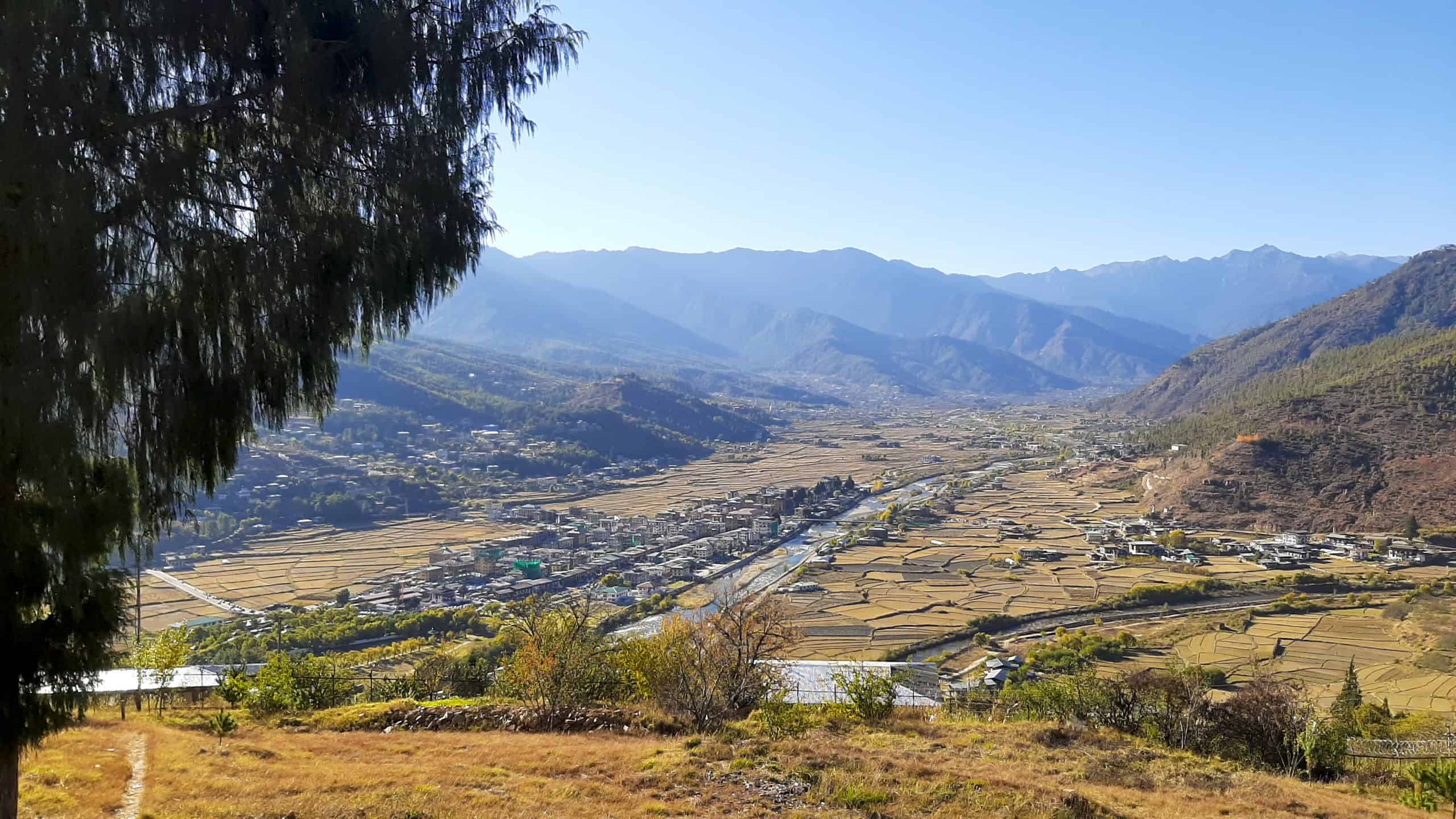
Bhutan is the only country in Asia where more than half the land is under official protection. With 5 national parks, 4 wildlife sanctuaries, 1 strict nature reserve, and 8 biological corridors, the happiness kingdom has set aside 51.44% of its total area for conservation. For anyone planning a Bhutan trip, understanding these protected areas gives you a much deeper appreciation of the country and its culture.
Let's quickly dive into the details:
How Much of Bhutan Is Actually Protected?
Bhutan’s constitution mandates that at least 60% of the country must remain under forest cover at all times. As of 2026, forests cover 70.46% of Bhutan’s land, with an additional 10.43% under shrubs. The protected area network itself covers 51.44% of the total geographical area, out of which 7.7% is designated as biological corridors connecting the parks and sanctuaries.
The first protected areas were established in the 1960s, covering mostly the northern and southern borders. In 1999, Bhutan introduced 8 biological corridors to connect these isolated parks, ensuring that animals like snow leopards and tigers could move freely between habitats. In 2017, these corridors were upgraded to the same protection status as the national parks themselves. This connected network is what makes Bhutan’s conservation model unique globally.
Here is a quick overview of all the protected areas before we get into the details of each one.
| Protected Area | Type | Area (sq km) | Key Wildlife |
|---|---|---|---|
| Jigme Dorji | National Park | 4,316 | Snow leopard, tiger, takin, blue sheep |
| Wangchuck Centennial | National Park | 4,921 | Tiger, snow leopard, red panda |
| Jigme Singye Wangchuck | National Park | 1,730 | Tiger, golden langur, musk deer |
| Royal Manas | National Park | 1,057 | Elephant, rhinoceros, Gangetic dolphin |
| Thrumshingla | National Park | 905 | Tiger, red panda, 341 bird species |
| Bumdeling | Wildlife Sanctuary | 1,545 | Black-necked crane, snow leopard |
| Sakteng | Wildlife Sanctuary | 650 | Red panda, Himalayan black bear |
| Jigme Khesar | Strict Nature Reserve | 609 | Takin, tiger, clouded leopard |
| Phibsoo | Wildlife Sanctuary | 278 | Elephant, tiger, golden langur |
| Jomotsangkha | Wildlife Sanctuary | 273 | Elephant, pygmy hog, hispid hare |
What Can You See at Bumdeling Wildlife Sanctuary?
The Bumdeling Wildlife Sanctuary sits in the northeastern corner of Bhutan, covering 1,545 sq km with an additional 420 sq km buffer zone. It spans parts of the Trashiyangtse, Lhuntshe, and Mongar districts. Tibet borders it to the north and India to the northeast.
The sanctuary is home to around 100 mammal species, including globally endangered ones like the snow leopard, Royal Bengal tiger, and red panda. Over 300 bird species and more than 700 plant species have been documented here. The highlight for most visitors is the black-necked crane migration. Around 150 of these majestic birds spend their winter in Bumdeling every year from mid-November to early March. If you time your Bhutan trip right, watching these cranes is genuinely one of the most special wildlife experiences in the Himalayas.
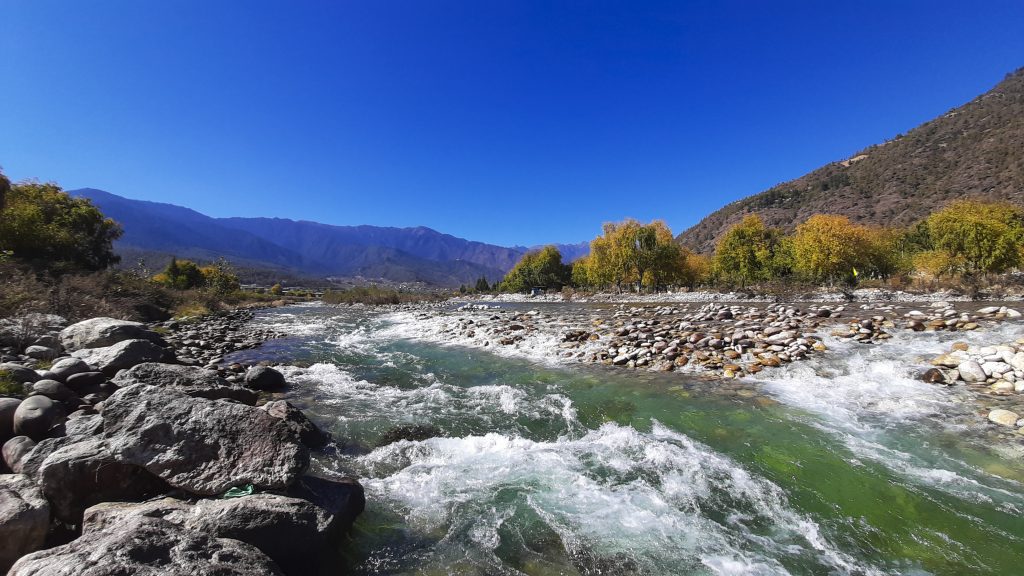
Bumdeling is also a paradise for butterflies, with 130 recorded species and another 120 expected to inhabit the area. Beyond the wildlife, several significant religious and cultural sites sit inside the sanctuary, including the Rigsum Gompa, the mystic Singye Dzong, and Dechenphodrang Lhakhang. The monastery setting against the natural backdrop is something you have to see to believe.
Keep in mind that the sanctuary was proposed as a UNESCO World Heritage Site in 2012. Its floodplain has been declared a Ramsar Site, a wetland of international importance. This recognition reflects the global ecological significance of the area.
Why Is Jigme Dorji the Most Famous National Park in Bhutan?
Jigme Dorji National Park is Bhutan’s most well-known protected area, and for good reason. It covers 4,316 sq km, making it one of the largest national parks in the country. As one of the most biologically productive regions in the Eastern Himalayan zone, Jigme Dorji spans everything from warm broad-leaved forests to permanent ice fields and glaciers along Bhutan’s northwestern border.
The geographical diversity here is remarkable. The altitude ranges from over 1,000 meters to more than 7,000 meters above sea level. The Indian monsoon rains, combined with these topographical gradients, create the conditions for an extraordinary range of plant and animal life.
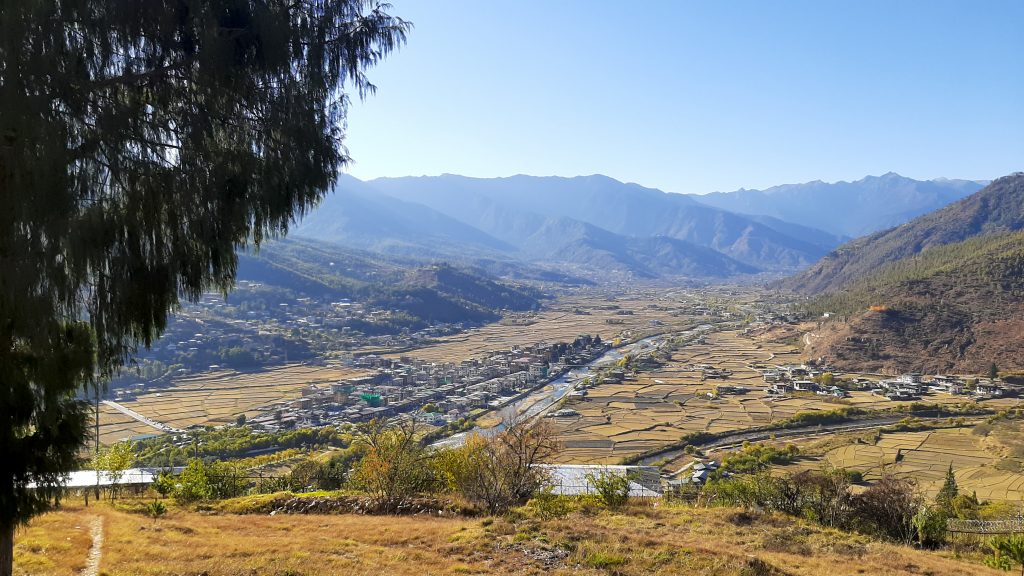
Major attractions include the sacred peaks of Jomolhari (7,326 m), Tsherimgang, and Jichu Drakey. Glaciers and glacial lakes scattered across the mountains form the headwaters of many of Bhutan’s vital rivers. If you are planning a Bhutan road trip, do check the most popular Bhutan itinerary to see how to include a visit here.
The flora includes Bhutan’s national flower, the blue poppy, along with edelweiss, orchids, and rhododendrons. The fauna list is equally impressive: snow leopard, takin (Bhutan’s national animal), tiger, black bear, blue sheep, and red panda. Jigme Dorji might well be the only place in the world where Royal Bengal tiger and snow leopard habitats overlap. Most of Bhutan’s famous trekking trails, including the Jomolhari Trek and Druk Path Trek, pass through this park.
What Makes Jigme Singye Wangchuck National Park Special?
Jigme Singye Wangchuck National Park covers 1,730 sq km, making it the third-largest protected area in Bhutan. It lies in the central part of the country, where high ice peaks drop away into low conifer and broadleaf forests. This park is considered the most substantial undisturbed portion of the Himalayas.
If you want to see Bhutan’s iconic wildlife, this is one of your best bets. Both musk deer and Himalayan black bear are found here, along with golden langur, the rare clouded leopard, red panda, and Royal Bengal tiger. The eastern section of the park holds roughly a fifth of Bhutan’s tiger population. The park itself forms a critical link between northern and southern tiger habitats.
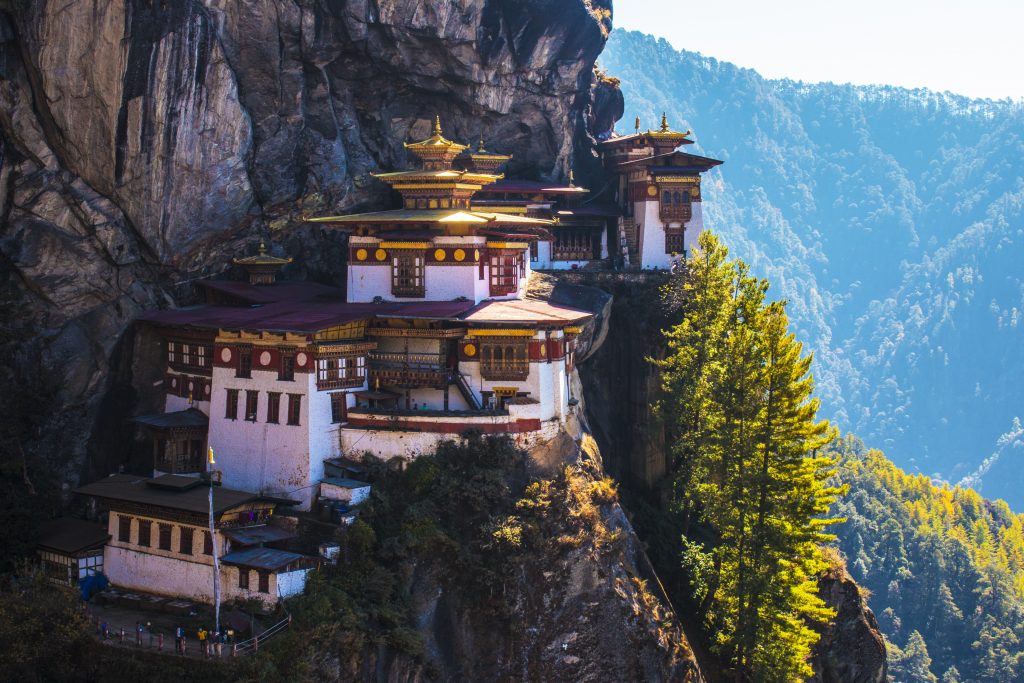
If you are planning to visit Tiger’s Nest Monastery, check this complete travel guide for Tiger’s Nest to plan your hike properly.
With 391 documented bird species, seven of which are among the world’s most endangered, this park is a serious birding destination. The Phobjikha Valley, which serves as a buffer zone to the park, is the winter home of the black-necked crane. More than 260 cranes spend winter here every year, and the Black-Necked Crane Festival held in November draws visitors from around the world.


Is Jomotsangkha Worth Visiting Despite Being the Smallest Sanctuary?
Jomotsangkha Wildlife Sanctuary covers just 273 sq km, making it Bhutan’s smallest protected area. But size is not all that matters here. The sanctuary spans an altitude range of 400 to 2,200 meters, creating remarkable biodiversity in a compact area.
The wildlife here includes exotic species like elephants, gaurs, pygmy hogs, and hispid hares. As it sits on Bhutan’s southern border, the sanctuary connects with a neighboring Indian wildlife sanctuary, creating a larger cross-border conservation zone. If you prefer traveling by public transport, check this article on planning a Bhutan trip by bus.
What Is Special About Phibsoo Wildlife Sanctuary?
Phibsoo Wildlife Sanctuary covers 278 sq km near the Indian border, about 50 km from Phuntsholing. The altitude ranges from 200 to 1,600 meters in elevation. What makes Phibsoo unique is that it contains Bhutan’s only natural Sal forest, a tropical ecosystem more commonly associated with the Indian plains.
The animal species found here include elephants, tigers, gaurs, spotted deer, axis deer, hornbills, and golden langurs. For Indian travelers entering Bhutan via Phuntsholing, this is the closest wildlife area and can be combined with your first day in Bhutan.
What Can You Explore at Thrumshingla National Park?
Thrumshingla National Park (also written as Phrumsengla) was established in July 1998, making it one of Bhutan’s younger national parks. It covers 905 sq km with pristine forests ranging from alpine to subtropical broadleaf. The park lies in central Bhutan and encompasses some of the most diverse climatic conditions in the world, with altitudes from below 1,000 m to over 4,000 m and temperatures ranging from -21C to 28C.
This is where the WWF supported a camera-trap project that proved tigers exist at 3,000 meters altitude, a finding that shifted our understanding of tiger habitats globally. The park is home to snow leopards, tigers, red pandas, and 341 bird species. If you are a birdwatcher, Thrumshingla should be high on your priority list.
If you are wondering about the costs involved, check our detailed guide on how to calculate the cost of a Bhutan trip.
Along with WWF management, tourism helps sustain the various communities and conservation initiatives in the park. One of the government’s primary concerns is ensuring the park remains pristine for future generations.
What Is the Jigme Khesar Strict Nature Reserve?
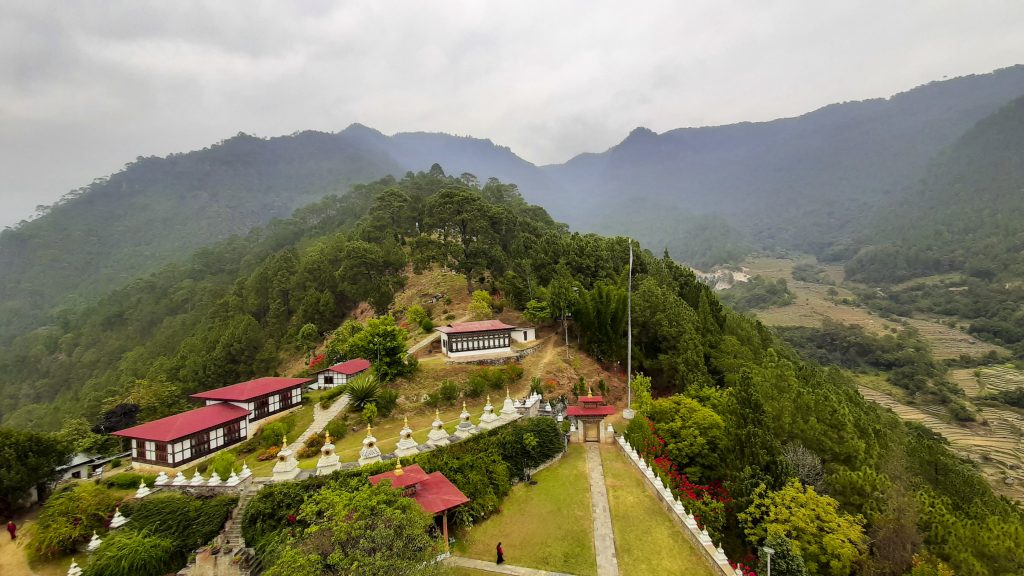
Formerly known as the Toorsa Strict Nature Reserve, this area was renamed Jigme Khesar Strict Nature Reserve in honor of His Majesty King Jigme Khesar Namgyel Wangchuck’s commitment to environmental conservation. It is the only strict nature reserve in Bhutan, spanning across Haa and Samtse Dzongkhags in western Bhutan.
The reserve covers 609 sq km with altitudes ranging from 1,400 to 4,800 meters. It shelters an extraordinary diversity of vegetation, from tropical broadleaf forests to alpine meadows. Wildlife includes takin, serow, red panda, Himalayan musk deer, Himalayan thar, tiger, common leopard, and clouded leopard. The most remarkable fact about this reserve is that it has absolutely no human inhabitants, making it one of the truly untouched wild areas in the Himalayas.
Why Is Sakteng Wildlife Sanctuary Unique in the World?
Located in the easternmost part of Bhutan, Sakteng Wildlife Sanctuary covers 650 sq km and is the country’s newest protected area, established in 2003. What makes Sakteng truly unique is that it is reportedly the only wildlife sanctuary in the world created to protect the habitat of a creature whose existence is not scientifically proven: the Yeti, locally called the “Migoi.”
The sanctuary is home to diverse Himalayan ecosystems, including alpine meadow, temperate forest, and warm broadleaf forest. It also shelters the semi-nomadic Brokpa community, who have lived here for centuries. If you are planning to travel solo, this guide on solo travel in Bhutan covers the practical aspects of reaching eastern Bhutan.
The wildlife includes snow leopards, red pandas, Himalayan black bear, barking deer, Himalayan red fox, and the hoary-bellied Himalayan squirrel. Thick carpets of rhododendrons characterize the landscape. Bird species include the Assamese macaw, blood pheasant, grey-backed shrike, grey-headed woodpecker, common hoopoe, rufous vented tit, and dark-breasted rosefinch.
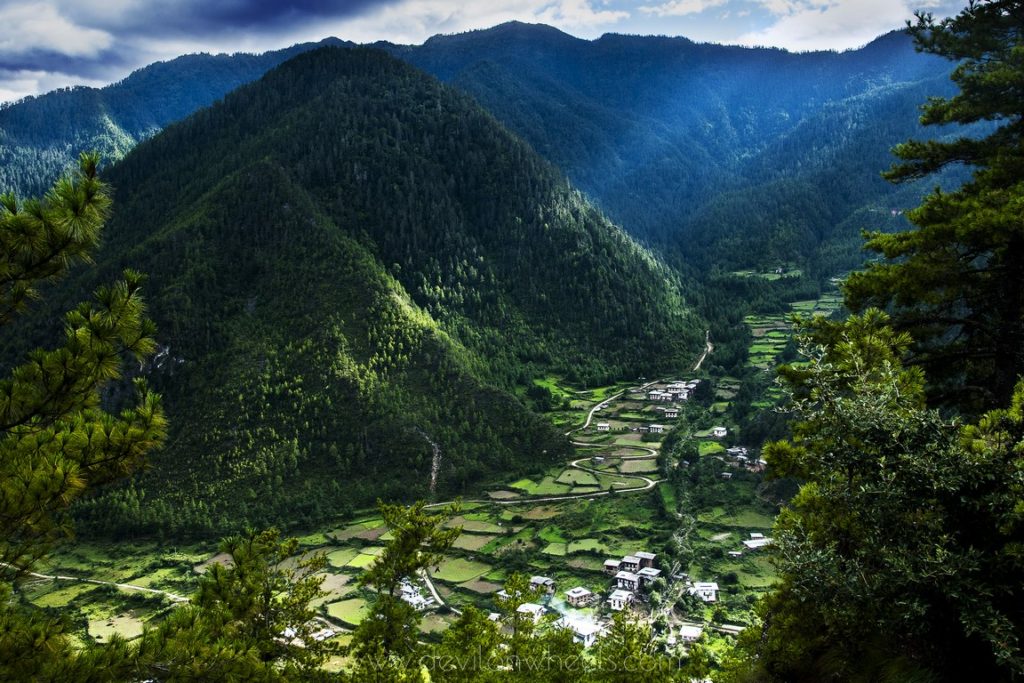
Sakteng remains virtually untouched by development. The plant life includes Bhutan’s national flower, the blue poppy, along with rhododendrons, primulas, and gentiana, all of which transform the sanctuary into a garden of colors during spring (March to May).
How Big Is the Wangchuck Centennial National Park?
Wangchuck Centennial National Park is the largest protected area in Bhutan, covering 4,921 sq km. It was established in 2008 to commemorate the centenary of Bhutan’s monarchy. The park encompasses several high mountains, including Mt. Gangkar Puensum (7,570 m), the highest unclimbed peak in the world. It is located in the north-central region and covers parts of 6 different Dzongkhags.
The park borders Bumdeling Wildlife Sanctuary to the east, Jigme Dorji National Park to the west, and is connected by biological corridors to the south. This positioning makes it a crucial hub in Bhutan’s network of protected areas.
If you prefer traveling solo, this article will help you plan a solo trip to Bhutan with all the practical details you need.
Within the park, two main vegetation types dominate: fir trees and hemlock-spruce-juniper forests. The park encompasses three ecological zones and six habitat types: cool broadleaf forests, mixed-conifer forests, fir forests, juniper forests, alpine meadows and scrubs, and alpine scree. The Bumdang Valley within the park is an important winter habitat for the black-necked crane.
Why Is Royal Manas Called the Crown Jewel of Bhutan?
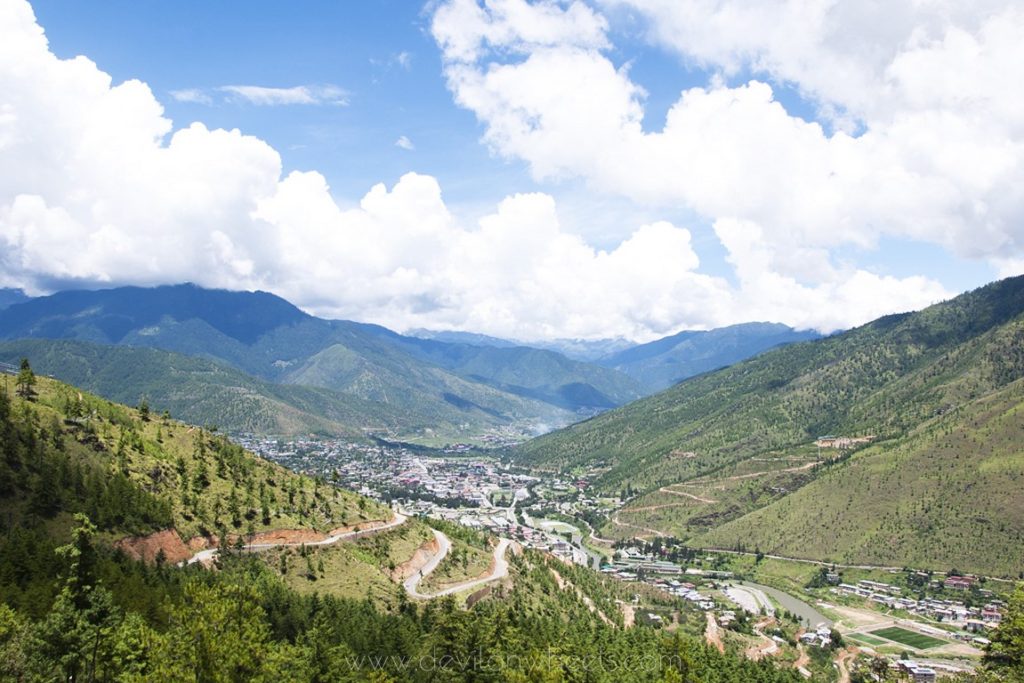
Royal Manas National Park is Bhutan’s oldest protected area and is considered the crown jewel of the country’s conservation efforts. Covering 1,057 sq km, it represents the finest example of tropical and subtropical ecosystems in Bhutan. The park lies in south-central Bhutan and connects at the southern border with India’s Manas Tiger Reserve, which is also a World Heritage Site. To the north, it borders Jigme Singye Wangchuck National Park.
The wildlife here is extraordinary. Royal Manas is home to the Royal Bengal tiger, Asian elephant, greater one-horned rhinoceros, clouded leopard, Himalayan black bear, Gangetic dolphin, and pangolin. The especially rare golden langur, found virtually nowhere else in the world in such numbers, is a highlight of this park.
More than 365 bird species have been officially recorded here, with an additional 200 believed to be residents. Over 900 types of plants grow within the park, many of which have commercial, medicinal, traditional, and religious significance.
WWF and Bhutan’s Nature Conservation Division have jointly developed conservation management plans for this park, which include training and equipping park staff, improving infrastructure, and supporting biological and socio-economic surveys. If you are looking to save costs on your Bhutan trip, check our article about important tips for budget travel in Bhutan.
What Permits Do You Need to Visit Bhutan’s National Parks?
Visiting Bhutan’s national parks requires planning ahead. Here is what you need to know about access and permits as of 2026.
For Indian nationals: You do not need a visa to enter Bhutan, but you must pay the Sustainable Development Fee (SDF) of INR 1,200 per person per night. Children aged 6-12 pay half. Children under 6 are exempt. This fee is confirmed through August 2027. You will also need route permits for travel beyond Thimphu and Paro, which your tour operator or hotel can arrange.
For international visitors: The SDF is USD 100 per person per night, plus a USD 40 visa fee. Most national parks require additional permits that are arranged through licensed Bhutanese tour operators.
For a complete breakdown of all the permits you need, check our detailed guide on how to get all the necessary permits for Bhutan.
Practical tip: Most of the national parks do not have formal entry gates or ticketing systems like Indian national parks do. Access to wildlife areas is usually through organized treks or drives arranged by local operators. The Phobjikha Valley (near Jigme Singye Wangchuck NP) and Royal Manas are among the more accessible parks for casual visitors.
When Is the Best Time to Visit Bhutan’s National Parks?
The best time depends on what you want to see. Here is a season-by-season breakdown.
Spring (March to May): Ideal for rhododendron blooms, especially in Sakteng and Jigme Dorji. Blue poppies bloom at higher altitudes. Birding is excellent as migratory species arrive. Temperatures are pleasant for trekking.
Monsoon (June to August): Heavy rainfall makes access difficult to most parks. Leeches are common on trails. Not recommended for wildlife viewing, though the forests are at their greenest.
Autumn (September to November): The best overall season. Clear skies, excellent visibility of mountain peaks, comfortable trekking conditions. Black-necked cranes begin arriving in Phobjikha and Bumdeling in late October. The Black-Necked Crane Festival is held in November.
Winter (December to February): Cold but excellent for crane watching in Phobjikha and Bumdeling. Snow leopard sightings are more likely at higher altitudes. Some trekking routes are closed due to snow.
For a detailed month-by-month guide, check our best time to visit Bhutan article.
How Do Biological Corridors Connect Bhutan’s Protected Areas?
One of the most innovative aspects of Bhutan’s conservation model is the network of 8 biological corridors. Established in 1999, these corridors physically connect the national parks and wildlife sanctuaries, allowing animals to migrate and maintain genetic diversity across the entire protected area network.
In 2017, these corridors were upgraded to the same legal protection status as the national parks themselves. This means no commercial harvesting, no deforestation, and strict regulation of human activity within the corridors. The result is that a snow leopard in Jigme Dorji can, in theory, travel all the way to Bumdeling Wildlife Sanctuary through protected habitat the entire way.
According to camera trap surveys conducted across the network, 56 mammal species (65% of Bhutan’s 86 medium and large terrestrial mammal species) representing 18 families have been documented. Of these, 18 species (32.16%) are listed as threatened by the IUCN.
Practical Information for Visiting Bhutan’s National Parks
Here are some practical tips that will help you plan your visit to Bhutan’s protected areas.
- Getting around: Most national parks are accessible by road from the main east-west highway. However, exploring deeper into the parks requires trekking. Bhutan’s public bus network connects major towns near the parks.
- Accommodation: Budget hotels and homestays near the parks range from INR 1,500-4,000 per night. Camping permits are required for multi-day treks within the parks.
- Mobile connectivity: Limited to non-existent inside the parks. Bhutan’s B-Mobile and TashiCell networks cover major towns but drop off quickly in remote areas.
- Guides: Hiring a local guide is recommended for any serious wildlife viewing. Local guides know the animal behavior patterns and best viewing spots.
- What to carry: Binoculars for birdwatching, warm layers (temperatures drop sharply at altitude), rain gear (even outside monsoon), and a good camera with telephoto lens.
- SDF applies to your entire stay, not just national park days. Budget INR 1,200/night for this fee when calculating your total trip cost.
Frequently Asked Questions
How many national parks are there in Bhutan?
Bhutan has 5 national parks (Jigme Dorji, Wangchuck Centennial, Jigme Singye Wangchuck, Royal Manas, and Thrumshingla), 4 wildlife sanctuaries (Bumdeling, Sakteng, Phibsoo, and Jomotsangkha), and 1 strict nature reserve (Jigme Khesar). Together with 8 biological corridors, these cover 51.44% of Bhutan’s total area.
Do you need a special permit to visit Bhutan’s national parks?
Indian nationals need to pay the SDF of INR 1,200 per night and obtain route permits for travel beyond Thimphu and Paro. International visitors pay USD 100/night SDF plus USD 40 visa fee. Most parks require trekking permits arranged through licensed operators. There is no separate “national park entry fee” like in India.
Which is the largest national park in Bhutan?
Wangchuck Centennial National Park is the largest at 4,921 sq km, established in 2008. It is home to Mt. Gangkar Puensum (7,570 m), the highest unclimbed peak in the world. Jigme Dorji National Park (4,316 sq km) is the second largest.
Can you see snow leopards in Bhutan?
Yes, snow leopards are found in Jigme Dorji National Park, Wangchuck Centennial National Park, and Bumdeling Wildlife Sanctuary, typically at altitudes above 3,500 meters. Sightings are rare and require dedicated wildlife treks during winter months (December to February) when these cats descend to lower altitudes.
Where can you see black-necked cranes in Bhutan?
Black-necked cranes winter in two main locations: Phobjikha Valley (near Jigme Singye Wangchuck National Park) and Bumdeling Wildlife Sanctuary. They arrive from mid-October and stay until early March. The best viewing is November to February. The Black-Necked Crane Festival is celebrated in Phobjikha every November.
What percentage of Bhutan is protected?
51.44% of Bhutan’s total geographical area is under official protection, the highest percentage of any Asian country. This includes the national parks, wildlife sanctuaries, nature reserve, and biological corridors. Additionally, Bhutan’s constitution mandates that at least 60% of the land must remain under forest cover.
Is Royal Manas National Park open to tourists?
Yes, Royal Manas was Bhutan’s first national park to open to public tourism, though access is still regulated. It connects with India’s Manas Tiger Reserve at the southern border. Visitors can arrange wildlife safaris, river rafting, and birdwatching through licensed operators. The best time to visit is October to March.
Much of the information in this article draws from the Bhutan government’s official conservation documentation and the Bhutan Biodiversity Portal. The national parks are an integral part of Bhutan’s natural ecosystem and cultural identity.
With more than half the nation under protection, visiting at least one national park during your Bhutan trip gives you a genuine understanding of what makes this country so special. It is not just about pretty landscapes. It is about a nation that has chosen, at a constitutional level, to prioritize nature over development. If you have any questions about planning your visit to Bhutan’s national parks, feel free to drop a comment below or reach out to the DwD Community. We are always happy to help 🙂
Last Updated: March 2026
