


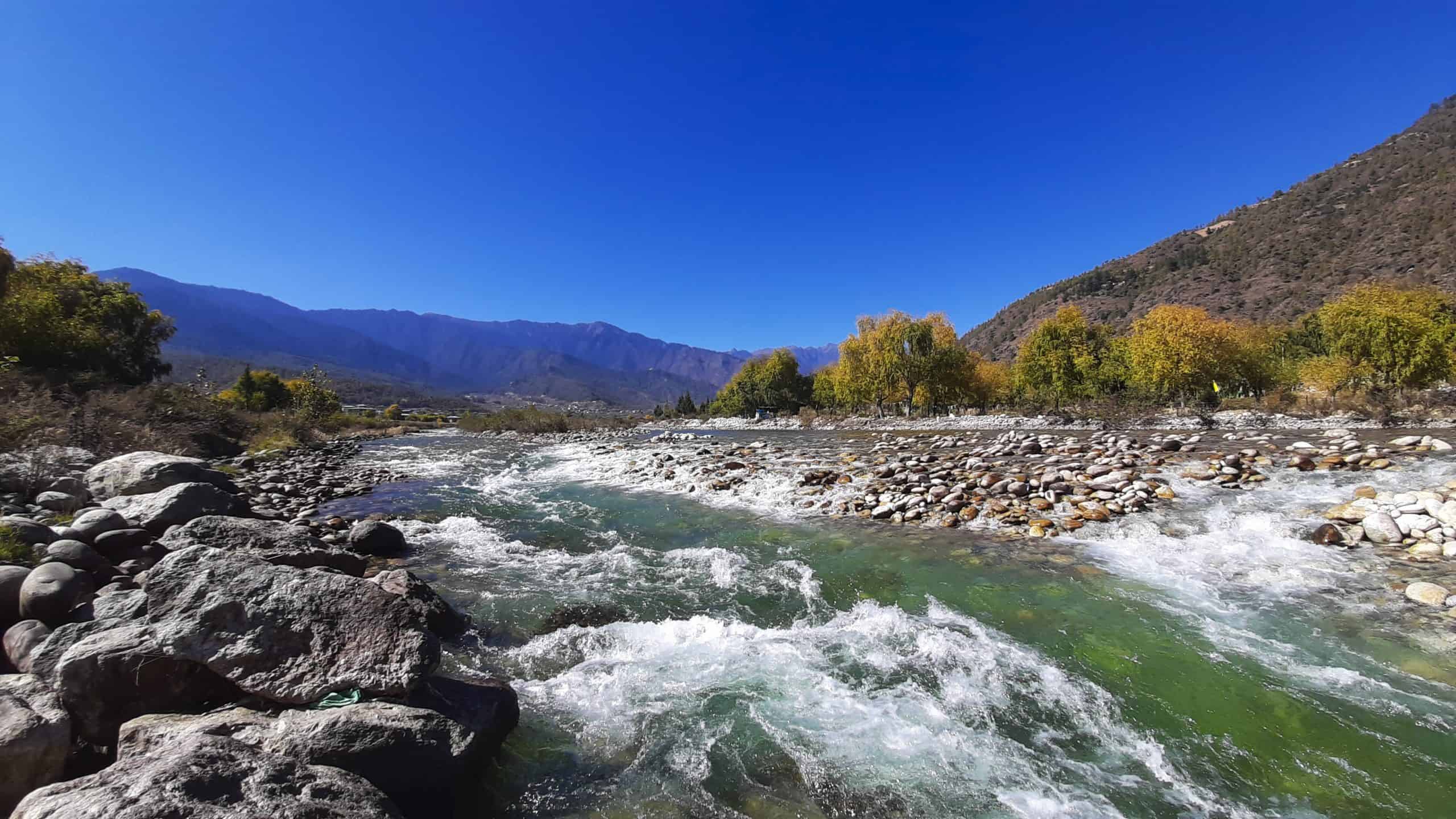
Western Bhutan is the most popular region in the country, and once you visit, you will understand why. This region covers all the famous areas, including Thimphu, Paro, Haa, Wangdue Phodrang, Punakha, and Gasa. Whether you arrive at Paro Airport (the country’s only international airport) or enter by road through Phuentsholing, your first taste of Bhutan will be in the west. As of 2026, the Sustainable Development Fee (SDF) for Indian tourists is Rs 1,200 per person per night, with a 24-hour waiver for border towns like Phuentsholing.
The only airport in the country is here at Paro. So whether you arrive by air or by road, you will be surprised by the dramatic valleys and the sense of calm that follows you everywhere. Western Bhutan is home to the Drukpa people, some of the most celebrated festivals in the kingdom, and dzongs that have stood for centuries. If there is only one region you visit during your travels through Bhutan, make sure you pick the west.
Last Updated: March 2026
Let's quickly dive into the details:
What Makes Western Bhutan Special?
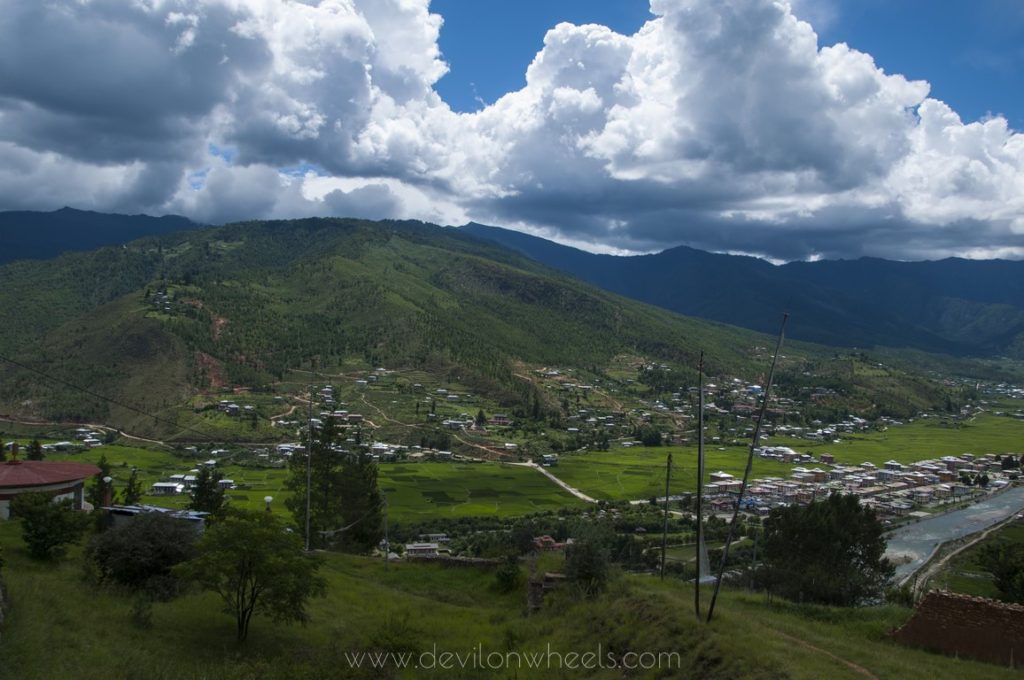
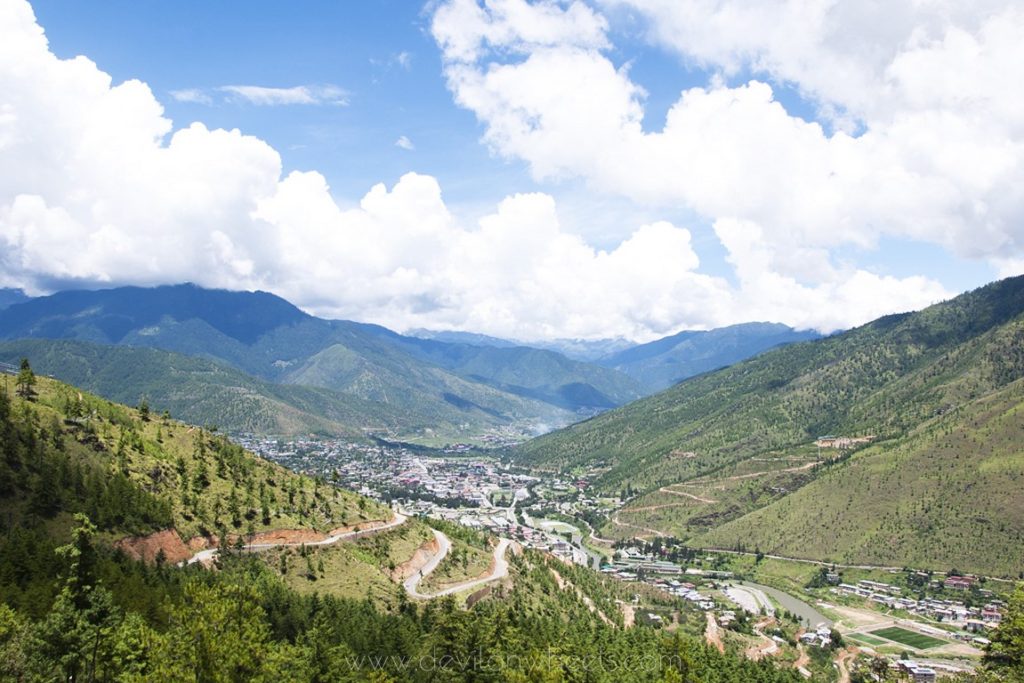
Western Bhutan is a region of mountains, valleys, and rivers that together create a complete Himalayan travel experience. From rice paddies flowing through mountain slopes to pristine rivers winding through Paro, Thimphu, and Punakha, this region delivers on every front. It is also where most of your documentation and permit requirements get handled, so you will be spending a few days here regardless of your itinerary.
What sets western Bhutan apart from the rest of the country is the sheer concentration of cultural landmarks. The Tiger’s Nest Monastery, Punakha Dzong, Tashichho Dzong, the National Museum, and dozens of smaller temples are all within a few hours of each other. Most of the towns here are built beside rivers and placed in wide, open valleys, making the landscape feel welcoming rather than rugged.
Practical Information for Western Bhutan
Region: Western Bhutan (Paro, Thimphu, Punakha, Haa, Wangdue Phodrang, Gasa)
Entry Points: Paro International Airport or Phuentsholing border crossing
SDF (Indian Tourists): Rs 1,200 per person per night (valid through August 2027)
SDF (International): USD 100 per person per night
Best Time: September to November (clear skies, festivals) or March to May (rhododendrons, Paro Tsechu)
Languages: Dzongkha (official), English widely spoken in Thimphu and Paro
Currency: Ngultrum (Nu), pegged 1:1 with INR. Indian Rupees accepted everywhere except Rs 500 and Rs 2,000 notes
Mobile Network: TashiCell and B-Mobile work across western Bhutan. Indian SIMs do not work
ATM: Available in Thimphu, Paro, and Punakha. Carry cash for Haa and remote areas
When Is the Best Time to Visit Western Bhutan?
If you are looking for ideal weather to explore western Bhutan, then September to November is the best window. Yes, the costs will be higher and the number of tourists will also be disproportionately high, but what you get in exchange is clear weather, mountain views from Dochula Pass, and theatrical festivals at Thimphu and Wangdue Phodrang. The Thimphu Tshechu in 2026 falls on 21-23 September, which makes it a perfect time to plan your visit.
Black-necked cranes arrive in the Phobjikha Valley in late October and early November and stay until February. If wildlife is your priority, plan for the November to February window.
Another popular period for visiting this region is March through May. This is when the Paro Tshechu takes place (29 March to 2 April in 2026), and the rhododendrons are in full bloom across the valleys. The weather is pleasant with temperatures around 10-20C in Paro and 15-28C in Punakha.
I would recommend avoiding the monsoon months of June to September for your first visit. The rains can make some roads tricky, and the views of the Himalayan peaks from Dochula and Chele La are often blocked by clouds.
Pro Travel Tip: Do not forget to check this complete month by month guide on the best time to visit Bhutan.
What Are the Major Attractions in Western Bhutan?
Western Bhutan is home to the most visited locations in the country. Some of the towns you should not miss include Paro, Thimphu, Punakha, and Haa. The region also houses Haa Valley, Jigme Dorji National Park, and Toorsa Strict Nature Reserve. Here is a detailed look at the must-visit places.
Punakha Dzong
Punakha Dzong is one of the most beautiful dzongs in Bhutan, and it deserves every bit of the hype. If you visit in spring, you will be greeted by lilac-colored jacaranda trees that frame the dzong perfectly. This was the second dzong to be built in Bhutan, and it served as the country’s capital until the mid-1950s. It remains the winter residence of the dratshang (official monk body) and is also the location where every King of Bhutan has been crowned.
As per local folklore, Guru Rinpoche foretold the construction of Punakha Dzong. He predicted that a person named Namgyal would come to a mountain resembling an elephant, and that is exactly what happened. Zhabdrung chose the tip of the trunk of a sleeping elephant, right at the confluence of the Mo Chhu and Pho Chhu rivers.
To reach the dzong, you walk across the Bazam bridge. This bridge was reconstructed in 2008 after the original 17th-century bridge was washed away in floods in 1958. The dzong is quite unusual as it has three Docheys (courtyards) instead of the usual two. The first courtyard handles administrative functions and houses a large white Victory Chorten and a bodhi tree. The second courtyard holds the monastic quarters. In the southernmost courtyard is the temple where the remains of the Terton Pema Lingpa and Zhabdrung Ngawang Namgyal are preserved.
You can easily spend a full lazy day exploring this stunning piece of history. There is something deeply calming about visiting a place of worship that has stood the test of centuries.
Taktshang Goemba (Tiger’s Nest Monastery)
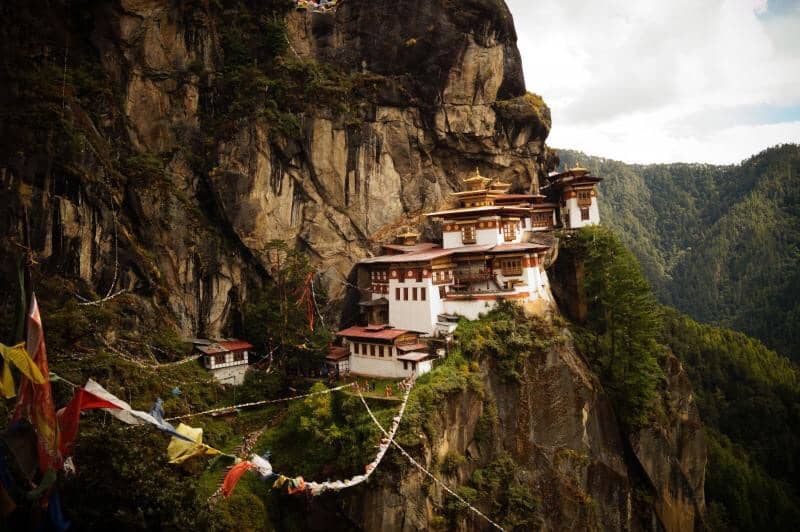
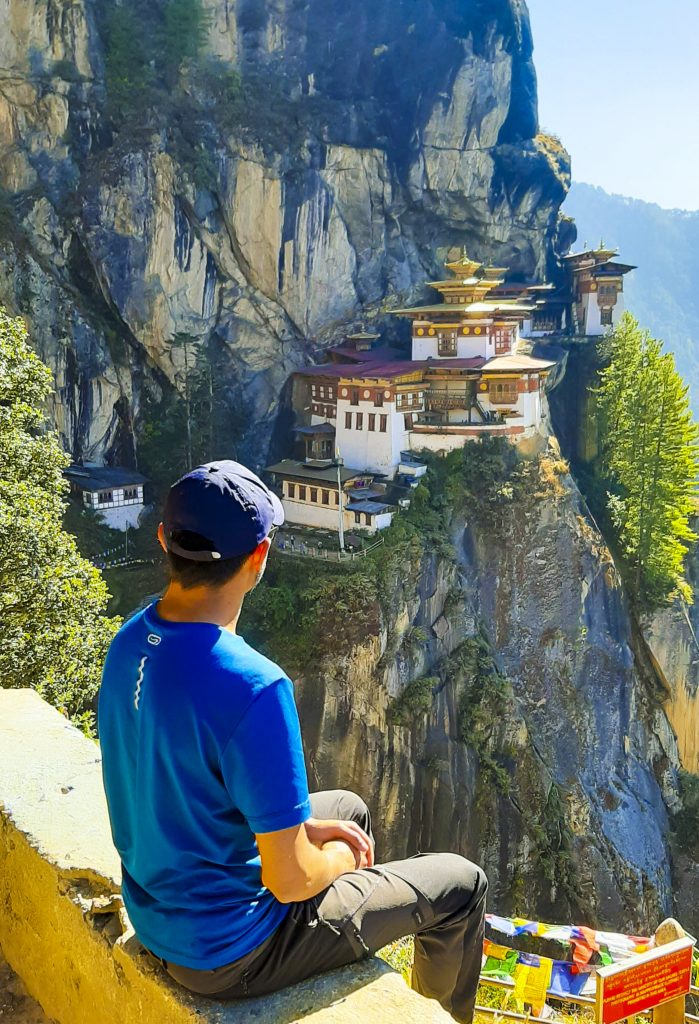
The Tiger’s Nest Monastery is synonymous with Bhutan itself. Perched on a cliff about 900 meters above the floor of the Paro Valley, visiting Taktshang Goemba is a bucket list experience. The hike takes about 2-3 hours one way, with a cafeteria midway where you can rest and take in the views. Keep in mind that the last stretch involves a steep descent and climb via stairs, so decent fitness is required.
After spending time at the monastery itself, head up to the Drubkhang (Pelphu Lhakhang), the cave where Guru Rinpoche meditated for three months. Outside the cave is a statue of Dorje Drolo, the manifestation the Guru assumed to fly to Taktshang on a tigress. The inner cave is sealed behind a spectacularly gilded door and is said to hold the phurba (ritual dagger) of the Guru.
Further up is a butter-lamp chapel where you can light a lamp for a donation. You can also climb further down into the original Tiger’s Nest cave above the chapel, but take care as it involves a dusty path down wooden ladders into a giant slice of the cliff face. If you still want more, visit the Machig-Phu Lhakhang, where Bhutanese pilgrims come to pray for having children.
Paro Dzong (Rinchen Pung Dzong)
The Rinchen Pung Dzong, popularly known as Paro Dzong, is another landmark of Bhutanese architecture. With its reinforced walls towering over Paro and visible throughout the valley, the name translates to “Fortress on a Heap of Jewels.” The dzong was constructed in 1644 and has been used on multiple occasions to defend the valley from invasions by Tibet.
Pro Travel Tip: Check our article about important tips for saving costs on the Bhutan trip, if you are looking to make a budget trip.
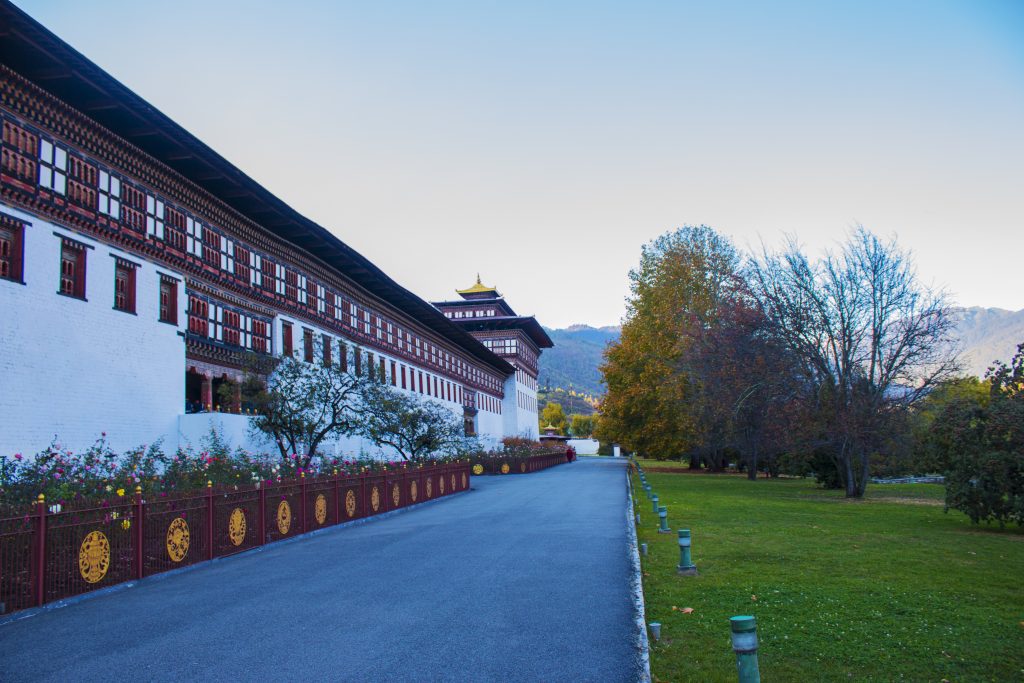
Built on a steep hillside, the carved woodwork painted in gold, black, and ochres combined with the massive walls gives a real sense of power and permanence. The dzong formerly served as the meeting hall for the National Assembly. Now it houses both the monastic body and district government offices, including the local courts. The courtyard is open daily, though on weekends the offices are empty. Indian, Bangladeshi, and Maldivian citizens are charged an entry fee, but international tourists are not since their SDF covers most entry fees.


Outside the dzong, to the northeast of the entrance, is a festival ground. This is where the Paro Tshechu takes place, and if you time your visit right (29 March to 2 April in 2026), you will witness one of the grandest festivals in Bhutan.
National Museum (Ta Dzong)
If Paro Dzong impresses you, climb slightly higher to reach the National Museum. The Ta Dzong (watchtower), built in 1649 to protect Paro Dzong, was renovated into the National Museum in 1968. The unusual round building is assumed to resemble a conch shell and has 2.5-meter-thick walls.
The museum sets the tone for understanding Bhutan’s unique blend of mythology and history. Stone Age tools sit next to descriptions of battles between gods and demons. Pay special attention to the thangka gallery, which displays stunning work from the four schools of Tibetan Buddhism (Sakya, Nyingma, Gelug, and Drukpa). The Namse Phodrang section houses a collection of bronze statues, particularly of the God of Wealth, Kubera.
Pro Travel Tip: If you prefer traveling solo, this article will help you plan a solo trip to Bhutan.
The museum also teaches you about Bhutanese ties with Tibet and provides a glimpse of the royalty of Bhutan. Among the interesting treasures on display are a stone egg reportedly laid by a mule and a ritual dagger belonging to the protector Dorje Lekpa. If you are driving, note that it involves a 4 km loop into the Dop Shari valley. I highly recommend walking the path from the museum down to the dzong and back to town. The views of the valley and the Ugyen Pelri Palace are worth it.
Dochula Pass (3,100 m / 10,200 ft)
Dochula Pass sits on the road between Thimphu and Punakha, about 22 km from Thimphu (roughly 45 minutes to 1 hour drive). This is one of the most scenic mountain passes in Bhutan. On a clear day, you get a panoramic view of the eastern Himalayan peaks, including some of Bhutan’s highest mountains.
The most striking feature here is the Druk Wangyal Chortens, a cluster of 108 memorial stupas built under the patronage of the Queen Mother Ashi Dorji Wangmo Wangchuck to honor Bhutanese soldiers who lost their lives during the 2003 military operation. The best time to visit Dochula for views is October to February when the skies are clearest. In winter, temperatures drop significantly, so carry warm layers.
Which Valleys Should You Visit in Western Bhutan?
Apart from the major monuments, two valleys deserve dedicated time in your western Bhutan itinerary.
Phobjikha Valley
Phobjikha is a bowl-shaped glacial valley on the western slopes of the Black Mountains. This valley borders the Jigme Singye Wangchuck National Park and is famous for the large flocks of endangered black-necked cranes that winter here. Around 400-450 birds fly in from the Qinghai-Tibet Plateau in late autumn. Locally, the birds are known as Thrung Thrung Karmo.
As one of the most important wildlife preserves in the country, the valley is home to muntjacs (barking deer), wild boars, sambars, serows, Himalayan black bears, leopards, and red foxes. The valley gets completely snowbound during peak winter months, and the residents (around 4,700 people), including the monks, move their residence to Wangdue Phodrang. This beautiful cohabitation between humans and wild animals is nothing short of poetry in my opinion.
If you are in the region in February and March, you might witness the cranes circling Gangte Goemba before flying back across the Himalayas to their summer breeding grounds in Tibet.
Hiking and Biking in Phobjikha Valley
The glacial valley is peppered with villages, hiking trails, and Lhakhangs. Whether you are on foot or on a mountain bike, you will have plenty to explore.
Gangte Nature Trail (1.5 hours): The most popular short walk leads downhill from the mani (prayer) stone wall north of Gangte Goemba to the Khewang Lhakhang. The trail descends through Semchubara village and drops to the forest edge before reaching a valley viewpoint, a crane-watching hideaway, and finally the Lhakhang.
Shashi La Nature Trail (3-4 hours): A longer trail that leads up the valley from behind the Amankora Gangtey resort. This is the traditional route taken by farmers and the reincarnated Gangte Trulku when they left the valley in winter. The trail passes through old-growth forest and ends with a steep descent to Kalekha on the main Wangdue Phodrang road.
Mountain Biking: For cycling enthusiasts, the route from Gangte Goemba through the Nature Trail and into the valley behind Khewang Lhakhang is excellent. You can also try the Kilkhorthang Trail, which leads through a nunnery at Kilkhorthang Lhakhang towards Damcho Lhakhang, south of Tabiting. On this trail, you get to experience the thrill of crossing bridges over beautiful rivers.
Pro Travel Tip: If you prefer traveling via public transport, check this article which will help you plan a trip to Bhutan by public transport.
Haa Valley and Chele La Pass
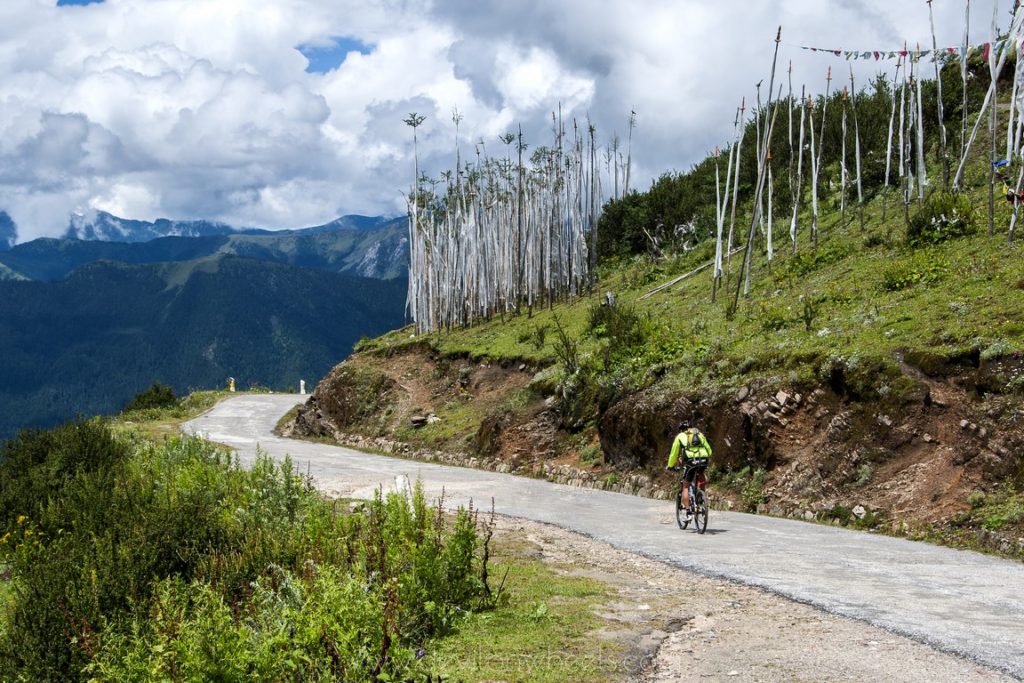
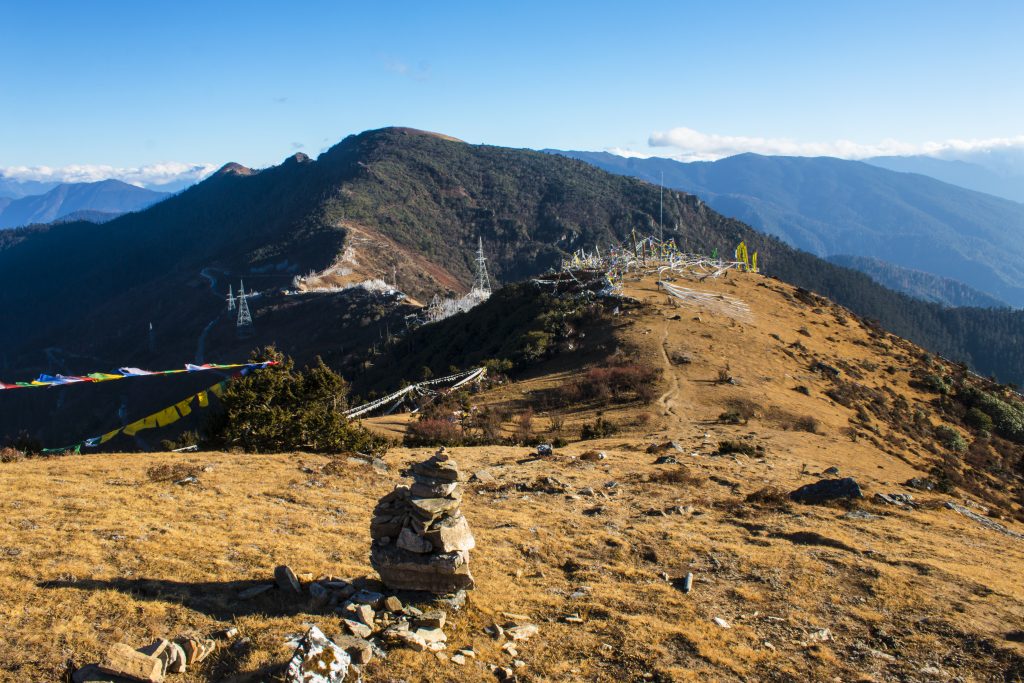
Haa Valley lies south of Paro, tucked behind the high ridge of Chele La (3,988 m / 13,083 ft), the highest motorable pass in Bhutan. The valley is about 65 km from Paro (roughly 2 hours drive). On a clear day, the drive over Chele La offers stunning views of Mount Jomolhari (7,326 m), Bhutan’s most sacred peak.
Haa is the ancestral home of the Dorji family and does not see many visitors, which is exactly why you should go. The valley is especially picturesque and perfect for outdoor activities. It is also home to the sacred Lhakhang Karpo (White Temple) and Lhakhang Nagpo (Black Temple).
Pro Travel Tip: You can check this detailed guide on how to get all the necessary permits for your Bhutan trip.
Blue Poppy Season in Haa Valley
Haa is the home of Bhutan’s national flower, the Himalayan Blue Poppy. When it blooms, botanists and enthusiasts from around the world visit the valley. Apart from the rare blue poppy, Haa also hosts yellow, white, and red poppies. The only time you can see these celebrated flowers in full glory is from mid-June to late July when the monsoon is in full swing.
The Haa Summer Festival (19-21 September 2026) showcases the valley’s nomadic culture, traditional sports, local cuisine, and religious performances. It is a relatively new festival but has quickly become a highlight for travelers who want an authentic experience away from the more touristy Paro and Thimphu.
What Are the Food Options in Western Bhutan?
Western Bhutan being the tourism hub, you will find decent food options across Paro, Thimphu, and Punakha. Budget meals at local eateries cost Rs 150-300 per meal, while mid-range restaurants charge around Rs 600-1,000 per meal. Here are some specific recommendations.
Bukhari Restaurant (Paro): Serves some of the best food in the valley with a set menu that changes frequently. Great for a special evening meal.
Sonam Trophel Restaurant: Popular for home-style Bhutanese cooking adapted for visitors. The seven-course set lunch is a must-try.
Brioche Cafe: If you want a mellow place to just sit and think, this is it. The bakery items are excellent. Must order the Apple Pie. Thank me later 🙂
In general, a budget traveler can comfortably manage food expenses at around Rs 500-700 per day in western Bhutan. If you eat at mid-range restaurants, expect to spend Rs 1,000-1,500 per day on food.
Pro Travel Tip: Wondering how much a Bhutan trip will cost? Check our detailed guide on how to calculate the cost or budget of a Bhutan trip.
Where Should You Stay in Western Bhutan?
If you are from India, Bangladesh, or the Maldives, you have the luxury of customizing your itinerary freely since you do not need to book through a licensed tour operator. Here is a breakdown of accommodation costs as of 2026.
Budget (Rs 1,500-3,000/night): Basic guesthouses and local hotels in Paro, Thimphu, and Punakha. Clean rooms with basic amenities. This is the sweet spot for backpackers.
Mid-range (Rs 4,000-8,000/night): Comfortable hotels with good views and restaurant service. Many options in all three towns.
Heritage/Luxury (Rs 8,000+/night): Places like Gangtey Palace, which has a charm of its own and some of the best views of any hotel in the region. Also look at properties in Punakha and Paro for premium experiences.
Keep in mind that the SDF of Rs 1,200 per person per night is in addition to your accommodation costs. So a budget traveler spending 5 nights will pay Rs 6,000 in SDF alone. Factor this into your overall budget.
You should always carry your water bottle and refill it as many times as you need water. It will not only keep you hydrated always, but you will also help in saving the Himalayas from plastic garbage. Remember, every tiny step counts and your step in this direction can help save the Himalayas too !! 🙂 🙂
How Much Does a Western Bhutan Trip Cost in 2026?
Here is a rough budget breakdown for a 5-night trip to western Bhutan (Paro, Thimphu, Punakha) for an Indian traveler in 2026.
Budget Trip (per person):
- SDF: Rs 6,000 (5 nights x Rs 1,200)
- Accommodation: Rs 7,500-15,000 (Rs 1,500-3,000/night)
- Food: Rs 2,500-3,500 (Rs 500-700/day)
- Local Transport: Rs 5,000-8,000 (shared taxis and buses)
- Entry Fees: Rs 1,000-2,000
- Travel to/from Bhutan (road via Phuentsholing): Rs 3,000-5,000
- Total Budget: Rs 25,000-40,000 per person
Mid-Range Trip (per person):
- SDF: Rs 6,000
- Accommodation: Rs 20,000-40,000 (Rs 4,000-8,000/night)
- Food: Rs 5,000-7,500 (Rs 1,000-1,500/day)
- Private Taxi: Rs 12,500-17,500 (Rs 2,500-3,500/day)
- Entry Fees: Rs 1,000-2,000
- Flights (Bagdogra-Paro return): Rs 10,000-14,000
- Total Mid-Range: Rs 55,000-85,000 per person
Keep in mind that from January 2026, Bhutan has introduced a 5% GST, which may add slightly to your overall expenses. For a detailed cost calculation, check our Bhutan trip cost guide.
How to Reach Western Bhutan?
There are two main ways to reach western Bhutan from India.
By Air: Paro International Airport is the only airport in Bhutan. Druk Air and Bhutan Airlines operate flights from Delhi, Kolkata, Bagdogra, and Guwahati. The Bagdogra-Paro route is the cheapest, with return tickets costing Rs 10,000-14,000. Delhi-Paro return tickets typically cost Rs 20,000-50,000 depending on the season.
By Road: The most popular land route is through Phuentsholing. From Siliguri/NJP, Phuentsholing is about 170 km (4-5 hours). From Phuentsholing, Thimphu is about 176 km (6-7 hours) through the winding mountain roads via Gedu and Chukha. A private taxi from Phuentsholing to Thimphu costs around Rs 3,000-4,000 one way.
For those coming from Kolkata, you can take a train to NJP (New Jalpaiguri) and then drive to Phuentsholing. From Delhi, you can fly to Bagdogra and then drive to the border.
What Is a Good Itinerary for Western Bhutan?
Here is a suggested 6-day itinerary covering the highlights of western Bhutan. This works well for Indian travelers entering by road or air.
Day 1: Arrive in Paro (by air) or Thimphu (by road via Phuentsholing). Explore Paro town, visit Paro Dzong and the National Museum.
Day 2: Hike to Tiger’s Nest Monastery (Taktshang). This is a full-day activity. Rest in Paro in the evening.
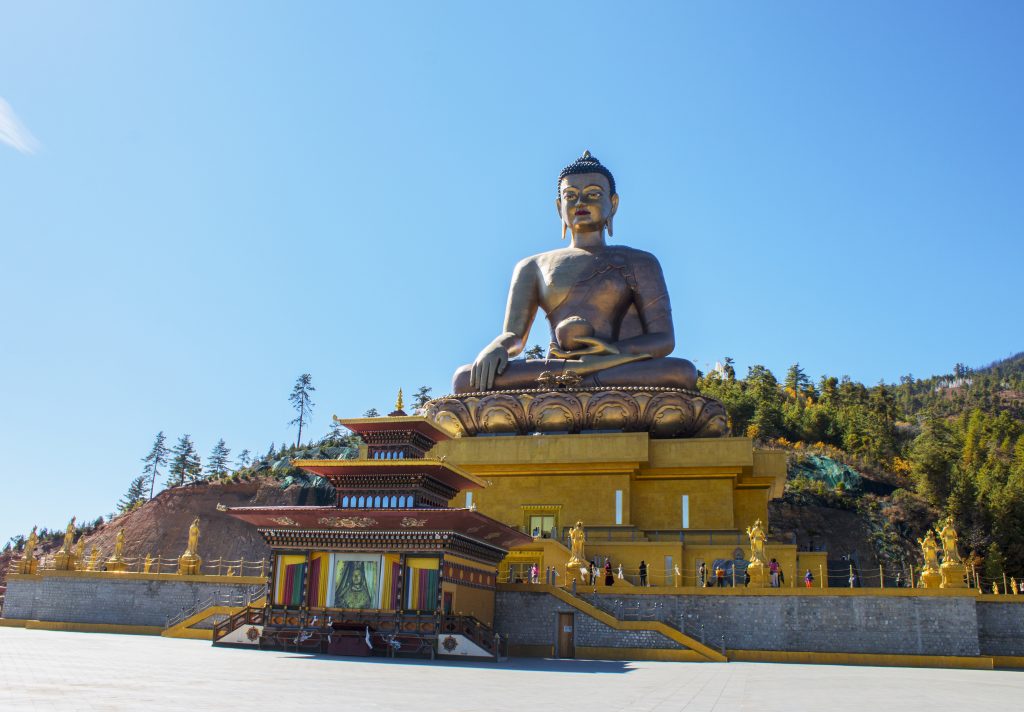
Day 3: Drive from Paro to Thimphu (65 km, 1.5 hours). Visit Tashichho Dzong, Buddha Dordenma, Memorial Chorten, and the Weekend Market (if Saturday/Sunday).
Day 4: Drive from Thimphu to Punakha via Dochula Pass (77 km, 2.5-3 hours). Stop at Dochula for the 108 chortens and mountain views. Visit Punakha Dzong and Chimi Lhakhang.
Day 5: Day trip to Phobjikha Valley from Punakha (about 2-3 hours one way). Visit Gangte Goemba and do the Gangte Nature Trail. Return to Punakha.
Day 6: Drive from Punakha back to Paro via Dochula Pass. If time permits, take the detour over Chele La to Haa Valley before returning to Paro for your flight.
For a more detailed itinerary covering all of Bhutan, check our most perfect itinerary for a Bhutan road trip.
Important Tips for Visiting Western Bhutan
- Carry cash in smaller denominations. Indian Rs 100, Rs 200, and Rs 500 (new) notes are widely accepted. Rs 2,000 notes are NOT accepted in Bhutan.
- Get a local SIM card. Your Indian SIM will not work in Bhutan. Buy a TashiCell or B-Mobile SIM at the airport or in Thimphu for around Nu 200-300 with data.
- Dress modestly at dzongs and temples. Long pants, covered shoulders, and no hats inside religious sites. This is strictly enforced.
- The SDF is non-negotiable. Indian tourists pay Rs 1,200/night. Children 6-12 get 50% off. Under 5 is free. You can stay in border towns (Phuentsholing, Samtse, Gelephu) for 24 hours without paying SDF.
- Book Druk Air tickets early. Flights to Paro are limited and fill up fast during festival season (March-April for Paro Tshechu, September for Thimphu Tshechu).
- Altitude is manageable. Most of western Bhutan sits between 2,000-3,000 meters. Unless you are going over Chele La (3,988 m), altitude sickness is unlikely. Still, take it easy on your first day.
- Rain gear in monsoon. If you visit during June-August, pack good rain gear. Roads can get slippery and landslides are possible on the Phuentsholing-Thimphu highway.
Conclusion
Western Bhutan packs in the very best of what the kingdom has to offer, from ancient dzongs and cliffside monasteries to glacial valleys full of rare cranes. Even though this is the most visited region of Bhutan, it still manages to surprise you with its quiet corners and unhurried pace of life.
Haa Valley provides the calmness and offbeat character that every well-rounded Bhutan trip needs. Head out and make memories for a lifetime when you are here!
For other details about traveling to Bhutan, discussions, queries, and finding travel partners, feel free to join the DwD Community. You can also subscribe to my YouTube channel and leave a comment to ask your travel questions about traveling to Bhutan 🙂 …
Frequently Asked Questions
How many days are enough for western Bhutan?
A minimum of 5-6 days is recommended to cover Paro, Thimphu, Punakha, and Dochula Pass comfortably. If you want to add Haa Valley and Phobjikha Valley, plan for 7-8 days. Rushing through in 3-4 days means you will miss too much.
Do Indian tourists need a visa for Bhutan?
No, Indian nationals do not need a visa for Bhutan. You need a valid Indian passport or Voter ID card to enter. However, you must pay the SDF of Rs 1,200 per person per night. Check our Bhutan permits guide for the latest requirements.
What is the SDF fee for Indian tourists visiting Bhutan in 2026?
The Sustainable Development Fee for Indian tourists is Rs 1,200 per person per night. This fee is valid through August 2027. Children aged 6-12 get a 50% discount, and children under 5 are exempt. A 24-hour waiver applies for border towns like Phuentsholing.
Is western Bhutan safe for solo travelers?
Yes, western Bhutan is very safe for solo travelers, including women traveling alone. Bhutan has one of the lowest crime rates in the world. The people are friendly and helpful. For detailed solo travel tips, check our guide on planning a solo trip to Bhutan.
Can I use Indian Rupees in Bhutan?
Yes, Indian Rupees are accepted throughout Bhutan. The Bhutanese Ngultrum is pegged 1:1 with the Indian Rupee. However, Rs 500 (old) and Rs 2,000 denomination notes are generally not accepted. Carry Rs 100 and Rs 200 notes for convenience. ATMs are available in Thimphu, Paro, and Punakha.
What is the best festival to attend in western Bhutan?
The Paro Tshechu (29 March to 2 April in 2026) and the Thimphu Tshechu (21-23 September 2026) are the two biggest festivals. Paro Tshechu is especially grand and includes the unfurling of a giant thangka at dawn. The Punakha Tshechu (27 February to 1 March 2026) is also excellent and less crowded than Paro.
How do I get from Paro to Punakha?
The drive from Paro to Punakha is about 125 km via Thimphu and Dochula Pass, taking approximately 4-5 hours. Most travelers break this into two legs: Paro to Thimphu (65 km, 1.5 hours) and then Thimphu to Punakha (77 km, 2.5-3 hours via Dochula). A private taxi costs around Rs 3,000-4,000 for the full journey.
Is the Tiger’s Nest hike difficult?
The hike to Tiger’s Nest Monastery is moderately difficult. It takes about 2-3 hours one way with an elevation gain of roughly 900 meters. There is a cafeteria at the midpoint where you can rest. The last stretch involves a steep descent and climb via stairs. Anyone with reasonable fitness can do it, but take your time and carry water. Horses are available for the first half if needed.
