


Sainj Valley and its hub village Shangarh sit inside the UNESCO-listed Great Himalayan National Park’s buffer zone in Kullu, Himachal Pradesh. Shangarh rests at 6,900 feet (2,100 m), about 35 km from Aut via Sainj Village (18 km) and Ropa, the final 8-10 km climbing a narrow gravel road that needs a high-clearance vehicle.
Sainj Valley sits about 45 km from Kullu in Himachal Pradesh, on the edge of the Great Himalayan National Park. This is not just a national park. GHNP became a UNESCO World Heritage Site in 2014, and Sainj Valley runs right through its protected buffer zone. The practical result for you as a traveler: no large-scale construction, no commercial resorts, forests that look the way forests used to look, and a visitor count that is a fraction of what neighboring Tirthan Valley sees. If you have been looking for the Himachal that Tirthan was before the Instagram crowd arrived, Sainj is the answer right now. This guide covers everything you need to plan a trip to Sainj Valley and Shangarh in 2026, from how to reach and where to stay, to treks, budget, and practical tips.
Let's quickly dive into the details:
Sainj Valley Trip at a Glance
Short on time? Here is the quick answer for planning a Sainj Valley and Shangarh trip in 2026. Sainj Valley sits at 1,233 to 2,100 meters in Kullu district, about 470 km from Delhi and 18 km from Aut on the Delhi-Manali highway. The main hub is Shangarh village at 6,900 feet (2,100 m), famous for its giant cedar-lined meadow inside the UNESCO World Heritage buffer zone. Best time to visit is March to June and September to November. A 3-day budget trip from Delhi works out to roughly Rs 3,250-5,000 per person on public transport, or Rs 9,400-16,400 mid-range. No special permit is needed for the valley itself, only for treks into the GHNP core zone.
| Quick Fact | Detail |
| Altitude (Shangarh) | ~2,100 m / 6,900 ft |
| Distance from Delhi | ~488 km via Aut |
| Best months | March-June, September-November |
| Permit needed? | No for valley. Yes for GHNP core zone treks. |
| GHNP entry fee | Rs 100 Indian / Rs 400 foreigner per day |
| Budget for 3 days | Rs 3,250 backpacker / Rs 9,400+ mid-range |
| Nearest fuel pump | Larji (25 minutes from Sainj Village) |
| Mobile network | BSNL and Jio (intermittent) |
| Nearest ATM | HDFC at Sainj Village |
Why Sainj Valley Instead of Tirthan Valley?
Both Tirthan and Sainj are GHNP approach valleys in Kullu district, roughly parallel to each other. Tirthan Valley has become genuinely popular in the last five years. Weekends see packed homestays, a growing number of cafes, and a predictable circuit that most visitors follow. That development is fine if you want more options. But Sainj remains the quieter choice, and by a considerable margin.
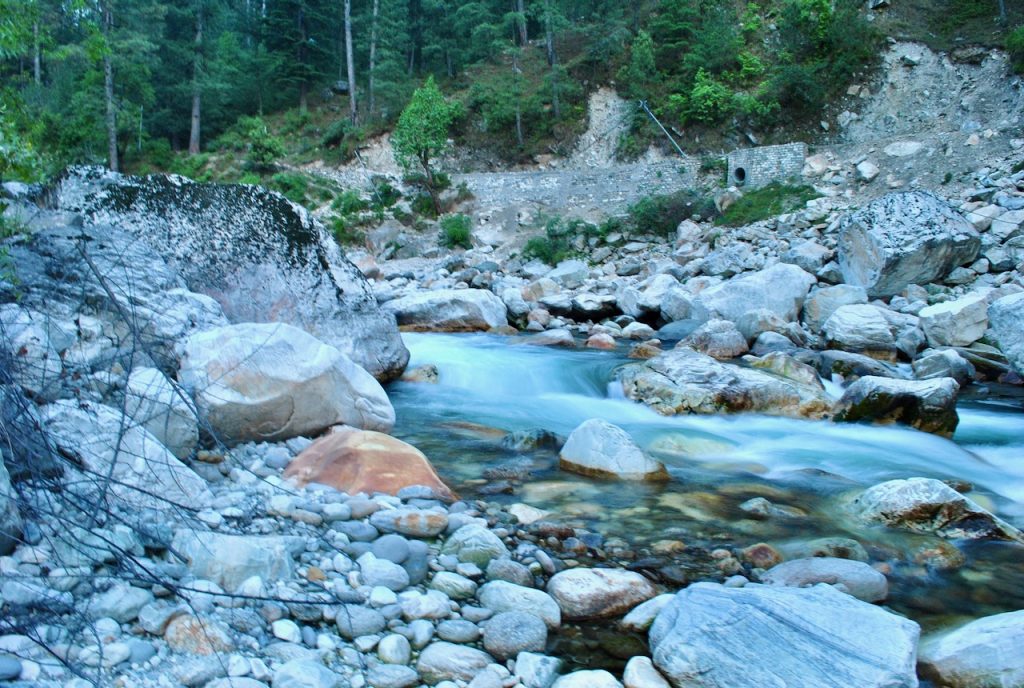
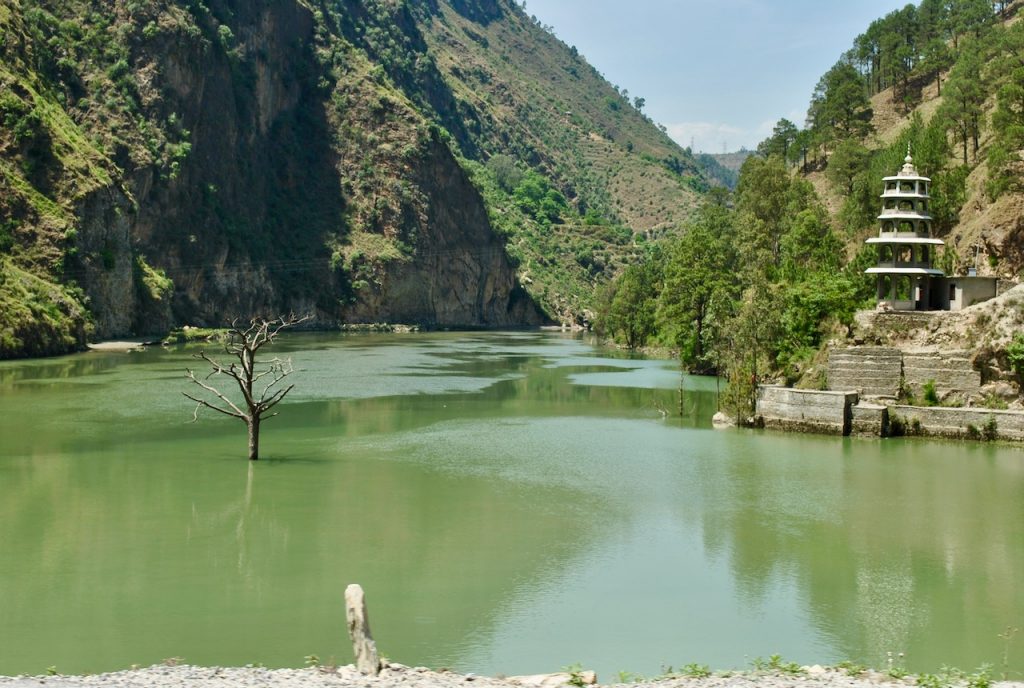
Sainj Valley is one of the few places in Himachal where you still meet more locals than tourists. The valley runs along the Sainj River, a tributary of the Beas, and its villages fall within the buffer zone of the Great Himalayan National Park. That UNESCO protection means no large-scale construction, no commercial resorts, and forests that feel genuinely untouched. Homestays here are family-run. You eat what the family cooks. You fall asleep to river sounds. This is slow travel in the most honest sense of the phrase.
Sainj is the perfect rebuttal to those who say Himachal has no offbeat places left. In case you are on the fence between the two valleys, I will say this plainly: if you want more facilities and a well-worn path, choose Tirthan. If you want fewer people and a meadow that genuinely takes your breath away, choose Sainj. 🙂
Where Exactly Is Sainj Valley?
Sainj Valley begins at Larji, right where the Sainj River meets the Beas on the Delhi to Manali highway. The turnoff is at Aut, a small town just after the Aut Tunnel (past Mandi). From Aut, a single road climbs into the valley along the riverbank. The altitude ranges from about 1,233 meters at the valley entrance to around 2,100 meters (6,900 feet) at Shangarh.
Key Distances from Aut
| Route | Distance |
| Aut to Sainj Village | 18 km |
| Aut to Neuli (via Sainj) | 27 km |
| Sainj Village to Ropa | 7 km |
| Ropa to Shangarh | 10 km |
| Sainj Village to Dehuri | 10 km |
| Delhi to Aut (via Mandi) | ~470 km |
| Chandigarh to Aut | ~233 km |
| Shimla to Sainj (via Jalori Pass) | ~195 km |
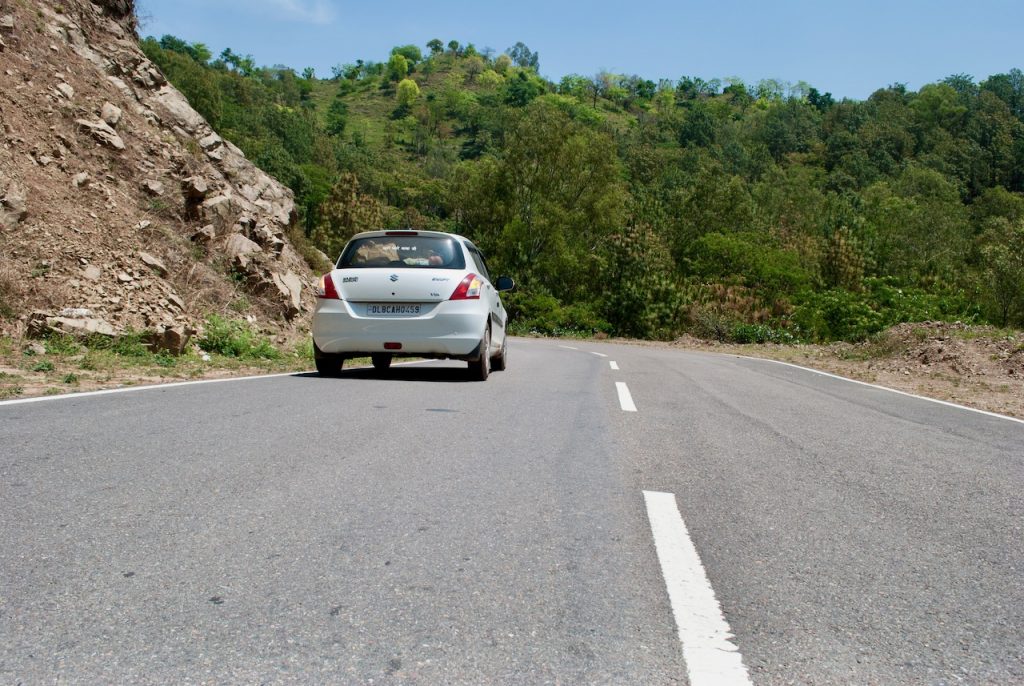
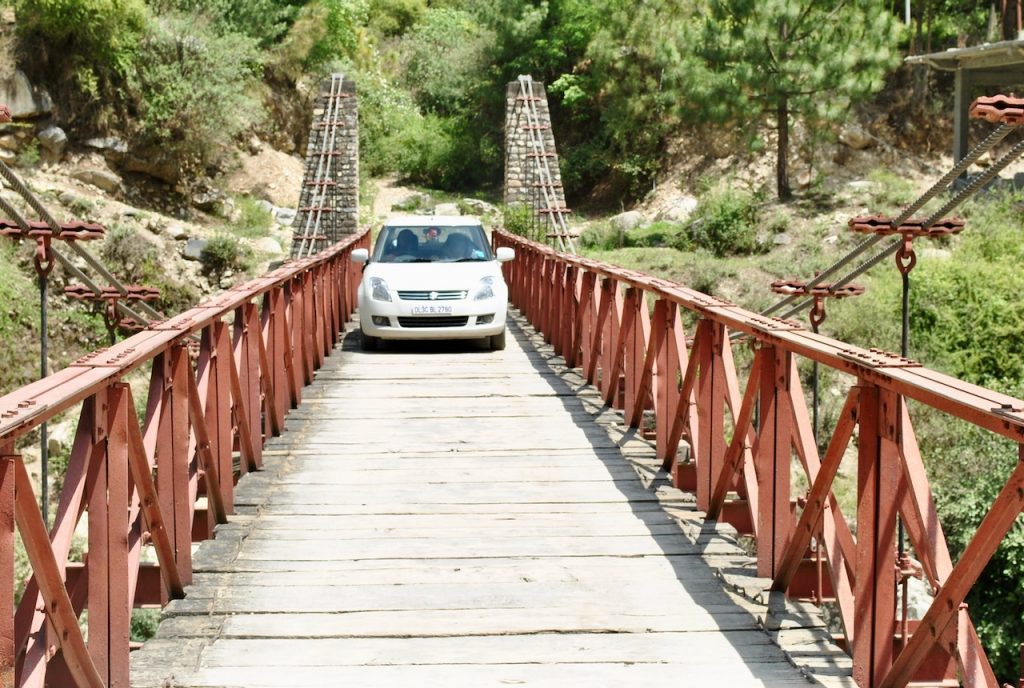
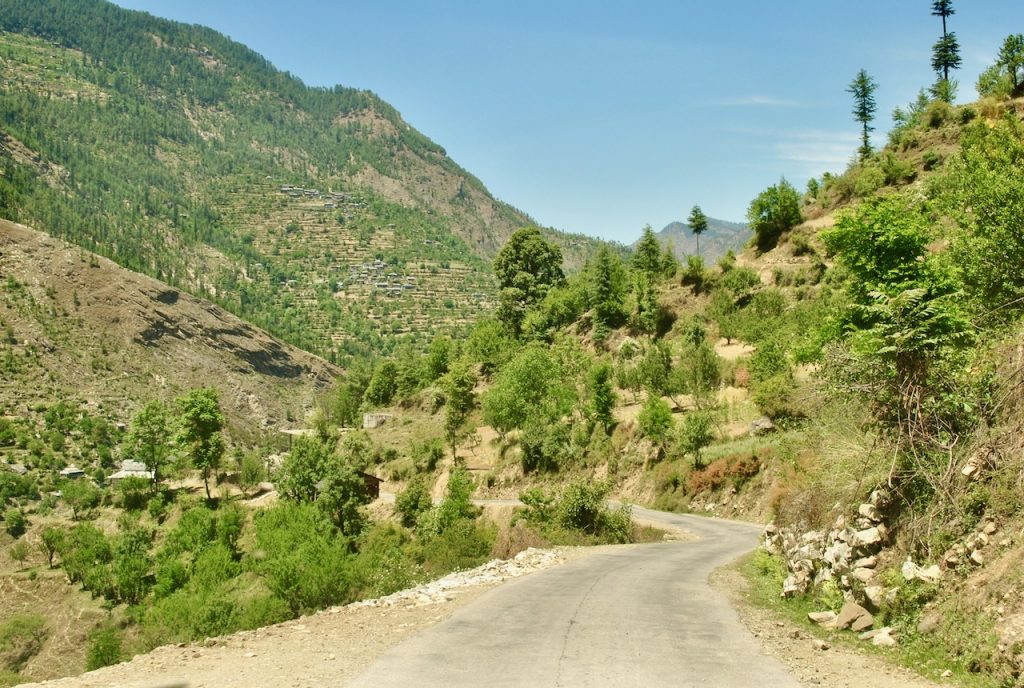
Keep in mind, the road from Aut to Sainj Village is mostly in decent condition. Beyond Sainj toward Shangarh, the last 8-10 km is a narrow, steep gravel road. A high-clearance vehicle or a 4×4 is recommended for that stretch, though local drivers manage it in regular cars too.
How to Reach Sainj Valley and Shangarh in 2026?
The most practical way to reach Sainj Valley is by road through Aut. You can also approach via Shimla and Jalori Pass, but the Mandi route is shorter and more straightforward. Here are your options.
By Bus from Delhi
Take an HRTC or HPTDC Volvo bus from Delhi (ISBT Kashmere Gate) bound for Manali. The overnight Volvo costs Rs 1,500-2,000. Get off at Aut, which is about 30 minutes before Bhuntar. From Aut bus stand, local HRTC buses run to Sainj Village (fare Rs 50-80). There is one bus from Sainj to Shangarh, usually departing around 4 PM. If you miss it, a taxi from Sainj to Shangarh costs around Rs 1,000-1,500. Verify current bus timings locally, as schedules shift seasonally.
By Taxi or Private Vehicle
A taxi from Aut to Shangarh costs Rs 1,500-2,000 (one way). If you are driving, the road till Sainj Village is manageable for any car. Beyond Sainj toward Shangarh, the road gets narrow and steep. A vehicle with decent ground clearance is a good idea. Fill up fuel at the Larji petrol pump (about 25 minutes from Sainj Village), as there are no fuel stations deeper in the valley.
By Air
Bhuntar Airport in Kullu is the nearest, about 37 km from Sainj. Flights to Bhuntar are limited and weather-dependent. Chandigarh Airport (233 km away) is more reliable. From either airport, you will need a taxi to Aut and then onward to Sainj.
By Train
No direct trains reach Sainj Valley. Chandigarh is the most convenient railhead at 233 km. From Chandigarh, take a bus toward Manali and get off at Aut, or hire a private cab for the full journey.
When Is the Best Time to Visit Sainj Valley?
You can visit Sainj Valley throughout the year, but the experience varies significantly by season. The peak months are March to June and September to November. However, there is one season that most guides dismiss too quickly, and that is the monsoon window in July and August. Let me give you an honest picture of each season.
| Season | Months | What to Expect |
| Spring | March-April | Wildflowers, pleasant weather, clear skies. Snow on higher trails. |
| Summer | May-June | Best for trekking. Warm days (up to 30C), cool nights (14C). |
| Monsoon | July-August | Meadows intensely green. Fewer tourists, homestays drop 20-30% in price. Real risk of landslides on the Aut-Sainj road. Not for first-timers. |
| Autumn | September-November | Clear weather, golden foliage, excellent visibility. Great for photography. |
| Winter | December-February | Snow at Shangarh, temperatures drop to -5C. Roads may be tricky. |
On the monsoon window specifically: the Shangarh Meadow is at its most vivid green in July and August. Visitor numbers drop sharply because most guides advise against monsoon travel. That combination means you can have a UNESCO World Heritage buffer zone meadow nearly to yourself. The trade-off is real though. Landslide risk on the Aut-Sainj stretch is genuine, and leeches on the trails are something to prepare for. If you have done monsoon Himachal before and are comfortable with that unpredictability, Sainj in July or August is an extraordinary experience. If this is your first trip to Himachal, I would suggest May-June or September-October instead.


In case you are looking for snowfall near Delhi, Shangarh does receive snow during December-February. The valley looks magical in white, but be prepared for limited transport and cold homestays.
What Is the Great Himalayan National Park and Why Does It Matter?
The Great Himalayan National Park (GHNP) spans 1,171 sq km across the Kullu Valley, with altitudes ranging from 1,500 to 6,000 meters. It became a UNESCO World Heritage Site in 2014 for its outstanding biodiversity. The park shelters over 375 animal species, including the Western Tragopan (Himachal’s state bird), snow leopards, Himalayan brown bears, and musk deer.
Sainj Valley lies in the buffer zone of GHNP. For travelers, the buffer zone status has a practical meaning: it is not the restricted core zone, so you can walk, stay, and explore freely without a permit for the valley itself. But the same protection laws that apply to the core zone shape what gets built here. There are no concrete resorts, no commercial hotels, and no large-scale development. That is why Sainj looks the way it does.

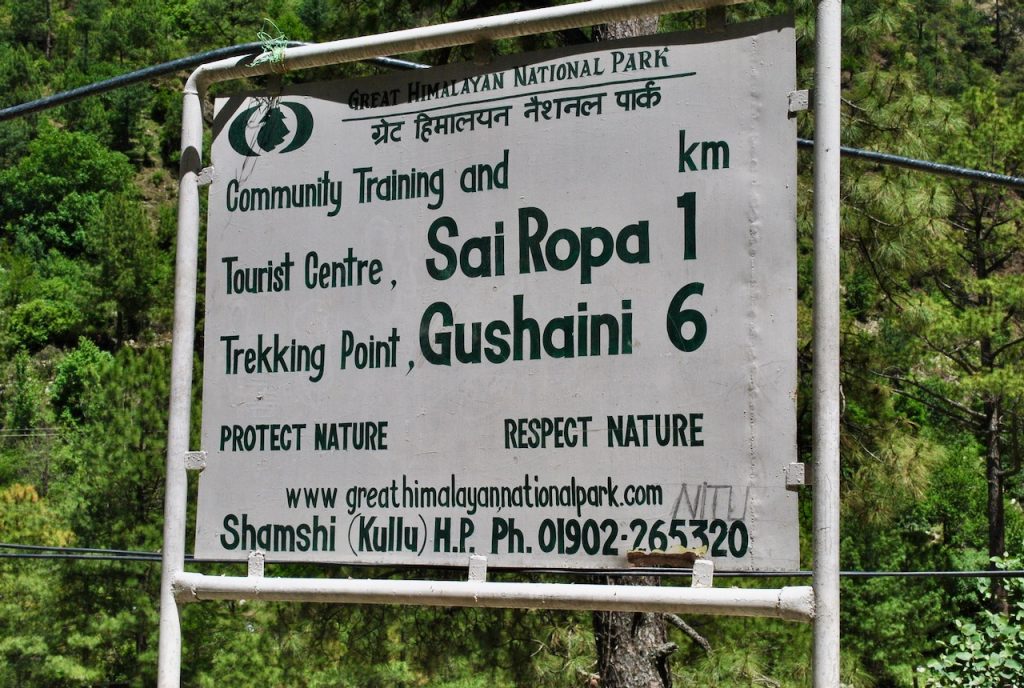
If you are planning multi-day treks into the park’s core zone, you will need permits from the GHNP office at Ropa (Sainj Valley range office) or the head office at Shamshi. Entry fees for Indian nationals are approximately Rs 100 per day for the eco-zone. Multi-day treks with certified guides cost around Rs 2,500 per person per day (minimum group size applies). Verify current rates with GHNP authorities before your trip, as permit structures have seen revisions in recent years.
What Are the Top Places to Visit in Sainj Valley?
Sainj Valley has several villages and viewpoints scattered across its length. Most are accessible by short hikes from the main road. Here are the key spots worth visiting.
Shangarh Village and Meadow
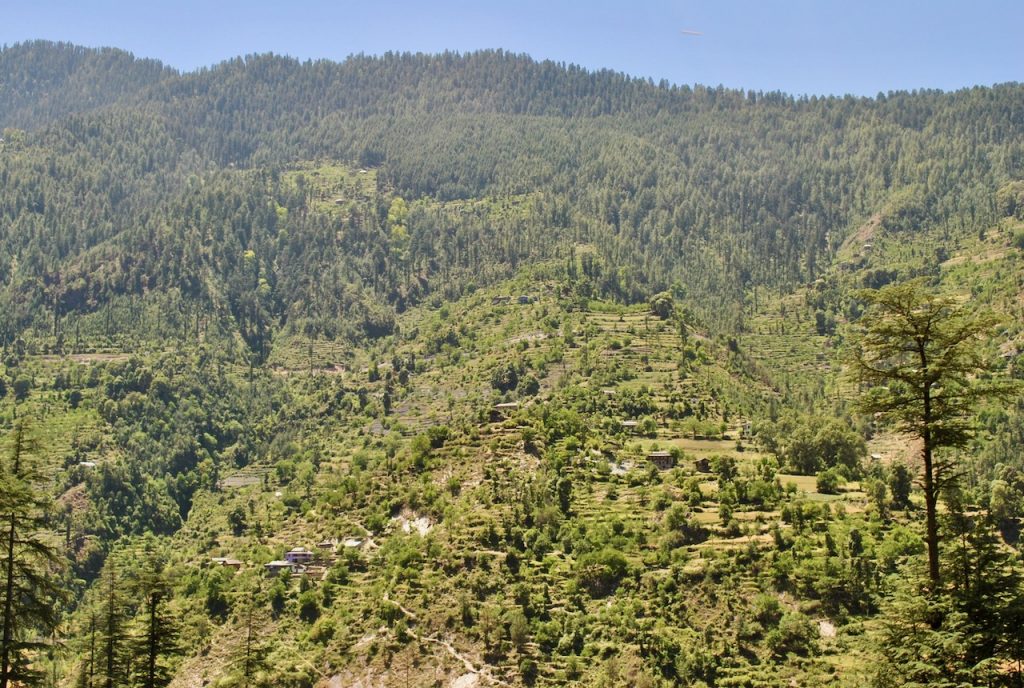
If you visit only one place in Sainj Valley, make it Shangarh. The village sits at about 6,900 feet, surrounded by dense deodar and pine forests. The main attraction is the Shangarh Meadow, a vast, flat expanse of green that locals believe was the spot where the Pandavas spent part of their exile during the Mahabharata period. Whether or not you take the mythology at face value, the meadow is genuinely extraordinary. A moderate trek through pine and deodar forests leads you to the meadow from the village. There is a Forest Rest House here if you want to spend the night. Multiple trails branch out from Shangarh toward Lapah, Shumga, and deeper into the GHNP. The Shangchul Mahadev Temple at the edge of the meadow is worth visiting for its architecture alone.
Dehuri (Deori)
A forest road leads to this scenic settlement at 2,051 meters. Unlike most Himachali villages that cling to hillsides, Dehuri spreads out across an open, flat stretch with terraced fields. There are about three local buses daily from Sainj Village to Dehuri (approximately 11 AM, 2 PM, and 6 PM), but hiking is the better option. The village has several temples and a small lake.
Manyashi
A 15-20 minute walk beyond Dehuri, Manyashi sits on a wider, higher part of the valley. The trail passes through wheat, barley, and apple orchards. The village has two wooden tower-temples dedicated to Pundrik Rishi and Janjar. It is one of the most photogenic spots in the valley.
If you are planning any hikes in the area, do not forget to check the essential things to carry on a hiking trip.
Pundrik Rishi Lake
This sacred lake is mostly dried up now due to natural causes, but it holds deep religious significance for the local community. No one is allowed to touch the water. You can reach it via a hike from Dehuri or through Ropa. Speak to the locals about the folklore attached to the lake. It is one of those Himalayan stories that gives you goosebumps.
Shenshar
Famous for its five-storied ancient pagoda temple built around a deodar tree. The architecture will surprise you. Shenshar also has the first ancient fort at Taliara, built by Thakurs in the 7th century. Completely untouched by tourism, this village has temples scattered across its periphery and feels like stepping back several centuries.
Panihar
Accessible via a bus to Thatibir and then a hike, Panihar offers panoramic views of the valley. The H.P Forest Department maintains a rest house here. It is a good spot to spend a day doing nothing but soaking in the silence.
What Are the Best Treks in Sainj Valley?
The Great Himalayan National Park is a genuine trekker’s paradise, with trails ranging from easy day hikes to multi-day expeditions reaching 4,700 meters. The park’s altitude range (1,700 m to 6,000 m) means incredible biodiversity along every trail. A certified guide is mandatory for GHNP core zone treks, and highly recommended even for buffer zone hikes since trails are not always well-marked and help is not readily available.
Raktisar Trek (7-8 Days)
This trail follows the Sainj River all the way to its source. En route, you pass through the Dhel meadows, a symphony of wildflower colors in season. A trail from Dhel also connects to Tirthan Valley, making a cross-valley traverse possible. Best time: April to June, October to November.
Jiwa Nala Trek (8 Days)
A moderate-to-difficult trek through dense forests, alpine lakes, and mountain streams. You cross two major passes: Kandi Galu (3,700 m) and Phangchi Galu (4,700 m). The trek ends at Sarthu Pond. This one requires prior high-altitude experience. You need a GHNP trek permit from the Sainj Village office. Best months: April to May, September to October.
Lapah-Shumga Trek (5-6 Days)
Starting from Shangarh, this trek takes you through green meadows, dense forests, and up to 12,500 feet. The trail is well-marked till Lapah camp. Beyond that, you need a guide as the route mixes defined trails with jungle navigation. Sara Lake serves as the base camp before Shumga. The night skies at each campsite are extraordinary. Acclimatize properly since you gain altitude steadily.
Sarikanda Thach (Day Trek)
A high-altitude meadow reachable in several hours from Neahi. This is an easy-to-moderate day trek with rewarding views at the top. You can camp here overnight if you carry your own gear. Good option for those who do not want a multi-day commitment.
What Else Can You Do Near Shangarh Village?
If multi-day treks are not your thing, Sainj Valley is equally rewarding for slow travelers, couples, and families looking for a quiet retreat.
Both Tirthan Valley and Jibhi in Banjar Valley are close enough to combine with a Sainj trip. You can do a circuit: arrive via Aut into Sainj, spend 2-3 days, and then head to Tirthan or Jibhi on the way back.
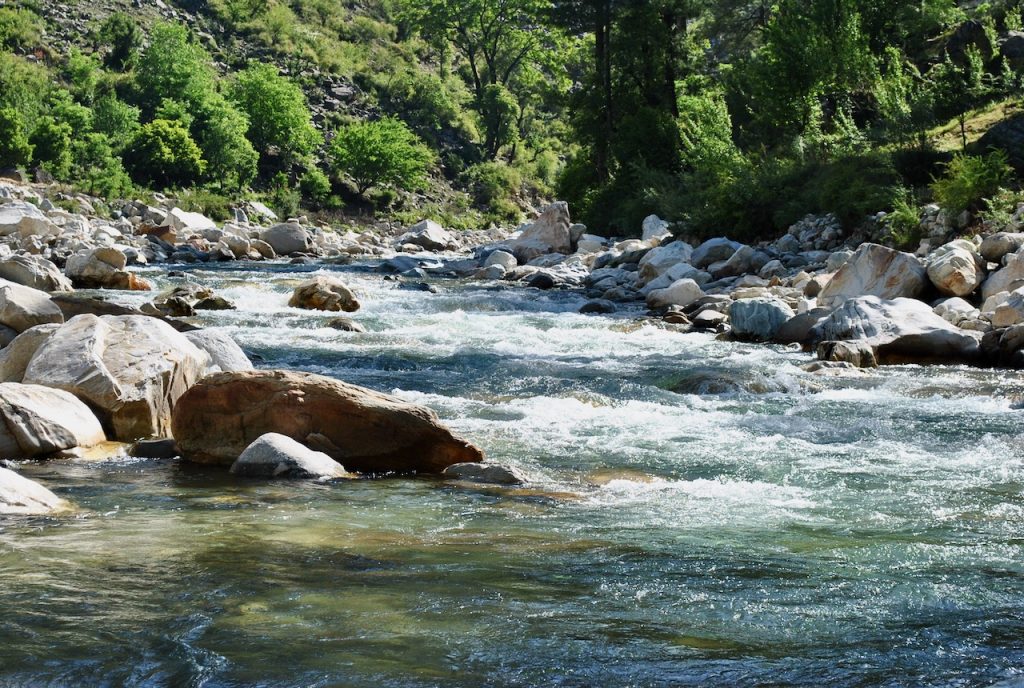
In the valley itself, the best activity is simply living the village life. Stay in a homestay, eat meals with the family, walk along the Sainj River, interact with locals. The Sainj River also offers trout fishing, one of those slow-paced pleasures that goes perfectly with this kind of trip. The people of Sainj are genuinely warm. In case you are looking for offbeat honeymoon spots in Himachal, Shangarh is a beautiful, peaceful option away from the tourist crowds.

Where to Stay in Sainj Valley and Shangarh?
Accommodation in Sainj Valley is basic but improving. There are no luxury resorts here, and that is part of the charm. Here is what is available as of 2026.
| Type | Location | Price Range (2026) |
| Forest Rest House (Ropa) | Sainj, on Sainj River bank | Rs 500/night (Indian), Rs 750/night (Foreigner) |
| Homestays | Shangarh, Neuli, Dehuri | Rs 600-1,800/night (breakfast often included) |
| Mid-range Homestays | Shangarh | Rs 2,000-4,200/night |
| Camping | Shangarh meadow area | Rs 500-1,200/night (bring your own or rent locally) |
| Work-from-Home Stays | Shangarh | Rs 9,200/week (single), Rs 12,600/week (double), includes WiFi and meals |
For the most authentic experience, stay in a homestay. Villagers in Jhili Neahi and Upper Neahi are particularly welcoming. If you want a proper bed and warm blankets with river views, the Forest Rest House at Ropa is reliable. Book in advance through the GHNP office.
Shangarh has also started attracting digital nomads and work-from-home travelers. A few homestays now offer weekly and monthly packages with WiFi, all meals, and electricity included. If you have been looking for a Himalayan base to work remotely, this is worth considering. The connectivity is BSNL and Jio-dependent, which means it works for most tasks but not video-heavy calls.
How Much Does a Sainj Valley Trip Cost in 2026?
Sainj Valley is one of the most budget-friendly destinations in Himachal. Here is a rough breakdown for a 3-day trip from Delhi. Keep in mind that travel costs and accommodation prices vary with season. In July-August (monsoon), homestay rates typically drop 20-30% below the peak-season numbers listed below.
| Expense | Budget (per person) | Mid-Range (per person) |
| Delhi to Aut (bus, round trip) | Rs 1,400-1,800 | Rs 3,000-4,000 (Volvo) |
| Aut to Shangarh (local bus + taxi) | Rs 150-500 | Rs 1,500-2,000 (direct taxi) |
| Accommodation (2 nights) | Rs 1,000-1,600 | Rs 3,600-8,400 |
| Meals (3 days) | Rs 600-900 | Rs 1,200-1,800 |
| GHNP day visit permit | Rs 100-200 | Rs 100-200 |
| Total (3 days) | Rs 3,250-5,000 | Rs 9,400-16,400 |
If you are on a tight budget, Sainj Valley is very doable under Rs 5,000 for a 3-day trip (excluding Delhi to Aut transport if you already have a bus pass or are hitchhiking). For budget travel tips in the Himalayas, also check out how to plan a tight budget trip to Kasol, since many of the same principles apply to Sainj.
What Are the Culture and Traditions in Sainj Valley?
Isolated valleys always have the most fascinating traditions, and Sainj does not disappoint. One tradition I found particularly beautiful: every newlywed bride is symbolically adopted by a villager, after which they share a lifelong bond as brother and sister. It is a wonderful way to bind the entire community as one family.
The temples in Sainj Valley follow the traditional Himachali pagoda architecture, built with wood and stone, many of them centuries old. The local deity system is strong here. Village festivals (melas) are colorful, community-driven affairs. If your visit coincides with one, consider yourself lucky.
Practical Tips for Your Sainj Valley Trip
Here are some practical things to keep in mind before you head to Sainj Valley.
- Fuel: Fill up at the Larji petrol pump. No fuel stations exist inside the valley.
- ATM: There is an HDFC ATM at Sainj Village. Beyond that, no ATMs. Carry enough cash for your entire stay.
- Mobile connectivity: BSNL and Jio work intermittently in Sainj Village, Shangarh, and Dehuri. Deeper villages have no signal. Do not rely on mobile data for navigation. Download offline maps before you leave.
- Medical facilities: Sainj Village has a Government Hospital and Health Center for basic needs. For anything serious, the nearest proper hospital is at Kullu (45 km).
- Permits: No permit is needed to visit Sainj Valley or Shangarh. You only need a GHNP permit for treks entering the park’s core zone (available at Ropa range office or Shamshi head office).
- AMS risk: Altitude sickness is not a concern in the main valley (1,200-2,100 m). However, if you trek deep into GHNP above 3,500 m, acclimatize properly. Do not climb more than 1,000 meters per day without resting.
- Guides: Mandatory for GHNP core zone treks. Highly recommended even for buffer zone hikes. Arrange through the GHNP office at Ropa.
- Monsoon caution: If visiting in July-August, the Aut-Sainj road sees landslide activity during heavy rain. Keep an eye on weather updates and always have an extra day’s flexibility in your schedule.
- Responsible travel: Sainj is pristine because so few people visit. Please carry back all waste, avoid playing loud music, and respect local customs. For more on this, read my tips for responsible travel in the Himalayas.
Suggested 3-Day Itinerary for Sainj Valley
Here is a simple itinerary that covers the best of Sainj Valley over a long weekend.
Day 1: Arrive at Aut by morning (overnight bus from Delhi). Take a local bus or taxi to Sainj Village. Settle into a homestay. Walk around Sainj, visit the GHNP office at Ropa for orientation. Evening at leisure by the river.
Day 2: Early morning hike to Shangarh (or take the 4 PM bus from Sainj the previous evening). Explore the Shangarh Meadow, visit the Shangchul Mahadev Temple. If you are up for it, do the short trek to Dehuri and Manyashi. Return to Shangarh or Sainj by evening.
Day 3: Morning trek to Sarikanda Thach (day trek) or relax in the village. Head back to Aut by afternoon to catch the evening bus back to Delhi. Alternatively, continue to Jibhi or Tirthan Valley for the next leg of your trip.
Frequently Asked Questions
Is Sangar Valley the same place as Sainj Valley?
Yes. “Sangar Valley” is a common misspelling of Sainj Valley, a quiet valley in Kullu district, Himachal Pradesh, about 470 km from Delhi and 18 km from Aut on the Delhi-Manali highway. Its main hub, Shangarh village, sits inside the Great Himalayan National Park’s UNESCO-listed buffer zone at 6,900 feet (2,100 m), roughly 35 km from Aut.
Is there phone connectivity in Sainj Valley?
BSNL and Jio work intermittently in Sainj Village, Shangarh, and Dehuri. Upper Neahi and deeper villages have little to no signal. Download offline maps before you go and do not rely on mobile data for navigation inside the valley.
Where is the nearest petrol pump for Sainj Valley?
The Larji petrol pump is about 25 minutes from Sainj Village, just after crossing Aut. Fill your tank here before heading deeper into the valley. There are no fuel stations inside Sainj Valley.
Is Sainj Valley safe for solo female travelers?
Yes, Sainj Valley is generally safe for solo travelers, including women. The villages are small and the locals are welcoming. As with any remote destination, stay aware of your surroundings and inform your homestay host about your plans before heading out on hikes.
Are there any ATMs in Sainj Valley?
There is an HDFC ATM at Sainj Village. Beyond Sainj, no ATMs are available. Carry sufficient cash for your entire trip, including extra for any emergencies or extended stays.
Do I need a permit to visit Sainj Valley or Shangarh?
No permit is needed to visit Sainj Valley or Shangarh village. You only need a GHNP permit if you plan to trek into the park’s core zone. Permits are available at the Ropa range office (Sainj Valley) or the GHNP head office at Shamshi.
Can I drive my car to Shangarh?
The road to Sainj Village is suitable for all vehicles. Beyond Sainj toward Shangarh, the last 8-10 km is a narrow gravel road. A vehicle with decent ground clearance is recommended. Local drivers manage it in regular cars, but drive carefully, especially during monsoon when the road can get slippery.
How many days do I need for a Sainj Valley trip?
A minimum of 3 days is ideal for seeing the highlights: Shangarh, Dehuri, and the main valley. For multi-day treks like Raktisar or Jiwa Nala, plan 7-10 days including travel. If combining with Tirthan or Jibhi, budget 5-7 days total.
![How to safely carry luggage or extra fuel on Spiti or Ladakh Bike Ride? [10 Safety Tips]](https://discoverwithdheeraj.com/yt_vid_thumbs/ladakh/87.png)
Is Sainj Valley good for a workation or remote work?
Yes. Several homestays in Shangarh now offer WiFi, all meals, and weekly or monthly packages. Expect to pay around Rs 9,200/week (single occupancy) or Rs 12,600/week for double occupancy with meals included. Mobile hotspot works as backup with Jio or BSNL in Shangarh.
Is Sainj Valley worth visiting in July or August (monsoon)?
It depends on your experience level with monsoon Himachal. The meadow at Shangarh is at its most vivid green during July-August, and visitor numbers drop sharply, which means more solitude and often lower prices at homestays. The trade-off is real: landslide risk on the Aut-Sainj road increases, and leeches on trails are a genuine inconvenience. If you have done monsoon travel in the hills before and can handle the unpredictability, it is a rewarding time to visit. First-timers should plan for May-June or September-October instead.
Sainj Valley is one of those rare places that reminds you why you started traveling in the first place. No crowds, no Instagram cafes, no commercial noise. Just forests, rivers, trails, and genuinely kind people in a UNESCO-protected landscape. If you are planning a trip here, feel free to drop your questions in the comments below and I will do my best to help. You can also join our Discover With Dheeraj Community on Facebook to connect with fellow travelers who have been to the valley.
Happy traveling, my friend! 🙂
Last Updated: June 2026
