


Last Updated: October 2026
Roopkund Lake sits at 15,750 feet (4,800 m) in Uttarakhand’s Chamoli district, high enough to carry real Acute Mountain Sickness risk on the summit push. The Supreme Court reportedly set aside the 2018 bugyal camping ban on 20 July 2026 and operators have reopened registration, but forest permits are still mandatory and are normally arranged through a registered operator.
Roopkund trek is one of those Himalayan adventures that has captured the imagination of trekkers across India for years. A glacial lake sitting at 15,750 Ft (4,800 m) in the Chamoli district of Uttarakhand, surrounded by human skeletons dating back over a thousand years. The mystery, the altitude, the bugyals, and the views of Trishul and Nanda Ghunti make Roopkund one of India’s most talked about treks. And there is genuinely big news this time, not the kind of update you usually see in a trek guide.
As of October 2026, the Roopkund trek is reportedly open again. On July 20, 2026, the Supreme Court of India reportedly set aside the Uttarakhand High Court’s August 2018 order that had banned overnight camping on alpine meadows (bugyals), the very restriction that made Roopkund impossible to complete legally for the last eight years. Multiple trek operators, including Indiahikes and other established Himalayan trekking companies who had suspended the trek since 2018, now list Roopkund batches. Indiahikes has even published its own explainer on the ruling and reopened registration. I have still not found this confirmed by a major national news outlet, so treat it as the current best available information rather than settled fact, and I strongly suggest you verify the latest forest permit status with the Chamoli forest office or a reputable operator before you book anything.
This guide covers everything you need to know: the complete itinerary, how to reach Lohajung, the mystery of the skeletons, preparation tips, current costs, and what to keep in mind now that the trek has reopened after such a long gap. Let us start with a quick snapshot before we get into the details 🙂 …
| Status (Oct 2026) | Reportedly reopened, verify locally before booking |
| Max Altitude | 15,750 Ft (4,800 m) |
| Base Village | Lohajung, 7,700 Ft (Chamoli district) |
| Distance / Duration | ~53 km, 6 trekking days (+2 travel days) |
| Difficulty | Moderate to Difficult |
| Best Season | May-June and September-October |
| Cost | Rs 12,000-24,000 per person (verify current rates locally) |
| Permit | Forest Department permit mandatory, usually arranged by operator |
Let's quickly dive into the details:
What Is Roopkund and Why Is It Famous?
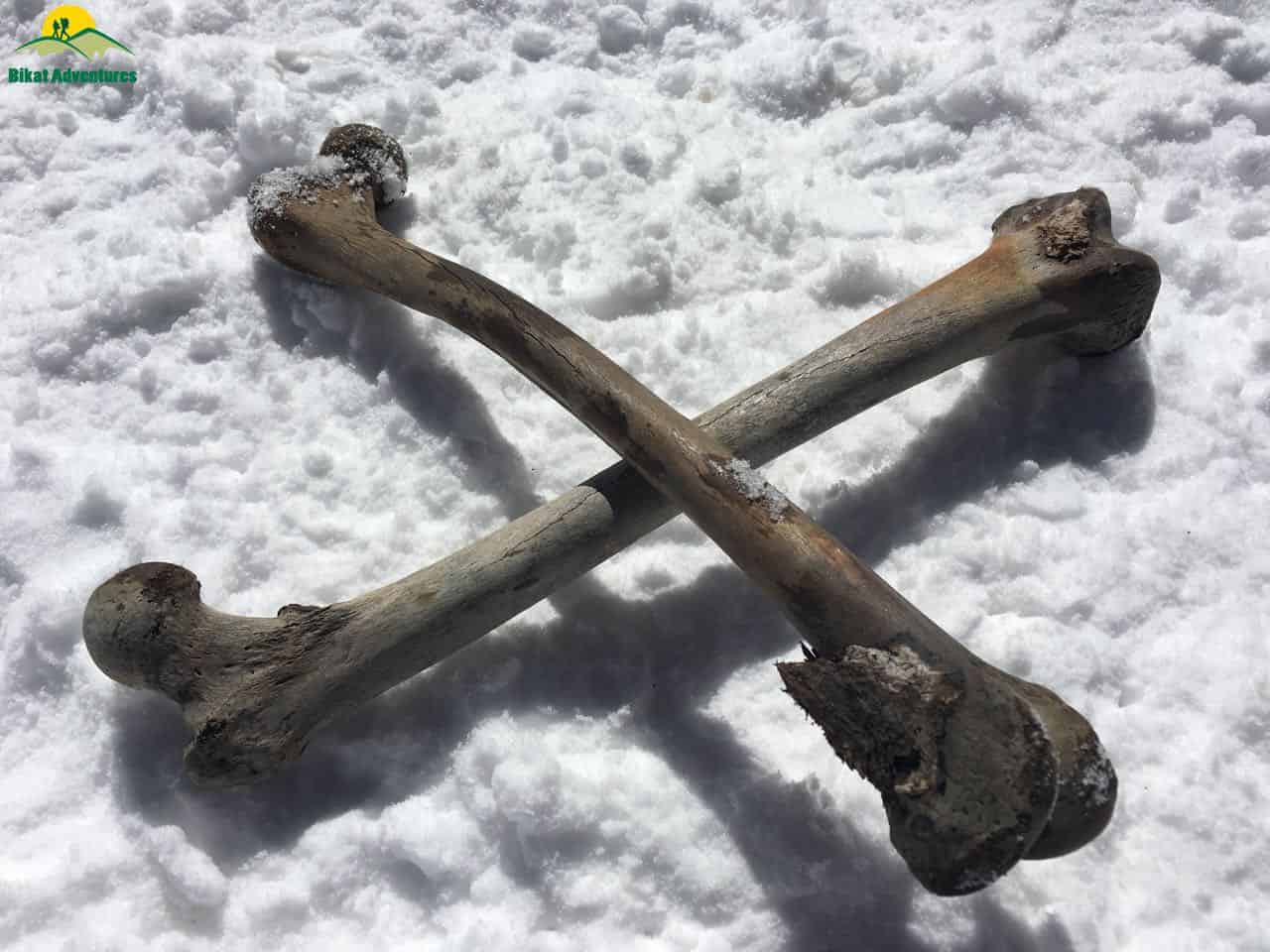
Roopkund, translating to “beautiful pond” in the local dialect, is a high-altitude glacial lake nestled deep in the Garhwal Himalayas of Uttarakhand. The lake sits at an altitude of approximately 15,750 Ft (4,800 m) in the lap of the Trishul massif. What makes it truly unique is the presence of hundreds of human skeletal remains scattered around its shores. These bones are visible when the snow melts every summer, earning it the name “Skeleton Lake” or “Mystery Lake.”
A landmark 2019 study published in Nature Communications revealed something extraordinary. Genome-wide ancient DNA analysis of 38 skeletons showed that the remains belong to three distinct groups. A group of 23 individuals had South Asian ancestry and dated to approximately 800 CE. Another 14 individuals had ancestry typical of the eastern Mediterranean region and dated to roughly 1800 CE. One individual showed Southeast Asian-related ancestry. So the skeletons were deposited across multiple events spanning over a thousand years, not in a single catastrophe as previously believed.
The cause of death remains debated. No weapons or signs of combat have been found. Many skulls show fractures consistent with blunt-force trauma, likely from large hailstones during a severe storm on the exposed ridge above the lake. The local legend speaks of King Jasdhaval, his pregnant wife, servants, and a dance troupe who angered the goddess Nanda Devi during a pilgrimage. According to the legend, the goddess sent a devastating hailstorm that killed the entire party. Whether legend or science, the mystery keeps pulling trekkers toward Roopkund.
Is Roopkund Trek Open or Banned in 2026?
Quick answer: Reportedly open. The Supreme Court set aside the 2018 High Court bugyal camping ban on 20 July 2026, and Indiahikes has reopened Roopkund registration. I could not find confirmation from a national news outlet yet, so check with your operator or the Chamoli forest office before paying anything.
This is the most important question right now, so let me walk you through it properly. Back in August 2018, the Uttarakhand High Court prohibited overnight camping on alpine meadows (bugyals) across the state. The Roopkund trail passes through Ali Bugyal and Bedni Bugyal, two of the most famous alpine meadows in India, and camping at these locations is an unavoidable part of the 6-day trek. Without camping at these meadows, completing the trek was simply not possible, and most reputed operators including Indiahikes and Trek The Himalayas stopped running it entirely for eight years.
The 2018 ban was imposed due to severe environmental damage caused by years of unregulated trekking activity. Garbage dumping, deforestation for firewood, and excessive foot traffic were destroying the delicate alpine ecosystem. Keep in mind that bugyals are extremely fragile grasslands that take decades to recover once damaged, so this was never a frivolous restriction.
Here is the update. On July 20, 2026, the Supreme Court reportedly set aside the blanket prohibition on overnight stays from the 2018 High Court order, while leaving the underlying environmental safeguards intact. In the weeks since, several established trek operators, Indiahikes among them, have relisted Roopkund for the 2026-27 season, which is a strong practical signal since these companies would not risk their permits and reputation on a trek that is still illegal. However, I could not independently confirm this through a major national newspaper as of this writing, only through regional coverage and the trekking industry itself. Hence, treat “reopened” as the most likely current status rather than a guaranteed fact, and please verify directly with the Chamoli Forest Division or your chosen operator before you spend money on bookings or non-refundable travel.
What exactly did the Court set aside? Garhwal Post, a regional Uttarakhand outlet that covered the verdict in more legal detail than the trekking blogs, reports that the bench set aside Directions C, E and L of the 2018 High Court order, essentially the blanket ban on overnight stays and the visitor cap, while the underlying environmental protections were not dismantled. Based on my research, trek operators are describing the surviving safeguards as: no permanent structures on the bugyals, no commercial grazing, and waste management rules still apply. It is now more than two months since the July 20 order and I still have not found this reported by a major national outlet like Times of India, Hindustan Times, or a PTI wire story, so the caution above still stands, my friend. What has genuinely changed since my last check is that operators such as Himalaya Trekkers now show open group departures for the autumn 2026 season, so at least the industry itself is treating this as settled enough to sell seats and take advance payments. Indiahikes, in its own explainer on the ruling, says operators are now expected to run the trek with stricter waste management, controlled group sizes and closer coordination with local forest departments, and notes that homestays in Wan, Didna and Mundoli, which lost trekking income for years, stand to benefit.
In case the ban is genuinely lifted, expect the Forest Department to still require a valid permit and registered camping arrangements to protect Ali Bugyal and Bedni Bugyal going forward, in case you were wondering whether this means a free-for-all. For the latest official confirmation, check the Uttarakhand Tourism official website or call the Chamoli district forest office directly. You can also read our article on the original 2018 bugyal camping ban and how it affected Roopkund and Dayara Bugyal for the full background.
What Is the Complete Roopkund Trek Itinerary?
The classic Roopkund trek covers about 53 km over 6 trekking days, plus one day each for travel to and from Lohajung. Here is the standard day-by-day breakdown that operators have historically used, and the same route that is expected to resume now that the trek is open again.
Day 1: Arrive at Lohajung (7,700 Ft / 2,350 m)
Lohajung is the small village serving as the trailhead. The drive from Kathgodam takes 8-10 hours (10-12 hours from Rishikesh) through winding mountain roads. Rest here, explore the village, and enjoy the panoramic views of the surrounding peaks. Several homestays and guesthouses are available for Rs 500-1,200 per night.
Day 2: Lohajung to Didina/Tolpani (8,300 Ft / 2,530 m), 11 km
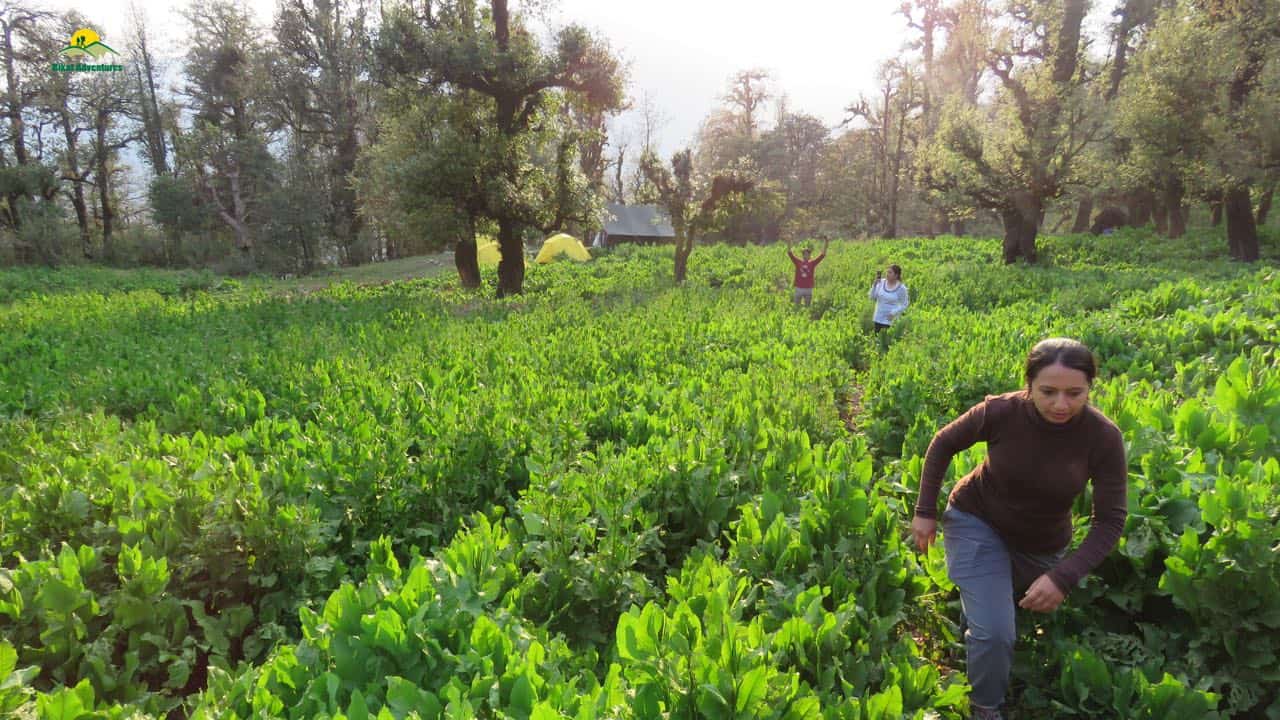
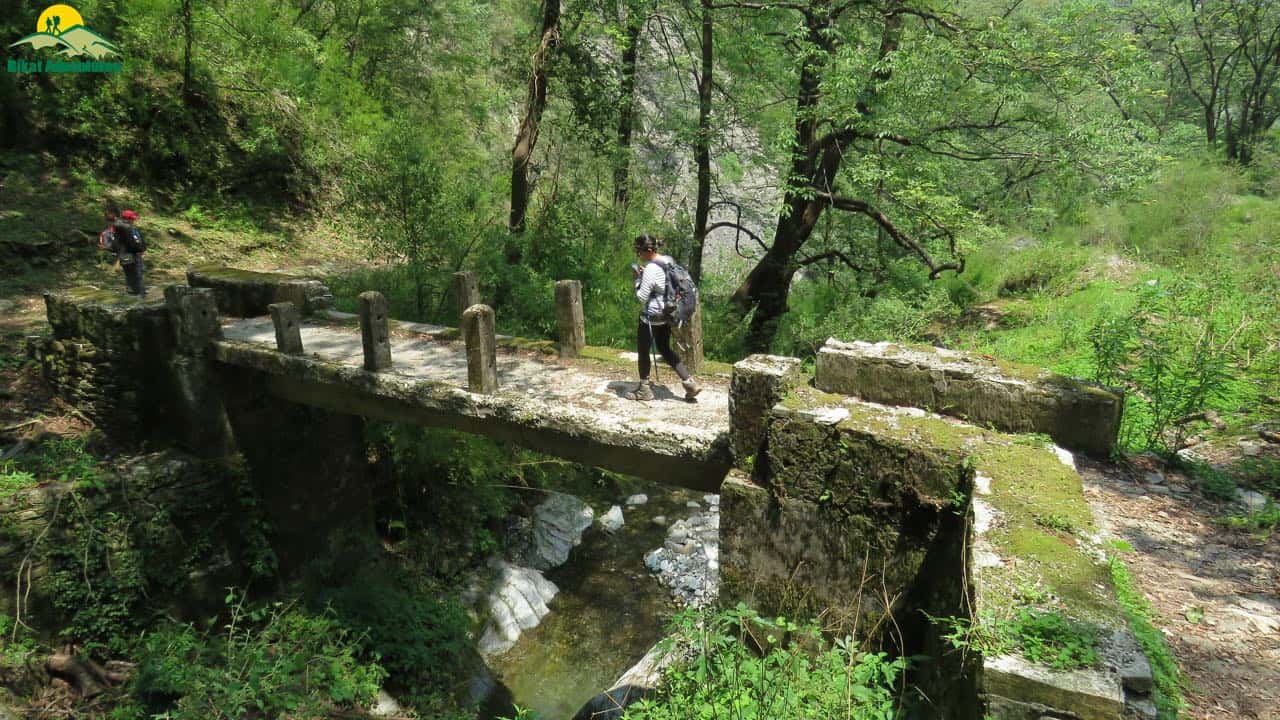
The trail begins with a visit to a beautifully rugged temple before plunging into a valley of dense forest. The path curves alongside the Neel Gunga river, weaving through sunlight-dappled oak and rhododendron forests. You reach the village of Didina, where a homestay and chai stall offer a welcome lunch break. From Didina, continue through the forest to reach Tolpani. This campsite is strikingly lush, with everything green and vegetative, and a small summer shepherd hut tucked among the stalks.
Day 3: Tolpani to Bedni Bugyal (11,700 Ft / 3,566 m), 6 km
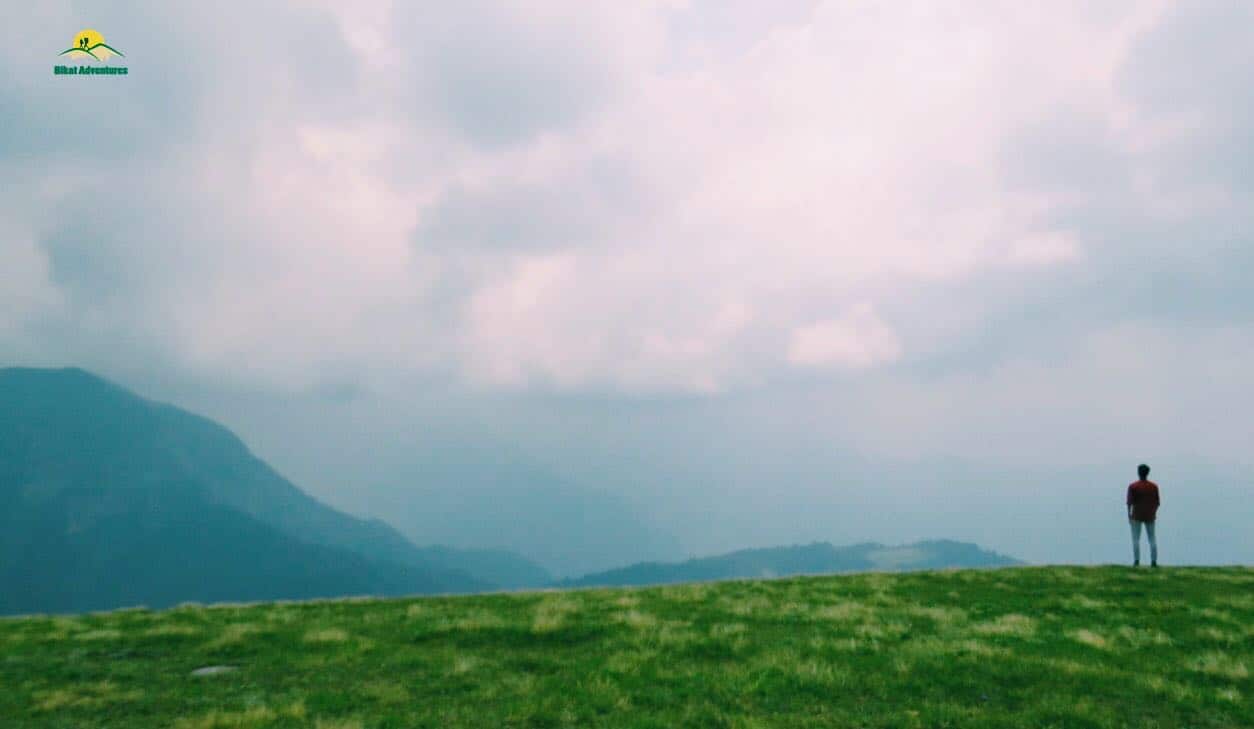
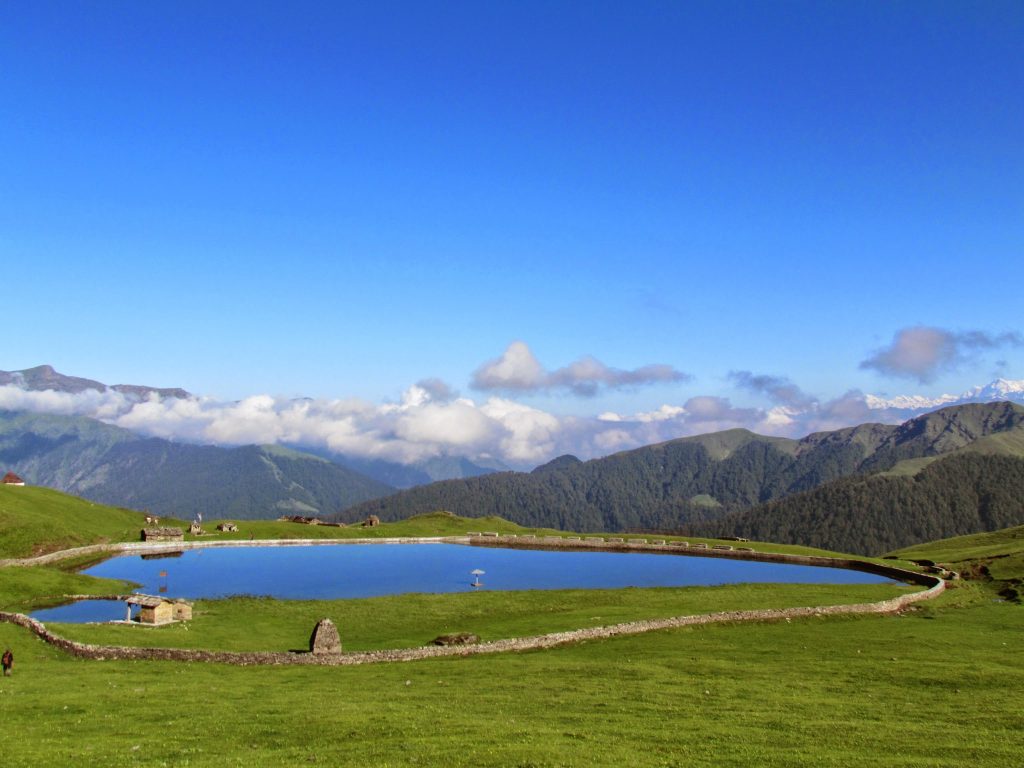
This is the day the landscape transforms completely. The forest trail abruptly opens up at Ali Bugyal, one of India’s most famous alpine meadows. This rolling carpet of neon green grass seems to extend infinitely, with grazing livestock and wildflowers dotting the landscape throughout. Look to the east and the snow-covered faces of Nanda Ghunti and Trishul will humble you. The trail continues past a Maggi point up to Bedni Bugyal, your second high-altitude meadow and campsite for the night, where several Trishul-facing temples can be found.
Day 4: Bedni Bugyal to Patar Nachauni (12,700 Ft / 3,870 m), 6 km
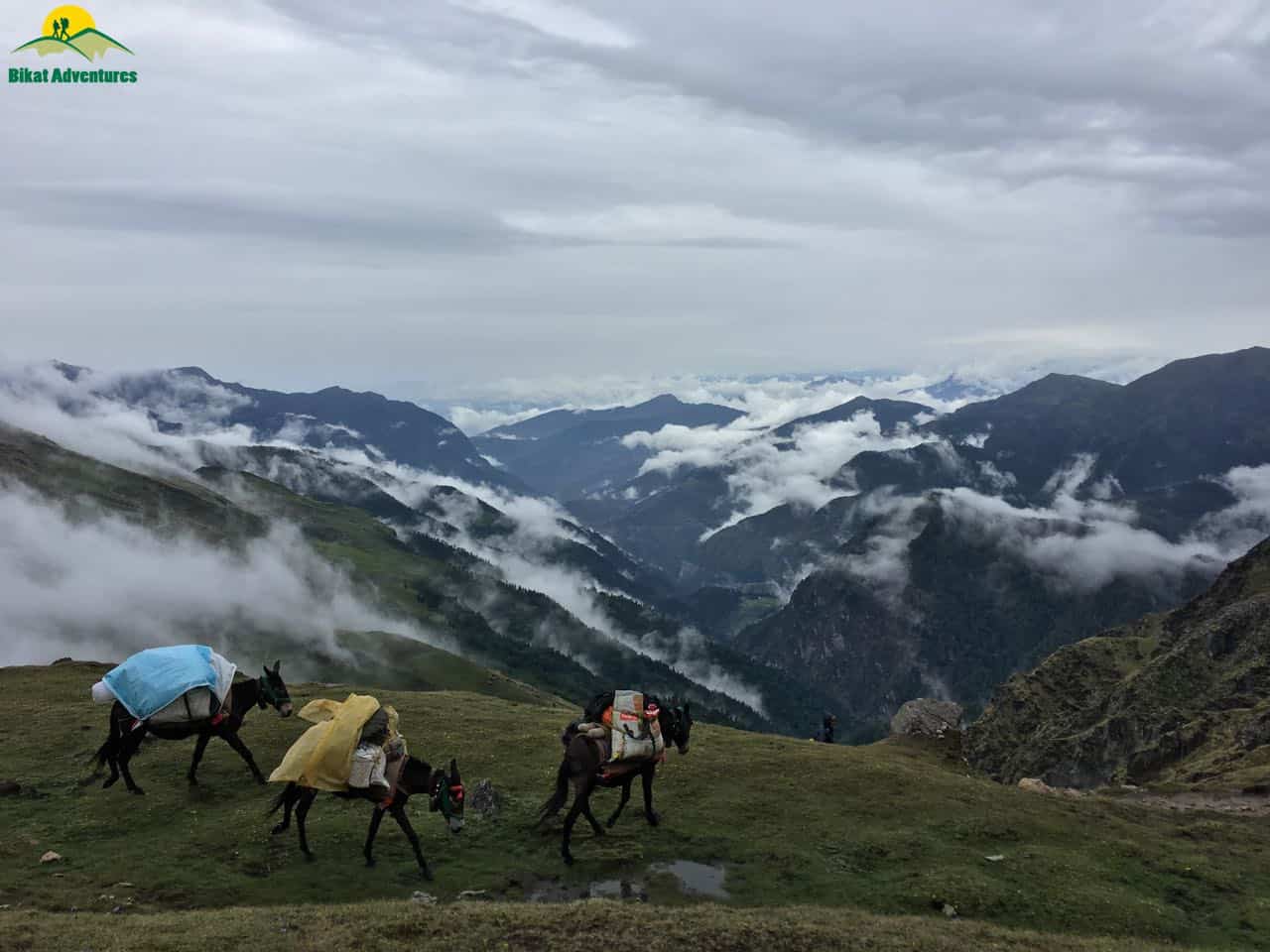
The first climb of the day rewards you with something almost pass-like, a section just a few winding kilometers above Bedni Bugyal that opens up the entire valley. From this vantage point, trekkers look like ants, and you can see the trail etched into the mountainside stretching toward Patar Nachauni in the distance. The terrain begins to change here, becoming rockier and more exposed as you gain altitude.


Day 5: Patar Nachauni to Bhagwabasa (14,200 Ft / 4,328 m), 4 km
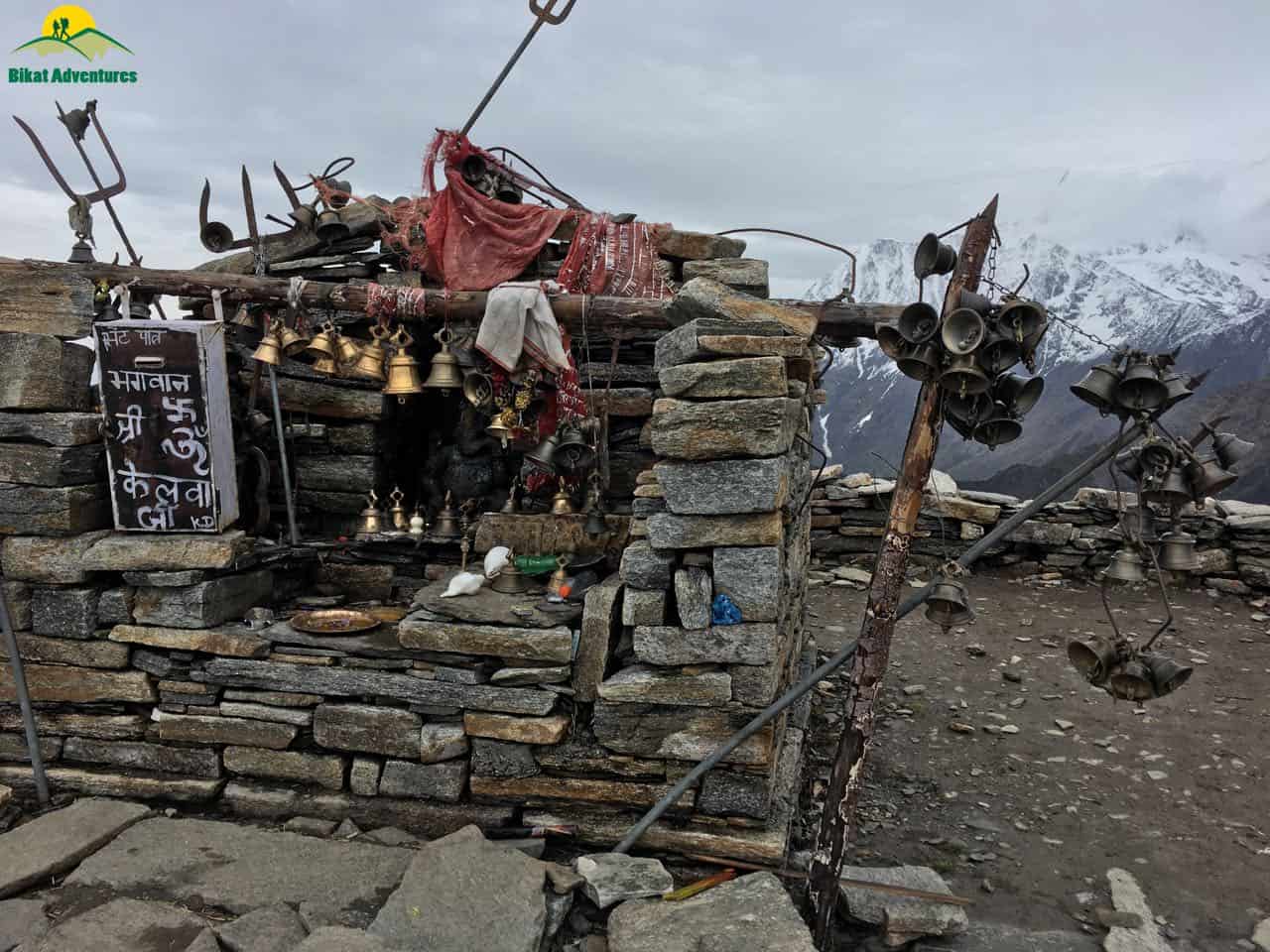
The highlight of this day is Kalua Vinayak, a heavily decorated temple that sits among spectacular views of Kedarnath, Chaukhamba, Neelkantha, Trishul, and Nanda Ghunti. The initial climb is steep but the visual reward is enormous. At 14,200 Ft, your 4 km trek for the day brings you to Bhagwabasa, the official base camp for the Roopkund summit push. This is where you prepare mentally and physically for the predawn climb.
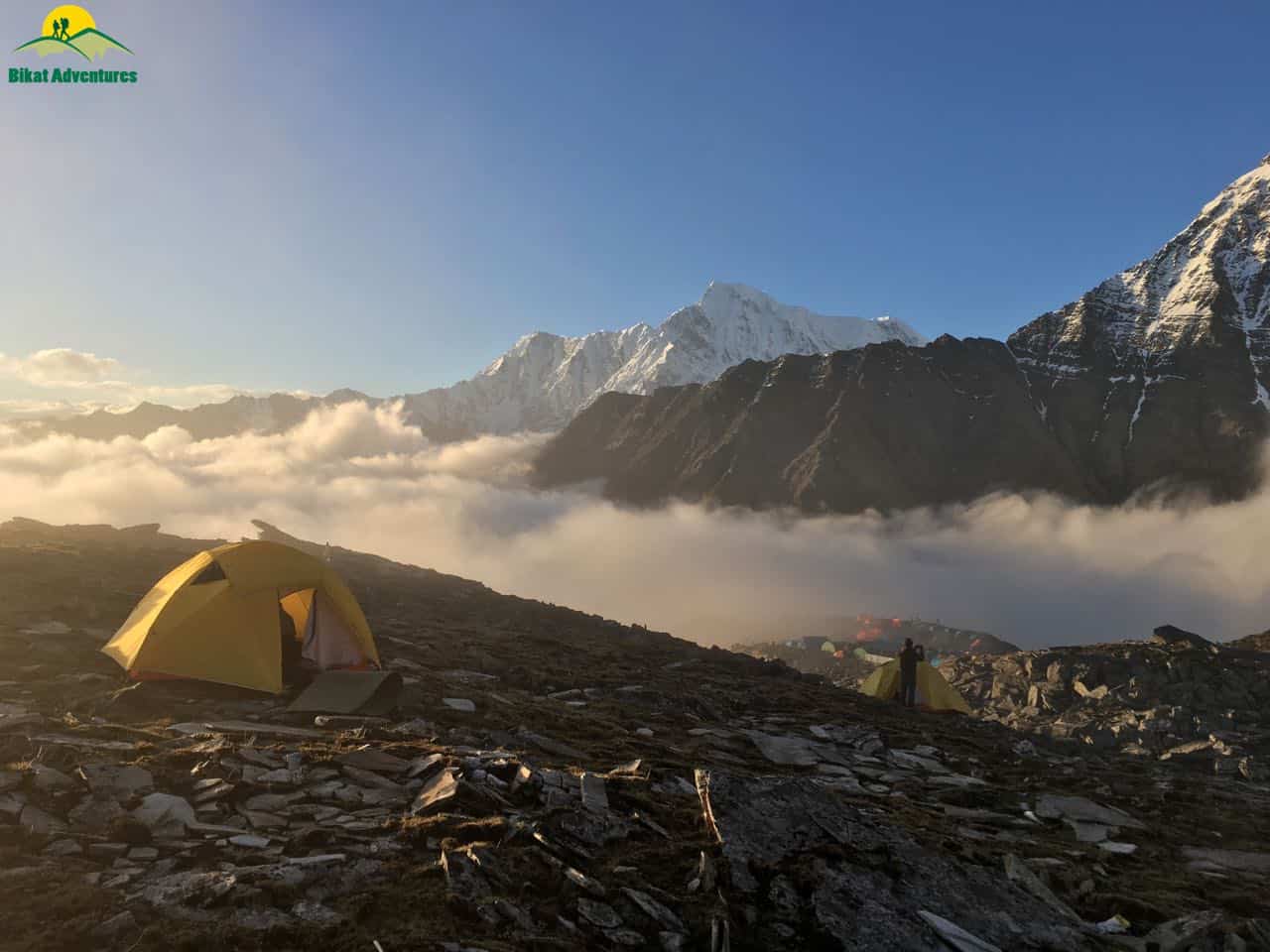
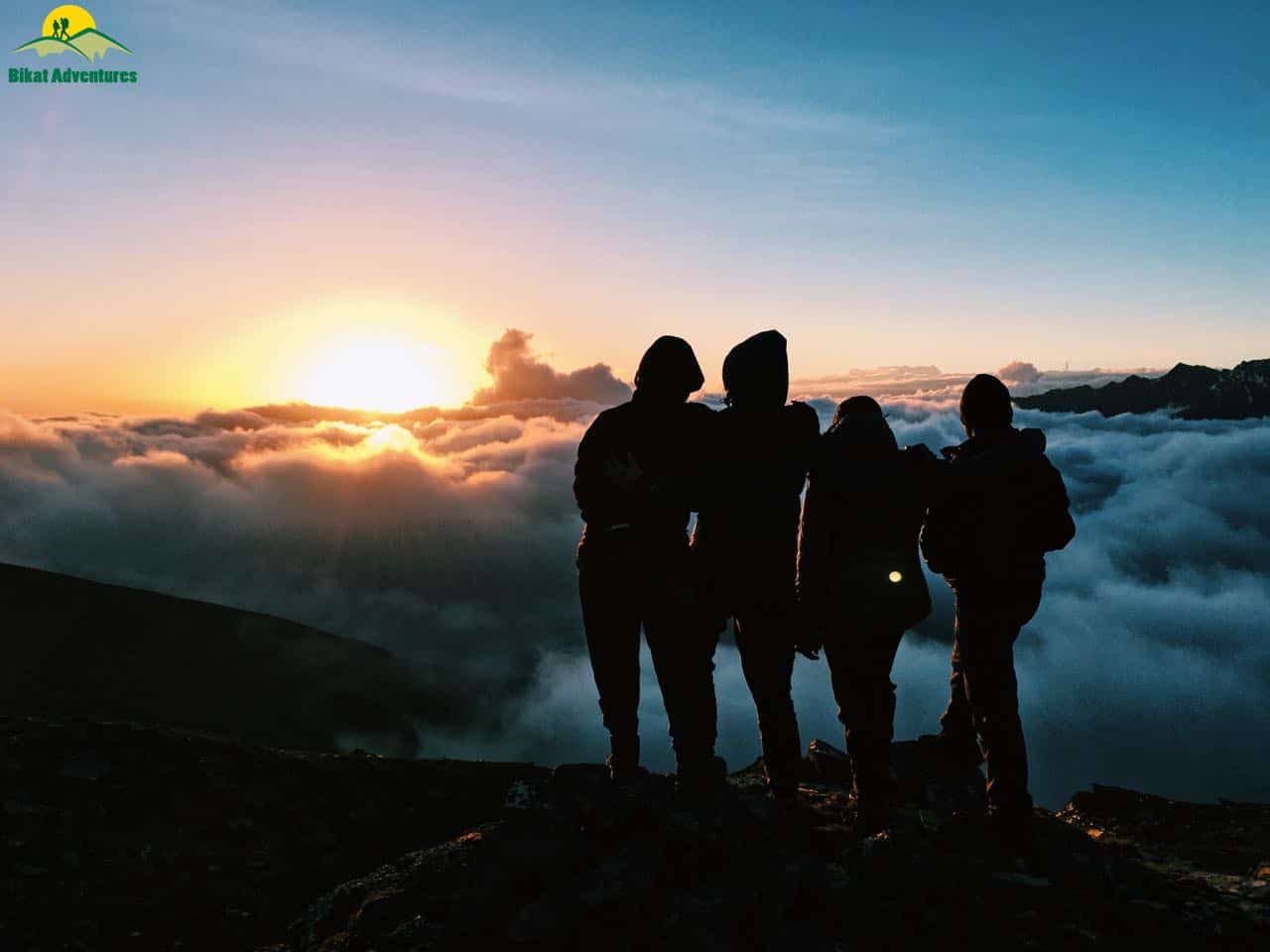
Day 6: Bhagwabasa to Roopkund (15,750 Ft / 4,800 m) and descent to Bedni Bugyal, 16 km
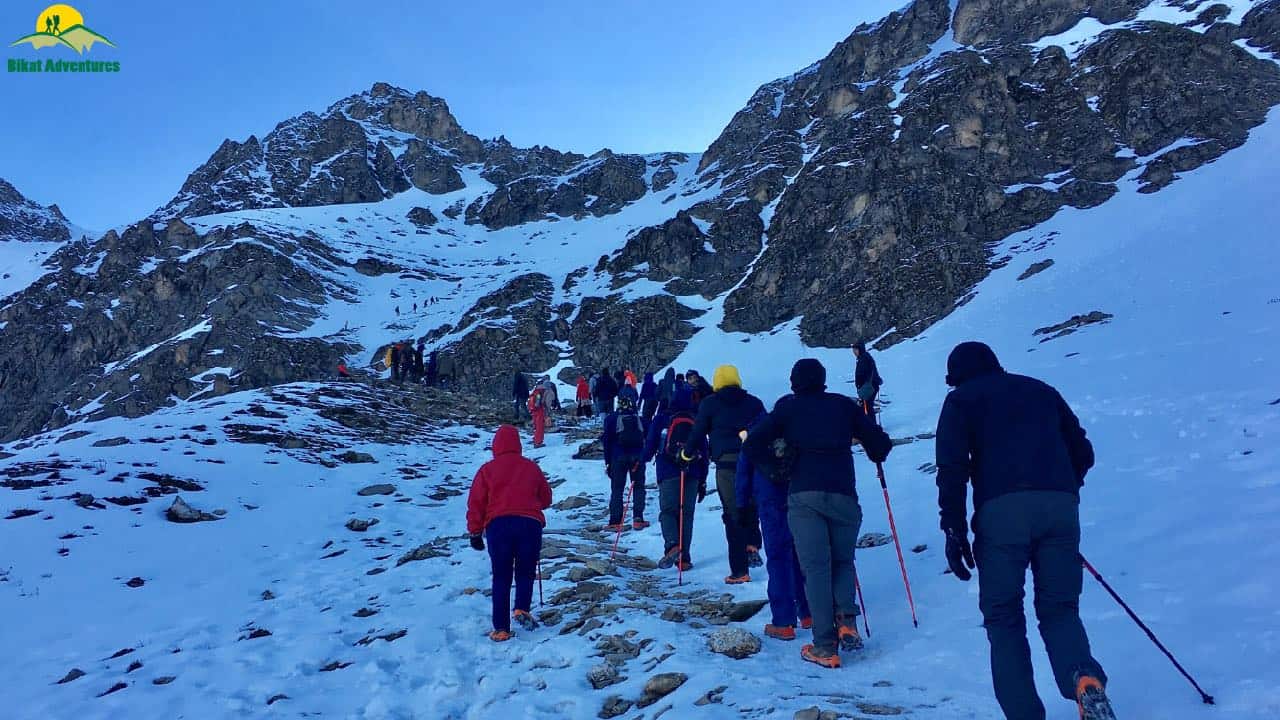
The summit push begins around 2:00 AM. The icy, rocky switchbacks up to the lake present a 6 km arduous climb, often requiring crampons. The reason for the night start is to avoid sunlight melting the surface ice, which creates dangerously slippery conditions. Roopkund Lake stands before you at 15,750 Ft, with skeletal remains scattered in the snow and nestled at the bottom of the lake.
But the true grand finale lies 250 feet higher. Junargali, the crown jewel of the Roopkund trek, is a symbolic iron gate between valleys with a golden bell hanging from its apex among the glittering white peaks. If weather permits, this is the moment that makes the entire trek worthwhile. The day ends with a long 10 km descent back to Bedni Bugyal.
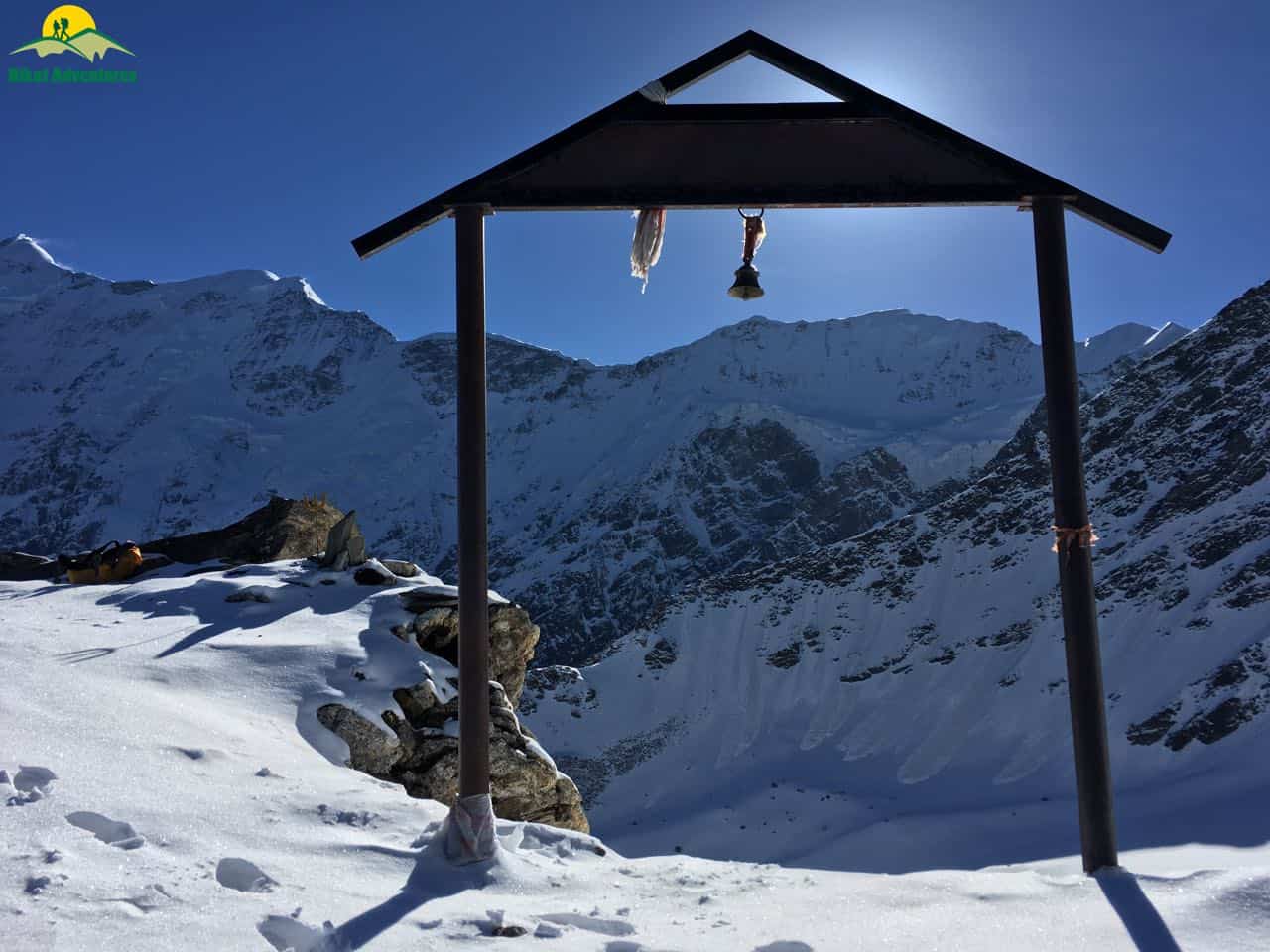
Day 7: Bedni Bugyal to Wan Village, 11 km, then jeep to Lohajung
The descent takes you through the meadows one last time before dropping into the charming village of Wan. Take time to chat with the locals, who may invite you for a cup of chai, and explore the ancient temples hidden beneath towering pine trees. From Wan, you can arrange a jeep to Lohajung or directly to Kathgodam.
How to Reach Lohajung for the Roopkund Trek?
Quick answer: Take an overnight bus or train from Delhi to Kathgodam, then a shared taxi to Lohajung (about 216 km, 8-10 hours, around Rs 800 per person). Door to door from Delhi it is roughly 18-20 hours.
Lohajung is the base village for the Roopkund trek, sitting at 7,700 Ft in the Chamoli district of Uttarakhand. Here is how you can reach Lohajung from Delhi and other major cities.
Via Kathgodam (Most Popular Route): Take an overnight bus or train from Delhi to Kathgodam. Buses from Delhi Anand Vihar ISBT cost Rs 500-1,000 depending on the type, and the journey takes about 8 hours. From Kathgodam, shared taxis to Lohajung are available in the morning (7 AM to 8 AM window) for about Rs 800 per person. The drive from Kathgodam to Lohajung is approximately 216 km and takes 8-10 hours through winding mountain roads via Almora, Gwaldam, and Dewal. Gwaldam is a good spot to break the drive for tea or an overnight halt if you are not rushing, my friend.
Via Rishikesh/Haridwar: You can also approach from the Garhwal side via Rishikesh, Karanprayag, and Tharali. This route is about 260 km from Rishikesh and takes 10-12 hours. Direct buses from Delhi to Mundoli (near Lohajung) depart from Anand Vihar at 9:15 PM, but this is a very long and tiring journey of about 20 hours.
Keep in mind: Lohajung has no ATM and no petrol pump. Carry sufficient cash and ensure your vehicle has a full tank before reaching Dewal (the last town with basic facilities). Mobile network coverage is limited, with BSNL being the most reliable option.
How Difficult Is the Roopkund Trek?
The Roopkund trek falls in the moderate to difficult category. The total trekking distance is about 53 km over 6 days, with a maximum altitude of 15,750 Ft (4,800 m). The summit day requires a predawn start at 2 AM and involves climbing on icy, rocky terrain that often needs crampons.
Since the trail reaches close to 5,000 meters, there is a real risk of Acute Mountain Sickness (AMS). I strongly recommend that you have prior high-altitude trekking experience, preferably to at least 10,000 Ft (3,000 m), before attempting Roopkund. If you want to understand AMS better and how to prevent it, check out our detailed guide on how to prevent AMS in high-altitude treks.
In terms of physical fitness, you should be able to run 5 km in 25-30 minutes or walk continuously for 10 km without feeling exhausted. Start your preparation at least 2 months before the trek with a mix of cardio (running, cycling, swimming) and strength training (squats, lunges, core exercises). The summit day is the toughest, with steep climbs in darkness on icy surfaces, so leg strength and cardiovascular endurance are non-negotiable.
When Is the Best Time to Do the Roopkund Trek?
Quick answer: May to June and September to October are the two workable windows. Avoid July and August for monsoon landslides. As of early October 2026 the autumn window is closing, so May-June 2027 is the realistic plan for most readers.
Roopkund has two main trekking seasons. May to June and September to October. Each season offers a completely different experience.
In May and June, the bugyals are at their greenest, wildflowers bloom across Ali Bugyal and Bedni Bugyal, and you will find snow primarily at the Roopkund summit and beyond. The weather is generally stable, and this is considered the best window for first-time trekkers.
September and October bring more snow to the higher camps. The post-monsoon clarity means crisper mountain views, but temperatures drop significantly and the trek becomes harder. The bugyals take on golden-brown autumn colors during this window.
Keep in mind that it is already early October 2026 as I update this, so the autumn window is closing fast. My suggestion for most readers is to plan for May-June 2027, which also gives operators and the forest department time to settle permits and group-size rules after the reopening. Outside these months, the trails are largely deserted. Local villagers who run chai stalls and homestays along the route pack up for the off-season. July and August should be strictly avoided due to heavy monsoon rainfall, landslides, and extremely poor visibility.
How Much Does the Roopkund Trek Cost?
Quick answer: Expect Rs 12,000 to 16,000 per person for a Lohajung-to-Lohajung package and Rs 18,000 to 24,000 with transport from Delhi or Rishikesh. These are 2025-26 reference figures and may move now that batches are resuming.
Here is a budget breakdown to help you plan. Keep in mind these are approximate costs as of 2025-26 data. Since operators are only just resuming batches after an eight-year gap, prices may shift once the season is in full swing, so treat this as a starting reference and confirm current rates with the operator at the time of booking.
Trek Operator Package (Lohajung to Lohajung, 6-7 days): Rs 12,000 to Rs 16,000 per person. This typically includes camping, meals on the trek, guide, permits, and basic equipment.
All-Inclusive Package (Rishikesh/Delhi to Rishikesh/Delhi, 8-9 days): Rs 18,000 to Rs 24,000 per person. Includes transport from Rishikesh/Delhi, the full trek, and return travel.
Forest fees: Older operator fee schedules list small line items, for example Rs 100 per tent pitch, Rs 60 per person for the trek permit, Rs 20 for a guide, Rs 25 per mule, plus waste and environment charges of Rs 10 to Rs 20. Those pages are of unconfirmed date and I could not find a published 2026 schedule, so treat them as a rough order of magnitude. Your package price should already bundle them.
Transport to Lohajung (if arranging independently): Delhi to Kathgodam bus Rs 500-1,000 + Kathgodam to Lohajung shared taxi Rs 800 per person. For a private taxi from Kathgodam, expect Rs 5,000-6,000.
Accommodation in Lohajung: Homestays and guesthouses Rs 500-1,200 per night, with meals (thali) costing Rs 150-300 per person.
What Should You Pack for the Roopkund Trek?
Packing right can make or break your high-altitude trekking experience. The temperature at Bhagwabasa and Roopkund can drop to -5 to -10 degrees Celsius, especially during the predawn summit push. Here are the essentials.
Clothing: 3 layers (thermal base layer, fleece mid-layer, waterproof outer shell), warm trekking pants, rain jacket, warm cap, sun cap, gloves (both thin liner and thick insulated), balaclava for summit night, 3-4 pairs of wool/synthetic socks.
Footwear: Sturdy waterproof trekking shoes with ankle support (avoid sports shoes), gaiters for snow sections, camp sandals for evening rest. For detailed recommendations, check our guide on best trekking shoes under Rs 5,000.
Gear: 40-50 liter backpack, trekking poles (highly recommended), headlamp with extra batteries (essential for summit night), sunglasses with UV protection, sunscreen SPF 50+, water bottle and water purification tablets, personal first-aid kit with Diamox (for AMS prevention, consult your doctor first).
For a comprehensive checklist, I have covered this topic in detail in our article on 12 must-have things to carry on hiking or trekking trips.
What Are the Best Alternative Treks to Roopkund?
Now that Roopkund has reopened, most trekkers will naturally want to do the classic trek itself. That said, permits could be tight in the first season or two as the trail settles back into a regular flow, and some of you may want extra acclimatization or a different kind of trek before or after Roopkund. Here are some excellent alternatives in the Uttarakhand and Himachal Himalayas that are worth considering either way.
Brahmatal Trek (12,250 Ft): Also starting from Lohajung, this 6-day winter trek passes through some of the same forests and offers stunning views of Trishul and Nanda Ghunti. The Brahmatal lake at the summit is a frozen alpine beauty, and it makes a great warm-up trek before you attempt Roopkund since it shares the same base village. Check out our complete Brahmatal trek guide for the full itinerary and costs.
Valley of Flowers Trek (14,100 Ft): A UNESCO World Heritage Site in the same Chamoli district, this trek is perfect for nature lovers and photographers. The valley explodes with hundreds of species of wildflowers from July to September. Check our detailed guide on the Valley of Flowers trek for complete planning information.
Hampta Pass Trek (14,100 Ft): Located in Himachal Pradesh near Manali, this 5-day trek takes you from lush green Kullu Valley to the barren landscape of Lahaul Valley. It is a fantastic moderate-difficulty trek with incredible diversity. Read our Hampta Pass trek guide for the complete itinerary and costs.
Tungnath and Chandrashila Trek (13,000 Ft): A shorter 2-3 day trek in the Garhwal Himalayas that offers panoramic views of major Himalayan peaks. Tungnath is the highest Shiva temple in the world, and Chandrashila summit provides 360-degree views. This is one of the best easy treks in Uttarakhand for beginners, and I have covered the full route in our Delhi to Tungnath and Chandrashila travel guide if you want the complete plan.
Kedarnath Trek (11,755 Ft): While primarily a pilgrimage, the Kedarnath trek offers stunning mountain views and a deeply spiritual experience. The trail from Gaurikund is well maintained. Check our complete Kedarnath travel guide for detailed planning.
Gaumukh Trek (13,200 Ft): The trek to the source of the Ganges (Bhagirathi River) in Gangotri National Park. At 18 km one way from Gangotri, this is a beautiful moderate trek with the chance to see the Gomukh glacier up close. Read our Gaumukh travel guide and step-by-step Gaumukh trek guide for complete details.
Important Safety Tips for High-Altitude Trekking
Whether you are doing Roopkund or any of the alternative treks mentioned above, these safety tips apply universally for trekking above 10,000 Ft.
AMS Prevention: Gain altitude gradually. Never ascend more than 1,000 Ft per day above 10,000 Ft. Stay hydrated (3-4 liters of water daily), avoid alcohol and sleeping pills, and watch for symptoms like persistent headache, nausea, dizziness, and loss of appetite. If symptoms worsen, descend immediately. There is no shame in turning back. Please take a sensible call for yourself and your loved ones.
Weather Preparedness: Mountain weather changes rapidly at high altitudes. Always carry a rain jacket and warm layers even on clear mornings. Check the India Meteorological Department (IMD) forecast before and during your trek.
Travel Insurance: Get a policy that specifically covers high-altitude trekking and emergency helicopter evacuation. This is not optional for treks above 12,000 Ft.
Leave No Trace: Carry all your garbage back with you. Do not litter on the trail, at campsites, or near water sources. The bugyals are already fragile from years of past unregulated tourism, which is exactly why the 2018 ban happened in the first place. Be part of the solution so that trekking stays permitted this time. If you want to learn more about responsible trekking practices, check our guide on responsible travel in the Himalayas.
Frequently Asked Questions
Is Roopkund trek banned in 2026?
As of October 2026, it reportedly is not. The Supreme Court set aside the 2018 High Court order banning overnight camping on bugyals on July 20, 2026, and Indiahikes has reopened Roopkund registration while other operators list batches. This is corroborated by multiple trekking industry sources and regional coverage, but has not yet been confirmed by a major national news outlet, so please verify the current status with the Chamoli Forest Division or your operator before booking.
What is the altitude of Roopkund Lake?
Roopkund Lake lies at 15,750 Ft (4,800 m) in Uttarakhand’s Chamoli district, the highest point on the trek and close enough to 5,000 m to carry a real risk of Acute Mountain Sickness. Prior high-altitude trekking experience to at least 10,000 Ft is strongly recommended before attempting the final summit push to the lake.
What is the difficulty level of Roopkund trek?
Roopkund is rated moderate to difficult. The total distance is about 53 km over 6 trekking days, reaching a maximum altitude of 15,750 Ft (4,800 m). Prior trekking experience to at least 10,000 Ft and good cardiovascular fitness are strongly recommended.
How much does the Roopkund trek cost?
A standard Lohajung-to-Lohajung package costs Rs 12,000-16,000 per person. All-inclusive packages from Delhi or Rishikesh range from Rs 18,000-24,000 per person, including transport, meals, camping, guide, and permits. Independent transport to Lohajung adds about Rs 1,300-2,000 per person. Forest fees are normally bundled into the package. Confirm current rates with the operator since batches have only just resumed.
What is the mystery behind Roopkund skeleton lake?
Roopkund contains the skeletal remains of approximately 300 individuals. A 2019 DNA study published in Nature Communications revealed three distinct groups: 23 South Asian individuals dating to 800 CE, 14 Mediterranean individuals dating to 1800 CE, and one Southeast Asian individual. Most likely they died from blunt-force trauma to the skull, possibly from severe hailstorms on the exposed ridge.
What is the best time to do the Roopkund trek?
The best months are May-June and September-October. May-June offers green bugyals, wildflowers, and snow only at the summit. September-October brings more snow, crisper views, and golden autumn colors, but colder temperatures. Avoid July-August (monsoon) and November-April (extreme winter).
How to reach Lohajung from Delhi?
The most common route is Delhi to Kathgodam by overnight bus or train (8 hours, Rs 500-1,000), then Kathgodam to Lohajung by shared taxi (8-10 hours, Rs 800 per person). The total journey from Delhi takes about 18-20 hours. An alternative route is via Rishikesh and Karanprayag.
Are there any alternative treks similar to Roopkund?
Yes, excellent alternatives include Brahmatal Trek (same base village, winter trek), Valley of Flowers Trek (UNESCO site, same district), Hampta Pass Trek (Himachal, similar difficulty), Tungnath-Chandrashila (shorter, great for beginners), and Gaumukh Trek (source of Ganges, similar altitude). These remain great options whether you are building up to Roopkund or simply want variety in the same season.
Do I need a permit for the Roopkund trek?
Yes, forest department permits are mandatory for the Roopkund trek. These are typically arranged by the trek operator as part of the package. You will need valid ID proof and a medical fitness certificate. Independent trekking without an operator or valid permit is not allowed. Since batches have only just resumed after the camping ban was reportedly lifted, expect the permit and registration process to keep evolving, so always confirm the latest requirement with your operator or the Chamoli forest office before you travel.
I hope this guide gives you a thorough, honest picture of the Roopkund trek, from its fascinating mystery to the practical realities of planning it in 2026. The camping ban story has moved fast this year, and I will keep updating this article as more official confirmation comes in. In the meantime, the Himalayas are full of incredible alternatives that I have linked above, in case you want to plan something while the Roopkund permit situation settles.
If you have any questions or want help planning your trek to Roopkund or an alternative in Uttarakhand or Himachal Pradesh, feel free to ask in the comments section below. Also, if you know someone planning a trek to Roopkund, please share this article with them so they have the latest information on the reopening. For more trekking guides and travel updates, check out the DwD Community and the DoW Travel Calendar from the main menu 🙂 …
