


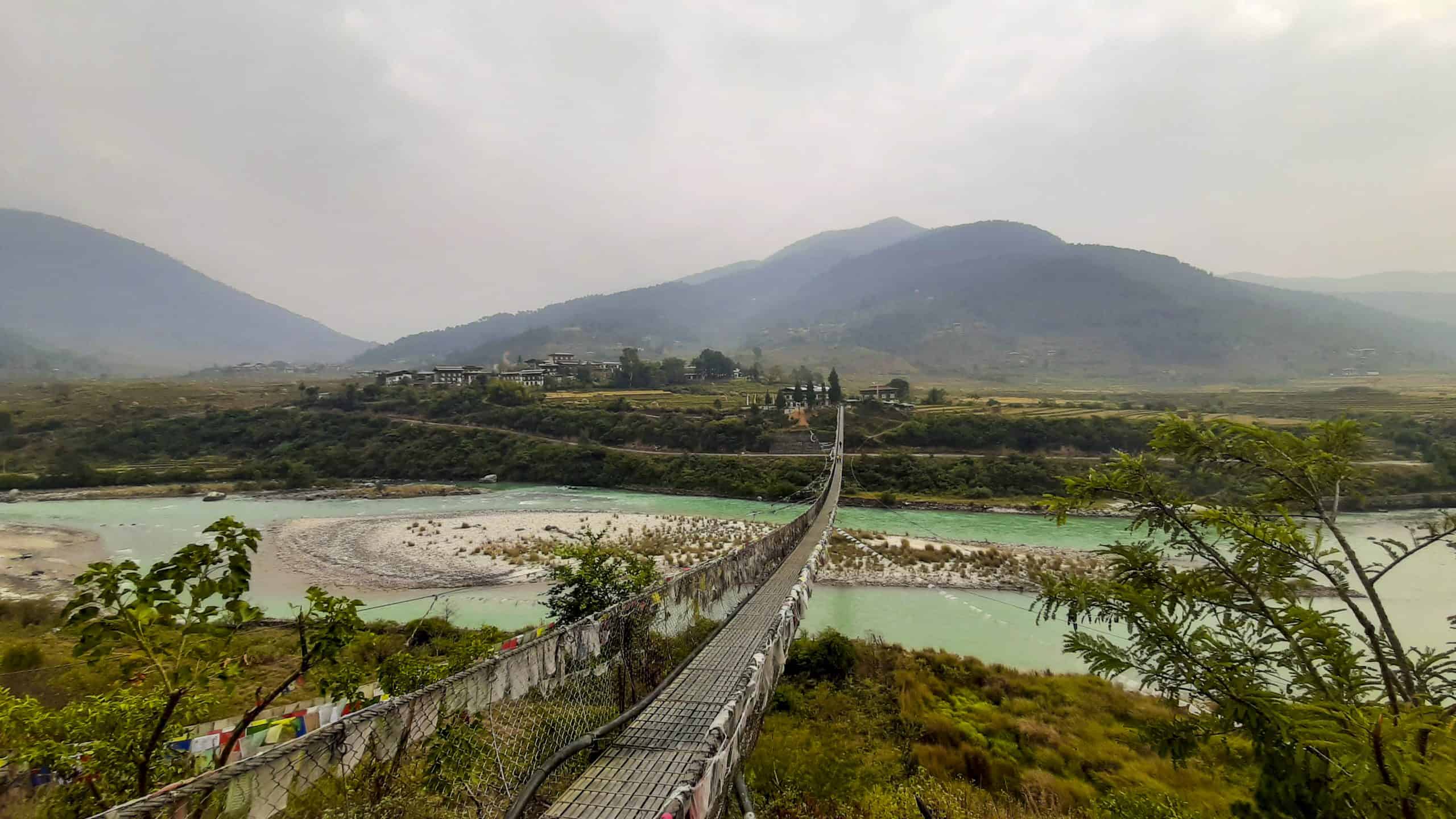
A solo trip to Bhutan is one of those experiences that changes how you think about travel. I have visited Bhutan multiple times, and every time I go back, the country surprises me with its calm, its culture, and its quiet confidence. If you are an Indian planning your first solo trip to Bhutan in 2026, this guide covers everything you need to know, from permits and costs to safety tips and a practical itinerary.
Let's quickly dive into the details:
Why Is Bhutan Perfect for a Solo Trip?
Bhutan ranks among the safest countries in Asia, with almost zero crime against tourists. The people are warm, respectful, and genuinely curious about visitors. Unlike many tourist destinations where solo travelers feel out of place, Bhutan makes you feel welcomed from the moment you cross the border at Phuentsholing or land at Paro Airport.
For Indian nationals specifically, Bhutan is one of the few international destinations where you can travel independently without a mandatory guide or pre-booked tour. While foreign tourists must book through a licensed tour operator, Indians have the freedom to explore the country at their own pace. This makes Bhutan genuinely special for solo Indian travelers.
It is honestly quite funny that for a considerable chunk of the 20th century, this region was all but ignored by the rest of the world. You will be surprised to know that television in Bhutan is quite a new phenomenon, with the country having allowed the idiot box into its setup only from 1999. While the world had a lot going on, Bhutan was quite happy in its bubble. Because of this isolation, the country maintained much of its culture, and westernization did not dilute their ethos at all.
What Are the Permit Requirements for Indians Visiting Bhutan in 2026?
Indian nationals do not need a visa to enter Bhutan. You need two permits, and both are free of charge.
Entry Permit: This is your primary travel document. You can get it on arrival at the Phuentsholing border or Paro Airport by showing a valid Indian passport or Voter ID. You can also apply online in advance through immi.gov.bt at least 5 working days before your travel date. I recommend applying online to skip the queue at the border, especially during peak season.
Route Permit: This is required to travel beyond Paro and Thimphu. You get this from the Thimphu Immigration Office on weekdays. Keep in mind that the office is closed on weekends and Bhutanese holidays, so plan your Thimphu day accordingly.
For a detailed breakdown of all permits, documents needed, and the step-by-step process, check our complete guide on Bhutan permits for Indians.
How Much Does a Solo Trip to Bhutan Cost for Indians?
The biggest change in recent years is the Sustainable Development Fee (SDF). As of 2026, Indian nationals pay Rs 1,200 per person per night. Children aged 6-12 get a 50% discount (Rs 600/night), and children under 5 are exempt. This fee is confirmed through August 2027.
Here is a realistic daily budget breakdown for a solo Indian traveler in Bhutan in 2026:
| Expense Category | Budget (per day) | Mid-Range (per day) |
|---|---|---|
| SDF | Rs 1,200 | Rs 1,200 |
| Accommodation | Rs 1,500 – 2,500 | Rs 3,000 – 6,000 |
| Food (3 meals) | Rs 500 – 800 | Rs 1,000 – 1,500 |
| Local Transport | Rs 300 – 600 | Rs 800 – 1,500 |
| Daily Total | Rs 3,500 – 5,100 | Rs 6,000 – 10,200 |
For a 7-day solo trip, your total budget would range from approximately Rs 25,000-36,000 (budget) to Rs 42,000-72,000 (mid-range), excluding travel to and from Bhutan. For a more detailed cost analysis, read our guide on how to calculate the cost of a Bhutan trip.
Is Bhutan Safe for Solo Travelers?
Bhutan is one of the safest countries you will ever visit. Violent crime is practically unheard of, and petty theft is rare. The Bhutanese people are raised with strong Buddhist values of compassion and respect, which reflects in how they treat visitors.
For solo women travelers, Bhutan is particularly welcoming. There are no unwanted stares, no catcalling, and the local culture treats women with genuine respect. I have spoken with several solo women travelers who visited Bhutan, and every one of them described it as one of the most comfortable solo travel experiences they have had. Female tour guides and trekking guides are also available if that makes you more comfortable.
That said, common travel sense applies everywhere. Keep your documents and permits with you at all times, stay aware of your surroundings, and avoid walking alone in deserted areas after dark. The Bhutanese people are some of the friendliest and most calm people you will meet anywhere in the Himalayas.
How to Reach Bhutan from India as a Solo Traveler?
There are two main ways to reach Bhutan from India.
By Air: Druk Air and Bhutan Airlines operate flights to Paro Airport from Delhi, Kolkata, Guwahati, Bagdogra, and Mumbai. Round trip flights typically cost Rs 15,000-40,000 depending on the season and how early you book. The landing at Paro is famous for being one of the most scenic and technically challenging airport approaches in the world.


By Road: This is the budget-friendly option and the one I personally prefer. Take a train or bus to Hasimara or New Jalpaiguri (NJP) in West Bengal. From there, it is a short auto-rickshaw or taxi ride to Jaigaon, the Indian town at the Bhutan border. Walk across to Phuentsholing on the Bhutanese side. From Phuentsholing, daily buses to Thimphu depart around 7:00-8:30 AM and cost approximately BTN 180-225 (same as INR). The journey takes 6-7 hours through winding mountain roads. Shared taxis to Thimphu cost around Rs 700-800 per person.
For a complete guide on buses, shared taxis, and public transport options within Bhutan, check our detailed post on Bhutan by public transport.
![What things to carry on cold weather Spiti or Ladakh winter bike ride? [8 Must-Have Items]](https://discoverwithdheeraj.com/yt_vid_thumbs/ladakh/84.png)
What Is the Best Time for a Solo Trip to Bhutan?
The two best windows for a solo trip to Bhutan are spring (March to May) and autumn (September to November).
Spring (March-May): The valleys are alive with rhododendrons and wildflowers. The weather is pleasant with temperatures between 15-25°C in the lower valleys. This is also the time for major festivals like Paro Tshechu (usually March/April).
Autumn (September-November): Clear skies, comfortable temperatures, and excellent visibility for mountain views. This is peak tourist season, so book accommodation in advance. The Thimphu Tshechu festival usually falls in September/October.
Winter (December-February): Cold but peaceful. Very few tourists, which means lower hotel rates and a more intimate experience. Temperatures drop to 0-10°C in Thimphu and Paro. Some high-altitude passes may be closed.
For a month-by-month breakdown, read our guide on the best time to visit Bhutan.
What Should a 7-Day Solo Bhutan Itinerary Look Like?
Ideally, you should plan your solo trip to Bhutan for at least 7-8 days. That gives you enough time to explore the main highlights without rushing. Here is a practical 7-day itinerary that I recommend for first-time solo visitors.
Day 1: Arrive at Phuentsholing (by road) or Paro (by air). If arriving by road, get your Entry Permit stamped and spend the evening exploring the town.
Day 2: Travel to Thimphu (6-7 hours from Phuentsholing by bus). Check into your hotel. In the evening, visit Memorial Chorten and the main market area.
Day 3: Explore Thimphu. Visit Tashichho Dzong, Buddha Dordenma statue, the Folk Heritage Museum, and get your Route Permit from the Immigration Office.
Day 4: Travel to Punakha (2.5-3 hours). Stop at Dochula Pass (3,100m) for views of the Eastern Himalayas. Visit Punakha Dzong in the afternoon.
Day 5: Punakha exploration. Hike to Khamsum Yulley Namgyal Chorten (1.5 hours one way). If you have energy, visit Chimi Lhakhang (the fertility temple).
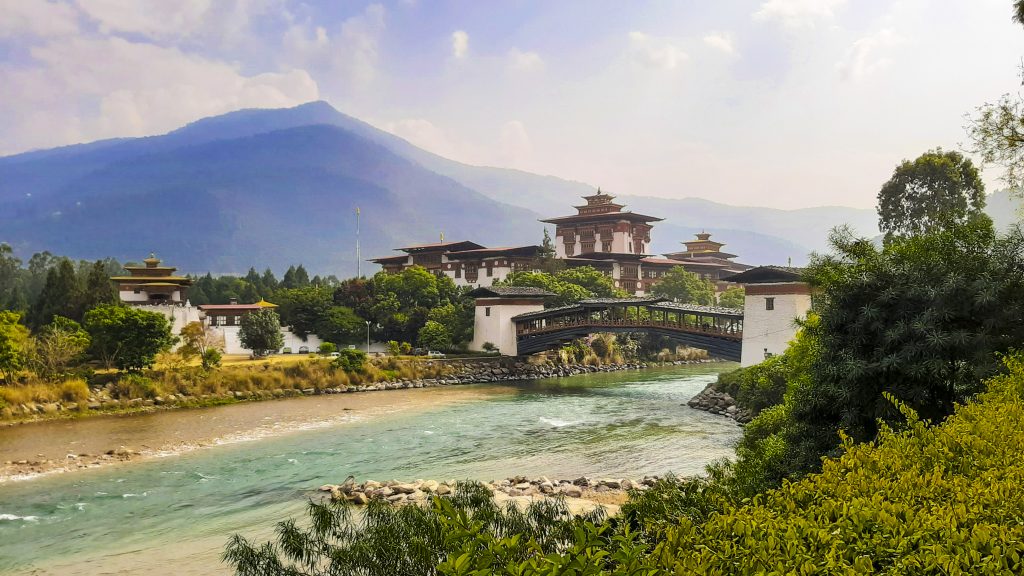
Day 6: Travel to Paro (4-5 hours via Thimphu). Evening at leisure. Walk along the Paro River and explore Paro town.
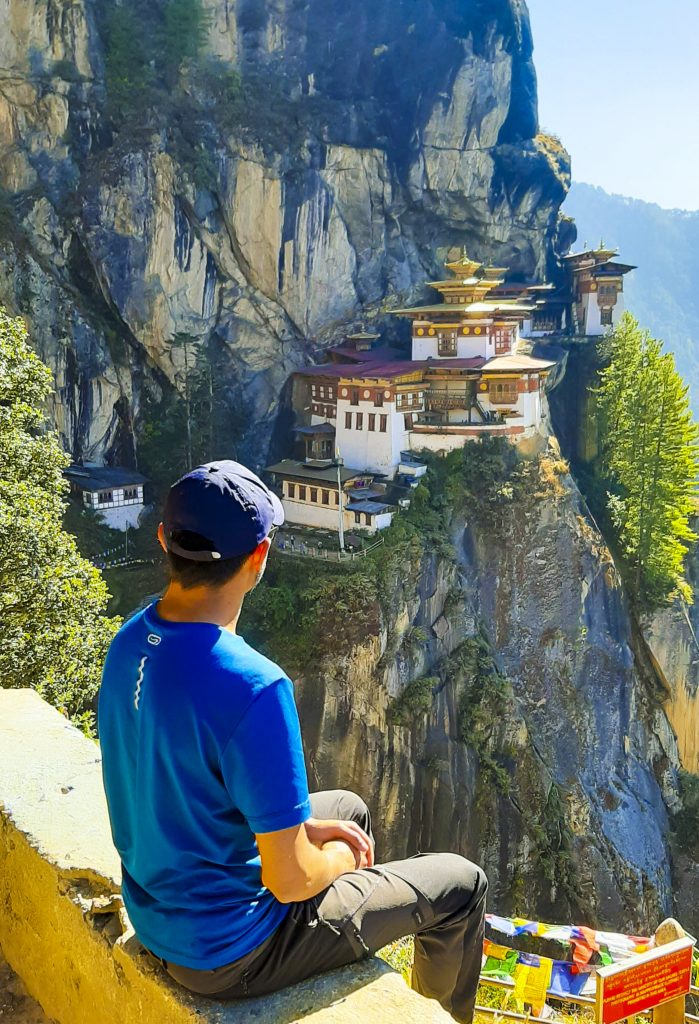
Day 7: Hike to Tiger’s Nest Monastery (Taktsang). This is the highlight of any Bhutan trip. The hike takes 3-4 hours up and 2-3 hours down. Start early (7 AM) to avoid crowds.
For a more detailed day-by-day breakdown including eastern and central Bhutan, check our complete Bhutan itinerary guide. If you have 10-12 days, I strongly recommend extending to Bumthang and central Bhutan for a deeper experience.
How to Get Around Bhutan on a Solo Trip?
Getting around Bhutan as a solo traveler requires some planning, but it is very much doable.
Buses: Bhutan Post Bus and private operators run daily services between major towns. Fares are very affordable (Phuentsholing to Thimphu is BTN 180-225). The buses are basic but functional. However, frequency is limited, with usually one or two departures per day on most routes.
Shared Taxis: This is the most practical option for solo travelers. Head to the taxi stand in any town and ask around for shared rides to your next destination. Most Bhutanese taxi drivers are honest and helpful. A shared taxi from Phuentsholing to Thimphu costs around Rs 700-800 per seat.
Private Taxis: If you want flexibility, private taxis are available. The rate is approximately BTN 23-26 per kilometer for inter-district travel. A private taxi from Thimphu to Paro costs around BTN 2,000-2,500. This option works out expensive for solo travelers, which is why shared taxis are the smarter choice.
One tip that works well for solo travelers: talk to people at your hotel or guesthouse. You will often find other travelers heading in the same direction, and splitting a taxi makes it affordable. The Bhutanese are also incredibly helpful with directions and transport advice.
What Should You Pack for a Solo Bhutan Trip?
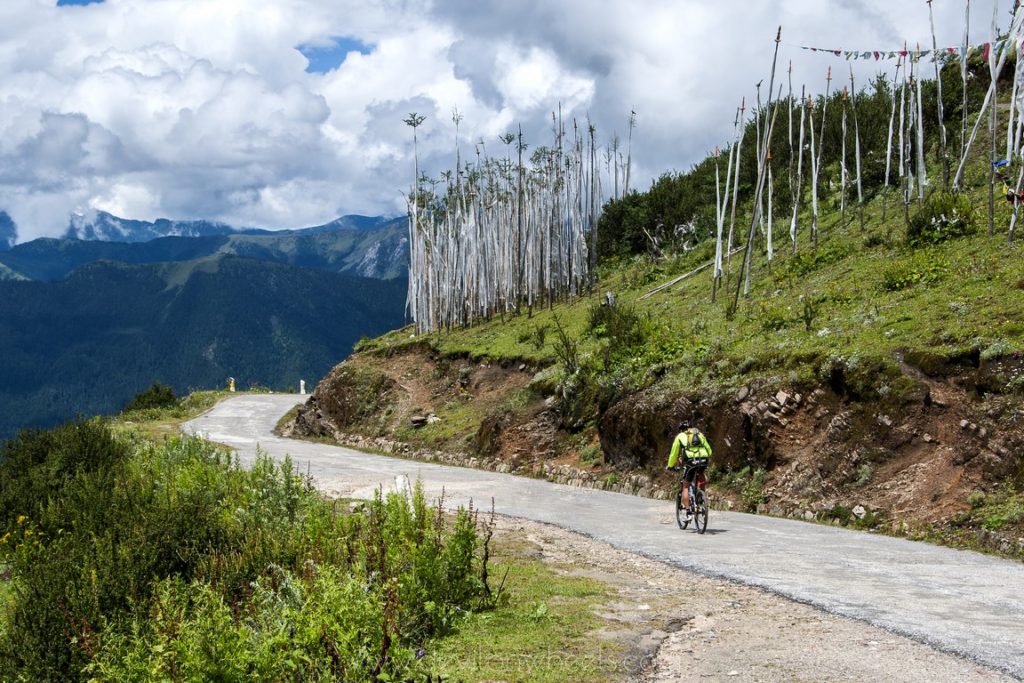
Bhutan is a Himalayan landlocked country, so layered clothing is essential. The weather can change quickly, and you might experience sun, rain, and cold wind all in the same day.
Essentials to pack:
- Warm jacket and fleece (temperatures drop sharply after sunset)
- Comfortable trekking shoes (the Tiger’s Nest hike demands good footwear)
- Rain jacket or poncho (monsoon showers are unpredictable)
- Sunscreen and sunglasses (UV is strong at altitude)
- Basic medicines: Diamox for altitude, painkillers, anti-diarrheal, ORS
- Power bank and charger (mobile network is unreliable in remote areas)
- Cash in Indian Rupees (INR is accepted everywhere, ATMs are unreliable outside Thimphu and Paro)
- Photocopies of passport, voter ID, and permits
- Modest clothing for visiting monasteries and dzongs (no shorts, sleeveless tops, or hats inside temples)
Keep in mind that when you are traveling solo, you are your own backup. Carry a small first-aid kit with you at all times, especially if you plan to trek.
How to Meet Other Travelers in Bhutan?
Solo travel does not mean lonely travel. Bhutan provides you with plenty of opportunities to meet both locals and fellow travelers.
Stay at guesthouses and homestays rather than hotels. The hosts are incredibly warm and will often sit with you over tea and share stories about Bhutan. At taxi stands, bus stations, and popular trekking trails like Tiger’s Nest, you will naturally run into other solo travelers and small groups.
The advice I give every solo traveler is simple: just be curious. Do not be hesitant to talk to the person sitting next to you in the restaurant or on the bus. The Bhutanese are talkative and genuinely interested in learning about India. Most locals speak Hindi or English, so the language barrier is minimal.
What Local Customs Should You Know About?
Bhutan is fiercely protective of its culture, and the government actively preserves traditional customs. As a visitor, being respectful of these customs will not only keep you out of trouble but will also deepen your experience.
Key customs to remember:
- Dress modestly when visiting monasteries and dzongs. Cover your arms and legs, remove hats and shoes before entering.
- Photography is usually not allowed inside temples and prayer halls. Always ask before clicking.
- Tobacco sales are banned in Bhutan. You can carry a small quantity for personal use, but selling or buying is illegal.
- Drones are strictly prohibited without special permission from the government.
- Walk clockwise around chortens (stupas) and prayer wheels. This is a deeply respected tradition.
- Do not touch religious artifacts or sit on elevated thrones inside temples.
Bhutan, at first glance, might seem underdeveloped thanks to its extreme isolation. But we should appreciate that this land of deep valleys and impressive fortresses became isolated not because the world ignored it, but because it enjoyed being what it was. Its continued isolation is no longer an accident. Bhutan is the only country that measures Gross National Happiness instead of GDP, and trust me when I say this, getting to experience this country is truly a privilege.
What Are the Best Tips for Making the Most of a Solo Bhutan Trip?
After multiple trips to Bhutan, here are the tips I share with every solo traveler who reaches out to me.
- Carry enough cash. ATMs are limited and often out of service outside Thimphu and Paro. Indian Rupees (Rs 10, 20, 50, 100, 500 denominations) are accepted everywhere. Rs 2,000 notes are NOT accepted in Bhutan.
- Download offline maps. Google Maps works in Bhutan but mobile data is spotty outside major towns. Download the Bhutan map on Google Maps or Maps.me before your trip.
- Book accommodation in advance during peak season. March-May and September-November see the most tourists. Budget guesthouses fill up quickly.
- Learn to be comfortable with being uncomfortable. This is the golden rule of solo travel. If this is your first time traveling alone, you might take a few days to warm up. That is completely normal.
- Try the local food. Ema Datshi (chili and cheese) is the national dish. Try Momos, Jasha Maru (spicy chicken), and Suja (butter tea). Local meals at small restaurants cost Rs 200-400 per person.
- Get a local SIM card. TashiCell and B-Mobile are the two operators. A prepaid SIM with data costs around BTN 200-300 and makes navigation and communication much easier.
- Budget extra for the Tiger’s Nest hike. Horse rental for the first leg costs BTN 500-700. A local guide at the trailhead charges around BTN 500-1,000. Both are optional but helpful.
- Respect the pace. Bhutan is not a destination to rush through. Spend time at each place, talk to monks, watch the prayer wheels turn, and sit with the silence.
Bhutan’s approach to tourism is unique. It promotes high-value, low-impact tourism, which keeps visitor numbers manageable and the environment protected. Since Bhutan has a very cordial relationship with India, Indians can visit without the tour guide requirements that apply to other foreign nationals. Hence, you are allowed to roam and explore the country freely, my friend.
One thing you have to keep in mind is that Bhutan is not a typical backpacker’s destination. It does not have hostels in the traditional sense. Though you can find shared cabs between major cities, you will need to arrange a taxi if you want to visit off-route places, which can get expensive. Some solo travelers prefer to hitchhike, which is surprisingly easy and safe in Bhutan, and it is a wonderful way to interact with locals.
Practical Info Box: Solo Trip to Bhutan at a Glance
| Best Time to Visit | March-May (spring) and September-November (autumn) |
| Entry Permit | Free for Indians. Get at border or online via immi.gov.bt |
| SDF Fee (2026) | Rs 1,200/night for Indians (confirmed through Aug 2027) |
| Budget (per day) | Rs 3,500-5,100 (budget) to Rs 6,000-10,200 (mid-range) |
| 7-Day Total Cost | Rs 25,000-36,000 (budget) to Rs 42,000-72,000 (mid-range) |
| How to Reach | Fly to Paro or enter by road via Phuentsholing (Jaigaon border) |
| Currency | Bhutanese Ngultrum (BTN). INR accepted everywhere. |
| Safety | Very safe. One of the lowest crime rates in Asia. |
| Mobile Network | TashiCell and B-Mobile. Get a local SIM (BTN 200-300). |
| Ideal Duration | 7-8 days (western Bhutan). 12-14 days (with central/eastern Bhutan). |
| Last Updated | March 2026 |
Conclusion: Is a Solo Trip to Bhutan Worth It?
Bhutan is an ideal destination for solo travel. There is a lot of mystery and an aura of other-worldliness to this country. Often, I feel that time has virtually stood still when thinking of Bhutan. A better way to put it would be that the concept of time has never really mattered to the nation.
Solo travel is quite a thrill and an adventure in itself, and Bhutan creates the perfect environment to experience this. Whether you are a man or a woman, Bhutan is safe and waiting for you to arrive. The combination of affordable SDF for Indians (Rs 1,200/night), freedom to travel independently, warm people, and stunning landscapes makes it one of the best solo travel destinations accessible from India.
If you are planning your solo trip to Bhutan and have questions, feel free to reach out in the comments below or join the DwD community for more Bhutan travel discussions. I am happy to help you plan your trip 🙂
Have a travel question?? You can subscribe to my YouTube channel and leave a comment to ask your travel questions about traveling to the Himalayas.
Related Reading
- Most Perfect Itinerary for a Bhutan Road Trip
- Bhutan Permits for Indians 2026 – Complete Guide
- How to Calculate the Cost of a Bhutan Trip
- Bhutan Budget Travel Tips
- Bhutan by Public Transport – Bus Schedules and Fares
- Best Time to Visit Bhutan Month by Month
- Eastern Bhutan Complete Travel Guide
Frequently Asked Questions
Can Indians travel solo in Bhutan without a guide?
Yes. Indian nationals are exempt from the mandatory guided tour requirement that applies to other foreign tourists. You can travel independently throughout Bhutan with just an Entry Permit and Route Permit. Both permits are free. You will need to pay the SDF of Rs 1,200 per night, but no guide or pre-booked tour is required.
How much does a 7-day solo trip to Bhutan cost for Indians in 2026?
A budget solo trip for 7 days costs approximately Rs 25,000-36,000 (excluding travel to Bhutan). This includes SDF (Rs 8,400 for 7 nights), budget accommodation (Rs 1,500-2,500/night), food (Rs 500-800/day), and local transport. Mid-range travelers should budget Rs 42,000-72,000 for the same duration.
Is Bhutan safe for solo female travelers?
Bhutan is one of the safest countries in Asia for solo women travelers. Crime against tourists is almost unheard of, and the local culture is respectful and welcoming. The Bhutanese people treat all visitors with dignity regardless of gender. Female tour guides are also available if you prefer.
What documents do Indians need to enter Bhutan?
Indian nationals need a valid passport or Voter ID card to enter Bhutan. You do not need a visa. An Entry Permit is obtained at the border (Phuentsholing) or airport (Paro), or applied online via immi.gov.bt. A Route Permit is needed for travel beyond Paro and Thimphu, obtained from the Thimphu Immigration Office.
What is the best time to visit Bhutan for a solo trip?
Spring (March-May) and autumn (September-November) are the best times. Spring offers blooming rhododendrons and pleasant weather, while autumn brings clear skies and major festivals. Winter (December-February) is cold but peaceful with fewer tourists and lower hotel rates.
How do I get from India to Bhutan by road?
Travel by train or bus to Hasimara or NJP in West Bengal. Take an auto-rickshaw to Jaigaon, the Indian border town. Walk across to Phuentsholing on the Bhutanese side, get your Entry Permit, and take a bus (BTN 180-225) or shared taxi (Rs 700-800/person) to Thimphu. The journey from Phuentsholing to Thimphu takes 6-7 hours.
Can I use Indian Rupees in Bhutan?
Yes. Indian Rupees in denominations of Rs 10, 20, 50, 100, and 500 are widely accepted throughout Bhutan. However, Rs 2,000 notes are NOT accepted. The Bhutanese Ngultrum (BTN) is pegged 1:1 with the Indian Rupee. ATMs are available in Thimphu and Paro but unreliable elsewhere, so carry sufficient cash.
Do I need mobile data in Bhutan?
Getting a local SIM card (TashiCell or B-Mobile, BTN 200-300) is highly recommended. Indian SIM cards have limited or no coverage in Bhutan. Mobile data helps with navigation, especially on mountain roads. Download offline maps before your trip as a backup, since network coverage is patchy outside Thimphu, Paro, and Punakha.
