


Last Updated: August 2026
Planning a trip to Yamunotri in 2026? Yamunotri is the first stop on the sacred Chota Char Dham circuit and one of the holiest pilgrimage sites in India. The temple sits at an altitude of 3,293 meters (10,804 feet) in the Garhwal Himalayas of Uttarakhand, dedicated to Goddess Yamuna. Getting here requires a 6 km trek from Jankichatti, which is the last motorable point on the route.
In this guide, I have tried to cover everything you need to plan your Yamunotri trip, from how to reach, trek details, budget breakdown, best time to visit, registration process, and practical tips. Whether you are visiting Yamunotri as part of the complete Char Dham Yatra or as a standalone pilgrimage, this article should help you plan well. Feel free to ask any questions in the comments section below 🙂 …
Let's quickly dive into the details:
Yamunotri at a Glance: Practical Info Box
| Detail | Information |
|---|---|
| Altitude | 3,293 m (10,804 ft) |
| Trek distance | 6 km one way from Jankichatti (moderate) |
| 2026 season | April 19 to November 11 (Char Dham Devasthanam Board dates) |
| Best months | May-June and September-October |
| Registration | Mandatory, free of cost, online at registrationandtouristcare.uk.gov.in |
| Nearest base town | Barkot (45 km) or Jankichatti itself |
| Budget (per person) | Rs 3,700-6,400 (budget), Rs 10,000-19,500 (mid-range) |
| Nearest ATM | Barkot (none at Jankichatti) |
What Makes Yamunotri Special? A Quick Overview
Yamunotri is the source of the Yamuna river, the second most sacred river in Hindu tradition after the Ganga. The actual source is the Champasar Glacier at 4,421 meters on Kalind Parvat, but since that spot is practically inaccessible, the temple at 3,293 meters serves as the place of worship. According to Hindu mythology, Yamuna is the daughter of Surya (the Sun God) and the twin sister of Yama (the God of Death). A holy dip in the Yamuna at its source is believed to free a devotee from the fear of death.
The temple was originally built by Maharaja Pratap Shah of Tehri Garhwal. The deity of Goddess Yamuna is made of black marble. Besides the main temple, you will also find the Surya Kund (a hot water spring) and Divya Shila (a sacred rock pillar) at the temple complex. Pilgrims traditionally cook rice and potatoes by dipping them in the hot water of Surya Kund, wrapped in muslin cloth, and offer the prasad at the temple.
When Does Yamunotri Temple Open and Close in 2026?
The Yamunotri temple opens every year on the auspicious day of Akshaya Tritiya. For the 2026 season, the temple opened on April 19, 2026, and is scheduled to close for winter on November 11, 2026, right after the Diwali closing ceremony (source: Uttarakhand Char Dham Devasthanam Board, confirmed via multiple 2026 season reports). Keep in mind that these dates can shift by a day or two depending on the Panchang calculations, so verify closer to your travel date on the official portal.
The yatra season runs from late April to mid-November. However, I suggest avoiding the monsoon months of July and August when landslides and heavy rainfall can disrupt the route. The best months to visit are May to June and September to October.
2026 monsoon update: As of early-to-mid August 2026, monsoon rain triggered landslides along the Rishikesh-Yamunotri National Highway (NH-134) near Silaiband in Syanachatti, with debris blocking the road while restoration crews worked to clear it (reported by multiple regional outlets, verify current status before you leave). This kind of disruption is fairly common on this stretch every monsoon and is usually cleared within days once the weather stabilizes, but it is exactly why I keep saying: skip July-August if you have flexibility, and if you must travel in that window, check the real-time road status with the Uttarakhand PWD or your hotel in Barkot before setting out from Dehradun.
Also worth knowing: the Yamunotri stretch of NH-134 between Pauigaon and Jankichatti has historically been reported as only partially widened, with land acquisition and construction still ongoing in sections. In case you are self-driving, expect narrow single-lane stretches in a few spots even outside of landslide season, so budget extra time and drive cautiously, especially after dark.
What is the Best Time to Visit Yamunotri?
The best time depends on what kind of experience you are looking for. Here is a month-by-month breakdown to help you decide.
| Month | Weather | Crowd Level | Recommendation |
|---|---|---|---|
| April (late) | Cold, 2-10°C | Low | Temple just opens. Snow may remain on trek route. For experienced trekkers. |
| May | Pleasant, 6-18°C | High | Best month. Clear skies, manageable weather, full services available. |
| June | Warm, 8-20°C | Very High | Peak pilgrim season. Book accommodation well in advance. |
| July – August | Rainy, 10-15°C | Low | Monsoon. Landslides common. Not recommended. |
| September | Pleasant, 6-16°C | Medium | Post-monsoon. Clear views, fewer crowds. Good time to visit. |
| October | Cold, 2-12°C | Medium | Last chance before closure. Carry warm layers. |
In terms of temperatures, summers range from 6°C to 20°C and winters from -7°C to 5°C. Since there are no motorable roads directly to Yamunotri and the area is snowbound in winters, the temple remains closed from November to April.
Is Char Dham Yatra Registration Mandatory for Yamunotri?
Yes. As of 2026, registration is mandatory for all Char Dham pilgrims, including those visiting only Yamunotri. The Uttarakhand government introduced mandatory registration and biometric verification to manage crowd control and ensure pilgrim safety. Registration itself is free of cost. I have seen a few reports floating around about a proposed nominal fee of Rs 10-50 being considered for online registration, but this was not confirmed as implemented at the time of writing, so do not pay anyone claiming to charge you a “registration fee” beyond what the official portal states.
You can register online through the official portal at registrationandtouristcare.uk.gov.in. You will need your Aadhaar card details, a valid mobile number, and a recent photograph. Around 60% of slots are allocated online and 40% offline. Offline registration counters are available at Haridwar, Rishikesh, Dehradun, and Barkot.
I strongly suggest completing your registration online before leaving home. During peak season, offline counters can have long queues, and you may end up losing half a day just waiting for your turn.
If you are reading this closer to the end of the 2026 season and planning for 2027 instead, keep in mind that Char Dham registration for a new season typically opens in early March (2026’s registration opened around March 6). Hence, keep an eye on the official portal from late February onward if you are planning a 2027 Yamunotri trip, since slots for the popular May-June window fill up fast once registration goes live.
How to Reach Yamunotri from Delhi?
Yamunotri is not directly connected by motorable roads. The last motorable point is Jankichatti, from where you trek 6 km to reach the temple. Here is how to reach Jankichatti from Delhi and other major cities.
By Road (Self-Drive or Taxi)
The most common route from Delhi to Jankichatti is: Delhi → Dehradun → Mussoorie → Barkot → Jankichatti. The total distance is approximately 430 km and takes 10-12 hours of driving. You can break this journey at Barkot (about 380 km from Delhi), stay overnight, and cover the remaining 50 km to Jankichatti next morning.


An alternative route is Delhi → Haridwar → Rishikesh → Chamba → Barkot → Jankichatti (approximately 460 km). This route is slightly longer but avoids the winding Mussoorie hill road.
A private taxi from Dehradun to Jankichatti costs approximately Rs 8,000 to Rs 12,500 one way (as of 2025, verify locally for 2026 rates). Shared jeeps from Barkot to Jankichatti are available for around Rs 100-200 per person.
By Bus
Uttarakhand Transport Corporation (UTC) runs buses from Dehradun and Rishikesh to Barkot. There is no direct bus to Jankichatti. From Barkot, you will need to take a shared jeep or local taxi to reach Jankichatti (about 45 km, 1.5 hours). The bus fare from Dehradun to Barkot is approximately Rs 800 to Rs 1,000.
From Delhi, you can first take a Volvo or regular bus to Dehradun from ISBT Kashmiri Gate (Rs 400-800, overnight journey), and then connect to Barkot the next morning.
By Train
The nearest railway stations are Dehradun (175 km from Yamunotri) and Rishikesh (200 km from Yamunotri). Both stations are well connected to Delhi and other major cities. Trains like Nanda Devi Express, Shatabdi Express, and Jan Shatabdi Express run frequently. From either station, taxis and buses are available to Barkot and Jankichatti.
By Air
The nearest airport is Jolly Grant Airport, Dehradun, situated about 210 km from Yamunotri. Jolly Grant is well connected to Delhi with daily flights from airlines like IndiGo, SpiceJet, and Air India. From the airport, you can hire a taxi directly to Barkot or Jankichatti.
Helicopter services are also available for Char Dham Yatra, booked through the official IRCTC HeliYatra portal. Helicopter packages covering all four Dhams typically cost Rs 1.5 lakh to Rs 2.5 lakh per person as of the 2026 season (prices vary by operator, so treat this as a range, not a quote, and confirm on the portal before booking). For Yamunotri specifically, the helicopter drops you at the Kharsali helipad, which is currently the closest landing point to the temple, still about 5 km away. So even by helicopter, you are looking at a short pony ride or walk from Kharsali to the temple, this is not a door-to-door service. It is still a good option for senior citizens and those who cannot manage the full trek, just budget the extra time and cost for the last stretch.
What is the Yamunotri Trek Like? Distance, Difficulty, and Route
The main trek to Yamunotri starts from Jankichatti and covers 6 km one way. It is rated as moderate difficulty. The trail is well-maintained with paved sections, resting points, benches, water stations, and tea stalls along the way. Most people complete the uphill trek in 2 to 3 hours, depending on their fitness level and pace.
There is also an alternative, longer route from Hanuman Chatti, which is about 13 km to Yamunotri. This route runs along the banks of the Yamuna river via Markandeya Tirtha. Since Jankichatti is shorter, most pilgrims prefer that route.
If you are not comfortable trekking, you have options. Ponies cost approximately Rs 1,200 one way, palkis (palanquins) start from Rs 4,000, and dandis (sedan chairs) cost around Rs 1,900 (as of 2025, rates are regulated by the government and may change). These are available at Jankichatti itself. During peak season, I suggest booking early in the morning as availability can be limited.
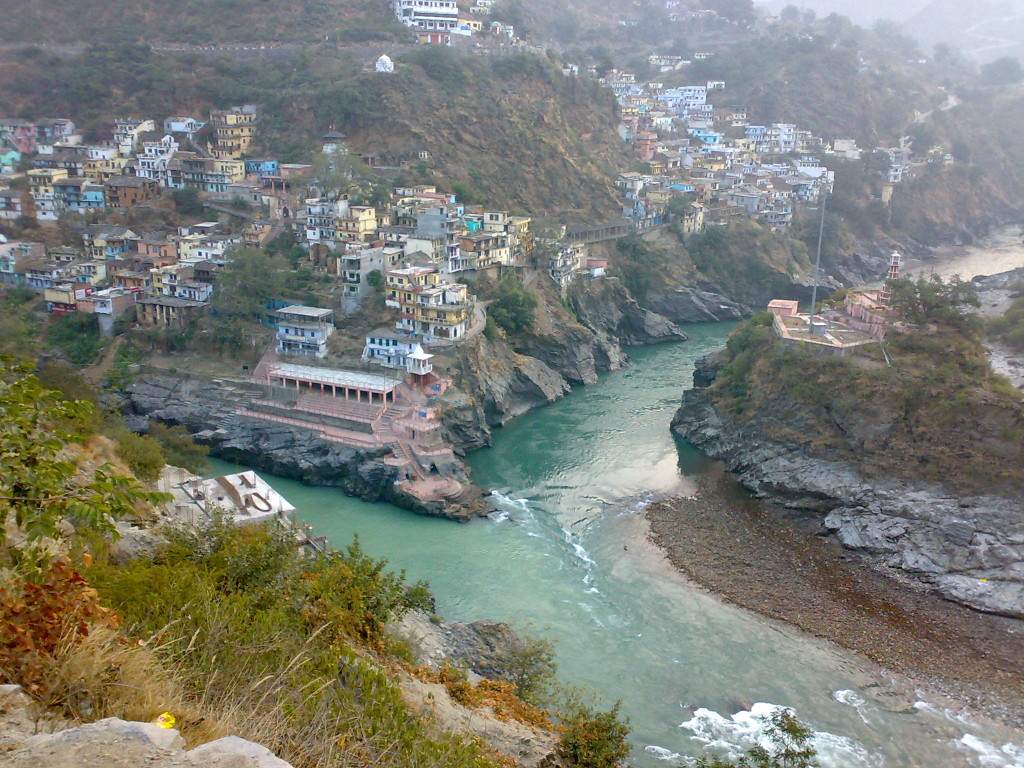
What Are the Key Places to Visit at Yamunotri?
Yamunotri Temple
The main temple marks the source of the Yamuna river. The actual source, a frozen lake at Champasar Glacier (4,421 meters) on Kalind Mountain, is about 1 km further up but is practically inaccessible for regular pilgrims. Hence, the shrine was built at the foot of the hill. The temple sits on the left bank of the Yamuna river and houses a black marble idol of Goddess Yamuna.
Darshan timings are typically from 6:00 AM to 8:00 PM with an afternoon break. During peak season, expect queues of 1-2 hours, so reaching early is advisable.
Surya Kund
Close to the temple are hot water springs gushing out from mountain cavities. Surya Kund is the most important of these springs. The water here is extremely hot, and pilgrims cook rice and potatoes by dipping them in the spring water, wrapped in muslin cloth. This prasad is then offered at the temple. It is quite a unique experience to see food being cooked by natural hot springs.
Divya Shila
Close to Surya Kund, Divya Shila is a sacred rock pillar that pilgrims worship before entering the main temple. This is considered a mandatory stop in the traditional puja sequence at Yamunotri.
How Much Does a Yamunotri Trip Cost? Budget Breakdown 2026
Here is a rough budget breakdown for a 3-4 day Yamunotri trip from Delhi per person. Costs will vary based on your travel style and group size. Traveling in a group of 4 can significantly reduce per-person costs, especially for transport.
| Expense | Budget (Per Person) | Mid-Range (Per Person) |
|---|---|---|
| Delhi to Dehradun (Train/Bus) | Rs 400 – 800 | Rs 800 – 1,500 |
| Dehradun to Jankichatti (Bus + Shared Jeep) | Rs 900 – 1,200 | Rs 2,000 – 3,000 (Private Taxi shared by 4) |
| Jankichatti to Jankichatti Return (same route) | Rs 900 – 1,200 | Rs 2,000 – 3,000 |
| Accommodation (2-3 nights) | Rs 500 – 1,500 | Rs 2,000 – 4,500 |
| Food (3-4 days) | Rs 800 – 1,200 | Rs 1,500 – 2,500 |
| Pony/Palki (optional) | Rs 0 (trek on foot) | Rs 1,200 – 4,000 |
| Misc (donations, printing, local transport at temple) | Rs 200 – 500 | Rs 500 – 1,000 |
| Total (approx) | Rs 3,700 – 6,400 | Rs 10,000 – 19,500 |
These are approximate figures as of 2025. Prices tend to go up slightly every year, so add 5-10% buffer for the 2026 season. Note that Char Dham registration itself does not cost anything, the “misc” line above covers small on-ground expenses like temple donations, printing, and short local transport, not the registration process. If you are going by helicopter as part of a full Char Dham package, expect to spend Rs 1.5 lakh to Rs 2.5 lakh per person for all four Dhams, plus a bit extra if you want Yamunotri covered as a same-day add-on.
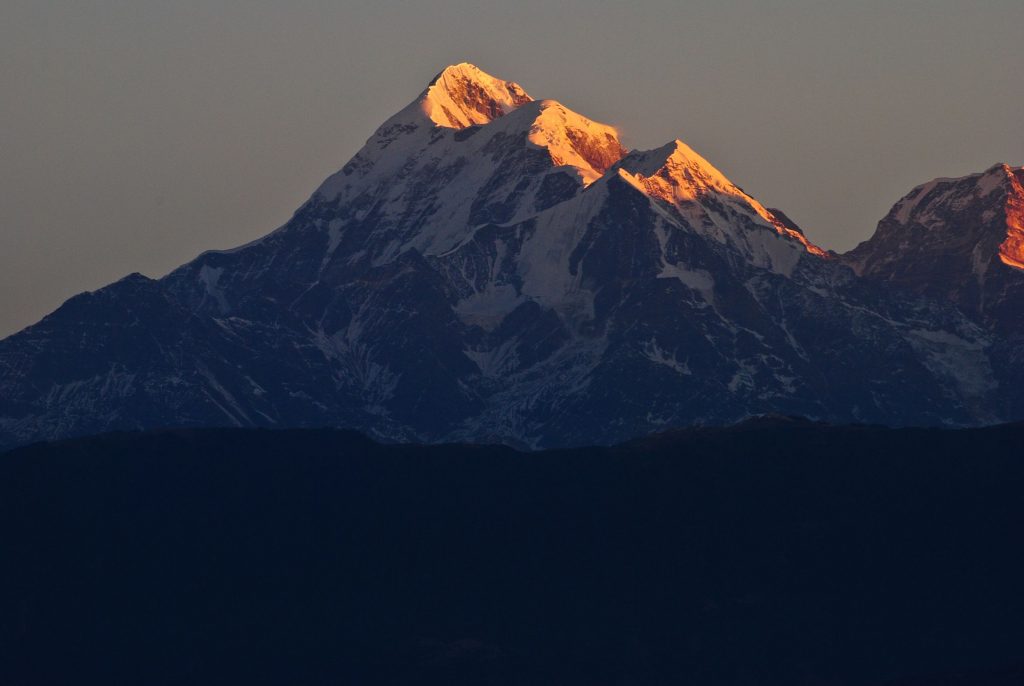
What is a Good Day-by-Day Itinerary for Yamunotri?
Here is a practical 4-day itinerary for a Yamunotri trip from Delhi. You can adjust based on your starting point and pace.
Day 0: Reach Dehradun or Haridwar
Take an overnight bus or train from Delhi to Dehradun or Haridwar. If you are driving, you can start early morning and reach Barkot directly (about 10 hours from Delhi via Dehradun-Mussoorie route). Stay overnight at your arrival point.
Day 1: Dehradun to Jankichatti (180 km, 7-8 hours)
Start early from Dehradun. The route passes through Mussoorie and Barkot. You will reach Barkot in about 5-6 hours (136 km). From Barkot, Jankichatti is another 45 km, approximately 1.5 hours. Stay overnight at Jankichatti. Budget hotels and dharamshalas are available here, along with GMVN Tourist Rest House (rooms from Rs 500-900 per night). Have dinner and rest well. You need energy for the trek tomorrow.
Day 2: Jankichatti to Yamunotri Trek and Return (12 km round trip)
Start the trek early, ideally by 6 AM. The 6 km uphill trek takes 2-3 hours depending on your pace. Reach the temple, offer prayers, visit Surya Kund and Divya Shila. Spend time soaking in the atmosphere. The return trek downhill is easier and takes about 1.5 to 2 hours. You should be back at Jankichatti by afternoon. Rest for the day. If you have energy, you can also drive back to Barkot in the evening to get a head start on the return journey.
Day 3: Jankichatti to Dehradun (or Continue to Gangotri)
If you are doing only Yamunotri, drive back to Dehradun (7-8 hours) and catch an evening train or bus to Delhi. If you are continuing on the Char Dham Yatra circuit, drive from Barkot to Uttarkashi (about 100 km, 3-4 hours) and then to Gangotri the next day. The complete Gangotri travel guide covers that leg in detail.
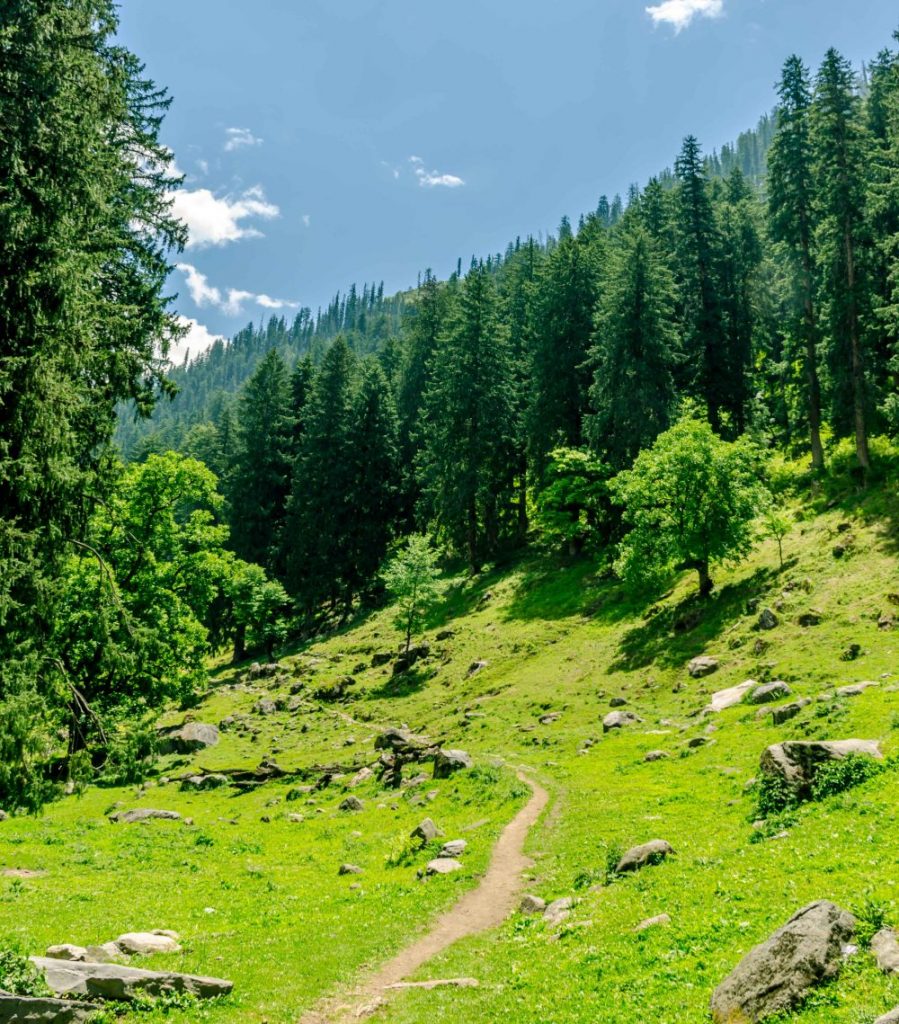
Where to Stay Near Yamunotri?
There is limited accommodation directly at Yamunotri temple. The GMVN Tourist Rest House at Yamunotri offers basic rooms and dormitory beds near the temple. However, most pilgrims stay at Jankichatti or Barkot, both of which have better options.

At Jankichatti: The GMVN Tourist Rest House offers rooms from Rs 500-900 per night and a 12-bed dormitory. Private guesthouses and dharamshalas are also available (Rs 300-800 per night). Krishna Palace and Hotel Devlok are decent budget options with basic amenities.
At Barkot: Better range of hotels available, from budget to mid-range (Rs 500-2,500 per night). This is a good base if you prefer comfortable accommodation and do not mind the 45 km drive to Jankichatti next morning.
During peak season (May-June), I strongly suggest booking your accommodation in advance. A lot of devotees visit the region during this time, and finding a room on the spot can be difficult.
At Kharsali: If you are flying in by helicopter, Kharsali village itself has a handful of basic homestays and guesthouses (Rs 500-1,200 per night), which can be a convenient overnight stop if your helicopter timing does not allow a same-day return to Dehradun. It is a quieter alternative to Jankichatti and worth considering if you want a slower, less crowded pilgrimage experience.
One more practical tip: if you are traveling as a family or group of 4 or more, calling ahead to the GMVN office or a Jankichatti guesthouse directly (rather than relying only on online listings) often gets you a better room and rate, since many smaller properties here still run on phone bookings and local word of mouth rather than OTA platforms.
What to Eat on the Yamunotri Route?
Food is available throughout the route. Dhabas and small restaurants along the highway serve North Indian vegetarian food, dal-rice, paranthas, rajma-chawal, and Maggi. On the trek from Jankichatti to Yamunotri, you will find tea stalls and snack shops at regular intervals. Chai, Maggi, biscuits, and packaged snacks are available.
Keep in mind that food near the temple is basic and limited. If you have specific dietary needs, carry some snacks from Jankichatti or Barkot. Also, the entire Char Dham route is vegetarian, so non-veg food is not available (and not appropriate at a pilgrimage site).
Barkot has a slightly better spread of eateries compared to Jankichatti, including a few dhabas that serve fresh local Garhwali dishes like mandua roti (finger millet flatbread) and jhangora ki kheer (barnyard millet pudding) if you ask, though these are not always on the printed menu. In case you are trekking early morning, grab a quick breakfast of paratha and chai at Jankichatti before you start, since options thin out once you are on the trail itself.
What Are the Nearby Places to Visit from Yamunotri?
Harsil
Harsil is a beautiful village perched at 2,623 meters, about 80 km from Barkot. Known for its apple orchards stretching for kilometers, Harsil has been overshadowed by its famous neighbor Gangotri. However, it is a peaceful destination in its own right, with unexplored trails leading to waterfalls and lakes. If you have an extra day, Harsil is well worth a detour.
Gangotri
Gangotri is the second stop on the Char Dham circuit and lies about 225 km from Yamunotri (via Uttarkashi). Most pilgrims combine Yamunotri and Gangotri on the same trip. The Harsil – Gangotri itinerary guide covers the route options in detail.
Char Dham Yatra Circuit
Yamunotri is traditionally the first stop on the Chota Char Dham Yatra, which includes Yamunotri, Gangotri, Kedarnath, and Badrinath. The complete circuit typically takes 10-12 days. Adi Shankaracharya established this sacred circuit in the 8th century, and hundreds of thousands of devotees complete the pilgrimage every year. If you are planning the full yatra, check our Garhwal itinerary guide for day-by-day plans.
What Should You Know About Mobile Network and ATMs?
Mobile network coverage is patchy on the Yamunotri route. You will have decent BSNL and Jio coverage in Barkot and parts of the highway. At Jankichatti, only BSNL works reliably (Jio and Airtel may show intermittent signal). On the trek itself, there is practically no network coverage until you reach very near the temple where BSNL sometimes works.
The last reliable ATM is at Barkot. Jankichatti does not have an ATM. I suggest withdrawing enough cash at Barkot or Uttarkashi to cover your stay, food, pony charges, and any emergencies. Carry at least Rs 3,000-5,000 in cash per person beyond your pre-booked expenses. UPI payments may work at some larger shops in Barkot, but do not rely on digital payments at Jankichatti or on the trek.
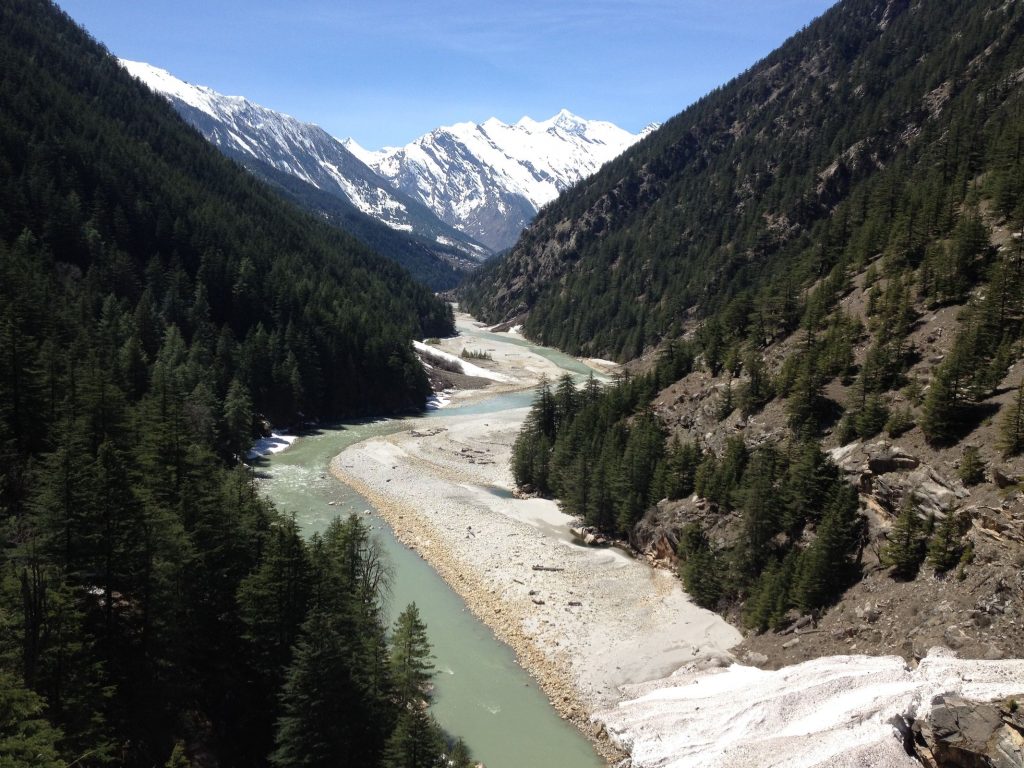
Important Tips for Your Yamunotri Trip
- Start the trek early. The weather is clearest in the morning. By afternoon, clouds and occasional rain can make the trail slippery.
- Wear layers. The weather at 3,293 meters can change quickly. Even in May, mornings and evenings are cold (5-10°C). Carry a warm jacket, rain poncho, and comfortable trekking shoes. A few visitors feel mild breathlessness or a headache on the trek since Yamunotri sits above 3,000 meters, so pace yourself and read our guide to acute mountain sickness and acclimatization if you want to be prepared.
- Stay hydrated. Carry at least 1 liter of water per person for the trek. Water points are available on the route, but having your own bottle is more convenient.
- Be respectful. Yamunotri is a sacred pilgrimage site. Dress appropriately (covering shoulders and knees), avoid loud music, and be mindful of other devotees.
- Book accommodation in advance during May-June season. The demand is very high and rooms fill up fast at Jankichatti and Barkot.
- Carry basic medicines: painkillers, ORS, band-aids, and any personal medication. There is no medical shop at Yamunotri. The nearest hospital is in Uttarkashi.
- Register online before you leave. The Char Dham Yatra registration is mandatory. Do it at registrationandtouristcare.uk.gov.in to avoid wasting time at offline counters.
- Do not litter on the trek. Carry a bag for your trash and dispose of it properly. This is a responsibility we all share as travelers. If you are part of the DwD Community, you already know how important responsible travel is 🙂
Related Reading on Discover With Dheeraj
- Char Dham Yatra, Uttarakhand: The Most Complete Guide
- Kedarnath: How to Plan a Trip (Complete Travel Guide)
- Badrinath: How to Plan a Trip (Complete Travel Guide)
- Gangotri: How to Plan a Trip (Complete Travel Guide)
- Harsil: An Offbeat Place in Garhwal (Travel Guide)
Conclusion
Yamunotri is more than just a pilgrimage. It is a journey into the heart of the Garhwal Himalayas, where faith meets nature in the most humbling way. The 6 km trek from Jankichatti, the hot springs at Surya Kund, and the sacred temple of Goddess Yamuna create an experience that stays with you long after you return home.
I hope this guide helps you plan your trip to Yamunotri without any confusion. If you have any questions about the route, budget, trek, or registration process, feel free to ask in the comments section below. If you found this article useful, do share it with your friends and family who might be planning a Char Dham Yatra or a Yamunotri trip. Also, for other travel discussions, finding travel partners, and trip planning help, check out the DwD Community 🙂 …
Frequently Asked Questions
How difficult is the Yamunotri trek from Jankichatti?
The Yamunotri trek from Jankichatti is 6 km one way and rated moderate in difficulty. The trail is well-maintained with paved sections, resting benches, water points, and tea stalls. Most people complete the uphill trek in 2-3 hours. If you have basic fitness, you should be able to manage it comfortably. For those who cannot trek, ponies (Rs 1,200), palkis (Rs 4,000), and dandis (Rs 1,900) are available.
What is the Yamunotri temple opening date in 2026?
The Yamunotri temple opened on April 19, 2026 (Akshaya Tritiya) and is scheduled to close for winter on November 11, 2026, right after Diwali. Exact dates are announced by the Uttarakhand Char Dham Devasthanam Board each year, so always double check closer to your travel dates.
Is registration mandatory for Yamunotri Yatra?
Yes, as of 2026, Char Dham Yatra registration is mandatory. You need to register online at registrationandtouristcare.uk.gov.in with your Aadhaar card, mobile number, and photograph. Biometric verification is done at checkpoints along the route.
How much does a Yamunotri trip cost from Delhi?
A budget Yamunotri trip from Delhi costs approximately Rs 3,700 to Rs 6,400 per person for 3-4 days. A mid-range trip with private transport and better accommodation costs Rs 10,000 to Rs 19,500 per person. This includes transport, accommodation, food, and pony charges.
Can senior citizens visit Yamunotri?
Yes, senior citizens can visit Yamunotri. Ponies, palkis (palanquins), and dandis (sedan chairs) are available from Jankichatti. Helicopter services from Dehradun to the Kharsali helipad are also an option, reducing the trek significantly, though Kharsali itself is still about 5 km from the temple, so some walking or a short pony ride is still required either way.
Is there mobile network at Yamunotri?
Mobile network coverage at Yamunotri is very limited. BSNL works intermittently near the temple. At Jankichatti, BSNL is the most reliable network. Jio and Airtel may show patchy signal at Barkot but are unreliable beyond that. Carry a BSNL SIM if staying connected is important for you.

What should I carry for the Yamunotri trek?
Carry warm layers (the temperature drops to 5-10°C even in summer), a rain poncho or light raincoat, comfortable trekking shoes with grip, at least 1 liter of water, some dry snacks, basic medicines (painkillers, ORS, band-aids), your registration documents, Aadhaar card, and enough cash (Rs 3,000-5,000 per person). A walking stick is helpful for the steep sections.
Is the Yamunotri route affected by landslides during monsoon?
Yes, the Rishikesh-Yamunotri highway (NH-134) sees landslides most monsoons, and in early-to-mid August 2026 a landslide near Silaiband in Syanachatti blocked the route while crews worked to clear it. This is why I recommend avoiding July and August for this trip if you have flexibility. If you must travel in that window, check the real-time road status with the Uttarakhand PWD, your hotel in Barkot, or local WhatsApp groups before you leave Dehradun, since these closures are usually cleared within days once the rain stops.
Can I combine Yamunotri with Gangotri on the same trip?
Yes, most pilgrims combine Yamunotri and Gangotri since both lie in the Garhwal region of Uttarakhand. From Barkot (near Yamunotri), you drive to Uttarkashi (about 100 km) and then to Gangotri (another 100 km). Adding Gangotri requires 2-3 extra days. For the full Char Dham Yatra covering all four Dhams, plan for 10-12 days.
