


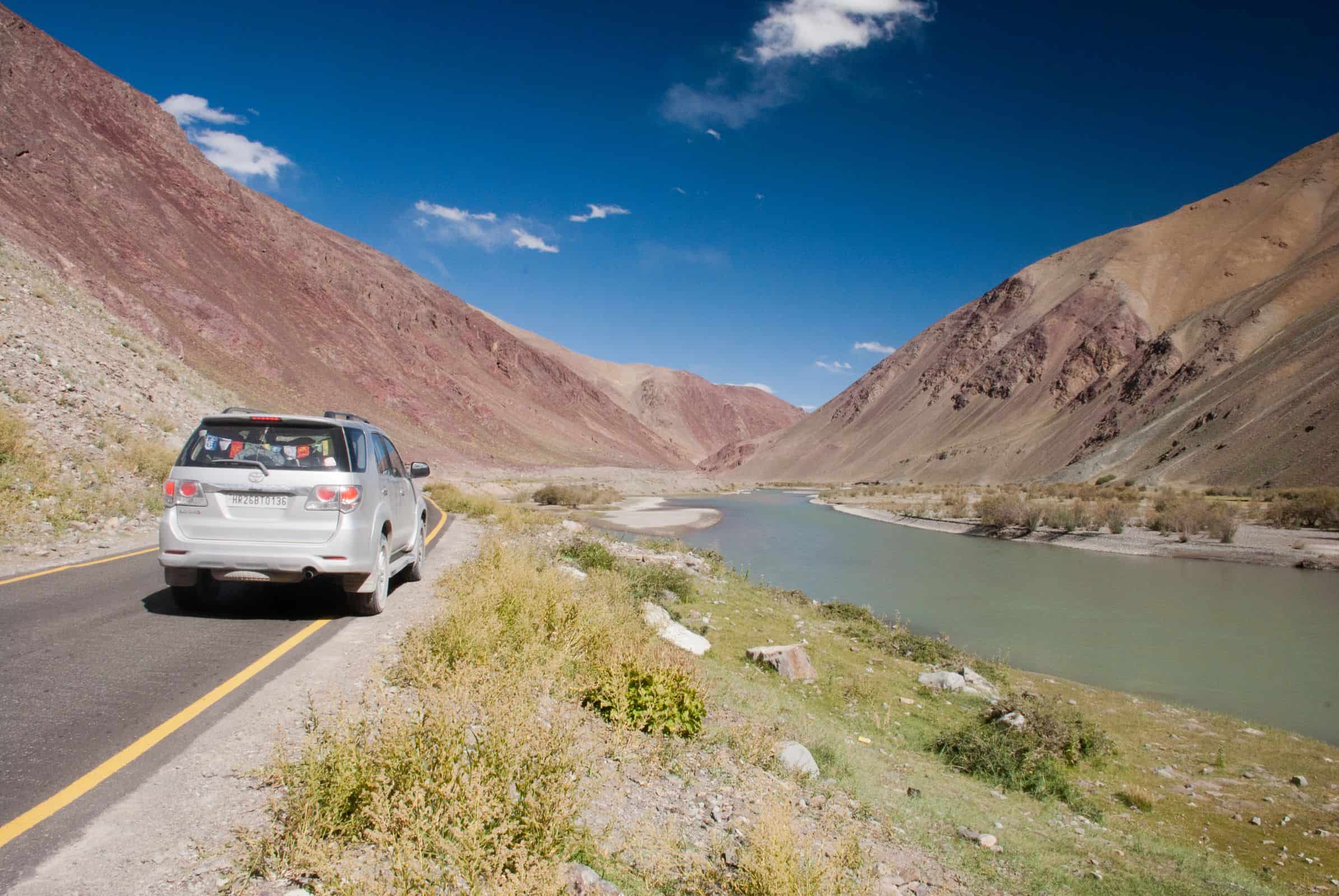
Most people visiting Ladakh stick to the Leh, Nubra Valley, Pangong Tso circuit. It is the standard package that every travel agency sells. But if you have 12 days and want to experience a side of Ladakh that most tourists never see, this offbeat Ladakh itinerary takes you deep into the Changthang Plateau, past remote high-altitude lakes, over passes that barely see traffic, and through villages where the Changpa nomads still herd their pashmina goats.
I have been traveling to Ladakh for over a decade now, and every time I go back, I find something new. The regular Nubra and Pangong loop is beautiful, no doubt about it. But the real magic of Ladakh lies in its remotest corners, the places where you drive for hours without seeing another vehicle and where the landscape changes colour every 30 minutes. This 12-day offbeat Ladakh itinerary covers exactly those places.
Last Updated: March 2026
Let's quickly dive into the details:
What Makes This Offbeat Ladakh Itinerary Different From Regular Trips?
A regular Ladakh trip of 7-9 days covers Leh sightseeing, Nubra Valley via Khardung La, Pangong Tso via Chang La, and maybe Tso Moriri if time permits. This itinerary goes well beyond that. You enter via the Srinagar-Leh Highway, cover the standard highlights in the first few days, and then push deep into the Changthang region to explore lakes, passes, and landscapes that 90% of Ladakh visitors never see.
Here is what sets this route apart from the usual Ladakh packages.
- You cover 9-10 high mountain passes including Zoji La, Fotu La, Khardung La, Chang La, Lachulung La, Nakee La, Baralacha La, and Rohtang La (or Atal Tunnel)
- You visit 6+ high-altitude lakes including Pangong Tso, Tso Moriri, Tso Kar, Suraj Tal, and Deepak Tal, plus a few surprise ones in the Changthang
- You stay away from crowded tourist spots and take offbeat paths through the Changthang Plateau
- You interact with locals more closely and experience the real culture of Ladakh, especially the Changpa nomadic lifestyle near Tso Moriri
- The exit is via Manali-Leh Highway, so you get to experience both major routes to Ladakh in a single trip
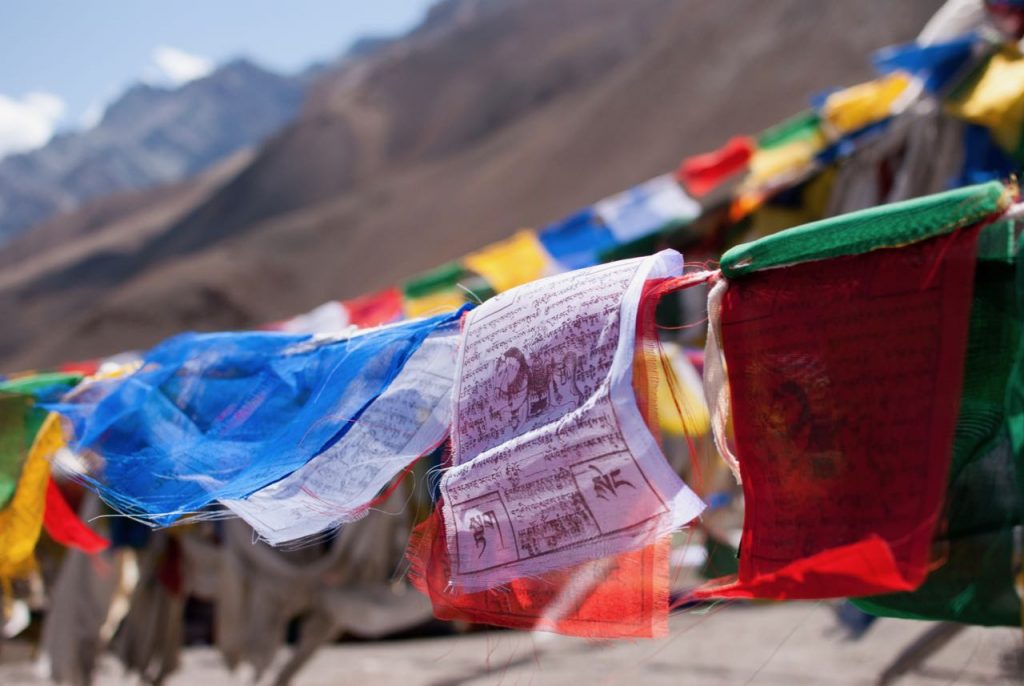
How to Plan This 12-Day Offbeat Ladakh Road Trip?
This itinerary is designed as a point-to-point road trip. You enter Ladakh via Srinagar (fly or drive) and exit via Manali. This way, you cover both major highways and avoid repeating any stretch. The best time for this route is July to September, when all passes including the Changthang section are open and the weather is relatively stable.
Keep in mind, this is not a leisure trip. You will be on the road for 8-9 hours on most days, covering over 100 hours of total drive time across 12 days. The difficulty level sits between moderate and tough. Hence, this itinerary works best for experienced road trippers, adventure seekers, and people who are comfortable with basic guesthouses and homestays in remote areas.
What Permits Do You Need for This Offbeat Ladakh Route?
Since 2021, Indian nationals no longer need a separate Inner Line Permit (ILP) for visiting Nubra Valley, Pangong Tso, Tso Moriri, or the Changthang region including Hanle. However, you must pay the Ladakh Environmental/Development Fee (EDF) online before arrival. As of 2026, the fee is Rs 400 per person plus Rs 20 per person per day plus Rs 10 Red Cross fee per day. You can pay this at the Ladakh ILP/EDF portal or at the DC office in Leh.
For foreign nationals, the rules are different. You need a Protected Area Permit (PAP) for visiting Nubra, Pangong, Tso Moriri, and Hanle. Foreign tourists can visit Hanle during the day but must return to Nyoma (about 75 km before Hanle) for overnight stay. Check the latest rules with a registered travel agent in Leh.
What Is the Complete Day-by-Day Itinerary for Offbeat Ladakh?
Given below is the complete 12-day route plan. I have personally driven most of these stretches over multiple Ladakh trips, and the timings and distances mentioned are based on real road conditions, not Google Maps estimates. Feel free to adjust the itinerary based on your pace and fitness level.
Day 1: Srinagar to Kargil via Sonamarg and Zoji La
- Fly to Srinagar early morning or arrive the previous day
- Drive through the lush green Minamarg Meadows and cross Zoji La Pass (11,578 ft)
- Stop at Drass for lunch if you are vegetarian, as veg food options reduce after this point
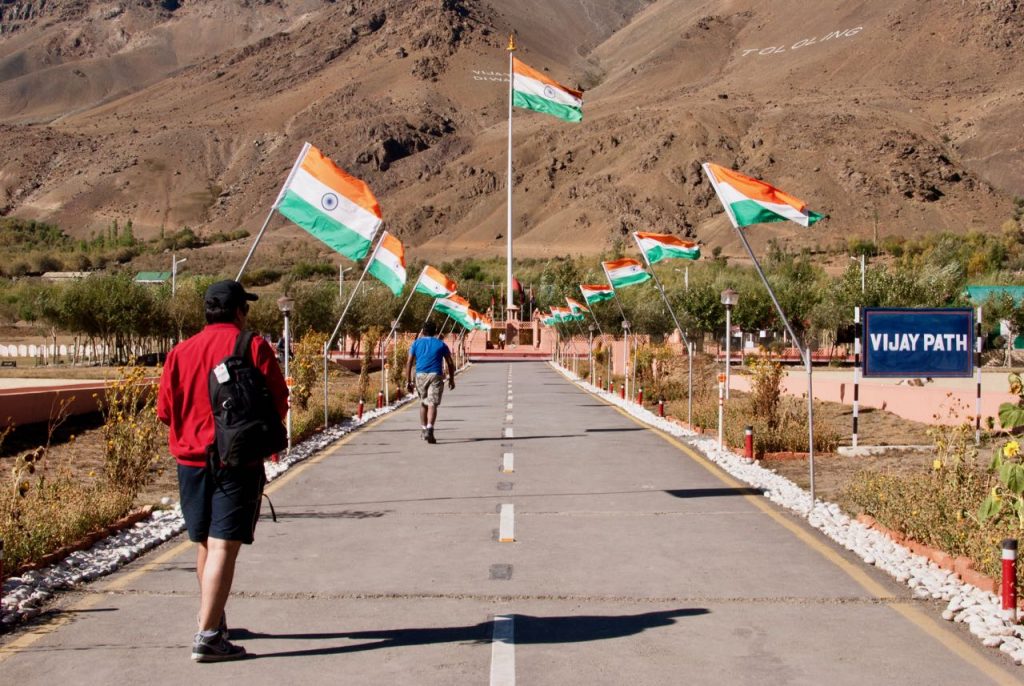
- Visit the Kargil War Memorial en route
- Overnight at Kargil
- Drive time: 8-9 hours depending on traffic at Zoji La. Distance: ~205 km
Day 2: Kargil to Leh via Lamayuru and Moonland
- Start by 7:00 AM to make the most of daylight
- Visit Mulbekh Maitreya Buddha statue, Lamayuru Monastery, and the famous Lunar Landscapes (Moonland)
- Cross Fotu La (13,479 ft) and Namika La (12,198 ft)
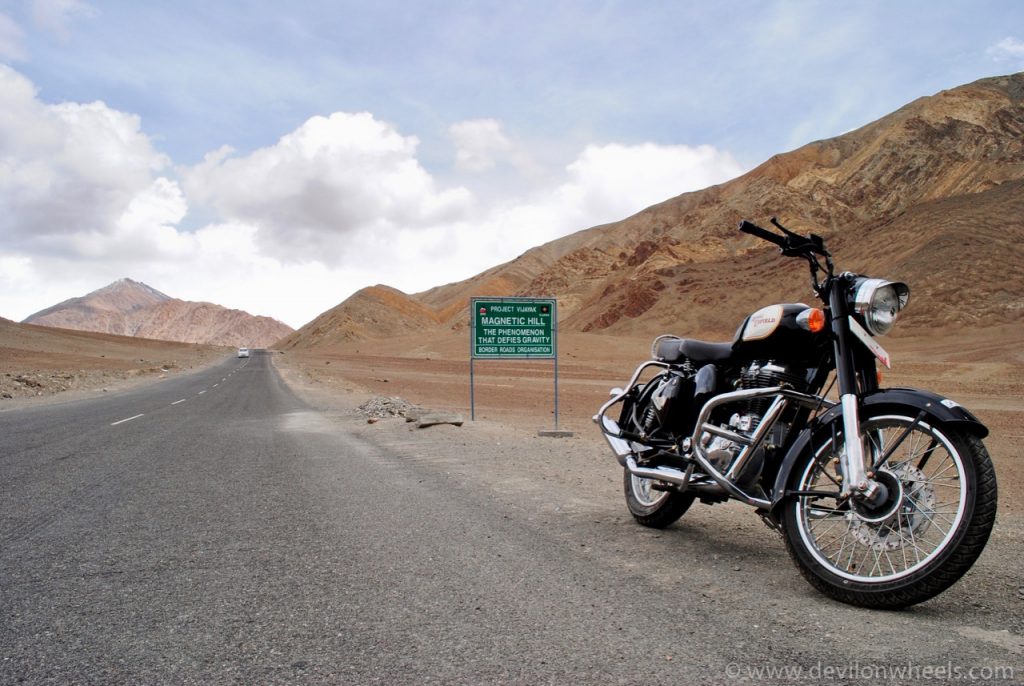
- En route to Leh, stop at Gurudwara Pathar Sahib, Magnetic Hill, and the Sangam (confluence of Indus and Zanskar rivers) at Nimmu
- Overnight at Leh
- Drive time: 9-10 hours with sightseeing stops. Distance: ~230 km
Day 3: Leh Local Sightseeing and Acclimatization
This day is critical. Do not skip acclimatization, especially if you flew into Srinagar and drove up quickly. Leh sits at 11,520 ft and your body needs time to adjust before you push to higher altitudes in the coming days. Read my detailed guide on AMS prevention and acclimatization before you plan this trip.


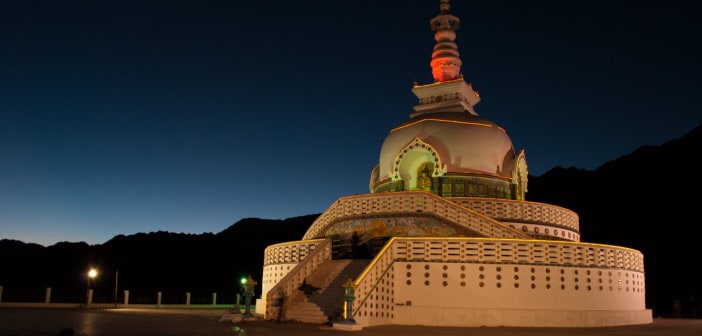
- Visit Shanti Stupa, Leh Palace, and the Main Market at a relaxed pace
- Complete your EDF/permit formalities if not done online
- Stock up on medicines, snacks, and cash (ATMs are unreliable beyond Leh)
- Get a full guide to Leh local sightseeing on the blog
- Overnight at Leh
Day 4: Leh to Nubra Valley via Khardung La
- Start by 8:30 AM after breakfast
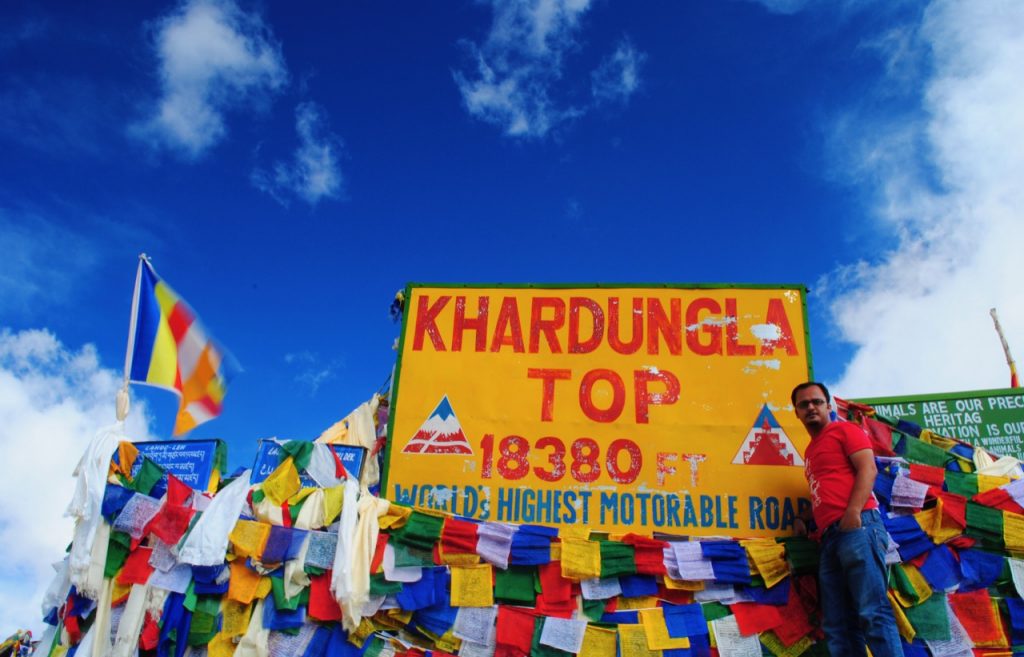
- Cross Khardung La (17,582 ft, corrected altitude). Despite what the signboard says, it is not the highest motorable pass in the world, but the views are stunning
- Reach Nubra Valley and check into your hotel at Diskit or Hunder
- Visit Diskit Monastery with its 32-metre Maitreya Buddha statue
- Walk on the sand dunes at Hunder and spot the famous double-humped Bactrian camels
- Overnight at Hunder or Diskit
- Drive time: 5-6 hours. Distance: ~120 km
Day 5: Hunder to Turtuk and Back
- Start by 7:30 AM for the day trip to Turtuk
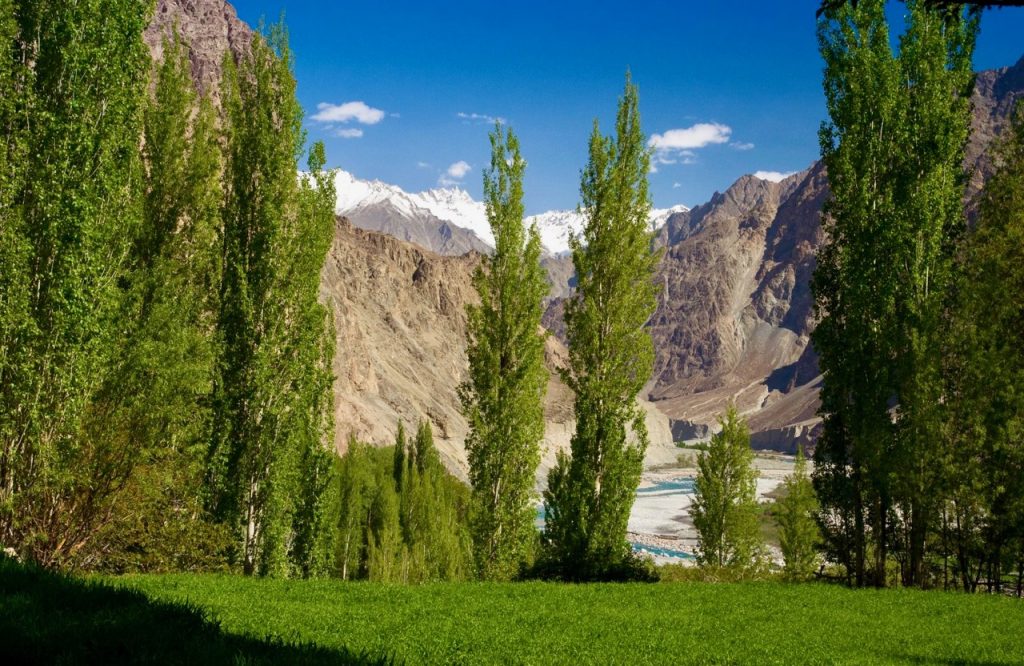
- Turtuk is a Balti village right near the Line of Control with Pakistan. It was part of Pakistan until 1971 and was opened to tourists only in 2010
- Explore the apricot orchards, narrow lanes, and the Turtuk Museum (Yagbow Khar royal house)
- Return to Hunder by evening
- Drive time: 7-8 hours round trip. Distance: ~170 km round trip
Day 6: Hunder to Pangong Tso via Shyok Route
This is where the adventure really begins. Instead of going back to Leh and taking the Chang La route to Pangong (which is what most tourists do), you take the direct Nubra to Pangong route via Shyok. This road runs along the Shyok River through some seriously remote territory. BRO has improved the road significantly since 2016, but the Agham-Shyok section can still be tricky during July-August due to landslides.
- Start by 7:30 AM
- Take the Diskit to Pangong road via Shyok village
- Fill up fuel at the Diskit petrol pump (only one in Nubra Valley)
- The Tangste IndianOil pump (opened 2023) is about 34 km before Pangong if you need a top-up
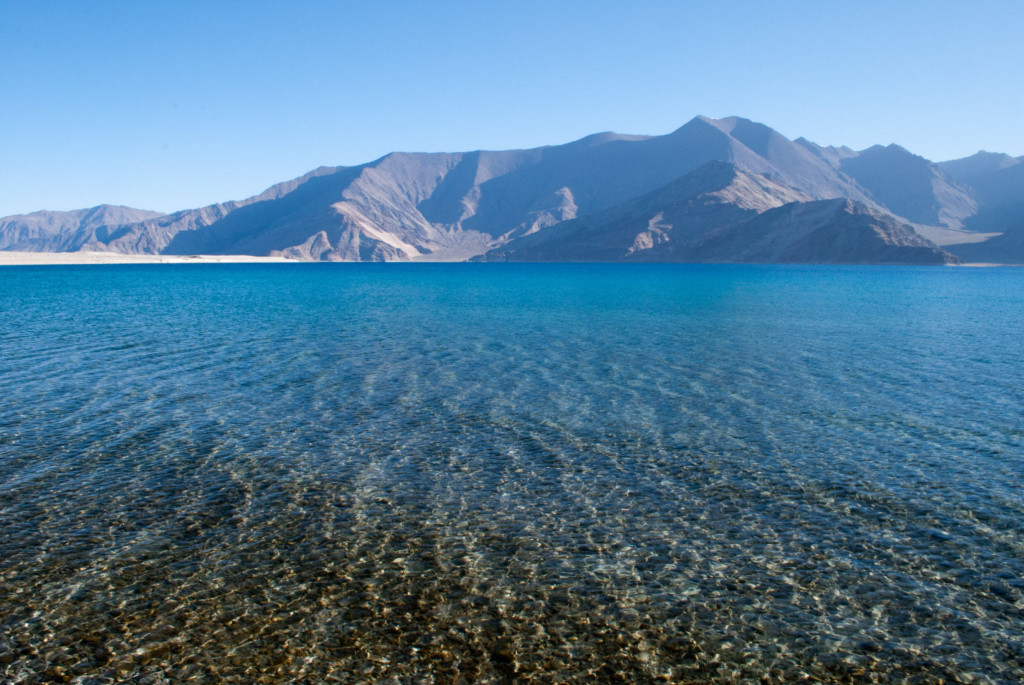
- Reach Pangong Tso by afternoon and soak in the famous blue hues
- Overnight at Pangong Tso (camps or guesthouses at Spangmik/Lukung/Man)
- Drive time: 5-6 hours. Distance: ~160 km
Day 7: Pangong Tso to Hanle via Changthang
From Day 7 onwards, you leave the regular tourist trail completely. The route from Pangong to Hanle goes through the heart of the Changthang Plateau. This is open, barren, high-altitude desert with minimal habitation. The landscape is surreal, with colours shifting from brown to red to gold as you drive through. You may spot kiangs (Tibetan wild ass), marmots, and if you are very lucky, a Tibetan wolf.
- Start by 7:30 AM
- Drive south along the Changthang Plateau towards Hanle
- Visit the Indian Astronomical Observatory at Hanle, the world’s second-highest optical observatory at 4,500 metres. In October 2024, India inaugurated the MACE telescope here, which is Asia’s largest Cherenkov telescope
- Overnight at Hanle (guesthouses Rs 2,000-5,000/night, limited options)
- Drive time: 7-8 hours. Distance: ~250 km
Day 8: Hanle Exploration and Stargazing
Hanle deserves a full day. The village sits at 14,100 ft with some of the clearest skies in the world, making it one of the best places for stargazing on the planet. The Milky Way is visible to the naked eye on clear nights. If you are into astrophotography, this is your paradise.
- Visit Hanle Monastery (17th century Drukpa Kagyu gompa) in the morning
- Explore the village and interact with locals
- Optional: Drive to Umling La Pass (19,024 ft), the world’s highest motorable road, if road conditions permit (about 50 km from Hanle). Read the full guide on planning a trip to Umling La
- Stargazing after sunset. No light pollution, no clouds, just you and the universe
- Overnight at Hanle
- Drive time: 4-5 hours if visiting Umling La, otherwise a relaxed day
Day 9: Hanle to Tso Moriri via Nyoma
- Start by 7:30 AM
- Drive from Hanle to Tso Moriri via Nyoma and the Changthang route
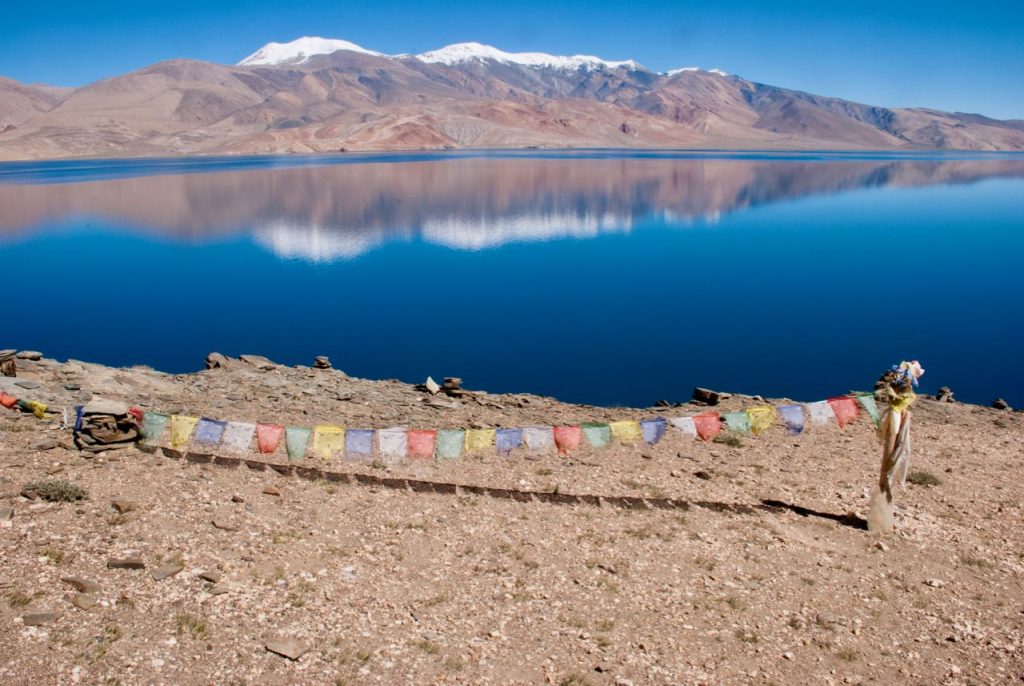
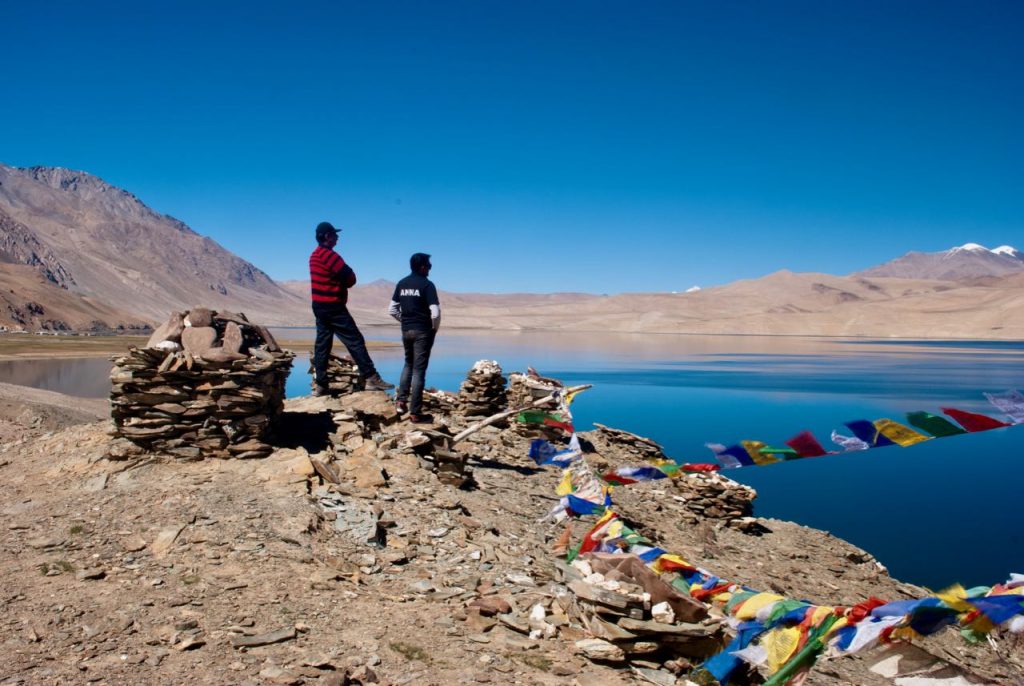
- Tso Moriri (14,836 ft) is a Ramsar wetland site, 19 km long and 3 km wide. It is far less visited than Pangong and feels completely untouched
- Watch for black-necked cranes, Himalayan red fox, and marmots along the lakeshore
- Overnight at Korzok village (homestays Rs 1,000-1,500/night, basic guesthouses Rs 1,500-3,000/night)
- Drive time: 6-7 hours. Distance: ~200 km
Day 10: Tso Moriri to Jispa via Tso Kar, Pang, and Sarchu
This is the longest and toughest day of the trip. You need to start as early as possible, ideally by 6:00 AM. The drive takes you from Tso Moriri through Tso Kar (another beautiful high-altitude salt lake), across the More Plains, over Lachulung La and Nakee La, past Pang and Sarchu, and up to Jispa. I always recommend staying at Jispa instead of Sarchu because the altitude at Sarchu (14,070 ft) causes AMS issues for many people.
- Start by 6:00 AM. This is non-negotiable.
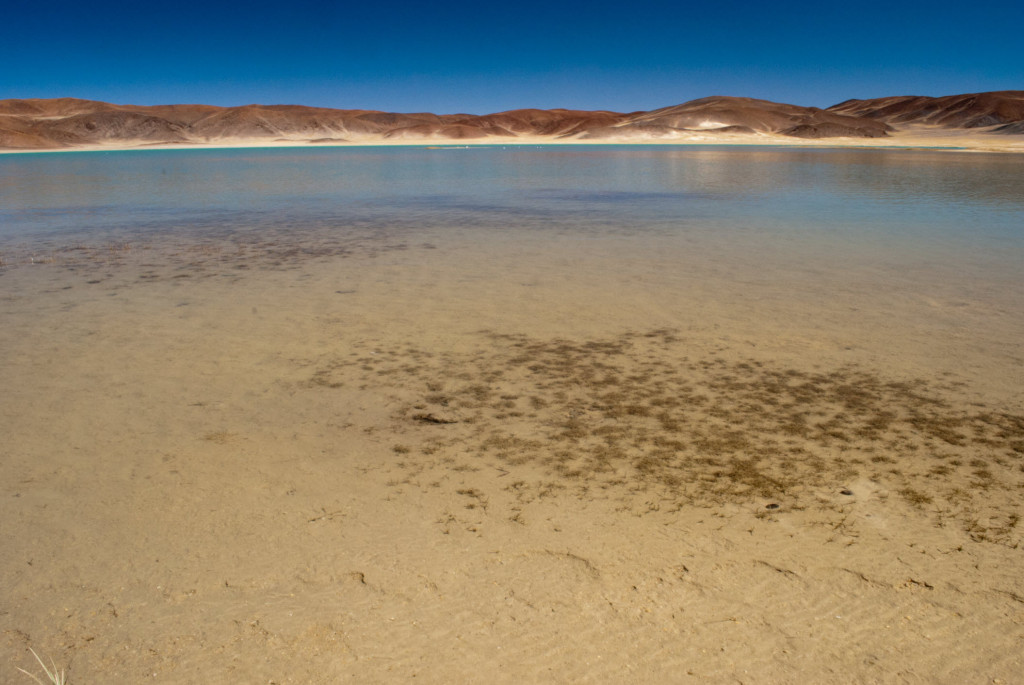
- Stop at Tso Kar to admire the white salt deposits around this high-altitude lake
- Cross Lachulung La, Nakee La, and Baralacha La
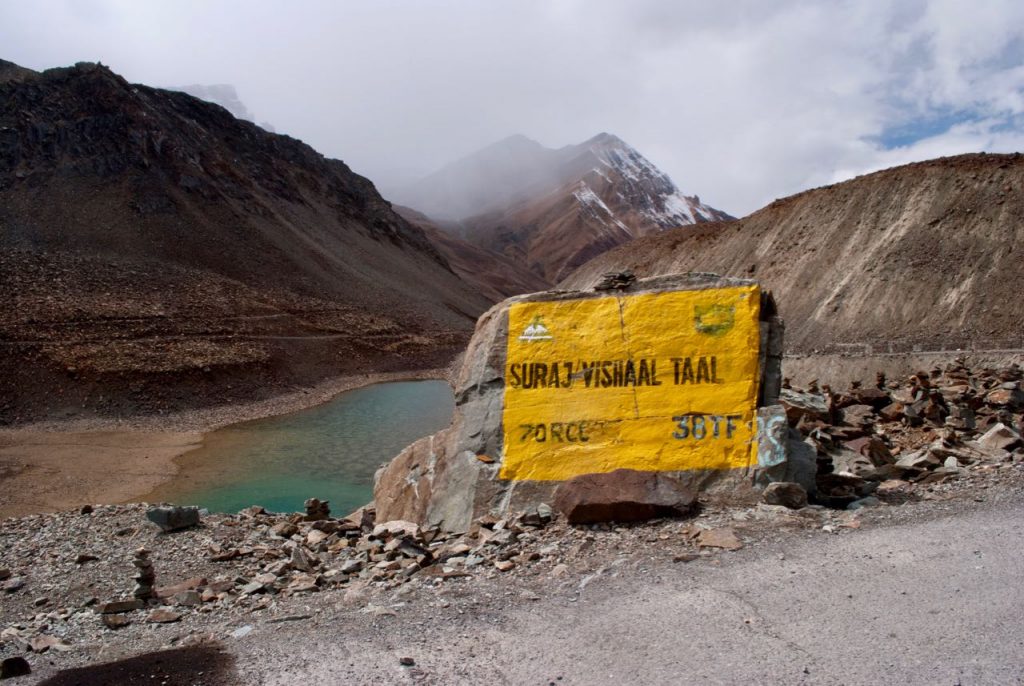
- Pass Suraj Tal and Deepak Tal, two stunning lakes on the Manali-Leh Highway
- Overnight at Jispa (better accommodation, lower altitude than Sarchu)
- Drive time: 12-13 hours. Distance: ~350 km
Day 11: Jispa to Manali via Atal Tunnel
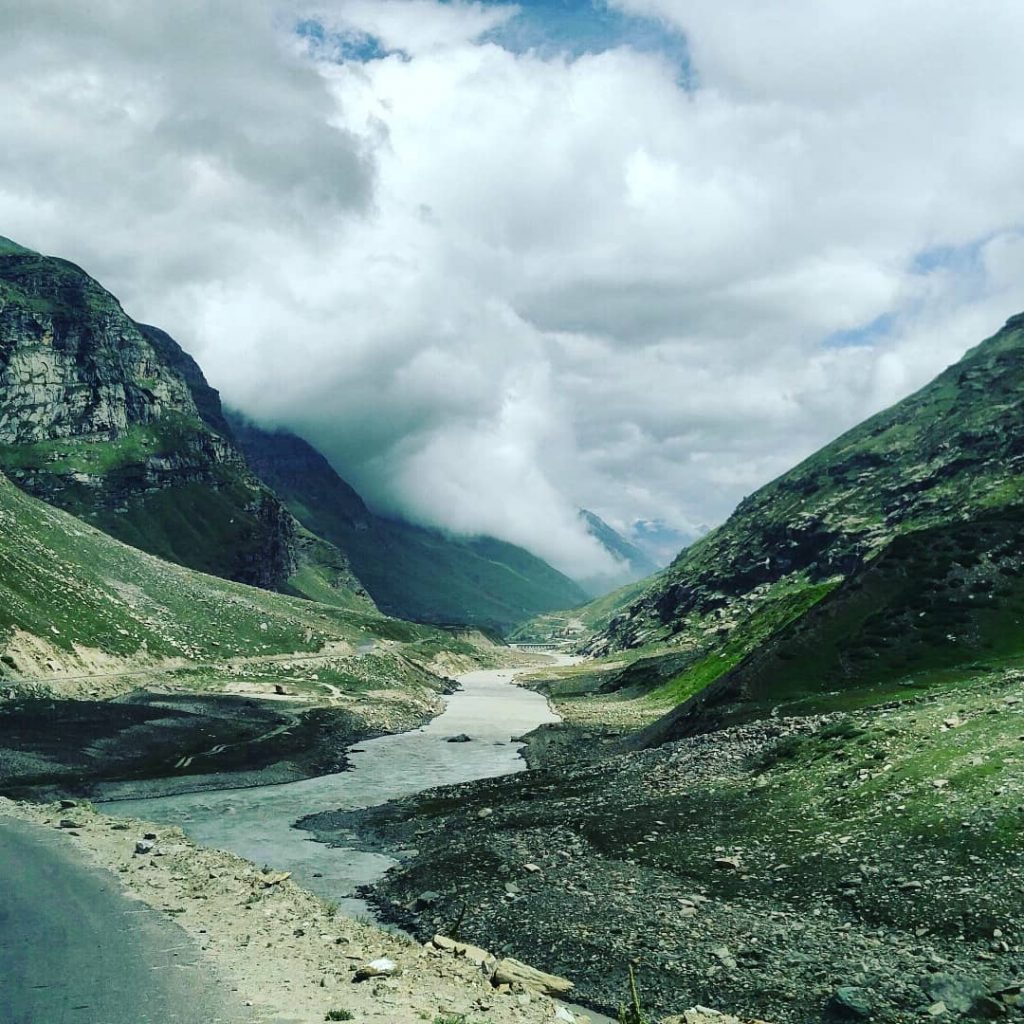
Since the Atal Tunnel opened in October 2020, this stretch has become much easier. The 9.2 km tunnel bypasses the old Rohtang Pass route completely, saving 3-4 hours. No Rohtang permit needed when using the tunnel. The last petrol pump before Leh on the Manali side is at Tandi (about 32-35 km before Jispa), so make sure you have enough fuel for the next day’s drive to Delhi.
- Start by 7:00 AM
- Drive through Keylong and into the Atal Tunnel
- Reach Manali by afternoon
- Rest and explore Manali if time permits. Read the complete Manali travel guide
- Overnight at Manali
- Drive time: 5-6 hours via Atal Tunnel. Distance: ~140 km
Day 12: Manali to Delhi
- Start by 6:00-7:00 AM to beat the traffic through Kullu and Mandi
- Easy highway drive through the foothills of the Himalayas
- Reach Delhi by late evening
- Drive time: 12-13 hours. Distance: ~530 km
What Is the Estimated Budget for This 12-Day Offbeat Ladakh Trip?
The cost depends heavily on whether you are self-driving, renting a bike, or hiring a taxi. Here is a rough budget breakdown per person for 2026 (assuming 2 people sharing).
| Expense | Budget (per person) | Mid-Range (per person) |
|---|---|---|
| Accommodation (11 nights) | Rs 8,000-12,000 | Rs 18,000-25,000 |
| Meals (12 days) | Rs 5,000-7,000 | Rs 8,000-12,000 |
| Fuel (self-drive, ~2,200 km) | Rs 12,000-15,000 | Rs 12,000-15,000 |
| OR Taxi (12 days) | – | Rs 60,000-80,000 (split) |
| EDF + Permits | Rs 700-900 | Rs 700-900 |
| Miscellaneous | Rs 3,000-5,000 | Rs 5,000-8,000 |
| Total (self-drive) | Rs 28,000-40,000 | Rs 44,000-60,000 |
| Total (taxi, split between 2) | – | Rs 60,000-85,000 |
For a detailed breakdown of Ladakh trip costs, read my complete guide on how to calculate your Ladakh trip budget. If you are looking for current taxi rates in Ladakh, I maintain an updated list on the blog.
Is This Offbeat Ladakh Route Right for You?
I want to be honest here. This is not a trip for everyone. With over 100 hours of drive time in 12 days (averaging 8-9 hours per day on the road), it requires a certain level of physical endurance and mental preparedness. Here is who this itinerary is best suited for, and who should probably pick a different route.
This trip is right for you if:
- You are adventurous and comfortable with long hours on rough mountain roads
- You have high endurance and handle fatigue well
- You are okay with basic accommodation (homestays and guesthouses with shared bathrooms) in remote areas
- You can adapt to plan changes quickly. In Ladakh, mountains make the rules, not your itinerary
- You have prior experience with high-altitude travel (14,000+ ft)
This trip is NOT ideal if:
- You are traveling with young children or elderly family members. For family trips to Ladakh, read my guide on Ladakh with kids
- You prefer luxury hotels and comfortable stays. The Changthang section has very basic accommodation
- You have health conditions that could worsen at extreme altitudes (heart issues, severe asthma, recent surgeries)
- You are looking for a relaxed, leisurely vacation. This is an expedition, not a holiday
What Are the Flexible Extensions to This Offbeat Ladakh Itinerary?
The beauty of this route is that it has two “loose ends” where you can add or modify days based on your available time.
Add Days Before Srinagar (Loose Head)
If you are driving from Delhi instead of flying to Srinagar, add 2 days at the start.
- Day -1: Delhi to Jammu or Patnitop (~600 km, 10-11 hours)
- Day 0: Jammu/Patnitop to Srinagar (~270 km, 7-8 hours via NH44)
Extend to Spiti Valley After Manali (Loose Tail)
If you have extra days, you can leave the Manali-Leh Highway at Gramphu/Keylong and head into Spiti Valley instead of going to Manali. This adds 7-8 days and covers Chandratal, Kaza, Pin Valley, Tabo, Kalpa, Sangla, and Chitkul before exiting via Shimla. Read the complete Spiti via Manali itinerary for day-by-day details.
- Day 12: Jispa to Chandratal via Batal
- Day 13: Chandratal to Kaza via Losar and Chicham
- Day 14: Kaza to Langza, Hikkim, Komic, and Pin Valley
- Day 15: Pin Valley to Dhankar and Tabo
- Day 16: Tabo to Nako and Kalpa
- Day 17: Kalpa to Sangla and Chitkul
- Day 18: Sangla to Rampur and Narkanda
- Day 19: Narkanda to Shimla/Chandigarh/Delhi
What Should You Pack and Prepare for Offbeat Ladakh?
The Changthang section of this itinerary takes you to areas with zero mobile network, no ATMs, no petrol pumps, and no medical facilities. Preparation is everything. Here are the essentials.
Fuel and Vehicle Preparation
- Fill up at every petrol pump you see. The Diskit pump is the only one in Nubra Valley. The Tangste pump (opened 2023) is 34 km before Pangong. After Pangong, there is no fuel until you reach Karu (near Leh) or go south to Tandi on the Manali-Leh Highway
- Carry extra fuel if possible, especially for the Changthang section. Read my guide on carrying extra fuel safely
- Read the complete guide on fuel availability in Ladakh
- Carry basic tools, a spare tyre, and a tow rope. Mechanic shops do not exist in the Changthang
Health and Safety
- Diamox (Acetazolamide): Consult your doctor about starting it 24 hours before reaching high altitude. It helps prevent AMS
- Carry a basic first-aid kit with painkillers, ORS, bandages, and any personal medication
- Keep mobile network coverage expectations realistic. BSNL postpaid has the widest coverage in Ladakh. Jio and Airtel work in Leh town and some parts of the highway, but not in the Changthang
- Carry at least Rs 15,000-20,000 in cash. ATMs in Leh can be unreliable, and there are no ATMs beyond Leh on this route
Clothing and Gear
- Layered clothing: thermal inners, fleece jacket, windproof outer shell
- Good quality sunglasses (UV protection is critical at 14,000+ ft)
- Sunscreen SPF 50+ and lip balm with SPF
- A warm sleeping bag if you are camping or staying in very basic homestays
- Waterproof bags for electronics and documents
Why Should You Choose the Offbeat Route Over the Regular Ladakh Circuit?
Let me put it this way, my friend. The regular Leh, Nubra, Pangong circuit is like reading the first chapter of a book and thinking you have read the whole thing. Ladakh is so much more than those three places. The Changthang Plateau, with its vast emptiness and surreal colours, is where you really understand what makes this land special.
- Fewer crowds: While Pangong gets 500+ vehicles a day in peak season, places like Hanle and the Changthang see maybe 10-15 vehicles. You get the landscape to yourself
- Richer cultural experience: The Changpa nomads near Tso Moriri, the Balti culture in Turtuk, the Buddhist monasteries scattered across the route. This is the real Ladakh, not the Instagram version
- More diverse landscapes: From the green meadows of Sonamarg to the moonscape of Lamayuru, from the sand dunes of Hunder to the vast nothingness of Changthang, this route covers every type of terrain Ladakh has to offer
- Better photographs: The light in the Changthang is unlike anywhere else. The clear skies at Hanle make it a photographer’s dream, especially for astrophotography
For more ideas on places most tourists miss, check out my list of 10 offbeat places in Ladakh.
How Can You Book Vehicles and Accommodation for This Route?
If you are self-driving or riding your own motorcycle, you just need to plan your accommodation in advance, especially for the Changthang section (Days 7-9) where options are very limited.
- Leh, Kargil, Manali: Plenty of hotels on Booking.com, Goibibo, or walk-in. Budget: Rs 800-1,500/night. Mid-range: Rs 2,000-4,000/night
- Nubra Valley: Hotels and camps at Diskit/Hunder. Book in advance during July-August. Budget: Rs 1,000-2,000/night
- Pangong Tso: Camps and guesthouses at Spangmik, Lukung, or Man village. Check my guide on accommodation near Pangong Tso. Budget: Rs 1,500-3,000/night
- Hanle: Limited guesthouses (Umlingla Residency, Padma Homestay). Read my Padma/Sonam Guest House Hanle review. Book ahead as options fill up fast. Budget: Rs 2,000-5,000/night
- Tso Moriri (Korzok): Homestays and basic guesthouses. Do not rely on advance bookings here as homestays sometimes do not honour them. Budget: Rs 1,000-2,500/night
- Jispa: Good hotels and guesthouses available. Budget: Rs 800-2,000/night
If you need a taxi for this route, check my list of trusted taxi drivers for Ladakh. For a 12-day offbeat itinerary like this, expect to pay Rs 60,000-80,000 for a private Innova/Xylo (rates vary by season and negotiation). Always negotiate a flat rate for the entire trip rather than daily rates.
For the full route from Srinagar to Leh, read my detailed Srinagar-Leh Highway planning guide. For the Manali exit, check the Manali-Leh Highway travel guide.
Frequently Asked Questions
How many days do you need for offbeat Ladakh?
You need a minimum of 12 days for a comprehensive offbeat Ladakh trip covering Nubra Valley, Pangong Tso, the Changthang Plateau, Hanle, and Tso Moriri. If you want to add Umling La or extend to Spiti Valley, plan for 14-19 days. Anything less than 12 days means you will have to skip the Changthang section, which defeats the purpose of going offbeat.
Is it safe to travel to offbeat parts of Ladakh?
Yes, the offbeat areas of Ladakh (Changthang, Hanle, Tso Moriri) are safe for travel during the open season (July-September). The main risks are altitude sickness, bad weather, and vehicle breakdowns in remote areas. Always carry extra fuel, a first-aid kit, and inform someone about your itinerary. The Indian Army has a strong presence throughout the region and is very helpful to tourists in emergencies.
Can I do this offbeat Ladakh trip on a motorcycle?
Absolutely. In fact, a motorcycle is ideal for this route because it handles the narrow mountain roads and rough patches better than larger vehicles. Make sure your bike is well-serviced, carry extra fuel containers, and have basic repair knowledge. Read my guide on self-drive tips for Ladakh before you set out.
Do I need a 4×4 vehicle for the Changthang route?
A 4×4 is recommended but not strictly necessary if road conditions are good. The BRO has improved most roads in the Changthang over the past few years. However, after rain or in early season (June), some sections between Pangong and Hanle can have water crossings and loose gravel where 4×4 helps. An SUV like Innova, Xylo, or Scorpio is ideal. Sedans are not recommended.
What is the best time for an offbeat Ladakh trip?
The best time is July to mid-September. All passes and roads in the Changthang are reliably open during this window. June can work but some sections may still have snow. October is risky as passes start closing and accommodation in remote areas shuts down. Read the complete guide on best time to visit Ladakh for month-by-month details.
Is there mobile network in offbeat Ladakh?
BSNL postpaid has the widest coverage in Ladakh, including some parts of the Changthang. Jio and Airtel work well in Leh and along the main highways but coverage drops significantly in offbeat areas. Expect no network between Pangong and Hanle, at Tso Moriri (Korzok), and at Hanle (limited BSNL). Always inform your family about the communication gap before entering the Changthang section.
Can families with children do this offbeat Ladakh itinerary?
I would not recommend this specific itinerary for families with young children. The long driving hours, extreme altitude in the Changthang (14,000-19,000 ft), basic accommodation, and lack of medical facilities make it unsuitable for children under 10-12 years. For family-friendly Ladakh itineraries, check my guide on visiting Ladakh with kids.

That is pretty much everything you need to plan this offbeat Ladakh adventure. If you have any questions or need help with specific parts of the itinerary, feel free to drop a comment below or reach out on the DwD Community page. I am always happy to help fellow travelers plan their Himalayan adventures 🙂
In case you have done this route or a similar offbeat Ladakh trip, I would love to hear about your experience. Share your story in the comments, it helps other readers plan better.
Hence, keep exploring, keep discovering, and remember, LifeMeinBaarBaar!
