


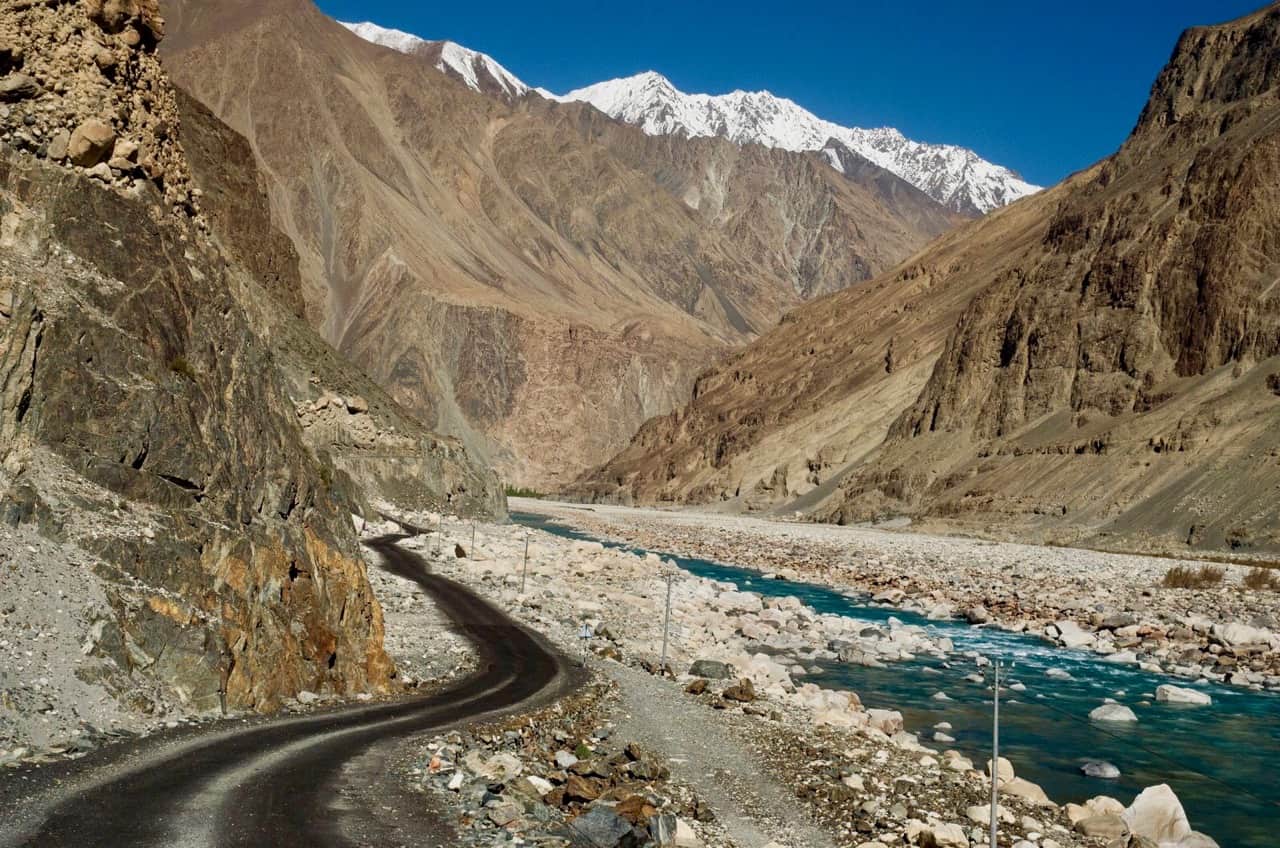
Turtuk is one of those rare places in Ladakh that completely changes your idea of what the region looks like. Flanked by Nubra Valley on one side and Baltistan on the other, this village of roughly 4,000 people sits along the banks of the Shyok River. It is the last northernmost village before Pakistan-Occupied Kashmir, and it was only opened to tourists in 2010. Let me share with you a complete Turtuk travel guide for 2026.
What makes Turtuk special is not just the geography. The people here are warm, curious, and proud of a history that has seen borders shift multiple times. Apricot orchards line every pathway, and the Balti culture here feels entirely different from the Buddhist-dominated rest of Ladakh. If you are planning a trip to Nubra Valley, adding Turtuk to your itinerary is something I would strongly recommend.
Let's quickly dive into the details:
What Is Turtuk and Why Should You Visit?
Turtuk sits at an altitude of 3,001 meters (9,846 ft) on the banks of the Shyok River, approximately 205 km from Leh. Known as a village divided by a border, it is one of only four Indian villages in the Baltistan region. The village opened its doors to visitors in 2010 after locals petitioned the government to connect with the outside world. It is also one of the gateways to Siachen Glacier, making it strategically important.
What Is the History of Turtuk Village?
Turtuk was part of Pakistan-Occupied Kashmir until 1971, when Major Chewang Rinchen brought the village under India’s command during the Indo-Pak war. Initially, villagers were skeptical of India. Many residents had served in the Pakistan Army, so their allegiance could not shift overnight.
For many born before 1947, they went from being Indians to Pakistanis to Indians again. Of the roughly 300 families that call Turtuk home, many still have relatives on the other side of the border. However, the Indian Army has kept its promise, keeping villagers safe and bringing about multiple reforms while encouraging growth and prosperity.
Turtuk has been a secluded region, thanks to both geopolitical uncertainties and its daunting geography. Cradled by the Karakoram range, the village has a history as a gateway on the ancient Silk Route. This is visible in the cultural mix that defines Turtuk’s unique ancestry.
What Is Balti Culture Like in Turtuk?
Baltistan was a separate kingdom long before the wars that defined the region in modern times. The Yagbo dynasty, a Central Asian empire with monarchs from Turkistan, ruled the region from 800 to 1800 AD.
As with much of Ladakh, Baltistan was a predominantly Buddhist region until the 13th century. Mir Sayyid Ali Hamadani, an Iranian poet and prominent Islamic scholar, brought about cultural changes in the region. Over centuries, settlements and unions of cultures shaped what Turtuk is today. You can spot beautiful gompas in this predominantly Muslim village. Turtuk’s mosque reflects a delicate coming together of swastikas, Buddhist patterns, and Iranian designs.
The residents here are extremely friendly and genuinely cherish visitors to their lands. No matter how uncertain they might be of governments and politics, one thing is clear. Most credit the development of their region to growing tourism. Though wildly (and unjustifiably) unknown, Turtuk is a must-visit place when in Ladakh. No other place teaches you appreciation of stillness in time quite like this village does.
What Are the Three Sections of Turtuk Village?
The village of Turtuk is divided into three distinct sections, each with its own character.
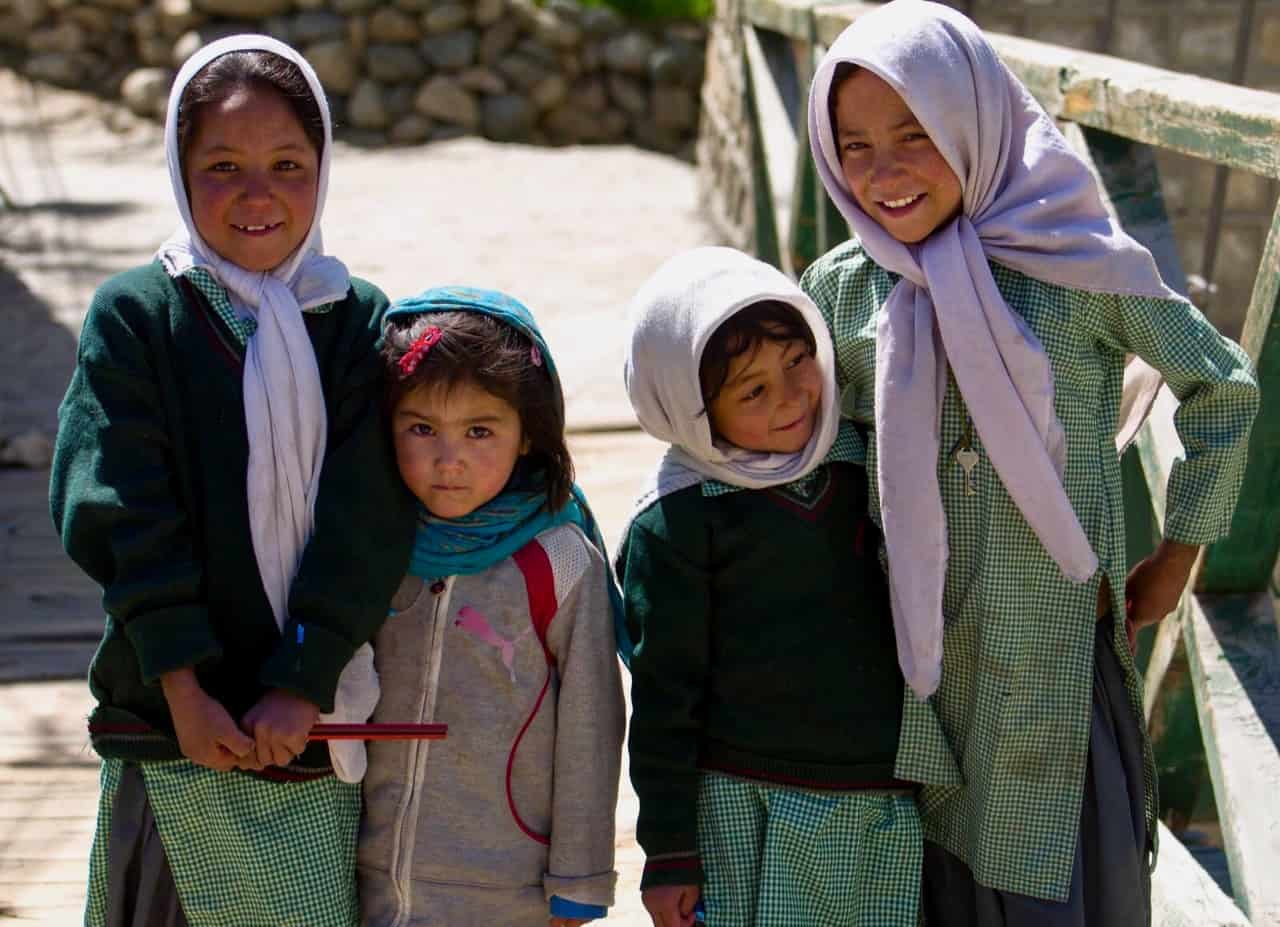
- Chutang – This settlement by the riverbank is the educational and cultural center of Turtuk. Early mornings, you can watch kids heading to school and hear the national anthem when classes begin. During winter, villagers from higher elevations move down to Chutang for access to water and vegetation.
- Yul – The oldest area of the village, Yul is densely populated and a sanctuary of greenery, tradition, and generosity. It is home to one of the two mosques.
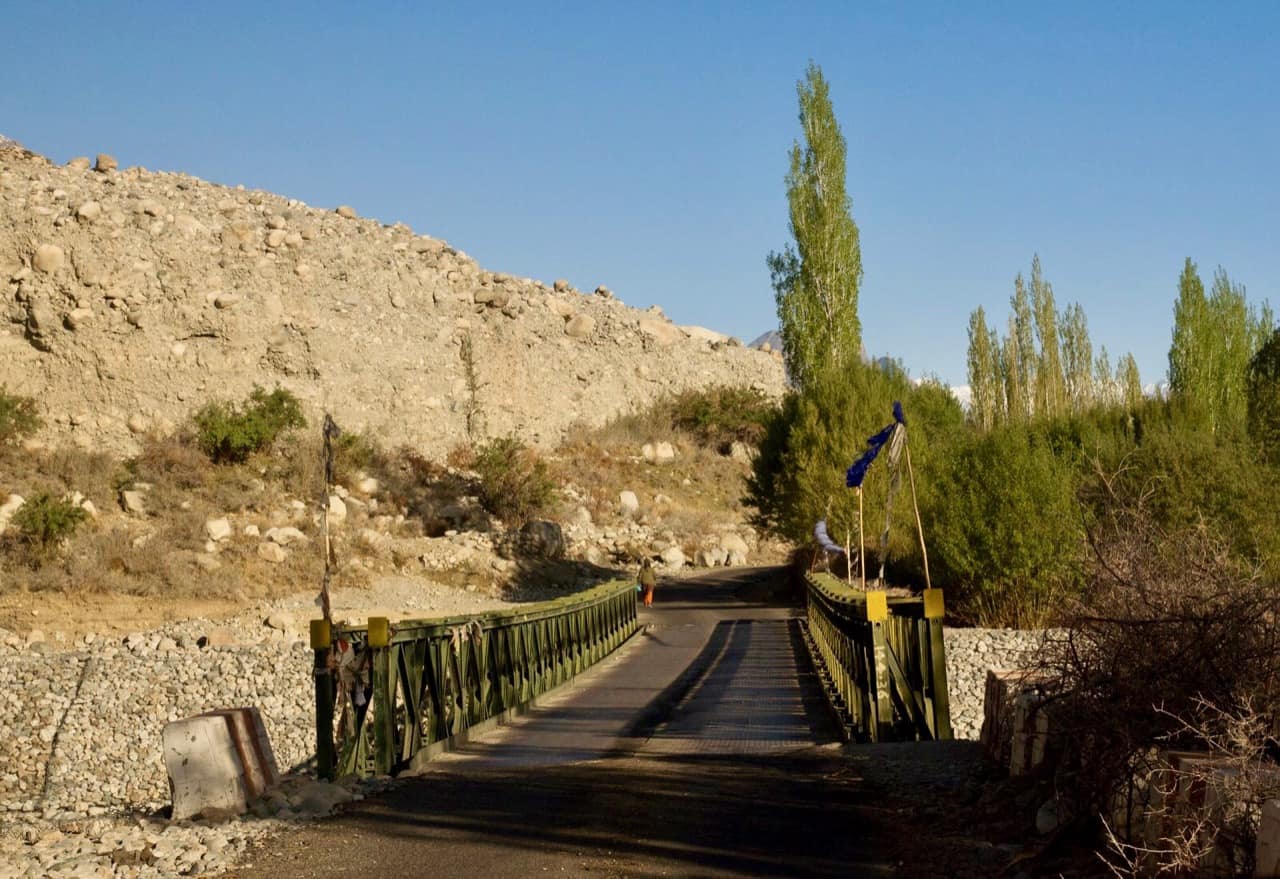
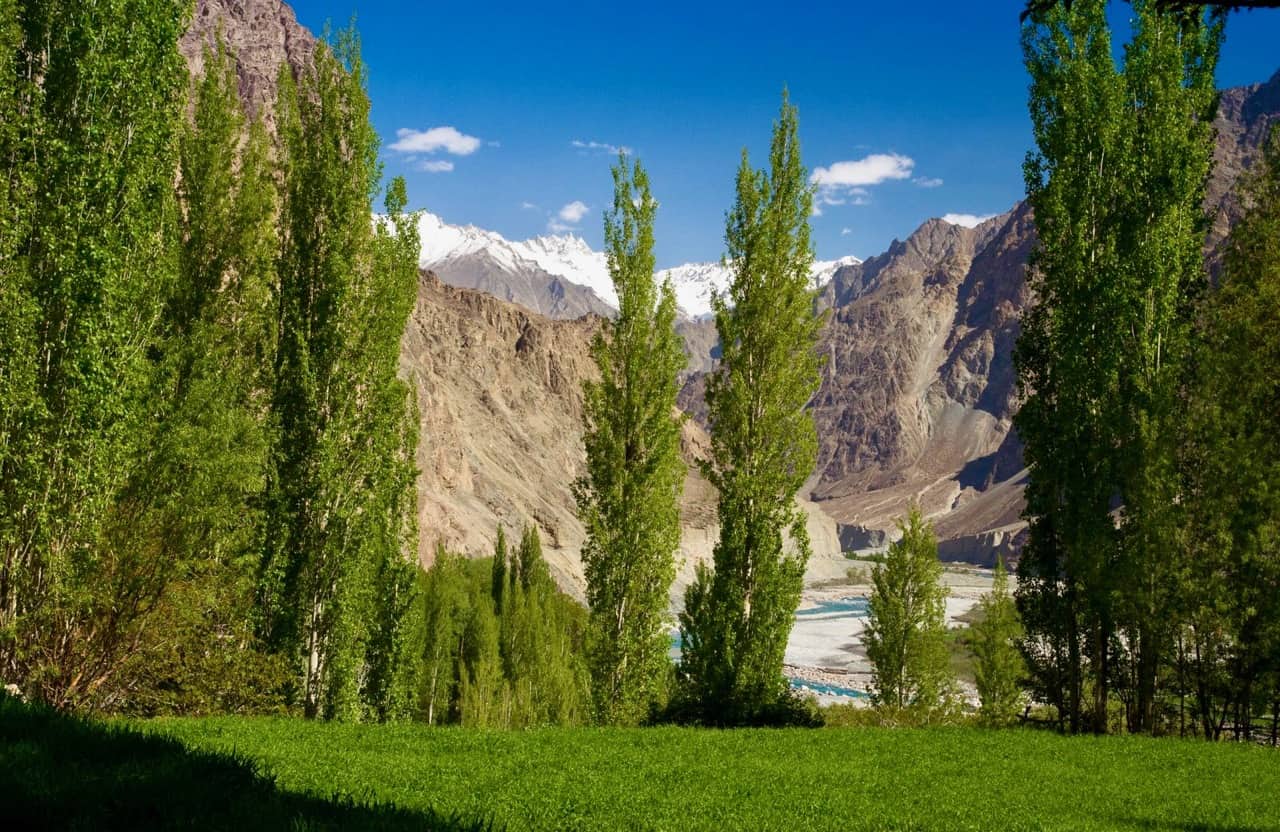
- Pharol (Farol) – Across the river, you reach Pharol by crossing a scenic bridge. With open buckwheat fields spreading as far as the mountains allow, you can view the K2 peak from here. Pharol houses most of the guesthouses in the area.
What Is the Weather Like in Turtuk?
Being a high desert, Turtuk gets virtually no rainfall. The peak summer month is July, with temperatures around 22 degrees Celsius. In January, temperatures can drop to around -10 degrees Celsius. Hence, the best time to visit Turtuk aligns with the Ladakh tourist season, which is June through September. May is also fine if the roads are clear.
What Languages Are Spoken in Turtuk?
Turtuk has a predominantly Muslim population, and the influence of its mixed history is evident in the local dialect. The primary languages include Ladakhi, Urdu, and Balti. Balti is an amalgamation of Persian and old Tibetan, and the language has a melodic quality to it. Interestingly, “Turtuk” in Balti means “a desire to stay,” which perfectly describes how the people feel about their home.
How to Plan Your Visit to Turtuk in 2026?
The best time to visit Turtuk is from June to September, coinciding with the Ladakh tourist season. Roads are clear, weather is pleasant, and the apricot trees are in full bloom during July and August. Keep in mind that you will need permits, and the journey from Leh takes a full day.


What Permits Do You Need for Turtuk?
An Inner Line Permit (ILP) is mandatory for Indian nationals visiting Turtuk. You can get permits online through the official ILP portal at lahdclehpermit.in. Permits are also available at the TIC Office in Main Market, Leh, on working days between 9:00 AM and 4:00 PM. The ILP for Indians is valid for up to 21 days. For foreign nationals, a Protected Area Permit (PAP) is required, valid for up to 15 days. Keep in mind that foreigners may face restrictions beyond Hunder due to the sensitive border area. Verify the latest rules before traveling.
How to Reach Turtuk from Leh?
Turtuk is approximately 205 km from Leh by road, and the journey takes 6 to 8 hours. The route goes via Khardung La (17,582 ft), then through Nubra Valley to Hunder, and finally another 80 km northward along the Shyok River. There is no railway station nearby. The nearest airport is Kushok Bakula Rimpochee Airport in Leh.
By Taxi
Both private and shared taxis are available from Leh. As per the Ladakh Taxi Union rate list, a private taxi for the Leh to Nubra Valley circuit including Turtuk costs around Rs 13,000 to 14,000 one way. Most travelers combine Turtuk with Nubra Valley and Pangong Tso into a multi-day circuit. In that case, hiring a taxi for the full duration (4 to 6 days) works out more economical. You can also find the contact details of reliable taxi drivers for Ladakh on this website.
By Bus
There are bi-weekly buses on the Leh to Turtuk route. Buses to Nubra Valley depart from Leh at 6:00 AM on Tuesdays, Thursdays, and Saturdays. From Diskit, you can catch a connecting service to Turtuk. Mostly locals use this mode of travel. The buses can be rough, not because of road conditions, but due to the condition of the vehicles. Do check timings at the Leh bus stand, as schedules may vary depending on weather and season. You can refer to the full details in our Leh to Nubra Valley Bus Service guide.
By Self-Drive
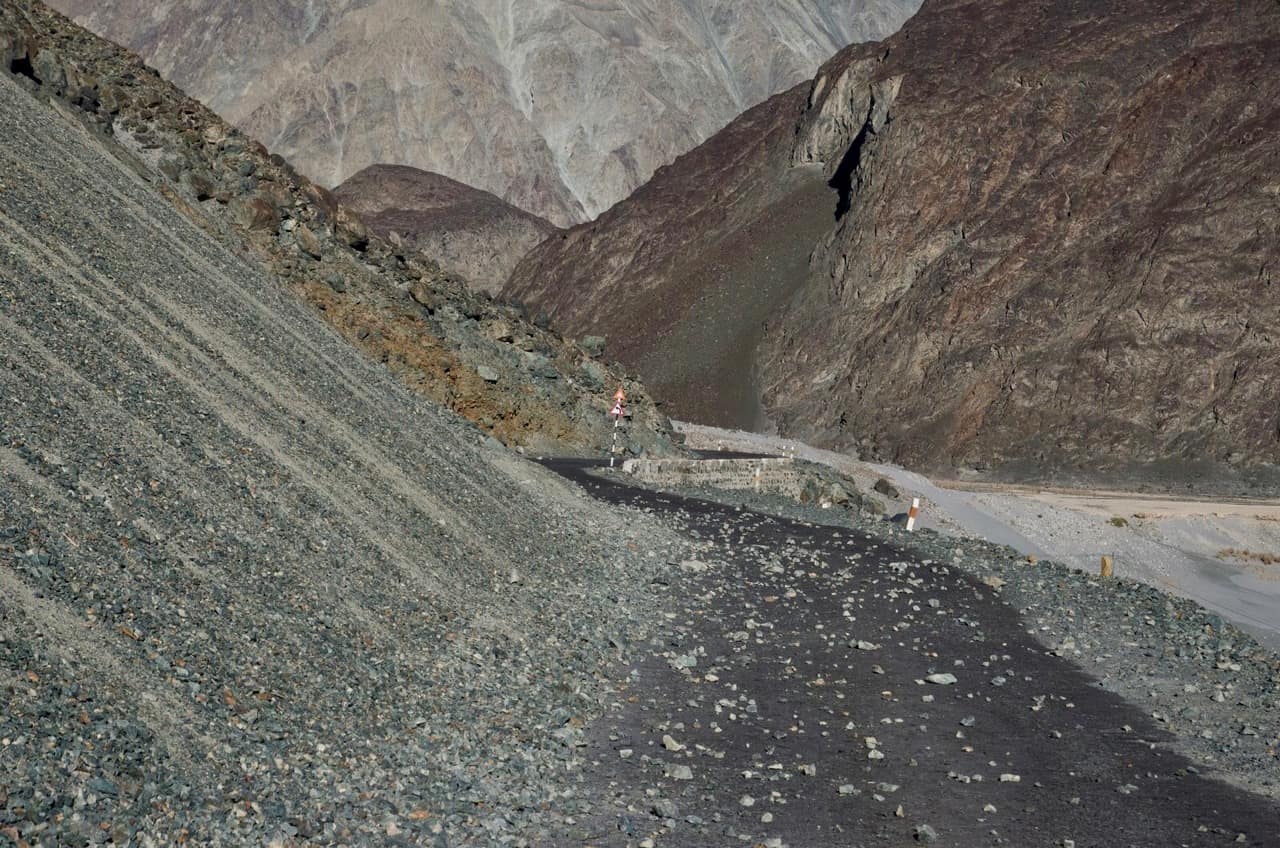
Self-driving gives you immense freedom with your schedule and is probably the best way to enjoy the landscapes of Ladakh at your own pace. However, you must be prepared for the difficult terrain. The road from Hunder to Turtuk has a tricky stretch of about 20 km before you reach the village, with loose gravel and narrow sections.
Getting Around Turtuk
As with most villages, the best way to explore Turtuk is on foot. The village is compact enough to walk everywhere, and walking through the narrow lanes and apricot orchards is part of the experience.
What Is the Best Itinerary for Turtuk from Leh?
Here is a standard 4-day itinerary that most travelers follow when visiting Turtuk from Leh. You can adjust this based on whether you want to continue to Pangong Tso or return to Leh.
Day 1: Leh to Nubra Valley (Hunder/Diskit)
The journey from Leh to Diskit and Hunder takes approximately 6 to 7 hours via Khardung La, one of the highest motorable passes in the world. Start as early as possible from Leh to avoid traffic at the pass. After descending from Khardung La, there are small dhabas along the way, but I would advise stopping a bit further ahead at Khalsar. This is the preferred pit stop for locals, serving fresh and decent food.
Sightseeing in Diskit, Night at Hunder
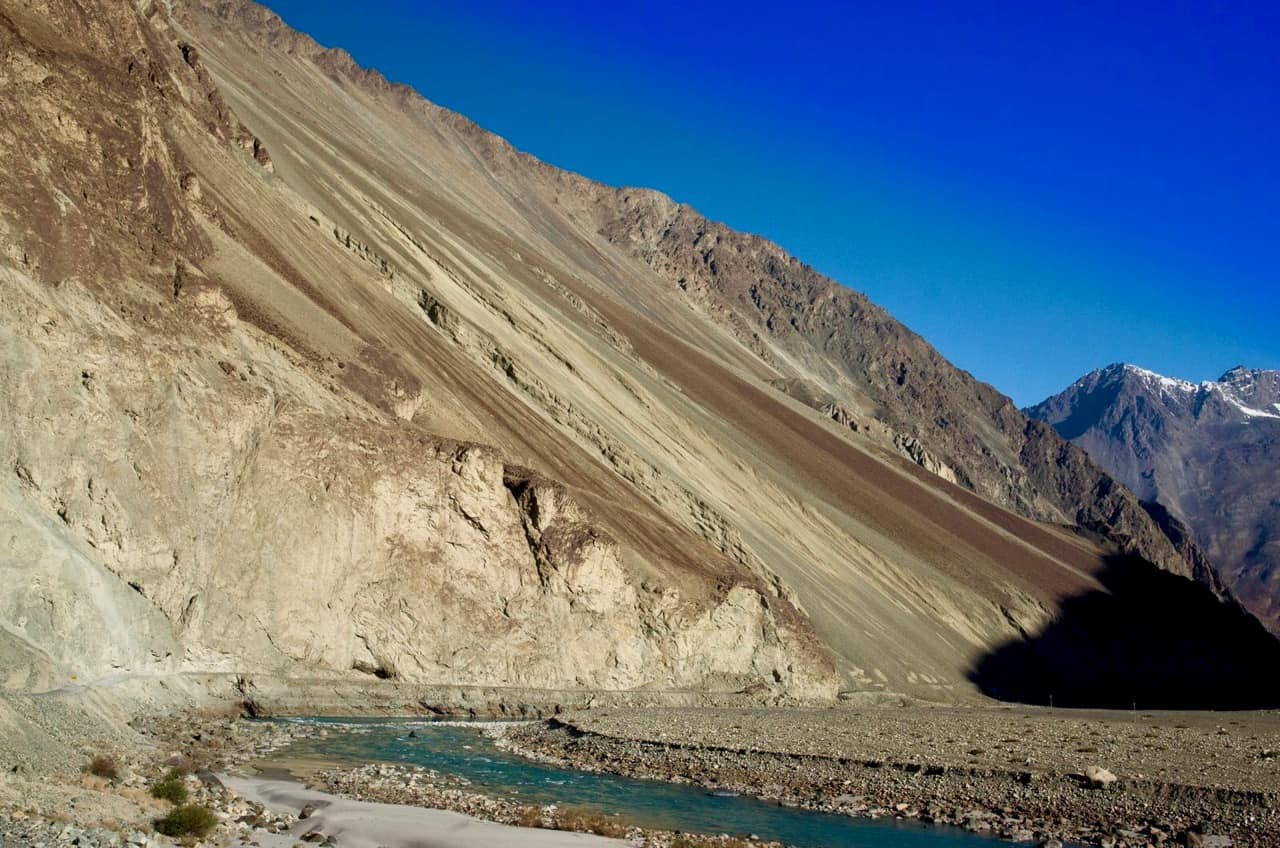
Spend the afternoon exploring Diskit Monastery and the famous sand dunes of Hunder. The Shyok River, which literally means “the river of death,” is actually a life-giver to this tiny village. The vegetation along the riverbed makes for a beautiful contrast against the barren brown mountains. Stay overnight in Hunder.
Day 2 and 3: Hunder to Turtuk and Sightseeing
Leave early from Hunder to cover the approximately 80 km distance to Turtuk. Since there are many attractions in the village, the more time you spend here, the better. Having a minimum of two days in Turtuk helps you genuinely absorb the quiet of nature and explore all the sights listed below.
Sightseeing and Trekking
The finest start to your day in Turtuk is to trek up to the waterfall and enjoy views of K2. After that, roam the village lanes, explore every nook and corner, and make friends with the locals. I promise you, they will make your day. Refer to the Himalayan trekking guide for general tips on trekking in the region.
Day 4: Return to Leh or Continue to Pangong Tso
After two days in Turtuk, you can either head back to Leh or take the direct route from Nubra to Pangong Tso via the Agham-Shyok road. The direct route to Pangong is roughly 160 km from Diskit and takes 5 to 7 hours. Keep in mind that the Agham-Shyok section can be landslide-prone during July and August.
What Is the Road Like from Hunder to Turtuk?
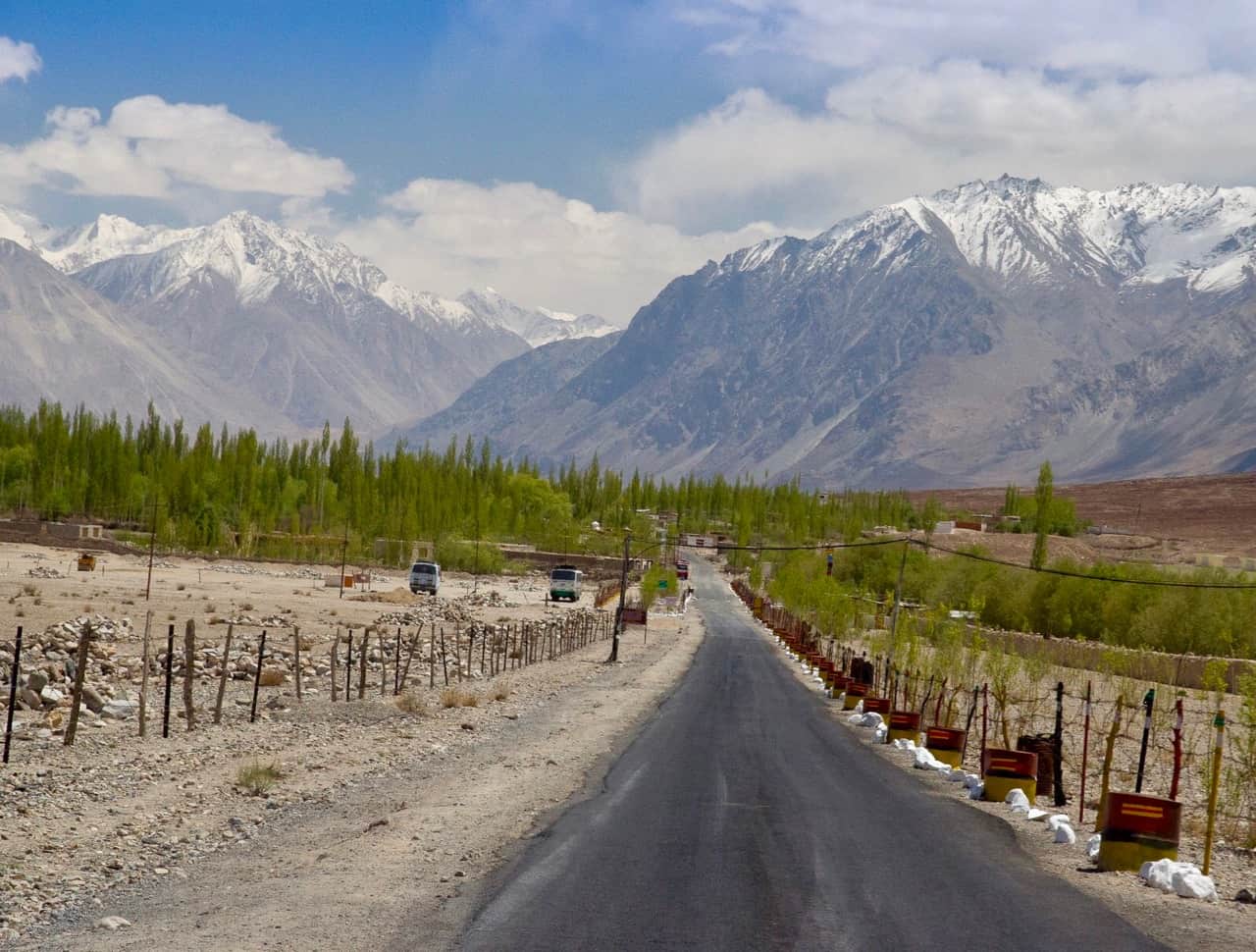
The 80 km drive from Hunder to Turtuk takes about 2.5 to 3 hours. From Hunder, you stay on the road heading northward alongside the Shyok River.
About 35 km after Hunder, you reach Thoise, a military airfield and tiny settlement. The name Thoise is actually an acronym standing for Transit Halt of Indian Soldiers Enroute (to Siachen). No photography is allowed here due to the sensitive nature of the area.
After Thoise, the route becomes isolated again with no sign of civilization. You will spot a few gompas sprinkled along the way as markers.
Settlements and Bridges Along the Way
Further ahead lies Bogdang, the largest settlement between Hunder and Turtuk. The beauty of this drive is in the greenery. You will cross a couple of well-built bridges that take you across the river a few times. After a few small communities, you reach Chalunka, a village along the Shyok that was on the India-Pakistan border until 1971.
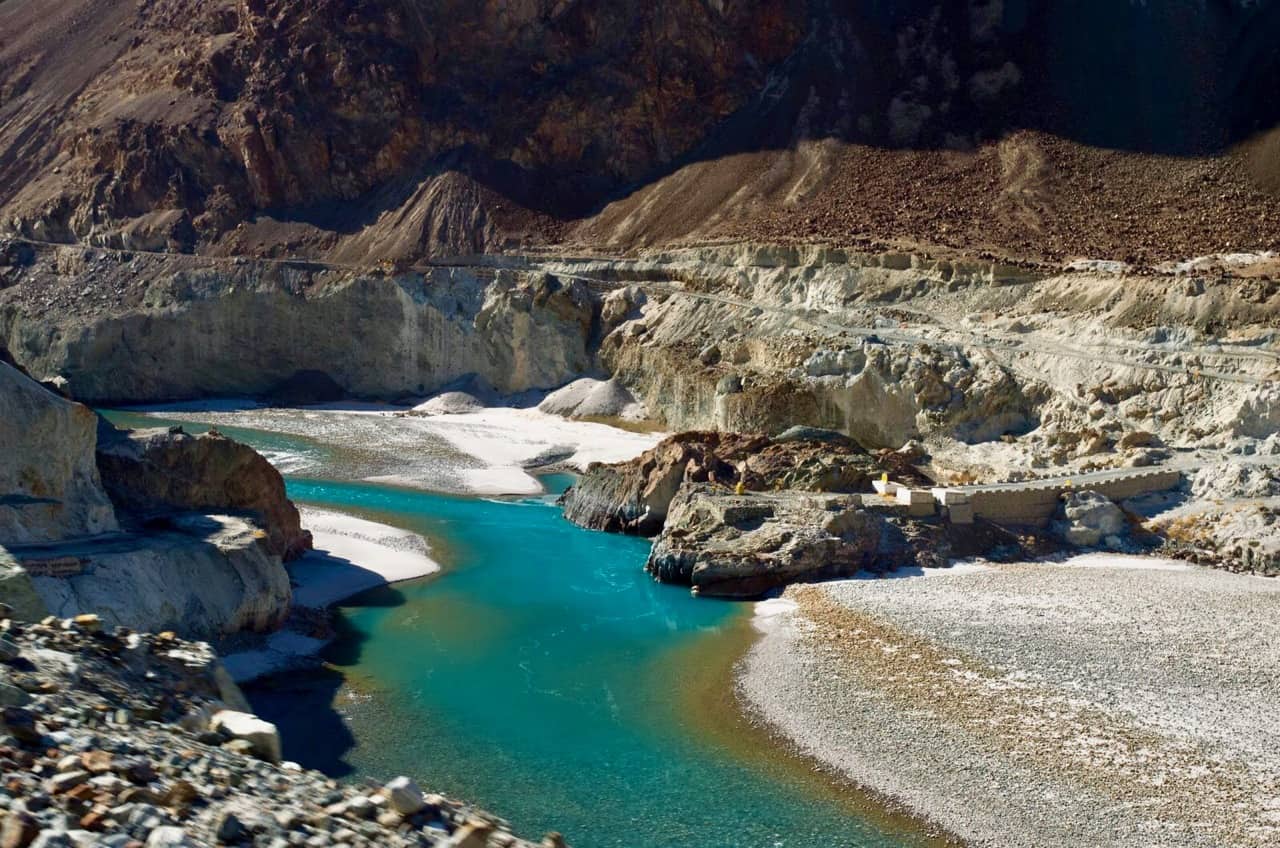
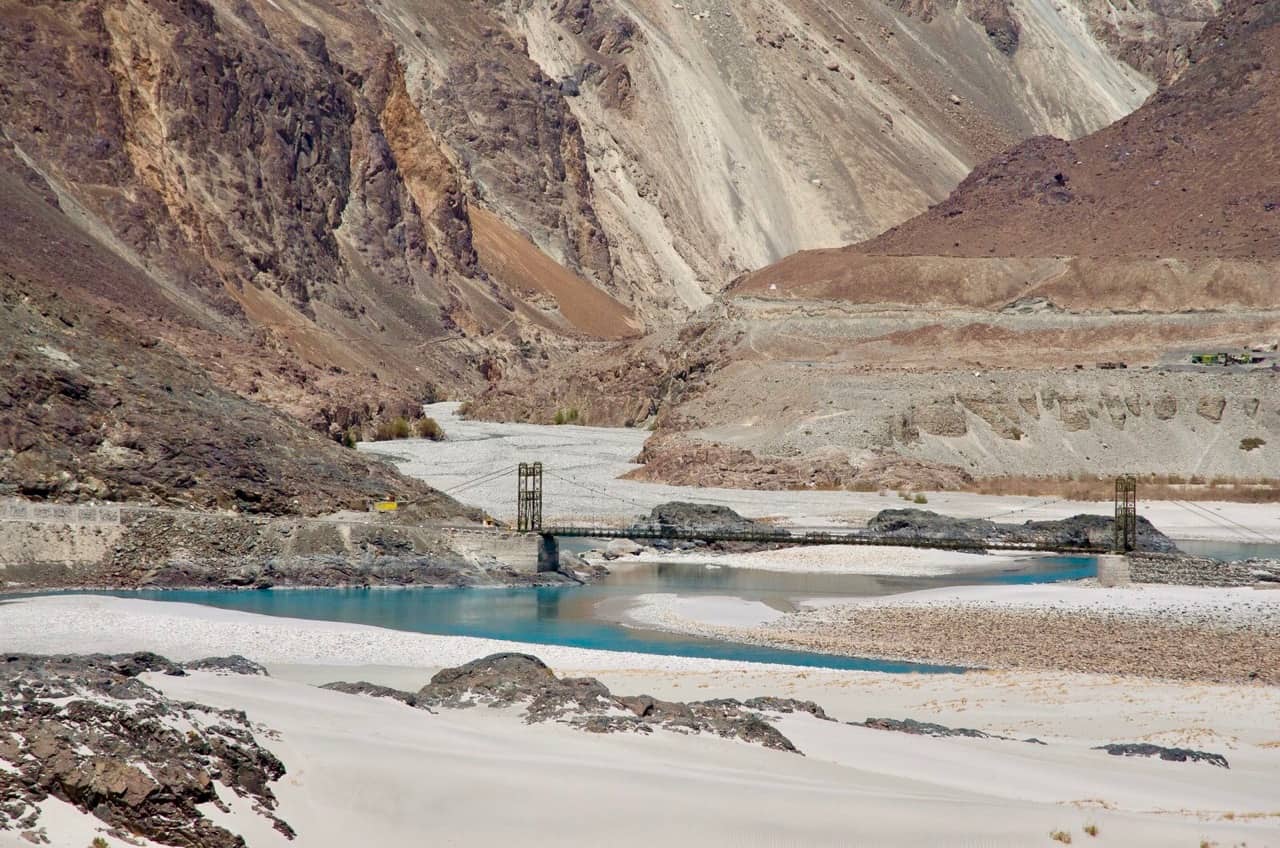
A massive suspension bridge over the clear Shyok River takes you down to the riverbed. Immediately after the bridge is an army check post where all identities are verified. This is where the area under Pakistan used to begin until 1971. The well-built road complements the blue waters and the barren brown hills. The route alternates between open areas and climbs in certain sections. There is a particularly tricky 20 km stretch right before entering Turtuk.
What Are the Top Things to Do in Turtuk?
Even though it is a small village, there is a lot to do in Turtuk. Whether you are looking for adventure, spirituality, or cultural immersion, this village has you covered. The list below does not even include the countless apricot and walnut farms that dot the landscape. Turtuk is the highest apricot producer in Ladakh.
Video: Nubra Valley Sightseeing
Must-Visit Attractions in Turtuk
- Natural Cold Storage – In Turtuk, villagers keep their perishables inside little hollows that are naturally cold. An underground glacial watercourse keeps these storage quarters icy throughout the year. It is a fascinating example of traditional engineering.
- Polo Ground – A 16th century polo ground that the younger generation still uses for friendly matches. If you are lucky, you might even get invited to join a game.
- Brokpa Fort – The ruins of Brokpa Fort give you a glimpse into how the Yagbo royalty once lived. The views from the fort are worth the short walk.
- Water Mill – A simple Greek-style watermill that takes you back in time. It is still in use by some families.
- Mosque, Balti Heritage House, and Monastery – All are worth visiting. These showcase unique combinations of the many cultures that have left their mark on the region. The mosque at Yul has wonderful carvings on its wooden ceiling and pillars, dating back to medieval times.
- Waterfall Trek – A challenging climb, literally hugging the mountain at certain points. This trek takes you up to the origin of the waterfall. It is tough and will get your heart pumping, but the view from the top is extraordinary. In the distance, you can catch a glimpse of K2, the second highest peak in the world after Mt. Everest. Budget about 3 hours for the round trip.
Where to Stay in Turtuk?
There are several guesthouses and homestays in Turtuk, and the locals are extremely welcoming hosts. Homestays in Turtuk typically charge Rs 800 to Rs 1,500 per person per night, which includes dinner and breakfast. The food is unique Balti cuisine, and star-gazing from your homestay roof is a favorite evening activity. Turtuk Holiday Camp offers tented accommodation with modern amenities, though it is on a slightly costlier side. Another highly recommended place is Maha Guest House in Pharol, which has a beautiful little garden cafe.
Community Recommendation: Ismail Homestay
BEGINNINGLESS shared in the Discover With Dheeraj forums: “I stayed at Ismail Homestay Turtuk with a sweet family for a month in Feb/Mar 2017. The host Ismail never let me pay for anything we ate outside. As it was freezing, they gave me a small stove to heat water for a mattress pad whenever I wanted. I had raw milk and natural, tasty apricots every day during my stay.”
Contact: Ismail at +91-9419300430
DDRDAS shared in the Discover With Dheeraj forums: “I stayed at Ismail Homestay in Turtuk while riding alone. The host and his son were very humble and friendly. You can order anything to eat within his limits. He also served us his special Kashmiri Kahwa tea. His grandpa makes woolen blankets with a small handloom, which you can buy for a modest price. And after all, it is an extraordinary place for me. I found my wife there who was also staying there at that time.”
What Can You Buy in Turtuk?
Apart from apricot products in all shapes and forms (dried apricots, apricot oil, apricot jam), Turtuk is also known for unique woodwork. Walking canes crafted by local artisans make for excellent souvenirs. You can also buy organic walnuts, handmade woolen blankets, and Balti handicrafts directly from the villagers.
What Is the Local Food Like in Turtuk?
There are a few small no-name restaurants in Turtuk, but the real culinary highlight is the Balti cuisine served at homestays and guesthouses. There is a tea shop near the mosque where enjoying a fresh, piping hot cup of tea is a simple pleasure. Here are three must-try Balti dishes:
- Zan with Tsamig – A savory buckwheat cake, steamed to perfection, often served alongside a mixture of greens and yogurt.
- Kissir with Grangtur – Buckwheat pancakes served with greens.
- Brakoo and Muskat – Buckwheat dumplings in a ground walnuts sauce with almonds and spices.
The freshest meals will be served at your homestay. Balti cuisine uses a lot of apricots and buckwheat, which adds a unique texture to the dishes. The cuisine of this region is primarily vegetarian, due to limited resources for poultry upkeep. A meal at a homestay costs roughly Rs 200 to Rs 400 per person.
What Are the Essential Tips for Visiting Turtuk?
- Electricity is limited. Power runs only a few hours a day in Turtuk. Hence, remember to charge your devices (especially your camera) whenever electricity is available.
- Mobile connectivity is sparse. BSNL postpaid connections work intermittently in Turtuk. Jio and Airtel have been expanding coverage in Nubra Valley, but signal in Turtuk itself remains unreliable as of 2026. Inform your family before going offline.
- Fuel up at Diskit. The nearest petrol pump is in Diskit, Nubra Valley. It can be intermittently stocked, so carry enough fuel for the full return journey if self-driving.
- Medical facilities are basic. There is a public health center in Chutang. Bogdang, on the route from Hunder, has a hospital for emergencies.
- Army presence is significant. Due to the proximity to the LoC, there is a large army presence. When in doubt, feel free to approach the Army for any concern.
- Carry water and snacks. Stay hydrated to combat AMS symptoms in the high-altitude desert. There are no commercial establishments between Hunder and Turtuk, so carry snacks and water.
- Ramadan awareness. Visiting during Ramadan may mean limited food options during the day, as being a predominantly Muslim region, most locals will be fasting. Guesthouses and homestays will provide lunch for visitors.
- Respect local culture. Turtuk is a conservative place and has not been open to tourism for very long. Please respect local customs. Dress modestly in full-length trousers and long-sleeved shirts. This applies to both men and women. Avoid smoking, consuming alcohol in public, and public displays of affection.
Community Tips for Turtuk from Fellow Travelers
- If you do not mind roughing it a bit, a relatively inexpensive way to reach Turtuk from Leh is to first take an early morning shared taxi to Diskit from near the Polo Ground in Leh. From Diskit, catch the afternoon bus to Turtuk.
- Some tourists distribute chocolates and gifts to children in the village. While the intention is compassionate, I have come to realize this does more harm than good. It encourages children to pester other tourists for handouts. A better approach is to donate books and stationery to one of the local schools, who can pass them on to deserving children.
- Though the village is Muslim, there is a small Buddhist gompa perched on a hillock above the village. It is a pleasant hike up to the gompa, and there are fine views from the top, including the snow-clad peak of K2.
- The mosque at Yul has wonderful carvings on its wooden ceiling and pillars, dating back to medieval times. Though it is being renovated over the years, much of what you see is relatively recent.
- During each visit, staying at the Maha Guest House in Pharol, the early morning prayer recitation at the mosque is something that stays with you. Thanks to Hatim for sharing these details in our community.
Turtuk Travel Guide 2026: Quick Reference
| Detail | Information |
|---|---|
| Altitude | 3,001 m (9,846 ft) |
| Distance from Leh | ~205 km (6-8 hours by road) |
| Distance from Hunder | ~80 km (2.5-3 hours) |
| Best Time to Visit | June to September |
| Permit Required | ILP for Indians, PAP for Foreigners |
| Nearest Airport | Leh (Kushok Bakula Rimpochee) |
| Nearest Petrol Pump | Diskit, Nubra Valley |
| Mobile Network | BSNL postpaid (intermittent) |
| Homestay Cost | Rs 800-1,500/person (with meals) |
| Taxi (Leh-Nubra-Turtuk) | Rs 13,000-14,000 (private, one way) |
| ATM | None in Turtuk (nearest in Diskit/Leh) |
| Languages | Balti, Ladakhi, Urdu |
Last Updated: March 2026
Final Thoughts on Turtuk
With the front line only 7 km away, Turtuk remains an enigma for most visitors. Having weathered a tumultuous past, the sweetness and friendliness of the people here is even more striking. Turtuk is an oasis in the high desert, and it stays with you long after you leave.
A largely self-sufficient village, Turtuk has been a welcoming host since it opened to outsiders in 2010. If you want to experience a part of Ladakh that feels completely different from the rest, Turtuk is where you should go. The Balti culture, the apricot orchards, the views of K2, the warmth of the locals. It all comes together into something you will not find anywhere else in India.
I hope this Turtuk travel guide helps you plan your visit. If you have any questions about planning your trip, feel free to ask in the comments section below or on our Ladakh itinerary guide. And if you have been to Turtuk, I would love to hear your experience. Your tips and recommendations help other fellow travelers in the DwD community plan better trips 🙂
Also check out our detailed guides for Pangong Tso, Nubra Valley, and Zanskar Valley to plan the rest of your Ladakh trip.
Follow me on Instagram and Ask any questions you might have for me!!
Frequently Asked Questions About Turtuk
Is Turtuk safe to visit?
Yes, Turtuk is safe to visit. Despite being close to the Line of Control, the Indian Army has a strong presence in the area and the village has been welcoming tourists since 2010. The locals are extremely friendly and helpful. Just carry your ILP and follow the rules at army check posts.
Can foreigners visit Turtuk?
As of 2026, foreign nationals need a Protected Area Permit (PAP) to visit Turtuk. However, access for foreigners can be restricted beyond Hunder depending on current security conditions. It is best to check the latest rules with the District Magistrate’s office in Leh before planning your visit.
How many days are enough for Turtuk?
You need a minimum of 2 nights in Turtuk to properly explore the village, do the waterfall trek, and interact with locals. Most travelers spend 2 to 3 nights as part of a larger Nubra Valley circuit from Leh. A rushed day trip from Hunder is possible but not recommended.
Is there an ATM in Turtuk?
No. There is no ATM in Turtuk. The nearest ATM is in Diskit (Nubra Valley) or Leh. Carry sufficient cash for your entire stay. UPI and digital payments are generally not available at homestays and small shops in Turtuk.
What is the best time to visit Turtuk for apricot season?
The apricot season in Turtuk peaks in July and August. If you visit during these months, you can see the orchards laden with fresh apricots and buy organic dried apricots, apricot oil, and apricot jam directly from the villagers.
Is there mobile network in Turtuk?
BSNL postpaid works intermittently in Turtuk. Jio and Airtel have limited to no coverage as of 2026. Keep in mind that you will likely be offline for most of your stay. Inform your family beforehand and enjoy the digital detox.
Can I visit Turtuk and Pangong Tso in the same trip?
Yes, most travelers combine Turtuk with Nubra Valley and Pangong Tso in a single circuit from Leh. After visiting Turtuk, return to Hunder/Diskit and take the direct Nubra to Pangong route via the Agham-Shyok road. This route is approximately 160 km and takes 5 to 7 hours. It is open from May to October.
What is the altitude of Turtuk? Will I get altitude sickness?
Turtuk is at 3,001 meters (9,846 ft), which is actually lower than Leh (11,520 ft). If you have already acclimatized in Leh for 1 to 2 days, you are unlikely to face serious AMS issues in Turtuk. However, the journey involves crossing Khardung La at 17,582 ft, so proper acclimatization in Leh is essential before starting.

8 Comments
Comments section gets closed in 90 days. To ask your travel questions, you can follow my YouTube Channel for a faster reply or for a much slower reply follow me on Instagram. :)
Wow…what a gem of a post. Came to know about many things that I didn’t know earlier. An enriching experience.
Thank you so much! I am always so glad when my work is appreciated by fellow travelers! 🙂
A very well-researched article. I visited Turtuk thrice between 2012 and 2014. If I were to describe Turtuk in one word, that word would be enchanting. It’s so very different in all respects – culturally, geographically, linguistically – not just from the rest of India but also from other parts of Ladakh. In addition to the exhaustive information you’ve provided in your excellent article, I would like to add a few more pointers, based on my own travels in the region, that may be of interest to your readers:
1. If you don’t mind roughing it a bit, a relatively inexpensive and convenient way to get to Turtuk from Leh is to first take an early morning shared taxi/jeep to Diskit. These taxis/jeeps leave from near the Polo Ground. From Diskit, you can catch the afternoon bus to Turtuk.
2. You’ve written about inner line permits but I didn’t need a permit to visit Turtuk in 2014 – all I had to do was show my id at the checkpoints. The requirement to obtain inner line permits was done away with that year for Indian tourists. That said, it’s been 4 years so going by your article it looks like the situation has changed and permits have been reintroduced.
3. Turtuk is a conservative place and it hasn’t been long since the place was opened to tourism – in fact for most residents of the village this was their first contact with the outside world. I would request tourists to please respect local customs and sensitivities – dress modestly in full length trousers and long-sleeved shirts – this applies to both men and women. Please don’t smoke or consume alcohol and please, no PDAs.
4. Some tourists, and I must confess I have been guilty of this too, distribute small gifts such as chocolates, pencils, etc to the children in the village. The tendency I appreciate flows out of compassion but I’ve come to realise this does more harm than good. It only encourages children to pester other tourists for gifts and money. A better idea would be to donate books, stationery, etc to one of the local schools who could then pass them on to deserving children as they deem appropriate.
5. Though the village is Muslim, there is a small Buddhist gompa perched on a hillock above the village. It’s a pleasant hike up to the gompa and there are fine views from the top, including of the snow-clad peak of K2.
6. The mosque at Youl has some very fine carvings on its wooden ceiling and pillars. The mosque dates back to medieval times though it’s been renovated over the years and most of what we see now would be more recent.
7. During each visit I stayed at the Maha Guest House in Farol and each day after the early morning prayers at the mosque, there would a recitation of the glories and praises of Allah. This is the most beautiful recitation I have ever heard and I would go to the ends of the earth to hear it again. Truly, the faithful in Turtuk are fortunate.
Hope these tips prove useful to those planning to visit Turtuk. If readers would like any specific piece of advice or information with respect to travelling to Turtuk, feel free to get in touch with me. I also have a lot of photos of Turtuk that I would be happy to share.
Hatim
Thank you so much Hatim for the wonderful information, I have updated it in the article
The pleasure is mine Dheeraj. Your site helped me immensely in planning my trips to Ladakh. Therefore I am more than happy to share my own experiences and give back to the community. Thank you for the excellent articles and information you provide on your site – it is invaluable to all of us who so love the Himalayan/trans-Himalayan region and keep returning there again and again.
And yes, permits are needed again
Thanks for letting me know Dheeraj, appreciate it!
Greetings from Balti Heritage House and Museum!