


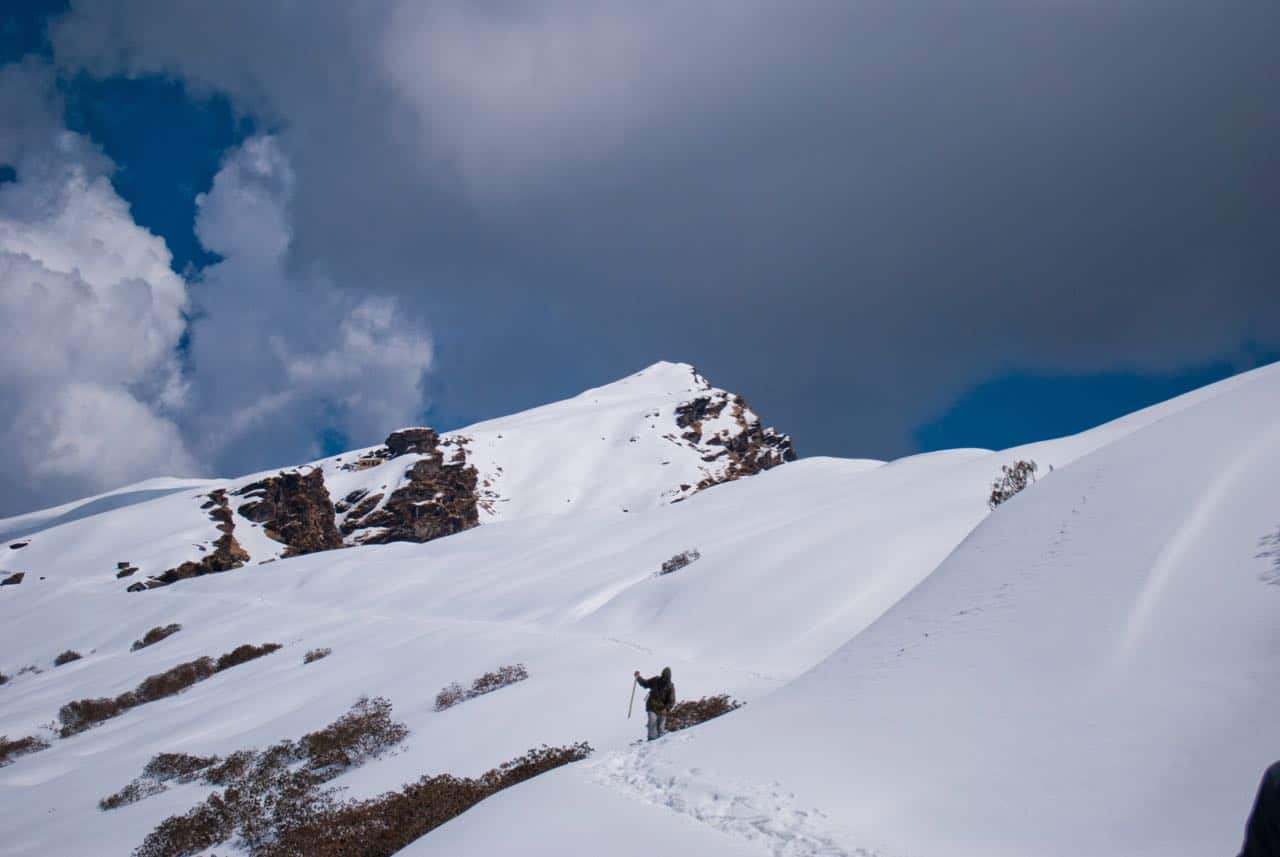
Trekking in the Himalayas changes you. I am not saying this to sound dramatic. After years of walking through these mountains, from the pine forests of Himachal to the barren passes of Ladakh, I can tell you that no amount of reading prepares you for what the Himalayas actually feel like under your feet. The thin air, the silence at 14,000 feet, the way a glacial stream sounds at dawn. It stays with you.
If you are a first-time trekker planning your maiden Himalayan trek in 2026, this guide covers everything you need to know. From choosing the right trail and training your body, to packing smart and handling altitude sickness. I have made most of the beginner mistakes myself over the years, so consider this a shortcut to learning from mine.
Let's quickly dive into the details:
What Makes Trekking in the Himalayas Different from Regular Hiking?
The Himalayas are not your weekend hill station walk. The elevation range here goes from 6,000 feet to well above 18,000 feet, and the terrain shifts from dense oak forests to snowfields within a single day’s walk. Weather changes in minutes. A sunny morning at Bhojbasa can turn into a whiteout by afternoon. The remoteness means that once you are on the trail, the nearest hospital could be a day’s walk away.
That said, the Indian Himalayas have some of the most accessible and well-organized beginner treks anywhere in the world. With the right preparation, even someone who has never camped before can safely complete treks like Kedarkantha, Nag Tibba, or Chopta-Chandrashila in Uttarakhand or Triund and Kheerganga in Himachal Pradesh.

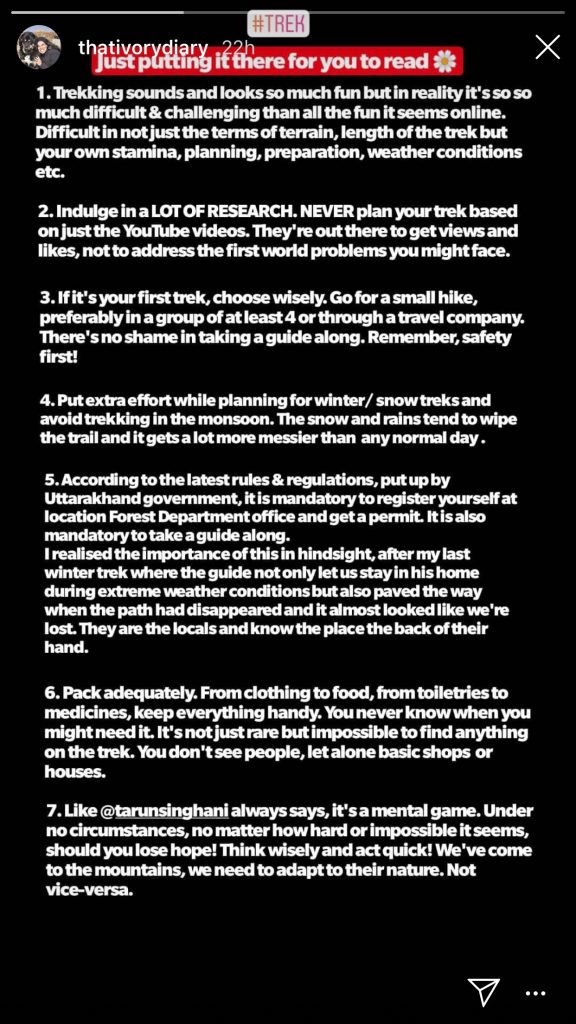
Download your FREE high-resolution PDF copy of this infographic guide about important tips for your first Himalayan trek. If you found it helpful, please feel free to share it with your family and friends.
How Do You Choose the Right Beginner Trek in the Himalayas?
This is where most first-timers go wrong. The excitement of planning a trek makes people aim too high, too fast. I have seen people sign up for Hampta Pass or Pin Parvati as their very first trek, only to struggle from Day 1 and not enjoy a single moment of it.
Start with a trek that matches your current fitness level, not the fitness level you hope to achieve. A 2-3 day trek at moderate altitude (8,000-12,000 feet) is ideal for your first time. Here are some excellent choices for 2026:
- Triund (Himachal): 9,350 feet, 1-2 days, easy. Perfect weekend trek from Delhi. Read our complete Triund trek guide.
- Kheerganga (Himachal): 9,700 feet, 2 days, easy-moderate. Hot springs at the summit campsite. See the Kheerganga trek guide for beginners.
- Kedarkantha (Uttarakhand): 12,500 feet, 4-5 days, moderate. Best winter trek in India (Dec-March). Check our Kedarkantha backpacking guide.
- Chopta-Chandrashila (Uttarakhand): 13,000 feet, 3 days, moderate. Stunning 360-degree summit views. See the Tungnath-Chandrashila itinerary.
- Valley of Flowers (Uttarakhand): 11,500 feet, 5-6 days, moderate. UNESCO World Heritage Site, best July-August. Read our Valley of Flowers travel guide.
Keep in mind, a trek that is graded “easy” when done in 5 days can become back-breaking if you try to squeeze it into 3. Always keep buffer days in your itinerary. Weather delays, muscle soreness, or a bad night’s sleep can throw off your schedule. I usually add at least 1-2 extra days to any trek plan.
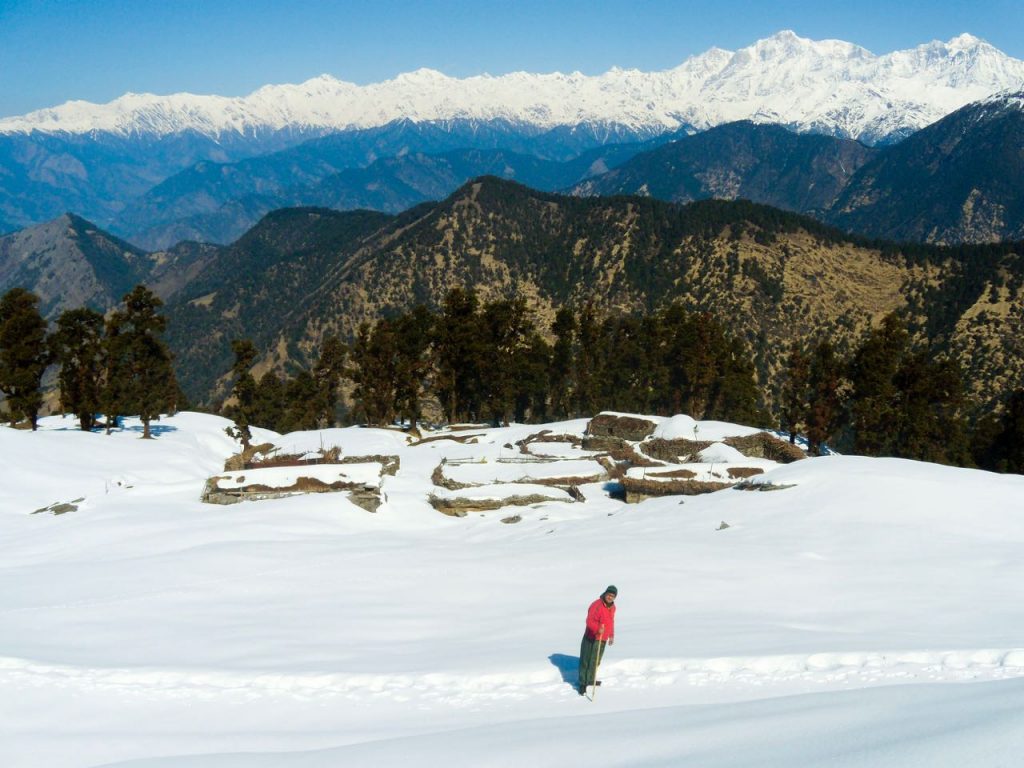
How Should You Research and Plan Your First Himalayan Trek?
Research is the difference between a well-planned trek and a miserable one. Before you book anything, spend time understanding the trail, the season, and the logistics. Here is what to focus on:
Trail conditions and season: Most Himalayan treks have a specific window. Uttarakhand treks like Kedarkantha are best in winter (December-March), while Valley of Flowers opens only in July-August. Hampta Pass is best June-September. Going outside the season means either dangerous conditions or a closed trail.
Permits: Many treks in 2026 require forest permits or national park entry fees. Uttarakhand charges Rs 150 per person for Indian nationals at most national park treks (Gangotri, Valley of Flowers, Nanda Devi). Himachal treks near Rohtang need a congestion permit. Always check permit requirements at least 2 weeks before your trek date.
Reliable information sources: Do not rely on random YouTube vlogs or Instagram reels for trek planning. Read detailed trail descriptions, check recent trip reports from the same month you plan to go, and verify road conditions. Half-baked information from social media has led to many avoidable accidents in the mountains.
Do You Need a Guide for Trekking in the Himalayas?
For your first trek, yes. Absolutely. No exceptions. Even if the trail seems straightforward on paper, having an experienced local guide can be the difference between a safe trek and a dangerous situation. Guides know the terrain, they can read weather changes, and they know what to do if someone in the group gets altitude sickness or an injury. The same applies beyond the Himalayas, where the living root bridge trek in Meghalaya now requires a registered guide.
After a few treks, some people start going without guides on well-marked trails like Triund or Kheerganga. That is a personal call. But I will say this: the mountains are unpredictable. I have been trekking for years and I still hire local guides for unfamiliar routes. It supports the local economy too, which is something we always encourage at the DwD community through our responsible travel initiatives.
Guide costs in 2026 range from Rs 800-1,500 per day for basic treks in Himachal and Uttarakhand. For organized group treks through operators, expect to pay Rs 5,000-12,000 per person for a 4-5 day trek including meals, camping, and guide.


How Should You Train Your Body Before a Himalayan Trek?
This is where many beginners underestimate the challenge. Trekking at altitude is not the same as walking on flat ground. Your heart works harder, your lungs demand more, and your legs carry a loaded backpack for 5-8 hours a day. If you show up unfit, you will struggle from Day 1 and miss the experience entirely.
Start training at least 6-8 weeks before your trek date. Here is a practical training plan:

Cardiovascular fitness (3-4 times per week): Running, cycling, swimming, or stair climbing. Start with 20 minutes and build to 45-60 minutes. The goal is to sustain moderate effort for hours, not to sprint.
Leg strength (2-3 times per week): Squats, lunges, step-ups, and calf raises. Your legs carry you and your backpack. Weak legs mean knee pain by Day 2.
Core and back (2 times per week): Planks, dead bugs, and back extensions. A strong core keeps your posture right under a heavy rucksack and prevents lower back pain.
Practice hikes: If possible, do 2-3 practice hikes with a loaded backpack (8-10 kg) on local hills or stairs. This is the single best preparation you can do.
I have seen many people give up just before the summit because they did not take fitness seriously. That is the worst feeling as a trekker. The view from the top belongs to those who prepared for it.
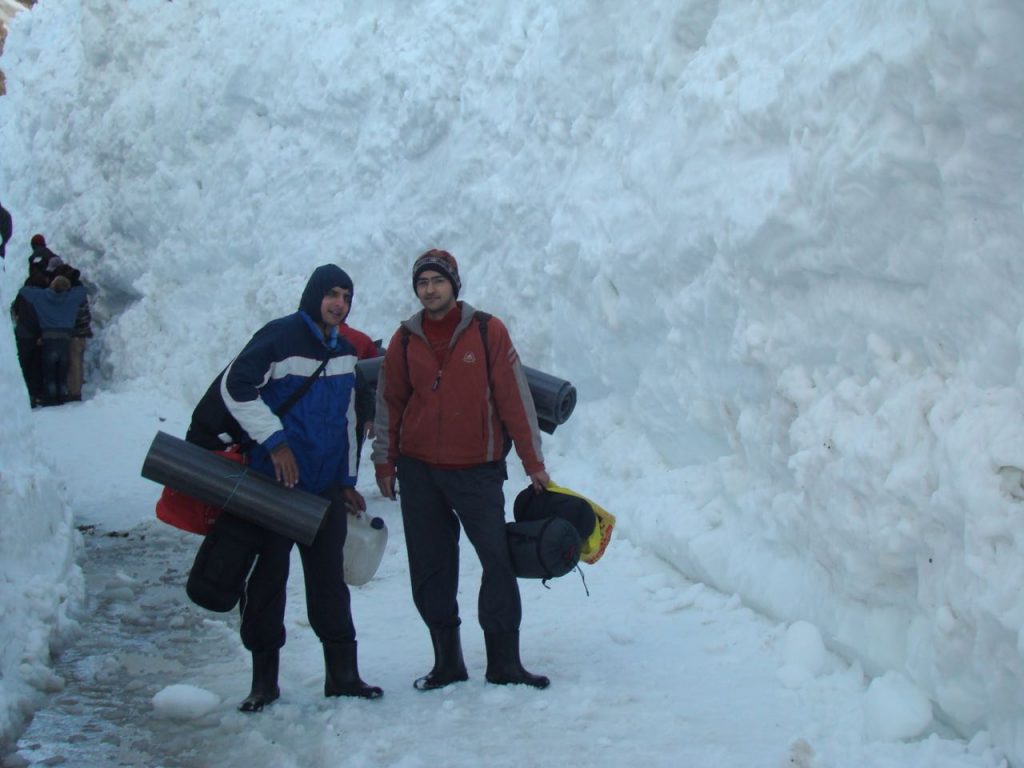
How Important Is Mental Preparation for Himalayan Trekking?
Trekking is at least 50% mental. Your body will hurt. Your muscles will be sore. There will be moments when you want to turn back. That is completely normal, and it is part of the experience.
A great trick that I always use is to visualize yourself at the summit before you start. Picture the view, the feeling of accomplishment, the photo you will take. When the climb gets hard, that image pulls you forward.
Also prepare yourself mentally for basic living conditions. Tent camping means cold nights, sleeping bags on hard ground, no attached bathrooms, and limited food choices. If this is your first time sleeping in a tent, do not let it stress you out. Embrace it as part of the adventure. After the first night, you adjust faster than you expect.
What Gear and Clothing Do You Need for Trekking in the Himalayas?
Packing smart is one of the most important skills for a Himalayan trek. The golden rule: pack light, but pack right. An overloaded rucksack will drain your energy faster than the altitude. Here is what you actually need:
Trekking Shoes (Non-Negotiable)
Your trekking shoes are the single most important piece of gear. Never, and I mean never, wear sports shoes or regular sneakers on a Himalayan trek. Proper trekking shoes provide ankle support on uneven terrain, grip on loose rocks, and insulation in cold conditions.
Buy shoes with hard soles and good ankle support. For budget-friendly options, Quechua (Decathlon’s brand) and Forclaz work well for beginners, starting around Rs 2,500-4,000. For a detailed comparison, check our guide on the best trekking shoes under Rs 5,000.
Critical tip: Buy your shoes at least 2-3 weeks before the trek and break them in by wearing them on walks. Wearing brand new shoes on a trek is a recipe for blisters that can ruin your entire trip. When buying, wear the thick socks you plan to trek in, so you get the right fit.
Clothing Layers
Weather in the Himalayas changes fast. You could be sweating during a steep climb and freezing at the campsite two hours later. The layering system handles this:
- Base layer: Moisture-wicking synthetic or merino wool. Never cotton, as it stays wet and does not insulate.
- Mid layer: Fleece jacket or light down jacket for warmth.
- Outer layer: Waterproof, windproof jacket. This is essential even in summer.
- Bottom: Trek pants (convertible ones with zip-off legs are practical). Avoid jeans entirely.
- Socks: Thick synthetic or wool trekking socks. Carry 2-3 pairs. Never cotton socks.
- Head: Sun hat for daytime, warm beanie for nights. UV protection sunglasses.
Trekking Poles
Trekking poles are the most underrated piece of gear for beginners. They act as your third leg, providing constant balance and stability on uneven terrain. On descents, they save your knees enormous stress. Studies suggest trekking poles can reduce strain on your knees by up to 25-30%.
You can buy a decent pair of aluminium trekking poles for Rs 500-1,500 at Decathlon, or rent them at most trek base camps for Rs 100-200 per day.
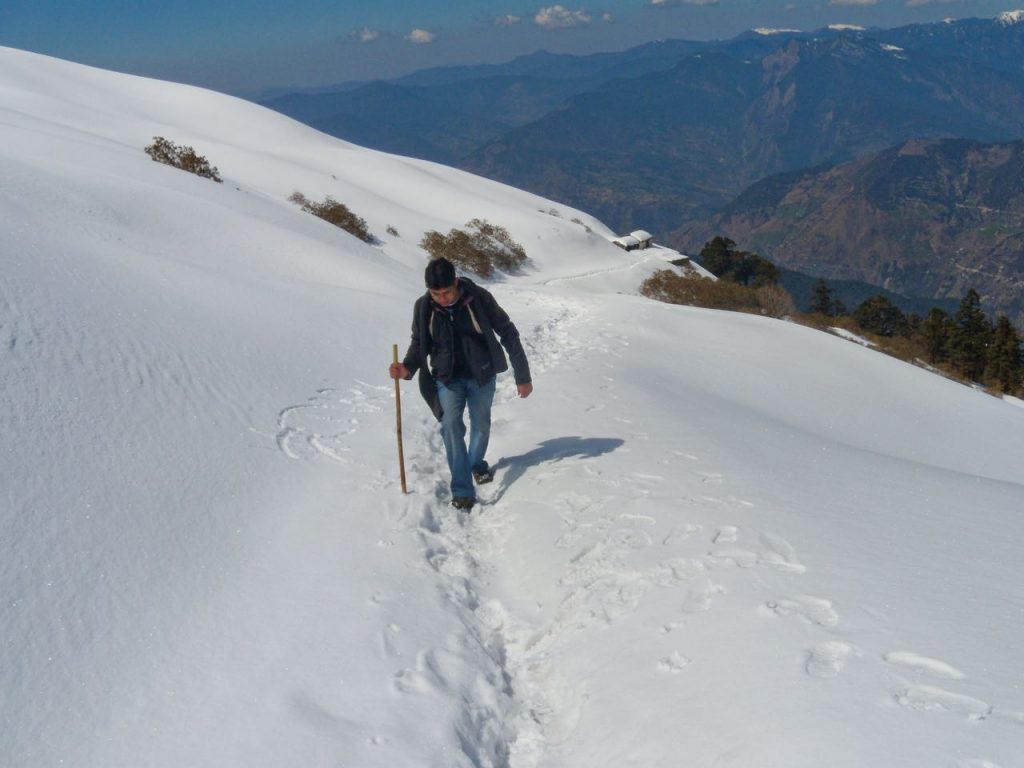
Essential Items Checklist
- Rucksack (40-50 liters with rain cover)
- Headlamp with extra batteries (not just your phone flashlight)
- Sunscreen SPF 50+ and lip balm with UV protection
- Refillable water bottle (1-2 liters)
- Basic first aid kit and personal medicines
- Pocket knife, waterproof matches or lighter
- Biodegradable toilet paper and hand sanitizer
- Permits, ID cards, and cash (ATMs are rare on trek routes)
- Power bank (solar-powered if possible)
- Garbage bags for your waste (leave no trace)
For a complete packing list, check our ultimate trekking and hiking packing guide and the comprehensive list of things to carry for any trip.

How Do You Prevent and Handle Altitude Sickness on a Trek?
Acute Mountain Sickness (AMS) is the biggest health risk on any Himalayan trek above 8,000 feet. It happens when your body does not get enough time to adjust to reduced oxygen at higher elevations. AMS does not discriminate. It affects fit and unfit people equally, and ignoring the symptoms can lead to life-threatening conditions like HAPE (High Altitude Pulmonary Edema) or HACE (High Altitude Cerebral Edema).
Here is what you need to know for safe trekking at altitude:
- Ascend gradually: Above 10,000 feet, do not gain more than 1,000-1,500 feet of sleeping altitude per day. Most good trek itineraries are designed with this rule built in.
- Hydrate aggressively: Drink 3-4 liters of water daily, even if you do not feel thirsty. Dehydration worsens AMS symptoms.
- Watch for symptoms: Headache, nausea, dizziness, loss of appetite, difficulty sleeping. Mild symptoms are normal at altitude. But if they worsen despite rest, descend immediately.
- Diamox (Acetazolamide): Many trekkers take 125mg twice daily as a preventive measure. Consult your doctor before starting. It helps your body acclimatize faster but is not a cure for AMS.
- Never ignore severe symptoms: Confusion, inability to walk straight, persistent vomiting, or breathlessness at rest are emergencies. Descend immediately and seek medical help.
For a detailed understanding of altitude sickness and how to manage it, read our comprehensive guide on AMS and the importance of acclimatization.
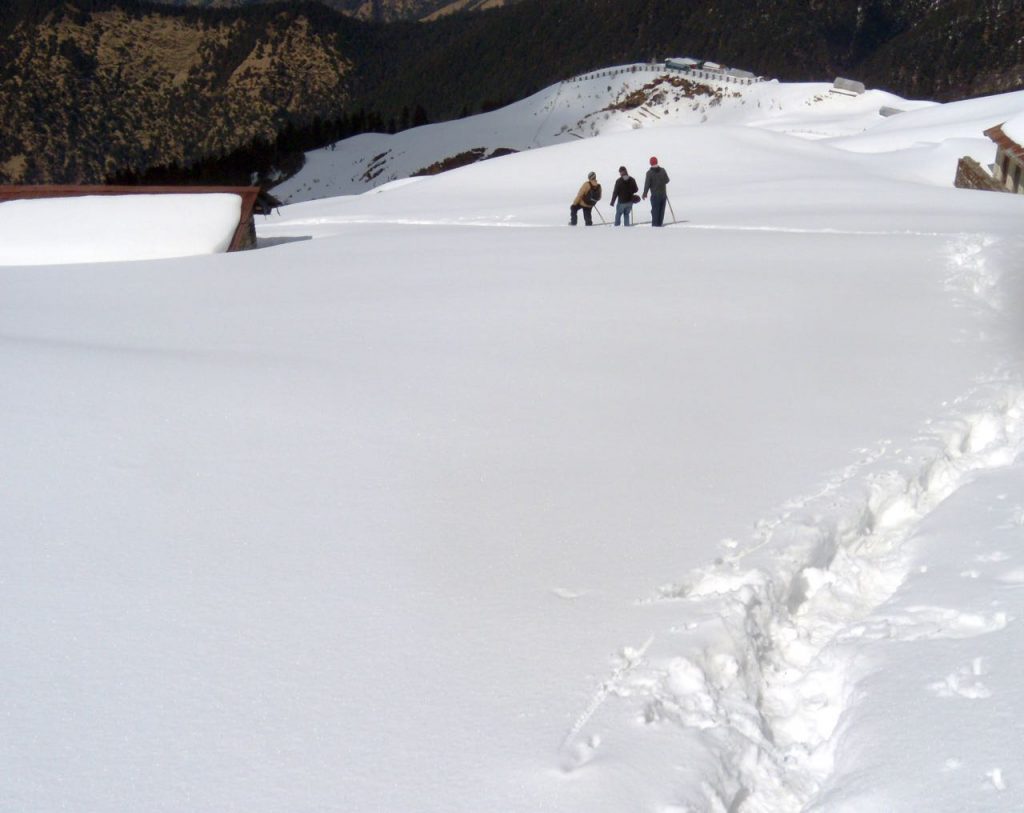
What Should You Do During the Trek?
The day is here. Your bag is packed, your shoes are broken in, and you are standing at the trailhead with your group. Here are the things that matter most once you start walking.
Pace yourself on Day 1: The most common beginner mistake is starting too fast. Your body needs time to adjust to the altitude and the sustained effort. Walk at a pace where you can hold a conversation. If you are gasping for breath, you are going too fast.
Listen to your body: There is a difference between the discomfort of pushing through lethargy and the pain of an injury. Learn to tell them apart. Muscle soreness is normal. Sharp knee pain or persistent headache is your body telling you to stop. Communicate with your guide and group. There is no shame in going slow.
Help fellow trekkers: Whether it is a word of encouragement on a steep section or lending out spare socks, trekking builds community. The person struggling behind you today might be the one who pulls you up tomorrow.
Leave no trace: This is something we feel very strongly about in the DwD community. Carry a garbage bag and bring all your waste back. Do not purchase single-use plastic water bottles. Fill your bottle from clean mountain streams instead, as the water in the higher Himalayas is often cleaner than what you get in cities. Do not play loud music on speakers. Do not disturb wildlife or pull plants. Leave the mountains exactly as you found them.
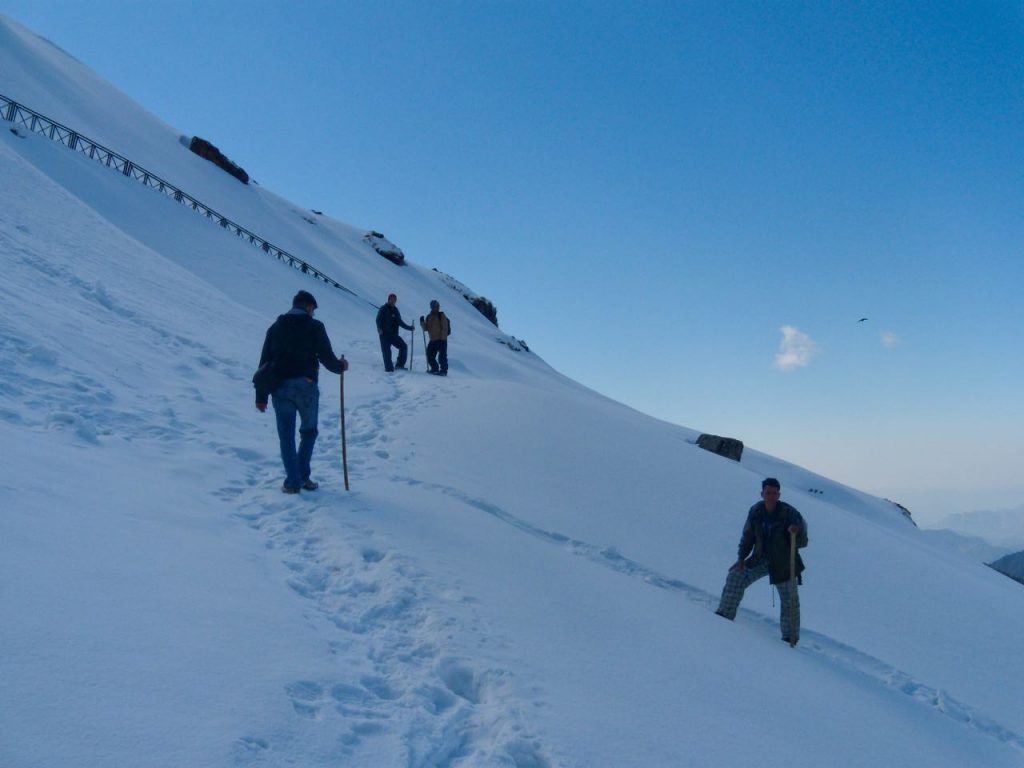
What Are the Safety Rules Every Beginner Trekker Must Follow?
The Himalayas demand respect. Here are the non-negotiable safety rules:
- Never trek alone on unfamiliar trails, especially as a beginner. Always go with a group and an experienced guide.
- Inform your family of your complete itinerary, expected return date, and the emergency contact of your trek operator or guide. In remote areas, there may be no mobile network for days.
- Carry a basic first aid kit with Diamox, painkillers (Ibuprofen), ORS packets, bandages, antiseptic, and any personal medication. A first aid kit weighs barely 200 grams but can save a trek.
- Do not touch unfamiliar plants as several poisonous species grow in the Himalayas. Aconitum (monkshood) is common above 10,000 feet and is highly toxic.
- Avoid strongly scented products like deodorants and perfumes. They attract wildlife, including bears in some regions.
- Respect trail markers and do not move or rearrange cairns (stone piles). Other trekkers depend on them for navigation.
- Know when to turn back. Summit fever kills. If weather turns bad or your body gives warning signs, turning around is not failure. It is good judgement.
What Should You Do After Completing Your First Trek?
You made it back. The trek is done, and your body is running on a mix of exhaustion and euphoria. Here is what comes next.
Rest properly: Give your body at least 2-3 days of complete rest after a trek. Your muscles need recovery time, even if you feel fine. Gentle stretching helps with soreness.
Organize your photos and memories: Go through the hundreds of photos your group took. The trek will feel different when you see it through the lens, and certain moments you barely noticed will suddenly stand out.
Plan the next one: This is inevitable. Every life-changing trek makes you crave the next one. If your first trek was Triund or Kheerganga, maybe next time try the trek to Gaumukh or the Hampta Pass trek. Build up gradually, and each trek will be better than the last.
With this, I welcome you to the community of trekkers and mountain lovers. The ones who understand what it is like to step away from the noise of daily life and truly breathe. If you need any help planning your first trek, feel free to ask in the comments below or connect with the DwD community. We are always happy to help a fellow trekker 🙂
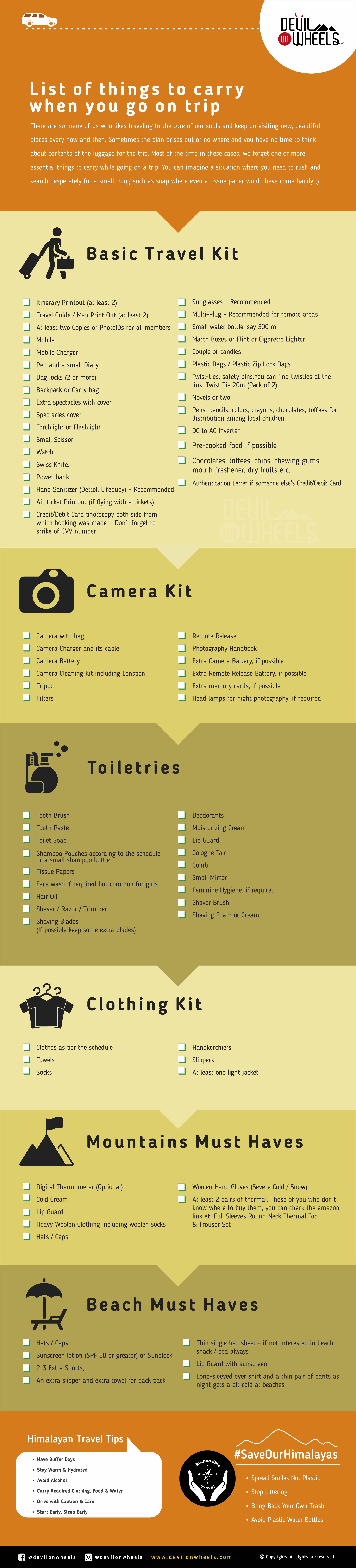
Download your FREE high-resolution PDF copy of this packing list infographic. If you found it helpful, please feel free to share it with your family and friends.
Last Updated: April 2026
Frequently Asked Questions
What is the best time to go trekking in the Himalayas?
The best trekking seasons in the Indian Himalayas are March-June (pre-monsoon) and September-November (post-monsoon). Winter treks (December-February) are possible on specific trails like Kedarkantha and Brahmatal but require cold-weather gear and experience. Avoid the monsoon months (July-August) for most treks except Valley of Flowers, which peaks during monsoon.
How much does a beginner trek in the Himalayas cost in 2026?
A self-organized 3-4 day beginner trek costs approximately Rs 3,000-5,000 per person (including transport, food, and camping). Organized group treks with operators cost Rs 5,000-12,000 per person including guide, meals, tents, and permits. Add Rs 2,000-5,000 for transport from Delhi to the base camp depending on the destination.
Do I need any permits for trekking in the Himalayas?
Most treks inside national parks require a forest entry permit. Uttarakhand charges Rs 150 per person for Indians (Rs 600 for foreigners) at parks like Gangotri and Valley of Flowers. Some border areas in Ladakh, Spiti, and Sikkim need an Inner Line Permit (ILP). Your trek operator usually handles permits, but always verify before starting.
Can I go trekking in the Himalayas without prior experience?
Yes, absolutely. Several treks in the Indian Himalayas are designed for complete beginners. Triund (1-2 days), Kheerganga (2 days), and Nag Tibba (2-3 days) require no prior trekking experience. However, basic physical fitness is essential, and hiring a guide is strongly recommended for first-timers.
What happens if I get altitude sickness during a trek?
If you develop mild AMS symptoms (headache, nausea, dizziness), stop ascending, rest, and hydrate. Take Diamox if prescribed by your doctor. If symptoms worsen or you experience confusion, breathlessness at rest, or inability to walk straight, descend immediately. These are signs of HAPE or HACE, which are life-threatening without prompt descent.
Should I join an organized trek or go independently?
For your first 2-3 treks, I recommend joining an organized group. You get experienced guides, planned meals, camping gear, and the safety of a group. Independent trekking works well once you have experience, your own gear, and knowledge of the specific trail. Many DwD community members start with organized treks and gradually transition to independent trips.
What is the easiest Himalayan trek for a complete beginner?
Triund trek in Himachal Pradesh is widely considered the easiest Himalayan trek. It is a 9 km trail from McLeodganj to Triund Top at 9,350 feet, doable in a single day. The path is well-marked, no guide is strictly necessary (though recommended), and the views of the Dhauladhar range from the top are spectacular.

1 Comment
Comments section gets closed in 90 days. To ask your travel questions, you can follow my YouTube Channel for a faster reply or for a much slower reply follow me on Instagram. :)
Very entertaining information for tracking