


Last Updated: July 2026
If you think all of Himachal Pradesh has been explored, think again. Pangi Valley, tucked deep in the Chamba District at an elevation of about 11,000 Ft, is one of the last truly remote corners of the state. Spread over a massive 1,600 sq km region and separated from the rest of the world for six to eight months every year due to heavy snowfall, this valley is about as offbeat as it gets.
I first heard about Pangi from fellow travelers in the DwD Community who had crossed Sach Pass and come back with stories of dramatic gorges, zero mobile network, and villages where time seems to stand still. Since then, I have been tracking this region closely, and in this guide, I will share everything you need to plan a safe and well-informed trip to Pangi Valley in 2026.
Killar sits at about 8,200 Ft on the Chenab River gorge as the administrative headquarters of Himachal Pradesh’s remote Pangi subdivision in Chamba district. It is reached via two main routes, roughly 150 km from Chamba over Sach Pass (14,480 Ft) or about 130 km from Keylong on the Lahaul side.
As of July 2026, DwD Community reports confirm the Keylong-Udaipur-Killar stretch on the Lahaul side typically stays motorable a few weeks longer each season than the Chamba side, since it does not depend on a single high-altitude pass clearing of snow. Sach Pass usually opens mid to late June and shuts by October, while the Udaipur route can remain passable into early November in a mild year. Keep in mind, my friend, road conditions can change fast in Pangi, so always verify current status before you set out :)…
Let's quickly dive into the details:
Practical Info at a Glance: Killar and Pangi Valley
| Best Time to Visit | Late June to early October (September is most stable) |
| Budget (per day) | Rs 1,500 – Rs 2,200 per person (budget travel) |
| Difficulty Level | Challenging (high-clearance vehicle needed for Sach Pass) |
| Nearest ATM | Chamba town (~150 km); Killar has a bank branch but the ATM is unreliable |
| Mobile Network | Only BSNL postpaid (intermittent) in Killar; Airtel/Jio work until Bairagarh |
| Fuel Availability | No pump in Pangi. Last pump at Churah (Chamba side) or Tandi (Manali side) |
| Permits Required | No, for Indian citizens (as of 2026) |
| Last Updated | July 2026 |
What Makes Pangi Valley Special?
Pangi Valley sits between the Pir Panjal (Middle Himalayan) and Zanskar (Greater Himalayan) ranges, with the Chenab River (also called Chandrabhaga) carving its way through the gorge. The valley is the headquarters of the Pangi subdivision of Chamba District, and its remoteness is not a marketing gimmick. Until Sach Pass was made motorable for small vehicles (and even now, only for a few months each year), Pangi was genuinely cut off from the outside world.
The isolation means the local culture has stayed remarkably intact. The valley is primarily inhabited by the Pangwala and Bhoti tribes, along with some Hindu and Buddhist settlements. There is a thriving tradition of local theatre, folk dances, and literature. The villages feel untouched, the people are warm, and the landscape is raw in a way that even Ladakh and Spiti cannot quite match.
Legends of Pangi Valley
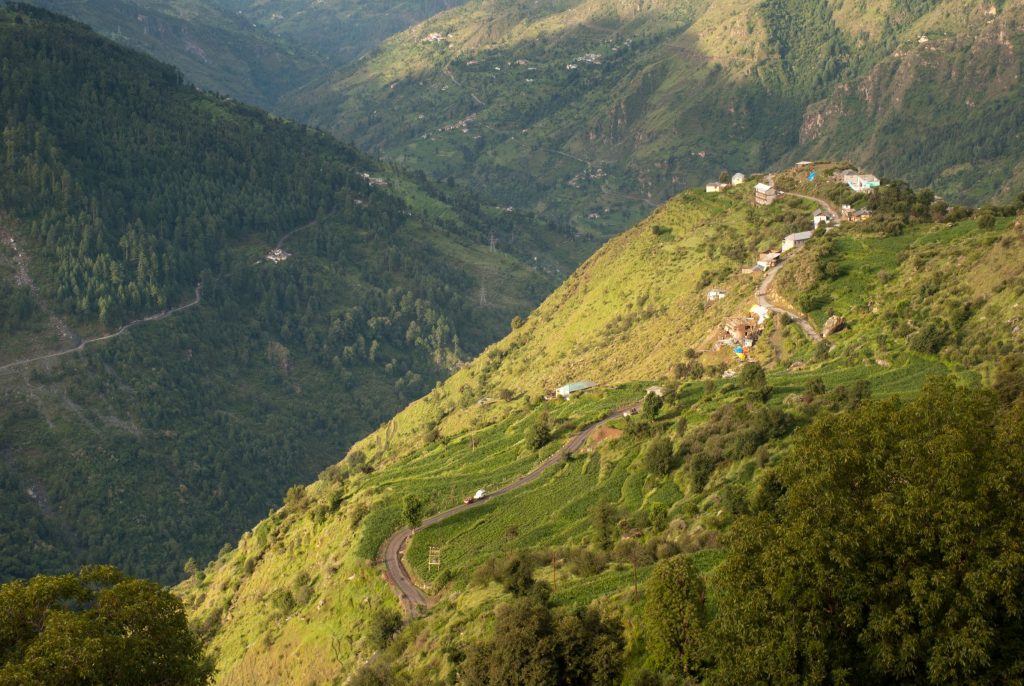
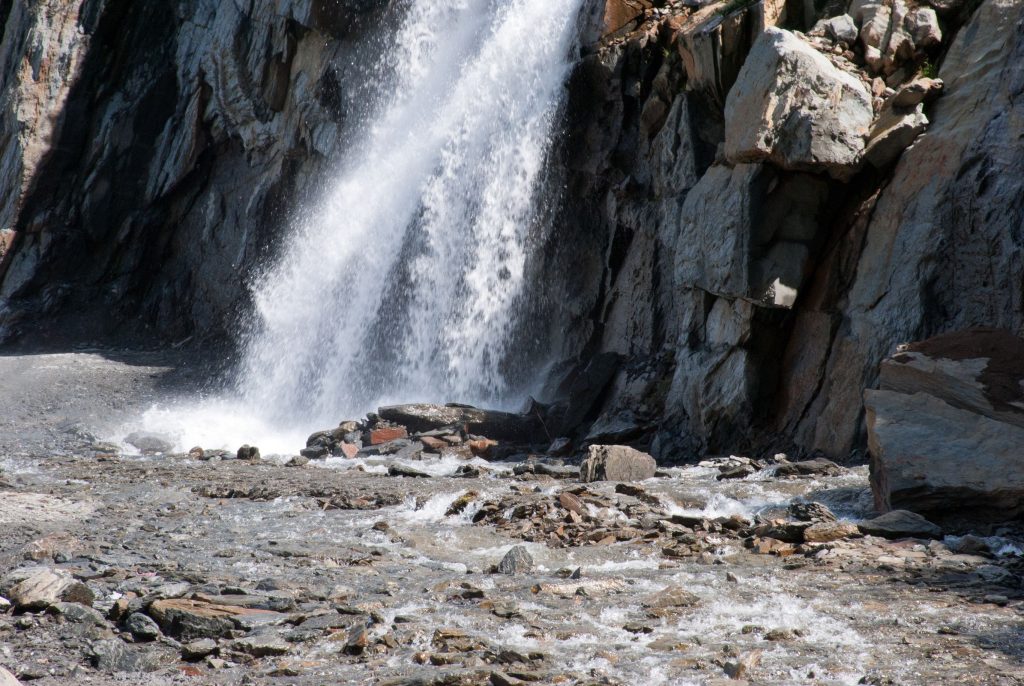
Folklores state that Pangi Valley was so remote that the Raja of Chamba used to pay “funeral expenses” to officials who were sent on duty there, because there was no guarantee of their return. It is also believed that the Raja used to send criminals to Pangi as punishment. However, when you actually get to experience this valley, you realize the punishment was more of a reward. The lush green pastures, snow on the mountaintops, and the sound of the Chenab rushing through the gorge make it one of the most striking landscapes in all of Himachal.
History of Pangi
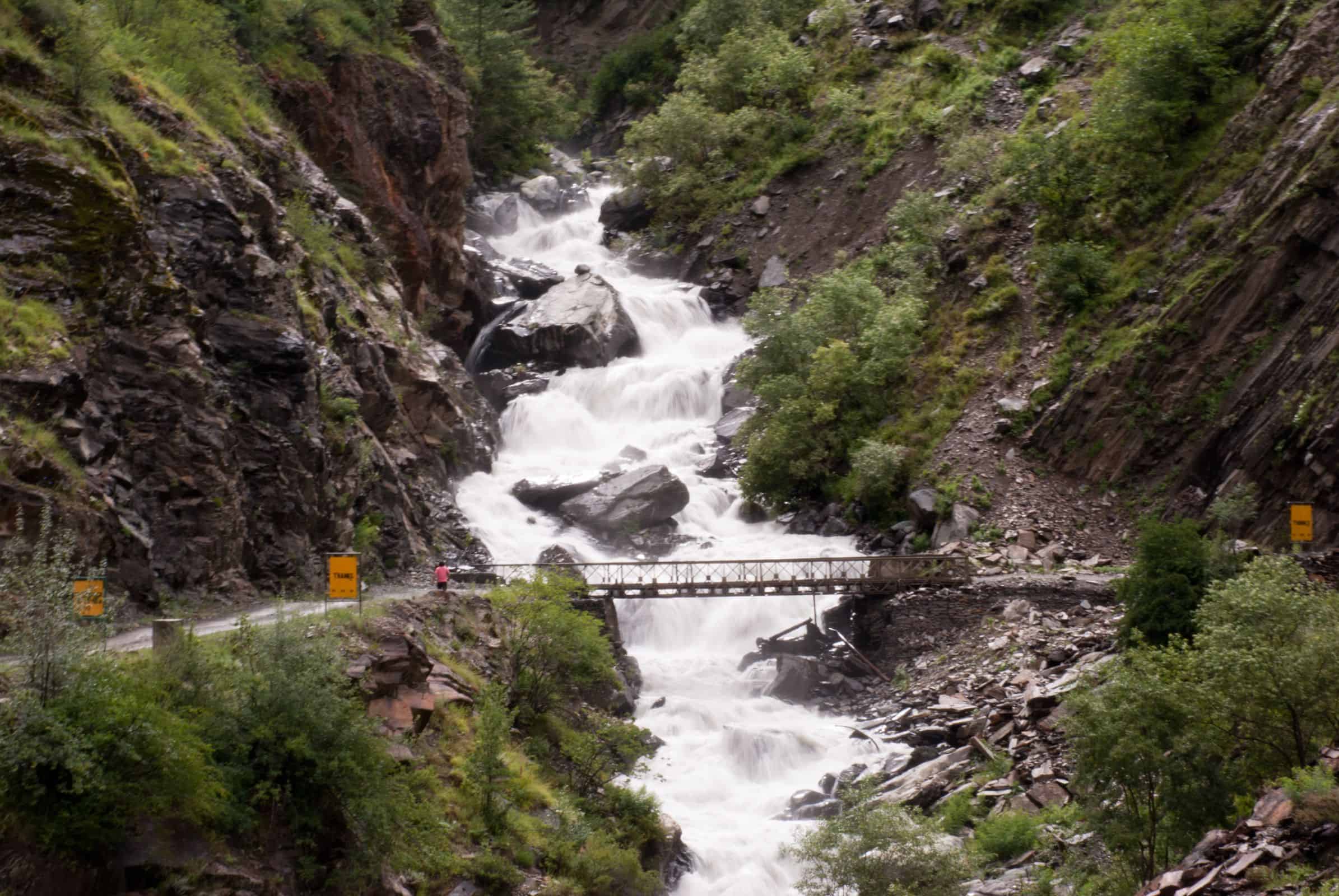
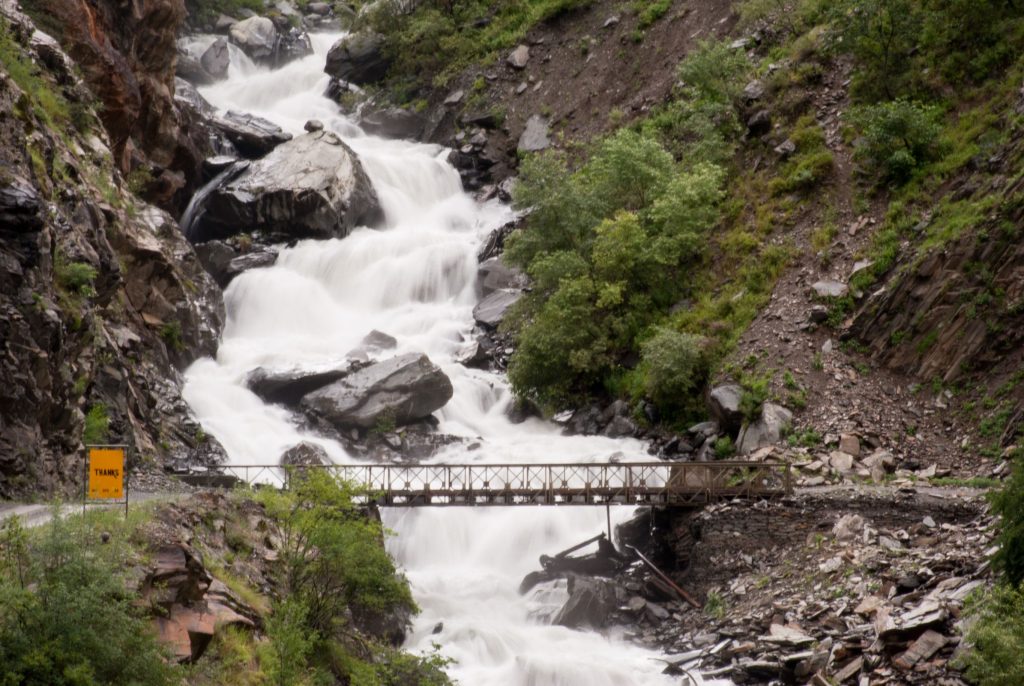
Pangi is remarkable in its rugged grandeur and austere beauty. The scenery is sublime and imposing and nature appears in her wildest and grandest moods. Everything is on a stupendous scale. The great river rolls along in a deep and narrow gorge, lashing itself into fury, sandwiched between adamantine cliffs that confine it. Precipices spring from the brink in places almost perpendicular to a height of 1,000 to 2,000 feet. On the lower ranges are grassy slopes of rich pasture with dense forests of pine and cedar, while higher up the stern and majestic mountains attaining an altitude from 18,000 to 21,000 feet rising far above the line of eternal snow. But all this is not rugged and sublimity and naked beauty. Every few miles the traveler reaches tolerably open nooks of surpassing beauty, which may have been small lakes in some gone by age, while the river was cutting its course.
-Dr J Hutchinson, Historian, 1910
How Is the Weather in Pangi Valley?
During the accessible months (June to October), daytime temperatures range from 10 to 20 degrees Celsius, while nights can drop to 0 to 5 degrees Celsius. Dress in layers, always carry a warm jacket, and keep rain gear handy even though Pangi sits in a rain shadow zone where the monsoon barely reaches.
Early season visitors (June) may still see snow on higher elevations and should be prepared for cold mornings. September and October are the driest months with clear skies, making them arguably the best window for photography and comfortable travel.
What Is the Best Time to Visit Pangi Valley?
The best time to visit Pangi Valley is late June to early October. Sach Pass, the most popular access route, typically opens in mid to late June depending on snowfall and BRO clearing operations. Some years the pass has opened as early as the first week of June, while in heavy snowfall years it stays closed until late June or even early July.
My suggestion: If you want guaranteed access and the most stable weather, aim for September. The roads are at their best, the monsoon-related landslides have settled, and the valley is green and beautiful. July and August are fine too, but expect occasional road closures due to rain. The HRTC bus to Killar via Sach Pass typically operates only between July and October when the road is clear enough for large vehicles.
How to Reach Pangi Valley?
Getting to Pangi is the adventure in itself. There are three main road routes, plus air and rail options that cover part of the journey. Keep in mind, no matter which route you pick, the final stretch into Pangi will be on rough mountain roads.
Route 1: Chamba to Killar via Sach Pass (Most Popular)
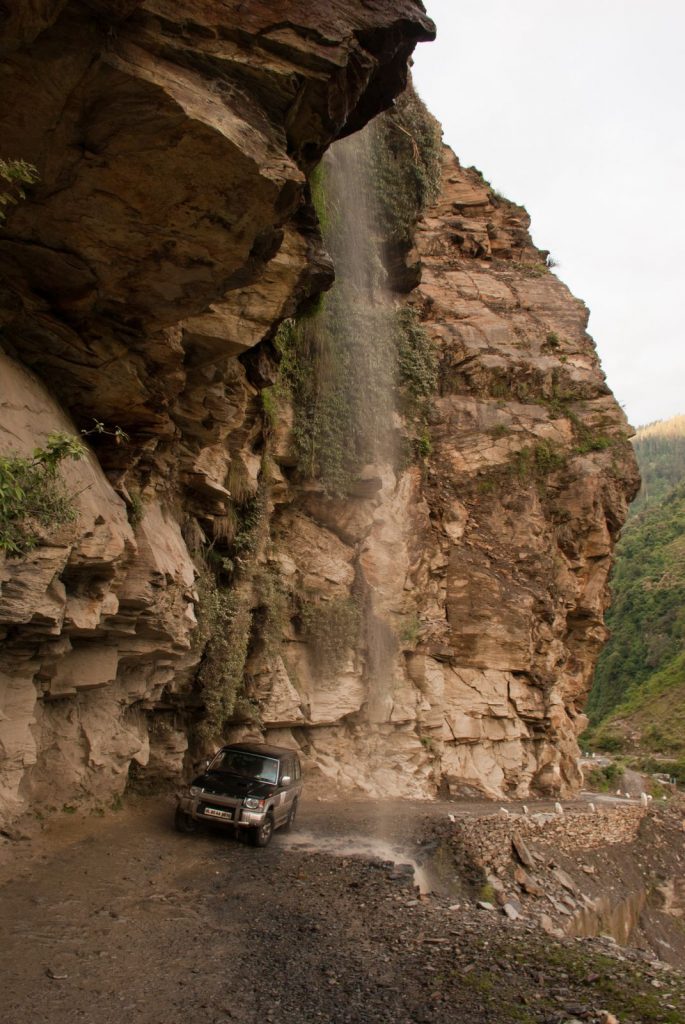
This is the shortest and most popular route. The drive from Chamba to Killar via Sach Pass (4,414 m / 14,480 Ft) is roughly 150 km and takes about 8 to 10 hours depending on road conditions. The route goes through Tissa, Bairagarh, Satrundi, and then crosses Sach Pass before descending into Pangi Valley. The road between Bairagarh and Killar has large boulders, deep water crossings, and stretches with no proper road. A SUV or vehicle with high ground clearance is strongly recommended. Sedans should not attempt Sach Pass. For a detailed day-by-day plan, you can check my Sach Pass Pangi Valley itinerary.
Route 2: Manali to Killar via Udaipur and Tindi
From Manali, take the Atal Tunnel to reach Keylong, then continue to Udaipur and Tindi before arriving in Killar. This route is roughly 250 km from Manali and takes about 10 to 12 hours, with the Keylong to Killar stretch alone accounting for about 130 km of that distance. The road from Udaipur to Killar is narrow and runs along the Chenab gorge, so drive carefully. This route avoids Sach Pass entirely and is an option if the pass is still closed or if you are coming from the Lahaul Valley side.
Route 3: Jammu to Kishtwar to Killar (The Cliffhanger Road)
This route enters Pangi from the Jammu and Kashmir side via Kishtwar. The road from Killar to Kishtwar is famously called “the world’s most dangerous road” for good reason. It is a single-lane cliff road with sheer drops of hundreds of feet, no guardrails, and barely enough width for one vehicle. This route is only for experienced drivers with nerves of steel. I would not recommend it for first-timers or for anyone in a sedan.
By Air
The nearest airport is Gaggal Airport in Kangra (Dharamshala), about 180 km from Killar. Kullu Manali Airport at Bhuntar is another option at roughly 230 km. From either airport, you will need to arrange road transport to continue the journey.
By Rail
The nearest broad-gauge railway station is Pathankot. From Pathankot, you can take a bus or taxi to Chamba (about 120 km, 3 to 4 hours) and then continue to Pangi via Sach Pass.
HRTC Bus Service to Pangi Valley
HRTC operates a daily bus from Chamba to Killar via Sach Pass, but only between July and October when the road is clear enough for large vehicles. The bus departs from Chamba at around 5:30 AM, and the return bus from Killar departs at 9:30 AM. The fare is approximately Rs 280 to 320 one way (as of 2025, verify with HRTC for current rates). A shared taxi from Chamba to Killar costs about Rs 1,000 to 1,200 per person.
What Are the Places to Visit in Pangi Valley?
Once you survive the journey in, Pangi rewards you with some of the most pristine villages and landscapes in the Indian Himalayas. Here are the key places to explore.
Killar
Killar is the administrative headquarters of Pangi subdivision and the main base for most visitors. It sits on the gorge of the Chenab River and has a small market, a few guesthouses, and the Det Nag shrine which is worth a visit. Most travelers use Killar as their base and make day trips to surrounding villages.
Dharwas
The largest village in Pangi Valley, Dharwas is famous for its natural mineral water spring called Tilmili. It is also an ideal base for trekking in the surrounding mountains and offers a genuine window into local Pangwala culture.
Sural Valley and Hudan Bhatori
Sural is one of the most beautiful sub-valleys in Pangi, with green meadows, traditional wooden houses, and the Sural Nallah flowing through. Hudan Bhatori, located nearby, has a few homestays and makes for a peaceful base if you want to get away from even Killar’s modest bustle.


Purthi
Located about 24 km from Killar, Purthi is a picturesque village known for its forest nurseries and a historic Forest Rest House. The surroundings are lush, and the drive from Killar to Purthi along the Chenab gorge is spectacular.
Cherry Bungalow
Built on the right bank of the Chandrabhaga (Chenab), Cherry Bungalow serves as a starting point for several treks including into the Saichu Twan Wildlife Sanctuary. There is also a small temple at Sidh Mandir nearby.
Parmar Valley
Located southeast of Killar, Parmar Valley is a cluster of three villages: Parmar Bhatori, Parmar, and Kumar. Parmar Bhatori houses a Buddhist Gompa, and above the village there are vast green pastures that make it one of the best camping spots in all of Pangi. If you carry your own tent and gear, this is a must-camp location.

Mindhal Basan Devi Temple
One of the most revered shrines in Pangi, the Mindhal Basan Devi temple is dedicated to a local deity. The temple sees a fair during the Pangi festival in September, which is one of the best times to witness local culture, dances, and traditions.
Where to Stay in Pangi Valley?
Accommodation in Pangi is basic but improving every year. Do not expect luxury hotels here. The options are limited but functional, and the hospitality of local homestay owners more than makes up for the simplicity.
Budget guesthouses in Killar: Rs 500 to 700 per night. Basic rooms with shared or attached bathrooms.
PWD and Forest Rest Houses: Available at Killar, Purthi, Dharwas, and a few other locations. Rs 800 to 1,500 per night. These need prior booking through the PWD or Forest Department, though availability can be hit or miss.
Homestays: Several homestays have come up in Killar, Hudan Bhatori, and Sural areas. Rates range from Rs 800 to 2,000 per night, often including home-cooked meals. Pangi Valley Homestay near Hudan Bhatori and Adi Kailash Homestay are popular options.
Camping: If you are carrying your own gear, Pangi is a camper’s paradise. Parmar Valley, Sural, and the meadows above Dharwas are excellent camping spots. Always camp near a PWD rest house or village for safety.
What to Eat in Pangi Valley?
Food in Pangi is simple, locally grown, and home-cooked. Do not expect restaurants or dhabas at every corner. In Killar, there are a couple of small eateries serving basic meals like rajma-chawal, dal-rice, and Maggi for about Rs 80 to 150 per plate. In the villages, homestay owners prepare traditional Pangwala food that is hearty and delicious.
Important: Carry enough packed food, snacks, biscuits, and dry fruits to last you through the trip. There are very few, if any, packed food supplies available once you enter the valley. Also carry a basic medical kit, as pharmacies are practically non-existent in Pangi.
How Much Does a Pangi Valley Trip Cost?
Pangi is one of the more budget-friendly Himalayan destinations simply because there is not much to spend money on. Here is a rough budget breakdown for a 7 to 8 day trip from Delhi for two people in a personal vehicle.
| Expense | Budget (per person) | Mid-Range (per person) |
|---|---|---|
| Fuel (Delhi-Pangi-Delhi, ~1,800 km) | Rs 6,000 – 8,000 | Rs 8,000 – 10,000 |
| Accommodation (6-7 nights) | Rs 2,000 – 3,500 | Rs 5,000 – 8,000 |
| Food (7 days) | Rs 2,000 – 3,000 | Rs 3,500 – 5,000 |
| Misc (emergency, tips, chai) | Rs 500 – 1,000 | Rs 1,000 – 2,000 |
| Total (per person) | Rs 10,500 – 15,500 | Rs 17,500 – 25,000 |
If you are traveling by public transport (HRTC bus + shared taxis), the costs will be lower for transport but you will need more days. A solo backpacker can manage the trip for Rs 8,000 to 12,000 including bus fares, homestays, and food.
What About Fuel, ATM, and Mobile Network in Pangi?
This is critical, so pay attention.
Fuel: There are no petrol pumps in Pangi Valley. The last fuel station on the Chamba side is at Churah, about 8 km from Tissa. If coming from the Manali side, the last pump is at Tandi. The gap between the two is roughly 250 km of tough terrain. Carry a jerry can with extra fuel. This is non-negotiable. If you are on a motorcycle, read my guide on how to carry extra fuel safely.
ATM: The last reliable ATM is in Chamba town. There is a small bank branch in Killar, but the ATM may or may not be operational. Carry enough cash for the entire trip, at least Rs 5,000 to 7,000 per person beyond fuel costs.
Mobile Network: Airtel and Jio work until Bairagarh. After that, expect zero connectivity through Sach Pass. In Killar and some parts of Pangi Valley, only BSNL postpaid works for voice calls, and that too intermittently. Data and internet are practically non-existent. Inform your family about your whereabouts before entering the valley so they do not worry.
Medical: There is a basic primary health centre in Killar, but for anything serious you will need to get to Chamba (150 km of mountain road). Carry a well-stocked medical kit including medicines for altitude sickness, diarrhea, fever, and wound care.
Do You Need a Permit for Pangi Valley?
As of 2026, no special permits are required for Indian citizens to visit Pangi Valley or cross Sach Pass. There are no Inner Line Permits or Protected Area Permits needed. However, some forest areas may have nominal entry fees. Foreign nationals should check with the District Commissioner’s office in Chamba for any additional requirements.
Will I Experience Altitude Sickness in Pangi?
Pangi Valley itself sits at about 8,000 to 11,000 Ft, which is moderate altitude. However, Sach Pass at 14,480 Ft is high enough to trigger Acute Mountain Sickness (AMS) in some people, especially if you drive up from the plains quickly without acclimatization. The risk is lower than Ladakh or Spiti since you do not spend extended time at high altitude, but do not take it lightly.
Consult your doctor before the trip if you have any pre-existing conditions. Carry Diamox as a precaution (only on doctor’s advice), stay hydrated, avoid alcohol at altitude, and do not rush the drive. If you want to understand AMS better, read my detailed guide on how to prevent altitude sickness.
Practical Tips for Your Pangi Valley Trip
Based on reports from DwD Community members who have done this trip, here are some practical tips to keep in mind.
1. Vehicle choice matters: SUV or a vehicle with high ground clearance is the minimum for Sach Pass. Do not attempt it in a sedan. If you are on a motorcycle, make sure it is in excellent mechanical condition. There are no mechanics in Pangi.
2. Start early: The roads can get worse as the day progresses due to snowmelt and rain. Start your driving days by 6 AM if possible.

3. Carry spares: Extra fuel (jerry can), a spare tyre, basic tools, tow rope, and jumper cables. In Pangi, if something breaks, you fix it yourself or wait a very long time for help.
4. Dress in layers: Even in July, mornings and evenings at Sach Pass and in the valley can be bitterly cold. Carry a good down jacket, thermals, and rain gear.
5. Inform someone: Since mobile network is non-existent for most of the trip, let your family or friends know your detailed itinerary before you leave. Give them a date by which you will be back in network coverage.
6. Travel responsibly: Pangi is pristine because it is remote and less-visited. Carry your garbage back, do not litter, and respect local customs and culture. If you want to contribute, the DwD Community’s responsible travel initiative encourages carrying stationery for local schools and woolens for villagers. You can read more about this in our tips for responsible travel in the Himalayas.
Suggested Itinerary for Pangi Valley (7-8 Days from Delhi)
Here is a practical 7 to 8 day itinerary for a Pangi Valley trip starting from Delhi. You can adjust this based on your pace and starting point.
Day 1: Delhi to Dalhousie or Chamba (~550 km, 10-12 hours). Overnight in Chamba.
Day 2: Chamba to Bairagarh via Tissa (~100 km, 5-6 hours). The road is decent until Tissa but deteriorates after. Overnight at Bairagarh (very basic accommodation).
Day 3: Bairagarh to Killar via Sach Pass (~50 km, 6-8 hours). This is the toughest stretch. Start very early, ideally by 5 AM. Overnight in Killar.
Day 4-5: Explore Pangi Valley. Visit Dharwas, Sural, Hudan Bhatori, and Parmar Valley. Take it slow and enjoy the remoteness.
Day 6: Killar to Udaipur via Tindi and the Chenab gorge road (~130 km, 8-10 hours). This gives you the exit via the Lahaul side without repeating Sach Pass.
Day 7: Udaipur to Manali via Atal Tunnel (~100 km, 4-5 hours). Relax in Manali. Overnight in Manali.
Day 8: Manali to Delhi (~540 km, 10-12 hours).
For a more detailed day-by-day plan with distances, fuel stops, and accommodation options, check my Sach Pass Pangi Valley itinerary and the Sach Pass trip travel guide.
Conclusion
Pangi Valley is not a place you visit for comfort or convenience. You visit it because you want to see a part of India that has remained largely unchanged, where the roads test your resolve and the landscape rewards it. The extreme isolation, the small window of accessibility each year, and the raw beauty of the Chenab gorge make Pangi one of the last genuine adventures left in Himachal Pradesh.
If you are planning a trip to Pangi, start preparing early, keep your vehicle in top shape, carry enough supplies, and most importantly, travel responsibly. This valley deserves to stay as pristine as it is.
For other details about traveling on this adventure trip, discussions, queries, and finding travel partners, please go through the DwD Community. Feel free to post your questions in the comments section below, and I will be happy to help 🙂 …
You may also want to explore these related articles for your trip planning:
- Sach Pass Pangi Valley Itinerary
- Sach Pass Trip Travel Guide
- Killar to Kishtwar Cliffhanger Road
- Sach Pass in July
- Sach Pass Trip in 4-5 Days
- Offbeat Places in Himachal Pradesh
- Lahaul Valley Complete Guide
- Manali Travel Guide
Frequently Asked Questions
Is Pangi Valley safe to visit?
Yes, Pangi Valley is safe for visitors. The local people are friendly and welcoming. The main risks are road-related (landslides, poor road conditions, river crossings) and altitude-related (AMS at Sach Pass). Drive carefully, carry supplies, and do not push through if conditions look dangerous. The valley itself is peaceful and has very low crime.
Can I take a sedan to Pangi Valley?
I would strongly advise against it. Sach Pass and the roads leading to it have deep water crossings, loose boulders, and stretches with no proper road surface. A SUV or vehicle with high ground clearance is the minimum. If coming via the Udaipur-Tindi route (avoiding Sach Pass), a sedan might manage in dry conditions, but it is still risky.
Is there a petrol pump in Pangi Valley?
No. There is no petrol pump anywhere in Pangi Valley. The last pump on the Chamba side is at Churah (about 8 km from Tissa). On the Manali side, the last pump is at Tandi. Always carry extra fuel in a jerry can.
How many days are needed for a Pangi Valley trip?
A minimum of 7 to 8 days from Delhi is recommended for a comfortable trip. This includes 2 days to reach Pangi (via Sach Pass), 2-3 days exploring the valley, and 2-3 days for the return journey. If you plan to exit via Manali (Udaipur-Keylong-Atal Tunnel route), the trip becomes a circuit and is more enjoyable.
Does mobile phone work in Pangi Valley?
Only BSNL postpaid has intermittent voice coverage in Killar and some parts of the valley. Airtel and Jio work until Bairagarh only. There is essentially no data or internet connectivity inside Pangi. Inform your family before entering the valley.
What is the altitude of Pangi Valley and Sach Pass?
Pangi Valley sits at varying elevations from about 8,000 to 11,000 Ft (2,400 to 3,350 m). Killar is at approximately 8,200 Ft (2,500 m). Sach Pass, the main entry point, is at 14,480 Ft (4,414 m). The altitude at Sach Pass is high enough to cause AMS in some people, so acclimatize properly.
Can I visit Pangi Valley in winter?
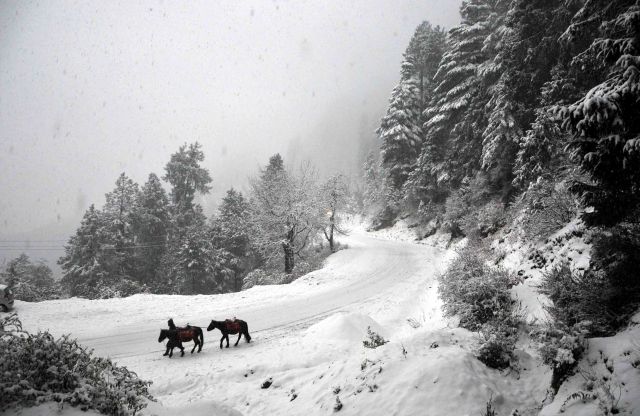
No. Pangi Valley is completely cut off from November to May due to heavy snowfall. Sach Pass remains closed during this period, and the Udaipur-Tindi road also becomes impassable. There is no way to reach or leave Pangi in winter by road. Helicopter services may operate occasionally for emergencies, but there is no regular service for tourists. If you are trying to time your last crossing before the shutdown, check my Sach Pass closing 2026 timeline for the exact last-window dates.
How far is Killar from Chamba and Keylong?
Killar is roughly 150 km from Chamba via Sach Pass, an 8 to 10 hour drive on a rough mountain road. From Keylong on the Lahaul side, it is about 130 km via Udaipur and Tindi. As of July 2026, DwD Community reports note the Keylong side often stays motorable a few weeks longer each season since it does not depend on Sach Pass clearing.

Is Killar the same place as Pangi Valley?
No. Killar is a specific town, the administrative headquarters of the Pangi subdivision, which sits within the larger Pangi Valley. Pangi Valley itself is a 1,600 sq km region that includes Killar plus villages such as Dharwas, Sural, Hudan Bhatori, and Purthi.
What is there to see and do in Killar itself?
Killar has a small market, a handful of guesthouses, a bank branch, a primary health centre, and the Det Nag shrine. Most travelers use it purely as a base and take day trips to Dharwas, Sural, Hudan Bhatori, Purthi, and Parmar Valley from here.
Which route to Killar is better, Sach Pass or the Udaipur-Lahaul road?
Sach Pass from Chamba is shorter at 150 km but rougher, with boulders and water crossings, and it only opens roughly June to October. The Udaipur-Tindi route from the Lahaul side covers about 130 km from Keylong to Killar and tends to stay motorable a few weeks longer each season, making it a good exit route even if you enter via Sach Pass.

1 Comment
Comments section gets closed in 90 days. To ask your travel questions, you can follow my YouTube Channel for a faster reply or for a much slower reply follow me on Instagram. :)
Amazing post!