


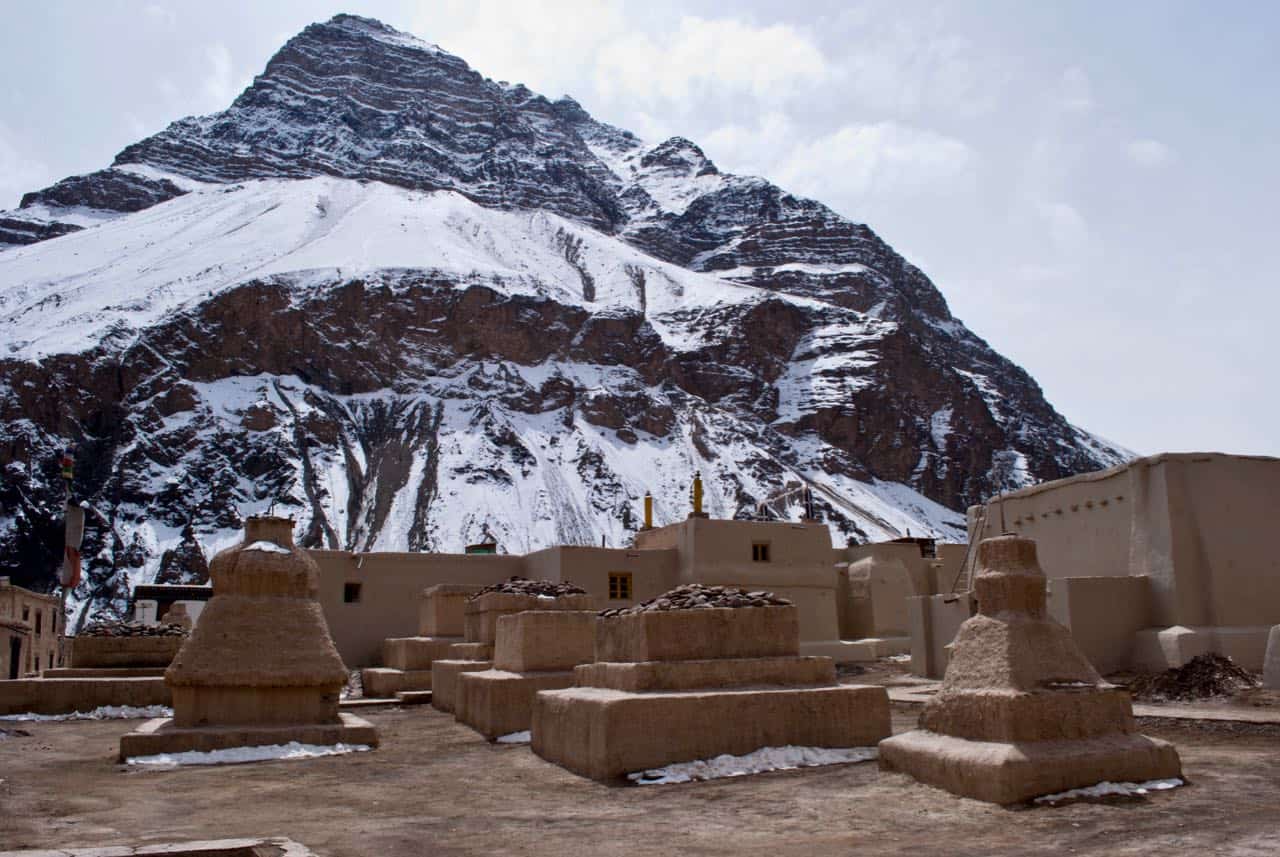
Are you planning a trip to Spiti Valley and wondering what makes Tabo Monastery so special? Founded in 996 CE, Tabo Monastery (Tabo Chos-Khor) is the oldest continuously operating Buddhist monastery in both India and the Himalayas. Sitting at an altitude of 10,007 Ft (3,050 meters) in the small village of Tabo, this over-1000-year-old monastery is protected by the Archaeological Survey of India (ASI) and is often called the “Ajanta of the Himalayas” for its stunning wall murals and frescoes.
I have visited Tabo multiple times during my Spiti trips, and every visit reveals something new. The murals, the quietness, the meditation caves carved into the cliff above the village, the simplicity of the mud structures. It all grows on you. In this guide, I will cover everything you need to know before visiting Tabo Monastery in 2026, from history and architecture to how to reach, where to stay, what to eat, and practical tips for your visit.
Let's quickly dive into the details:
Quick Facts About Tabo Monastery
Tabo Monastery was established in 996 CE by the great Tibetan translator Rinchen Zangpo, commissioned by King Yeshe-O of the Guge Kingdom. It has been in continuous operation for over 1,000 years. The monastery complex spreads across 6,300 square meters and contains nine temples, four decorated stupas, 23 chortens, and several cave shrines carved into the cliff face above the village. There is no entry fee, and it remains open to visitors from 6:00 AM to 5:00 PM daily. The 14th Dalai Lama has visited Tabo multiple times and once expressed his wish to retire here.
What Is the History of Tabo Monastery?
Tabo Monastery was built in the Tibetan Year of the Fire Ape (996 CE) by Rinchen Zangpo, one of the most important Buddhist translators in history. He was sent to Kashmir and India by King Yeshe-O of the Guge Kingdom to study Buddhism and bring back knowledge to western Tibet. On his return, Rinchen Zangpo commissioned the construction of Tabo as well as several other monasteries across the western Himalayas.
You may think of Tabo as the daughter monastery to the Tholing Monastery in Ngari (western Tibet). The monastery was built during a period when the ancient Tibetan monarchy was extending their kingdom from Ladakh to Mustang through trade routes. Over the centuries, Tabo survived attacks from Ladakhi kings, harsh Spiti winters, and multiple earthquakes. The monastery was significantly damaged in the 1975 earthquake and was rebuilt afterwards. In 1983, a new Du-Kang (Assembly Hall) was constructed.
The monastery is home to around 45 monks who continue the traditions that have been passed down for over a millennium. Tabo is protected by the Archaeological Survey of India as a national historic treasure. It has also been proposed for UNESCO World Heritage status, which speaks volumes about its global significance.
Where Is Tabo Monastery Located?
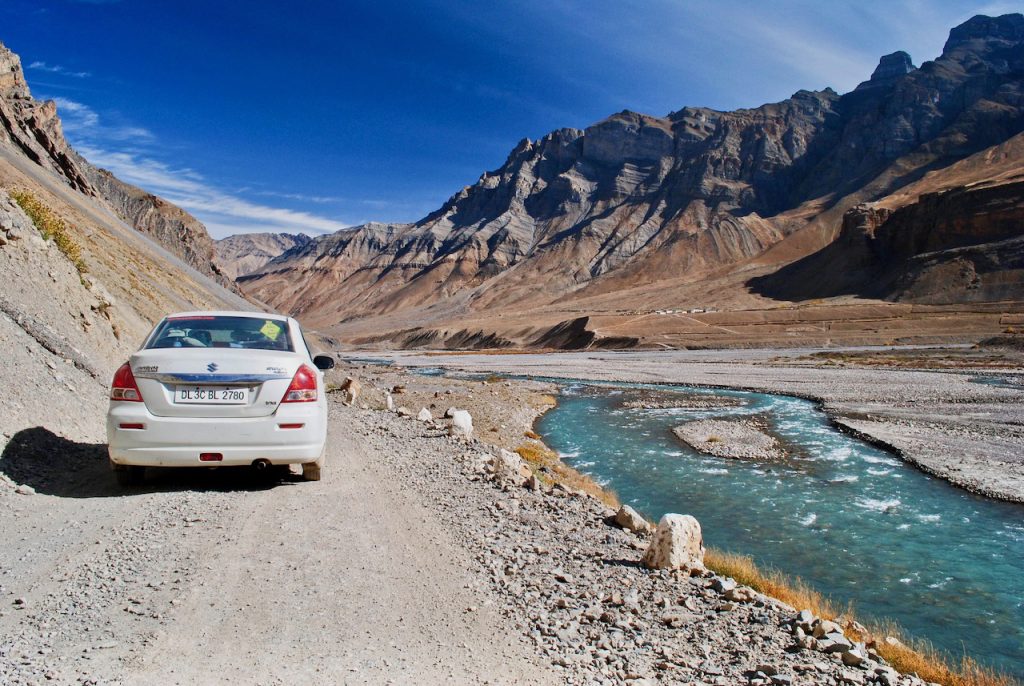
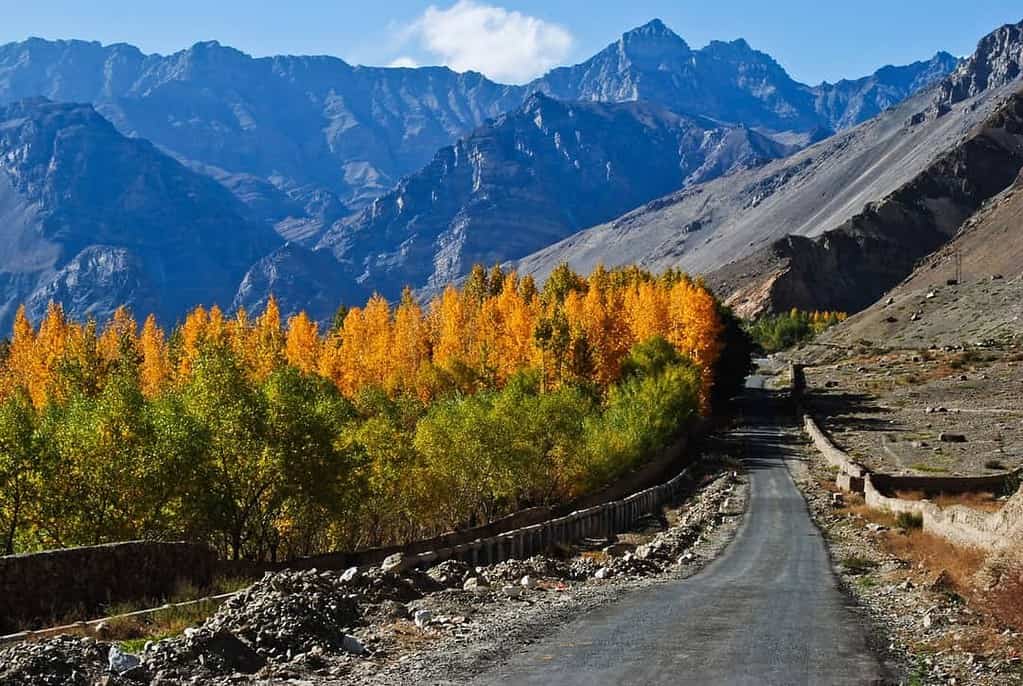
Tabo village sits in a bowl-shaped flat valley along the left bank of the Spiti River, at an altitude of 10,007 Ft (3,050 meters) above sea level. Geographically, the village has Ladakh to the north, Lahaul and Kullu districts to the west and south-east respectively, and Tibet along with the Kinnaur district to the east. The village lies about 40 km from the Indo-Tibetan border.
Here is something interesting. Unlike most Himalayan monasteries that are perched atop a hill, Tabo Monastery sits at the bottom of the valley, right alongside the rest of the village. This makes it very easy to access on foot. The monastery is located roughly 337 km from Shimla, 149 km from Reckong Peo, and about 47 km from Kaza (the sub-divisional headquarters of Spiti).
When Is the Best Time to Visit Tabo Monastery?
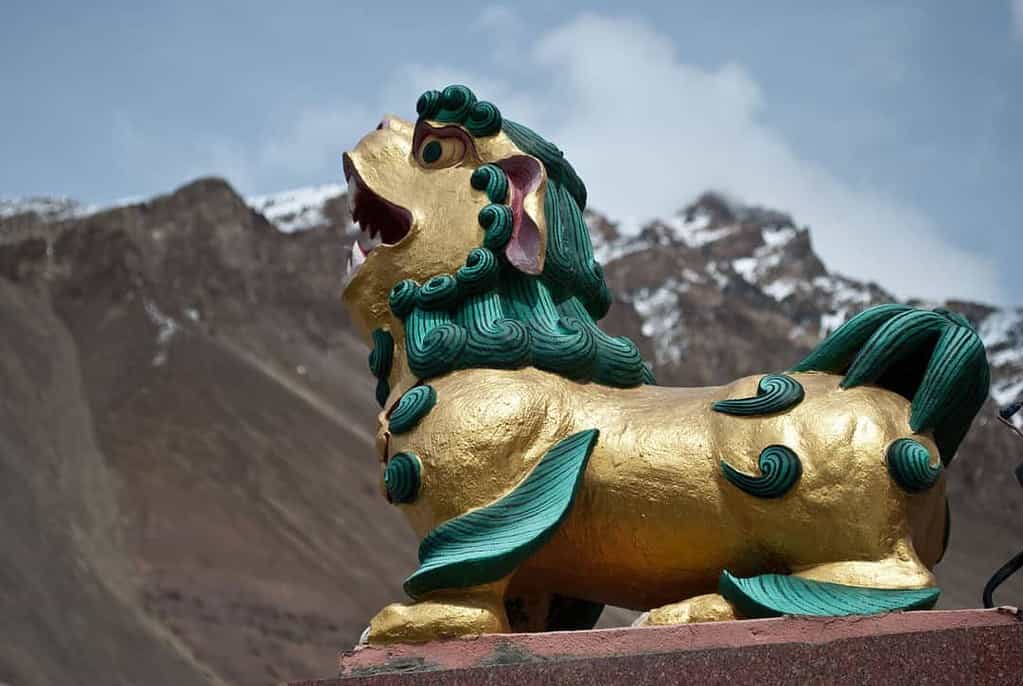
The best time to visit Tabo Monastery is from May to September, when the roads are open and the weather is comfortable. Daytime temperatures during these months range from about 5 to 20 degrees Celsius, which is pleasant for sightseeing. Keep in mind that evenings can still get quite cold even in summer, so carry a warm jacket.
The winter period in Spiti Valley is genuinely harsh. Temperatures in Tabo drop to minus 18 degrees Celsius and below. The entire place gets blanketed in snow, and road blockages are common. If you do visit in winter (December to March), be prepared for extreme cold. The roads from the Manali side via Kunzum Pass remain closed from October to April/May. However, the Shimla-Kinnaur route often stays open through winter (with occasional closures near Nako and Malling Nallah), so Tabo can sometimes be reached in winter via Reckong Peo.
For the best time to visit Spiti Valley with a month-by-month breakdown, do check the detailed guide on the blog.
How to Reach Tabo Monastery in 2026?
Tabo can be reached by road from two directions: the Shimla-Kinnaur side or the Manali-Rohtang/Atal Tunnel side. There is no railway or airport directly at Tabo. I highly recommend doing the complete Spiti circuit, entering from the Shimla-Kinnaur route as it provides better acclimatization compared to the Manali side, and exiting via Manali (or vice versa).
By Road (Self-Drive or Taxi)
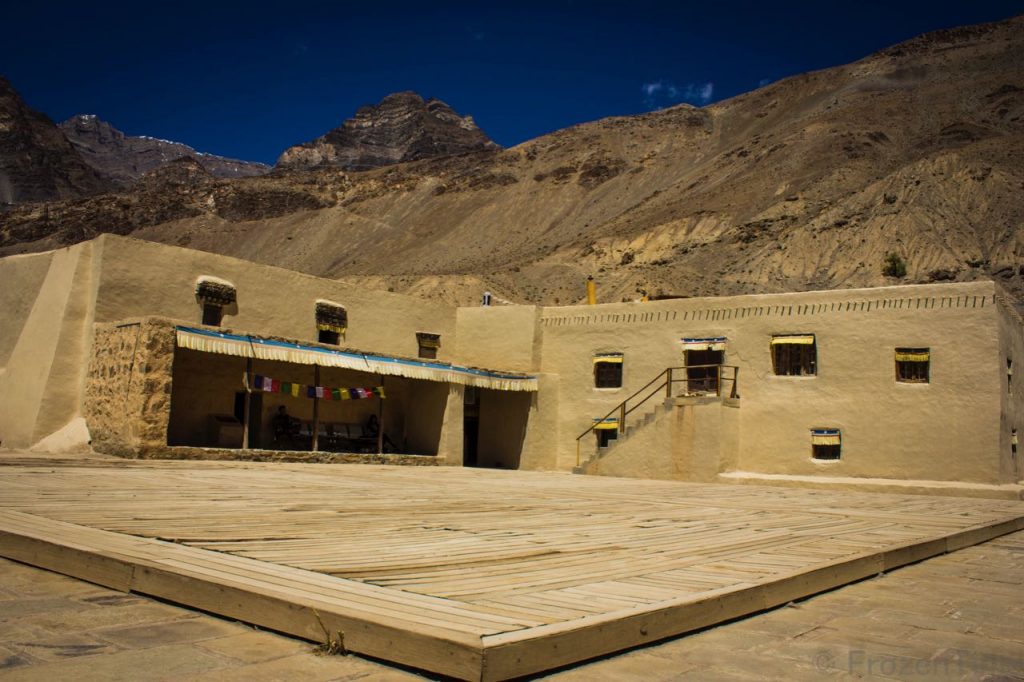
The most common way to reach Tabo is by road. If you are coming from Delhi, drive to Shimla (around 350 km), then continue to Reckong Peo (about 230 km), and from Reckong Peo onward to Tabo (approximately 149 km via Nako and Sumdo). The total drive from Shimla to Tabo takes about 12-14 hours spread across 2 days, with an overnight halt recommended at Reckong Peo or Kalpa.
From the Manali side, you cross through the Atal Tunnel (no Rohtang permit needed) into Lahaul, then continue via Gramphu, Batal, Kunzum Pass, and Kaza. From Kaza, Tabo is about 47 km towards the Shimla side. This route from Manali is roughly 200 km and takes 8-10 hours depending on road conditions. Keep in mind that the Manali-Kaza road via Kunzum Pass is seasonal and typically remains open from June to October.
If you want to hire a local taxi for your Spiti trip, check the verified list of taxi drivers on the blog. Having a local driver familiar with these roads can make a huge difference, especially on tricky stretches.
By Bus (HRTC)
For budget travelers, HRTC buses are the way to go. One daily bus departs from Reckong Peo at 6:30 AM heading to Kaza, and it stops at Tabo around 4:00 PM. The bus fare from Reckong Peo to Tabo is approximately Rs 400 per person (as of 2025, verify with HRTC for current fares). From the Manali side, a daily bus runs from Manali to Kaza during summer months. You can board this bus and get off at Tabo village. The journey takes around 9 hours.
For a complete guide on traveling to Spiti Valley by public transport on a budget, check the dedicated post.


By Air
The nearest airports are Bhuntar (Kullu-Manali Airport), which is about 295 km from Tabo via the Manali route, and Shimla Airport (Jubbarhatti), which is about 337 km away via the Kinnaur route. Both airports have limited flight connectivity. For better connectivity, fly into Chandigarh Airport and then drive or take a bus. From Chandigarh, you will need to reach either Shimla or Manali first and then proceed to Tabo.
By Train
The nearest major railhead is Kalka (about 450 km from Tabo) or Chandigarh (about 480 km). From Kalka, you can take the famous toy train to Shimla and then continue by bus or taxi to Tabo. From Chandigarh, HRTC Volvo buses run to Shimla and Reckong Peo.
What Can You See Inside Tabo Monastery?
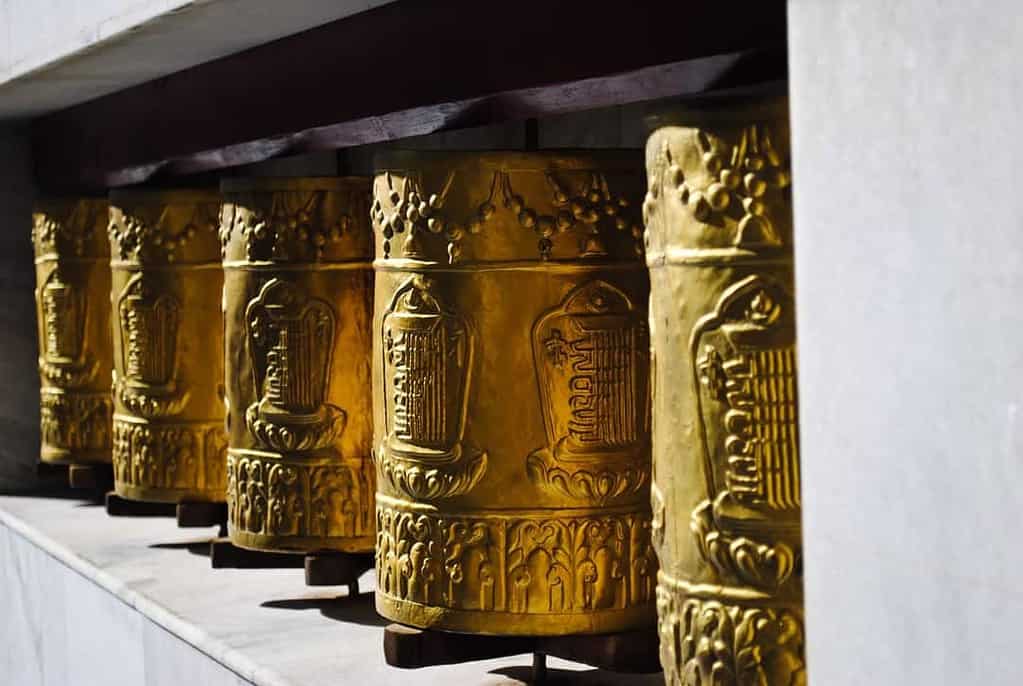
Tabo Monastery spreads across 6,300 square meters and houses an incredible collection of thankas (scroll paintings), manuscripts, well-preserved statues, frescoes, and murals that cover almost every wall. People often call it the “Ajanta of the Himalayas” for good reason. The monastery represents a beautiful merging of Tibetan and Indian Buddhist artistic traditions, captured through the representation of the guardian deity Wi-nyu-myin.

The monastery complex has nine temples, four decorated stupas, and cave shrines. Here is a quick rundown of all nine temples:
- The Tsuglakhang (Main Temple/Assembly Hall), the largest and most impressive
- The Temple of the Enlightened Gods (Tug-Lha-Khang)
- The Bodhisattva Maitreya Temple (Byams-Pa Chen-Po Lha-Khang)
- The Golden Temple (Ser-Khang)
- Mystic Mandala Temple (dKyil-Khor-Khang)
- Temple of Dromton (Brom-Ston Lha Khang)
- Chamber of Picture Treasures (Z’al-ma)
- White Temple (Kar-Abyum Lha-Khang)
- The Mahakala Vajra Bhairava Temple (Gon-Khang)
The Tsuglakhang (Main Temple)
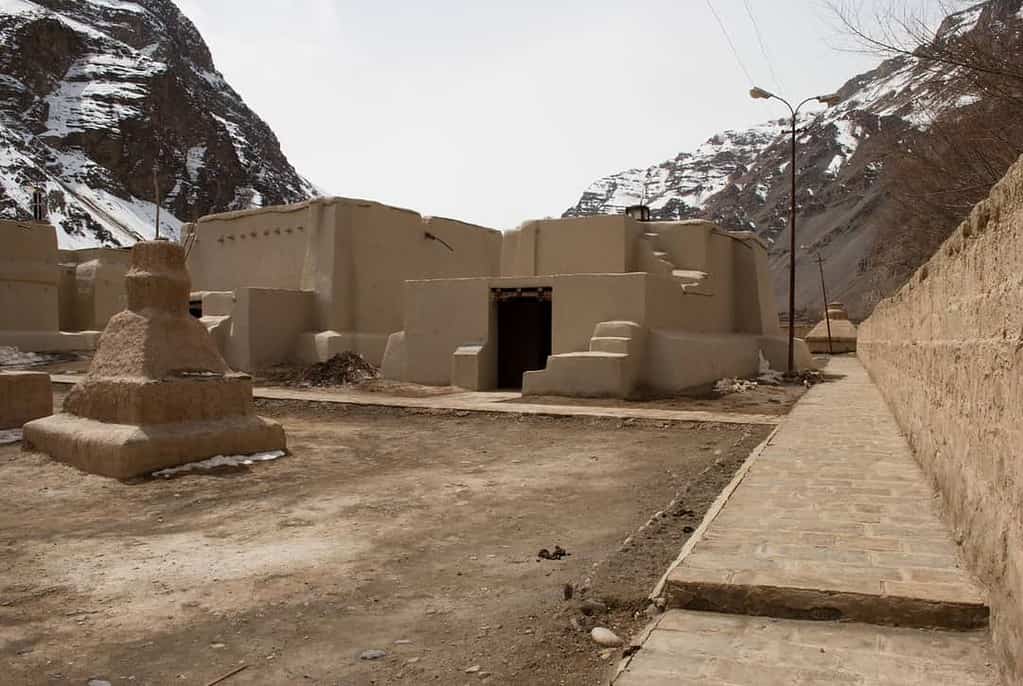
The main temple is the crown jewel of Tabo. Its entrance, called the GoKhang, houses images of the monastery’s creator Yeshe-O along with his two sons, Nagaraja and Devaraja. Beyond the entrance lies the Du-Khang (Assembly Hall), which leads to a shrine room with an ambulatory passage for circumambulation.
The paintings in the main temple date back to the 15th century. The main room is kept deliberately dark, lit only by a small sky-window, which adds to the atmosphere. One thing that fascinated me the most was the collection of 108 holy scriptures on display, reportedly weighing over 500 pounds. The artistry here represents the will of the founders to gather the most talented artists from across the Buddhist world and create something timeless.
The Golden Temple (Ser-Khang)
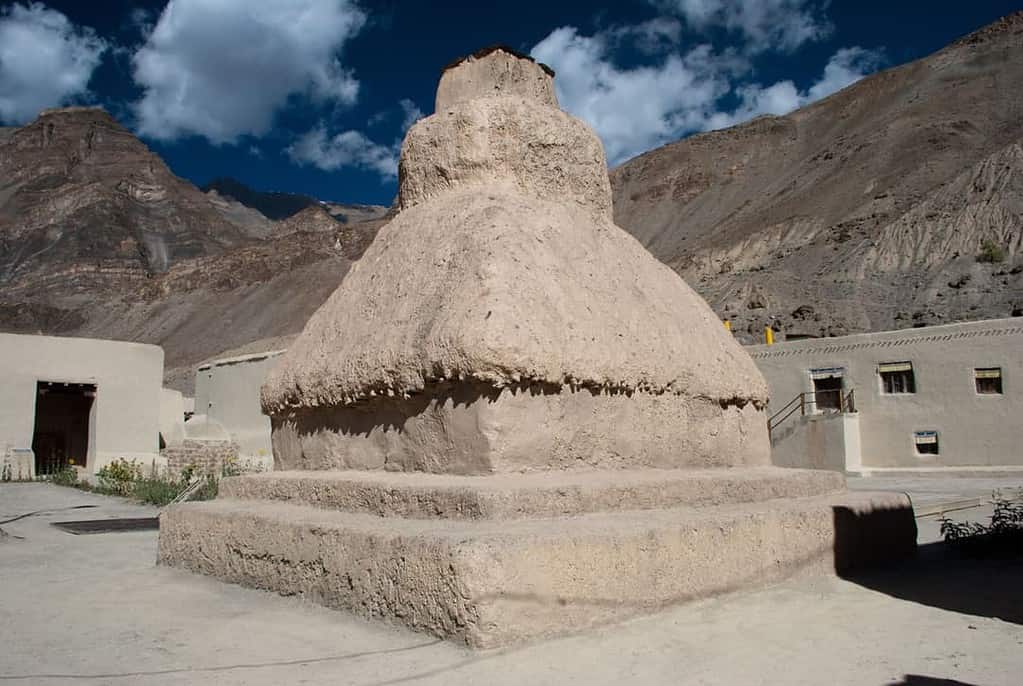
The Golden Temple was once fully covered in gold until its renovation in the 16th century. The walls and ceilings are adorned with beautiful murals. This temple is significant because young monks are inducted here through a traditional ritual. The artwork inside depicts various Buddhist deities and scenes from the Jataka tales.
The Bodhisattva Maitreya Temple and Other Temples
One of the older temples in the complex, the Bodhisattva Maitreya Temple has remnants dating back to the 13th-14th century. It houses a 9.5-ft high statue of the Bodhisattva Maitreya (the future Buddha), symbolizing the redefining of the Dharma in the next era. The Dromton Temple was founded by one of the main disciples of Atisha and houses murals of the eight Medicine Buddhas.
What Are the Caves of Tabo Monastery?
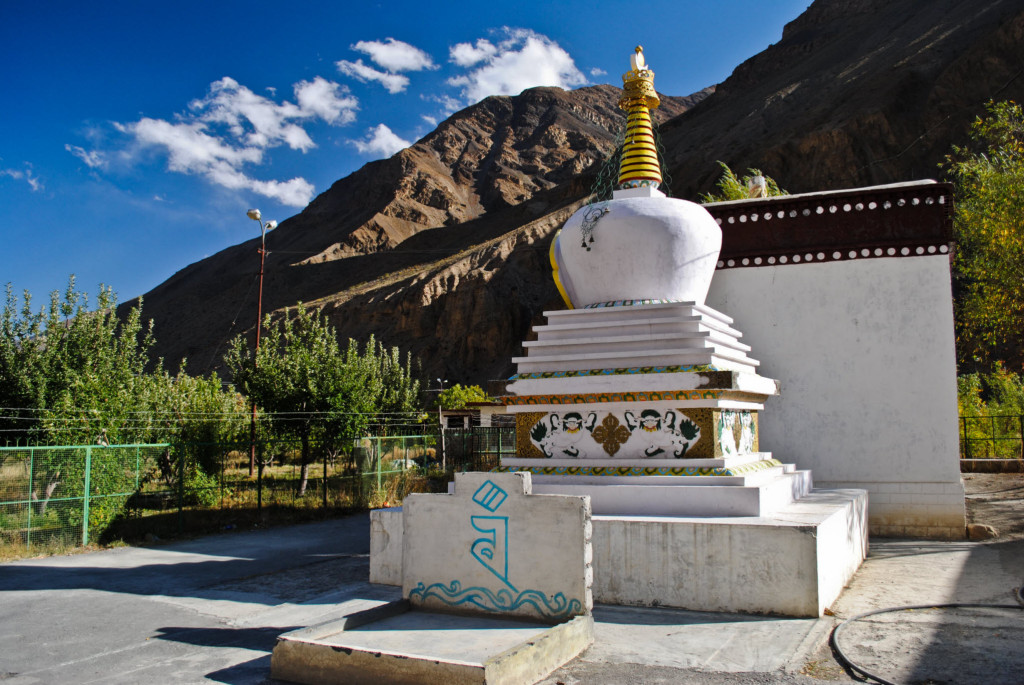
Just above the monastery complex, a series of caves have been carved into the cliff face. These caves are one of the most unique aspects of Tabo. It is believed to be the only Buddhist pilgrimage site that has natural cave shrines at the same location as the monastery itself.
In earlier times, monks used these caves for dwelling during the harshest winter months when temperatures plummeted well below freezing. Today, both monks and visitors use the caves for meditation. There is a prayer hall situated inside the caves as well. Keep in mind that the ASI began restoration efforts here, but the murals and paintings in the caves are in a fragile state, so please be careful during your visit and do not touch the walls.
The caves are accessible via a short uphill walk from the monastery. I suggest visiting them during late afternoon when the light hits the cliff face beautifully. The views from up there over Tabo village and the Spiti River valley are something special.
What Is the Kalachakra Festival at Tabo?
The 14th Dalai Lama has a deep connection with Tabo Monastery. He first visited in 1983 and initiated the Kalachakra Festival here. In 1996, the Dalai Lama conducted the Kalachakra initiation ceremony at Tabo, which coincided with the monastery’s millennium anniversary celebrations. It was a historic event that drew Buddhist practitioners from around the world.
The Kalachakra Festival is a sacred Buddhist ceremony dedicated to peace and happiness, typically held every few years during September or October. During the festival, there are traditional Chhaam dances, songs, folklore, and serving of traditional Spitian delicacies. If your visit happens to coincide with any festival in Spiti Valley, consider yourself lucky.
The Dalai Lama once publicly stated that he considers Tabo Monastery to be one of the holiest Buddhist places and that he wishes to retire here. That endorsement from one of the world’s most respected spiritual leaders tells you everything about Tabo’s significance.
Where to Stay Near Tabo Monastery?
Tabo is a small village, so accommodation options are limited compared to Kaza but perfectly adequate. Here are the main options as of 2026:
Tabo Monastery Guest House: A great choice for budget travelers. It has a 10-bed dormitory and some individual rooms. Expect basic facilities. There may not be hot water in all rooms, and some rooms have shared bathrooms. Rates are very affordable, around Rs 300-500 per bed.
Dewachen Retreats: A more comfortable option with about eight rooms. The tariff typically includes all meals, which is convenient in a remote village like Tabo. Expect to pay Rs 1,500-2,500 per night depending on the season.
Khangsar Guest House: A smaller property with only four rooms, but they can arrange camping at nominal charges if the rooms are full.
Budget Homestays: There are plenty of budget homestays in Tabo where you can stay with local families. Homestay rates in Tabo range from Rs 400-700 per night including meals (as of 2025). Staying in a homestay gives you the most authentic experience of Spitian village life.
I suggest booking in advance during peak season (June to September), as Tabo has limited rooms and they fill up quickly.
What Are the Food Options in Tabo?
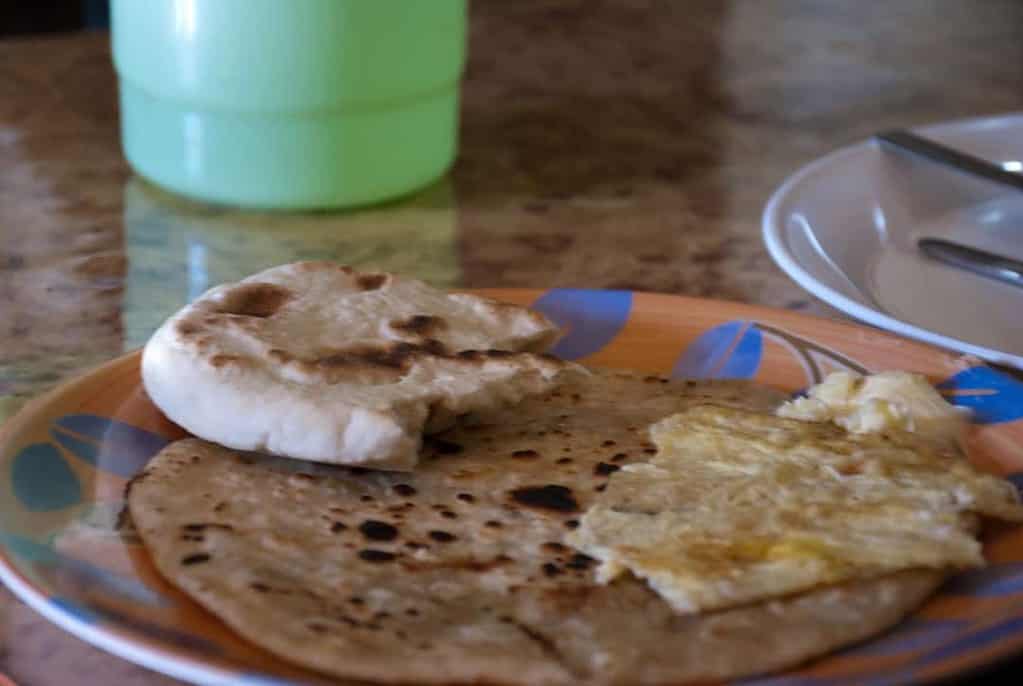
Tabo has a handful of restaurants and dhabas that serve basic but filling meals. You will find Indian food (dal, chawal, roti) as well as Tibetan dishes (momos, thupka, tingmo). Here are some options worth trying:
Monastery Restaurant: Located near the monastery complex, this one serves Chinese and Spitian food. Good for a quick meal after your monastery visit.

Tashi Khangsar: A popular choice that offers Israeli, Spitian, Continental, and Indian food. Good variety for a remote village.
German Bakery: If you are craving a good cup of coffee and some cheesecake after all that sightseeing, head here. It is a small place but a welcome surprise in a village as remote as Tabo.
A meal at a dhaba will cost you around Rs 100-200 per person. Restaurant meals may go up to Rs 300-400. Keep in mind that food options are seasonal, so some eateries might be closed outside peak season.
Practical Tips for Visiting Tabo Monastery
Here are some important things to keep in mind before and during your visit:
- Entry Fee: There is no entry fee to visit Tabo Monastery. However, donations are welcome and go towards the monastery’s maintenance.
- Timings: The monastery is open from 6:00 AM to 5:00 PM daily. Morning prayers begin at 6:00 AM. If you want to witness the prayers, arrive early.
- Photography: Photography is generally allowed in the courtyards and outer areas. However, photography inside the ancient temples is restricted to protect the centuries-old murals. Always ask permission before taking pictures of monks.
- Dress Code: Dress modestly when visiting the monastery. Remove your shoes before entering any temple or shrine.
- AMS Awareness: Tabo is at 10,007 Ft. While this is not extremely high by Spiti standards, there is always a possibility of experiencing Acute Mountain Sickness (AMS). Acclimatize properly, stay hydrated, and avoid exertion on your first day.
- Mobile Network: BSNL postpaid has the best coverage in Spiti Valley. Jio and Airtel may work intermittently in Tabo. Do not rely on internet connectivity here.
- ATM: There is no ATM in Tabo. The nearest ATMs are in Kaza (47 km) or Reckong Peo (149 km). Carry enough cash for your entire Spiti trip.
- Fuel: The nearest petrol pump is in Kaza. Plan your fuel accordingly if self-driving.
- Inner Line Permit: Indian nationals do not need any special permit to visit Tabo. Foreign nationals require an Inner Line Permit, which can be obtained in Reckong Peo (if traveling from Shimla) or Kaza (if traveling from Manali).
What Else to See Near Tabo?
Tabo makes an excellent base for exploring the lower Spiti circuit. Here are some nearby places you should not miss:
Dhankar Monastery and Dhankar Lake: About 33 km from Tabo towards Kaza, the ancient Dhankar Monastery perches dramatically on a cliff overlooking the confluence of the Pin and Spiti rivers. The trek to Dhankar Lake from the monastery takes about 2-3 hours and is one of the most rewarding short treks in Spiti.
Pin Valley: The Pin Valley National Park is accessible from Dhankar. It is home to the snow leopard and the Siberian ibex. The road to Mud Village in Pin Valley takes you through some of the most raw landscapes in Spiti.
Giu Monastery (Mummy of Spiti): Located about 35 km from Tabo via a short detour from NH-05 at the Sumdo/Giu junction, Giu Monastery houses the 500-year-old mummy of a Buddhist monk, Sangha Tenzin. The mummy is remarkably preserved and is a must-visit if you are in the Tabo area.
Kaza: The headquarters of Spiti Valley is about 47 km from Tabo. From Kaza, you can explore Key Monastery, Kibber, Langza, Komic, and Hikkim. Most travelers spend 2-3 days in and around Kaza.
For a complete Spiti Valley itinerary that covers Tabo and all major stops, check the most common itinerary guide on the blog.
You should always carry your water bottle and refill it as many times as you need water. It will not only keep you hydrated always, but you will also help in saving the Himalayas from plastic garbage. Remember, every tiny step counts and your step in this direction can help save the Himalayas too !! 🙂 🙂
How Much Does a Tabo Monastery Visit Cost?
A visit to Tabo is very budget-friendly. Here is a rough daily expense estimate for 2026:
- Accommodation: Rs 400-700 per night (homestay), Rs 1,500-2,500 (guesthouse with meals)
- Food: Rs 300-600 per day (dhaba meals and tea)
- Monastery Entry: Free (donations welcome)
- Local Transport: Rs 0 if self-driving, Rs 400-500 if arriving by HRTC bus from Reckong Peo
On a budget, you can comfortably spend a day in Tabo for Rs 700-1,300 per person. For a complete Spiti Valley trip cost breakdown, check the detailed budget guide.
Frequently Asked Questions
What are the visiting hours for Tabo Monastery?
Tabo Monastery is open to visitors daily from 6:00 AM to 5:00 PM. Morning prayers begin at 6:00 AM, and classes begin at 8:00 AM. The timings remain the same on public holidays and national events. However, timings may vary during festivals, so check locally before visiting.
Is there an entry fee for Tabo Monastery?
No, there is no entry fee to visit Tabo Monastery. The monastery welcomes visitors free of charge. Donations are appreciated and go towards the upkeep and restoration of this 1,000-year-old heritage site.
Is photography allowed inside Tabo Monastery?
Photography is allowed in the courtyards and outer areas of the monastery. However, photography inside the ancient temples is restricted to protect the centuries-old murals and frescoes. Always ask the monks for permission before taking pictures. No flash photography is permitted anywhere in the complex.
Do I need a permit to visit Tabo Monastery?
Indian nationals do not require any special permit to visit Tabo Monastery or Tabo village. Foreign nationals need an Inner Line Permit for Spiti Valley, which can be obtained at the District Magistrate’s office in Reckong Peo or Kaza. The permit process is straightforward and can usually be completed in a day.
How far is Tabo from Kaza?
Tabo is approximately 47 km from Kaza. The drive takes about 1.5 to 2 hours depending on road conditions. The road is mostly paved and in decent condition. HRTC buses and shared taxis ply between Kaza and Tabo regularly during the tourist season (June to October).
Can I stay inside Tabo Monastery?
Yes, the Tabo Monastery Guest House allows visitors to stay within the monastery premises. It offers a 10-bed dormitory and a few individual rooms. The facilities are basic but clean. Rates are around Rs 300-500 per bed. This is one of the most unique accommodation experiences in Spiti Valley.
Why is Tabo Monastery called the Ajanta of the Himalayas?
Tabo Monastery is called the “Ajanta of the Himalayas” because of its extraordinary collection of murals, frescoes, and paintings that cover almost every wall of its nine temples. Much like the Ajanta Caves in Maharashtra preserve ancient Indian Buddhist art, Tabo preserves over 1,000 years of Himalayan Buddhist artistic tradition. The quality and historical importance of the artwork at Tabo is considered comparable to Ajanta’s.
Is Tabo safe for solo travelers?
Yes, Tabo is very safe for solo travelers, including women traveling alone. The village is small, the locals are warm and welcoming, and crime is practically non-existent. The only precaution you should take is related to altitude sickness (AMS) and weather conditions, not personal safety. Many solo backpackers visit Tabo every season.
Conclusion
Dripping in history and art, Tabo Monastery is one of those rare places where you feel the weight of a thousand years the moment you step inside. The mud walls do not look like much from the outside, but the murals, the sculptures, the darkness of the main temple lit by a single sky-window, and the silence of the meditation caves above, all of it stays with you long after you leave.

If you are planning a trip to Spiti Valley, do not treat Tabo as just a quick stop on the way to Kaza. Spend at least one night here. Walk through the monastery complex slowly, visit the caves, have dinner at a local homestay, and let the pace of Tabo settle in. It is a must-visit place for anyone who wants to understand the soul of Spiti Valley 🙂 …
Have a travel question?? You can subscribe to my YouTube channel and leave a comment to ask your travel questions about traveling to the Himalayas.
I hope this guide helps you plan your visit to Tabo Monastery. If you have any questions or tips from your own visit, feel free to share in the comments below. If you know someone planning a trip to Spiti Valley, do share this article with them. For more travel updates and discussions, join the DwD Community and check the DoW Travel Calendar from the main menu of the website.
Last Updated: February 2026
