


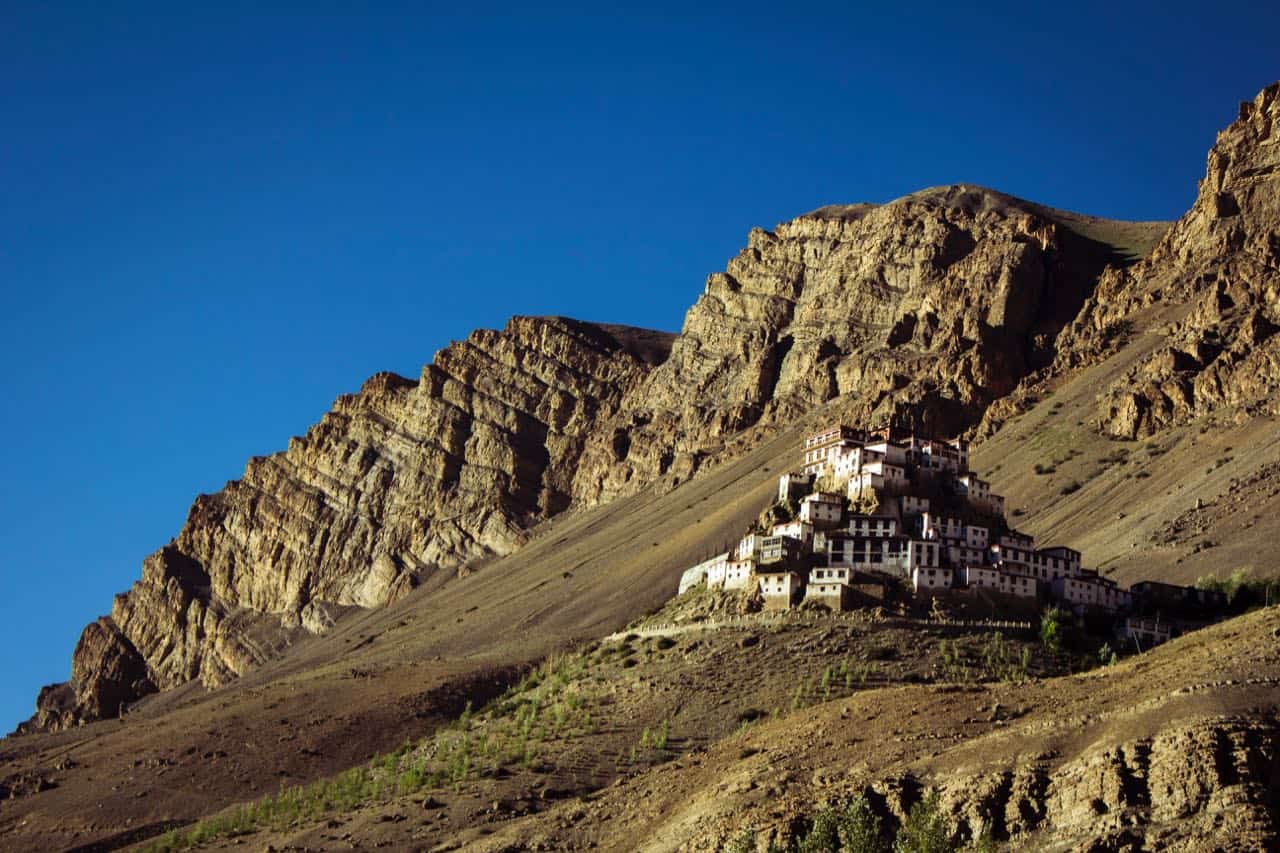
Spiti or Ladakh? If you have been going back and forth trying to decide between these two high-altitude cold deserts of the Himalayas, trust me, you are not alone. This is probably one of the most common questions I get on the blog, in the DwD community, and even at our DoW Mega Meets. Both regions are stunning, both are remote, and both will change you as a traveler. However, if you have limited time and need to pick just one, I am going to make a case for Spiti Valley today and give you solid reasons why it deserves your attention first.
Spiti Valley beats Ladakh for first-time Himalayan travelers in five concrete ways: lighter crowds, a lower daily budget, deeper homestay culture, offbeat sites you cannot simply drive up to, and permit costs that are cheaper and simpler once you know the numbers below.
- Fewer crowds at Himalayan scale. Leh alone logged more than 3.3 lakh domestic tourist arrivals between January and July 2026 (nearly matching all of 2025), while Spiti’s homestay and hotel capacity is still too small to absorb numbers like that, so the emptiness holds through peak season, not just on a quiet weekday.
- A genuinely lower daily budget. An 8-10 day Spiti circuit runs Rs 10,000 to Rs 20,000 per person against Rs 20,000 to Rs 40,000 for a comparable Ladakh trip, largely because Spiti homestays cost Rs 500 to Rs 1,200 a night versus Rs 1,000 to Rs 3,000 in Ladakh.
- Culture you live inside, not drive past. Key Monastery dates to 996 AD and lets you sit through prayers at your own pace, and homestay meals of thukpa, chhurpi, and tsampa come straight from the family kitchen rather than a Leh restaurant menu.
- Offbeat sites Ladakh cannot replicate. The 500-year-old naturally mummified monk at Giu Monastery, the Buchen ritual performers of Pin Valley, and a Chandratal that now needs a 14-18 km walk in from Batal since lakeside camping was banned, keep Spiti’s best spots walk-in only.
- Permit costs that are cheaper once you know the split. Coming in via Manali needs only a flat Rs 550 Rohtang Pass permit (Rs 500 fee plus Rs 50 congestion charge, current for 2026) booked at rohtangpermits.hp.gov.in, on top of the free e-Aagman e-pass every vehicle needs at eaagman.hp.gov.in regardless of route in or out.
Let's quickly dive into the details:
Why Should You Choose Spiti Valley Over Ladakh in 2026?
Let me be honest here. I love both Ladakh and Spiti. I have traveled to both regions multiple times, and each trip has given me something different. But when someone asks me “Spiti or Ladakh?”, I always ask them a few questions first. What kind of traveler are you? Do you want the grand, sweeping landscapes with well-developed tourism infrastructure? Or do you want something raw, intimate, and culturally immersive? If your answer leans toward the second option, Spiti is where you need to go.
Spiti is often called the “Little Tibet” of India, and that comparison is not just geographical. The Tibetan Buddhist culture here runs deep, the monasteries perch on impossible cliffs, and the villages feel frozen in time. In Ladakh, tourism has grown significantly over the last decade, with direct flights to Leh, hundreds of hotels, and packed tourist spots during peak season. Spiti, on the other hand, has deliberately stayed low-key, and that is its biggest strength.
What Makes Spiti Valley Less Touristy Than Ladakh?
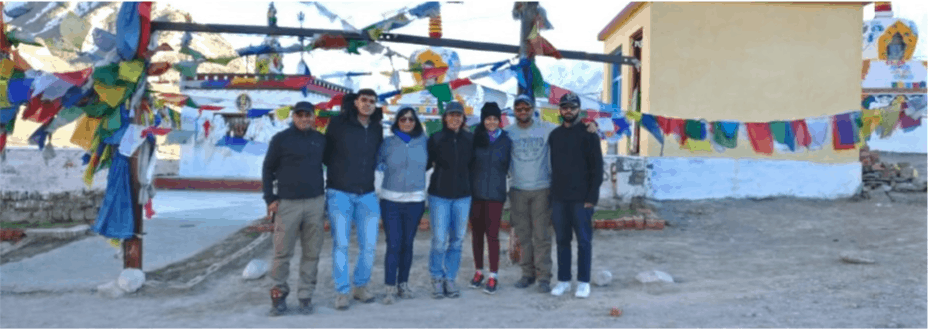
This is truly the biggest selling point for Spiti, and I cannot stress this enough. Spiti Valley has not fully realized its tourism potential, and for travelers who want an authentic experience, that is pure gold. With a reasonably well-off agriculture-based community, the locals here are not dependent on tourism for survival. They welcome travelers warmly, but the place does not revolve around you. That distinction matters.
In Ladakh, especially in Leh, Nubra Valley, and Pangong, you will find packed parking lots, long queues at permits counters, overpriced hotels during June-July, and Instagram influencers at every other turn. I have nothing against tourism growth. It brings livelihood. However, if you are looking for that raw, unfiltered Himalayan experience where you can sit with a local family, share a meal of thukpa, and hear stories about their ancestors, Spiti delivers that consistently.
Here is a number that surprised even me when I first read it. According to government data reported by Outlook Traveller, domestic tourist arrivals in Leh fell by about 27.3% in 2025, dropping from 2.92 lakh in 2024 to roughly 2.12 lakh. However, keep in mind that this dip proved short-lived. Ladakh’s own tourism department data, reported by Telangana Today, shows arrivals from January to July 2026 had already crossed 3.3 lakh, about 98% of the entire 2025 annual total, with July 2026 alone up 56% over July 2025. So this was a one-year blip, not a lasting trend, and Leh is back to drawing serious crowds in peak season.
That rebound is exactly why I would not build a case for Spiti on a single year’s tourism dip. The real, durable reason Spiti feels emptier has nothing to do with 2025 or 2026 statistics. It is structural. Spiti simply does not have the flight connectivity, hotel inventory, or homestay capacity to absorb the kind of numbers Leh does, dip or rebound. In case you are chasing consistent solitude rather than riding one year’s data swing, that structural gap, not a temporary crowd dip, is what makes Spiti the safer bet.
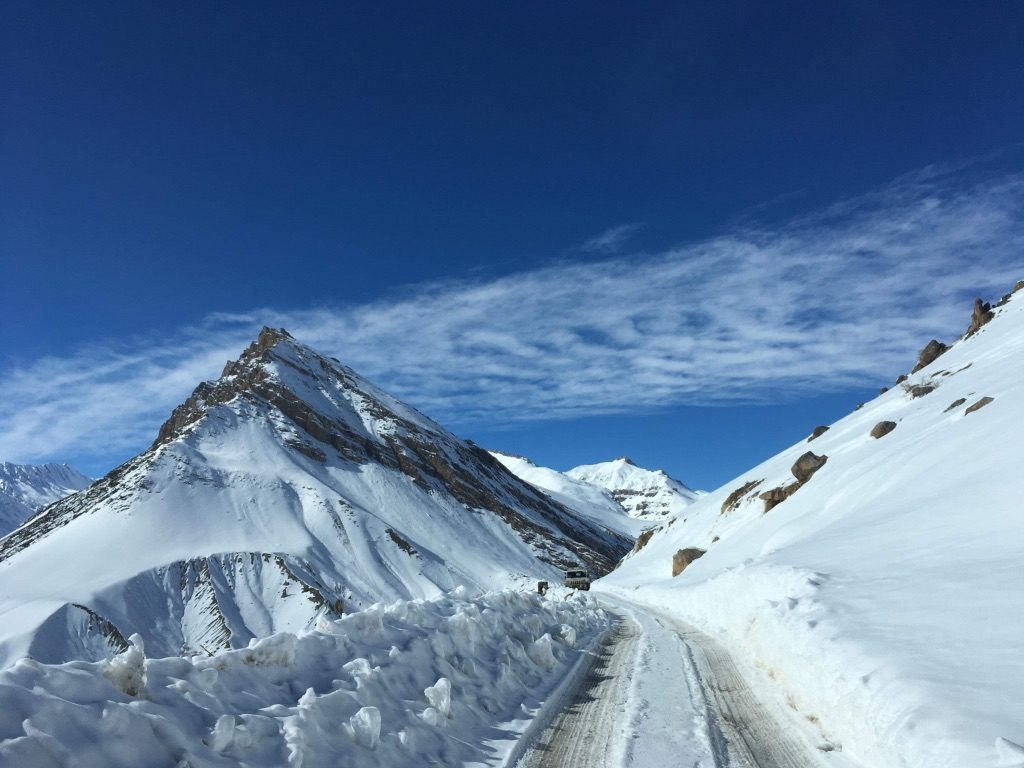
The difficulty of reaching Spiti plays a big role here. At least two full days of travel are required to get into the valley from Delhi or Chandigarh. Then another two days when you are heading back. There are no flights, no trains, and the roads test your patience and your vehicle. This natural barrier keeps casual tourists away and ensures that those who make it to Spiti genuinely want to be there. You can read more about the routes in my Spiti via Manali planning guide and the Spiti via Kinnaur route guide.
How Does Spiti’s Isolation Compare to Ladakh’s?
What makes journeying through Spiti so special is that it is truly not a vacation in the conventional sense. There are minimal guesthouses, limited mobile connectivity, no ATMs beyond Kaza, and very few restaurants. You eat what the homestay serves, you sleep when the power goes out (which it will), and you walk when the road gives up. Getting to experience that level of isolation in its truest sense, without any technology cushioning you, is an experience worth having.
Spiti covers roughly 13,800 sq. km of barren, high-altitude terrain situated at about 12,500 Ft above sea level. The landscape shifts constantly. One moment you are driving through a narrow gorge with the Spiti River roaring below, and the next moment you are on an open plateau with nothing but brown mountains stretching to the horizon. Keep in mind, the remoteness also means you need to plan carefully. Carry enough cash (at least Rs 5,000-10,000 beyond Kaza), download offline maps, and stock up on essentials before entering the valley.
In Ladakh, the infrastructure has improved dramatically. You now have petrol pumps at Karu, Diskit in Nubra, and Tangste near Pangong. Jio and Airtel offer 5G in Leh city, and 4G coverage extends to Nubra and several highway stretches. Ladakh feels more accessible, more connected, and honestly, a bit less adventurous for repeat Himalayan travelers. If you are someone who wants to be genuinely off-grid for a week, Spiti is your answer.
What Offbeat Experiences Can You Get Only in Spiti?
Spiti packs a staggering number of unique experiences into a compact geography. Let me list out what you can do here that Ladakh simply cannot offer in the same way.


Pin Valley National Park is home to the snow leopard, ibex, and the Himalayan griffon vulture. The park covers about 675 sq. km and is one of the few places in India where you can trek through a cold desert ecosystem. Unlike the more commercialized wildlife experiences in other parts of India, Pin Valley gives you a raw, unguided wilderness experience. You can read more about it in my Mud Village and Pin Valley guide.
The 500-year-old mummy at Giu Monastery is something you will not find anywhere else in India. A naturally mummified body of a Buddhist monk, believed to have practiced self-mummification (Sokushinbutsu), sits in a small chamber in this remote village. The entry fee is just Rs 30 per person, and the experience is genuinely surreal. I have covered this in detail in my Giu Monastery guide.
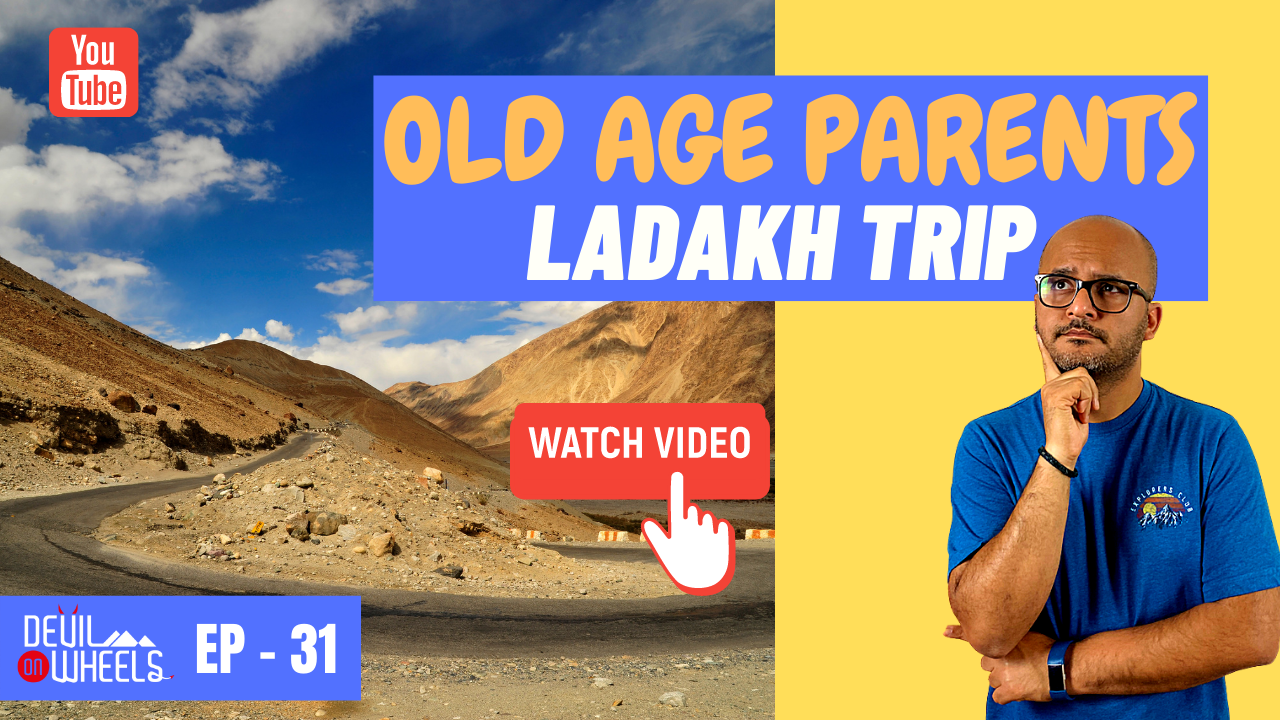
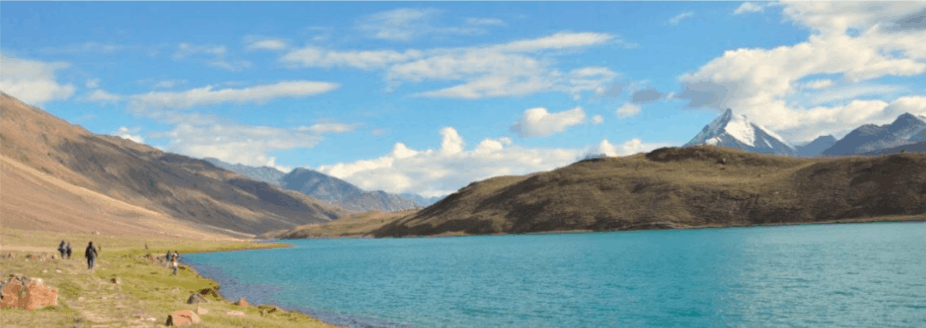
Chandratal Lake, the “Moon Lake” at 14,100 Ft, is a Ramsar wetland site that changes color throughout the day. Unlike Pangong Lake in Ladakh where you can drive right up to the shore and find hundreds of tourists, Chandratal requires a 14-18 km trek from Batal. The camping at the lake banks is now banned, so you stay at camps 3-5 km away (Rs 1,200 to Rs 2,500 per night). The effort makes the reward sweeter. Check my Chandratal travel guide for complete details.
The world’s highest post office at Hikkim (14,400 Ft), fossil hunting at Langza, and river rafting on the Spiti River are experiences that are distinctly Spitian. Ladakh has its own unique offerings, no doubt, but Spiti concentrates these offbeat gems in a much smaller area, making them accessible even on a short 8-10 day trip.
Is Spiti’s Culture More Immersive Than Ladakh’s?
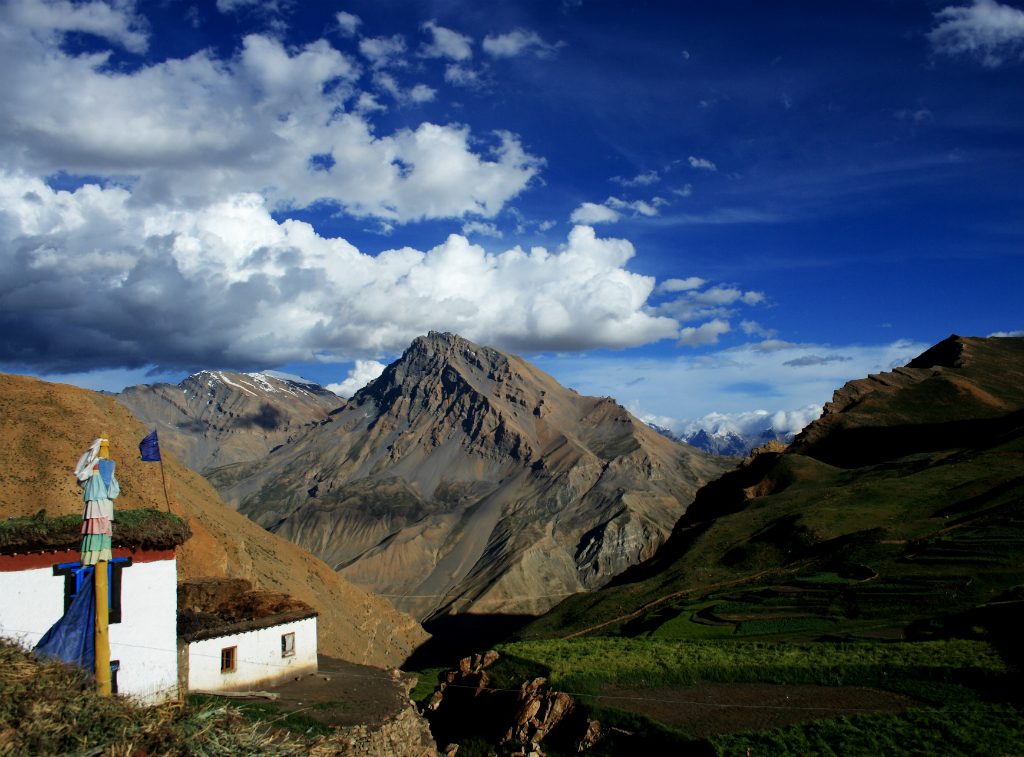
In my experience, yes. Given the relatively compact size of Spiti Valley, it is much easier to deeply engage with the local culture compared to Ladakh where you are mostly moving between distant sightseeing points. In Spiti, you live in homestays, eat with families, and quickly become part of the village rhythm. The homestay culture here is genuine, not commercial. Expect to pay Rs 500 to Rs 1,200 per night including meals, and the food will be home-cooked with local ingredients.
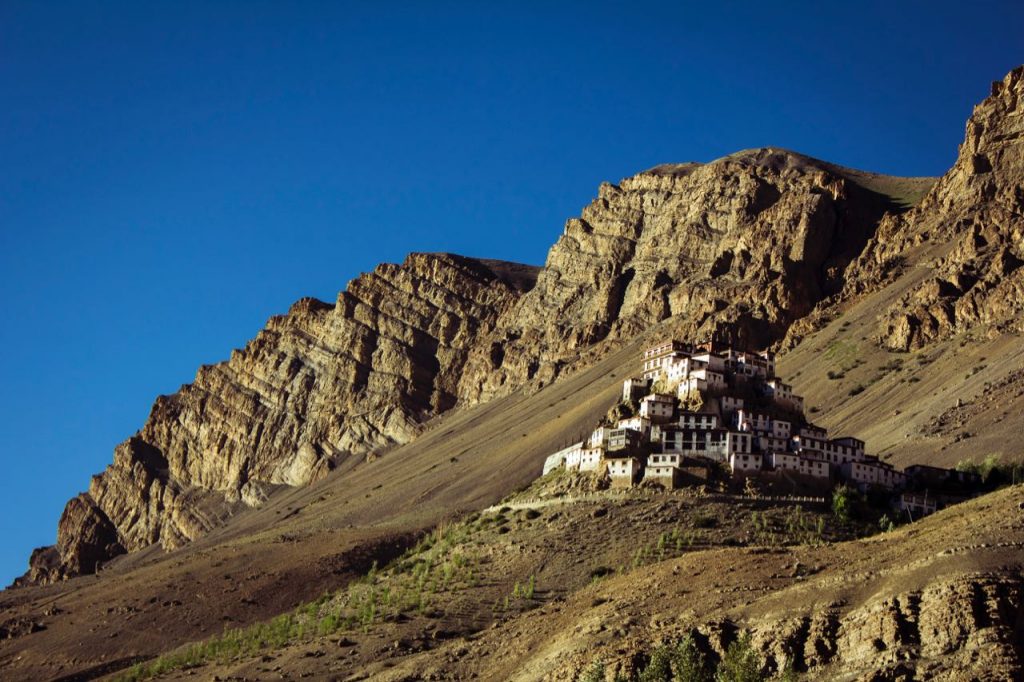
Key Monastery, dating back to 996 AD, is one of the oldest and largest monasteries in Spiti. Unlike Hemis or Thiksey in Ladakh where tourist groups are shuffled through on tight schedules, at Key you can spend hours talking to the young monks, attending prayers, and understanding Tibetan Buddhist traditions at your own pace. You can plan your travels to coincide with major festivals in the Spiti region like the Ladarcha Fair in August or the Fagli Festival in February.
In terms of food, Spiti offers some delightful surprises. Yes, chai, momos, and Maggi remain staples here as well, but you will also find thukpa (noodle soup), butter tea, chhurpi (dried cheese), and tsampa (roasted barley flour) served in homestays. Since most of your meals come from the family kitchen rather than a restaurant, the food experience feels genuine and deeply personal. In Ladakh, the restaurant culture in Leh has become quite developed, which is convenient but takes away from that immersive local feel.
What Adventures and Wildlife Does Spiti Offer?
If Ladakh has the double-humped Bactrian camels of Hunder, Spiti has its own unique wildlife and adventure experiences. The Buchen of Pin Valley (not llamas, they are lay religious performers, not monks) are considered among the last surviving practitioners of the Lama Manipa tradition, wandering storyteller-actors who trace their lineage to the 14th-century saint Tangtong Gyalpo. Their winter performances combine acrobatics, exorcism rituals, and open-air religious theatre, and in some villages this still culminates in a slab of stone marked with demon imagery being broken on a performer’s bare chest to symbolically drive away evil spirits. Witnessing a Buchen performance in a remote Spiti village, usually during the winter months, is an experience you simply cannot replicate anywhere else in the Himalayas, including Ladakh.
For adrenaline junkies, Spiti delivers hard. The Spiti River offers rafting opportunities through narrow gorges with Grade III-IV rapids. There are excellent treks including the Hampta Pass trek (14,100 Ft, connecting Kullu to Spiti), the Pin Parvati Pass (17,450 Ft, a challenging 10-12 day expedition), and shorter day hikes to places like Dhankar Lake and Langza. Most of the spectacular lakes and viewpoints in Spiti can only be reached on foot, which adds to the adventure quotient.
The Yak safari around Langza and Komic is another activity unique to Spiti. These gentle, woolly creatures carry you across landscapes that feel like you have landed on another planet. It is slow, peaceful, and very different from the camel safaris in Nubra Valley which have become quite commercialized.
Does a Spiti Trip Also Cover Kinnaur Valley?
This is the bonus that many travelers do not realize until they are planning the itinerary. A Spiti trip, especially if you take the Shimla-Kinnaur-Spiti route, automatically takes you through the gorgeous Kinnaur Valley. This means you get two completely different Himalayan experiences in one trip.
Kinnaur is green, lush, and fertile with apple orchards and walnut trees. Spiti is barren, brown, and stark. The contrast is dramatic and makes the journey feel like you are traveling through different worlds. Villages like Chitkul (the last inhabited village on the Indo-Tibetan border at 11,319 Ft), Kalpa (with its views of Kinner Kailash), and Sangla are all part of the standard Spiti circuit. In Ladakh, your trip is mostly within the Union Territory and the landscape, while magnificent, stays relatively consistent in character.
How Do Spiti and Ladakh Compare on Budget?
Spiti is generally more affordable than Ladakh, primarily because the accommodation is simpler and there are fewer opportunities to splurge. Here is a rough comparison for 2026:
| Category | Spiti Valley | Ladakh |
|---|---|---|
| Homestay / Budget Hotel | Rs 500 – Rs 1,200/night | Rs 1,000 – Rs 3,000/night |
| Mid-range Hotel | Rs 1,500 – Rs 3,000/night | Rs 3,000 – Rs 8,000/night |
| Meals (per day) | Rs 300 – Rs 600 | Rs 500 – Rs 1,000 |
| Bus from Delhi | Rs 700 – Rs 1,500 (to Shimla/Manali) | Rs 1,200 – Rs 2,500 (to Leh via Manali) |
| Local Taxi (full day) | Rs 3,000 – Rs 5,000 | Rs 5,000 – Rs 8,000 |
| Total (8-10 days, budget) | Rs 10,000 – Rs 20,000/person | Rs 20,000 – Rs 40,000/person |
Keep in mind, if you travel by public transport on a tight budget, Spiti can be done for as little as Rs 10,000 per person for 8-10 days. The HRTC bus from Shimla to Kaza costs about Rs 500-600 (fares on this segment vary by aggregator, so verify locally before booking), and from Manali/Kullu to Kaza about Rs 500-589 via the Atal Tunnel route (women get a 50% HRTC discount). For a detailed cost breakdown, check my Spiti Valley trip cost guide.
Does Spiti Carry the Same AMS Risk as Ladakh?
Yes, and I want to be direct about this because too many people assume Acute Mountain Sickness (AMS) is only a Ladakh problem. Kaza sits at 12,500 Ft, Key Monastery is at 13,668 Ft, and Kunzum Pass touches nearly 15,000 Ft. If you enter via Manali and cross the Atal Tunnel, then Kunzum Pass, and reach Kaza the same day, you are gaining altitude just as fast as anyone flying straight into Leh. The symptoms are identical: headache, breathlessness, nausea, and in severe cases, bleeding nostrils and vomiting.
Here is where I would actually flag Spiti as the tougher call, not the easier one. Leh has SNM Hospital, oxygen cylinders on standby, and a medical ecosystem built around high-volume tourism. Kaza has a Community Health Center, and beyond that, the nearest proper hospital is at Reckong Peo or Manali, both several hours away on roads that do not always cooperate. In case you or anyone in your group starts showing symptoms in Spiti, please do not push forward hoping it will pass. Descend immediately. Keep in mind, altitude gain, not physical effort, is what triggers AMS.
I always suggest entering via the Kinnaur route (Shimla-Narkanda-Kalpa-Nako-Tabo-Kaza) for your first high-altitude trip, since it gains altitude gradually over 2-3 days instead of the steep single-day Manali push. Spend a night at Kalpa or Nako before pushing on to Kaza. Carry Diamox only if your doctor has prescribed it in advance, drink more water than you think you need, and skip alcohol for the first two days. For the full picture on symptoms, prevention, and what to do if things go wrong, I have covered this in detail in my AMS and acclimatization guide.

How to Plan Your Spiti Valley Trip in 2026?
If I have convinced you to pick Spiti over Ladakh (or at least try Spiti first), here are the practical details you will need.
Best time to visit: Mid-June to mid-October is the standard season when both the Manali and Kinnaur routes are open. For the best weather and clearest skies, September is my personal favorite. You can check the best time to visit Spiti month by month for a detailed breakdown.
Routes: There are two main routes to Spiti. The Shimla-Kinnaur-Kaza route (about 427 km, 2-3 days) via Narkanda, Rampur, Reckong Peo, and Nako. And the Manali-Rohtang/Atal Tunnel-Kunzum Pass-Kaza route (about 200 km, 1-2 days). I suggest doing a circuit, entering from one side and exiting from the other, to maximize what you see.
Permits: As of 2026, Indian nationals do not need permits for most of Spiti Valley including Kaza, Tabo, Key, Pin Valley, and other popular spots. However, if entering from the Manali side, you will need a Rohtang Pass permit, which is a flat Rs 550 (Rs 500 permit fee plus Rs 50 congestion charge) for both cars and bikes, applied for at rohtangpermits.hp.gov.in. Keep in mind, that is about a personal permit, not vehicle paperwork. Every vehicle entering Lahaul & Spiti district, from either the Kinnaur or the Manali side, now needs a free e-Aagman e-pass, registered at eaagman.hp.gov.in. I suggest filling this out 24-48 hours before you arrive, since there is no usable mobile network at the checkpost to do it there. Separately, since February 2026, a Rs 500 entry fee applies to four-wheelers entering Spiti via the Sumdo Army Check Post on the Kinnaur side. Keep in mind, this fee is specific to that entry point and has been evolving. As per a Tribune India report, the local MLA has since directed the Kaza administration to waive this fee for Lahaul-registered vehicles, so do verify the current status at the barrier before you travel. For details on permits including those needed for foreign nationals, check my Kinnaur Lahaul Spiti permits guide.
Itinerary: A standard Spiti circuit takes 8-10 days. For the most common routes and day-by-day plans, refer to the Spiti Valley most common itinerary.
Practical Information for Spiti Valley
| Altitude | Kaza: 12,500 Ft (3,810 m) |
| Best Time | Mid-June to Mid-October (both routes open) |
| Nearest Airport | Bhuntar (Kullu), 245 km from Kaza |
| Nearest Railway | Shimla (420 km) or Joginder Nagar (275 km) |
| Mobile Network | BSNL postpaid works in Kaza. Jio/Airtel very limited |
| ATM | SBI ATM in Kaza (often non-functional). Carry cash |
| Fuel | Last reliable pump at Reckong Peo (Kinnaur side) or Tandi (Manali side) |
| Medical | Community Health Center in Kaza. Nearest hospital: Reckong Peo or Manali |
When Should You Choose Ladakh Instead of Spiti?
I want to be fair here. Ladakh absolutely has its strengths, and for certain types of travelers, it might actually be the better choice. Choose Ladakh if you want bigger, more dramatic landscapes (Pangong, Nubra sand dunes, Magnetic Hill). Choose Ladakh if you prefer better infrastructure with comfortable hotels and restaurants. Choose Ladakh if you want to fly in and save travel time. And choose Ladakh if you are interested in exploring a larger region with more variety in terrain.
However, if you want cultural depth over scenic grandeur, raw isolation over comfortable tourism, and genuine homestay experiences over hotel stays, Spiti is where your heart will find what it is looking for. I have written a detailed 5 reasons to pick Ladakh over Spiti if you want to evaluate both options side by side.
Conclusion
Spiti Valley is not just an alternative to Ladakh. It is a completely different kind of Himalayan experience. The isolation is real, the culture runs deep, the landscapes shift from green Kinnaur to barren Spiti in ways that keep you in constant awe, and the people welcome you into their homes with a warmth that big tourism has not yet eroded. Famous for its ancient monasteries, striking high-altitude lakes, and a lifestyle that moves at nature’s pace, Spiti will give you memories that no luxury hotel in Leh can match.
I hope this article helps you decide between Spiti and Ladakh for your next Himalayan trip. If you have been to both and want to share your perspective, or if you have questions about planning either trip, feel free to drop a comment below. Also, if you know friends or family who are stuck in this same dilemma, do share this article with them. You can also join the DwD Community to connect with fellow travelers who have done both routes and can share first-hand experiences 🙂 …
Last Updated: September 2026
Frequently Asked Questions
Is Spiti Valley better than Ladakh for a first Himalayan trip?
It depends on what you value more. Spiti offers deeper cultural immersion, fewer crowds, and a more authentic homestay experience. Ladakh offers grander landscapes, better infrastructure, and the convenience of flying directly to Leh. If you want raw and offbeat, go Spiti. If you want dramatic and well-connected, go Ladakh. For budget travelers and those who enjoy slow, immersive travel, I personally recommend Spiti first.
How many days do I need for a Spiti Valley trip?
A minimum of 8-10 days is recommended for a Spiti circuit. This includes 2 days of travel each way (from Delhi or Chandigarh) and 4-6 days exploring the valley. If you are entering from Kinnaur and exiting via Manali (or vice versa), a 10-day plan works best and lets you cover Chitkul, Nako, Tabo, Dhankar, Kaza, Key, Chandratal, and more without rushing.
Is Spiti Valley safe for solo travelers?
Yes, Spiti is very safe for solo travelers, including women. The locals are welcoming and helpful. However, keep in mind that medical facilities are limited (nearest hospital is in Reckong Peo or Manali), mobile connectivity is poor beyond Kaza, and you should carry adequate cash since ATMs are unreliable. I suggest informing someone about your itinerary before heading in.
Can I visit Spiti Valley by public transport?
Yes, HRTC runs regular bus services to Spiti. From Shimla to Kaza, the bus costs about Rs 500-600 and takes about 12-14 hours. From Manali or Kullu to Kaza, the fare is around Rs 500-589 via the Atal Tunnel route (women get a 50% HRTC discount), with the daily service typically leaving Kullu around 4:30 AM and Manali around 6 AM. Local buses within the valley connect Kaza to nearby villages. For a detailed public transport guide, check my article on budget trip to Spiti on public transport.
Do I need permits for Spiti Valley in 2026?
Indian nationals do not need a personal permit for most of Spiti Valley including Kaza, Tabo, Key Monastery, and Pin Valley. However, every vehicle entering the district, regardless of route, needs a free e-Aagman e-pass from eaagman.hp.gov.in. If entering from Manali, you will also need a Rohtang Pass permit, a flat Rs 550 for both cars and bikes. A Rs 500 vehicle entry fee at the Sumdo check post (Kinnaur side) was introduced in February 2026, though Lahaul-registered vehicles have since been directed to be exempted, so verify locally. Foreign nationals need permits for certain restricted areas near the border. Check my permits guide for the latest details.
Which is cheaper, Spiti or Ladakh?
Spiti is generally cheaper than Ladakh. Budget accommodation in Spiti starts at Rs 500 per night compared to Rs 1,000 or more in Ladakh. Meals cost Rs 300-600 per day in Spiti versus Rs 500-1,000 in Ladakh. Local transport is cheaper in Spiti. A budget Spiti trip for 8-10 days costs about Rs 10,000-20,000 per person, while a similar Ladakh trip runs Rs 20,000-40,000 per person.
Does Spiti Valley have the same altitude sickness risk as Ladakh?
Yes, and arguably it deserves more caution. Kaza sits at 12,500 Ft and Kunzum Pass touches nearly 15,000 Ft, so entering via Manali in a single day gains altitude just as fast as flying into Leh. Spiti also has fewer medical facilities than Leh, with the nearest proper hospital at Reckong Peo or Manali, several hours away. I suggest entering via the gradual Kinnaur route for your first trip and reading my AMS and acclimatization guide before you go.
What is the best month to visit Spiti Valley?
September is the sweet spot. Both routes (Kinnaur and Manali) are open, the weather is clear, crowds thin out after the August rush, and the autumn colors start appearing in Kinnaur. June and July are also good but you might encounter road closures due to monsoon landslides, especially on the Kinnaur side. For a month-by-month guide, refer to my Spiti Valley best time to visit article.
How much is the Rohtang Pass permit for Spiti Valley in 2026?
The Rohtang Pass permit, needed only if you enter Spiti via Manali, is a flat Rs 550 per vehicle (Rs 500 permit fee plus Rs 50 congestion charge), booked online at rohtangpermits.hp.gov.in. This is separate from the free e-Aagman e-pass required for every vehicle entering Lahaul and Spiti district regardless of route, registered at eaagman.hp.gov.in.
Why does Spiti Valley feel less crowded than Ladakh?
Spiti’s homestay and hotel capacity is structurally smaller than Leh’s, so even as Ladakh’s tourist arrivals crossed 3.3 lakh between January and July 2026, Spiti cannot absorb comparable numbers. The valley also has no flight or rail access, so every visitor commits to at least two days of travel each way, which keeps casual footfall low regardless of any single year’s tourism dip or rebound.
