


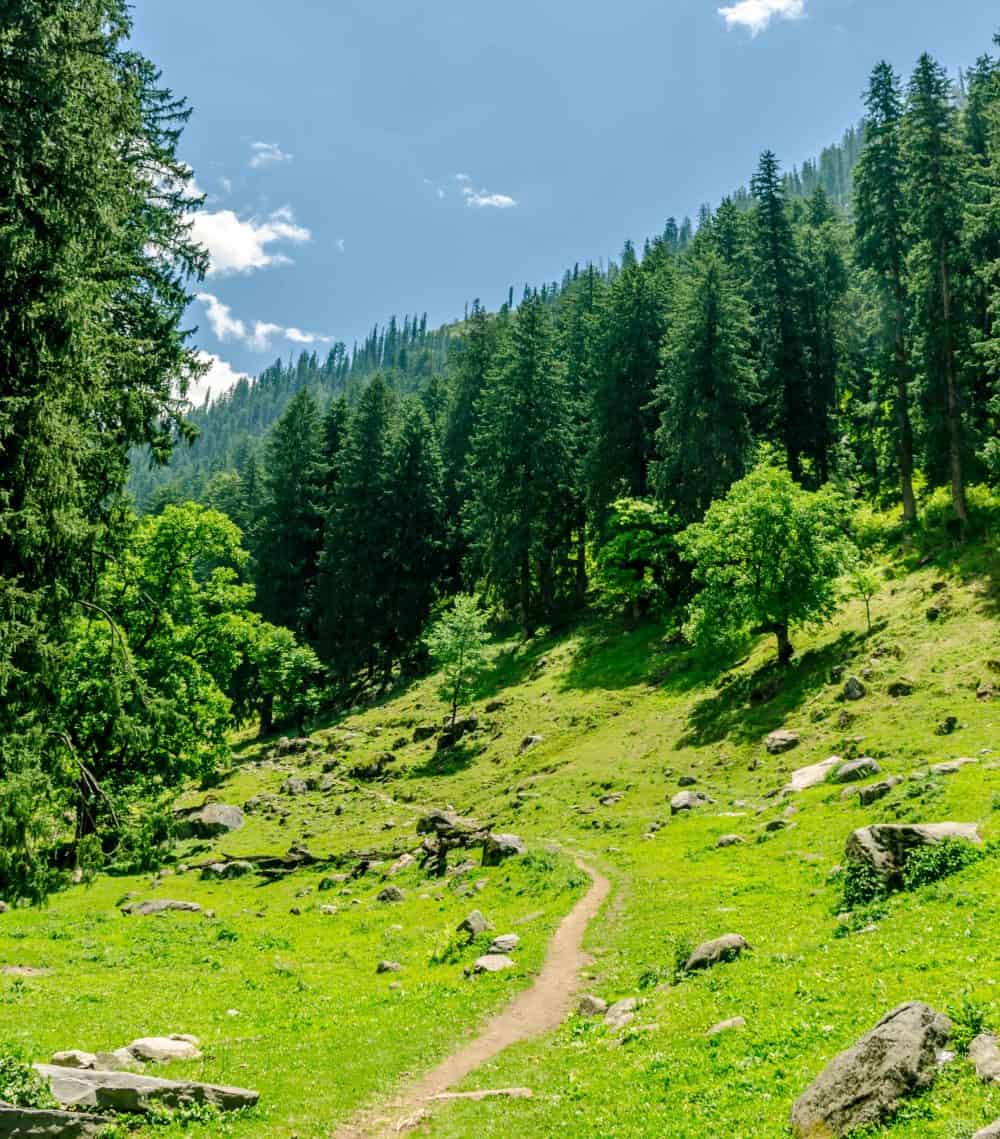
Are you planning a trek in Himachal Pradesh and wondering whether Kheerganga is the right choice for you? If you want a trail that takes you through dense forests, past roaring waterfalls, through little Himalayan hamlets, and rewards you with one of the most talked-about natural hot springs in the region, then yes, Kheerganga trek is absolutely worth it. I have been covering Parvati Valley for years now, and Kheerganga remains one of the most rewarding beginner treks in all of Himachal Pradesh.
It is one of the most recommended treks in Parvati Valley, and for good reason. However, there is a very important rule change you need to know before you plan your trip. Overnight camping at Kheerganga has been banned by the Himachal Pradesh Forest Department since July 2024, and the ban remains in force for the 2026 season. Kheerganga is now strictly a day-trek destination. You must arrive before 10 AM and descend by 2 PM. I will cover this in detail below, so please read through before finalizing your plan.
Kheerganga sits at 2,960 Mts (9,711 Ft) in Himachal Pradesh’s Parvati Valley, at the end of a 12 to 13 km trek from Barshaini village near Kasol, and it is now a day-trek-only destination. Here are the facts most trekkers search for before planning:
- Altitude: 2,960 Mts (9,711 Ft) at the Parvati Kund hot springs
- Trek distance: 12 to 13 km one way via the Nakthan route from Barshaini
- Best season: March to June and September to November (avoid July-August monsoon and November-February snow closure)
- Camping status: Banned since July 2024. Entry only before 10 AM, mandatory descent by 2 PM
- Registration: Rs 100 per person at the Barshaini checkpost (Nakthan route), valid photo ID required
Let's quickly dive into the details:
Quick Facts: Kheerganga Trek 2026
| Maximum Elevation | 2,960 Mts (9,711 Ft) |
| Best Time to Visit | March to June, September to November |
| Difficulty Level | Easy to Moderate |
| Trek Duration | 1 Day (day trek only. Camping banned since July 2024) |
| Trek Distance | 12 to 13 km one way (Barshaini to Kheerganga) |
| Starting Point | Barshaini village |
| Budget (per person) | INR 1,500 to 2,500 for a day trip |
| Camping Status | BANNED since July 2024. Day visits only. |
| Entry Registration | Register at Barshaini (Rs 100 per head for Nakthan route) |
| Nearest ATM | Kasol (none after Kasol towards Barshaini) |
| Mobile Network | No signal on most of the trail; intermittent BSNL only in a few villages |
| Fuel Availability | Last pump at Kasol/Manikaran, none beyond Barshaini |
| Last Updated | July 2026 |
Important 2026 Update: The Himachal Pradesh Forest Department banned overnight camping at Kheerganga in July 2024, and the ban continues to be enforced strictly. Entry is permitted only before 10 AM, and all trekkers must descend by 2 PM. No exceptions. Violators face permanent permit revocation and FIR registration. Plan accordingly by staying overnight in Nakthan, Barshaini, Kalga, or Tosh. The good news, my friend: the trail and the hot springs at Parvati Kund are cleaner and far less crowded now than during the tent-camping years, and the day trip is entirely doable if you start early.
Mythology and Significance of Kheerganga
An important destination for both Hindus and Sikhs, Kheerganga has a history far older than the backpacker trail that made it famous. Let me cover the stories behind this place before we get into the practical details of planning your trek.
Parvati and Kartikeya
Kartikeya, son of Shivji and Parvati, chose Kheerganga for his meditation and prayers. When his parents decided to visit him, Parvati wanted to cook for her son. Thanks to the presence of hot water springs in the region, legends have it that Parvati would cook rice pudding (Kheer) in this water itself. Hence, the greyish color and the milky complexion of the river is because of this!
If you are confused about picking up any destination for your upcoming trip, check my article on offbeat places in Himachal Pradesh.
The Kalyug Story
In Satyug, Kheer appeared out of nowhere when Shivji and Parvati Ji visited this place. However, Parvati Ji asked Purushotam to convert the Kheer into the water, knowing that people of Kalyug (aka us!) would fight over it.
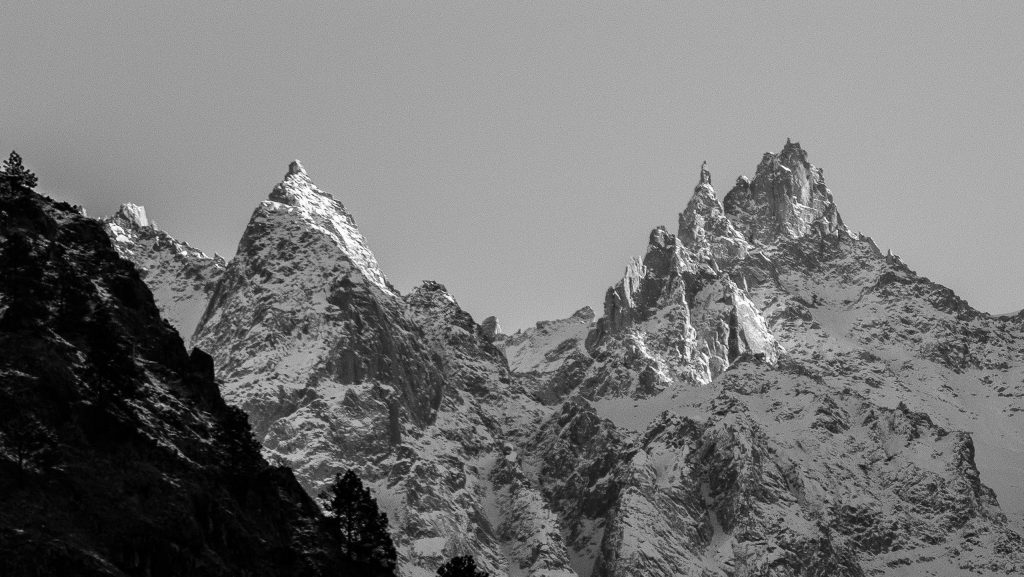
Guru Nanak Ji’s Visit to Kheerganga
During Udasi, Guru Nanak Singh Ji came to Kheerganga to visit his staunch disciple, Bhai Mardana. During one such visit, Bhai Mardana was hungry but had no food available. Upon Guru Nanak Ji’s instructions, Bhai Mardana went to collect Aata (flour) from the Langar. But there was no fire nearby to cook the chapatis.
Here, Guru Nanak Ji asked Mardana to remove a giant stone, and this is where a hot spring appeared. When Mardana dipped the Rotis into the spring, the Rotis sank. Upon the advice of Guru Nanak Ji, Mardana prayed to God for the Rotis to float back up, and when this happened, he paid it forward by feeding other people as well. The Rotis did float back to the surface, fully baked.
Thus, whoever donates in the name of God, with good intentions, will always have meaningful karma follow him as well.
How to Reach Kheerganga: Step by Step
The starting point for the Kheerganga trek is Barshaini village, which is easily accessible from Kasol. Here is how to get there from various directions.
By Air
The nearest airport to Kasol is the Kullu Manali Airport in Bhuntar, about 31 km from Kasol. The flights to Bhuntar are pretty limited, and apart from the frequency, reliability can be up for a toss as well. The safer option is Chandigarh’s Mohali Airport, approximately 300 km away. From either airport, taxis and buses are available for your onward journey to Kasol or Barshaini.


By Train
The nearest railway station is Joginder Nagar, about 4 hours by cab from Kasol. You can also take a train to Pathankot and then connect by bus or taxi. Alternatively, Chandigarh station is a good starting point for bus or taxi onwards to Kasol.
By Road from Delhi
The most convenient way to reach Parvati Valley is by road. Delhi to Kasol is approximately 520 to 535 km, and driving time is about 12 to 14 hours, depending on traffic at Mandi and the number of breaks you take along the way. The NH3 via Chandigarh and Kiratpur is the standard route. Keep in mind that the roads after Bhuntar are narrower and slower, so plan your timing accordingly.

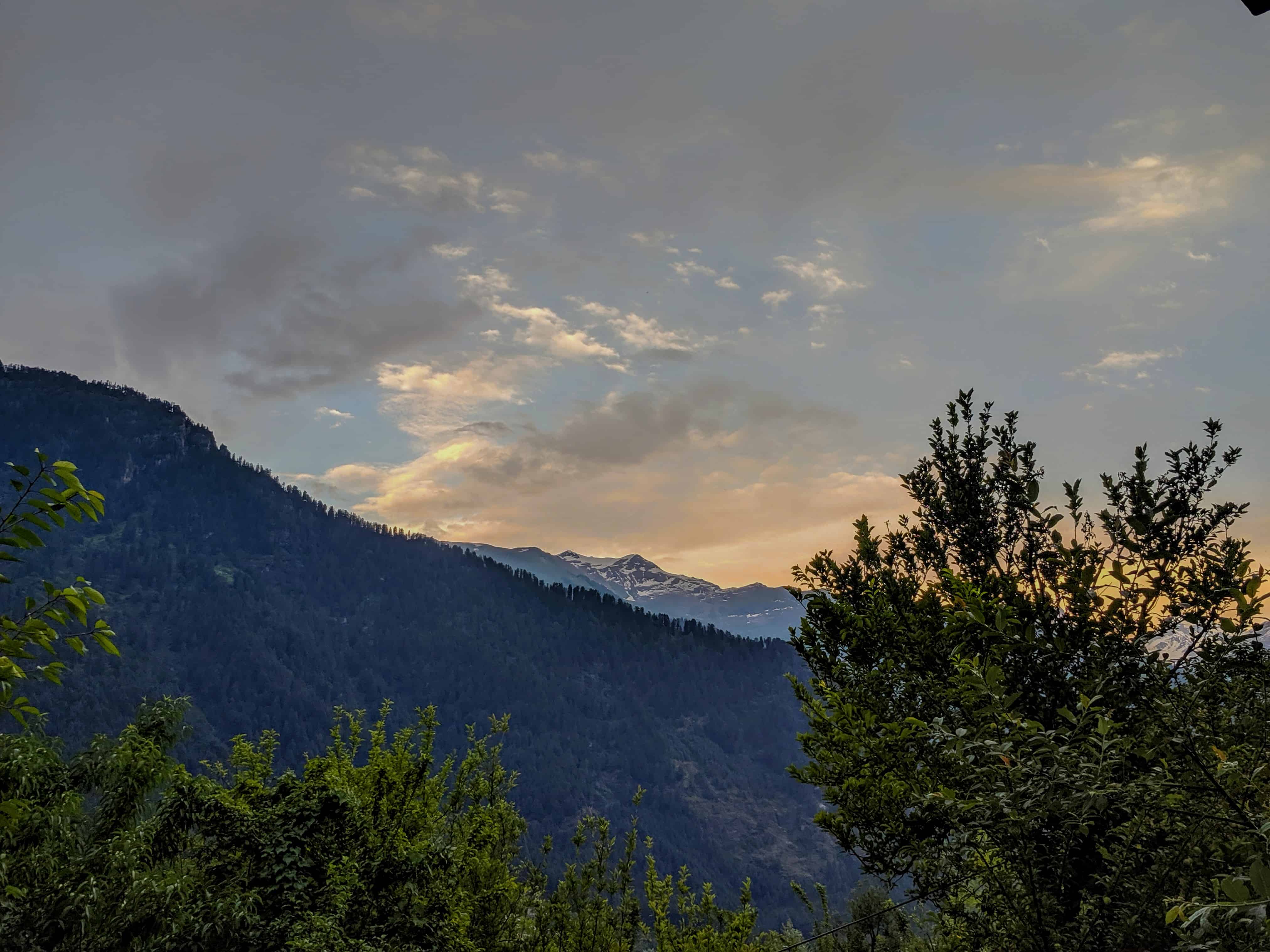
By Bus from Delhi
Many public transport buses leave ISBT Kashmiri Gate, Delhi for an overnight journey to Bhuntar. Volvo and semi-deluxe buses are available starting INR 1,000 to INR 1,500 (as of 2025, verify locally for current fares). A bus from Chandigarh will take around 8 hours. From Bhuntar, you need to change to a local bus heading towards Manikaran and get off at Kasol. From Kasol, local buses or shared taxis run to Barshaini. The journey takes about 30 to 40 minutes.
Taxi from Kasol to Barshaini
Taxis are available at all major stations (airports, railway stations, bus stops). From Kasol to Barshaini, a taxi will cost around INR 400 to 600 one way (as of 2025, verify locally). Shared cabs are also available from Kasol bus stand in the morning hours. Book in advance if you want to start early, as catching a taxi or bus at 5 AM in Kasol is not always easy.
Kheerganga Trek Itinerary: How to Plan Your Day
Given the camping ban since July 2024, Kheerganga is now strictly a day-trek destination. The 12 to 13 km trail from Barshaini to Kheerganga takes 4 to 6 hours depending on your fitness levels and pace. Here is how to plan your day efficiently.
Do not forget to refer to the list of must-have things to carry on a trekking trip before you set out.
Day 0: Reach Kasol or Barshaini the Night Before
Since camping is no longer allowed, you must stay in a village overnight before the trek. Kasol, Barshaini, Kalga, or Tosh are your best options. I suggest staying in Barshaini or Kalga itself, as this saves you the 30-minute morning commute and lets you start the trek earlier. Enjoy the hippie scene in Kasol if you want, but make sure you are in Barshaini or a nearby village by nightfall.
Day 1: Start Early, Trek to Kheerganga, Return by 2 PM
Leave from Barshaini by 5 AM at the latest. The Forest Department requires you to arrive at Kheerganga before 10 AM and begin your descent by 2 PM. This is non-negotiable. Given the 4 to 6 hour one-way trek, you have enough time to enjoy the hot springs and soak in the views before heading back, but you cannot linger too long at the top. I suggest spending 45 to 60 minutes at the hot springs and heading back no later than 1:30 PM.
Register at the Barshaini checkpost before starting. The registration fee is Rs 100 per person for the Nakthan route. Carry a valid photo ID.
You should always carry your water bottle and refill it as many times as you need water. It will not only keep you hydrated always, but you will also help in saving the Himalayas from plastic garbage. Remember, every tiny step counts and your step in this direction can help save the Himalayas too !! 🙂 🙂
Routes to Choose from for Your Kheerganga Trek
There are three major routes that you can choose from. Each has its own character, and I have hiked all three on different occasions. Here is my honest breakdown.
- Nakthan Route: This is the most popular route and the quickest. You can reach Kheerganga in about 4 hours from Barshaini. Once you reach the Barshaini Bridge, take a left and start on your way up to Nakthan Village, following the left side of the Parvati River. Since this is the most-trekked route, it is well marked and has several cafes along the way. Most first-timers take this route, and I think it is a good choice if you want a clear trail with company.
- Kalga Route: Instead of taking a left at the bridge, turn right and hike up towards Kalga village. This route merges with the Nakthan route at around the halfway mark. You will cross through dense forest sections, and the trail is less crowded. For first-time trekkers, I suggest taking a guide on this route. The Kalga route is slightly longer at about 14 km but more scenic in the forest sections.
- Tosh Route: Another option that later merges with the Nakthan route. This is a good choice if you were staying in Tosh village the night before the trek. The Tosh river flows near Tosh village and joins the Parvati river near Pulga. Slightly longer at around 17 km.
I would highly recommend the Kalga route for ascending and the Nakthan route for descending. The ascent through the forest keeps you shaded and cool in the morning hours, while the Nakthan descent is well-trodden and easier on your knees.
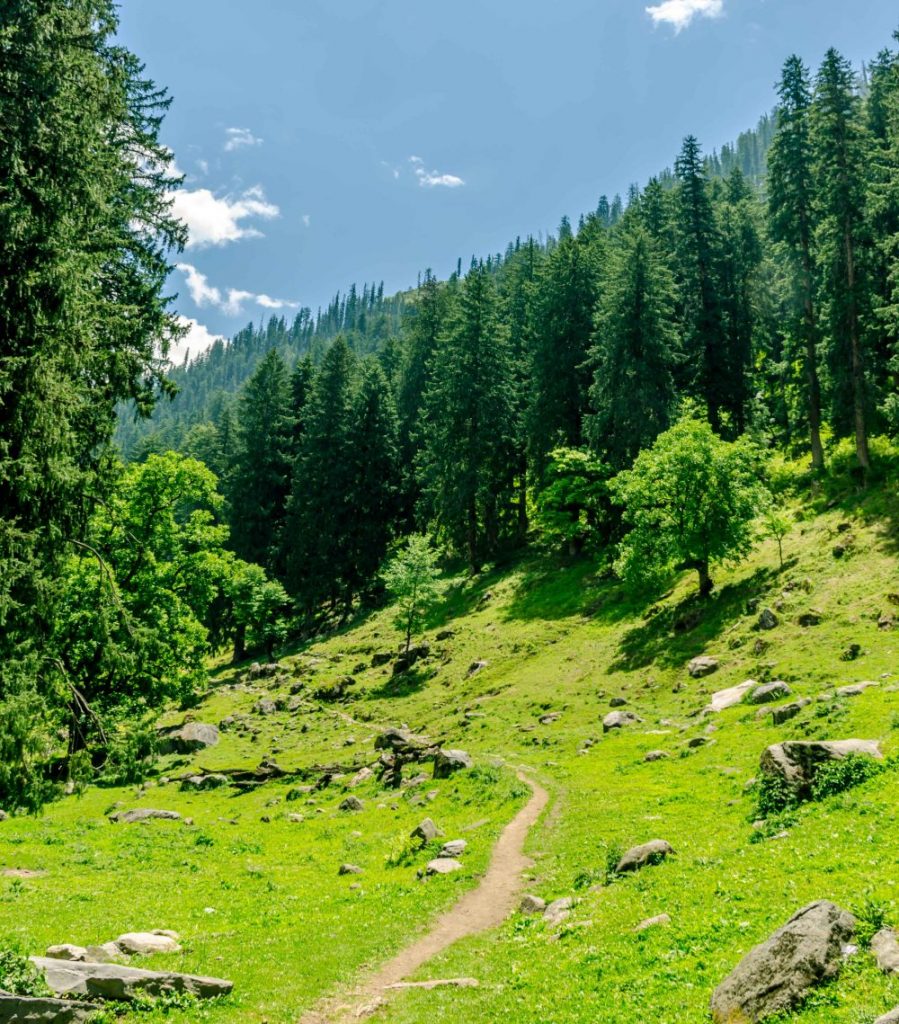
Key Landmarks on the Trail
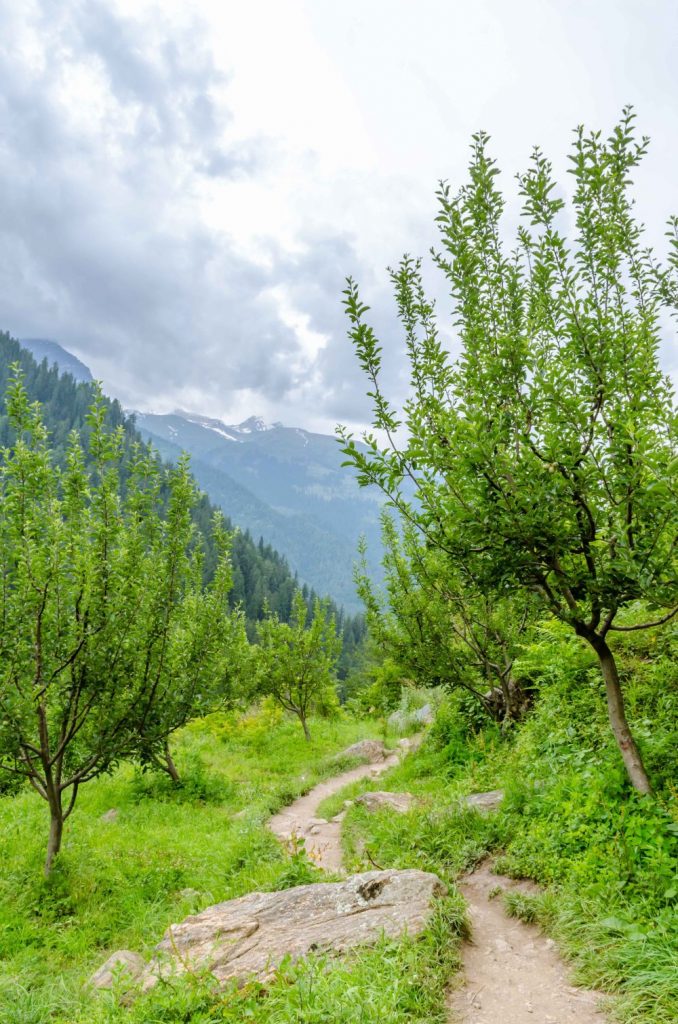
The trek is mild in the beginning and crosses through apple orchards as you gain altitude. Nakthan village is where all three routes merge. It has developed a good amount of café culture thanks to the consistent stream of trekkers, and you can grab Maggi and fresh juice here. It is almost the midpoint in your trail, so rest those legs and refuel before continuing upwards.
After Nakthan, you head on to Rudranag, which has one of the most beautiful waterfalls on this trail. Fill up your water bottles here. The water is clean and cold. Rudranag also has a small dharamshala, set up for pilgrims visiting the site. The dharamshala culture in Himachal is something I genuinely appreciate.
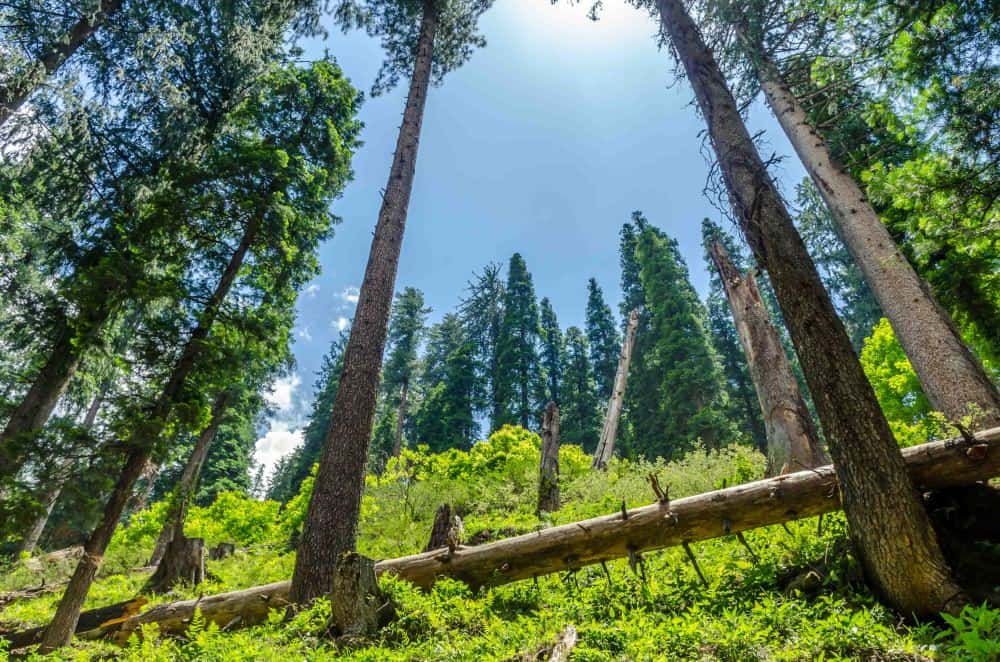
About 30 minutes after Rudranag, you will reach a bridge on your right with a dhaba that serves some seriously good food. While there are plenty of shortcuts along the way, do not take them. Stick to the marked route. There have been several fatal accidents on those shortcuts over the years, and no amount of time saved is worth that risk.
The Halfway Mark: Shalom Waterfall Café
Halfway along, you will reach a standalone dhaba near a gushing waterfall, named Shalom Waterfall Café. Their watermelon juice comes highly recommended. Also, when at a dhaba in the hills, Maggi is a must. It is basically the law! 🙂

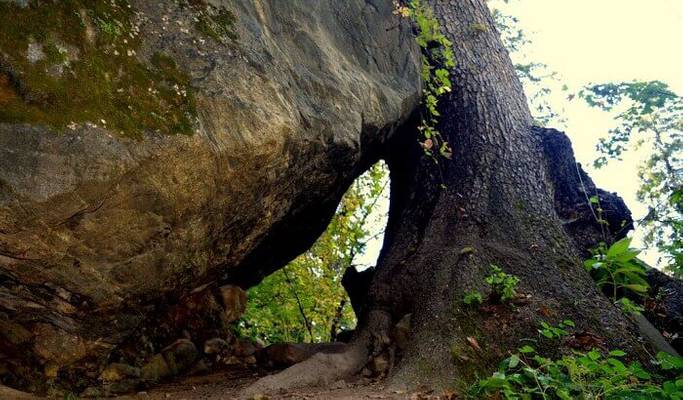
The journey starts getting tougher from here. It is a continuous climb, and although the path is well marked, it can be strenuous for first-time trekkers. Please walk at your own pace, stay hydrated, and enjoy the nature around you. There is no prize for arriving first.
A good pair of trekking shoes makes all the difference on the steeper sections of this trail. Worn-out sneakers or sandals are a bad idea here.
The Final Push to Kheerganga Top
It might seem the walk will never end, but you will first see two dhabas with stunning views, and then, one final turn, and there it is. The huts, cafes, and the steaming hot water springs of Parvati Kund. Your pace picks up automatically in those last 10 minutes. The views alone are worth the 4 to 6 hours of climbing.
Kheerganga Hot Springs: Parvati Kund
Parvati Kund, the natural hot water spring at Kheerganga, is the entire point of the trek for most people. There are separate sections for men and women. The water is genuinely hot (around 40 to 45 degrees C), and soaking in it after 5 to 6 hours of trekking with the cold Himalayan air around you is a feeling that is very hard to describe. You just have to be there.
The hot springs are believed to have medicinal properties and have religious significance for both Hindus and Sikhs. Whether you believe that or not, a 20 to 30 minute soak is well worth it. Keep in mind that you have a 4 to 6 hour descent ahead of you, so do not stay too long. Aim to leave Kheerganga by 1:30 PM at the latest to beat the 2 PM deadline comfortably.
What is the Best Time to Visit Kheerganga?
The best time to do the Kheerganga trek is from March to June and September to November. Here is a quick month-by-month breakdown.
- March-April: Snow may still be present on the trail, especially higher up. Temperatures are cold but the trail is manageable. Not ideal for true beginners.
- May-June: The best time for most trekkers. Weather is pleasant, the trail is dry, and the valley is in full bloom. Expect more company on the trail.
- July-August: Monsoon season. The trail becomes slippery and risky. Waterfalls swell dramatically. I would suggest avoiding this period for beginners.
- September-October: Excellent conditions. Post-monsoon, the trail is fresh and views are crisp. My personal favourite time for this trek.
- November-February: The route is generally closed due to heavy snowfall. January and February are particularly harsh. Avoid unless you are an experienced winter trekker.
Always check the weather before starting any Himalayan trek. With heavy rainfall, even an easy trail like Kheerganga can turn problematic. Check the list of easy Himachal treks for beginners if you want alternatives based on the season.
Where to Stay Near Kheerganga (Camping is Banned)
Since overnight camping at Kheerganga is banned since July 2024, here are your accommodation options in the nearby villages.
- Barshaini: The trek starting point itself has a few guesthouses and homestays. Budget rooms cost INR 500 to 1,000 per night. Staying here means you save the morning commute time.
- Kalga village: One of my favourite spots in this part of Parvati Valley. Small cafes and homestays with rooms ranging from INR 800 to 1,500 per night. Good food, quiet atmosphere.
- Nakthan village: Basic stays available for INR 500 to 1,000. Good midpoint option if you want to take the trek in stages.
- Tosh village: Guesthouses with rooms from INR 1,000 to 2,000. A beautiful village worth a night or two. Check out the full Tosh village travel guide for details.
- Kasol: The most popular base. Wide range of options from INR 600 budget hostels to INR 3,000+ guesthouses. Most trekkers base themselves here. Check my complete Kasol travel guide for options.
Budget Breakdown for the Kheerganga Trek
Here is a realistic per-person cost breakdown for a 2-day trip to Kheerganga from Delhi (Day 0: travel + stay, Day 1: trek + return).
| Expense | Budget | Mid-Range |
| Bus Delhi to Bhuntar (one way) | INR 700 to 900 | INR 1,200 to 1,500 (Volvo) |
| Kasol to Barshaini taxi | INR 150 to 200 (shared) | INR 400 to 600 (private) |
| Accommodation (1 night near Barshaini) | INR 500 to 800 | INR 1,200 to 1,800 |
| Trek registration (Barshaini) | INR 100 per person | INR 100 per person |
| Food during trek (dhaba meals + Maggi) | INR 400 to 600 | INR 600 to 900 |
| Miscellaneous (water, snacks, tips) | INR 200 to 300 | INR 300 to 500 |
| Total per person (excluding Delhi travel) | INR 1,500 to 2,000 | INR 2,600 to 3,800 |
These are approximate figures as of 2025, verify locally for current fares and accommodation rates. If you are traveling as a group of four, the shared taxi and accommodation costs come down significantly per head.
If you want to combine Kheerganga with Kasol and keep the entire trip under Rs 5,000, check out my super-tight budget guide for Kasol.
Essential Tips for the Kheerganga Trek
- Start by 5 AM from Barshaini: Given the 2 PM departure deadline at Kheerganga, you need to arrive by 10 AM. Leave Barshaini no later than 5 AM to build in buffer time. Getting up when the sun does is a difficult business, believe me, but there is no way around it for this trek now.
- Book your stay in advance: Since everyone now needs to stay overnight in nearby villages before the trek, accommodation in Barshaini, Kalga, and Tosh books up quickly in peak season (May-June and September-October). Do not show up without a booking.
- Stop at Nakthan: This village is so gorgeous and full of life that it will be a great point to rest your legs. It is almost the midpoint, so grab some Maggi and fresh juice while you are at it.
- Do not take shortcuts: There are plenty of unmarked paths that appear to be shortcuts. Do NOT take them. Stick to the main route. There have been fatal accidents on those shortcuts over the years.
- Stay hydrated: Fill up water at Rudranag. There is no shortage of water on this trail, but it is easy to forget to drink when you are focused on the climb. Drink regularly.
- Carry cash: There are no ATMs after Kasol. Keep enough cash for meals along the trail, accommodation, and the registration fee at Barshaini.
- Wear proper trekking shoes: Worn-out sneakers will be painful on the return descent. If you need a budget recommendation, check out my guide to trekking shoes under Rs 5,000.
- Layer your clothes: Even in summer months, the top can be chilly. Pack a light jacket. Weather in the hills is tricky, and being caught without a layer is miserable.
Kheerganga Trek Packing Checklist
- Sturdy trekking shoes (non-negotiable)
- Light jacket or fleece (even in summer)
- Raincoat or poncho (mandatory for July-August, advisable year-round)
- 2 litres water capacity (bottle or hydration pack)
- High-energy snacks (dry fruits, energy bars, chocolates)
- Photo ID (for Barshaini registration)
- Sufficient cash (no ATMs after Kasol)
- Sunscreen and sunglasses
- Trekking poles (optional but helpful on descent)
- Headlamp with fresh batteries (in case of delays)
- Basic first aid kit (band-aids, pain relief, ORS packets)
- Swimwear or shorts for the hot springs
For a more complete packing list, read my comprehensive guide on trekking in the Himalayas for beginners.
Extending Your Trip: Parvati Valley Combinations
Kheerganga pairs beautifully with other destinations in Parvati Valley. If you have more than 2 days, here are some natural extensions.
- Kasol + Kheerganga (2-3 days): The classic combination. Read the Kasol travel guide for the full plan.
- Tosh + Kheerganga (3-4 days): Combine a night in Tosh with the Kheerganga day trek. Tosh is one of the most photogenic villages in Himachal. Check the Tosh village guide for details.
- Malana + Kasol + Kheerganga (4-5 days): Add Malana village to the itinerary for one of the most culturally rich Parvati Valley trips possible.
- Full Parvati Valley circuit (5-7 days): If you want the complete picture, follow the Parvati Valley itinerary I have put together, which covers Kasol, Tosh, Kheerganga, and more.
In case you want to plan the entire Parvati Valley trip from scratch, I have a detailed Parvati Valley travel guide that covers everything from how to reach to where to stay to what to do.
Frequently Asked Questions about Kheerganga Trek
Is overnight camping still allowed at Kheerganga in 2026?
No. The Himachal Pradesh Forest Department banned overnight camping at Kheerganga in July 2024, and the ban remains fully in force for the 2026 season. Entry is permitted only before 10 AM, and all trekkers must descend by 2 PM. Violators face permanent permit revocation and FIR registration. Stay overnight in Barshaini, Kalga, Nakthan, or Tosh instead.
What kind of shoes should I wear for the Kheerganga Trek?
Proper trekking shoes or sturdy trail running shoes are a must. Make sure they are comfortable and broken in before the trek. Avoid new shoes, sandals, and smooth-soled sneakers. The descent is steep in places and a good grip is important. Budget options under Rs 5,000 are available. See my trekking shoes guide for recommendations.
What is the best time to do the Kheerganga Trek?
March to June and September to November are the best months. May, June, September and October are peak season with ideal weather. Avoid January and February (heavy snow closes the route) and July-August (monsoon makes trails slippery and risky). Always check the weather before heading out. For more on what a July or August visit to the wider Kullu region looks like, our Manali in monsoon 2026 guide covers the treks and safety angles in detail.
Is there ATM availability near Kheerganga?
There are no ATMs after Kasol. Hence, you must carry enough cash before leaving Kasol to cover meals along the trek (INR 400 to 600), the registration fee at Barshaini (Rs 100), and accommodation costs. Carry at least INR 2,000 to 3,000 per person in cash.
How do I reach Barshaini (the trek starting point) in the morning?
It is difficult to find shared cabs or buses from Kasol to Barshaini early in the morning. The best solution is to stay in Barshaini or Kalga itself the night before the trek. If you are based in Kasol, book a private taxi the evening before to pick you up at 4:30 to 5 AM. Do not leave this to chance.
Is there mobile connectivity on the Kheerganga Trek?
Network connectivity is essentially zero on most of the trail. You are heading deep into the valley, and signal drops out after Kasol for most operators. BSNL sometimes catches an intermittent signal in certain villages along the way, but do not count on it. Inform someone back home about your plan and expected return time before you start the trek.
Is food available along the Kheerganga Trek?
Yes, there are dhabas and food stalls at several points along the trail, near Nakthan, at Rudranag, at the Shalom Waterfall Café (halfway), and at the top near Parvati Kund. Expect to pay twice the Kasol prices on the trail. A basic Maggi will cost INR 100 to 150 and a meal will be around INR 150 to 250.
Is Kheerganga suitable for first-time trekkers?
Yes, it is one of the most beginner-friendly Himalayan treks. The trail is well-marked, dhabas are available throughout, and the difficulty level is easy to moderate. That said, the second half is a continuous climb and can be tiring. Start your trek with reasonable fitness, go at your own pace, and you will be absolutely fine. Check my beginners guide to trekking in the Himalayas for more preparation tips.
How difficult is the Kheerganga Trek for beginners?
The Kheerganga trek is rated easy to moderate. The first half through Nakthan and Rudranag is gentle. The second half, especially after the Shalom Waterfall Café, is a steady continuous climb and can feel strenuous if you are unfit. Reasonable fitness (can you walk 8-10 km in a day at home?) is enough. No prior trekking experience is required.
Conclusion
Kheerganga remains one of the most rewarding beginner treks in Himachal Pradesh, despite the changes brought by the 2024 camping ban. If anything, it is better now. The top is less crowded, the environment is cleaner, and the experience is more authentic. The hot springs at Parvati Kund are as good as ever, and the trail through the Parvati Valley is as beautiful as it has always been.
Plan carefully given the timing restrictions (arrive before 10 AM, leave by 2 PM), stay in Barshaini or Kalga the night before, start early, and you will have an excellent day. Parvati Valley holds many secrets, and Kheerganga is one of the most beautiful ways to go deeper into it. 🙂 … If this leaves you wanting a longer high-altitude challenge, the Hampta Pass trek itinerary across in Kullu Valley is a natural next step, four days from green valleys to the desert terrain of Lahaul.
Have a travel question?? You can subscribe to my YouTube channel and leave a comment to ask your travel questions about traveling to the Himalayas.
Please feel free to post any queries or doubts you might have in the comments section below. If you have been to Kheerganga, I would love to hear about your experience, especially your thoughts on the new day-trek-only rules. Any tips you can share with fellow travelers are always welcome. Feel free to share this article with friends and family who are planning a trip to Parvati Valley.
Last Updated: July 2026

4 Comments
Comments section gets closed in 90 days. To ask your travel questions, you can follow my YouTube Channel for a faster reply or for a much slower reply follow me on Instagram. :)
Me and pals are planning to go for this trek on New year’s. Is it advisable to do this trek during this time?
Also, how much total time/days this trek takes.
Hi Is it a good time to do the trek if I am going on 3rd December? Will it possible to pitch a tent during the same time.
Thanks a ton
Great blog , you have provided detailed information that is covering all aspects of this trip . I will definitely visit this during winter to enjoy the beautiful nature and also to experience the snowfall .The pictures you had provided in your blog are beautiful . Thank you for sharing with us .
Thanks for reading along! Do share your experience when you visit.