


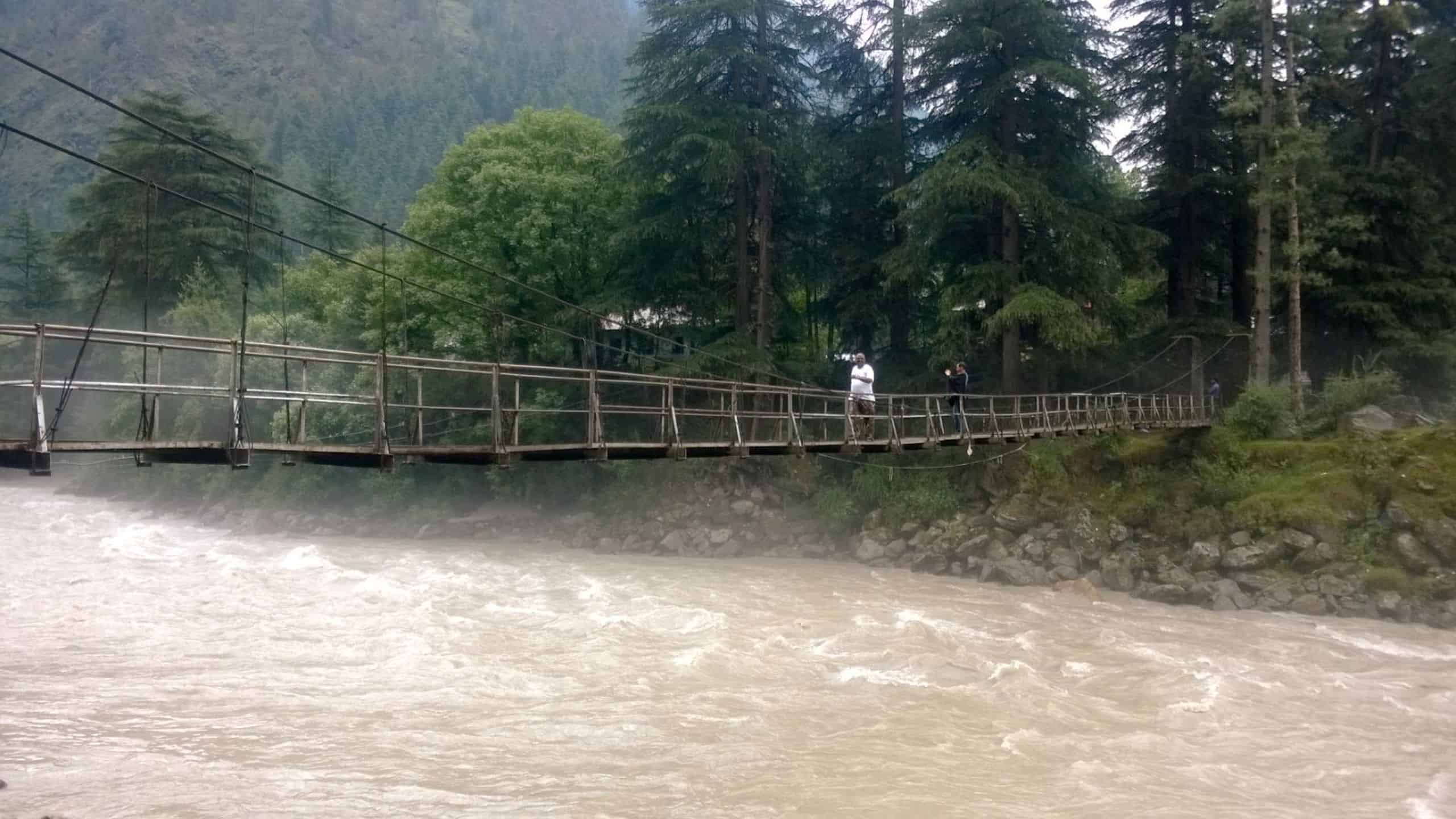
Malana village is one of those places in Himachal Pradesh that has fascinated travelers for decades. Sitting at an altitude of about 2,652 meters (8,701 ft) in the Parvati Valley, this tiny hamlet of roughly 200 households is known for its ancient self-governance, strict customs, and deliberate isolation from the modern world. Whether you are a backpacker looking for offbeat places or someone curious about one of the oldest democracies, a trip to Malana will leave a lasting impression, provided you visit it with the respect the community asks for.
I first heard about Malana years ago during a trip to Parvati Valley, and it has stayed with me since. The village has a reputation that precedes it, partly because of the infamous Malana Cream (hashish), but there is so much more to this place. The history, the customs, the views of Deotibba and Chandrakhani peaks, and the experience of being in a community that has deliberately stayed away from the outside world. Let me share everything you need to know to plan your Malana trip the right way, and to be a respectful guest while you are there.
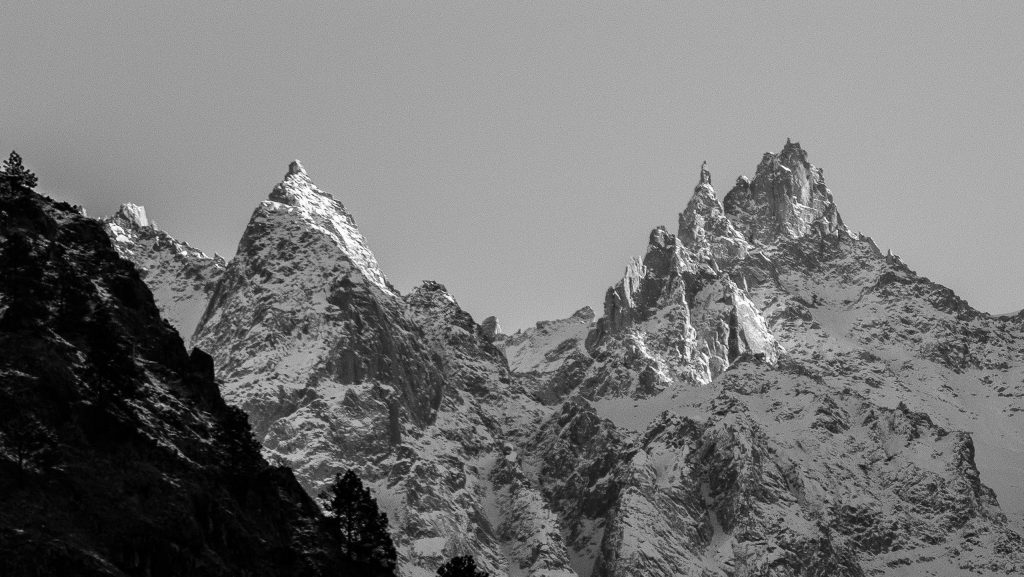
Quick Answer: Malana is a day-trip destination near Kasol in the Parvati Valley. Drive or bus to Jari, hire a shared taxi for the 23 km stretch to the road-end (about Rs 850, as of 2026), then trek 4 km (1 to 1.5 hours) into the village. Overnight stays inside Malana have been banned since 2017, so plan to be back in Jari or Kasol before dark, and always follow the no-touch and no-photography-of-people rules.
Let's quickly dive into the details:
Quick Facts About Malana Village
Malana sits at approximately 2,652 meters above sea level in the Kullu district of Himachal Pradesh. It is about 23 km from Jari village, with the last 4 km being a trek on foot. The village has no direct road connectivity. There is no entry fee, no permit required for Indian nationals, and no reliable mobile network inside the village. Keep in mind that overnight stays have been restricted since the village council’s ban on tourist accommodations. Day visits are still allowed.
| Detail | Information |
|---|---|
| Altitude | 2,652 m (8,701 ft) |
| District | Kullu, Himachal Pradesh |
| Population | About 1,700 to 1,900 residents, ~200 households |
| Local Language | Kanashi (spoken only in Malana, not understood elsewhere in Himachal) |
| Distance from Jari | 23 km by road + 4 km trek |
| Best Time to Visit | May to July, September to November |
| Entry Fee | None |
| Permit | Not required for Indians |
| Overnight Stay | Banned since 2017 (day visits only) |
| Mobile Network | Vodafone/Idea works, BSNL patchy. No internet |
| Nearest ATM | Jari or Kasol |
| Nearest Fuel | Bhuntar (30 km from Jari) |
What Is the History of Malana Village?
Quick Answer: Malana is considered one of the oldest democracies in the world, governed by a village council under the deity Jamlu Rishi. Locals trace their ancestry to Alexander the Great’s soldiers, and the village has stayed self-isolated for centuries to protect its own language, Kanashi, and its unique customs.
Malana is believed to be one of the oldest democracies in the world, with a self-governing system that predates many modern democracies. The village has its own parliament and a unique judicial system overseen by the local deity, Jamlu Rishi.
The Malanese people will proudly tell you that they are descendants of the Greeks, specifically soldiers from Alexander the Great’s army who settled here centuries ago. Another version of the story links their ancestry to the Aryans. According to local lore, Emperor Akbar once visited Malana and was cured of an ailment. Impressed, he exempted the village from taxes and government interference.
The village’s history is also deeply rooted in Hinduism. The foundation of its democracy traces back to the Puranas, complete with a parliamentary system. Jamlu Rishi is the presiding deity, and it is believed that the Rishi enters the body of the Gur (spokesperson) to make important decisions for the community. Hence, people of Malana prefer to avoid interacting with outsiders, to protect their roots and cultural purity.
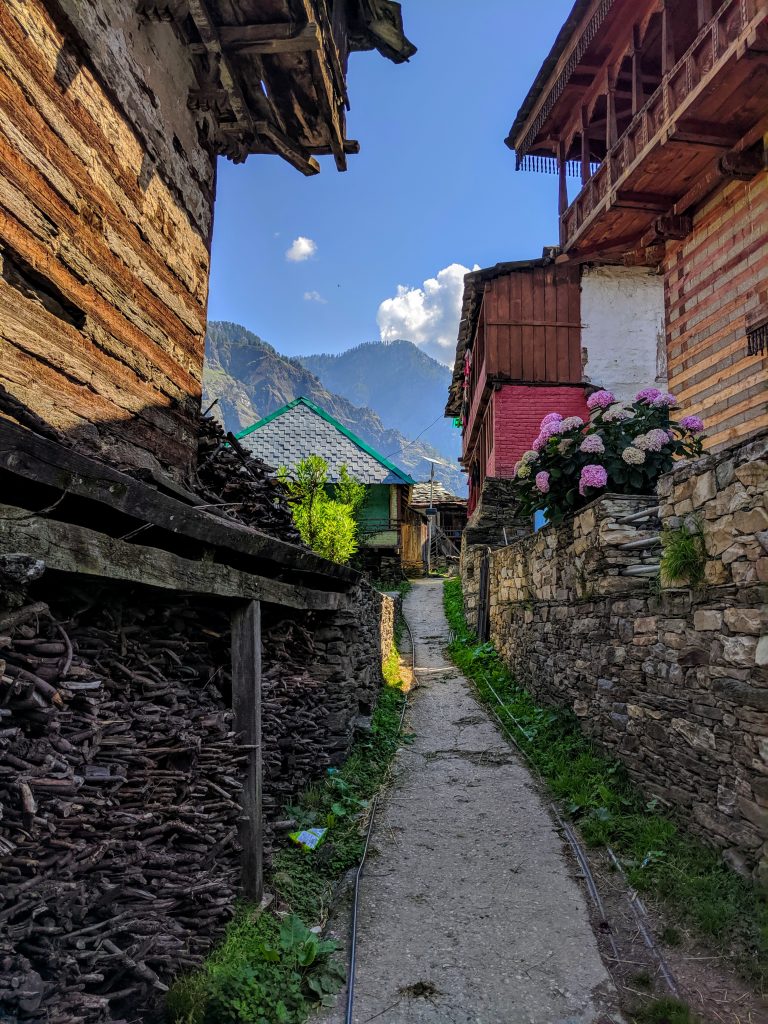
One thing that sets Malana apart, and that most visitors do not know before arriving, is Kanashi, the language spoken only in this village. It is not mutually intelligible with the rest of Himachal Pradesh, and researchers believe it carries a mix of Sanskrit and older Tibeto-Himalayan influences. With around 1,700 to 1,900 residents across roughly 200 households, as documented on the village’s Wikipedia page, Malana has managed to keep its own language, its own court system, and its own customs alive in a way that very few communities anywhere in India have. That is worth keeping in mind before you go: you are not visiting a theme village built for tourists, you are visiting a functioning, self-governed community that happens to also welcome day visitors.
What Are the Rules for Tourists in Malana?
Quick Answer: The core rule in Malana is no physical contact with villagers, their homes, temples, or belongings. Do not photograph people without permission, do not enter any temple, and do not attempt to speak Kanashi. Violations are handled by the village council itself, not the police, and can carry a fine.
This is the most important section of this guide, so please read it carefully before you visit. These are not quirky local traditions meant for tourist entertainment. They come from Malana’s belief in ritual purity and centuries of guarding their identity, so treat them the way you would treat house rules at someone else’s home, except this home is an entire village.
- No touching. Do not touch any villager, their belongings, walls of houses, or temple structures. Shopkeepers will ask you to place money on the counter rather than hand it to them directly. If you accidentally touch a villager, they will need to take a ritualistic bath, and the village council may fine you.
- No photography of people without permission. Always ask before photographing anyone. This applies everywhere in the Himalayas, but in Malana it is strictly enforced. Photographing the landscape, houses, and architecture from outside is fine.
- No entry into temples. The Jamlu Devta Mandir and other religious structures are strictly off-limits to outsiders. Do not even step on to a temple platform. You can admire the architecture from outside.
- Do not use the local dialect. Visitors are not allowed to speak Kanashi, the local language. This is to maintain the secrecy around their practices and culture.
- No police intervention. Disputes are resolved by the village council. If you involve the police over a local dispute, you may be fined.
- Respect nature. No hunting, no burning wood, no fixing nails on trees. The village takes environmental conservation seriously.
Keep in mind that the frequently quoted fine amount of Rs 2,500 to Rs 3,500 for touching a villager is not an official notified fee, it is what visitors and local reports have consistently described over the years. In case a village elder points out a mistake, apologize sincerely and follow their instructions. It is their home turf and their rules, not a negotiation.
Trip Suggestion: If you are exploring the Parvati Valley area, do check our detailed travel guide on planning a trip to Tosh Village.
Why These Rules Matter
I know some of these rules feel unusual to first-time visitors, and I get questions about this often. My take, after years of writing about responsible travel in the Himalayas, is simple. Malana is not a museum exhibit or a photo backdrop. It is a living community that has actively chosen to protect its customs against centuries of outside pressure, and tourism itself is one of the biggest threats to that. Following the no-touch and no-photography rules is not about superstition, it is about letting a community decide how it wants to be seen and interacted with on its own terms. If you would not want strangers walking into your home, touching your things, and photographing your family without asking, extend the same courtesy here.
Has Malana Banned Overnight Tourists?
Quick Answer: Yes. The village council banned overnight stays inside Malana in 2017. As of 2026, you can still visit and eat there during the day, but you must return to Jari or Kasol before dark since no guesthouse in the village is allowed to host tourists overnight.
Yes, and this is something every traveler planning a Malana trip must know. The village council imposed the overnight ban in 2017, after the deity Jamlu communicated through an oracle during a parliament meeting, asking villagers to stop renting properties to guesthouses and restaurants for overnight stays. The reason was that excessive tourism was threatening Malana’s culture and adding to its already controversial reputation.


As of 2026, tourists can still visit Malana during the day. Restaurants and cafes remain open during daylight hours. However, overnight accommodation inside the village is no longer available. You need to plan your visit as a day trip from Jari or Kasol. Start early, spend a few hours in the village, and return before dark.
Previously, options like Dragon House Cafe and Eagle Cafe & Guest House offered overnight stays. These are no longer available for tourists. If you find someone offering night stays, verify locally as rules can change, but as of now, plan for a day trip only.

What Are the Festivals of Malana?
Quick Answer: Malana celebrates two major festivals: Fagli in mid-February, a masked cold-water ritual with a procession honoring Emperor Akbar, and Shaun Jach on August 15, a village-wide fair that draws increasing numbers of visitors each year.
People in Malana celebrate two major festivals that are worth knowing about, especially if you want to time your visit.
Fagli Festival (February)
Also known as the Harlala mask dance, Fagli is celebrated in mid-February. During this festival, villagers take a bath in the intense cold. Certain villagers wear masks and perform a ceremonial dance to ward off evil, similar to the masked dance festivals in Spiti Valley. One unique aspect is that performers wear cannabis leaves during the rituals. There is also a procession in honor of Emperor Akbar. Villagers spread cow-dung across houses for insulation during this time.
Shaun Jach Festival (August 15)
Celebrated on August 15 every year, this is a grand procession where everyone in the village dresses up. Fair-like activities are common, and in recent years, a growing number of tourists have started visiting Malana specifically for this festival. If you plan to visit during Shaun Jach, expect the village to be busier than usual, and book your Jari or Kasol stay in advance.
When Is the Best Time to Visit Malana?
Quick Answer: May to July and September to November are the best windows, with pleasant weather and a comfortable trek. Avoid late July and August, the peak monsoon months, when landslides and cloudbursts are a real risk on this route.
The best time to visit Malana is during the summer months (May to July) or the post-monsoon months (September to November). The weather is pleasant during these periods, and the trek is comfortable. Summer temperatures range from 7 to 21 degrees Celsius.
A word of caution, and I say this from genuine concern for your safety, not to scare you unnecessarily: avoid the monsoon months of late July and August. It rains heavily in Himachal during this period, and this is not a hypothetical risk. In late July 2024, a cloudburst near the Malana power project damaged the only road connecting the village to the outside world, and 11 tourists were stranded inside Malana for nearly a week before local authorities could evacuate them to Kasol, as reported by The Tribune. Rivers swell, landslides are common on the road to Jari, and the trek can become slippery and risky during this window. I would not recommend a Malana trip during the monsoon season, and if you must travel through Himachal during this time, keep a close watch on local weather advisories.
Winter months (December to February) bring temperatures down to -5 degrees Celsius. The trek becomes difficult due to snow, and connectivity is minimal. Some adventurous travelers do visit for snowfall near Delhi in Himachal, but you need to be well-prepared for the cold and limited facilities.
How to Reach Malana from Delhi?
544 km separates Delhi from Malana: a 517 km drive to Jari village on the Manali highway (12 to 13 hours), then a 23 km taxi to the NHPC road-end, and a final 4 km trek on foot (1 to 1.5 hours). Most travelers cover this in one long day or overnight in Kasol.
Malana village is accessible through three mountain passes: Rashol Pass, Chandrakhani Pass, and the road route via Jari. The most practical way for most travelers is the Jari route. Let me break down all the options.
By Road via Jari (Most Common Route)
The total driving distance from Delhi to Jari village is about 517 km, taking 12 to 13 hours. The route follows the same highway you take for a Delhi to Manali trip for most of the journey. After Bhuntar, you take the left turn towards Kasol and Manikaran. Jari comes about 9 km before Kasol.
From Jari, you hire a taxi for the 23 km drive to the road-end near the NHPC Malana Hydro Power Project (Nerang/Malana Dam area). The taxi fare from Jari is a union-fixed rate of approximately Rs 850 for a small car and Rs 1,300 for an SUV. This rate has held steady through 2026, and unlike most hill-station taxis, it is generally not open to bargaining since it is set by the local taxi union. No public buses ply this route.
From the road-end, it is a 4 km trek to reach Malana village. The trek is relatively easy with laid-out steps for most of the path. It takes about 1 to 1.5 hours at a comfortable pace. Foreign tourists need to register at the police checkpost (Naka) near the Malana Power House, about 1.5 km into the trek.
By Air (Kullu to Malana)
The nearest airport is the Kullu Manali Airport in Bhuntar, about 30 km from Jari. Flights to Bhuntar are limited and can be unreliable due to weather. The more reliable option is to fly to Chandigarh (Mohali Airport), approximately 270 km from Jari, and then take a bus or taxi forward.
By Train
The nearest railway station is Joginder Nagar, about 135 km from Jari. Cabs and shared transport are available from the station (about 5 hours). Another good option is to take the Shatabdi Express (12011) from Delhi to Chandigarh in the morning (about Rs 700, arrives before 11 AM), and then continue to Parvati Valley by bus or taxi.
By Bus or Public Transport
Many overnight buses leave from ISBT Delhi (Kashmere Gate) to Bhuntar. HRTC ordinary and Volvo buses currently range from about Rs 770 for ordinary service up to Rs 1,550 for AC Volvo (as of 2026, verify on the HRTC portal before booking), while private sleeper buses range from Rs 2,000 to Rs 4,000 (verify locally, as private operator pricing changes with demand). From Chandigarh, an HRTC bus to Bhuntar takes about 8 to 9 hours. Once at Bhuntar, catch a local bus towards Manikaran and get off at Jari village. Plenty of bus movement happens on this route since Manikaran is a major religious destination.
By Bike or Self-Drive Car
You can drive your own car or rent a bike from Delhi, Chandigarh, or Manali. Keep in mind that the car or bike will need to be parked at the base of the trek near the NHPC road-end. You cannot drive all the way to Malana. If coming from Manali, take the route via Bhuntar or Naggar towards Kasol. Jari comes 9 km before Kasol on this route.
Planning to drive? Don’t forget to check our comprehensive must-have list of things to carry on a self-drive trip to the Himalayas.

Where to Stay on a Malana Trip?
Since overnight stays in Malana village itself are currently restricted, you should plan your base at Jari or Kasol. Both have plenty of accommodation options to suit every budget.
In Jari, budget guesthouses start from Rs 500 to Rs 800 per night, while mid-range options like Hotel Negi’s Nest offer rooms with meals. In Kasol, you will find everything from hostel dorms (Rs 300 to Rs 800 per night) to boutique stays (Rs 2,000 to Rs 4,000 per night). For a detailed guide on accommodation options, check our budget trip to Kasol guide.
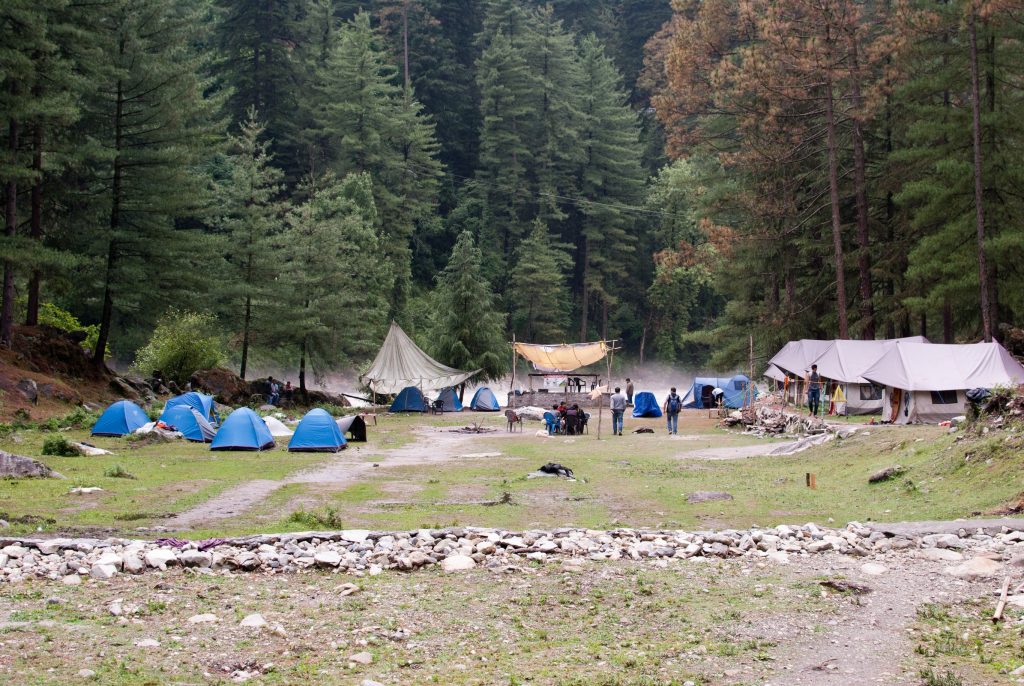
Camping near Malana is possible outside the main village area with prior permission from locals, but the rules for this keep changing. Always check with someone in Jari before making camping plans.
What Can You Eat in Malana?
Basic food is available at Malana during the day. Keep in mind that these are extremely isolated locations deep in the hills. Whatever you get, be grateful for it, as food here is about sustenance, not luxury. You will find about half a dozen shacks scattered across the area. Near Jari, Hotel Negi’s Nest serves a decent spread. I would suggest carrying some dry snacks and water bottles for the trek as well, along with some cash, since there is no ATM anywhere near the village.
What Are the Best Things to Do in Malana?
Quick Answer: Walk through the village to admire its carved wooden architecture, view the Jamlu Devta Temple from outside, trek 5 km further to the waterfall, and take in the Deotibba and Chandrakhani peak views. All within a single day trip from Jari.
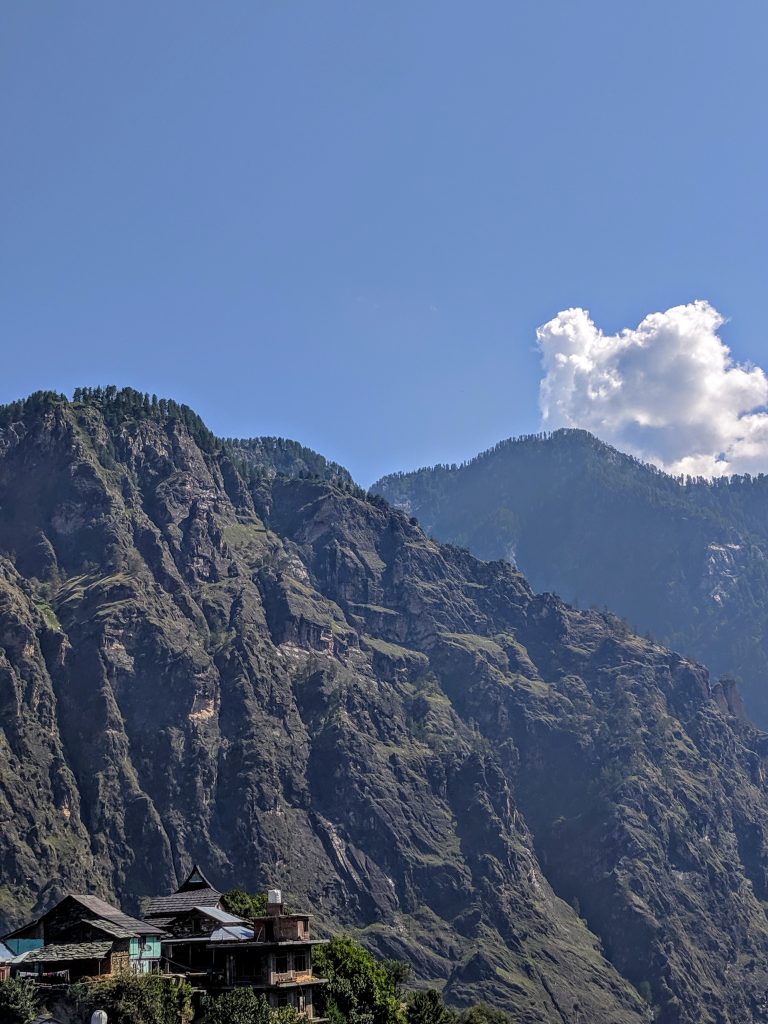
- Walk through the village. The unique wooden architecture of Malana is fascinating. The houses are built in a traditional style with intricately carved wooden balconies.
- Visit the Jamlu Devta Temple (from outside). While entry is strictly prohibited, the exterior architecture and carvings are worth admiring.
- Trek to the waterfall. About 5 km from the village, there is a waterfall with stunning views. If you continue further into the Waichin Valley, the Himalayan panorama is incredible.
- Enjoy the mountain views. The views of Deotibba and Chandrakhani peaks from the village are some of the best in the Parvati Valley.
- Combine with Tosh or Kasol. You can easily combine Malana with a visit to Tosh or a weekend trip to Kasol.
No wonder Malana comes under one of the offbeat places in Himachal Pradesh.
How Much Does a Malana Trip Cost?
Quick Answer: A budget Malana day trip from Delhi runs about Rs 2,500 per person (HRTC ordinary bus, shared taxi, one night at Jari), while a more comfortable trip with Volvo bus and a private SUV comes to around Rs 5,700 per person. Sharing the Jari taxi brings the cost down further.
A day trip to Malana from Kasol or Jari is quite affordable. Here is a rough breakdown for a budget traveler (as of 2026, verify locally for current rates since taxi and bus fares can shift seasonally).
| Expense | Budget (INR) | Comfortable (INR) |
|---|---|---|
| Delhi to Bhuntar (bus, one way) | 770 (HRTC ordinary) | 1,550 (HRTC Volvo AC) |
| Bhuntar to Jari (local bus) | 80 | 250 (shared taxi) |
| Jari to Malana road-end (taxi, return) | 850 (shared) | 1,300 (private SUV) |
| Food for the day | 300 | 600 |
| Stay at Jari/Kasol (per night) | 500 | 2,000 |
| Total per person (one way + 1 night) | Rs 2,500 | Rs 5,700 |
If you are sharing the Jari taxi with others, the cost drops significantly. Many backpackers find fellow travelers at Jari to split the cab fare. Also, carry enough cash from Kasol or Bhuntar, since there is no ATM in Jari or anywhere close to the Malana trek-head.
What About Mobile Network and Safety in Malana?
Mobile network coverage in Malana is limited. Vodafone and Idea (now Vi) reportedly work in and around the village, but do not expect consistent service. BSNL coverage is patchy. There is no reliable internet, and some guesthouses in the area may offer paid Wi-Fi that is slow at best. In Jari and Kasol, most networks (Jio, Airtel, BSNL) work reasonably well.
In terms of safety, the trek is easy and well-marked in normal conditions. However, carry a torch if you think you might return after sunset, and keep in mind the monsoon risk I mentioned earlier: the same road can wash out in a cloudburst, cutting the village off entirely, so please avoid this route in late July and August. The path also has uneven sections year-round, so decent trekking shoes help. Also, keep in mind that Malana has a reputation related to cannabis. While the Malana Cream is well-known, possession of hashish is illegal in India. There are police checkpoints (Nakas) on the route, and you can get into serious trouble if found carrying any illegal substance.
Can I Trek to Malana via Rashol or Chandrakhani Pass?
Yes, and these are gorgeous alternatives for experienced trekkers. The Rashol Pass trek from Manikaran takes about 10 hours and offers stunning views of the Parvati Valley. The Chandrakhani Pass trek is a 2-day journey and is even more scenic. Both passes connect the Kullu Valley side with Malana. However, for most first-time visitors, the Jari route is the most practical and straightforward option.
Also check our article on easy treks in Himachal Pradesh if you want to explore more trekking options in the region.
Frequently Asked Questions
Can I purchase hashish in Malana village?
Technically, it is available in the village. However, possession of hashish is illegal in India and is not advisable. There are active police Nakas (checkpoints) on the route, and you can face legal consequences if caught carrying any substance.
Can I stay overnight in Malana village?
As of 2026, overnight stays in Malana have been restricted by the village council since 2017. Day visits are allowed, but plan to return to Jari or Kasol before dark. Restaurants in the village remain open during the day.
What is Malana famous for?
Malana is famous for its ancient self-governance system (considered one of the oldest democracies), its unique customs including the no-touch rule, its own language Kanashi, and the production of Malana Cream (hashish). The village’s isolation and rich cultural heritage make it a unique destination in the Himalayas.
What happens if I accidentally touch a villager in Malana?
The villager will likely be upset and will need to take a ritualistic bath to purify themselves. The village council can impose a fine, commonly reported to be in the range of Rs 2,500 to Rs 3,500, though this is not an official notified fee. This is not just a formality. The no-touch rule is deeply sacred to the Malanese people. Be very mindful of your movements.
How many days should I spend on a Malana trip?
With the overnight ban, Malana is now a day-trip destination. You can easily visit Malana and return to Jari or Kasol in a single day. However, I recommend spending 2 to 3 days in the Parvati Valley to also explore Kasol, Tosh, and Kheerganga.
What is the taxi fare from Jari to Malana?
The Jari taxi union charges a fixed rate of approximately Rs 850 for a small car (one way) and Rs 1,300 for an SUV, and this has held steady through 2026. These rates are set by the union and are generally not negotiable. You can try sharing a taxi with other travelers at Jari to split the cost.
Do I need a guide for the Malana trek?
A guide is not required. The 4 km trek from the road-end is straightforward with laid-out steps for most of the path. However, a guide can be helpful if you are unsure about the village customs and want someone to explain the cultural context.
Is Malana safe for solo travelers and women?
Yes, the trek and village are generally safe. Many solo backpackers and women travelers visit Malana without issues. The main thing is to respect the village rules, stay aware of your surroundings, and avoid staying late into the evening. It is always a good idea to trek in a group rather than alone.
What language do people in Malana speak?
Malana has its own language called Kanashi, spoken nowhere else in Himachal Pradesh. Villagers generally also understand Hindi for communicating with visitors, but tourists are asked not to attempt speaking Kanashi themselves, as it is considered a private part of the community’s identity.
Related Resources
- How to Plan a Parvati Valley Trip (detailed travel guide)
- Parvati Valley Itinerary (day by day plan)
- Kheerganga Trek Guide (for beginners)
- Kasol to Manikaran Breakdown
- Treks in Parvati Valley
I hope this guide helps you plan your Malana trip, and just as importantly, helps you visit respectfully. It is one of those places that truly feels like stepping into a different world, and the experience of being there, even for a few hours, is worth the effort when you go in with the right mindset. If you have been to Malana, I would love to hear about your experience. Feel free to share your thoughts in the comments below, or join the DwD Community to connect with fellow travelers planning their Parvati Valley trips 🙂
Last Updated: September 2026

2 Comments
Comments section gets closed in 90 days. To ask your travel questions, you can follow my YouTube Channel for a faster reply or for a much slower reply follow me on Instagram. :)
Before my question I would like to thank this platform for making our Ladakh trip of 2017 one of the most memorable one. So this time I am going out with my 2 friends to Kasol on 3-5th December and the itinerary is coming out like this-
Day 1- arrive at Kasol and go to Manala village same day, visit around relax and stay in Manala
Day 2- Kheerganga trek
Day 3- return but on the way go to Manikaran
We will have private car with a driver (will there be any restriction on cars anywhere). Is this ‘DOW’ approved, if not what changes can be made?? Thanks in advance!!
Thanks for sharing good nad useful information.