


The Kedarkantha trek is one of the best winter treks in India, and for good reason. Sitting at 12,500 ft (3,810 m) inside the Govind Pashu Vihar National Park and Wildlife Sanctuary in Uttarkashi district, Uttarakhand, this trek gives you snow-covered trails, a frozen Juda ka Talab, dense oak and pine forests, and a 360-degree summit view that stays with you long after you come home. I have put together this Kedarkantha trek 2026 guide based on extensive research, updated permit and pricing information, and inputs from fellow trekkers in our community, so you can plan with confidence.
Quick answer: Kedarkantha is a 20-25 km, 4-5 day winter trek from Sankri village in Uttarkashi district, climbing to a 12,500 ft summit. Best done December to March for snow, it costs Rs 6,500-12,000 with an operator, needs a mandatory forest permit (Rs 150 Indian / Rs 600 foreign, valid 3 days) and a locally registered guide since it falls inside Govind Pashu Vihar National Park.
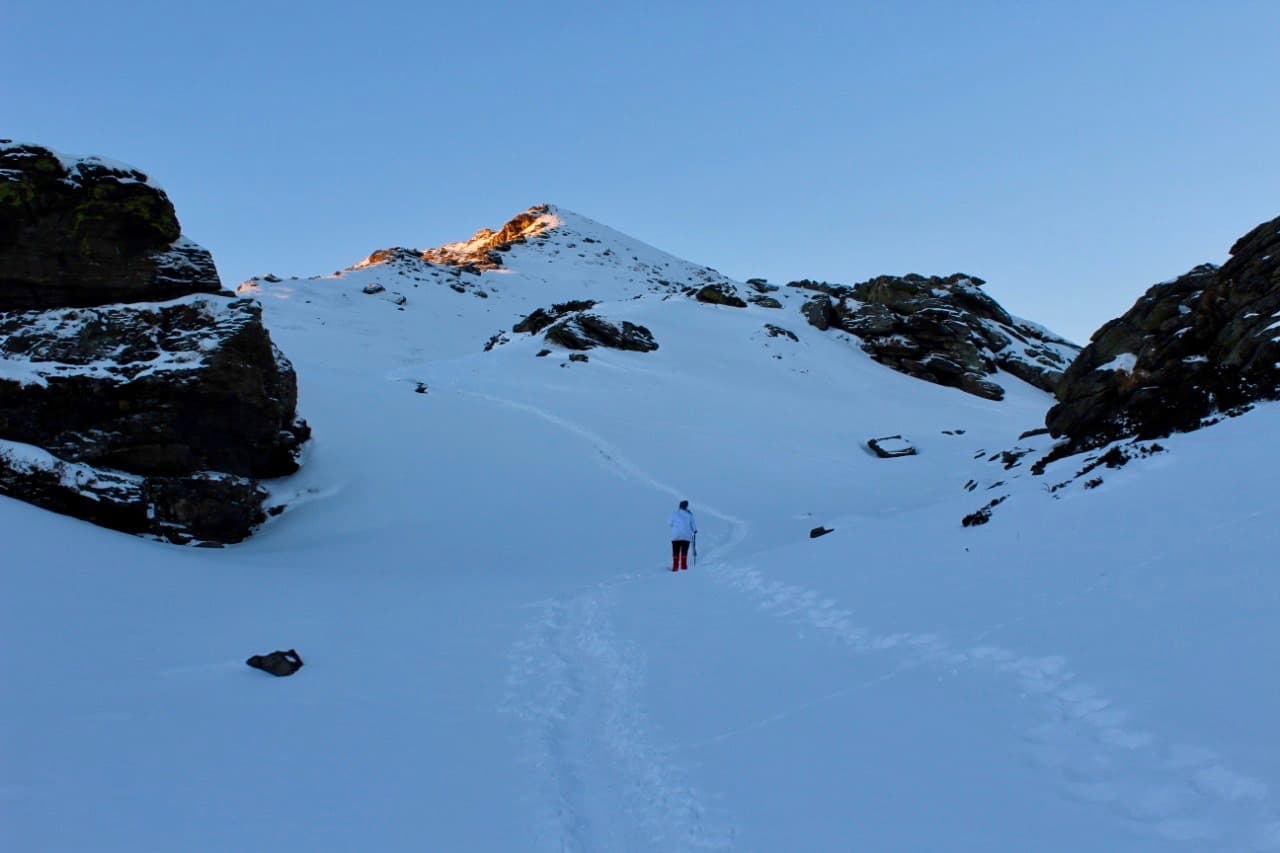
The trek starts from the small village of Sankri in the Uttarkashi district and covers about 20-25 km over 4-5 days. Whether you are a first-time trekker or someone who has done a few Himalayan trails, Kedarkantha is a solid choice. The well-marked path, manageable altitude, and stunning campsites make it one of the most rewarding beginner treks in the Himalayas.
Let's quickly dive into the details:
Quick Facts About the Kedarkantha Trek
Before we get into the details, here is a quick snapshot of everything you need to know about the Kedarkantha trek at a glance. The trek is located in Govind Pashu Vihar National Park, Uttarkashi, and is considered easy to moderate in difficulty. Most trekkers complete it in 4-5 days from Sankri. Keep this table handy while you plan and refer back to it if you forget a number halfway through the article.
| Detail | Information |
|---|---|
| Summit Altitude | 12,500 ft (3,810 m) |
| Trek Distance | 20-25 km (round trip from Sankri) |
| Duration | 4-5 days |
| Difficulty | Easy to Moderate (beginner-friendly) |
| Best Time | December to March (snow), April to June (green) |
| Base Village | Sankri (6,400 ft), Uttarkashi District |
| Nearest City | Dehradun (200 km from Sankri) |
| Trek Cost (with operator) | Rs 6,500 – Rs 12,000 per person |
| Forest Permit | Rs 150 (Indian) / Rs 600 (foreign national), valid 3 days |
| Last Updated | September 2026 |
What Is the History and Mythology Behind Kedarkantha?
Quick answer: Kedarkantha means “throat of Kedar” in local dialect. Legend says Lord Shiva took the form of Nandi the bull and meditated here before fleeing to Kedarnath when disturbed by locals, and a small Shiva-Parvati temple still stands near the summit.
Kedarkantha holds deep significance in Hindu mythology. According to local legends, Lord Shiva took the form of a bull (Nandi) to escape the Pandavas and meditated in this valley. When the locals disturbed his peace, he fled from Kedarkantha to Kedarnath. The temple at the base of Kedarkantha peak, dedicated to Lord Shiva, has stood for centuries and continues to draw pilgrims alongside trekkers.
Uttarakhand is dotted with significant religious sites, and Kedarkantha is one of the most revered. Local hearsay says that Shiva’s Trishul, still standing in the valley, protects the area from destruction. There was ample proof of this belief in 2013 when the devastating floods damaged much of Uttarakhand, but the Kedarnath temple was not harmed.
When Is the Best Time to Do the Kedarkantha Trek?
Quick answer: December to March gives you the classic snow trek. January and February have the deepest snow. April to June is green and mild but snow-free. Avoid July to mid-September (monsoon, leeches). October to November gives clear post-monsoon skies with very cold nights.
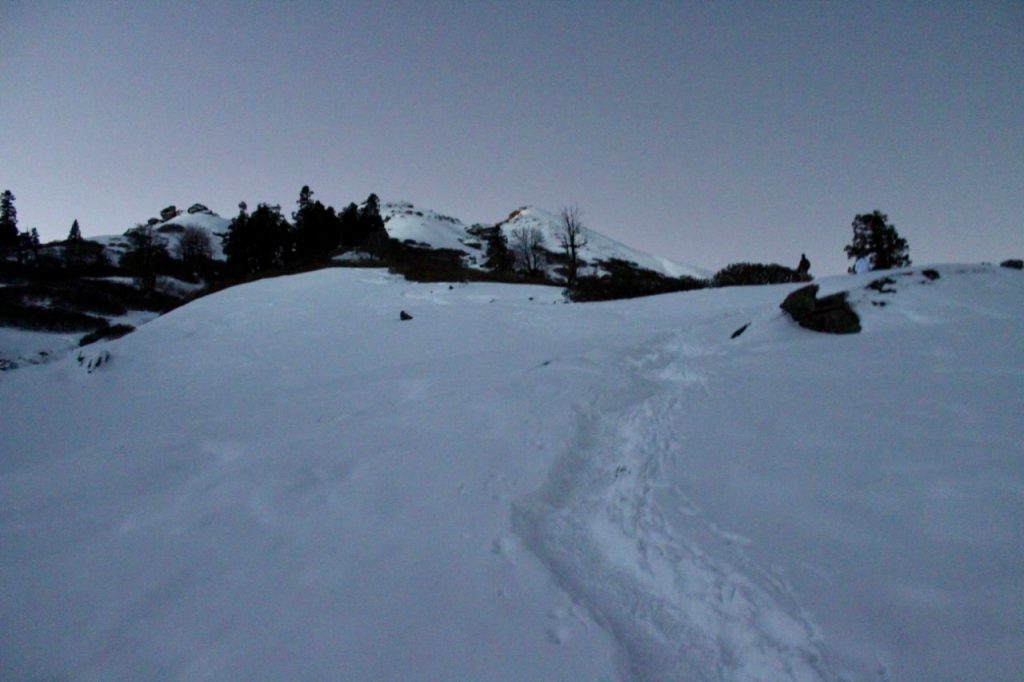
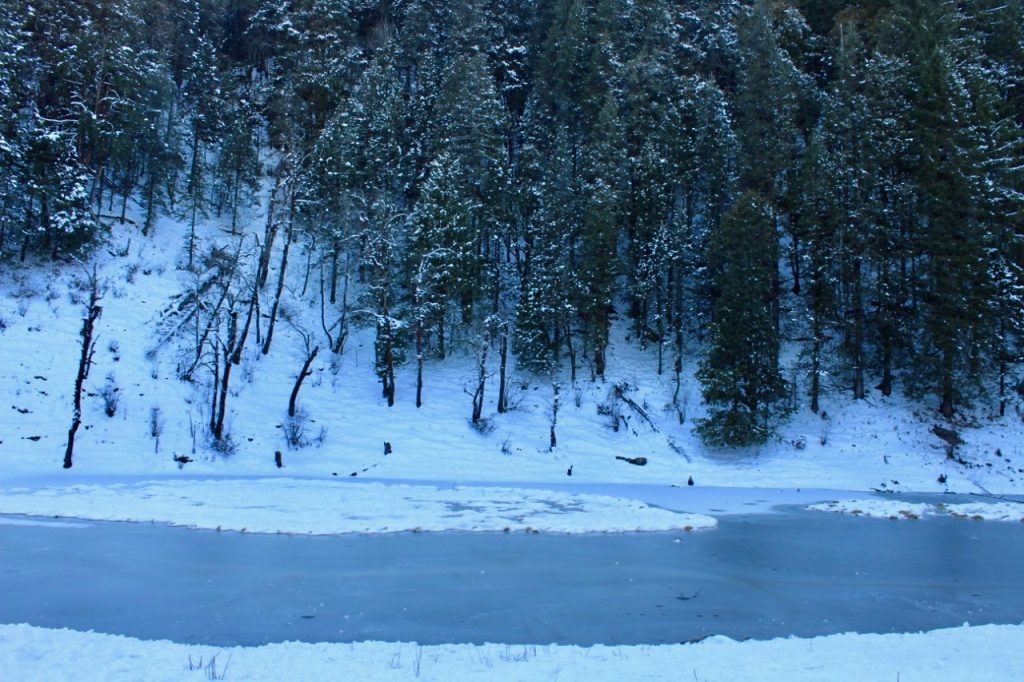
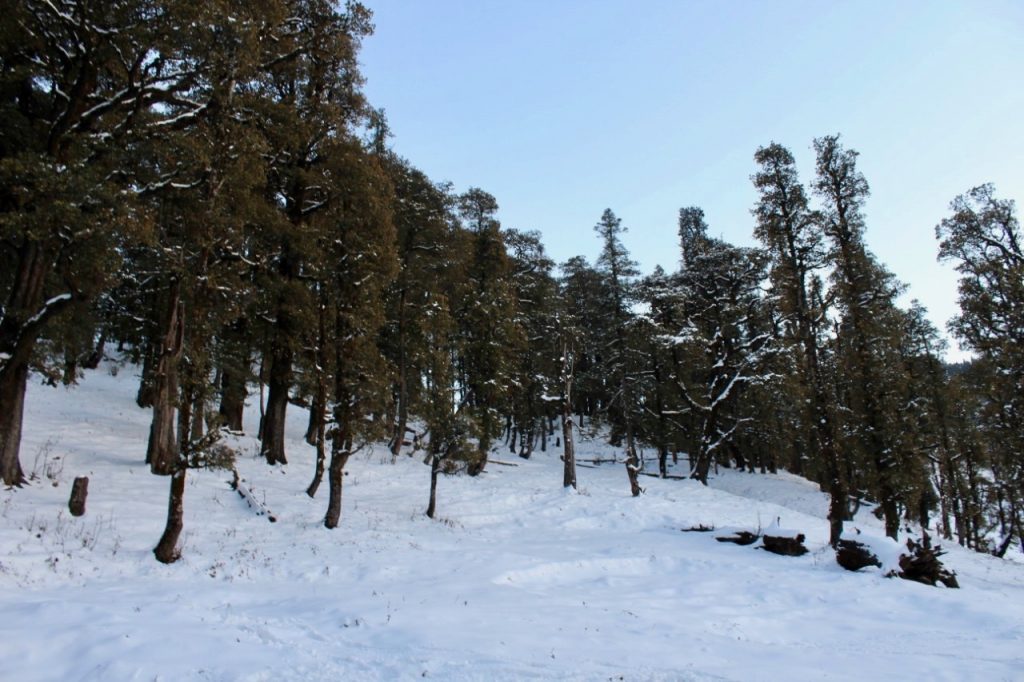
The Kedarkantha trek can be done throughout the year, but the winter months from December to March are the most popular. During this period, the entire trail is covered in thick snow, Juda ka Talab is frozen solid, and the sunrise from the summit is absolutely spectacular against a white landscape. This is what makes Kedarkantha one of the easiest places to find snowfall near Delhi in winter.
If you prefer green meadows and mild weather, April to June is a great window. The forests are alive with wildflowers and new growth, and the temperatures are pleasant during the day. Keep in mind that you will miss the snow experience during these months. The monsoon (July to September) is best avoided due to heavy rains and leeches on the trail. The post-monsoon window of October to November offers clear skies and autumn colors, though nights get very cold.
What Is the Weather Like on the Kedarkantha Trek?
The weather varies significantly by season. Here is a rough guide to help you pack right.
| Season | Day Temperature | Night Temperature |
|---|---|---|
| Summer (Apr-Jun) | 3°C to 8°C | -5°C to -1°C |
| Post-Monsoon (Sep-Dec) | -4°C to 6°C | -8°C to -15°C |
| Winter (Jan-Mar) | -6°C to 2°C | -10°C to -18°C |
In winter, temperatures at the summit and base camp can drop well below -15°C at night. Layer up properly and carry a good quality sleeping bag rated for at least -10°C.
What Happens If Bad Weather Hits Mid-Trek?
Quick answer: Operators pause trekkers at the nearest campsite when a fresh weather warning comes in and wait it out rather than pushing through. This is exactly what happened on Kedarkantha in January 2026, and it is a good sign, not a red flag.
This is a question I get asked often, and it is a fair one for a beginner trek at 12,500 ft. In January 2026, a sudden spell of heavy snowfall and strong winds hit the Sankri-Kedarkantha corridor. As trek operators reported at the time, batches on Kedarkantha, along with the nearby Har Ki Dun and Rupin Pass trails, were paused at their respective campsites rather than being pushed onward. Everyone stayed put, the weather stabilised within a couple of days, and trekkers continued once conditions were safe again.
I am sharing this not to scare you but to set the right expectation. Even on a “beginner” trek, winter weather in the Himalayas can turn quickly, and a good guide or operator will hold you back at a safer altitude rather than risk pushing to the summit in poor visibility. In case you are trekking independently, keep an eye on the India Meteorological Department’s mountain weather bulletins in the days before your trek, and build one buffer day into your itinerary. Please take a sensible call for yourself and your group if your guide asks you to wait it out. That decision has kept trekkers safe more than once.
How to Reach Sankri for the Kedarkantha Trek?
Quick answer: Sankri is about 200 km (8-10 hours) from Dehradun via Mussoorie, Purola, and Mori. You can go by government bus (Rs 300-450), private cab (Rs 5,500-7,000 for the vehicle), or fly into Jolly Grant Airport and connect onward by road.
Sankri is the base village for the Kedarkantha trek, located about 200 km from Dehradun in the Uttarkashi district. The route from Dehradun to Sankri goes via Mussoorie, Purola, Mori, and Naitwar. The drive takes approximately 8-10 hours depending on road conditions and stops. Sankri itself is a beautiful village surrounded by dense forests, and spending a night here before the trek is highly recommended for acclimatization.
By Bus from Dehradun to Sankri
There is a government (UTC) bus from the Mussoorie Bus Stand near Dehradun Railway Station. The bus leaves around 8:00-8:30 AM and takes 9-10 hours to reach Sankri. The fare is approximately Rs 300-450 per person as of 2026, though this can shift a little season to season, so confirm it at the counter before you buy your ticket. Keep in mind that this is effectively the only direct bus, so if you miss it, you will need to take a bus to Purola or Mori and then arrange a shared cab to Sankri from there. The Mussoorie Bus Stand is about 4 km from ISBT Dehradun and just 500 meters from Dehradun Railway Station.
By Train from Delhi to Dehradun
The most convenient option is the Nanda Devi AC Express, which leaves Delhi at 11:50 PM and reaches Dehradun at 5:40 AM. This gives you just enough time to grab breakfast and catch the morning bus to Sankri. Other popular trains include the Shatabdi Express and Jan Shatabdi.


By Air
Jolly Grant Airport in Dehradun is the nearest airport. From the airport, you can either book a private cab to Sankri (Rs 5,500-7,000 for the full vehicle) or take a taxi to the Mussoorie Bus Stand and catch the bus.
By Private Cab from Dehradun
A private cab from Dehradun to Sankri costs around Rs 5,500-7,000 and can accommodate 4-5 people. If you are in a group, this works out quite affordable per person and saves you the long bus journey. You can arrange a cab through your guesthouse in Dehradun or through your trek operator.
What Is the Complete Kedarkantha Trek Itinerary?
Quick answer: A typical Kedarkantha itinerary runs Dehradun to Sankri (Day 1), Sankri to Juda ka Talab (Day 2), Juda ka Talab to Base Camp (Day 3), summit push and descend to Hargaon (Day 4), and Hargaon back to Sankri (Day 5).
The Kedarkantha trek ideally takes 4-5 days from Sankri and back. On most days, you will be trekking for 4-5 hours, which leaves plenty of time to relax, enjoy the views, and bond with your group. I would strongly recommend getting a local guide for this trek, especially if you are going independently. Here is a day-by-day breakdown.

Day 0: Delhi to Dehradun (Overnight Travel)
Take an overnight bus or train from Delhi to Dehradun. Try to reach Dehradun as early as possible in the morning. If you are driving, you can leave Delhi by evening and reach Dehradun by midnight. If you are not traveling through a package tour, you might also need to carry your own camping gear.
Day 1: Dehradun to Sankri (200 km, 8-10 hours)
Take the first bus or drive to Sankri. The route passes through Mussoorie, and I would suggest having a quick lunch stop there. The drive is scenic, with the road winding through dense forests and river valleys. Once you reach Sankri, get your forest permit at the check-post (you will need an ID photocopy). Find a guesthouse or arrange your trek package. Sankri has several budget homestays in the Rs 800-1,800 per night range as of 2026.
You should also check the Trek to Gaumukh – A Step by Step Guide
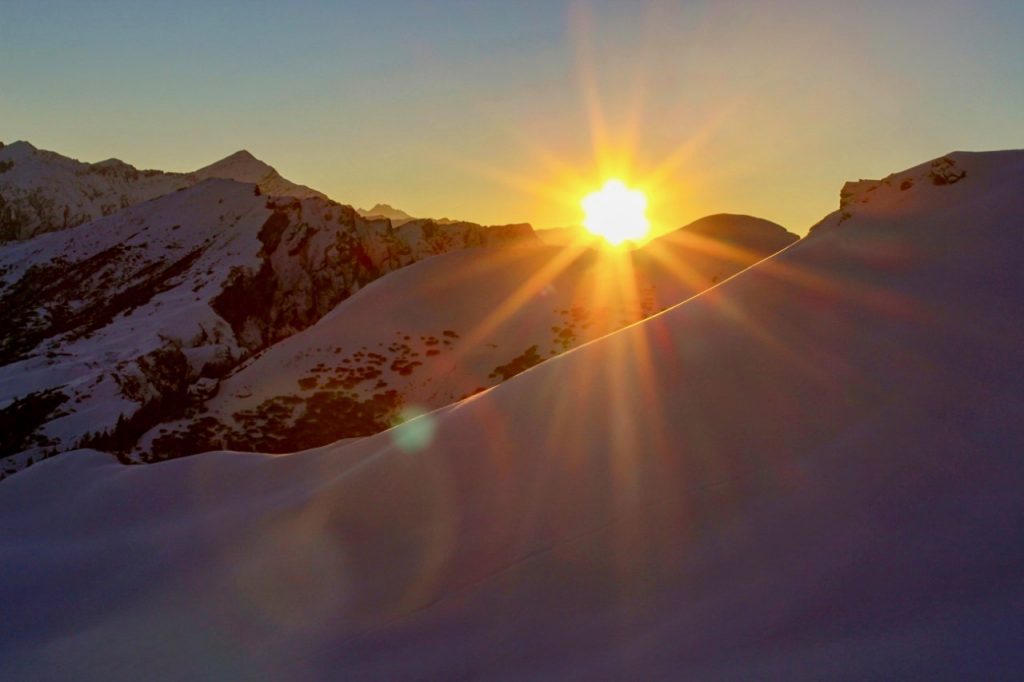
Day 2: Sankri to Juda ka Talab (4 km, 3-4 hours)
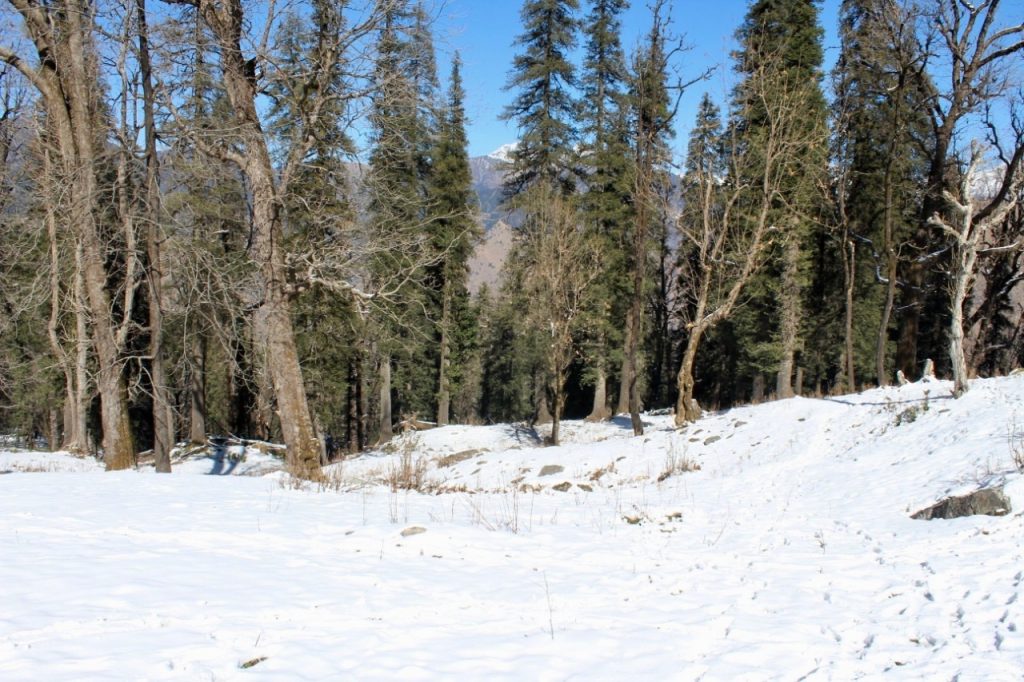
The first day of actual trekking takes you from Sankri (6,400 ft) to Juda ka Talab (9,100 ft). The trail starts on a local road through an extension called Sor and then enters the forest trails. Initially, you will cross a few wooden bridges through a densely forested area. The climb is steady but not too steep, passing through beautiful oak and pine forests.
From the sharp contrast of city life, this view will leave you mesmerised. There are two tea shops along the way where you can grab tea and Maggi for a quick break. You will also spot Langoors swinging in the trees. They tend to keep to themselves and might vanish before you even register their presence. In winter, Juda ka Talab is frozen solid, and the campsite surrounded by snow-dusted pines is one of the most beautiful sights on this trek. In summer, expect lush greenery and wildflowers unique to the region. A fit person can cover this section in about 3 hours.
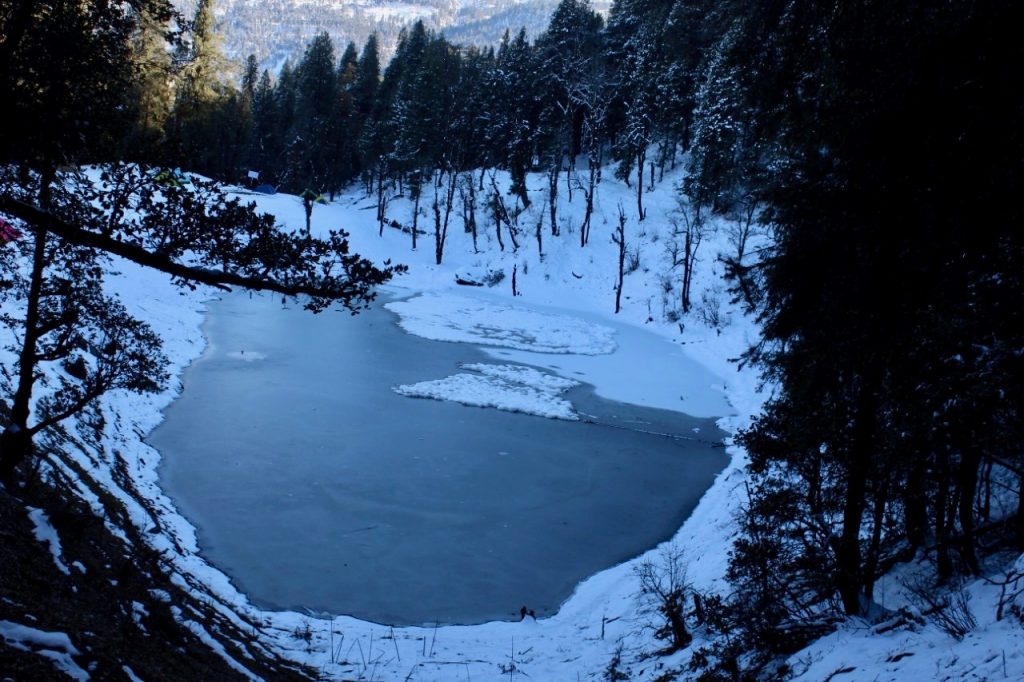
Day 3: Juda ka Talab to Kedarkantha Base Camp (4 km, 3-5 hours)
The second trekking day takes you from Juda ka Talab to the Kedarkantha Base Camp at 11,250 ft. The trail starts through pine and oak forests and gradually opens up into alpine meadows. At some points, you will cross dense forest patches and steep ridges. The views of shepherd huts in stretched-out meadows become a common sight as you make your way up.
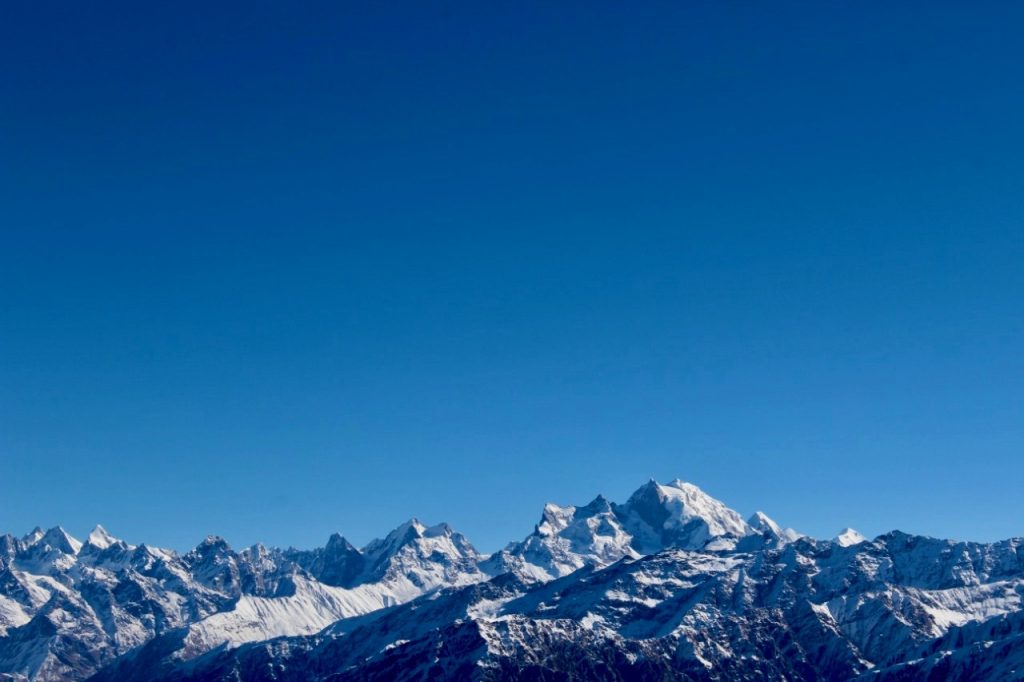
From the base camp, you can see the Kedarkantha peak clearly. The panoramic views include Bandarpoonch, Swargarohini, Kala Nag, and Ranglana peaks. This campsite is the finest on the entire trek and gives stunning views of the Dhauladhar ranges. Since you have gained considerable elevation over the past two days, rest well and acclimatize. Tomorrow is summit day.
You should also check the Tungnath – Chandrashilla Trek – A Step by Step Guide
Make sure you stargaze at the base camp. The sky is crystal clear at this altitude, and the night view is absolutely worth the cold. Just stay bundled up and spend the night inside your tent to stay healthy for the summit push.
Day 4: Base Camp to Summit to Hargaon (6 km, 7-8 hours)
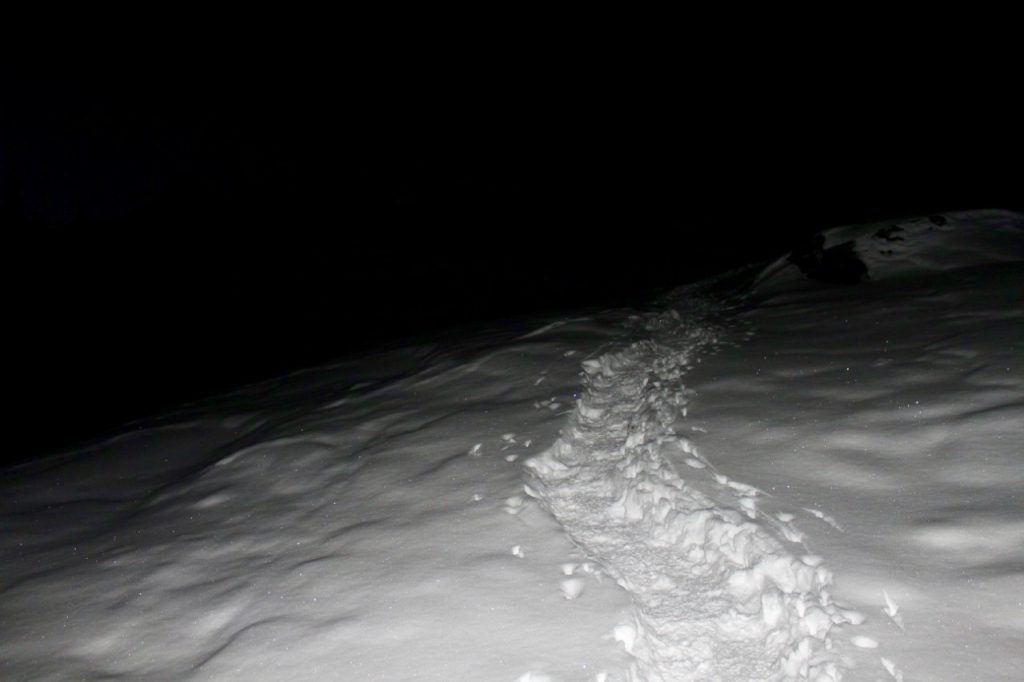
This is the big day. You will climb from 11,250 ft to the 12,500 ft summit and then descend to Hargaon Campsite at 8,900 ft. Start early, around 3 AM, so you reach the summit in time for sunrise. In winter, sunrise is around 7 AM, and you want to be at the top by then.
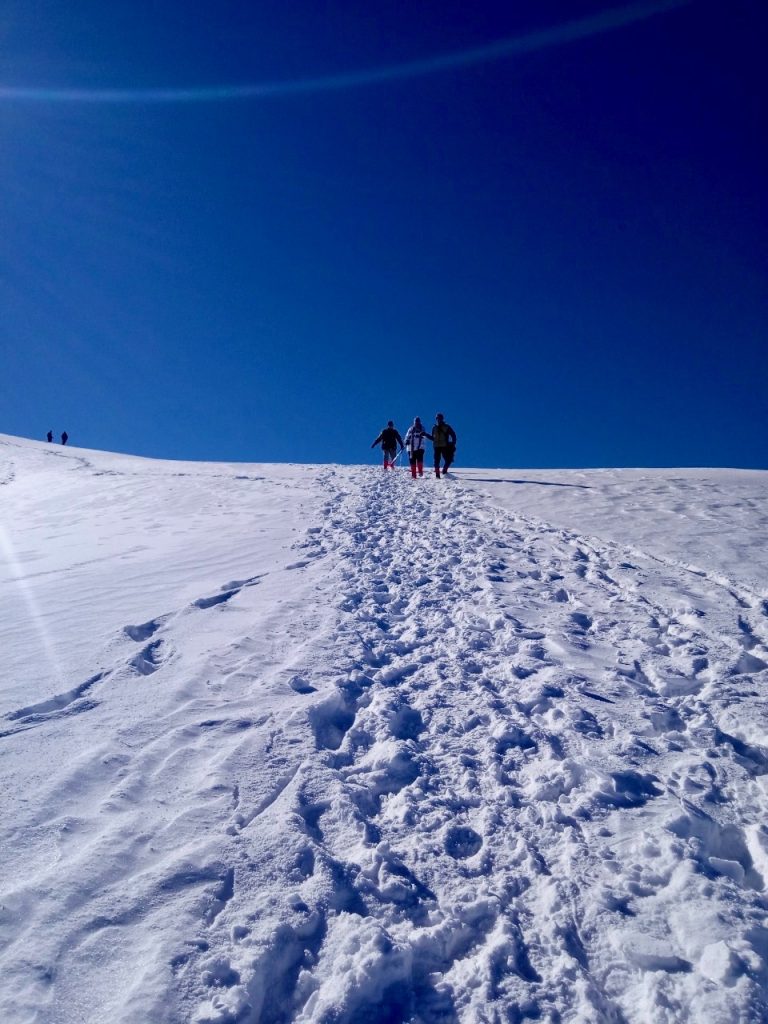
The trek begins with a gradual ascent offering views of snow-covered mountains. You will cross three hillocks before reaching the peak, and the trail becomes about 75-80 degrees steep at some points. Near the end of your climb, the trail gets more challenging, but the reward is worth every step.
Normally, in the winters sunrise takes place at 7 AM in the morning. Start early as can in the morning around 3 AM so that you can reach in time to witness the most beautiful sunrise of your life.
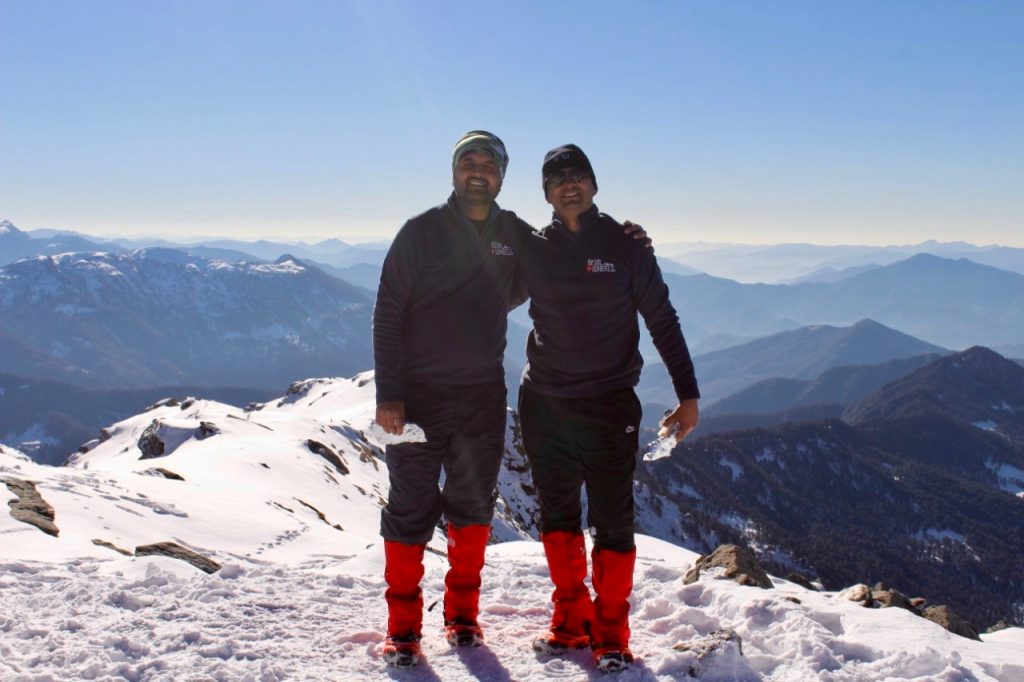
At the Summit of Kedarkantha
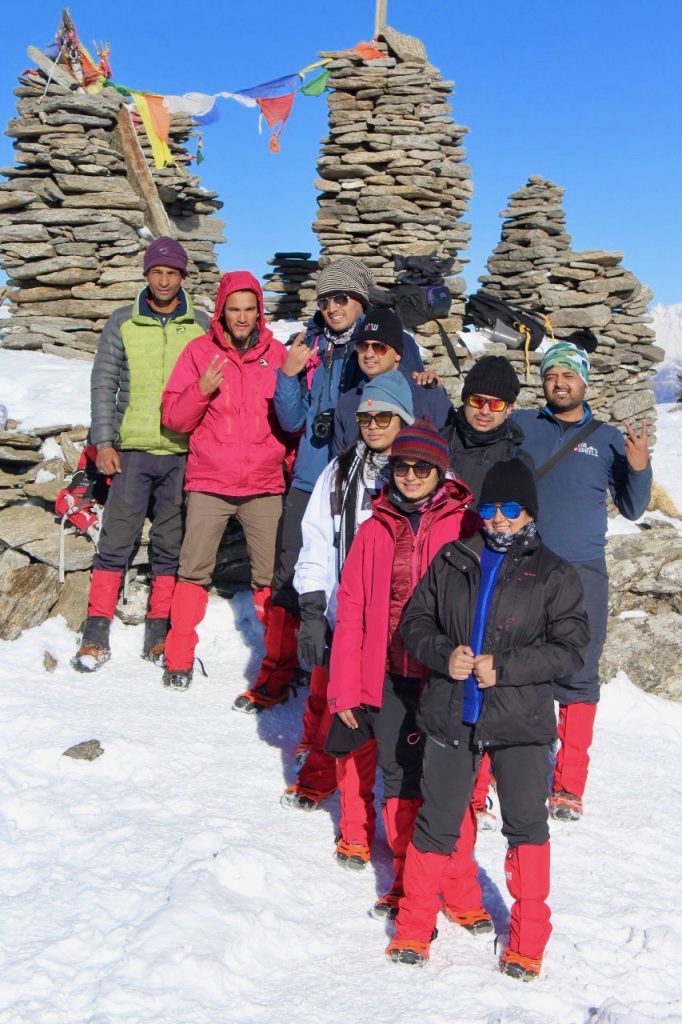
The Kedarkantha summit offers a 360-degree view of Himalayan ranges mixed with white and dark blue clouds. There is a small temple dedicated to Lord Shiva and Goddess Parvati, with a small shrine for Lord Ganesh. Take your time, relax, and soak in the views. It is hard to describe in words what your eyes will see up there. From the summit, you can spot Pangarchulla, Har Ki Dun, and Swargarohini peaks stretching across the horizon.
You should also check the Trek to Deoriatal – A Step by Step Guide
After watching the sunrise and spending time at the summit, head back to the base camp and then trek down to Hargaon campsite. It takes around 1.5 to 2 hours from the base camp to Hargaon. If possible, arrange a bonfire at the campsite to mark the end of your summit day. Be a responsible trekker and follow the forest rules when making the bonfire.
Day 5: Hargaon to Sankri (6 km, 2-3 hours)
The last day is a comfortable descent from 8,900 ft to 6,400 ft. The 6 km trail is well-marked and mostly downhill, so you can cover it in 2-3 hours. Along the way, you get some splendid views of the Har Ki Dun valley. Try to reach Sankri by noon. If you have booked a cab, you can leave immediately for Dehradun. If you prefer public transport, stay one more night and catch the morning bus. There are two direct buses from Sankri to Dehradun at 5 AM and 7 AM, taking about 10 hours.
How Much Does the Kedarkantha Trek Cost?
Quick answer: Budget for Rs 8,750-11,550 per person for a full round trip from Delhi/Dehradun on a shoestring, or Rs 12,850-19,250 if you want more comfort. No-frills Sankri-to-Sankri packages from local operators can go as low as Rs 3,799-7,999, but always confirm exactly what is included before booking.
The Kedarkantha trek is one of the most affordable winter treks in India. Here is a rough budget breakdown for 2026, covering 5 days from Dehradun and back. Keep in mind that prices may vary by season and operator.
| Expense | Budget (per person) | Mid-Range (per person) |
|---|---|---|
| Delhi to Dehradun (train/bus) | Rs 400-800 | Rs 800-1,500 |
| Dehradun to Sankri (bus/cab) | Rs 300-450 (bus) | Rs 1,100-1,500 (shared cab) |
| Accommodation in Sankri (1 night) | Rs 800-1,200 | Rs 1,200-1,800 |
| Trek package (4 days, Sankri to Sankri) | Rs 6,500-8,000 | Rs 8,000-12,000 |
| Forest Permit (Indian national) | Rs 150 | Rs 150 |
| Meals at Sankri (2 days) | Rs 300-500 | Rs 500-800 |
| Sankri to Dehradun (return) | Rs 300-450 | Rs 1,100-1,500 |
| Total (approx) | Rs 8,750-11,550 | Rs 12,850-19,250 |
If you are trekking independently without an operator, you can bring it down further, but you will need your own camping gear, food supplies, and a local guide (mandatory in Govind Pashu Vihar National Park). Travel agencies typically charge Rs 6,500 to Rs 12,000 for four days of trekking from Sankri, which includes meals, tents, sleeping bags, guide, and permits. I have also come across smaller local operators advertising bare-bones Sankri-to-Sankri packages for as little as Rs 3,799 to Rs 7,999. These can be genuine value, but always ask exactly what is and is not included (permit fees, sleeping bags, porter charges) before you hand over money.
Where to Stay on the Kedarkantha Trek?
Quick answer: Sankri has budget guesthouses and homestays from Rs 800-1,800 per night (2026). On the trek, you camp at Juda ka Talab, the Base Camp, and Hargaon, usually in twin or triple-sharing tents provided by your operator.
In Sankri, you will find several budget guesthouses and homestays ranging from Rs 800 to Rs 1,800 per night as of 2026. Most are basic but clean, and the local families are very hospitable. During peak trekking season (December to March), it is a good idea to book in advance through your trek operator or by calling the guesthouse directly.
On the trek itself, you will be camping at designated sites. If you are going with an operator, they provide alpine tents (twin or triple sharing), sleeping bags, and mattresses. The main campsites along the route are Juda ka Talab, the Kedarkantha Base Camp, and Hargaon. Each has its own charm, and the base camp is arguably the most beautiful campsite of the entire trek.
What Are the Best Campsites on the Trek?
The Kedarkantha trek is known for its exceptionally beautiful campsites. The Akroti Thach campsite is surrounded by walnut and pine trees. The Pukhrola campsite sits in an open meadow with the summit in clear view, making it an absolute delight for stargazing. You will remember your nights at these campsites as much as the trek itself.
What Are the Food Options on the Kedarkantha Trek?
Quick answer: Sankri has basic North Indian dhabas. On the trail, there are just two tea shops between Sankri and Juda ka Talab, plus one shop at the base camp. Beyond that, carry your own food if you are trekking independently.
Sankri has multiple small restaurants and dhabas where you can get basic North Indian food, Maggi, parathas, and dal-rice. On the trek itself, food options are very limited. There are two tea shops between Sankri and Juda ka Talab that serve tea and Maggi, and there is one shop at the base camp. That is about it.
If you are trekking on your own, carry food supplies from Sankri. Also, please carry your own water bottle and fill it up whenever you find a water source. The Himalayas do not have cleaning crews, and it is our responsibility to keep these mountains clean for future generations. Pack out all your trash back to Sankri.
What Permits Are Needed for the Kedarkantha Trek?
Quick answer: A Govind Pashu Vihar forest entry permit is mandatory: Rs 150 per Indian national and Rs 600 per foreign national, valid for 3 days. Get it at the Sankri Forest Check Post (7 AM-3 PM daily) or apply online through the Uttarakhand Forest Department at least 3 days in advance.
The Kedarkantha trek falls within the Govind Pashu Vihar National Park and Wildlife Sanctuary, so a forest entry permit is mandatory. As of 2026, the fee is Rs 150 per person for Indian nationals and Rs 600 per person for foreign nationals, and the permit is valid for 3 days, which comfortably covers a standard 4-5 day itinerary that starts and ends at Sankri. You can get it stamped at the Sankri Forest Check Post, roughly 300 metres from where the actual trail begins, open daily from 7 AM to 3 PM. Indian nationals can also apply online through the Uttarakhand Forest Department’s eco-tourism registration process at least 3 days before their trek date, though in practice most trekkers still find it simpler to just get it done at the check-post itself. Carry a photo ID and a photocopy either way.
If you are going with a trek operator, the permit fees are usually included in the package cost. Keep in mind that a locally registered guide is mandatory for entering the national park, and solo trekkers without a guide may not be issued permits. Camping charges (Rs 50-100 per tent per night) may apply in addition to the entry fee, and if you are carrying a proper camera rather than a phone, there is a still-photography fee of about Rs 200 (professional video shoots are charged separately, at a much higher rate, so check with the check-post if you are filming for anything commercial). Students carrying a valid institution ID can usually get a discount on the entry fee. As per the latest regulations by the Uttarakhand Tourism Department, carrying a medical fitness certificate and travel insurance is recommended, especially for winter treks. You can also check current rules directly on the Govind Wildlife Sanctuary and National Park’s own website.
What Should You Pack for the Kedarkantha Trek?
Quick answer: Layer up with thermals, a down jacket, waterproof gloves and a balaclava, wear proper ankle-support trekking shoes with gaiters and crampons in winter, and carry a sleeping bag rated to at least -10°C. Most of this gear is rentable in Sankri.
Packing right is critical, especially for a winter trek. Here is what you should carry. You can also rent most of this gear from shops in Sankri at the trek starting point.
- Clothing: 3-4 thermal layers, a down jacket (see our budget winter jackets guide if you need to buy one), a windproof outer shell, fleece, waterproof gloves, balaclava, woolen socks (3-4 pairs), sunglasses with UV protection
- Footwear: Proper trekking shoes with ankle support (check our guide to trekking shoes under Rs 5,000 if you need a pair; Forclaz 500 or similar are highly recommended). Gaiters and crampons are a must in winter.
- Sleeping: A sleeping bag rated for -10°C to -15°C (provided by operators, but verify quality)
- Accessories: Trekking poles, headlamp with extra batteries, sunscreen (SPF 50+), lip balm, personal medicines
- Food & Water: Dry snacks (nuts, energy bars, chocolates), a reusable water bottle, ORS packets
- Documents: Photo ID, 2 photocopies, medical fitness certificate (recommended)
For a detailed packing guide, check out our complete list of things to carry on a trek.
What Are the Important Tips for the Kedarkantha Trek?
Here are some practical tips that will help you have a safe and enjoyable trek.
ATM and Cash
There are no ATMs in Sankri. The last ATM is in Purola (about 50 km before Sankri). Hence, make sure you carry enough cash for the entire trek. Rs 3,000-5,000 in addition to your trek package cost should be sufficient for personal expenses.
Mobile Network and Connectivity
Only BSNL postpaid has network coverage in Sankri. Once you start the trek, there is no mobile connectivity at any of the campsites or the summit. In case you are wondering, this is actually a good thing. Disconnect from your phone and connect with the mountains around you.
Safety and Fitness
- A local guide is mandatory for the Kedarkantha trek. Mountains can be harsh, and a guide who knows the terrain is essential for safety.
- There are very few water sources on the trek. Your guide will know where to find them, which is another reason why hiring one is important.
- In winter, temperatures drop to -10°C and below. Carry multiple warm layers and a proper sleeping bag.
- Proper trekking shoes with good grip are non-negotiable. Crampons and gaiters are a must for winter treks.
- Follow your guide’s call on weather. As the January 2026 pause on this very trek showed, waiting a day at camp is far better than pushing through a storm.
- Please take all your trash back to Sankri. Keep these mountains clean for our future generations.
- You can rent trekking equipment like tents, sleeping bags, and even shoes from a shop at the entrance of Sankri.
- If you are not traveling with an operator, carry your own tent and food supplies.
How Does Kedarkantha Compare to Other Winter Treks?
Quick answer: Kedarkantha (12,500 ft, 4-5 days) is the easiest of the popular Garhwal winter treks. Brahmatal and Kuari Pass sit at similar altitudes with a similar difficulty level, while Hampta Pass is a notch harder and crosses into Lahaul.
If you are deciding between different winter treks in Uttarakhand and Himachal, here is how Kedarkantha stacks up.
| Trek | Altitude | Duration | Difficulty | Best For |
|---|---|---|---|---|
| Kedarkantha | 12,500 ft | 4-5 days | Easy-Moderate | First winter trek, summit experience |
| Tungnath-Chandrashila | 13,000 ft | 2-3 days | Easy | Short weekend trek |
| Hampta Pass | 14,100 ft | 5 days | Moderate | Diverse landscapes, Lahaul crossing |
| Brahmatal | 12,250 ft | 5-6 days | Moderate | Frozen lake views |
| Kuari Pass | 12,516 ft | 4-5 days | Easy-Moderate | Nanda Devi views, fewer crowds |
Kedarkantha is often the first choice for beginners because of its well-marked trail, manageable altitude, and the incredible summit sunrise. If you are looking for easy treks in Uttarakhand for beginners, this should be at the top of your list.
Frequently Asked Questions
Is the Kedarkantha trek suitable for beginners?
Yes, the Kedarkantha trek is considered one of the best beginner treks in India. The trail is well-marked, the daily trekking distances are manageable (4-6 km per day), and the altitude gain is gradual. That said, basic fitness is important. If you can jog 3-4 km comfortably, you should be fine on this trek.
Can I do the Kedarkantha trek without a guide?
A locally registered guide is mandatory since the trek falls within Govind Pashu Vihar National Park. The forest department may not issue permits without a registered guide. Even if you are an experienced trekker, hiring a guide is advisable because water sources are scarce and weather conditions can change rapidly in winter.
Is the Kedarkantha trek open in summer?
Yes, the trek is open year-round except during the peak monsoon months (July to mid-September) when the trail gets slippery and leeches are common. Summer (April to June) offers green meadows and wildflowers, while winter (December to March) gives the classic snow trek experience.
How fit do I need to be for Kedarkantha?
You need basic cardio fitness. Start preparing at least 3-4 weeks before the trek with regular jogging, stair climbing, and squats. The daily trek distance is 4-6 km, and the maximum altitude is 12,500 ft. If you can climb 5-6 flights of stairs without getting breathless, you are in good shape for this trek.
What is the best month for the Kedarkantha trek?
For the snow experience, January and February are the best months. The entire trail is covered in thick snow, and the frozen Juda ka Talab is a sight to remember. December is also good but with slightly less snow. For pleasant weather without snow, go in April or May.
Is there any risk of altitude sickness on the Kedarkantha trek?
The maximum altitude is 12,500 ft, which is relatively low compared to other Himalayan treks. The risk of serious altitude sickness is minimal if you follow the itinerary and acclimatize properly at each campsite. Stay hydrated, avoid alcohol, and do not skip rest days. If you feel symptoms like persistent headache, nausea, or dizziness, inform your guide immediately.
Can I do the Kedarkantha trek with kids?
Children above 8-10 years of age with reasonable fitness can attempt this trek. The trail is not technically demanding, and the daily distances are short. However, winter conditions (sub-zero temperatures) can be tough on younger children. If you are taking kids, go with an experienced operator and carry extra warm clothing. The summer months are a safer bet for family treks.
How do I book a Kedarkantha trek package?
You can book directly with local operators in Sankri or through established trekking organizations. Packages from Sankri typically cost Rs 6,500-8,000 per person and from Dehradun Rs 8,000-12,000 per person. The package usually includes meals, camping equipment, guide, and permits. Book early for the peak winter season (December to February) as slots fill up fast.
How much is the Govind Pashu Vihar entry permit for the Kedarkantha trek in 2026?
As of 2026, the forest entry permit costs Rs 150 per person for Indian nationals and Rs 600 for foreign nationals, valid for 3 days. You can get it stamped at the Sankri Forest Check Post (open 7 AM to 3 PM daily) or apply online through the Uttarakhand Forest Department at least 3 days before your trek. Camping charges of Rs 50-100 per tent per night apply on top of this.
What happens if there is bad weather during the Kedarkantha trek?
Trek operators pause the group at the nearest safe campsite until conditions stabilise, rather than pushing ahead in poor visibility or heavy snowfall. This happened on Kedarkantha itself in January 2026, when a sudden weather system led to a short pause before trekking resumed within a couple of days. Build a buffer day into your itinerary in case this happens to you.
Final Thoughts on the Kedarkantha Trek
The Kedarkantha trek is a magical experience, whether you are a first-timer or a seasoned trekker looking for a comfortable winter trail. The frozen Juda ka Talab, the stunning base camp under the stars, and that 360-degree sunrise from the summit make this trek worth every step. I hope this guide helps you plan your Kedarkantha trek in 2026. Be safe, travel responsibly, and have an amazing time in the mountains.
If you have any questions about the Kedarkantha trek, feel free to ask in the comments below, and we will try to help you in every way possible. In case any of your friends or family members are planning this trek, please share this article with them, and do check out our DwD Community for more trip reports and travel partners for your Himalayan treks.
Happy Trekking, my friend 🙂

2 Comments
Comments section gets closed in 90 days. To ask your travel questions, you can follow my YouTube Channel for a faster reply or for a much slower reply follow me on Instagram. :)
You definitely should!
An amazing journey I wish I could go there