


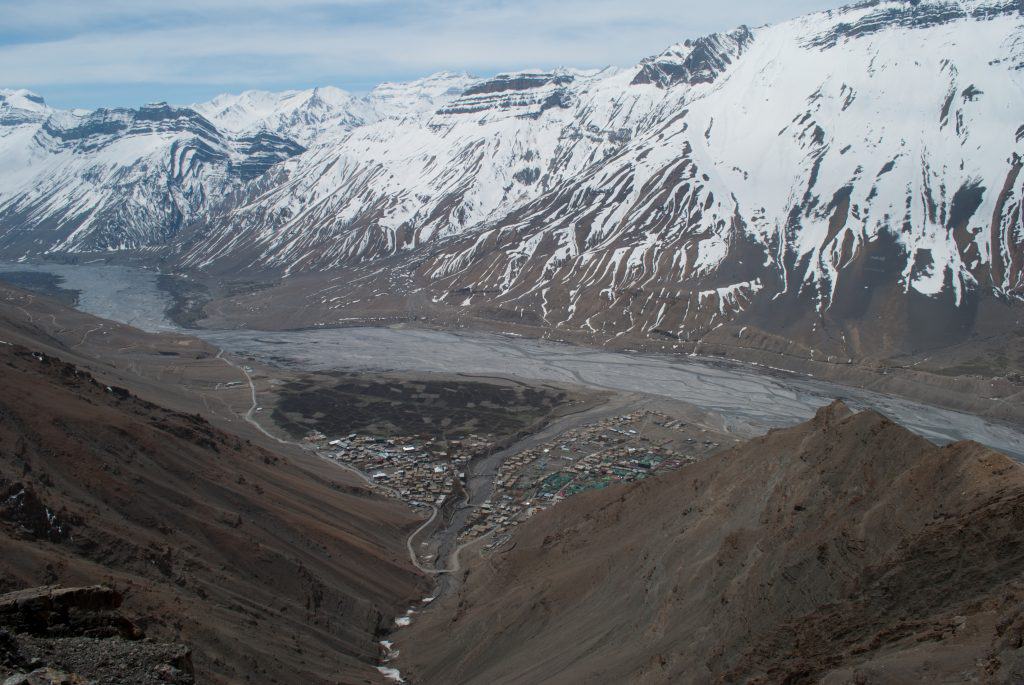
Kaza is the administrative headquarters of Spiti Valley in Himachal Pradesh, and for most travelers, it is just a transit stop before heading to Key Monastery or Chandratal. That is a mistake. Sitting at 3,650 meters (11,980 ft) along the Spiti River, surrounded by barren brown mountains and patches of green barley fields, Kaza has a character that most people simply drive past without noticing. I have spent multiple trips exploring this town, and every time I discover something new here.
If you are planning a trip to Spiti Valley from Manali, Kaza will be your base for at least 2-3 days. And if you are coming via the Kinnaur route from Shimla, Kaza is where the real Spiti experience begins. In this guide, I will walk you through everything you need to know about Kaza, from what to see and eat to where to stay, how to get there, and practical tips that will save you time and money.
Let's quickly dive into the details:
What Makes Kaza Worth Exploring Beyond a Transit Stop?
Most people treat Kaza as a refueling point. They fill their tank at the world’s highest petrol pump, grab a meal, and head to Kibber or Langza. But Kaza has its own charm once you look past the dusty main road. The town is split into two distinct parts, and understanding this division will help you plan your stay better.
Old Kaza (Kaza Khas) is where the bus stand, the main bazaar, government offices, and most of the budget hotels sit. This area gets crowded during peak season (July-August), and the narrow lanes fill up with tourist vehicles. The SBI ATM branch, the post office, and the hospital are all here.
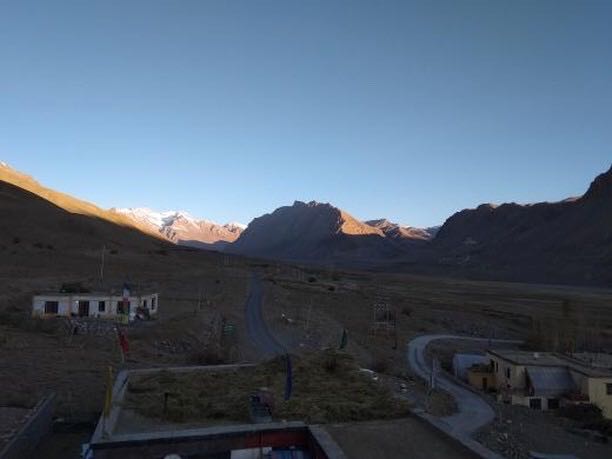
New Kaza (Kaza Soma) is the quieter side, with newer homestays and guesthouses lining the road towards the Spiti River. The views from New Kaza are noticeably better. You can see Key Monastery perched on the hillside across the valley, and the sunrise light on the mountains is worth waking up early for. The Sakya Tangyud Gompa, with its row of eight stupas, is along this stretch.
My suggestion would be to stay in New Kaza for the peace and views, and walk into Old Kaza when you need supplies or want to explore the market. The two areas are barely 1.5 km apart.
What Are the Best Things to Do in Kaza?
Kaza is not just a launchpad for nearby villages. The town itself has enough to keep you engaged for a full day. Here is what I recommend.
Where to Eat in Kaza: Cafes and Local Food
Kaza has a surprisingly good cafe scene for a town this remote. The options range from Tibetan thukpa to Italian pizzas, and the prices are reasonable by tourist town standards.
Sol Cafe is a must-visit. Started in 2012 by volunteers, it is still run by a rotating set of passionate travelers. Their coffees, sandwiches, rum balls, and fresh bakes are excellent. They also screen movies every evening at 6 PM in their cozy back room with beanbags. A meal for two costs around Rs 400-600.
The Himalayan Cafe is another favorite, run by Vishakha. Try their seabuckthorn drinks, grilled chicken, and chilli cheese toast. The portions are generous and the vibe is welcoming. Cafe Zomsa does great pizzas and bakes. Sakya Abode is reliable for both accommodation and food.
But honestly, the best food experience in Kaza is asking your homestay host to prepare a local meal. Spitian thukpa, momos, and butter tea taste different when a local family makes them for you. That is something no cafe can replicate.
Exploring Kaza’s Central Market
The central market in Old Kaza is worth a slow walk, especially during pre-season (May-June) when it is not overcrowded. You will find pure wool shawls, Spitian carpets, handmade woolen clothes, and local outfits. The state government handloom center is your best bet for authentic products at fair prices.
Do not miss the Spiti Sea Buckthorn Society shop in the main market area. They sell seabuckthorn tea, jam, juice, and products made from local barley. Everything is organic, and the shop supports women entrepreneurs from the valley. It makes for a meaningful souvenir that is also healthy.
Monasteries In and Around Kaza
Spiti is monastery country, and Kaza puts you within easy reach of some of the most significant ones.
Sakya Tangyud Gompa sits right on the main road in New Kaza. Inaugurated in 2009, it has a row of eight stupas representing the eight major events in Buddha’s life, with prayer wheels below. It takes about 30 minutes to visit.
Kwang Nunnery is on the opposite side of the road from the gompa. Next to it is an old Nono (ruler) palace from medieval times. Both are worth a quick visit.


Key Monastery (Kye) is just 12 km from Kaza and is a must-visit. Built in the 11th century, Key is the largest monastery of Spiti Valley. It houses around 100 monks, and the murals, thangka paintings, and ancient scriptures inside are remarkable. Plan to spend at least 2-3 hours here. The monks are happy to talk if you approach them respectfully.
Day Trips from Kaza to Nearby Villages
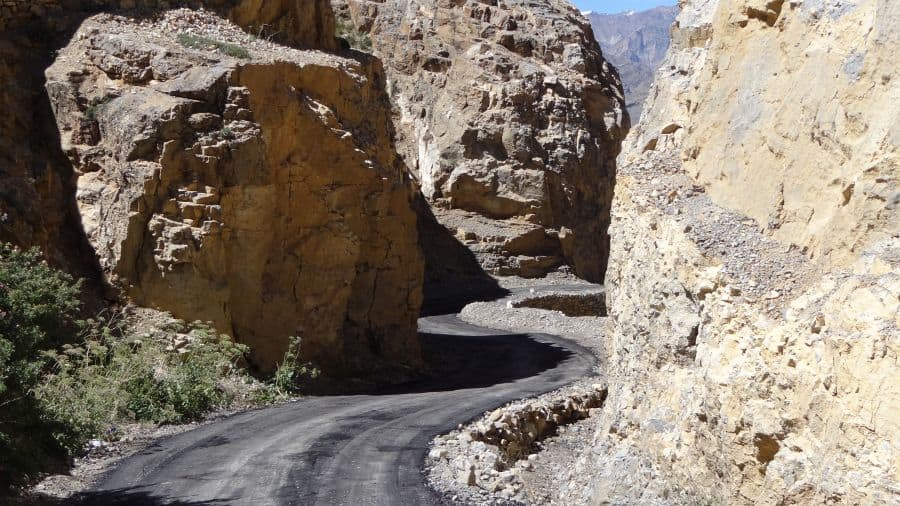
Kaza is the perfect base for day trips. Almost every major attraction in Spiti is within 1-2 hours of driving from here.
Hikkim (15 km, ~45 min) is home to the world’s highest post office at 14,500 ft. You can send a postcard to your family from here. The aerial views of the Spiti Valley from Hikkim are some of the best you will find anywhere.
Langza, Komic, and Hikkim circuit can be done as a single day trip. Langza village is famous for its marine fossils (yes, this desert was once under the sea) and the towering Buddha statue overlooking the valley. Komic sits at about 15,050 ft and claims to be one of the highest motorable villages in the world.
Kibber (16 km) is at 14,200 ft and serves as the starting point for the Kanamo Peak trek. The Chicham Bridge, one of Asia’s highest suspension bridges spanning a deep gorge, is accessible from Kibber.
Dhankar Monastery and Pin Valley are on the Tabo side, roughly 30-40 km from Kaza. Dhankar’s cliff-top setting at 12,776 ft overlooking the confluence of Spiti and Pin rivers is unforgettable in the true sense. The Pin Valley beyond is home to the snow leopard and has a daily bus from Kaza at 4 PM.
Giu Village (80 km from Kaza) houses a 550-year-old Buddhist mummy. The detour takes about half a day.
Experiencing the Ladarcha Fair
If you time your visit right, you might catch the Ladarcha Fair, the most anticipated annual event in Spiti. This trade fair historically reinforced bonds between Tibetan and Indian traders. Today, it features performances by the Tibetan Institute of Performing Arts, artists from Ladakh, Sikkim, and Nepal, along with traditional Chaam and Bhushan dances, Buddhist sermons, and archery competitions. Check the Spiti Valley festivals calendar for exact dates.
Interacting with Spitian Locals
This is something I always tell people, and most travelers skip it. Spitians are resilient, entrepreneurial, and genuinely warm. They survive extreme isolation, temperatures dropping to -30C in winter, limited resources, and yet they thrive with a smile. Sit with your homestay host over butter tea, ask them about their lives, their winters, their festivals. You will take back more from these conversations than any monastery visit. Keep in mind that respectful curiosity goes a long way here.
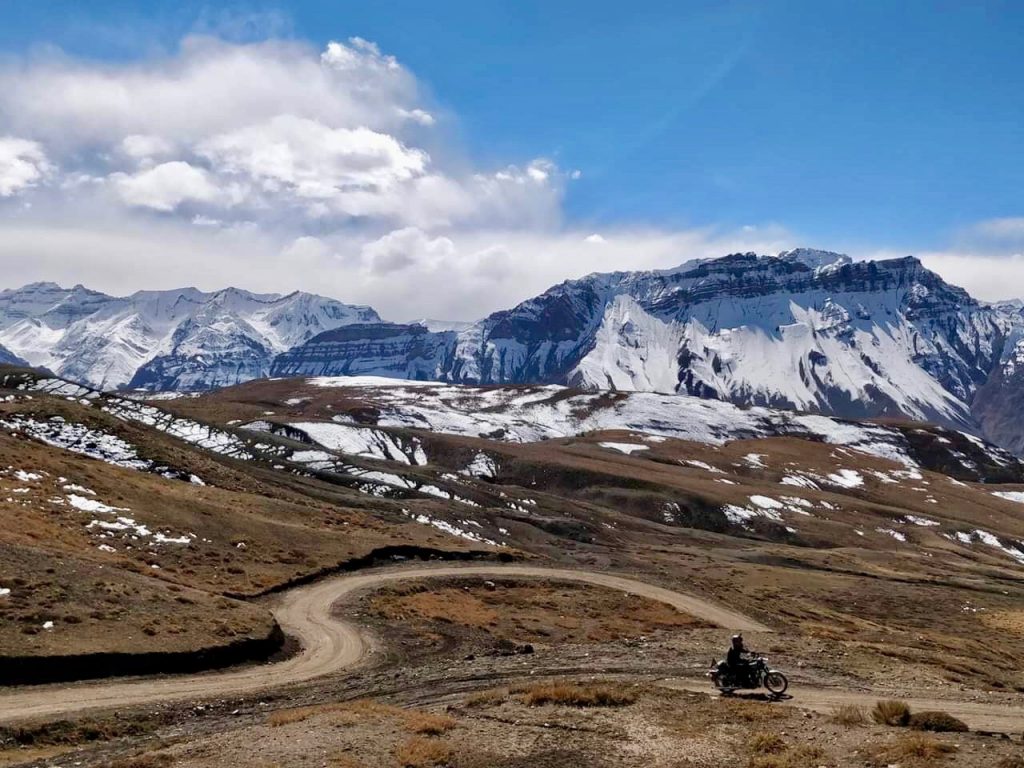
How to Reach Kaza in Spiti Valley?
There are two main routes to reach Kaza, and which one you pick depends on the season and your starting point.
Route 1: Shimla to Kaza via Kinnaur (Open Year-Round)
This is the Shimla-Kinnaur-Kaza route via NH-5. The total distance is roughly 420 km from Shimla and takes 2 days with a night halt at Reckong Peo or Kalpa. This route passes through Narkanda, Rampur, Tapri, Reckong Peo, Pooh, Nako, and Tabo before reaching Kaza. It is open throughout the year for Indian nationals, though heavy snowfall in January-February can cause temporary closures near Kinnaur.
HRTC operates a daily bus from Shimla to Reckong Peo (Rs 430-650, 8-10 hours), and then Reckong Peo to Kaza (Rs 250-350, 7-8 hours). You can also get the direct Shimla-Kaza HRTC bus that runs in summer.
Route 2: Manali to Kaza via Rohtang/Atal Tunnel and Kunzum Pass (Seasonal)
This route is roughly 200 km via the Atal Tunnel (which bypasses Rohtang Pass) and Kunzum Pass. It is only open from mid-June to mid-October. The HRTC bus from Manali to Kaza costs Rs 400-570 and departs around 5:00-5:30 AM, reaching Kaza by 3:00-5:00 PM. Check the Manali-Kaza road status before planning this route.
If you are driving, keep in mind that the Atal Tunnel at 10,171 ft does not require a permit. However, if you want to take the old Rohtang Pass route, you need a Rohtang Pass permit (Rs 800 for petrol vehicles, Rs 400 for diesel).
By Air
The nearest airport is Bhuntar Airport (Kullu), about 250 km from Kaza. From Bhuntar, you will need to take a taxi or bus to Manali and then continue to Kaza. There are no direct flights to Spiti.
When Is the Best Time to Visit Kaza?
The best time to visit Kaza depends on what kind of experience you are looking for.
June to September is the peak season. Both routes (Manali and Shimla) are open, weather is pleasant (10-25C during the day), and all guesthouses and cafes are operational. This is when Kaza buzzes with travelers. The downside is crowds and higher prices, especially in July-August.
October is the shoulder season. The Manali route closes by mid-October, so you need to exit via Kinnaur. The autumn colors in Spiti are stunning, fewer tourists, and the air is crystal clear. Temperatures start dropping to 0-5C at night.
November to May is winter. Only the Kinnaur route is open (and even that can close temporarily). Kaza gets extremely cold, with temperatures hitting -30C in January. Most guesthouses shut down. If you want the White Spiti experience, this is the time, but come prepared for harsh conditions. Read the complete month-by-month guide to visiting Spiti for detailed weather breakdowns.
Where to Stay in Kaza: Hotels, Homestays, and Hostels
Kaza has the widest range of accommodation options in all of Spiti Valley. Here is a quick breakdown.
Budget homestays (Rs 500-1,000/night): These are basic rooms with local families. Meals are usually available for Rs 100-200 extra. The experience is authentic, and you get to interact with Spitian families. Many homestays in New Kaza have great views of Key Monastery.

Mid-range hotels (Rs 1,500-3,000/night): Places like Sakya Abode, Hotel Deyzor, and Spiti Valley Hotel fall in this range. They offer attached bathrooms, hot water, and decent restaurant options. Sakya Abode is personally my go-to recommendation.
Hostels (Rs 500-900/bed): Moustache Hostel and similar backpacker hostels have opened in recent years, with dorm beds starting around Rs 500-765 per night. Good for solo travelers looking to meet people.
For a detailed list of accommodation options, check the Spiti Valley homestays guide and the hotels and accommodation list.
What Are the Essential Practical Tips for Visiting Kaza?
Spiti is remote, and Kaza is the last place where you have access to basic amenities before heading deeper into the valley. Here is what you need to know.
Practical Information Box
| Detail | Information |
|---|---|
| Altitude | 3,650 m / 11,980 ft |
| Best Time to Visit | June to September (both routes open) |
| Nearest Airport | Bhuntar (Kullu), 250 km |
| Nearest Railway Station | Shimla (Narrow Gauge) or Chandigarh |
| Distance from Delhi | ~690 km via Shimla, ~570 km via Manali |
| Petrol Pump | IndianOil, Kaza (world’s highest, open 9 AM – 5 PM) |
| ATM | 2 SBI ATMs (unreliable, carry cash) |
| Hospital | Community Health Centre, Old Kaza |
| Mobile Network | BSNL postpaid (best coverage), Jio/Airtel patchy |
| Permit | No permit needed for Indian nationals up to Kaza |
| Average Stay | 2-3 days (as base for Spiti exploration) |
Money and ATMs
This is important. Kaza has two SBI ATMs, and both are unreliable. They run out of cash frequently, especially during peak season, and network issues can make them non-functional for days. Carry enough cash from Shimla, Manali, or Reckong Peo. Some hotels and cafes accept UPI payments when the network cooperates, but do not count on it. I recommend carrying at least Rs 5,000-8,000 in cash per person for a 3-day stay.
Fuel
The IndianOil petrol pump in Kaza is the only one in the entire Spiti Valley. The nearest alternatives are at Tandi (Lahaul, 105 km from Manali) or Reckong Peo (Kinnaur side). The pump operates from about 9 AM to 5 PM. During peak season, expect queues. If you are coming from Manali, fill up at Tandi. From the Shimla side, the last reliable pump is at Tapri or Reckong Peo.
Mobile Network and Internet
BSNL postpaid gives the best coverage in Kaza, though even that fluctuates. Jio works intermittently in the town center but drops off once you leave Kaza. Airtel has limited presence. For detailed network coverage across the valley, read the Spiti Valley mobile connectivity guide. Bottom line: inform your family that you will be off the grid for stretches, and do not plan to work remotely from Kaza unless you are okay with frustration.
Altitude Sickness
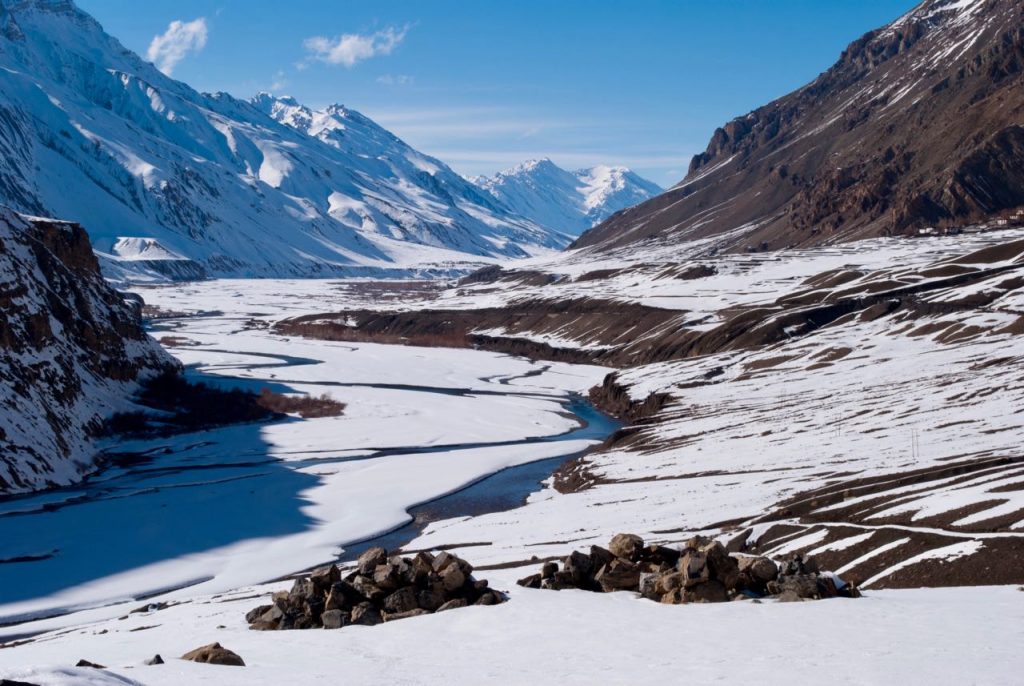
At 11,980 ft, Kaza is high enough to trigger Acute Mountain Sickness (AMS) in some people, especially if you drive up from Manali in a single day. Symptoms include headaches, nausea, and breathlessness. Take it slow on your first day. Drink plenty of water, avoid alcohol, and do not exert yourself. If symptoms persist, the Community Health Centre in Old Kaza can help. For a detailed guide on AMS prevention, read this article on acclimatization.
How Much Does a Trip to Kaza Cost?
Here is a rough budget breakdown for a 3-day stay in Kaza (per person, 2026 estimates).
| Expense | Budget (per person) | Mid-Range (per person) |
|---|---|---|
| Accommodation (3 nights) | Rs 1,500 – 3,000 | Rs 4,500 – 9,000 |
| Meals (3 days) | Rs 900 – 1,500 | Rs 1,500 – 2,500 |
| Local Transport / Taxi | Rs 1,000 – 2,000 (shared) | Rs 3,000 – 5,000 (private) |
| Fuel (own vehicle, Kaza area) | Rs 500 – 1,000 | Rs 500 – 1,000 |
| Miscellaneous | Rs 500 | Rs 1,000 |
| Total (3 days) | Rs 4,400 – 8,000 | Rs 10,500 – 18,500 |
For a full Spiti Valley trip budget, including travel from Delhi, check the Spiti Valley trip cost breakdown.
What Should You Pack for Kaza?
Packing for Kaza depends on the season, but some essentials remain the same regardless of when you visit.
Summer (June-September): Layered clothing. Days are warm (15-25C) but evenings drop to 5-10C. A light down jacket, sunscreen (SPF 50+, the UV at this altitude is intense), sunglasses, and a good moisturizer are essential. The air is extremely dry.
Winter (November-March): Heavy thermals, a proper winter jacket rated for -20C, woolen socks, gloves, and a balaclava. Read the Spiti Valley packing guide for a complete checklist.
Regardless of season, carry a basic medical kit with Diamox (for AMS), painkillers, ORS sachets, and any personal medication. Pharmacies in Kaza exist but stock is limited.
Frequently Asked Questions
Is Kaza safe for solo travelers?
Yes, Kaza is very safe for solo travelers, including women. The local community is welcoming, and crime is virtually non-existent. The main challenges are altitude sickness and the remote location. As long as you acclimatize properly and carry enough cash and supplies, solo travel in Kaza is a rewarding experience.
Do I need a permit to visit Kaza?
Indian nationals do not need any permit to visit Kaza or most of Spiti Valley. You only need an Inner Line Permit (ILP) if you are traveling beyond Sumdo towards Shipki La on the India-China border. Foreign nationals need a Protected Area Permit (PAP) for Spiti, obtainable at the DC office in Reckong Peo or Kaza. Read the complete ILP guide for Spiti for details.
How many days should I spend in Kaza?
A minimum of 2-3 days is recommended. One day for acclimatization and exploring Kaza town, one day for the Langza-Komic-Hikkim circuit, and one day for Key Monastery and Kibber. If you have more time, add Pin Valley, Dhankar, and the Chandratal detour.
Is there a hospital in Kaza?
Yes, there is a Community Health Centre (CHC) in Old Kaza that handles basic medical emergencies including altitude sickness. For serious medical issues, you would need to be evacuated to Reckong Peo or Manali, which are 7-10 hours away by road.
Can I use UPI or credit cards in Kaza?
Some cafes and hotels in Kaza accept UPI payments, but network connectivity is unreliable. Credit card machines rarely work. Always carry sufficient cash. The two SBI ATMs in Kaza frequently run out of cash or go offline, so withdraw money in Shimla, Manali, or Reckong Peo before heading to Spiti.
What is the temperature in Kaza in summer?
During summer (June-September), daytime temperatures in Kaza range from 15C to 25C, making it pleasant for sightseeing. Nights can drop to 5-10C even in peak summer, so always carry warm layers. The sun is intense at this altitude, so sunscreen and sunglasses are essential.
Is there public transport from Kaza to nearby villages?
HRTC runs limited local buses from Kaza to some villages like Kibber, Tabo, and Pin Valley (Mud Village bus departs at 4 PM). However, frequencies are low (1-2 buses per day), and timings change seasonally. For flexibility, consider hiring a local taxi from Kaza. Check the Spiti Valley taxi drivers list for reliable contacts. A full-day taxi for local sightseeing costs around Rs 3,000-5,000.

Kaza is a place that rewards those who stay a little longer. It is not the most photogenic spot in Spiti, it does not have the grandeur of Chandratal or the drama of Key Monastery. But it has character, warmth, and a living culture that makes it more than just a pit stop. Spend a day walking through Old Kaza, sit at Sol Cafe with a book, talk to the locals over butter tea, and you will understand why some travelers keep coming back here year after year.
If you have been to Kaza and feel I have missed something, do let me know in the comments. And if you are planning your first Spiti trip, feel free to ask questions. I will be happy to help, my friend. 🙂
If you liked this guide, check out the Spiti Valley itinerary guide and join the Discover with Dheeraj community for more Himalayan travel advice.
Last Updated: March 2026

2 Comments
Comments section gets closed in 90 days. To ask your travel questions, you can follow my YouTube Channel for a faster reply or for a much slower reply follow me on Instagram. :)
How can Kaza be the capital of Lahaul- Spiti district? Does a district have a capital? Please correct the first sentence. It is the administrative headquarter of the Kaza block of Lahaul and Spiti district.
Thank you for pointing it out, yeah, you are right and it is fixed.