


Many people ask me one question again and again: “Can I really plan a budget trip to Kasol for under Rs 5000?” The honest answer is yes, you can. I have been traveling to Kasol and Parvati Valley for years, and I know exactly where you spend and where you can save. This article breaks down every cost so you can plan your Kasol budget trip without any guesswork.
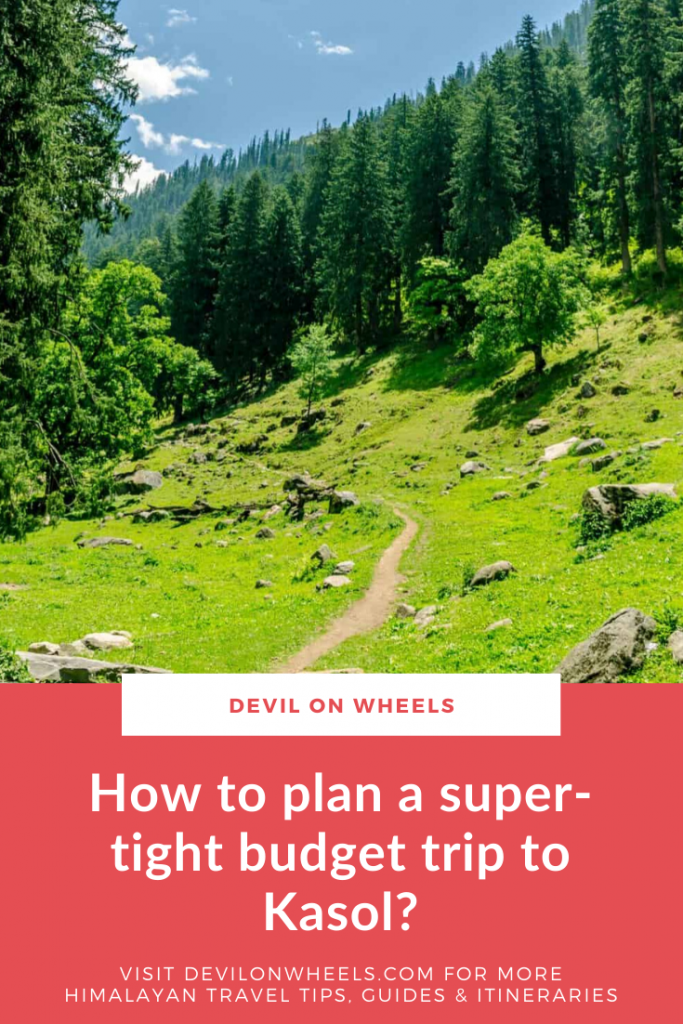
Kasol, nestled in Parvati Valley along the Parvati River, has become the go-to backpacker destination in Himachal Pradesh. Every year, thousands of young travelers, students, and solo backpackers land here. The biggest worry for most of them? How to keep the costs low without missing out on the experience. Well, let me tell you this is TOTALLY doable. You just need to know the right approach.
Before I get into the detailed breakdown of a Kasol trip cost, let me set the context clearly. The Rs 5000 budget is achievable if you travel from Delhi by train or HRTC ordinary bus, stay in dorm beds, eat at local dhabas, and walk or hike instead of taking taxis everywhere. Keep in mind, this is a lean budget. There is very little room for luxury, alcohol, or shopping. But the experiences you will collect in Parvati Valley? Those are absolutely priceless.
Let's quickly dive into the details:
What factors decide the cost of a Kasol trip?
The total cost of a budget trip to Kasol depends on five main factors. Understanding these will help you control your spending from the start:
- Itinerary and Number of Days : How many days you plan to stay, and which villages and treks you want to cover in Parvati Valley.
- Mode of Transport : How you travel from your city to Kasol, and how you move around within Parvati Valley.
- Accommodation Choice : Whether you stay in dorm beds, private rooms, camping sites, or homestays.
- Food Habits : Whether you eat at roadside dhabas or in the popular cafes and restaurants in Kasol.
- Activities and Miscellaneous : Shopping, events, guided treks, or parties that may add to your costs.
So, with this framework in mind, let us get into the details now.
What does a 5-day Kasol budget trip itinerary look like?
The number of days you spend directly impacts your budget. For this article, I am working with a 5-day itinerary that covers the best of Kasol and its nearby villages. I have already shared the most common Parvati Valley itinerary in a separate article. Here is the sample plan I will use for the budget calculation:
- Day 1 : Travel from Delhi/Chandigarh. Reach Kasol by evening. Check in and rest.
- Day 2 : Explore Kasol village. Hike to Chalal Village. Sit by the Parvati River.
- Day 3 : Kasol to Kheerganga Trek. Overnight camping at Kheerganga hot springs.
- Day 4 : Kheerganga to Tosh village. Explore Tosh, enjoy the mountain views.
- Day 5 : Tosh to Kasol. Catch your overnight bus/train back to Delhi/Chandigarh.
Now, keep in mind that your starting point matters a lot for the budget. If you are coming from Delhi, your transport costs will be higher than someone starting from Chandigarh. I will take Delhi as the baseline for this breakdown.
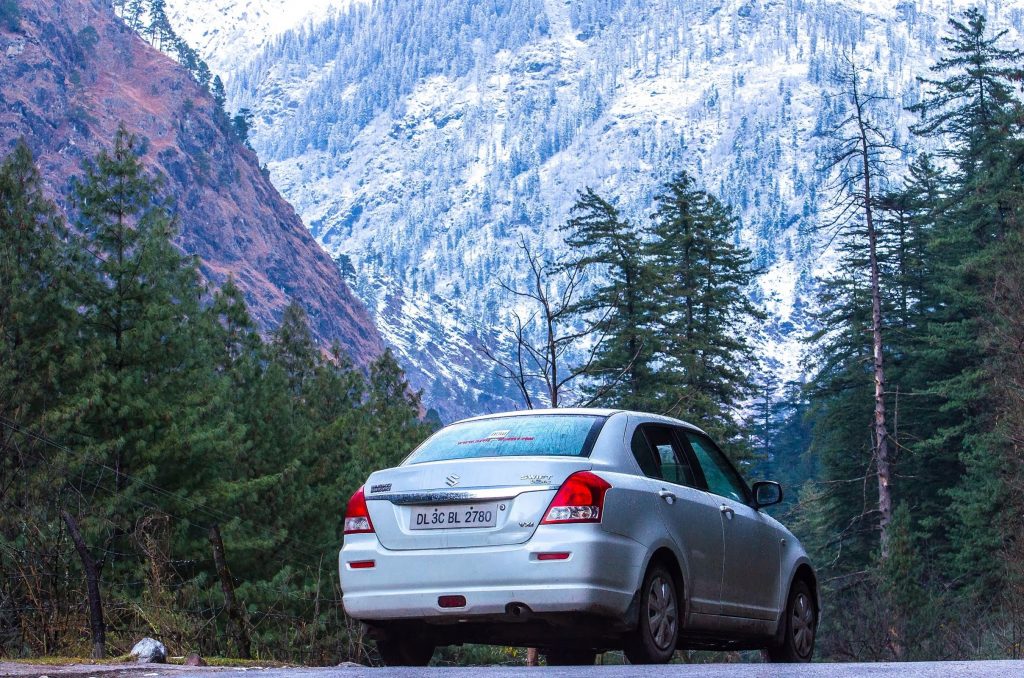
How much does it cost to travel to Kasol from Delhi?
Transport is usually the biggest chunk of any budget trip. The good news is that Kasol is well-connected from Delhi, and there are multiple affordable options. Let me walk you through each one.
Option 1: Travel to Kasol by Train
The nearest railway station to Kasol is Joginder Nagar railway station. You can take a train from Delhi to Joginder Nagar in sleeper class at around Rs 280. The 3-AC class will cost around Rs 755. After reaching Joginder Nagar, you take a shared cab to Kasol, which will cost around Rs 200 per person.
Train option cost to reach Kasol from Delhi: Rs 480 to Rs 955 per person (train fare + shared cab from Joginder Nagar).
Option 2: Travel to Kasol by HRTC Bus (Recommended for Budget)
This is the most popular option for backpackers. HRTC runs buses from Kashmere Gate ISBT, Delhi to Bhuntar and Kullu-Manali. You get down at Bhuntar, which is about 30 km from Kasol. HRTC ordinary bus fares from Delhi to Bhuntar start from around Rs 750-900 (as of 2025, verify locally for current fares). The Himgaurav 2×2 AC bus costs more, starting from around Rs 1,200. There are also private operators running Volvo and semi-sleeper buses at Rs 800-1,500 range.
After reaching Bhuntar, you have two options to get to Kasol. You can take a local HRTC bus from Bhuntar heading towards Manikaran and ask to be dropped at Kasol. This bus ride costs around Rs 60-90. Alternatively, a shared taxi from Bhuntar to Kasol will cost Rs 100-250 depending on your haggling skills and how quickly you want to reach.


Pro Travel Tip. Take the overnight HRTC ordinary bus from Kashmere Gate ISBT. This saves you one night’s hotel cost in Delhi, and you arrive in Bhuntar fresh in the morning. Avoid private AC buses if you are on a strict budget. Also, book at least 1-2 days in advance on the HRTC website, especially during peak season (May-June, October).
HRTC ordinary bus option cost to reach Kasol from Delhi: Rs 810 to Rs 990 per person (bus fare Rs 750-900 + Bhuntar to Kasol Rs 60-90).

Option 3: Self-Drive Car (Best for Groups)
If you are traveling from Delhi in your own car and you are a group of 4-5 people, the fuel cost per person actually works out competitive with bus travel. Delhi to Kasol is roughly 520-530 km. Depending on your car’s mileage, the total fuel cost for a round trip will be Rs 4,500-6,000. Divide that among 4-5 people and each person pays Rs 900-1,500. However, self-drive gives you flexibility and comfort, which is a fair trade-off for the slightly higher individual cost.
Local Transport within Parvati Valley
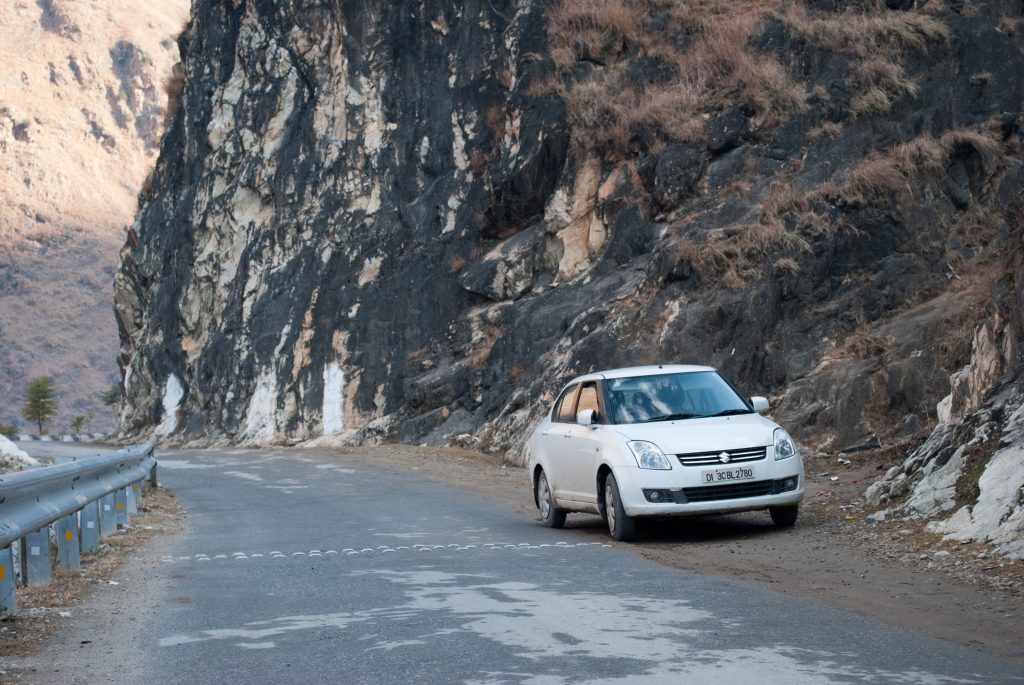
This is the best part. Once you are in Kasol, most of the exploration is done on foot. Most trails and hikes in Parvati Valley start right from Kasol. Walking to Chalal village takes about 30-45 minutes. The Kheerganga trek starts from Barshaini, which is about an hour from Kasol by shared cab.
For visiting Kheerganga and Tosh village, you need to reach Barshaini first. A shared tourist cab from Kasol to Barshaini will cost about Rs 100-150 per person. Some shared cabs in peak season may also take you closer to Tosh village. Chalal, Rasol, and Pulga are all accessible on foot from their respective trailheads at zero cost.
Local transport cost for 5-day Kasol trip: Rs 200-300 per person total (mainly Kasol to Barshaini and back).
You should always carry your water bottle and refill it as many times as you need water. It will not only keep you hydrated always, but you will also help in saving the Himalayas from plastic garbage. Remember, every tiny step counts and your step in this direction can help save the Himalayas too !! 🙂 🙂
What are the accommodation costs in Kasol and nearby villages?
Kasol has a wide range of budget stay options. If you want to keep your accommodation cost low, staying in hostel dormitories is the way to go. The entire Parvati Valley, including the villages of Malana, Chalal, Tosh, Kalga, Pulga, Rasol, and Kasol itself, has plenty of budget hostels, guesthouses, and camping sites.
In Kasol, dorm beds are available from Rs 300-500 per night in backpacker hostels. Popular options like Zostel Kasol and The Hosteller Kasol have dorms starting at Rs 350-400 per night. Private rooms in budget guesthouses start at Rs 600-800 per person in peak season and can go as low as Rs 400-500 in off-season (November to February).
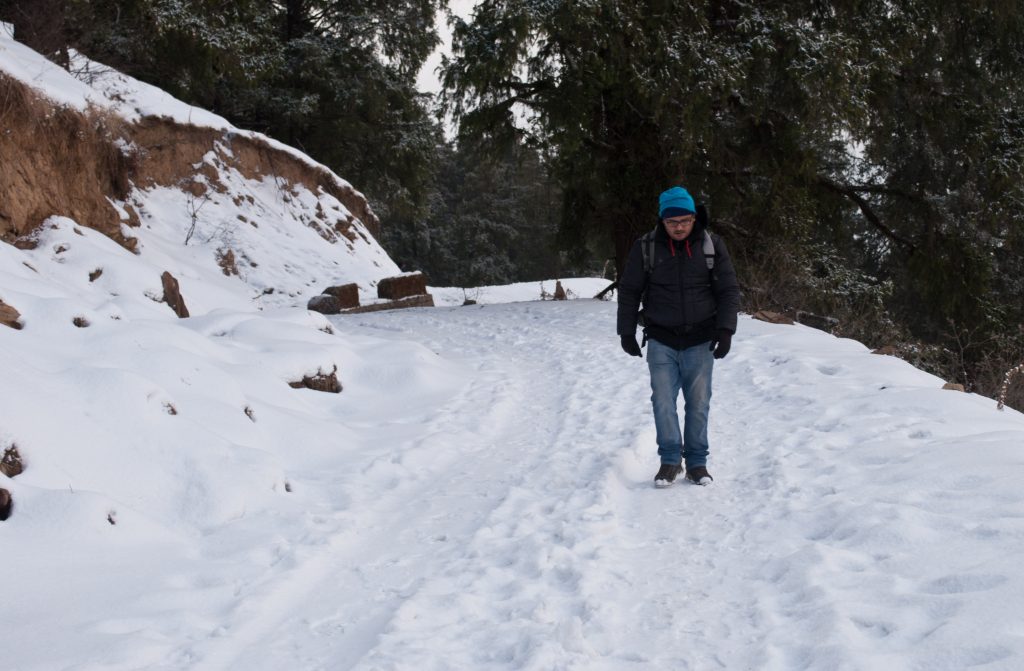
At Tosh and Kheerganga, accommodation is slightly different. Kheerganga has basic camping shelters and small guesthouses at the top of the trek. Expect to pay Rs 300-500 per person for a shared tent or dorm bed. Tosh has guesthouses and small cafes with rooms. Rates at Tosh are generally Rs 400-600 per person per night for a basic room. These are approximate rates as of 2025. Keep in mind that prices may vary with season, so always negotiate.
Accommodation cost for a 5-day Kasol trip (dorm/budget stays): Rs 1,200 to Rs 1,800 per person.
How much does food cost on a Kasol budget trip?
Kasol has a wide range of food options. The Israeli and continental cafes are popular but they are not budget-friendly. If you are serious about saving money, eat at the roadside dhabas and local guesthouses. A simple thali at a dhaba in Kasol or the surrounding villages costs Rs 100-150. Meals with chapati, dal, sabzi, and rice are widely available. In Kalga and Pulga, homemade thalis can be as cheap as Rs 100-120 per meal.
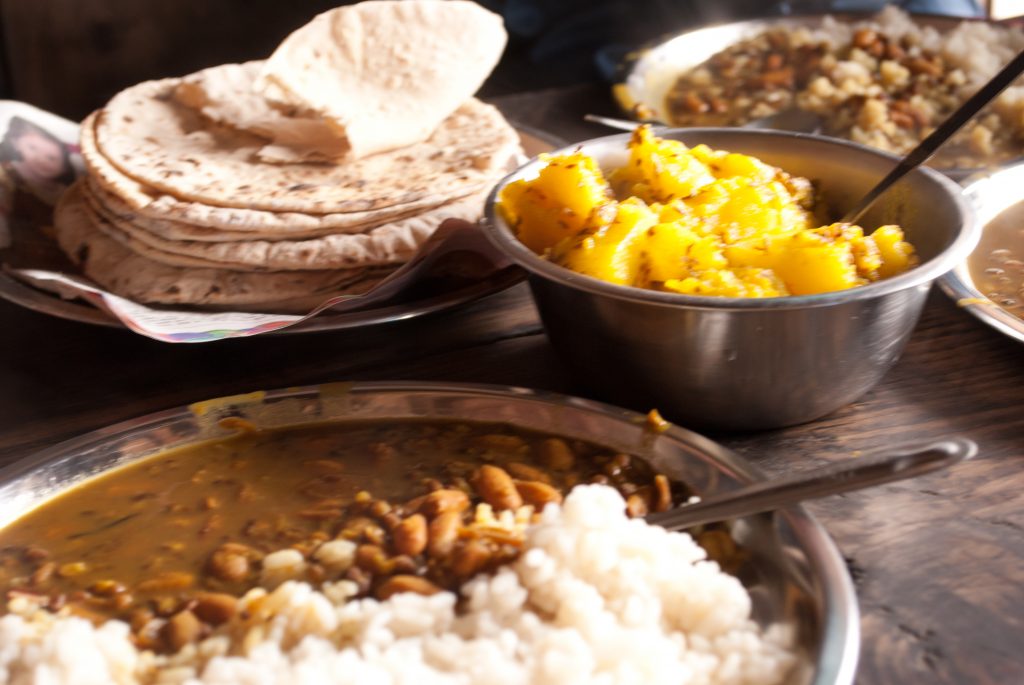
For an average person eating three meals per day with some chai or snacks, I would budget Rs 400-500 per day for food. If you are truly stretching every rupee, eating all meals at dhabas and carrying snack bars from home, you can bring this down to Rs 250-300 per day. However, I have seen many budget travelers blow their food budget at the trendy cafes in Kasol. If that is a temptation for you, keep in mind the objective: this is a budget trip, and you will need discipline.
Food cost for 5-day Kasol trip: Rs 1,250 to Rs 2,500 depending on how strictly you stick to dhabas.
Miscellaneous expenses: what else do you need to budget for?
Kasol is famous for its music scene, cafes, and party culture. If you want to keep costs low, you need to be selective here. A few practical tips on the optional expenses:

- If you want to attend parties or events, look for the less mainstream ones in smaller villages. Entry fees at major events can add up quickly.
- Avoid alcohol if you are on a strict budget. Alcohol in Kasol is not cheap, and it can quietly push your costs up by Rs 500-1,000 per day if you are not careful.
- Shopping in Kasol is tempting. Woolen shawls, hippie jewelry, and local handicrafts are all over the market. Keep this optional unless you have budgeted for it separately.
- If you want to join a guided trek, factor in the guide fee. Most short treks around Kasol do not require a guide. The Kheerganga trek is well-marked and you can easily do it solo or with a group without a guide.
Miscellaneous budget for 5-day Kasol trip: Keep a buffer of Rs 500 for unexpected small expenses.
Total cost of a budget trip to Kasol : Summary Table
Let me put all these numbers together. Here is the full cost breakdown for a 5-day budget trip to Kasol from Delhi, using HRTC ordinary bus:
| Expense Category | Budget Option (Rs) | Comfortable Budget (Rs) |
|---|---|---|
| Delhi to Bhuntar (HRTC ordinary bus) | 750 – 900 | 1,200 – 1,500 |
| Bhuntar to Kasol (local bus/shared cab) | 60 – 150 | 150 – 250 |
| Local transport within Parvati Valley | 200 – 300 | 300 – 500 |
| Return bus (Bhuntar to Delhi) | 750 – 900 | 1,200 – 1,500 |
| Accommodation (5 nights, dorm beds) | 1,200 – 1,500 | 1,500 – 2,000 |
| Food (5 days, dhabas only) | 1,250 – 1,500 | 1,500 – 2,500 |
| Miscellaneous | 300 – 500 | 500 – 1,000 |
| TOTAL | Rs 4,510 – Rs 5,750 | Rs 6,350 – Rs 9,250 |
The Rs 5000 budget is achievable if you travel by HRTC ordinary bus and stay in dorm beds throughout. The train option (sleeper class) brings it even lower, closer to Rs 4,000-4,500 for the whole trip.
Top tips to keep your Kasol budget trip under control
Over the years, I have seen budget travelers make the same avoidable mistakes that blow their budget. Here are the most important tips to keep your Kasol trip affordable:
- Travel off-peak : September to November and February to March are shoulder seasons in Kasol. Prices for accommodation drop significantly, and you avoid the rush of May-June. The trade-off is that some cafes and restaurants may be closed.
- Stay in hostels : Dorm beds are the best budget accommodation option. You also meet fellow travelers who often share tips about free or cheap activities. Check our Kasol weekend trip itinerary for a quick reference if you have limited days.
- Book your bus in advance : Prices tend to go up closer to travel dates. Book your HRTC bus at least 2-3 days in advance, especially for weekends and holidays.
- Eat at local dhabas : Skip the Israeli cafes and tourist restaurants in Kasol for most meals. Local dhabas serve hot, filling food for a fraction of the cost.
- Learn to negotiate : Whether it is a shared cab, a guesthouse, or a market item, negotiate. This is the most important skill as a budget traveler in the Himalayas. Do not be shy about it.
- Carry food from home : Pack snack bars, dry fruits, and instant noodles from Delhi. This saves a lot on in-between snack costs during treks.
- Walk everywhere you can : Kasol is a small village. Most places are walkable. The Chalal village hike is completely free and one of the best experiences in Parvati Valley.
- Explore offbeat Himachal : Rasol, Pulga, and Kalga are less crowded than Tosh and Kheerganga, often with lower accommodation costs, and equally beautiful.
- Travel as a group of 4-5 : If you are going by road, splitting fuel costs among 4-5 people makes it extremely cost-efficient. Even for accommodation, sharing a private room among 2-3 people brings per-person cost down.
- Be flexible with your plans : Budget travel requires flexibility. If a guesthouse is full at your target price, move to the next one. If a trail is too crowded, find a quieter path. Rigidity costs money.
Best time for a budget trip to Kasol
The best time to visit Kasol on a budget is during the shoulder seasons. Here is a quick guide:
- March to May : Good weather, trails open, cafes active. Prices start to rise in May as peak season begins. Go in March or early April for lower rates.
- June : Peak season. Prices are high, Kasol is crowded. Avoid this month if budget is a concern.
- July-August : Monsoon season. Some trails may be difficult. Prices drop but conditions can be challenging. Not recommended for first-timers.
- September to November : My personal recommendation for a budget trip. The weather is clear and pleasant, crowds thin out, and guesthouses offer lower rates. The Kheerganga trek is at its most beautiful in October.
- December to February : Cold and some places close, but the few hostels that remain open offer rock-bottom prices. Good for those who want to experience Kasol in snow.
What are the important things to keep in mind for Kasol?
A few practical things I always tell budget travelers heading to Kasol for the first time:
- ATMs in Kasol : There is an ATM in Kasol village, but it runs out of cash during peak season. Carry sufficient cash from Delhi or Bhuntar. There are no ATMs in Tosh, Kheerganga, or the smaller villages.
- Mobile network : BSNL works best in Kasol and the surrounding area. Jio and Airtel have limited coverage. Once you are on the Kheerganga trek, expect no signal.
- Permits and entry fees : As of 2026, there are no permits required for Indian tourists to visit Kasol, Kheerganga, or the standard Parvati Valley villages. However, Malana village has its own local rules. Always ask locally before entering restricted areas.
- Safety for solo travelers : Kasol is generally safe, including for solo female travelers. Stick to marked trails, do not hike alone after dark, and inform your hostel about your plans if you are doing an early morning trek.
- Respect local culture : Parvati Valley is home to many small communities with their own customs. Be respectful, especially in religious sites like Manikaran Sahib Gurudwara, which is a short distance from Kasol and worth a visit on any Kasol trip.
Have a travel question?? You can subscribe to my YouTube channel and leave a comment to ask your travel questions about traveling to the Himalayas.
Frequently Asked Questions About Kasol Budget Trip
What is the minimum budget for a Kasol trip from Delhi?
The minimum budget for a 5-day Kasol trip from Delhi, using HRTC ordinary bus and staying in dorm beds, is approximately Rs 4,500 to Rs 5,500 per person. This includes to-and-fro transport, 5 nights of dorm accommodation, food at local dhabas, and basic local transport within Parvati Valley. The train in sleeper class option can bring this down to around Rs 4,000-4,500.
How to reach Kasol from Delhi by public transport?
There is no direct bus from Delhi to Kasol. The most common route is to take an HRTC ordinary bus or private Volvo from Kashmere Gate ISBT, Delhi to Bhuntar (about 510 km, fares start at Rs 750-900 for HRTC ordinary). From Bhuntar, take a local HRTC bus to Kasol (Rs 60-90) or a shared taxi (Rs 100-250). The total journey from Delhi takes about 12-14 hours including the Bhuntar to Kasol leg.
Can I visit Kasol for 2-3 days on a tight budget?
Yes, absolutely. A 2-3 day Kasol trip from Delhi on a tight budget can be done for Rs 3,500-4,500 per person. You can cover Kasol village, the Chalal hike, and possibly a day trip to Manikaran or Rasol. You may not have time for Kheerganga or Tosh in a short trip. Check the Kasol weekend trip itinerary for a focused plan for shorter visits.
Is Kheerganga trek free?
The Kheerganga trek does not have an entry fee as of 2026. However, you will need to pay for transport to Barshaini (starting point of the trek), which costs Rs 100-150 per person from Kasol. At the top, accommodation in basic camping shelters or tents costs Rs 300-500 per person per night. The hot springs at Kheerganga are free to use.
What is the cheapest accommodation option in Kasol?
Dorm beds in backpacker hostels like Zostel Kasol or The Hosteller Kasol start from Rs 300-400 per night. These are the cheapest options in Kasol. For even cheaper stays, look at the guesthouses in Chalal village (a 30-minute walk from Kasol) where rates can be Rs 200-300 for a basic room. In the off-season (winter), rates drop further at most places.
Is Kasol safe for solo female travelers?
Kasol is generally considered safe for solo female travelers. It has a large backpacker community and hostels with social environments where it is easy to meet other travelers. Stick to marked trails, travel in groups for evening treks, and always inform your hostel about your plans. Avoid being alone on remote trails after dark. The main village is well-lit and has a good presence of other tourists.
What is the best time to visit Kasol for a budget trip?
September to November is the best time for a budget trip to Kasol. The weather is pleasant, the trails are open, and accommodation rates are lower than peak season (May-June). March to early May is also good. Avoid June and July if you are budget-conscious, as these are peak months with higher prices and more crowds.
Do I need a permit to visit Kasol or Parvati Valley?
No, Indian tourists do not need any permits to visit Kasol, Kheerganga, Tosh, Chalal, or most villages in Parvati Valley as of 2026. Foreign nationals may need to check current guidelines. Malana village has its own local regulations. Always verify with your hostel or local sources before visiting Malana specifically, as rules there have changed over the years.
Conclusion
So there you have it. A complete, honest breakdown of how to plan a budget trip to Kasol under Rs 5000 for 5 days. The key is choosing the right mode of transport, staying in dorm beds, eating at local dhabas, and walking as much as possible within Parvati Valley. The hills do not ask for much. In fact, some of the best experiences in Kasol and Parvati Valley are completely free, the walks, the river views, the mountain air, and the conversations with fellow backpackers around a bonfire.

I hope this budget guide helps you plan your Kasol trip without any financial stress. Feel free to share this article with your friends who are planning to visit Kasol on a budget. And if you have any budget hacks from your own trip that I have not mentioned here, do share them in the comments below. I will be happy to hear from you 🙂 …
For more ideas on what to do and see in the region, check our complete Parvati Valley travel guide and the Parvati Valley itinerary. For the DwD Community trip reports and travel partners for Kasol, feel free to check the DwD Community section on the blog.
Last Updated: February 2026
