


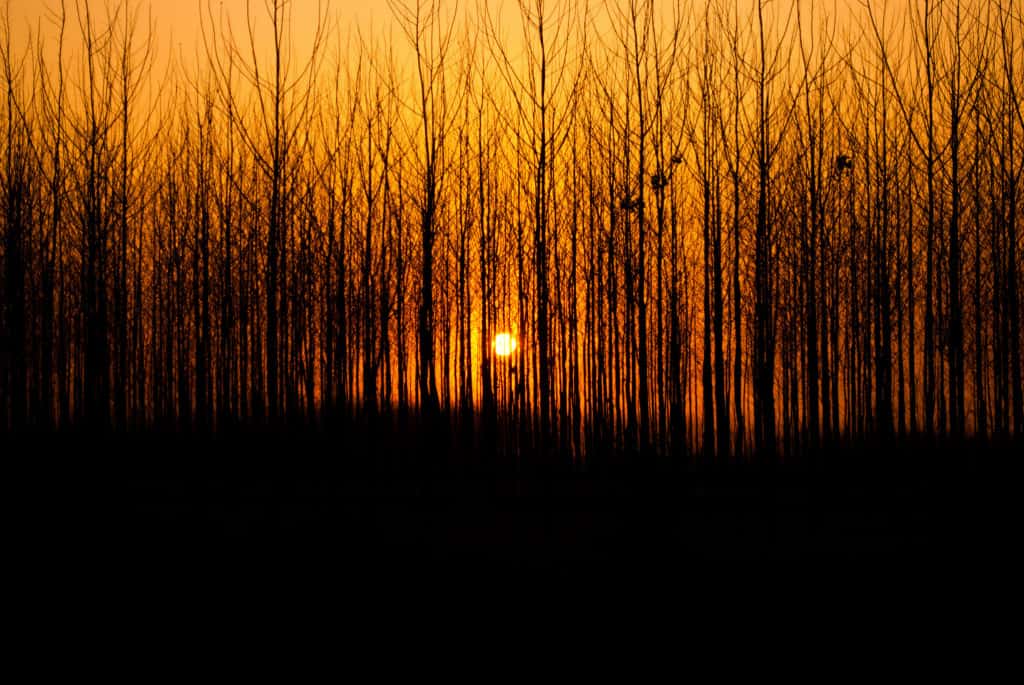
Are you planning a trip to Harsil in Uttarakhand and wondering what makes this quiet village worth the long drive from Delhi? You have landed at the right place. This complete Harsil travel guide covers everything you need to know: how to reach, what to see, where to stay, the best time to visit, nearby attractions, and the Gartang Gali and Nelong Valley experiences that most travelers miss entirely.
I have been a long-time advocate for Uttarakhand. The region is divinity personified, and places like Harsil truly represent how unglorified this state remains despite offering some of the finest Himalayan experiences in India. Harsil is one of those villages that, once visited, stays with you. The Bhagirathi river, the apple orchards that stretch for kilometers, the Deodar forests, and the old-world charm of Wilson Cottage make it a place worth every kilometer of that mountain drive from Delhi. Last updated: August 2026.
Quick Answer: Harsil in Brief. Harsil is a village in Uttarkashi district, Garhwal, Uttarakhand, located at 2,620 meters on the banks of the Bhagirathi river, 72 km from Uttarkashi and 25 km short of Gangotri. Best visited from April to June and September to November. Nearest rail head: Rishikesh (215 km). Drive from Delhi: approximately 480 km, 12-14 hours. GMVN rooms available from Rs 1,000 per night. An inner line permit is required for Nelong Valley, and a separate entry permit applies for Gartang Gali.
Let's quickly dive into the details:
About Harsil: What Makes This Village Special?
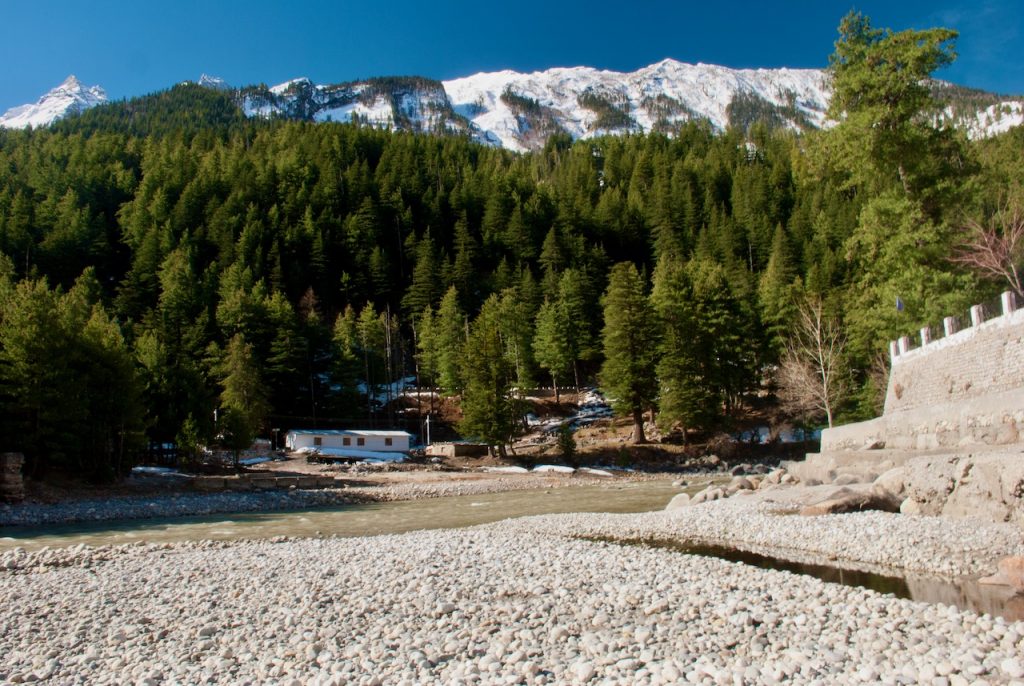
Harsil sits within the Gangotri National Park ecosystem and is classified as an army area, though there is no full-fledged cantonment here. The Bhagirathi river keeps the village company, and scanning the landscape, you will spot multiple temples tucked between forests of Deodar, Pine, and Oak trees. What makes Harsil particularly special is its proximity to Gangotri (25 km) combined with its own personality. It is not merely a stopover for Char Dham pilgrims. It is a destination by itself.
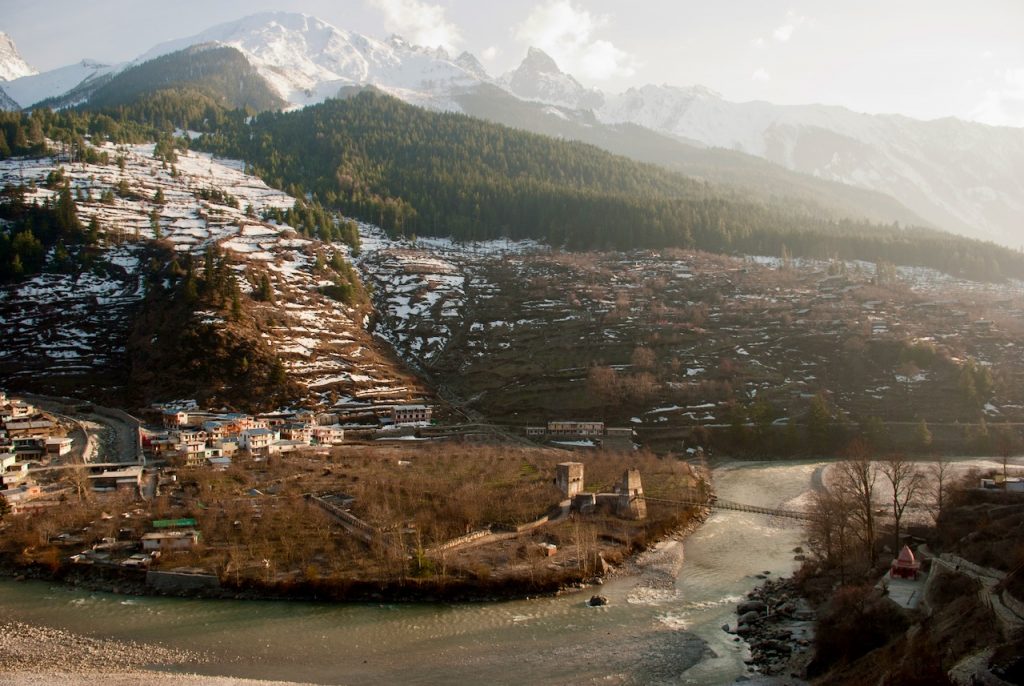
According to Uttarakhand Tourism, Harsil is described as a hidden jewel near Gangotri Dham, and I would agree. Harsil is often called the “Apple Bowl of Uttarakhand,” and this is not a marketing phrase. The apple orchards here trace their roots back to Frederick Wilson, a British settler who introduced apple cultivation in the 19th century. The orchards stretch for kilometers through Harsil and neighboring Dharali, making late summer (September to October) a particularly beautiful time to visit. Harsil is a must-visit offbeat place in Garhwal, Uttarakhand that deserves recognition beyond its role as a Gangotri pitstop.
Geography and Altitude
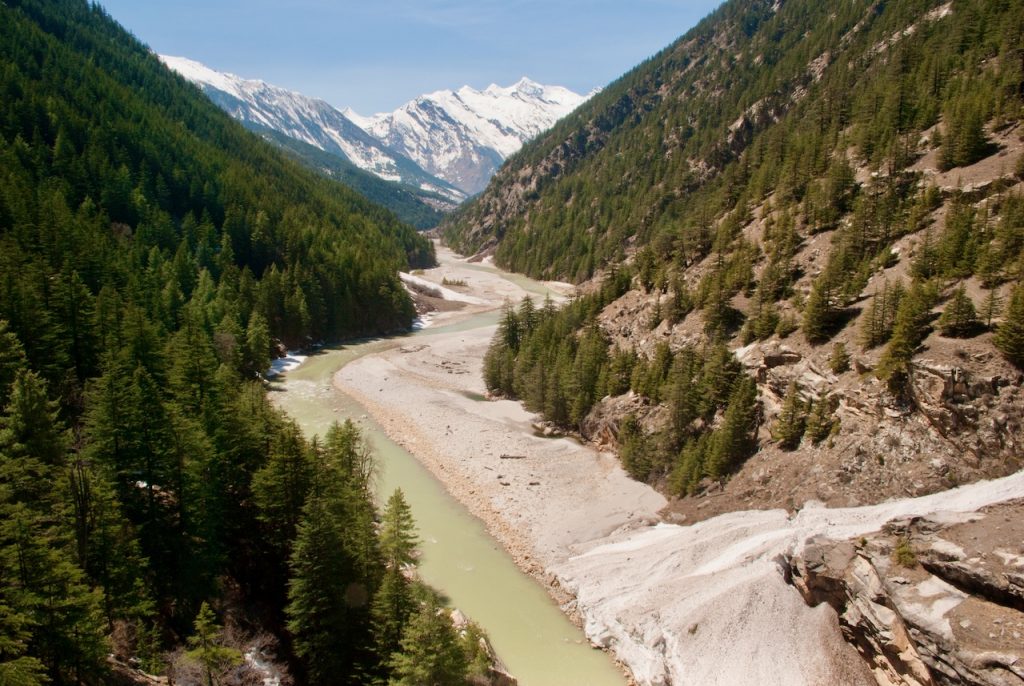
Located in Uttarkashi district of Garhwal, Harsil stands at an elevation of approximately 2,620 meters (8,600 feet) above sea level. The village lies on NH-108, the road that leads from Uttarkashi to Gangotri. Dense Deodar forests, the Bhagirathi river, and visiting migratory birds in season form the primary highlights of the landscape. Bagori village is 1.7 km from Harsil, and Dharali village is about 6 km away, both worth visiting on the same trip.
Mythology of Harsil: Why Is It Called Harshil?
Local belief holds that two rivers, the Jalandhari and the Bhagirathi, were always in conflict with each other. Their fighting caused great distress to nearby villages and settlements. Left with no other option, the local people prayed to Lord Vishnu to resolve the dispute. According to the local legend, Lord Vishnu then transformed into a ‘Sila’ (stone) and placed himself at the confluence of the two rivers, ending their conflict. Hence, the name: Harshil, which essentially refers to Lord Vishnu in the form of a rock. Over time, the spelling simplified to Harsil.
Harsil Weather: What to Expect Through the Year
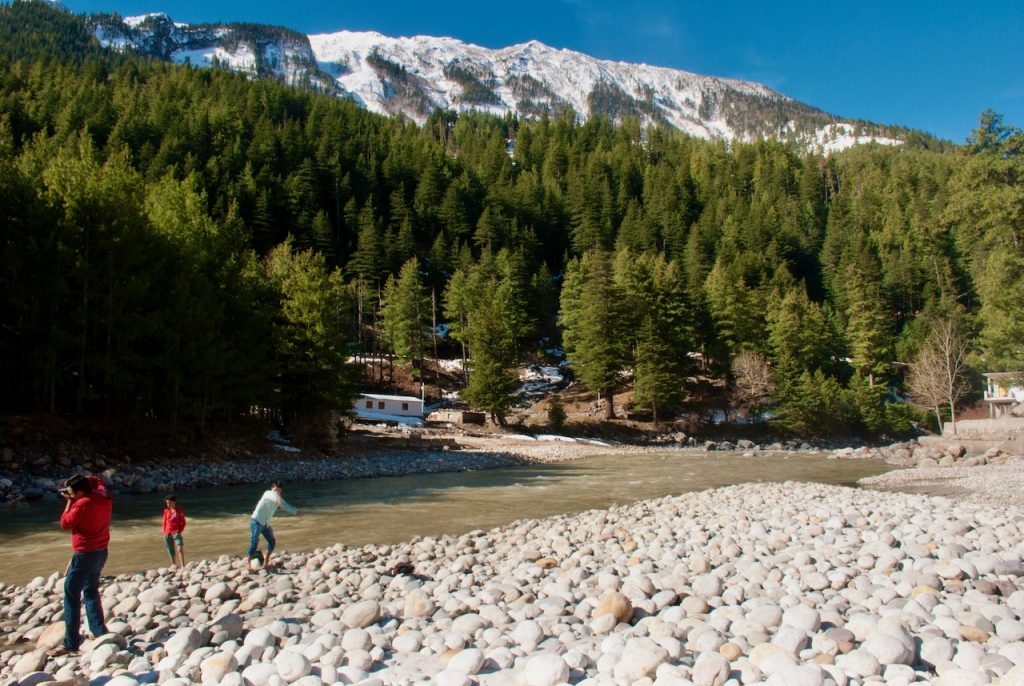
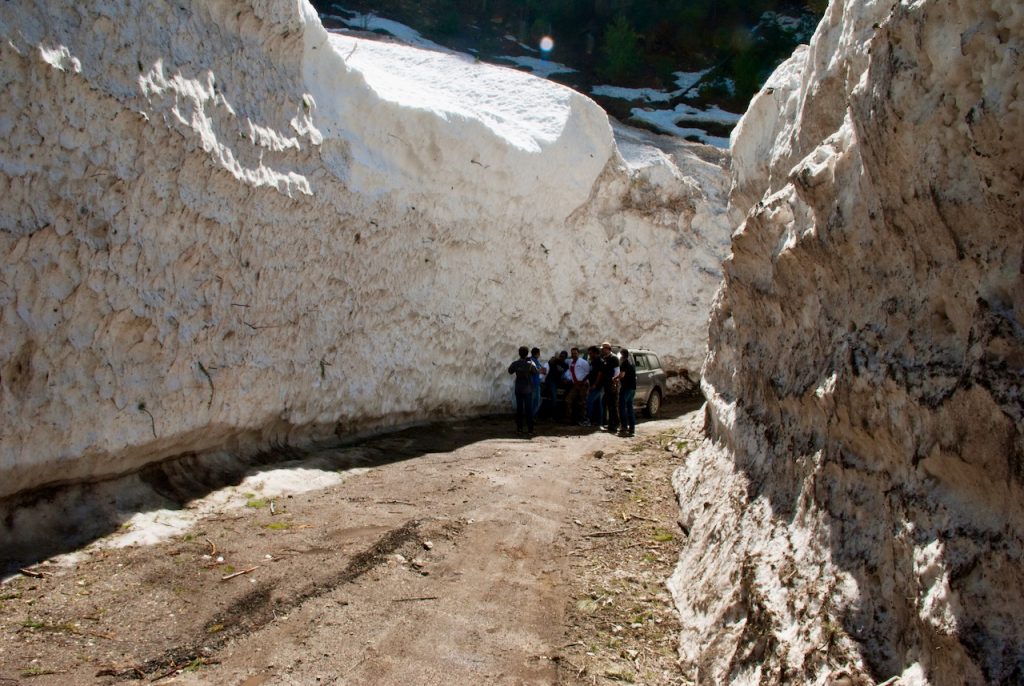
As a hill station in Uttarakhand sitting at 2,620 meters, Harsil weather is generally pleasant even in winter. Winter months (November to February) see average highs of 12-15 degrees Celsius with lows hovering near 0 degrees. Snowfall is common in December and January, making Harsil one of the places near Delhi to experience snowfall in Uttarakhand. Keep in mind, however, that the road to Gangotri beyond Harsil gets blocked by snow in winter months, limiting what you can explore.
Summer months (April to June) are in the higher 20s with cool, enjoyable nights. This is peak tourist season when Gangotri temple is also open for the Char Dham Yatra. Monsoon (July to August) brings heavy rainfall and the risk of landslides on the mountain roads. Hence, better to avoid late July to August if you are road-tripping. September to November brings clear skies, apple harvest season, and far fewer crowds than summer.
Best Time to Visit Harsil
The best time to visit Harsil is between April and June for the Char Dham Yatra season and pleasant weather, and again from September to November for the apple harvest and clear mountain views. If you want to see snow and visit a winter Himalayan village, December to February works, but confirm road conditions before heading out, as the upper stretches toward Gangotri are typically blocked. April to June is the most popular window since Gangotri temple is also open during this period.
Pro Travel Tip: Do not forget to check my list of things to carry on Himalayan trips before packing.
How to Reach Harsil from Delhi
Harsil is well connected by road via NH-108. The nearest airport and a major railhead are both in Dehradun/Rishikesh, though there is still a substantial mountain drive remaining even after reaching those cities. Let me break down all the options.
Distance Chart: Harsil from Major Cities
| Location | Distance | Approx Drive Time |
| Delhi to Harsil | 480 km | 12-14 hours |
| Dehradun to Harsil | 215 km | 6-7 hours |
| Rishikesh to Harsil | 200 km | 5-6 hours |
| Chandigarh to Harsil | 377 km | 10-11 hours |
| Uttarkashi to Harsil | 72 km | 2-3 hours |
| Harsil to Dharali | 6 km | 15 minutes |
| Harsil to Gangotri | 25 km | 45-60 minutes |
| Harsil to Gangotri National Park | 30 km | 60 minutes |
| Harsil to Nelong Valley | 42 km | 90 minutes (permit required) |
By Air
Jolly Grant Airport in Dehradun is the nearest airport, located about 232 km from Harsil. Cabs are readily available for hire from the airport to Harsil. Expect to pay approximately Rs 5,000 to Rs 7,000 for a private cab from Dehradun airport to Harsil. IndiGo and SpiceJet operate regular flights from Delhi to Dehradun, making this a viable option if you want to save time on the Delhi-Dehradun stretch.
By Rail
The nearest railway station is at Rishikesh, approximately 215 km from Harsil. Dehradun railway station is at a similar distance of about 217 km and is also a viable option. Both stations are well connected to Delhi (trains like Dehradun Express, Mussoorie Express run regularly). From Rishikesh or Dehradun, you need to take a cab or bus to Uttarkashi and then onward to Harsil. A cab from Rishikesh to Harsil costs approximately Rs 5,000 to Rs 5,500 (as of 2025, verify locally for current rates).
Given that Harsil is a small village with limited tourist footfall compared to Gangotri, shared cabs are easier to find if you position yourself as traveling toward Gangotri. Your best bet for a shared cab is to look for fellow travelers heading to Gangotri and arrange sharing that way.


By Road (Bus or Self-Drive)
Harsil lies on NH-108, and the road route goes Delhi via Modinagar, Muzaffarnagar, Roorkee, Rishikesh, Narendra Nagar, Chamba, New Tehri, Dharasu, Uttarkashi, and then to Harsil. From Delhi, the total distance is approximately 480 km and the drive takes 12-14 hours depending on your pace and breaks. I suggest breaking your journey and spending a night in Mussoorie or Uttarkashi before heading to Harsil. This way you arrive fresh and can explore Harsil properly the next morning.
If you are taking a bus, there are no direct buses from Delhi to Harsil. You will need to reach Uttarkashi first and then catch a connecting bus or shared taxi onward to Harsil. From Delhi’s ISBT Kashmiri Gate, GMOU (Garhwal Motor Owners Union) buses to Uttarkashi are available. Bus fares from Delhi to Uttarkashi range from approximately Rs 400-600 for ordinary buses and Rs 900-1,200 for Volvo services (as of 2026, verify with GMOU for current fares). From Uttarkashi, shared taxis to Harsil are the most practical option, though GMVN also runs its own local bus service on the Uttarkashi-Harsil-Gangotri stretch, with a single-journey fare of roughly Rs 80-100 for the Uttarkashi to Harsil leg (verify current timings at the GMVN counter in Uttarkashi, as schedules shift seasonally). Keep in mind that morning buses are preferable since afternoon services from Uttarkashi to Harsil may not be available.
What Are the Top Things to See in Harsil: Tourist Attractions
Harsil offers beauty in the form of never-ending apple orchards, the confluence of the Bhagirathi and Jalandhari rivers, and a scenic mountain backdrop that is simply hard to tire of. But there are specific attractions that deserve your time. Let me walk you through them.
Wilson Cottage: A Slice of Colonial Himalayan History
Wilson Cottage is one of the most fascinating stories in the Garhwal Himalaya. In 1842, Frederick Wilson, a 25-year-old Englishman who had deserted the East India Company’s army, fled to the remote Harsil valley. He eventually met the Raja of Tehri Garhwal, and though the Raja initially refused to shelter him, Wilson gradually established himself in Harsil. He built the cottage in 1864 and introduced apple cultivation to the valley, which continues to define Harsil’s identity to this day.
Wilson also built a 350-foot long suspension bridge over the Jadganga river for the local people, a gesture of generosity that made him beloved among locals. So fondly did they remember him that even today, locals affectionately call him “Pahari Wilson.” The cottage stands as a reminder of this unusual colonial-era story. It is one of those stories you would not hear about unless someone specifically mentioned it, and I am glad to pass it along.
Trip Suggestion: Do not forget to check my travel guide about Manila, an unknown offbeat place in Uttarakhand.
Gartang Gali: The 150-Year-Old Wooden Mountain Bridge
If there is one experience near Harsil that most travelers miss, it is Gartang Gali. This is a 136-meter-long wooden stairway built into the vertical granite face of a mountain cliff, high above the Jadh Ganga river. Constructed approximately 150 years ago, Gartang Gali was originally an ancient trade route to Tibet. The structure hangs dramatically against the rock face and offers some of the most jaw-dropping views in Garhwal.
As of 2026, a permit is required to visit Gartang Gali. The permit fee is approximately Rs 150-250 per person for Indian nationals and Rs 600-800 for foreign nationals (verify locally, as forest department rates do change). You submit a government-issued ID and collect the permit from the forest office. Separately, entering Gangotri National Park at the Bhairav Ghati checkpoint attracts its own charge of roughly Rs 150 per person and Rs 250 per vehicle, so keep a bit of extra cash for both. The structure was restored in 2021 after years of closure, and it is now accessible. This is an absolute must-do if you are in the Harsil area. Keep in mind that the trail involves a moderate hike and is not suitable for visitors with mobility issues.
Places to Explore Near Harsil
Beyond Harsil itself, several places nearby are absolutely worth the detour. Here is what you can explore during your stay.
Dharali
Dharali is located about 6 km from Harsil on the road toward Gangotri. This tiny hamlet has mythological significance: local belief holds that King Bhagirath meditated here to wish for the Ganga to flow from heaven to Earth. There is an ancient Hindu temple with a Shivji shrine at the precise location of this meditation. The apple orchards in Dharali are particularly famous and beautiful, especially during the harvest season from September to October. When visiting, allow time to simply walk through the orchards and speak with local farmers.
Mukhwas Village (Mukhba)
Just about 1 km from Harsil lies Mukhwas (also spelled Mukhba), considered the winter abode of Goddess Gangotri. When the Gangotri temple closes for winter due to heavy snow, the deity’s idol is ceremonially brought down to Mukhwas village, where it remains until the temple reopens in spring. Pilgrims who cannot travel to Gangotri during winter come to Mukhwas to fulfill their devotion. The village itself is quiet and beautiful, and it gives you a glimpse into the traditional Garhwali way of life.
Sattal (Seven Lakes Near Dharali)
Sattal refers to a group of seven freshwater lakes (Sat = seven, Tal = lake) near Dharali, providing habitat for migratory birds and panoramic views of the surrounding mountains. These lakes lie at approximately 1,370 meters above sea level and are surrounded by lush forests of oak and pine. A short trek from Dharali takes you to Sattal, and it is ideal for nature lovers and birdwatchers. The migratory birds make this especially rewarding in the right season.
Gangnani Hot Springs
Located approximately 25 km before reaching Harsil (on the Uttarkashi to Harsil route), Gangnani is famous for its natural hot water spring. Especially when visiting in winter, a dip at Gangnani is a must-have experience. The views of the surrounding Himalayan peaks from here are lovely, and the warmth of the spring water after a cold mountain drive feels genuinely restorative. Do not skip this if you are coming through the area.
Gangotri: 25 km from Harsil
Gangotri is located 25 km from Harsil and needs no elaborate introduction. It is one of the four Dhams of the Char Dham Yatra and the point where the Bhagirathi river originates from the Gangotri glacier. The Gangotri temple stands at an altitude of 3,048 meters and is open for pilgrims from approximately late April/May to Diwali each year. A visit to Harsil is naturally paired with a day trip to Gangotri, and I would consider it incomplete not to include it in your itinerary. You can check the most common Harsil-Gangotri itineraries here.
Nelong Valley: Inner Line Permit Required
Located about 42 km from Harsil, Nelong Valley is one of the most remote and visually striking valleys in Uttarakhand. Often called the “Ladakh of Uttarakhand,” it sits near the Tibet border and requires an inner line permit for entry, approved by the SDM (Sub-Divisional Magistrate) of Uttarkashi. You can read the complete Nelong Valley guide here. The valley is accessible from May to November. Plan at least 1-2 days for permit processing. The permit, combined with the Gartang Gali experience, makes for an extraordinary two-day add-on from Harsil.
Other Things to Do Near Harsil
There are many unexplored trekking trails in the Harsil region that lead through Deodar forests to spectacular viewpoints, gushing waterfalls, and small mountain lakes. The village itself supports eco-friendly tourism practices, and the experience of interacting with locals, understanding their daily routines, and appreciating how self-sufficient mountain life can be is genuinely eye-opening. I highly recommend taking the time for these informal interactions. Yoga, meditation by the Bhagirathi river, and simple walks through apple orchards are things that cannot be monetized or planned but become the memories you actually carry home. If you have a longer window and want to pair Harsil with a proper high-altitude trek elsewhere in Garhwal, my Delhi to Tungnath and Chandrashilla travel guide covers one of the most accessible and popular treks in the state, though it is best planned as a separate trip given the distance from Harsil.
Where to Stay in Harsil: Accommodation Options
Harsil’s accommodation options are limited but adequate for the kind of traveler this village attracts. Here is what is available as of 2025-2026.
GMVN Tourist Rest House, Harsil
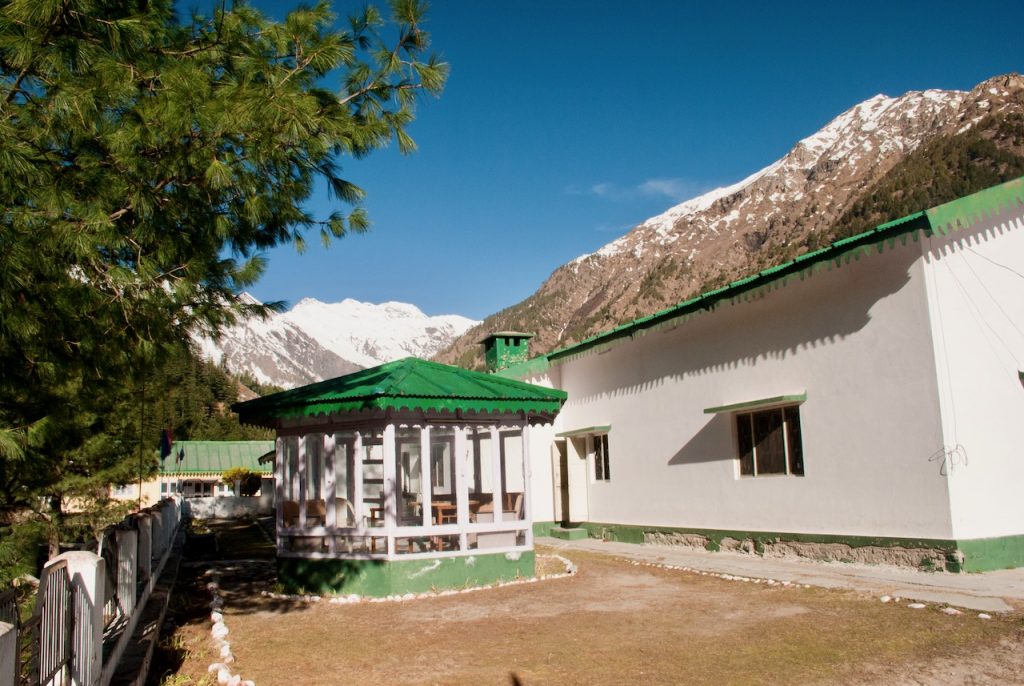
The GMVN (Garhwal Mandal Vikas Nigam) Tourist Rest House at Harsil is the most well-known stay option. It offers 1 Super Deluxe room and 11 Deluxe rooms with attached bathrooms, TV, and hot water supply. The views of the Bhagirathi river from the property are outstanding. Room tariffs start from approximately Rs 1,000 per night for budget options and go up to Rs 3,500 per night for deluxe rooms (as of 2025, check the official GMVN booking site for current tariffs before booking). I recommend booking in advance during peak season (May-June and September-October) as the property fills up quickly. The food served at GMVN is basic but satisfying North Indian fare, and the setting more than compensates for any lack of luxury.
Homestays in Harsil and Bagori Village
Local homestays in Harsil and neighboring Bagori village (1.7 km from Harsil) are available at approximately Rs 800 to Rs 1,200 per night with meals included (as of 2025, verify locally for current rates). These are a wonderful way to experience Garhwali hospitality and cuisine firsthand. Bagori village is a traditional settlement between the Bhagirathi and Jalandhari rivers where families have depended on sheep farming and agriculture for generations. Staying here adds a dimension to the trip that a standard hotel simply cannot.
Other Hotels and Resorts
Several other options have come up in recent years: Hotel Prakriti: The Retreat (a 3-star option), Ganga River View, Nine Apple Resort, Awana Cottages, and Harsil Cottages. Nelangana Resort is a notable property near Harsil that also organizes treks to Nelong Valley. Mudstays and Sundar Homestay are also reported options. Do note that at this altitude, “luxury” is a relative term. Most properties prioritize views and cleanliness over amenities. Check current prices and availability online before making plans.
![How to prepare for cold weather motorcycle ride in Ladakh or Spiti Valley? [13 Important Tips]](https://discoverwithdheeraj.com/yt_vid_thumbs/ladakh/83.png)
Where to Eat in Harsil
Given the size and relative isolation of Harsil, it is no surprise that there are no restaurants in the conventional sense. However, there are a few roadside dhabas along the main road that serve tasty, basic North Indian food. In-house restaurants at hotels and the GMVN rest house are your most reliable dining option. Also, Indo-Chinese food including momos and thupka is available aplenty, which is a welcome option after a long mountain drive. I would however recommend trying Garhwali dishes: Gahat Dal (made from horse gram), Sisunak Saag (cooked with stinging nettle), and Chainsoo (a traditional black gram preparation) are worth every bite and represent the real culinary tradition of this region.
You should always carry your water bottle and refill it as many times as you need water. It will not only keep you hydrated always, but you will also help in saving the Himalayas from plastic garbage. Remember, every tiny step counts and your step in this direction can help save the Himalayas too !! 🙂 🙂
Trip Suggestion: If you are planning a trip to Himachal instead of Uttarakhand, you can check these 12 must-visit offbeat places in Himachal Pradesh.
Harsil Budget Guide: How Much Does a Trip Cost?
Let me give you a rough budget breakdown so you can plan accordingly. These are approximate 2025-2026 figures. Your actual costs will vary based on group size, mode of transport, and accommodation preferences.
| Category | Budget Option | Mid-Range |
| Delhi to Harsil, round trip (per person, bus + shared taxi) | Rs 1,200-1,800 | Rs 3,000-4,000 |
| Delhi to Harsil, round trip (private cab, per cab) | Rs 10,000-12,000 | Rs 14,000-18,000 |
| Accommodation per night (per person) | Rs 800-1,200 (homestay) | Rs 1,500-3,500 (GMVN/hotel) |
| Meals per day (per person) | Rs 200-400 | Rs 400-700 |
| Gartang Gali permit + National Park entry (per person) | Rs 300-400 | Rs 300-400 |
| Gangotri day trip (private cab from Harsil) | Rs 600-800 (shared) | Rs 1,500-2,000 (private) |
For a 3-night, 4-day trip from Delhi, adding up the table above for a round trip works out to approximately Rs 5,500 to Rs 8,500 per person on a budget itinerary (bus travel, homestay, local meals, permits). A mid-range trip with a private cab and GMVN accommodation, split across a group of 4, works out closer to Rs 11,000 to Rs 20,000 per person. Do the math based on your own group size, and keep a small buffer for any unexpected expenses like road tolls or emergency stays.
Practical Tips for Your Harsil Trip
A few things worth keeping in mind before you head out.
- Permits for Nelong Valley: If you plan to visit Nelong Valley, apply for the inner line permit from the SDM office in Uttarkashi at least 1-2 days before your planned visit. The permit is necessary and cannot be obtained at the last minute. Carry your government-issued photo ID.
- Gartang Gali permit: Collect this from the local forest office near the entry point. Rs 150-250 per person for Indian nationals (as of 2026, rates can change, verify locally). Carry ID. Also budget Rs 150 per person and Rs 250 per vehicle for the separate Gangotri National Park entry at Bhairav Ghati.
- Mobile network: Network coverage in Harsil is patchy. BSNL has the most reliable coverage in remote Uttarakhand. Download offline maps (Google Maps or Maps.me) before leaving Uttarkashi.
- ATMs: There are no ATMs in Harsil. Withdraw sufficient cash in Uttarkashi before heading to Harsil. Card payments are not accepted at most local establishments.
- Medical: Carry basic medicines including something for altitude sickness, headache, upset stomach, and cold/cough. The nearest hospital is in Uttarkashi. Harsil itself does not have a hospital.
- Fuel: Fill up in Uttarkashi. There is no fuel station in Harsil or beyond toward Gangotri.
- Road conditions: The NH-108 from Uttarkashi to Harsil is generally in decent condition. However, post-monsoon stretches (August-September) may have some damage. Check road conditions before departure, especially if visiting early or late in the season.
- Gangotri temple opening: If combining with Gangotri, confirm the exact opening and closing dates each year as these vary. The temple generally opens in late April/May (Akshaya Tritiya) and closes around Diwali (October/November).
Suggested Harsil Itineraries
3-Day Harsil Weekend Trip from Delhi
Day 1: Depart Delhi early (ideally by 5-6 AM) and drive to Uttarkashi. The drive takes approximately 9-10 hours with stops. Spend the night in Uttarkashi.
Day 2: Drive from Uttarkashi to Harsil (2-3 hours). Check in at GMVN or homestay. Afternoon: explore Wilson Cottage, walk through the apple orchards, spend time at the Bhagirathi riverbank. Evening: stroll through Mukhwas village (1 km away).
Day 3: Day trip to Gangotri (25 km, 45 minutes). Visit the Gangotri temple. Return to Harsil by afternoon and head back toward Delhi, spending the night in Rishikesh or Dehradun if needed.
For a more complete itinerary that also covers Nelong Valley and Gartang Gali, I recommend checking my Harsil – Gangotri most common itineraries and Garhwal region active itinerary for detailed day-by-day plans. You can also check the complete Char Dham Yatra guide if you are planning to combine Harsil with the full pilgrimage circuit.
Frequently Asked Questions about Harsil
Is Harsil worth visiting?
Yes, absolutely. Harsil is one of the most genuinely offbeat villages in Garhwal, Uttarakhand. The Bhagirathi river views, apple orchards, Wilson Cottage history, proximity to Gangotri, and the nearby Gartang Gali experience make it a destination worth planning a full trip around. It is not merely a transit point for Gangotri.
How far is Harsil from Delhi?
Harsil is approximately 480 km from Delhi by road. The drive takes 12-14 hours depending on your pace and breaks. Most travelers break the journey with an overnight stop in Uttarkashi or Rishikesh/Mussoorie.
Is there snow at Harsil in winter?
Yes. Harsil receives snowfall in December and January. The village itself is accessible in winter, but the roads toward Gangotri beyond Harsil are typically blocked by snow. If visiting in winter, confirm road conditions before departure and keep in mind the upper sections will be inaccessible.
Do I need a permit for Harsil?
No permit is required to visit Harsil itself. However, if you plan to visit Nelong Valley (42 km from Harsil), an inner line permit approved by the SDM of Uttarkashi is mandatory. For Gartang Gali, a separate entry permit costing Rs 150-250 per person for Indians is required, plus a Gangotri National Park entry charge at Bhairav Ghati (as of 2026, verify locally).
What is the nearest railway station to Harsil?
The nearest railway station is Rishikesh, approximately 215 km from Harsil. Dehradun railway station is another viable option at about 217 km. From either station, you need a cab or bus to Uttarkashi, and then onward to Harsil.
Can I visit Harsil and Gangotri in the same trip?
Yes, and this is actually the recommended way to plan a trip. Harsil and Gangotri are only 25 km apart. You can stay in Harsil and take a day trip to Gangotri. Alternately, some travelers stay one night in Harsil and one night in Gangotri. Keep in mind that Gangotri temple is only open from approximately late April/May to Diwali each year.
What is Gartang Gali and how do I visit it?
Gartang Gali is a 136-meter-long wooden stairway carved into the vertical granite cliff face of a mountain, about 35-40 km from Harsil toward the Nelong Valley. It is approximately 150 years old and was originally an ancient trade route to Tibet. As of 2026, it is open to visitors with a permit costing Rs 150-250 per person for Indian nationals. The trail involves a moderate hike to reach the structure. It is one of the most dramatic man-made structures in the Indian Himalayas.
Is Harsil suitable for families with children?
Yes, Harsil is suitable for families. The village is calm, the road is paved, and the main attractions (Wilson Cottage, river banks, apple orchards, Mukhwas) do not require strenuous trekking. However, altitude (2,620 meters) should be kept in mind for very young children or elderly family members. Take it easy on the first day to acclimatize properly.
Closing Thoughts on Harsil
While Harsil is lovingly known as the Mini-Switzerland of Uttarakhand, I personally disagree with that framing. India is a beautiful, breathtaking country with incredible natural landscapes of its own. As Indians, we should know by now that gorgeous places exist in our own backyard without having to compare them to somewhere else. Harsil deserves its own reputation, not a borrowed one.
Harsil offers natural beauty, historical intrigue, Himalayan silence, and proximity to some of the holiest and most visually striking destinations in Uttarakhand. The magic of a village like this lies in its ability to slow you down, make you breathe properly, and remind you that a trip does not need to be about covering maximum distance. Sometimes, sitting by the Bhagirathi river, watching it rush past, is enough. So relax, unwind, and let Harsil tell its stories at its own pace. It has a lot to say 🙂 …
I hope this Harsil travel guide helps you plan a perfect trip. Feel free to share it with your friends and family who are planning a Garhwal or Uttarakhand trip. If you have questions or your own experiences from Harsil to share, post them in the comments below, or join our DwD travel community where fellow travelers swap real-time updates on road conditions, permits, and stays across the Himalayas. I would love to hear from fellow travelers who have explored this beautiful corner of Dev Bhoomi. You can also check our Top 10 offbeat places in Uttarakhand for more inspiration on where to go next in Garhwal and Kumaon.
Have a travel question?? You can subscribe to my YouTube channel and leave a comment to ask your travel questions about traveling to the Himalayas.
