


Are you planning a trip to Gangotri and looking for a complete travel guide? Gangotri is one of the four sacred Char Dhams in Uttarakhand and sits at an elevation of about 3,100 meters (10,170 feet) on the banks of the Bhagirathi River. The temple is dedicated to Goddess Ganga and marks the spot where, according to Hindu mythology, Lord Shiva released the mighty river from his locks. Whether you are visiting for religious reasons or simply to experience the raw beauty of the Garhwal Himalayas, this guide covers everything you need to plan your Gangotri trip in 2026.
I have personally traveled to the Gangotri region multiple times, and it remains one of my most cherished Himalayan experiences. The drive from Uttarkashi through the narrow valley alongside the Bhagirathi, the towering deodar forests, the snow-capped peaks peeking above the tree line, it all adds up to something truly special. Let me walk you through everything you need to know 🙂 …
Let's quickly dive into the details:
Quick Facts About Gangotri
Gangotri is a small temple town in the Uttarkashi district of Uttarakhand, situated at approximately 3,100 meters above sea level. It is the origin point of the Bhagirathi River, which later becomes the Ganga after its confluence at Devprayag. The town is primarily a pilgrimage destination and forms the second stop on the Chota Char Dham Yatra circuit, which also includes Yamunotri, Kedarnath, and Badrinath.
| Detail | Information |
|---|---|
| Location | Uttarkashi District, Uttarakhand |
| Elevation | 3,100 meters (10,170 feet) |
| River | Bhagirathi (origin of Ganga) |
| Nearest Airport | Jolly Grant, Dehradun (about 250 km) |
| Nearest Railway | Rishikesh (234 km) / Haridwar (265 km) |
| Temple Opening 2026 | 19 April 2026 (confirmed, Akshaya Tritiya) |
| Temple Closing 2026 | 10 November 2026 (confirmed, around Bhaiya Dooj) |
| Darshan Timings | 4:00 AM to 2:00 PM, 3:00 PM to 9:00 PM |
| Best Time to Visit | May to June, September to October |
| Char Dham Registration | Mandatory (free, biometric) |
What Is the Significance of Gangotri?
Quick Answer: Gangotri is the mythological point where Goddess Ganga descended to Earth into Lord Shiva’s locks, and it is the second stop on the Char Dham Yatra circuit. The actual glacial source of the river lies 19 km further upstream at Gaumukh.
Gangotri holds immense spiritual significance for Hindus across the world. The river Ganga, worshipped as a goddess in India, flows about 2,700 km from the Himalayan glaciers to the Bay of Bengal. Ritual bathing in the Ganga is believed to wash away sins, which is why places like Varanasi, Haridwar, and Rishikesh, all situated on its banks, are major pilgrimage centres.
The actual source of the Bhagirathi is at Gaumukh, situated about 19 km upstream from Gangotri at the snout of the Gangotri Glacier. However, Gangotri is the spot where, according to mythology, King Bhagirath performed intense penance to bring Goddess Ganga down from heaven to purify the ashes of his 60,000 ancestors. Lord Shiva agreed to receive Ganga in his matted locks to break her fall, and she then flowed gently onto Earth. This story is central to Hindu belief, and the Gangotri Temple stands at the very spot where this divine descent is said to have happened.
History of Gangotri Temple
The current Gangotri Temple was built in the early 18th century by the Gurkha commander Amar Singh Thapa. It is a white granite structure standing about 6 meters tall, situated right on the banks of the Bhagirathi. The temple houses a silver idol of Goddess Ganga, and the daily aarti ceremonies are performed by pujaris of the Semwal family, who have been the traditional custodians for generations. In the Mahabharata, Ganga is described as the mother of Bhishma, and in some traditions, she is also associated with Kartikeya, the god of war.
When Is the Best Time to Visit Gangotri?
Quick Answer: The best time to visit Gangotri is May to mid-June or September to October, when the weather is pleasant and roads are generally clear. Avoid the July-August monsoon window due to landslide risk on the Uttarkashi-Gangotri stretch.
The Gangotri Temple opens every year on the auspicious day of Akshaya Tritiya and closes around Bhaiya Dooj (a couple of days after Diwali). For the 2026 season, the temple opened on 19 April and is scheduled to close on 10 November. Hence, the pilgrimage season runs roughly from late April to early November, with most travelers still preferring the May to October window for better weather.
However, not all months within this window are equally good. Here is a month-by-month breakdown to help you decide:
- May to mid-June: The best window. Weather is pleasant with temperatures between 10 to 20 degrees Celsius. Snow begins to melt, revealing stunning green valleys. Roads are generally in good condition. This is also the peak pilgrim season, so book accommodation in advance.
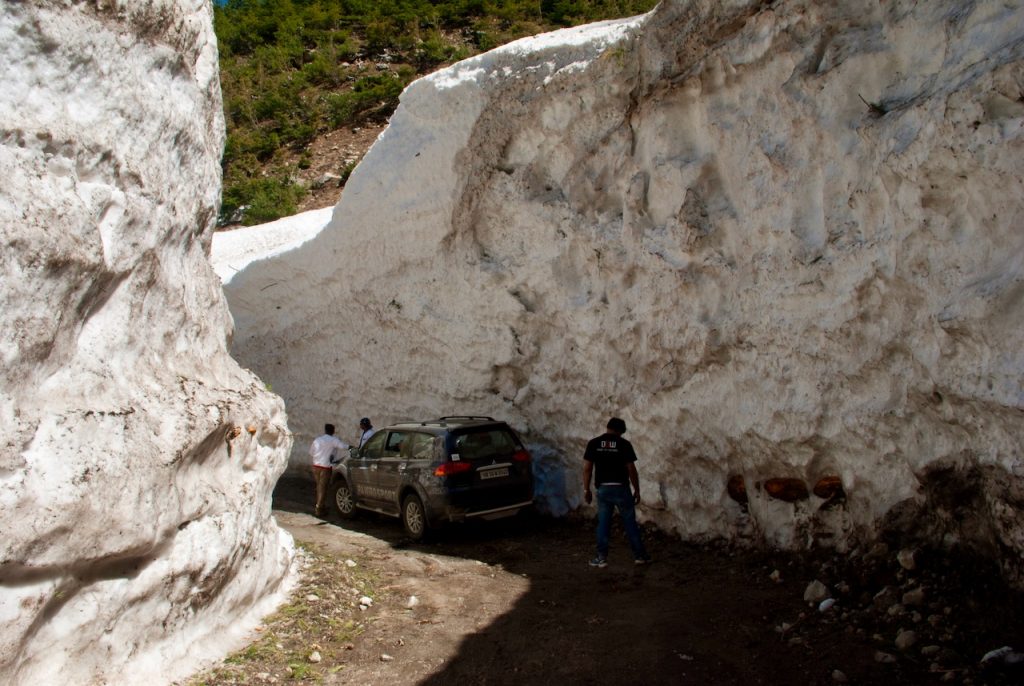
- Mid-June to August (Monsoon): I would strongly advise against traveling during this period. The Uttarakhand monsoon brings heavy rainfall, and landslides are very common on the route, especially between Uttarkashi and Gangotri. If you remember the 2013 Uttarakhand floods, you know the extremes that can occur. Not worth the risk.
- September to October: Another excellent window. Monsoon recedes, skies clear up, and the autumn colours make the landscape even more beautiful. Crowds thin out compared to May-June, making it a more peaceful experience. Temperatures start dropping, so carry warm layers.
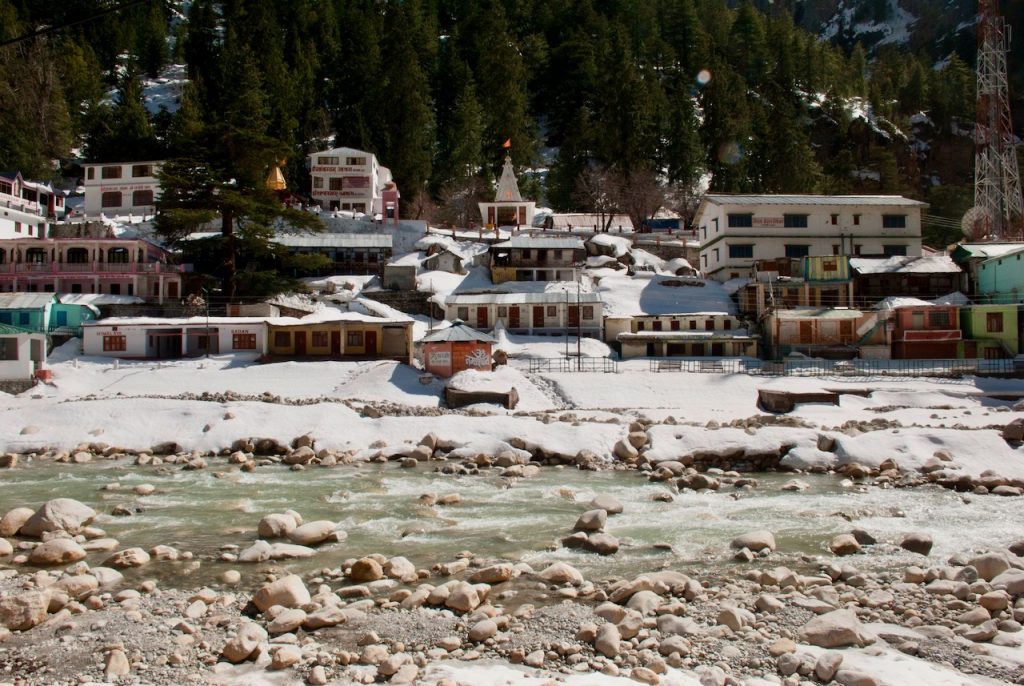
- Winter (November onwards): The temple is closed. The deity is shifted to Mukhba village (the winter abode, about 20 km from Gangotri). Roads become inaccessible due to heavy snowfall. Temperatures drop to minus 7 degrees Celsius.
In case you want to plan a trip during the shoulder season (late April or late October), keep in mind that weather can be unpredictable. Always check road conditions before starting your journey.
What Is the Weather Like in Gangotri Month by Month?
Quick Answer: May and June bring pleasant days around 15 to 22 degrees Celsius. September and October are cooler but clearer, with nights dropping close to freezing by late October. July and August are wet and best avoided, and by November it turns bitterly cold before the temple shuts for winter.
| Month | Day Temp | Night Temp | Conditions |
|---|---|---|---|
| May | 15-20°C | 5-8°C | Pleasant, occasional showers |
| June | 18-22°C | 8-10°C | Warm days, monsoon builds late June |
| July-August | 15-18°C | 10-12°C | Heavy rain, landslide-prone, avoid travel |
| September | 12-18°C | 5-8°C | Clear post-monsoon skies |
| October | 8-15°C | 0-5°C | Cool, best visibility of the year |
| Early November | 2-8°C | -5 to 0°C | Very cold, temple closes around 10 Nov |
Keep in mind these are approximate ranges I have observed over multiple trips, actual temperatures can swing depending on cloud cover and altitude within the valley. Carry warm layers regardless of the month you travel, evenings cool down fast once the sun dips behind the ridgeline.
How to Reach Gangotri from Delhi?
Quick Answer: Gangotri is about 480 km from Delhi via Haridwar, Rishikesh, and Uttarkashi, taking 12 to 14 hours by road. The nearest railhead is Rishikesh (234 km) and the nearest airport is Dehradun’s Jolly Grant (250 km). Most travelers break the journey overnight at Uttarkashi rather than driving it in one stretch.
Gangotri is about 480 km from Delhi, and the most common route passes through Haridwar, Rishikesh, Uttarkashi, and then onwards to Gangotri. Here are the different ways to reach:
By Road (Self-Drive or Taxi)
This is the most common option. The route from Delhi follows NH7 up to Rishikesh, then NH94 to Uttarkashi, and finally the state highway to Gangotri. The total drive takes about 12 to 14 hours, depending on road conditions and breaks. I suggest breaking the journey at Uttarkashi for a night, which makes it a comfortable two-day drive.
Route: Delhi to Haridwar (210 km, 5 hours) to Rishikesh (24 km, 30 minutes) to Uttarkashi (170 km, 7 hours) to Gangotri (100 km, 4 hours).


The road from Uttarkashi to Gangotri passes through Bhatwari, Gangnani (famous for hot springs), Harsil, Dharali, and Lanka before reaching Gangotri. The last stretch is narrow and winding but well-maintained. A sedan can handle this route, though an SUV gives you more confidence on the hilly sections.
By Bus (Budget Option)
Uttarakhand Transport Corporation (UTC) runs regular buses from Delhi ISBT Kashmere Gate to Rishikesh. From Rishikesh, you can catch a bus to Uttarkashi (fare approximately Rs 300 to Rs 400 per person, 8 hours). From Uttarkashi, local buses ply to Gangotri during the pilgrimage season (4 to 5 hours). The Rishikesh to Gangotri direct bus fare is approximately Rs 850 per person as of 2025.
Keep in mind that bus services to Gangotri operate only during the pilgrimage season (May to October). In the off-season, you can only reach up to Uttarkashi by bus. Shared jeeps and taxis are also available from Uttarkashi to Gangotri.

By Air
Jolly Grant Airport in Dehradun is the nearest airport, situated about 250 km from Gangotri. Multiple daily flights connect Delhi to Dehradun. From the airport, you can hire a taxi to Gangotri (about 10 to 12 hours drive) or take the bus route via Rishikesh and Uttarkashi. Helicopter services for Char Dham Yatra are also available from Dehradun, starting from approximately Rs 1,20,000 per person for combined packages (as of 2025, verify current rates on the official IRCTC Heli Yatra portal since fares are revised each season).
By Train
The nearest major railway stations are Rishikesh (234 km from Gangotri) and Haridwar (265 km). Both are well connected to Delhi, Mumbai, Kolkata, and other major cities. From Rishikesh or Haridwar, you continue by road via taxi or bus.
Reaching Directly from Haridwar or Rishikesh (Without Starting from Delhi)
Not everyone starts their Char Dham Yatra from Delhi. If you have flown into Dehradun or taken a train straight to Haridwar or Rishikesh, you can skip the Delhi leg entirely. From Haridwar, Gangotri is about 275 km via Rishikesh and Uttarkashi, roughly a 9 to 10 hour drive. From Rishikesh itself, the distance drops to about 250 km, also close to 9 hours depending on how many stops you take at Uttarkashi and Gangnani.
UTC buses ply directly from both Haridwar and Rishikesh to Uttarkashi through the day during the season, and shared taxis are easy to find at both bus stands. I would still suggest breaking the journey at Uttarkashi rather than pushing straight through in one go, both for acclimatization and because driving the last narrow stretch to Gangotri after dark is not a good idea.
How Much Does a Gangotri Trip Cost in 2026?
Quick Answer: A standalone 4-5 day Gangotri trip from Delhi costs roughly Rs 7,000 to Rs 11,000 per person on a budget, and Rs 13,500 to Rs 21,000 for mid-range comfort, covering transport, stay, food, and registration (which is free). Self-drivers should add fuel separately.
This is one of the most common questions I get asked. The cost of a Gangotri trip depends heavily on how you travel, where you stay, and whether you are doing a standalone Gangotri trip or the full Char Dham circuit. Here is a rough budget breakdown for a 4 to 5 day trip from Delhi (per person, assuming a group of 2 to 3):
| Expense | Budget (INR) | Mid-Range (INR) |
|---|---|---|
| Transport (bus/shared taxi) | 2,500 – 3,500 | 5,000 – 7,000 (private taxi share) |
| Accommodation (3-4 nights) | 2,400 – 4,000 | 5,000 – 8,000 |
| Food (4-5 days) | 1,500 – 2,500 | 2,500 – 4,000 |
| Char Dham Registration | Free | Free |
| Miscellaneous (tips, offerings) | 500 – 1,000 | 1,000 – 2,000 |
| Total Per Person | Rs 7,000 – 11,000 | Rs 13,500 – 21,000 |
If you are self-driving, add fuel costs of approximately Rs 3,000 to Rs 4,000 for the round trip from Delhi (depending on your vehicle’s mileage). Taxi rates from Uttarkashi to Gangotri are approximately Rs 1,100 for a sedan and Rs 1,500 for an SUV (one-way, as of 2025).
What Are the Mandatory Registration Requirements?
Quick Answer: Biometric registration is mandatory and free for every Char Dham pilgrim. Register online at registrationandtouristcare.uk.gov.in, on the Tourist Care Uttarakhand app, via WhatsApp on +91 8394833833, or at offline counters in Haridwar, Rishikesh, Dehradun, and Barkot.
Since 2023, biometric registration is mandatory for all pilgrims visiting Gangotri (and all Char Dham temples). This is a safety measure by the Uttarakhand government to track pilgrim movement and manage crowd flow. The registration is completely free. For the 2026 season, online registration opened on 6 March 2026, and it stays open right through the yatra since the temple does not close until 10 November.
You can register through a few different ways:
- Online: Visit registrationandtouristcare.uk.gov.in or download the “Tourist Care Uttarakhand” app (available on Google Play Store and Apple App Store). You will receive an e-pass after registration.
- WhatsApp: As of 2026, the Uttarakhand government also offers WhatsApp-based registration on +91 8394833833, useful if you have patchy internet while traveling.
- Offline: Registration counters are available at Haridwar, Rishikesh, Dehradun, Barkot, and other points along the route. Carry a valid photo ID (Aadhaar, voter ID, or passport).
Once registered, you receive a registration receipt with a QR code. This is scanned at the temple entry point, and you are assigned a darshan slot with specific timings. I suggest doing the online registration at least a few days before your trip to avoid queues at offline counters. In case you are planning ahead for the 2027 season, registration typically reopens in the first week of March, though exact dates are announced by the Uttarakhand Tourism department closer to the time, so keep checking the official portal.
What Are the Top Things to Do in Gangotri?
Quick Answer: Beyond temple darshan, the top things to do are the Gaumukh trek to the glacier source, the short Pandav Gufa walk, visiting Surya Kund and Gauri Kund, and a halt at Uttarkashi’s Vishwanath Temple for acclimatization.
Gangotri Temple Darshan
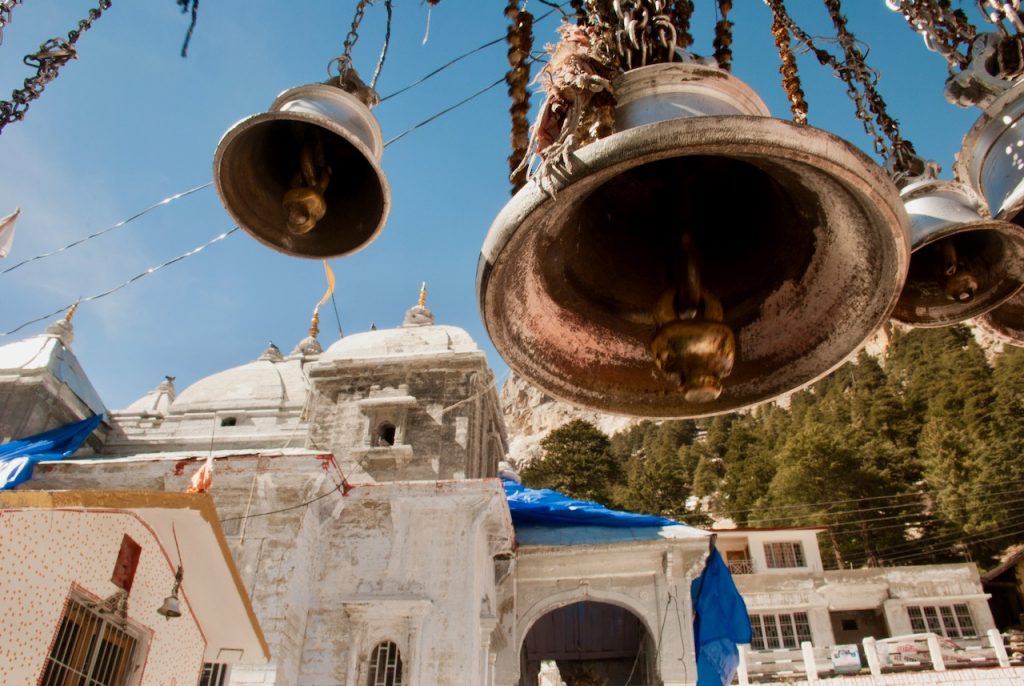
The main attraction, of course, is the Gangotri Temple itself. Built in white granite by Gurkha commander Amar Singh Thapa in the 18th century, the temple stands on the banks of the Bhagirathi River. The morning aarti at 6:00 AM and evening aarti at 7:45 PM are particularly moving experiences. Darshan timings are 4:00 AM to 2:00 PM and 3:00 PM to 9:00 PM. Taking a holy dip in the ice-cold Bhagirathi near the temple is a tradition that thousands of devotees follow every year.
Gaumukh Trek (19 km from Gangotri)
This is the trek to the actual source of the Bhagirathi River at the snout of the Gangotri Glacier. The glacier sits at an altitude of about 4,200 meters (13,780 feet). The 19 km trek from Gangotri to Gaumukh takes about 7 to 8 hours one way and is moderately difficult. You need a permit from the District Forest Officer’s office at Uttarkashi (about 3 km from the bus stand), and as of 2026 the Forest Department caps the trail at 150 trekkers a day to protect the Bhagirathi Eco-Sensitive Zone. The permit fee is around Rs 150 per person for Indian citizens (Rs 600 for foreign nationals) and is valid for 2 days. Keep in mind that this trail is prone to flash floods and landslides between mid-July and end of August, and the Forest Department sometimes suspends permits during this window without much notice, so it is best avoided in the peak monsoon. For a detailed guide, you can refer to my post on the Trek to Gaumukh and the Gaumukh Travel Guide.
Pandav Gufa (1.5 km trek from Gangotri)
A short trek of about 1.5 km from Gangotri town leads to the Pandav Gufa (cave), where the five Pandava brothers are believed to have meditated during their journey to Kailash. The trail passes through beautiful deodar forests with mountain views. It is an easy walk and takes about 30 to 45 minutes one way.
Surya Kund and Gauri Kund
Located near the Gangotri Temple, Surya Kund is known for its waterfall where the milky-white water cascades down the rocks. Gauri Kund sits on the other side of the iron bridge. Both are peaceful spots to spend some time, and you can visit them in a short walk from the temple.
Vishwanath Temple, Uttarkashi
If you are halting at Uttarkashi (which I recommend for acclimatization), do visit the Vishwanath Temple. It is an ancient temple dedicated to Lord Shiva and finds mention in the Skanda Purana. The temple houses a Shivlinga that is 60 cm tall and 90 cm in circumference.
Nandanvan and Tapovan Treks
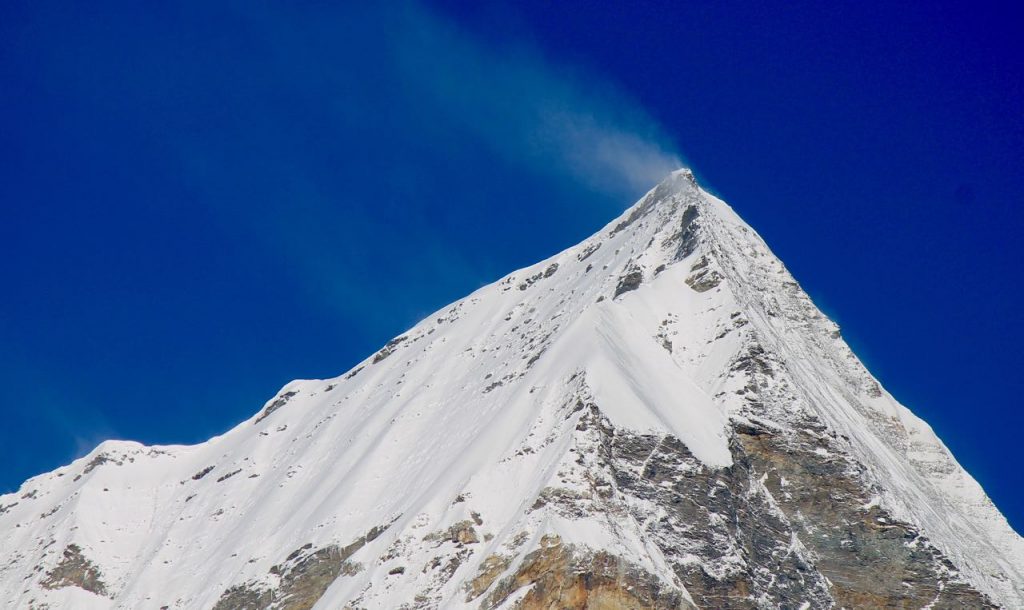
For more adventurous trekkers, the trails beyond Gaumukh lead to Nandanvan and Tapovan, which offer views of the Shivling Peak, Meru Peak, and the vast Gangotri Glacier. These are multi-day treks and require proper gear, guides, and permits. The trekking trails pass through deodar forests, moraines, and alpine meadows.
Where to Stay in Gangotri?
Quick Answer: Options range from Rs 200-500 dharamshalas and Rs 800-2,000 budget hotels to the government-run GMVN Guest House near the temple (about Rs 2,300/night). I would also recommend a night at Harsil, 25 km before Gangotri, for a quieter homestay experience.

Gangotri has accommodation options ranging from basic dharamshalas to mid-range hotels. Given the town’s small size and high pilgrim traffic, I would strongly suggest booking your stay in advance, especially if you are traveling during May-June. Here are your main options:
- GMVN Tourist Rest House: The government-run GMVN Guest House is the most convenient option, located close to the temple. Deluxe rooms cost approximately Rs 2,300 per night (as of 2025, check the GMVN website for current tariffs). They also have a Yatri Niwas option which is more affordable. Book online through the GMVN website.
- Budget Hotels and Guesthouses: Several private hotels and guesthouses are available starting from Rs 800 per night for a basic room. During peak season, rates can go up to Rs 1,500 to Rs 2,000 for budget options.
- Dharamshalas: For the most budget-conscious travelers, dharamshalas near the temple offer basic accommodation for Rs 200 to Rs 500 per night. Facilities are minimal but clean enough for a short stay.
- Camping: If you enjoy camping, there are spots near Gangotri where you can pitch a tent. Trust me, falling asleep to the sound of the Bhagirathi is an experience in itself.
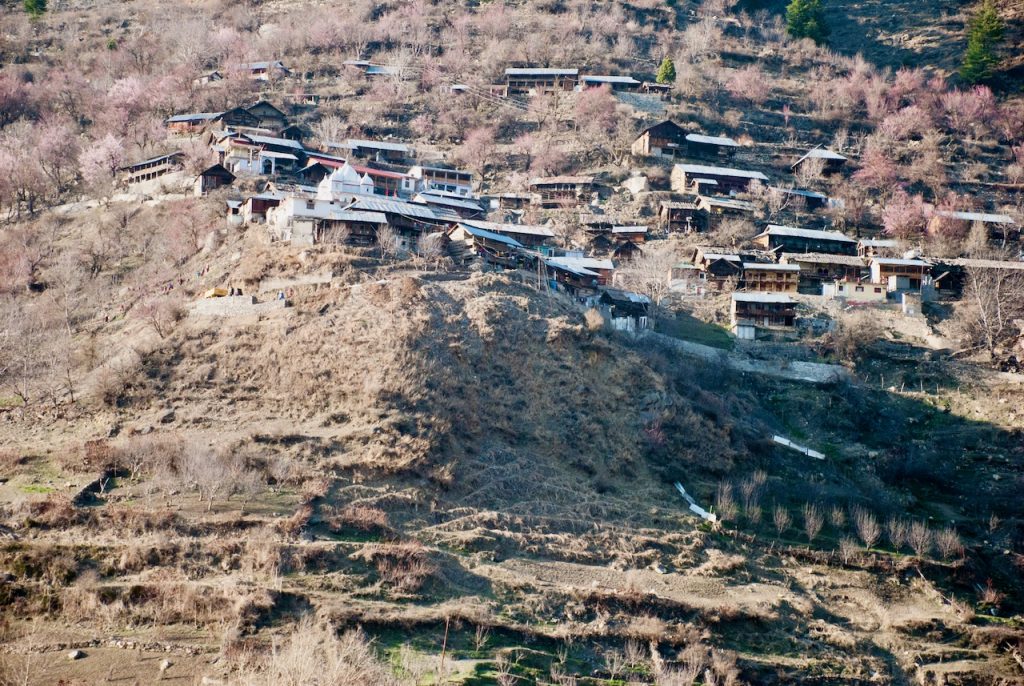
I would also recommend staying a night at Harsil, which is about 25 km before Gangotri. It is a beautiful, quiet village known for apple orchards and offers some wonderful homestay options.
What to Eat in Gangotri?
Since Gangotri is a sacred pilgrimage site, alcohol and non-vegetarian food are strictly banned in and around the town. Please respect this, even if you are visiting purely as a tourist. There are several North Indian dhabas and small restaurants along the main road serving dal, rice, roti, sabzi, and the ever-reliable Maggi. Some Chinese options (noodles, momos) are also available.
Good eating options include Ganga Niketan, Saket Restaurant, and Panchpuri Sadan near the temple. The food is simple, home-style cooking. Do not expect fancy restaurants here. Budget about Rs 300 to Rs 500 per day for meals.
What Should You Know About the Gangotri to Char Dham Connection?
Gangotri is the second stop on the traditional Chota Char Dham Yatra circuit. The usual sequence is: Yamunotri first, then Gangotri, then Kedarnath, and finally Badrinath. Many pilgrims combine Yamunotri and Gangotri together (both are in the Uttarkashi region) before heading to Kedarnath and Badrinath.
If you are planning the full Char Dham circuit, I have written a detailed guide on the complete Char Dham Yatra that covers itineraries, costs, and logistics. It is believed that every Hindu should complete the Char Dham Yatra at least once in their lifetime, and Adi Shankaracharya established this spiritual circuit in the 8th century.
What Are the Nearby Attractions and Treks?
Gangotri serves as a base for several treks and excursions in the Garhwal Himalayas:
- Gaumukh (19 km): The source of the Bhagirathi at the Gangotri Glacier snout. Moderately difficult trek, forest permit required (150/day cap, closed during peak monsoon).
- Tapovan (25 km from Gangotri): A stunning alpine meadow beyond Gaumukh with views of Shivling Peak. Multi-day trek.
- Nandanvan (24 km from Gangotri): Another meadow near the glacier with views of Bhagirathi peaks. Great for mountaineering enthusiasts.
- Gangotri Glacier: One of the largest glaciers in the Himalayas at 4,238 meters, stretching about 30 km. The water here is considered the purest on earth.
- Gangotri National Park: Spread across 2,390 sq km, the park is home to snow leopards, bharal (Himalayan blue sheep), musk deer, and several bird species. Entry permit required.
- Harsil Village (25 km): A picturesque village known for apple orchards, the Wilson Bridge, and a peaceful atmosphere.
- Dharali (19 km): Famous for potato farms, apple orchards, and proximity to the Sukhi Top meadow.
For detailed itineraries covering the Harsil and Gangotri region, check my post on Harsil Gangotri Most Common Itineraries and the Harsil Gangotri Trip in March guide.
What Are the Practical Tips for a Gangotri Trip?
Quick Answer: Carry cash since there is no ATM in Gangotri, pack warm layers even for summer, and carry basic medicines. BSNL has the most reliable network. Acclimatize overnight at Uttarkashi, and always check the current road status for the Uttarkashi-Gangotri stretch during monsoon.
Mobile Network and ATM
BSNL is the most reliable network in Gangotri. Jio and Airtel work intermittently in Uttarkashi but tend to lose signal after that. There is no ATM in Gangotri itself, so withdraw enough cash at Uttarkashi or Rishikesh before proceeding. Most small hotels and dhabas accept only cash.
Packing Essentials
- Warm layers (temperatures drop to 5 to 8 degrees even in summer evenings)
- Rain jacket or poncho (monsoon fringes can bring sudden rain even in May-June)
- Comfortable walking shoes with good grip
- Sunscreen, sunglasses, and lip balm (UV is strong at this altitude)
- Personal medicines and basic first-aid kit
- Torch or headlamp (power cuts are common)
- Water bottle and snacks for the road journey
For a comprehensive list, check my list of things to carry on a trip.
Safety Considerations
At 3,100 meters, mild altitude sickness is possible, especially for first-time visitors to high altitudes. Symptoms include headache, nausea, and breathlessness. Spend a night at Uttarkashi (1,150 meters) to acclimatize before heading to Gangotri. Avoid exerting yourself on the first day. Drink plenty of water and avoid alcohol.
The road from Uttarkashi to Gangotri passes through landslide-prone sections, especially during the monsoon. As of August 2026, the highway has already seen brief closures this season, including a landslide near Dharasu-Nalupani on 6 August 2026 that blocked traffic for a few hours. These closures are usually cleared quickly, but they are a reminder that this stretch stays weather-sensitive right through the monsoon. Please take a sensible call about your travel dates and check the Uttarkashi district administration’s Char Dham control room updates for the current road status before starting.
Respect and Etiquette
Maintain the sanctity of the place. Alcohol, smoking, and non-vegetarian food are banned. Dress modestly when visiting the temple. Photography inside the main shrine is not allowed. This place holds deep spiritual significance for millions. Even if you are visiting as a tourist, respecting the local customs and sentiments is just basic decency.
Suggested Itinerary for a Gangotri Trip (4-5 Days from Delhi)
Here is a practical itinerary I suggest for a standalone Gangotri trip from Delhi:
| Day | Route | Distance | Highlights |
|---|---|---|---|
| Day 1 | Delhi to Uttarkashi | ~380 km | Via Haridwar, Rishikesh. Night halt at Uttarkashi. |
| Day 2 | Uttarkashi to Gangotri | ~100 km | Via Gangnani (hot springs), Harsil, Dharali. Reach by afternoon. |
| Day 3 | Gangotri | – | Temple darshan, Pandav Gufa trek, Surya Kund. Or day trek towards Gaumukh (partial). |
| Day 4 | Gangotri to Harsil to Uttarkashi | ~100 km | Morning darshan. Explore Harsil, Wilson Bridge. Night at Uttarkashi. |
| Day 5 | Uttarkashi to Delhi | ~380 km | Early start. Via Rishikesh, reach Delhi by evening. |
If you have more time, I would recommend adding a day for the Gaumukh trek (requires 2 days: trek up and return) or spending an extra night at Harsil to explore Dharali and the surrounding areas.
Frequently Asked Questions
When does Gangotri Temple open in 2026?
Gangotri Temple opened on 19 April 2026 (Akshaya Tritiya) and is scheduled to close around 10 November 2026, near Bhaiya Dooj. These dates are based on the Hindu calendar and are officially announced each year by the Shri Badarinath Kedarnath Temple Committee, so the exact date shifts slightly year to year.
Is registration mandatory for Gangotri Dham?
Yes, biometric registration is mandatory for all pilgrims visiting Gangotri as part of the Char Dham Yatra safety regulations. Registration is free and can be done online at registrationandtouristcare.uk.gov.in, via WhatsApp on +91 8394833833, or at offline counters in Haridwar, Rishikesh, Dehradun, and Barkot. For the 2026 season, online registration opened on 6 March 2026 and remains open through the yatra.
How difficult is the road from Uttarkashi to Gangotri?
The road from Uttarkashi to Gangotri (about 100 km) is narrow and winding but mostly well-maintained. A sedan can handle this route, though I would recommend an SUV for extra comfort and confidence. The drive takes about 4 to 5 hours. Be cautious during and immediately after the monsoon season due to landslide risk.
Can I visit Gangotri and Yamunotri together?
Yes, this is a very common combination since both temples are in the Uttarkashi region. You can cover Yamunotri first (via Barkot and Janki Chatti), return to Uttarkashi, and then proceed to Gangotri. Allow 5 to 6 days for the combined Yamunotri-Gangotri trip from Delhi.
Do I need a permit for the Gaumukh trek?
Yes, you need a trekking permit from the District Forest Officer’s office near Uttarkashi bus stand. As of 2026, the daily limit is 150 trekkers, and the fee is around Rs 150 per person for Indians (Rs 600 for foreign nationals), valid for 2 days. During peak season (May-June), permits can run out early, so apply a day or two in advance. The trek is also usually closed or suspended during peak monsoon (mid-July to end of August) due to flash flood risk. You will also need to carry valid ID proof.
Is Gangotri safe for solo travelers and families?
Gangotri is generally safe for solo travelers and families. The pilgrimage route is well-traveled, and locals are helpful. However, solo travelers should exercise standard precautions on the road and at high altitude. Families with elderly members should consider the long drive and altitude, and may want to break the journey with an extra night halt at Uttarkashi or Harsil.
What is the temperature in Gangotri during summer?
During summer (May to June), daytime temperatures in Gangotri range from 10 to 20 degrees Celsius. Evenings and early mornings can drop to 5 to 8 degrees. Carry warm layers even during summer months. Winter temperatures (November to March) can plunge to minus 7 degrees Celsius.
Are there any medical facilities in Gangotri?
There is a basic primary health centre in Gangotri that operates during the pilgrimage season. For any serious medical emergency, the nearest well-equipped hospital is in Uttarkashi (100 km away). Carry your personal medicines and a basic first-aid kit. If you have any pre-existing conditions, especially respiratory or heart-related, consult your doctor before traveling to this altitude.
Last Updated: August 2026. I hope this guide helps you plan your Gangotri trip with confidence. If you have any questions, feel free to ask in the comments section below. I will be happy to help. Also, if you have already been to Gangotri and have tips to share, please do share them so that fellow travelers can benefit. Feel free to share this article with friends and family who are planning a Char Dham Yatra or a trip to the Garhwal Himalayas. You can also check the DwD Community for discussions, finding travel partners, and more 🙂 …
