



Some of my fondest childhood memories are from family road trips. The fights over the front seat, my father pulling over at random chai stalls, my mother insisting we packed too much (we always did), and somehow, by the end of it all, nobody wanted the trip to end. That is the magic of a family road trip. It strips away the routines, puts everyone in a small moving box, and forces you to actually be together.
But here is the thing. A great family road trip does not happen by accident. It takes planning, some smart packing, a lot of patience, and the willingness to let go when things do not go according to plan. Over the years, I have driven thousands of kilometres across the Himalayas with family, friends, and solo, and I have learned a thing or two about what makes these trips memorable for the right reasons.
This guide covers everything you need to know about planning a family road trip in India, with a special focus on hill station drives and Himalayan routes. Whether you are heading to Manali, Shimla, Ladakh, or a quiet village in Uttarakhand, these tips will help you plan better, pack smarter, and enjoy the journey as much as the destination.
Let's quickly dive into the details:
Why Should You Plan a Family Road Trip?
A family road trip does something that a flight-and-hotel vacation simply cannot. It gives you hours of uninterrupted time together. Kids look forward to exploring new things without homework pressure, grandparents get to share stories from their own travels, and parents finally get a break from the daily office grind. Yes, there will be moments of irritability and boredom. That is family. But the memories you create on the road, the inside jokes, the random discoveries, those stay with you for decades.
I wholeheartedly believe my passion for exploring the world comes from my parents’ encouragement from a very young age. Every road trip shaped who I am. It taught me to be comfortable in the uncomfortable, to be curious about new places, and to find joy in the journey itself. If you have kids, give them this gift. It will make them humble, curious, and confident in ways no classroom can.

Download your FREE high-resolution PDF copy of this infographic guide about tips on planning family road trips. If you found it helpful, please feel free to share it with your family and friends.
How Do You Prepare Mentally for a Family Road Trip?
Before you even start packing bags or booking hotels, the most important preparation happens in your head. Accept this upfront: no family road trip will be 100% smooth. There will be fights, tears, laughter, boredom, and unexpected detours. That is not a bug, it is a feature. The sooner you make peace with this, the more you will enjoy the journey.
My family has been through all kinds of road trips. The good ones where everything clicked and we made memories for a lifetime. The bad ones where it rained the entire time and we sat in the car doing nothing. And the ugly ones with massive arguments that, in hindsight, became the funniest stories we tell at family dinners. Hence, no matter the chaos, try to enjoy the moment and be in the moment. Every road trip, no matter how messy, becomes a building block for your family.
What Is the Best Way to Plan a Family Road Trip?
The success of a family road trip lies entirely in the planning. You need to consider everyone’s preferences, physical limitations, and comfort levels. Here is a step-by-step approach that has worked well for me and for hundreds of families in the DwD community over the years.
How Should You Pick Your Dates and Destination?
Plan your dates well in advance. If you are heading to the hills, avoid the monsoon months (July to September) unless you are an experienced mountain driver. Landslides, road closures, and poor visibility make monsoon hill driving risky, especially with kids in the car. The best windows for Himalayan road trips are April to June and September to October.
For destination selection, keep the driving distance realistic. A common mistake is picking a place that requires 14-16 hours of continuous driving. For families with young children, try to keep daily driving under 6-7 hours. If the total distance is more than 500 km, plan an overnight halt midway. For instance, if you are driving from Delhi to Manali (530 km), consider halting at Mandi or Sundernagar instead of pushing through in one go.
Why Should You Involve Everyone in the Planning?
Do not leave the kids out when planning the destination. Even young children have preferences, and you do not want nagging kids once you reach a place they had no say in choosing. Get them involved from the start. Let them research activities, pick one restaurant, or choose a day’s itinerary. You will be surprised how much easier the trip planning gets when everyone feels ownership.
Delegate logistical tasks too. One person handles hotel bookings, another manages the packing list, someone else downloads offline maps. Everyone feels a sense of responsibility, and that only builds up the excitement.
How Much Research Should You Do Before the Trip?
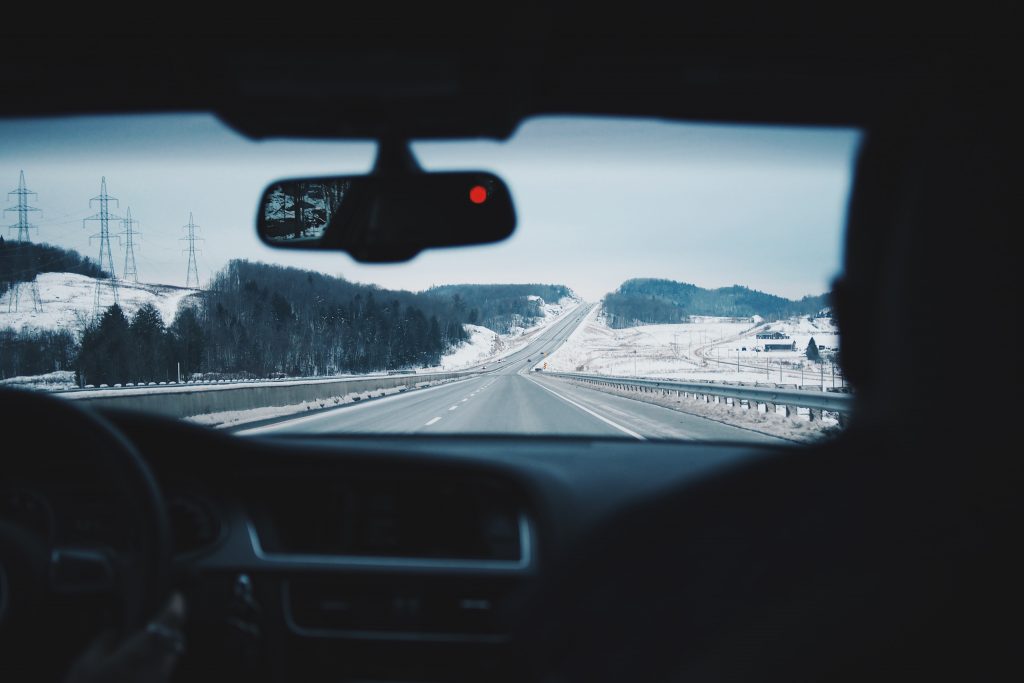
Wherever you plan to go, research well about it. With so many travelers sharing their experiences online, you are bound to discover some offbeat place that you have never heard of, and going there can be a thrilling experience for the whole family. Read travel blogs, check road conditions, and look up the weather forecast for your travel dates.
If you are heading to the mountains, check whether the roads and passes are open. For high-altitude destinations like Ladakh or Spiti, road conditions change weekly during the season. A quick check on current status can save you from a wasted day at a closed pass.


Should You Make Advance Reservations?
Mountains are popular destinations, and if you are going during tourist season, you will find most good hotels booked solid. So make your reservations before you head out. This applies to hotels, campsites, trek operators, and even adventure activities like river rafting or paragliding. During peak season (May-June), popular destinations like Manali, Shimla, and Nainital can be completely sold out weeks in advance.
If you want to go on a short trek with your family, book with the trekking company beforehand. Last-minute bookings often mean higher prices and fewer options.
What Should You Pack for a Family Road Trip?
Packing for a family road trip is an art. You need to carry enough to be prepared for anything, but not so much that your car turns into a mobile warehouse. Here is a breakdown of the essentials.
What Food and Snacks Should You Carry?
Pack food. Yes, there are Maggi Points and dhabas along most routes, but what if it is raining and you cannot get out of the car? Or what if you are on a remote stretch with no eateries for 50 km? Studies show that snacks are the number one way to keep kids happy on a road trip, and honestly, adults too.
Carry a mix of healthy options (dry fruits, fruits, sandwiches) and the regular kid-approved supplies (cookies, chips, juice boxes). A water cooler is a must, especially in summer. Involve your kids in packing the food. They will enjoy it and will be less likely to complain when they are restless in the car later.
Pro tip: Carry a small waste bag in the car. Teach kids to use it instead of throwing wrappers out the window. Small habits like these go a long way in responsible travel.
What Medicines and Emergency Supplies Do You Need?
Pack a first aid kit and do not treat it as optional baggage. Mountain roads can cause nausea in children and adults alike, and you do not want anyone falling sick 100 km away from the nearest pharmacy. Your kit should include:
- Motion sickness tablets (Avomine or Stemetil, consult your doctor)
- Paracetamol and Ibuprofen
- ORS packets and electrolyte drinks
- Band-aids, antiseptic cream, gauze
- Prescribed medicines for elderly family members
- Diamox if heading above 10,000 ft (consult your doctor first)
- Sunscreen SPF 50+ and lip balm with SPF
You might think it is added baggage, but trust me, you will find the kit half-empty by the time you return home. Better to have it and not need it than need it and not have it.
How Should You Prepare Your Vehicle?
Your car is your lifeline on a road trip. Get it serviced at least a week before departure. Make sure the brakes, tyres, battery, coolant, and engine oil are all in good shape. Keep these emergency tools in the car at all times:
- Spare tyre (fully inflated) and jack
- Basic toolkit (screwdrivers, wrench, pliers)
- Tow rope
- Torch with extra batteries
- Jumper cables
- Extra engine oil and coolant (1 litre each)
I cannot tell you the number of times my father’s car used to stall, or a tyre would burst on some remote stretch, and we were stranded. In hindsight, these are fun stories to remember and tease each other about, but they were stressful at the time. Being prepared saves you from turning a small inconvenience into a trip-ruining disaster.
Check this list of 40 MUST HAVE items to carry on a self-drive trip to the Himalayas.
What Clothes Should You Pack for a Mountain Road Trip?
The golden rule is to pack in layers and dress in layers. Mountain weather is unpredictable. It can be warm and sunny at noon and freezing cold by evening. Keep woolens and jackets accessible (not buried at the bottom of a suitcase in the boot). If you are heading above 8,000 ft, carry thermals for everyone, including kids.
If you have elderly family members travelling with you, be extra careful about warm clothing and medicines. Also, give your kids mini-bags to carry their own essentials. They genuinely enjoy the feeling of being a “grown-up,” and it saves you from carrying everyone’s stuff yourself.
Check this comprehensive list of things to carry on a trip for a detailed packing guide.
Why Should You Download Offline Maps?
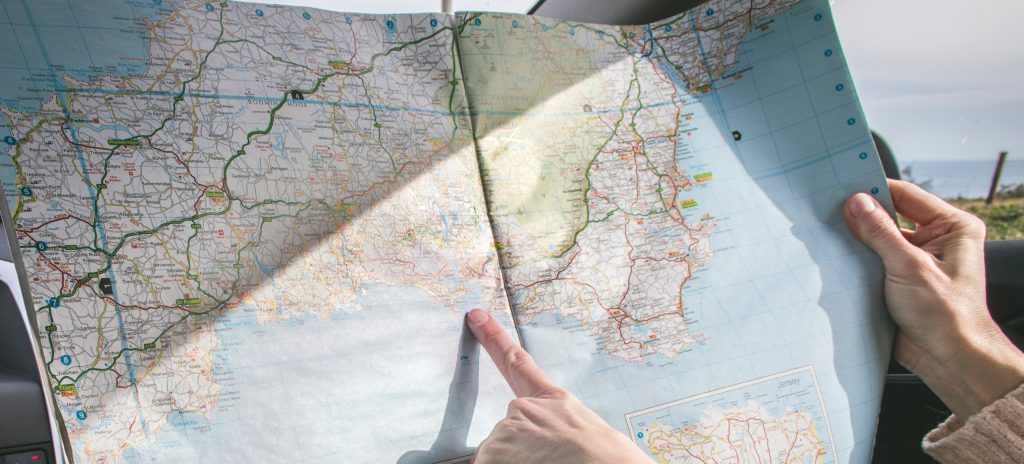
This one is non-negotiable. Download Google Maps for offline usage before you leave home. Mobile network coverage disappears on many Himalayan routes, and you do not want to be lost on a mountain road with kids in the car. Download maps for your entire route, including alternate routes in case of road closures.
What Tips Will Make the Actual Road Trip Enjoyable?
Planning is half the battle. The other half is making the journey itself fun and stress-free. Here are some tried-and-tested tips from years of family road trips across the Himalayas.
How Often Should You Take Breaks?
Do not try to reach your destination in one go. Take a break every 2-3 hours, or whenever you spot a scenic viewpoint. Step out, stretch your legs, let the kids run around for 10 minutes. These small breaks make a massive difference in keeping everyone’s mood positive.
If your kids want an extra stopover at a random little place that catches their eye, just take that short break. So what if you cannot reach the hotel on time? It is not the end of the world. Some of the best travel memories come from unplanned stops.
Why Should You Always Keep Buffer Days?
I say this for all trips, not just family ones. Most of us tend to jam-pack the itinerary with activities, sightseeing, shopping, and eating. We tell ourselves we will also read a book and go for a morning run (I know you packed those sneakers). But in all this madness of wanting to DO things, we forget that a vacation is supposed to be a time to regroup, rewind, and reconnect.
Keep at least 1-2 buffer days where you have planned absolutely nothing. Chances are, you will not finish everything on your itinerary anyway, and the buffer days give you room to catch up. Or just sleep in. Either works.
How Do You Keep Kids Entertained on Long Drives?
Every family has their own road trip traditions, and these become legends over time. Sing-alongs, “count backward from 100 and we will reach our destination” (my father used this trick all the time, and my sister and I always got distracted midway, problem solved), spotting number plates from different states, joke of the day. These simple games keep kids engaged and reduce the “Are we there yet?” frequency dramatically.
For longer stretches, carry some travel-friendly games and colouring books. But keep in mind, the real goal is to get kids looking out the window, not at a screen. A screen-free vacation is one of the best things you can do for your children, no matter their age.
How Can You Spread Smiles on the Road?
When you are visiting remote places, especially in the hills, keep in mind that basic amenities we take for granted are often a luxury for local communities. We always carry goodies like crayons, small soft toys, pencils, notebooks, or sweets for little kids we meet on the trip. If you are travelling with children, make them give away these goodies. They learn a thing or two about the joys of giving and empathy, which is a priceless life lesson.
What Are the Most Important Safety Tips for Family Road Trips?
Safety should always be your top priority, especially when you have children and elderly family members in the car. Here are the key safety guidelines you must follow.
Driving Safety on Mountain Roads
- Avoid night driving in the hills. Mountain roads are narrow, poorly lit, and have sharp turns. Always plan your drives so you reach your destination before sunset.
- Honk at blind curves. This is standard practice on hill roads and can prevent head-on encounters with oncoming traffic.
- Give way to uphill traffic. Vehicles going uphill have the right of way on single-lane mountain roads.
- Keep your headlights on even during the day on foggy or cloudy stretches.
- Carry chains for tyres if you are driving to snowy destinations between November and March.
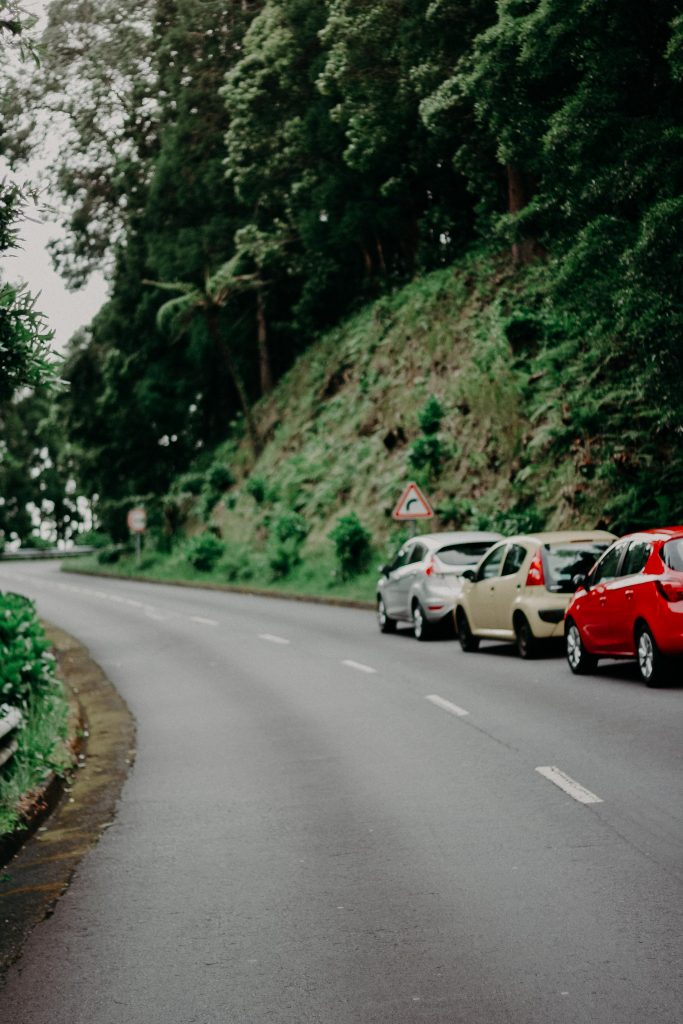
- Never park on curves or narrow stretches. Always find a designated parking spot or a wide shoulder.
Health and Altitude Safety
If your road trip involves destinations above 10,000 ft (Ladakh, Spiti, upper Kinnaur), altitude sickness is a real concern, especially for children and elderly travellers. Keep these points in mind:
- Gain altitude gradually. Do not drive from Delhi to Leh in 2 days. Take at least 3-4 days with acclimatization halts.
- Stay hydrated. Drink 3-4 litres of water daily at high altitudes.
- Watch for symptoms: headache, nausea, dizziness, breathlessness. If symptoms appear, descend immediately.
- Children under 5 may not be able to articulate AMS symptoms. Watch for unusual crankiness, loss of appetite, or excessive sleepiness.
- Carry Diamox (acetazolamide) after consulting your doctor. It helps with acclimatization.
What Is a Realistic Family Road Trip Budget for 2026?
The cost of a family road trip in India varies widely depending on the destination, duration, and your comfort level. Here is a rough budget breakdown for a typical 5-7 day hill station road trip for a family of four in 2026.
| Expense | Budget (INR) | Mid-Range (INR) |
|---|---|---|
| Fuel (1,500 km round trip) | 8,000 – 10,000 | 10,000 – 14,000 |
| Accommodation (5-7 nights) | 10,000 – 17,500 | 20,000 – 35,000 |
| Food and snacks | 5,000 – 7,000 | 8,000 – 12,000 |
| Tolls and parking | 1,500 – 2,500 | 2,000 – 3,000 |
| Activities and entry fees | 1,000 – 2,000 | 3,000 – 5,000 |
| Miscellaneous | 2,000 – 3,000 | 3,000 – 5,000 |
| Total | 27,500 – 42,000 | 46,000 – 74,000 |
These are approximate figures based on current 2026 fuel prices (Rs 100-105/litre for petrol) and typical hotel rates in popular hill stations. Budget stays include homestays and budget guesthouses (Rs 1,500-2,500/night), while mid-range covers 3-star hotels and resorts (Rs 3,000-5,000/night). Luxury options will obviously cost more.
What Are the Top Family-Friendly Road Trip Destinations from Delhi?
If you are based in North India, particularly Delhi or NCR, here are some tried-and-tested family road trip routes based on driving distance.
Short Weekend Drives (4-7 hours)
- Rishikesh (230 km): River rafting, temple visits, cafes by the Ganga. Great for families with teenagers.
- Nainital (300 km): Lake boating, Mall Road walks, Naina Devi Temple. Classic family destination.
- Jim Corbett (260 km): Safari drives, nature walks. Kids love spotting animals.
- Mussoorie (280 km): Kempty Falls, Gun Hill, Landour walks. Easy drive via Dehradun.
Extended Trips (7-12 hours driving)
- Manali (530 km): Adventure sports, Solang Valley, Old Manali cafes. India’s most popular family hill station drive.
- Shimla via Kinnaur (570 km loop): Apple orchards, Sangla Valley, Chitkul. Perfect for families wanting an offbeat experience.
- Sarahan (510 km): Bhimakali Temple, quiet village vibes. Less crowded than Shimla/Manali.
Long Expeditions (Multi-day)
- Ladakh (1,000+ km): The ultimate family road trip for those with older kids (10+). Plan at least 10-12 days. Read our guide on travelling to Ladakh with kids.
- Spiti Valley (700 km): Remote, rugged, and absolutely stunning. Best for families with teenagers or adventurous older kids.
What Should You Keep in Mind About Photography and Gadgets?
Make sure your camera and phones are always charged. You would not want to miss a shot of that perfect mountain sunset or your kid’s face when they see snow for the first time. Carry a power bank (at least 20,000 mAh) and a car charger.
But here is the flip side. Make sure your kids are not glued to their gadgets and missing the views outside the window. A screen-free road trip is one of the best gifts you can give your children. We follow this rule on our family vacations too (although I tend to break it myself, mostly for clicking pictures).
How Should You Set Realistic Expectations?
Even with all the preparation and hard work, know that there will be fights, tears, happiness, laughter, boredom, and irritability. It is family, after all. But also remember, with most things a family does together, it becomes fun in hindsight. Do not set the bar at “everything must be perfect.” Life rarely is, and road trips certainly are not.
The real measure of a great family road trip is not whether everything went smoothly. It is whether, years later, the family still talks about it, laughs about the mishaps, and secretly wishes they could do it all over again.
Practical Info Box
| Best Season | April to June, September to October (hill stations) |
| Ideal Trip Duration | 5-7 days for a relaxed trip, 10-14 days for Ladakh/Spiti |
| Budget (Family of 4) | Rs 27,500-42,000 (budget) to Rs 46,000-74,000 (mid-range) for 5-7 days |
| Car Prep | Service at least 1 week before departure, check tyres, brakes, coolant |
| Key Documents | DL, RC, insurance, PUC, Aadhaar/voter ID, hotel confirmations |
| Health Kit | Motion sickness tablets, paracetamol, ORS, band-aids, sunscreen SPF 50+ |
| Navigation | Download Google Maps offline for entire route before departing |
| Network Coverage | BSNL has widest coverage in Himalayas, carry a postpaid BSNL SIM as backup |
Conclusion
A family road trip is not just a vacation. It is an investment in your family’s bond. It puts everyone on the same playing field, forces you to spend quality time together, and creates shared experiences that you will talk about for years. As parents, you will learn so much about your kids, and by seeing the world through their eyes, you will rediscover the wonder you thought you had lost.
So whenever you plan your next vacation, consider a road trip. It does not have to be a grand Himalayan expedition. Even a weekend drive to a nearby hill station counts. The point is to get out there, together, and let the road do its magic.
If you have any questions about planning a family road trip, or need me to review your itinerary, feel free to ask in the comments below or reach out to the DwD community on Instagram. We are always happy to help fellow travellers plan better trips 🙂
Last Updated: March 2026
Frequently Asked Questions
What is the best age for kids to go on a family road trip to the Himalayas?
There is no strict age limit for hill station trips (Shimla, Manali, Nainital). Even toddlers can handle these. However, for high-altitude destinations like Ladakh and Spiti (above 10,000 ft), it is generally recommended to wait until children are at least 5-6 years old, as younger kids may not be able to communicate altitude sickness symptoms. Consult your paediatrician before planning a high-altitude family trip.
How do you handle motion sickness in kids during mountain driving?
Keep kids in the front or middle seat where the ride is smoother. Avoid reading or screen time during curves. Give them motion sickness medicine (like Avomine) 30 minutes before the drive, but only after consulting your doctor. Ginger candies and fresh air help too. Stop the car if anyone feels nauseous and take a 10-minute break.
Is it safe to drive to the Himalayas during monsoon with family?
It is not recommended for families, especially with young children or elderly members. Monsoon (July-September) brings landslides, road closures, and reduced visibility on mountain roads. If you must travel during monsoon, stick to well-maintained highways, avoid remote routes, and keep a buffer of extra days in case of road closures.
What type of car is best for a family road trip in the mountains?
An SUV or crossover with good ground clearance (170mm+) is ideal for mountain roads. Popular choices in India include the Hyundai Creta, Kia Seltos, Mahindra Scorpio-N, and Tata Safari. Avoid low-ground-clearance sedans on mountain roads, especially if you plan to visit offbeat places with unpaved roads. Ensure your vehicle has good air conditioning and a powerful engine for steep climbs.
How much cash should you carry on a mountain road trip?
Carry at least Rs 5,000-10,000 in cash even if you prefer digital payments. UPI and card terminals do not work in many hill areas due to poor network connectivity. Fuel pumps in remote locations may only accept cash. Keep small denominations (Rs 100, Rs 200, Rs 500 notes) as small shops and dhabas may not have change for Rs 2,000 notes.
Should you hire a driver for a family road trip in the hills?
If you are not comfortable driving on mountain roads, hiring an experienced driver is a smart choice. It lets you enjoy the scenery, manage the kids, and avoid fatigue. For Ladakh and Spiti trips, a local driver who knows the roads can be invaluable. Budget Rs 1,500-2,000 per day for a skilled mountain driver. For shorter trips to Shimla or Manali, self-driving is perfectly fine if you have hill driving experience.
What documents do you need for a family road trip in India?
Always carry your driving licence, vehicle RC (Registration Certificate), valid insurance, PUC (Pollution Under Control) certificate, and government-issued photo ID (Aadhaar or Voter ID). For Ladakh, you will need an Inner Line Permit (ILP). For Rohtang Pass, you need an online permit. Keep photocopies and digital copies of all documents on your phone as backup.
