


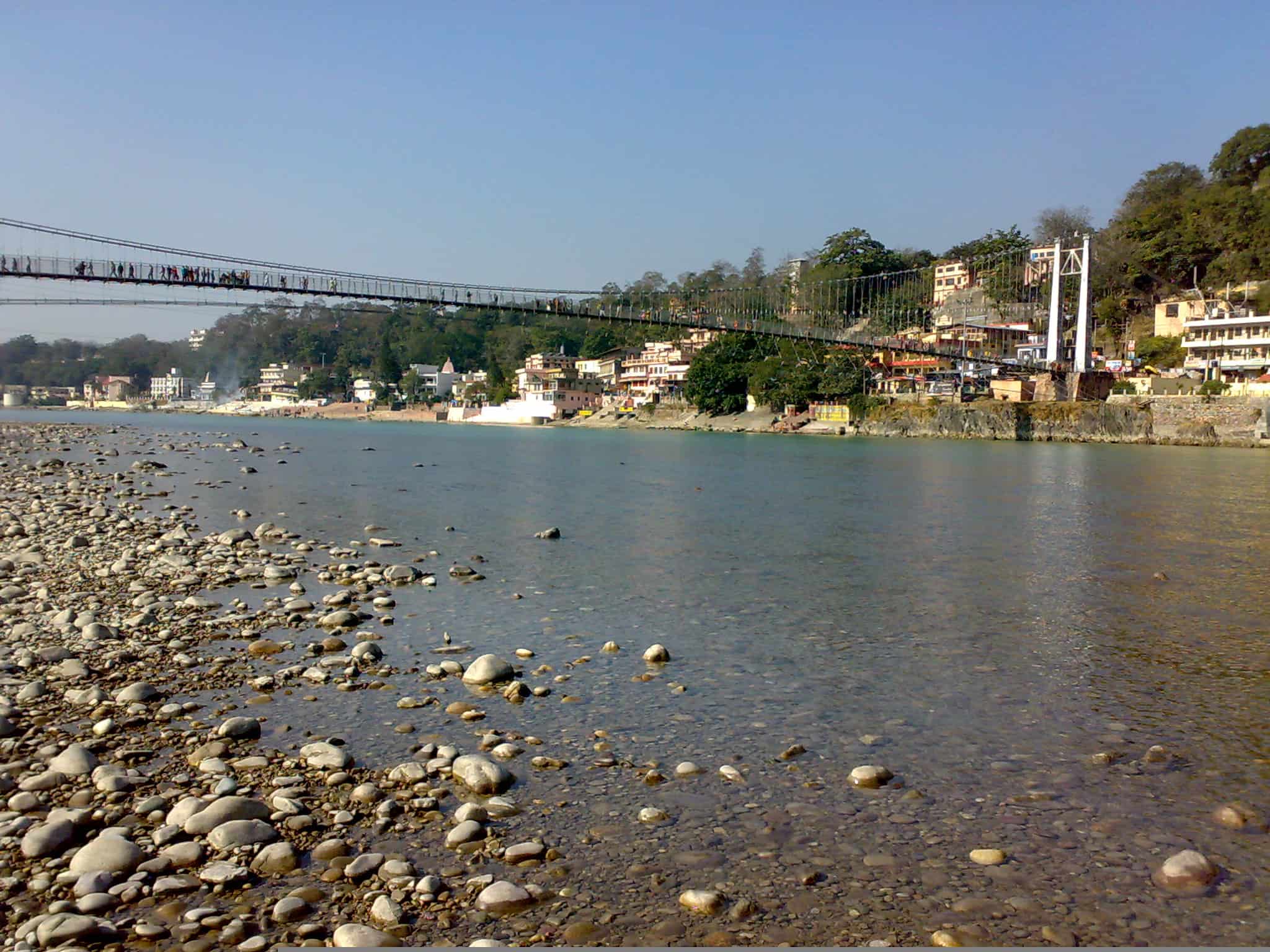
This is Part 4, the final day, of a four-part road trip series from Delhi to Auli that my cousin and I did in December 2008. Day 4 was supposed to be the boring bit, just a straight run back to Delhi. It turned out to be one of the best mornings of the whole trip, and it gave me an excuse to finally show Rishikesh to someone who had never seen the Ram Jhoola and the Laxman Jhoola.
In case you are landing on this page directly, here is the journey so far:
- Part 1: A drive from Delhi to Karn Prayag
- Part 2: Karn Prayag to Joshimath, Auli
- Part 3: Views from Auli and back to Srinagar
If you landed here because you are actually planning your own trip to Auli and want the full itinerary, budget, and skiing information, my complete Auli travel guide covers all of that in one place. This post is only about the drive back, Srinagar (Garhwal) to Rishikesh to Haridwar to Delhi, what we actually saw, and what you need to keep in mind if you are doing the same return leg after your own Auli trip.
Quick Answer: The return route from Auli or Joshimath to Delhi runs Srinagar (Garhwal) to Rishikesh (about 104 km, roughly 3 hours) to Haridwar (about 24 km, 40-45 minutes) to Delhi (about 225 km, 4-5 hours). That is close to 350 km and 8-9 hours of driving in total, not counting stops. Hence, if you want a couple of hours at Rishikesh’s ghats, plan to leave Srinagar early and treat this as a full day.
Practical Info: Srinagar to Delhi Route and Distances
Keep in mind these are road distances and typical drive times on NH58, not straight-line distances, and they can stretch during Char Dham Yatra season (roughly May to June and September to October) when this same highway carries heavy pilgrim traffic.
| From | To | Distance | Approx. Drive Time |
|---|---|---|---|
| Srinagar (Garhwal) | Rishikesh | ~104 km | ~3 hours |
| Rishikesh | Haridwar | ~24 km | ~40-45 minutes |
| Haridwar | Delhi | ~225 km | ~4-5 hours |
| Total (Srinagar to Delhi) | ~350 km | ~8-9 hours (excl. stops) |
In case you are driving this in your own car, the Delhi-Haridwar leg is now largely expressway, which cuts close to an hour off older estimates. Weekend traffic on the Haridwar-Rishikesh-Delhi corridor is heavy on Friday evenings and Sunday returns, so a weekday drive back is genuinely more comfortable if your leave dates allow it.
Best Time to Drive This Return Route
Quick Answer: Winter, from October to February, is the easiest window for this Srinagar-Rishikesh-Haridwar-Delhi leg, cool, dry, and clear. Avoid the July-September monsoon if you can, and expect heavy traffic if you time your return during the Char Dham Yatra peak in May-June.
We did this drive in the last week of December, and honestly, winter is the easiest time for it. The roads are dry, the hill sections are clear of the fog that settles in during the monsoon, and once you drop down to Rishikesh and the plains, the weather turns pleasant enough for a proper walk along the ghats rather than a rushed one. The only thing to keep in mind in winter is the early nightfall, hill light fades fast by 5-5:30 PM, so plan your Srinagar-Rishikesh leg for the morning, not the afternoon.
Summer, especially the Char Dham Yatra season from around May to June and then again September to October, brings the heaviest traffic this highway sees all year. If your Auli trip happens to overlap with these months, keep in mind you will be sharing NH58 with a steady stream of pilgrim buses, private cabs, and tour operators headed to or from Kedarnath and Badrinath, and that alone can add an hour or two to what should otherwise be a straightforward drive.
Day 4, 28 December 2008: Leaving Srinagar Behind
Quick Answer: Day 4 started at the GMVN guesthouse in Srinagar (Garhwal) after a late, tiring drive down from Auli the night before. We left early to catch the morning light on NH58 and reached Rishikesh by late morning.


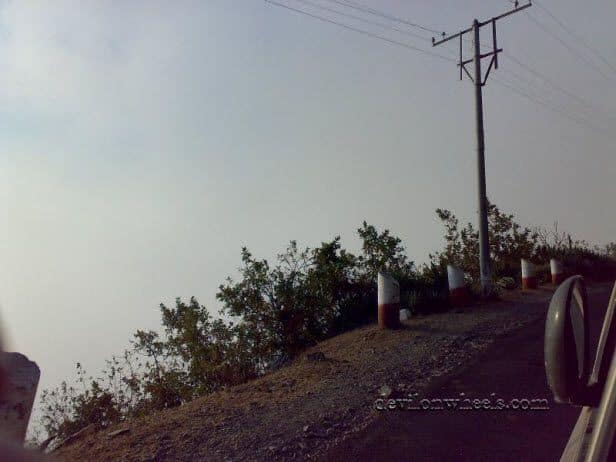
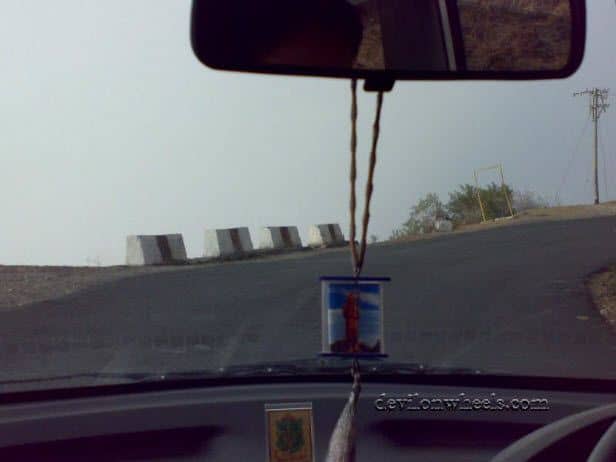
We had started from the GMVN guesthouse in Srinagar, where we had checked in the previous night after a slow, slippery drive down from Auli. If you read Part 3, you already know that the stretch near Karnprayag at night, with road work going on and no streetlights, was not fun at all. This morning made up for it completely.
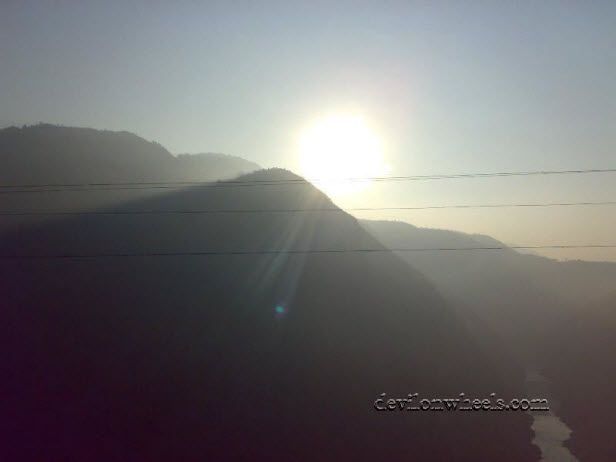
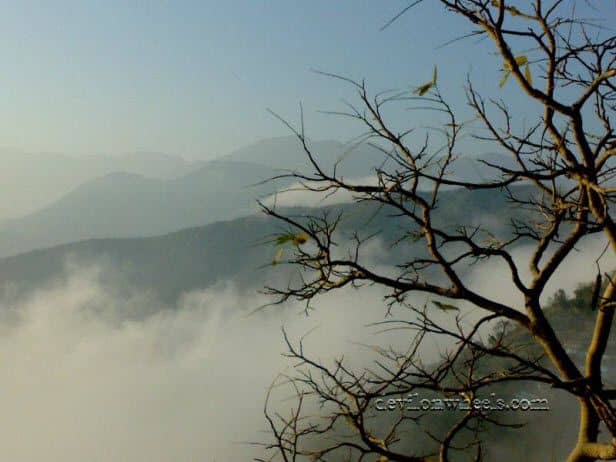
Within the first hour we drove straight into a bank of low cloud sitting right across the road. It is one of those things a photo never really captures properly, being inside an actual cloud at seven in the morning, visibility dropping to twenty feet and then opening up again a few minutes later. My cousin, who had not driven in the hills before, kept asking if this was normal. It is, on this stretch, especially in winter.

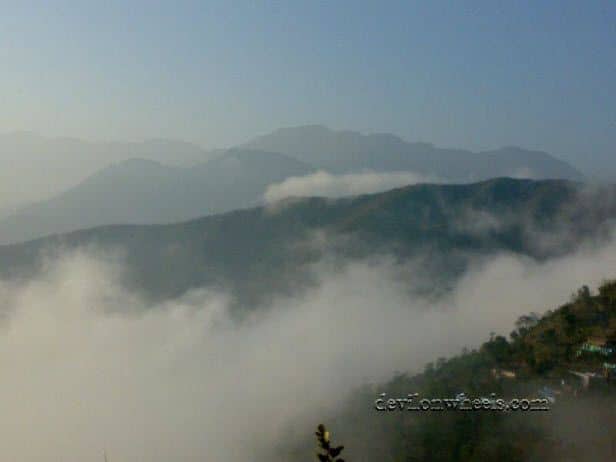
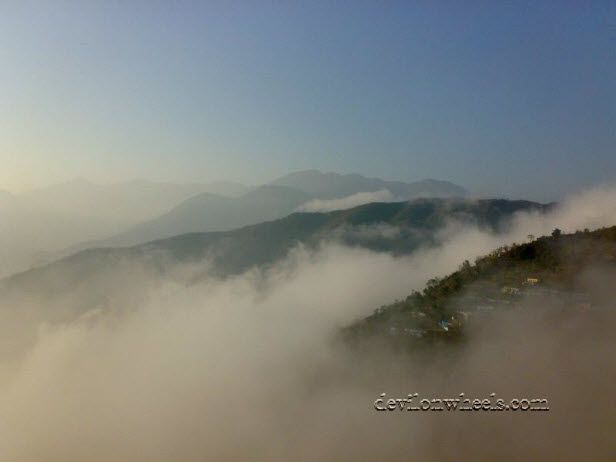
This section of NH58 hugs the Alaknanda river for most of its length, and Devprayag, where the Alaknanda meets the Bhagirathi and the river is officially called the Ganga from that point onward, falls right on this route. We did not stop for long here on this trip, we had a full day of driving ahead and wanted to give Rishikesh proper time. In case you have even twenty minutes to spare, though, the confluence at Devprayag is worth pulling over for. It is one of those small, quiet religious sites in Garhwal that does not get anywhere near the crowds of Haridwar or Rishikesh.

Rishikesh: Ram Jhoola, Laxman Jhoola and the Famous Chotiwala
Quick Answer: Rishikesh sits about 24 km before Haridwar on your way back to Delhi, so it is a natural stop on this route rather than a detour. Even two to three hours is enough to walk both Ram Jhoola and Laxman Jhoola, eat at Chotiwala, and sit by the Ganga before continuing on.
By the time we reached Rishikesh, the town had that calm about it that everyone who has been there talks about. It is hard to describe properly and easy to just feel once you are there, the pace slows down, the air changes, and you understand why so many people come here to stay a while longer than planned.
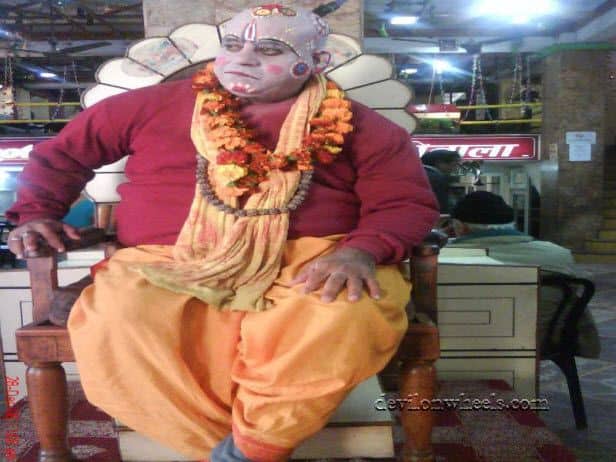
My cousin’s one request for this whole trip was Chotiwala, and it is fair to say the restaurant lives up to its reputation as a Rishikesh institution. You cannot really miss it, the man in the distinctive tuft sitting out front has been the restaurant’s identifying mark for decades, and it is still one of the first places people ask about when they land in Rishikesh. If you have not been, expect thali-style vegetarian food and a line at busy hours.
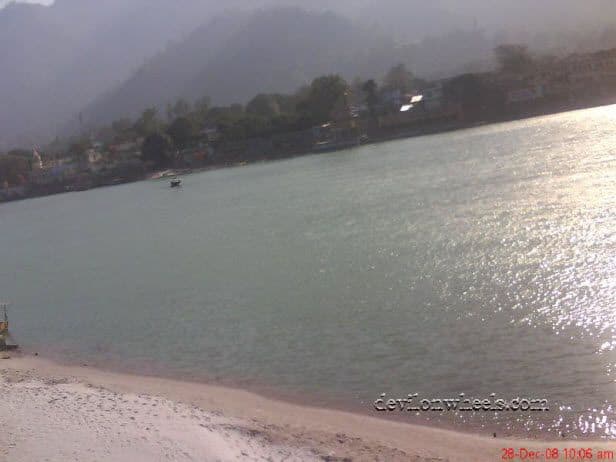
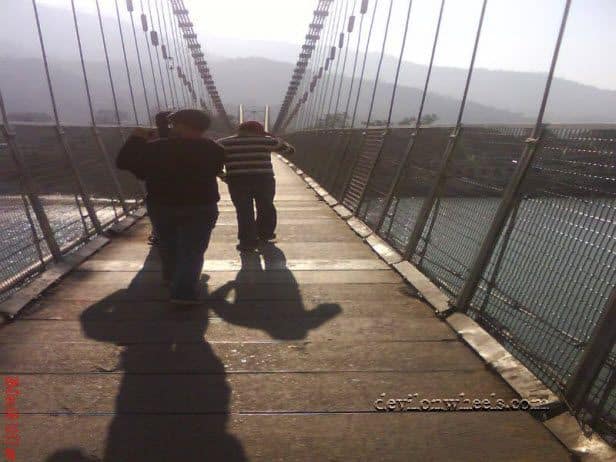
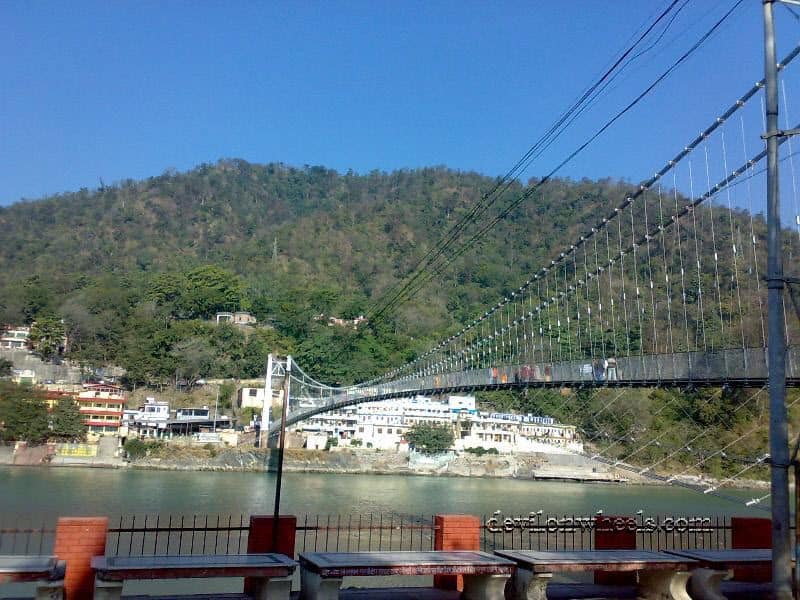
After lunch we walked both Jhoolas. Ram Jhoola and Laxman Jhoola are the two suspension bridges that everyone photographs in Rishikesh, and for good reason, they are packed with pilgrims, sadhus, cows, monkeys, and tourists all crossing at the same time, and the Ganga is right underneath, moving fast and very green in December.
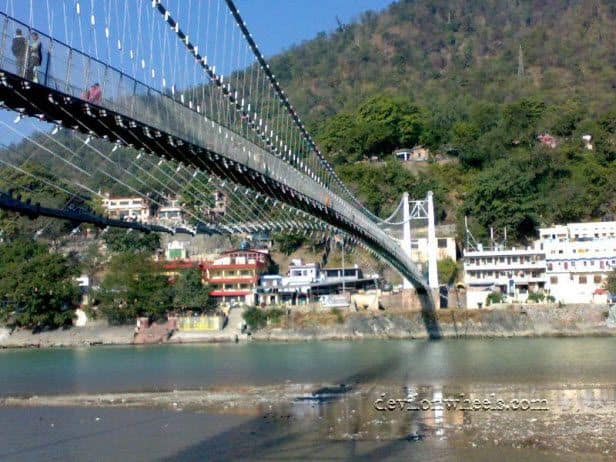
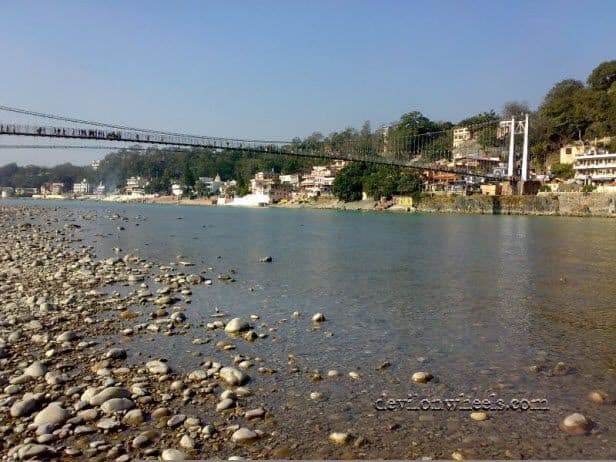
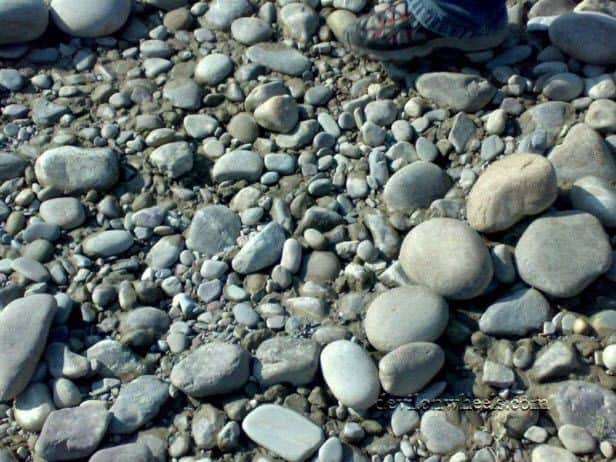
We spent some time just sitting on the pebbled banks of the Ganga before getting back in the car. It is one of the few spots in a busy pilgrim town where you can find a quiet corner without much effort, and after three days of driving on hill roads, we were happy to just sit still for half an hour.

What to Do in Rishikesh if You Only Have a Few Hours
Quick Answer: With two to three hours in Rishikesh on your way back to Delhi, prioritize Ram Jhoola and Laxman Jhoola, a meal at Chotiwala, and a short walk along the ghats. If you have a full day to spare, Rishikesh is also one of the better bases in India for river rafting and other adventure sports on the Ganga.
- Ram Jhoola and Laxman Jhoola, the two suspension bridges, both walkable in under an hour combined.
- Chotiwala, for a thali lunch, expect a short wait during peak hours.
- Triveni Ghat, if you can time it for the evening Ganga Aarti, though on a return-drive schedule you will likely be passing through mid-day.
- Parmarth Niketan and the ashrams near Ram Jhoola, worth a quick look even if you are not stopping for long.
- If you have more time to spend in Rishikesh on a future trip, I have written separately about river rafting and adventure sports there, in 4 Ways of Adventure Bathing in Rishikesh – Part 1 and Part 2.
Rishikesh to Haridwar to Delhi: Finishing the Drive
Quick Answer: From Rishikesh, it is a short 24 km, 40-45 minute drive to Haridwar, and then roughly 225 km and 4-5 hours on to Delhi, largely on expressway once you clear Haridwar. Well, we did not stop in Haridwar itself this time, we had already spent our daylight hours in Rishikesh and wanted to be back in Delhi before it got too late.
The Haridwar-Delhi stretch is the easiest driving of the entire four-day trip, wide roads, plenty of fuel stops, and none of the hill-road caution you need on NH58 above Srinagar. The Delhi-Meerut Expressway section shaves close to an hour off what this drive used to take, so if you are doing this route today, factor that in. Weekend evenings do get heavy near Haridwar and again closer to Delhi, so if your schedule allows a weekday return, take it.
We rolled into Delhi late that night, tired, sunburnt from four days on hill roads, and already talking about the next trip. That is usually how these drives end, my friend, the moment you are back you are already planning the next one.
Safety and Practical Notes for This Route
Quick Answer: The Srinagar-Rishikesh stretch of NH58 is generally safe to self-drive in daylight, but it runs through active road-widening and landslide-prone terrain, so avoid driving it after dark or during heavy monsoon rain.
- Avoid night driving on the Srinagar-Devprayag stretch. Part 3 of this series covered our own experience with a slippery, poorly lit stretch near Karnprayag at night. It was manageable, but not something I would recommend if you can plan around it.
- NH58 is also the Char Dham Yatra highway. During peak Yatra months, roughly May-June and again September-October, expect heavy pilgrim and tour-bus traffic on this same road. If you want to read up on the full Char Dham route and season, I have covered that separately in my Char Dham Yatra travel guide.
- Monsoon caution. This stretch, like most of Garhwal, is prone to landslides and road blocks between July and early September. If you are driving back from Auli in that window, keep a day of slack in your itinerary.
- Fuel and network. Once you are past Rishikesh, fuel pumps and mobile network are frequent and reliable all the way to Delhi. Between Srinagar and Rishikesh, fill up before you leave Srinagar to be on the safer side.
- Cash and ATMs. ATMs thin out between the smaller Garhwal towns, so carry enough cash before you set out from Srinagar.
How This Fits Into a Full Auli Road Trip
This four-part series is really a trip report from a single December drive, not a planning guide, so I want to be upfront about that. If you are actually putting together an Auli trip today and want a complete itinerary, skiing details, current road status, and a proper budget breakdown, my Auli – A Complete Travel Guide is the article to read. This Part 4 post exists to answer a narrower question: what does the drive back from Auli to Delhi actually look like, and is Rishikesh worth building into that return leg.
A question I get asked fairly often is whether it is worth skipping Rishikesh altogether to save time, since Devprayag also connects onward toward Rishikesh-Haridwar without a stop, or whether there is a faster route back that avoids Srinagar entirely. In our experience, no, not really. The Srinagar-Rishikesh-Haridwar-Delhi line via NH58 is the standard, well-maintained route back from Joshimath and Auli, and trying to shortcut it usually means trading a known, reasonably good road for something narrower and less predictable. Well, if you have extra days and want to extend the trip instead of rushing back, breaking the Srinagar-Delhi leg into two days with an overnight in Rishikesh is a genuinely nice way to close out an Auli trip rather than doing it all in one long push like we did.
In case you are combining Auli with other parts of Garhwal on the same trip, this same Srinagar-Rishikesh stretch is also how you would connect onward to Kedarnath or Badrinath if you decided to extend rather than head straight back to Delhi. It is worth checking current road and weather status for whichever direction you choose before you commit, since conditions on these hill roads change through the season far more than the plains stretch ever does.
In case you want to explore more of Garhwal beyond Auli on the same trip, a few of my other guides might be useful for planning the wider loop:
Related Reading
- Garhwal in Uttarakhand – Most Common Itinerary
- Top 10 Offbeat Places in Uttarakhand
- Delhi to Tungnath Temple and Chandrashilla, Uttarakhand
Frequently Asked Questions
How far is Auli from Delhi by road?
Auli or Joshimath to Delhi is roughly 480-500 km depending on your exact starting point, and this final leg alone, Srinagar to Delhi via Rishikesh and Haridwar, covers about 350 km of that. Most people split the full Delhi-Auli-Delhi drive across three to four days each way, as we did in this series.
Is Rishikesh on the way back from Auli to Delhi?
Yes. Rishikesh sits directly on NH58 between Srinagar (Garhwal) and Haridwar, so it is on your route back to Delhi, not a detour. Building in a two to three hour stop here is easy to do without adding much extra driving.
How long does it take to drive from Rishikesh to Delhi?
Around 4-5 hours to Delhi via Haridwar, close to 250 km total, most of it on wide, well-maintained roads including a stretch of expressway near Delhi.
What is the road condition from Srinagar Garhwal to Rishikesh?
NH58 between Srinagar and Rishikesh is a standard hill road, winding but generally in decent condition in daylight and dry weather. It is prone to landslides and construction-related slowdowns during the monsoon, and it also carries heavy Char Dham Yatra traffic in the peak season months, so keep both in mind when planning your return date.
Should I stop at Haridwar on the way back from Auli?
It depends on how much time you have. We skipped a proper Haridwar stop on this trip because we had already used our daylight hours in Rishikesh, but if you can manage an early start from Srinagar, Haridwar’s Har Ki Pauri and the evening Ganga Aarti are worth building into the day.
What can you see in Rishikesh in half a day?
Ram Jhoola, Laxman Jhoola, a meal at Chotiwala, and some time on the ghats comfortably fit into two to three hours. If you have longer, Rishikesh is also a well-known base for river rafting and other adventure activities on the Ganga.
Is it safe to self-drive from Srinagar Garhwal to Delhi in a day?
Yes, for most of the year, provided you start early and avoid finishing the hill section after dark. The Srinagar-Rishikesh stretch is the only genuinely hilly part of this leg. Everything from Rishikesh onward is plains driving.
Where can I read the full Auli itinerary and budget?
My Auli – A Complete Travel Guide has the complete route from Delhi, skiing information, budget breakdown, and current road status, updated separately from this trip report.

That closes out this four-part Delhi to Auli series. Hence, if you are planning your own Garhwal road trip and want to make Rishikesh part of your return journey, I hope this gives you a realistic sense of the route and the timing. Feel free to drop your questions in the comments, or share this with friends and family who are planning something similar. If you have done this same Srinagar-Rishikesh-Delhi return leg yourself, I would love to hear how the road conditions have changed since 2008, and you are always welcome to join the DwD Community to swap notes with other travelers doing the same routes 🙂 …
Last Updated: August 2026. Original trip: December 2008. Route distances and drive times verified against current sources; road conditions and traffic patterns can change seasonally, please verify locally before you travel.
