


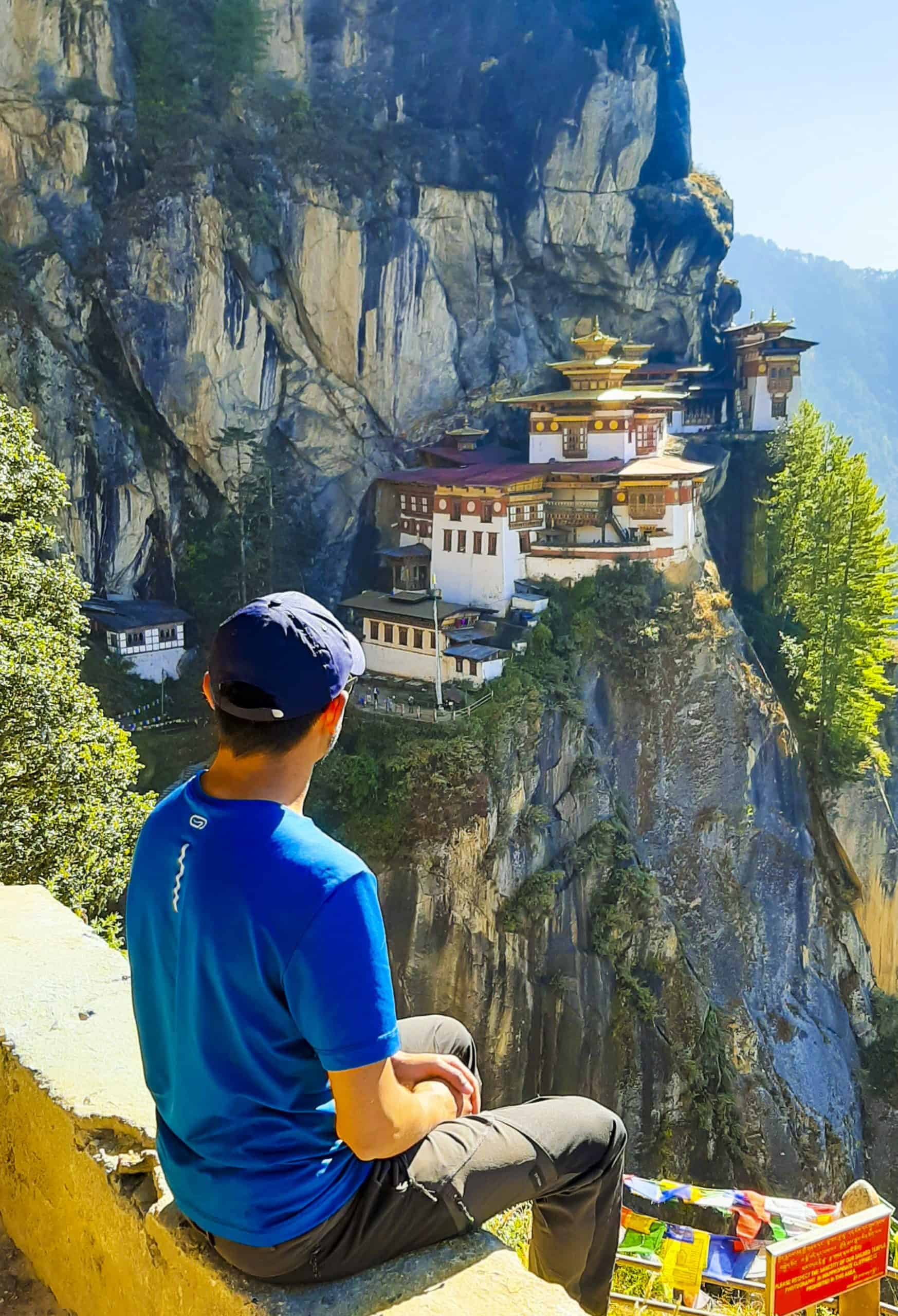
Bhutan is one of the few countries where Indian travelers have a genuine advantage. No visa required, no mandatory guide, no $100/night tourist tax that foreigners pay. Indians can enter freely, explore independently, and manage the entire trip for a fraction of what international tourists spend. I have been to Bhutan multiple times, and every trip reinforced one thing: this is one of the most affordable international destinations for Indian passport holders, if you plan it right.
This guide covers everything you need to know about planning a budget trip to Bhutan from India in 2026. From the Sustainable Development Fee (SDF) rules to actual costs for food, stay, transport, and sightseeing. I have broken it down into practical sections so you can calculate your own budget before booking anything.
Bhutan’s best time to visit is March to May and September to November, when weather is clearest and festivals like Paro and Thimphu Tshechu happen, though hotel rates run 30-50% higher then. Budget travelers should aim for January-February or November-December instead: rates drop 20-40%, while the Indian SDF stays fixed at Rs 1,200/night, confirmed through August 2027.
Let's quickly dive into the details:
What Is the Bhutan SDF and How Does It Affect Indian Travelers?
The Sustainable Development Fee (SDF) is the single biggest factor that determines your Bhutan trip cost. For international tourists, this fee is $100 per person per night. That alone makes Bhutan an expensive destination for most foreigners. However, Indian, Bangladeshi, and Maldivian nationals pay a significantly reduced SDF of just Rs 1,200 per person per night. This rate has been confirmed through August 2027.
Children aged 6 to 12 get a 50% discount (Rs 600/night), and children under 6 are completely exempt. Keep in mind that this fee is collected at the point of entry, so you need to carry enough cash. The SDF goes towards Bhutan’s free healthcare, free education, and environmental conservation programs.
Here is the critical point that most articles miss, and this is what makes the real difference: unlike international tourists, Indians do NOT need a licensed tour operator, a mandatory guide, or pre-booked accommodation to enter Bhutan. You can backpack independently, use public transport, eat at local dhabas, and stay at budget guesthouses. This freedom is what makes Bhutan genuinely affordable for Indians.
How Much Does a Budget Trip to Bhutan Cost for Indians in 2026?
A realistic budget for a 5 to 7 day Bhutan trip for an Indian traveler ranges from Rs 15,000 to Rs 30,000 per person, depending on your travel style. This includes the SDF, accommodation, food, local transport, and entry fees. Let me break it down category by category.
| Expense Category | Budget (Per Person/Day) | Notes |
|---|---|---|
| SDF (Sustainable Development Fee) | Rs 1,200 | Fixed, non-negotiable. Children 6-12: Rs 600 |
| Accommodation | Rs 500 – Rs 1,500 | Budget guesthouses and homestays |
| Breakfast | Rs 100 – Rs 200 | Local eateries, tea shops |
| Lunch | Rs 200 – Rs 400 | Local restaurants, Bhutanese thalis |
| Dinner | Rs 200 – Rs 400 | Similar to lunch costs |
| Snacks & Tea | Rs 100 – Rs 200 | Momos, biscuits, chai |
| Local Transport | Rs 100 – Rs 400 | Public buses or shared taxis |
| Entry Fees / Sightseeing | Rs 50 – Rs 300 | Monastery and dzong entries |
| Daily Total | Rs 2,450 – Rs 4,600 | Budget to mid-range |
For a 5-day trip, your total comes to approximately Rs 12,250 to Rs 23,000 per person (excluding travel to/from Bhutan). Add Rs 2,000 to Rs 5,000 for the train or bus journey from your city to the border, and the total budget for a 5-day Bhutan trip stays comfortably between Rs 15,000 and Rs 28,000 per person.
If you are traveling in a group of 2 to 4 people and splitting accommodation and taxi costs, you can bring this down further. Solo travelers will spend slightly more because hotel rooms have a fixed cost regardless of single or double occupancy.
How to Reach Bhutan from India on a Budget?
There are two main ways to reach Bhutan from India: by road through the Phuentsholing border or by flight to Paro airport. The road route is significantly cheaper and is what I recommend for budget travelers.
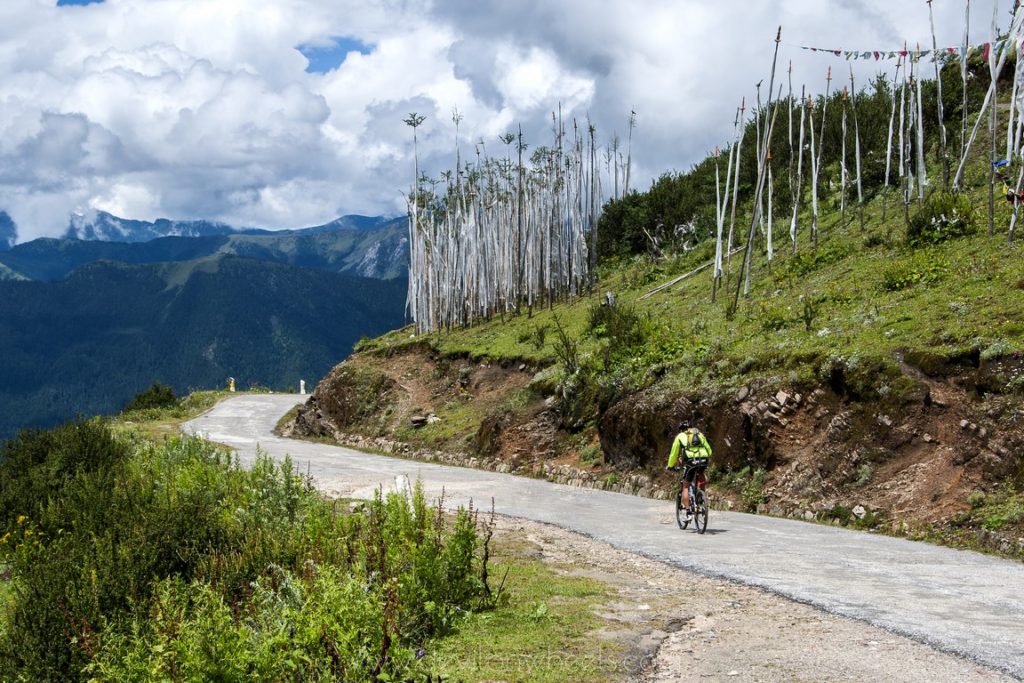
By Train (Cheapest Option)
The Kanchankanya Express (Train 13149) runs daily from Kolkata Sealdah, departing at 8:35 PM and arriving at Hasimara at around 11:05 AM the next morning. The journey takes approximately 14.5 hours. Hasimara is the closest railway station to Bhutan, located just 17 km from the Phuentsholing border.
Current train fares from Kolkata to Hasimara (2025-2026): Sleeper class costs around Rs 900, 3rd AC is Rs 1,500, and 2nd AC is approximately Rs 2,300. From Hasimara, a shared auto to Jaigaon (the Indian town right at the border) costs just Rs 25-50 per person. The entire Kolkata to Bhutan border journey can be done for under Rs 1,000 in sleeper class.
In case you are coming from Delhi, you can take a train to New Jalpaiguri (NJP) and then a shared vehicle to Jaigaon. Alternatively, check our detailed guide on reaching Bhutan by public transport for more route options.
By Flight (Faster but Expensive)
Druk Air and Bhutan Airlines operate flights to Paro from Delhi, Kolkata, Bagdogra, and Guwahati. A return ticket from Bagdogra to Paro costs Rs 10,000 to Rs 14,000, while Delhi to Paro roundtrip costs Rs 20,000 to Rs 50,000 depending on the season. For budget travelers, I would suggest sticking to the train route unless you are very short on time.


Border Crossing at Phuentsholing
The Jaigaon-Phuentsholing border is the most popular land entry point for Indians. You can walk across from the Indian side to the Bhutanese side. The immigration office in Phuentsholing issues entry permits for Indian nationals on the spot. You need either a valid passport (with at least 6 months validity) or a Voter ID card with a photograph. The permit process takes 1 to 3 hours depending on the queue.
Where to Stay in Bhutan on a Budget?
Accommodation is one area where you can save significantly. Bhutan has a growing network of budget guesthouses, homestays, and small hotels, especially in Phuentsholing, Thimphu, Paro, and Punakha. Here is what to expect at different price points.

Budget (Rs 500 to Rs 1,500/night): Basic guesthouses and homestays. Clean rooms with attached bathroom, hot water, and sometimes breakfast included. Available in all major towns. In Thimphu, look for guesthouses in the lanes behind the main market area.
Mid-range (Rs 2,000 to Rs 4,000/night): Comfortable hotels with good amenities. Worth considering if you are traveling as a couple or with family. Many offer breakfast and dinner packages.
My suggestion for budget travelers: do not pre-book hotels for the entire trip. Book the first night in Phuentsholing and then find accommodation locally as you move. Walk-in rates are often 20-30% cheaper than online booking rates, especially during off-season months.
What Are the Food Costs in Bhutan for Indian Travelers?
Food in Bhutan is surprisingly affordable for Indians. The cuisine shares similarities with Tibetan and Northeast Indian food, so you will find plenty of familiar options. The national dish, Ema Datshi (chili and cheese), is available everywhere and costs very little.
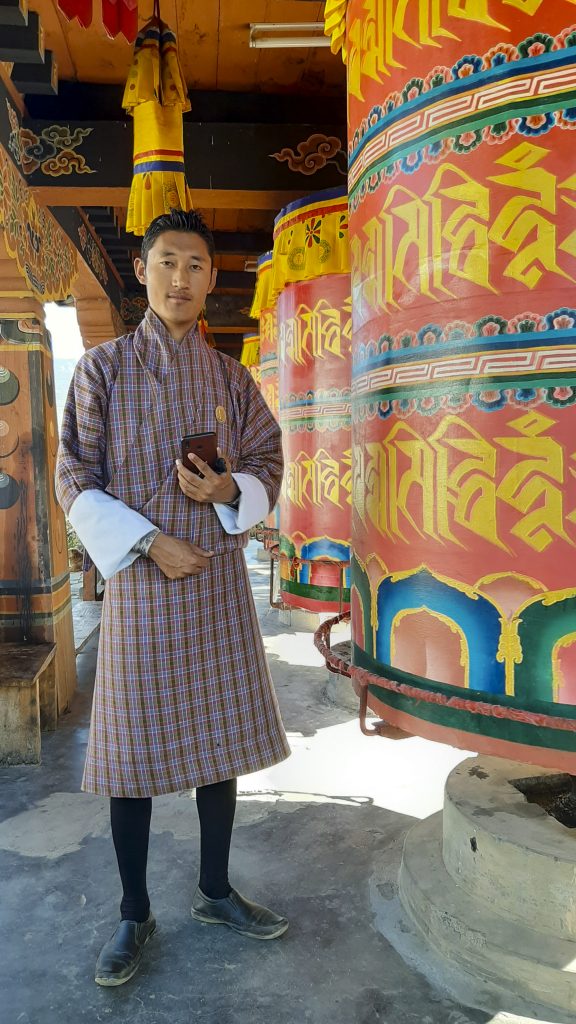
Local eateries and roadside restaurants: Rs 200 to Rs 400 per meal. A plate of rice with dal and vegetables, or a bowl of thukpa (noodle soup), costs Rs 150 to Rs 250. Momos are available at Rs 80 to Rs 150 for a plate.
Mid-range restaurants: Rs 500 to Rs 800 per meal. These are hotel restaurants and slightly upscale dining options in Thimphu and Paro.
Important tip about alcohol: Local Bhutanese whisky (like K5) and beer (Red Panda) are quite cheap compared to Indian prices. A bottle of local whisky costs Rs 200 to Rs 400. However, imported alcohol and international cuisines are expensive. Stick to local food and drinks to keep costs down.
How to Travel Within Bhutan on a Budget?
Internal transport is where smart planning can save you the most money. Bhutan has a functional public bus network, shared taxis, and private taxis. Here is how they compare.
Public buses: The cheapest option. Bhutan Post buses and private operators run between major towns. Fares range from Rs 100 to Rs 300 per trip. Phuentsholing to Thimphu by bus costs approximately Rs 200 to Rs 300 and takes 5 to 6 hours. Thimphu to Punakha costs around Rs 150 to Rs 250. Buses are basic but functional, and the views from the window are spectacular.
Shared taxis: Slightly faster and more comfortable than buses. A shared taxi from Phuentsholing to Thimphu costs Rs 600 to Rs 800 per person. Thimphu to Paro shared taxi is Rs 300 to Rs 500 per person.
Private taxis: The most expensive option but convenient for groups. A full-day private taxi in Bhutan costs Rs 2,500 to Rs 4,000 depending on the distance. If you are in a group of 3 to 4 people, splitting a private taxi can work out cheaper per person than individual shared taxis.
For a detailed breakdown of bus routes, schedules, and connectivity across Bhutan, check our complete Bhutan public transport guide.
What Documents Do Indians Need for a Bhutan Trip?
Indians do not need a visa to enter Bhutan, but you do need specific documents. Here is the complete list.
For entry at Phuentsholing border: Valid Indian passport (with at least 6 months validity) OR Voter ID card with photograph. An entry permit is issued at the Phuentsholing Immigration Office. This permit allows you to visit Phuentsholing and Thimphu.
For travel beyond Thimphu (to Paro, Punakha, etc.): You need a Route Permit from the Immigration Office in Thimphu. This is free for Indians and can be obtained with your passport/Voter ID and 2 passport-size photographs.
For eastern Bhutan: A separate permit is required, obtainable from the Immigration Office in Thimphu. Carry extra passport photos as they are needed for each permit. For the complete permit process, read our detailed Bhutan permits guide.
What Are the Best Money-Saving Tips for a Bhutan Trip?
Having traveled to Bhutan on different budgets, here are the tips that actually make a difference.
- Travel in a group of 3 to 4 people. Hotel rooms, taxis, and even meals can be split. A group of 4 can reduce per-person costs by 30-40% compared to solo travel. If you are going solo, read our solo Bhutan trip guide for specific tips.
- Use public transport religiously. Buses between major towns cost Rs 100 to Rs 300. A private taxi for the same route would cost Rs 2,000 to Rs 4,000. The savings add up quickly over a week-long trip.
- Carry Indian Rupees in Rs 100 and Rs 500 notes. Indian currency is accepted everywhere in Bhutan at par with the Ngultrum. However, Rs 2,000 notes are often not accepted by local shops. ATMs exist in Thimphu and Paro but can be unreliable, so carry enough cash.
- Eat at local restaurants, not hotel dining rooms. A meal at a local eatery costs Rs 200 to Rs 400. The same meal at a hotel restaurant costs Rs 600 to Rs 1,000. Local food is better and more authentic anyway.
- Travel during off-season. January, February, June, July, and August are off-season months. Hotel rates drop by 20-40%, shared taxis have more availability, and tourist spots are less crowded. The weather is manageable if you pack right.
- Skip expensive activities. The Tiger’s Nest hike is free (no entry fee for the trail). Many dzongs and monasteries have minimal or no entry fees. The best experiences in Bhutan, like walking through Thimphu, watching archery matches, or driving through mountain passes, cost nothing.
- Plan your itinerary tightly. Every extra night in Bhutan means Rs 1,200 more in SDF alone. A well-planned 5-day trip covers Phuentsholing, Thimphu, Paro, and Punakha without feeling rushed. Check our complete Bhutan itinerary for the most efficient route.
- Avoid shopping for souvenirs. Bhutanese handicrafts and textiles are beautiful but not cheap. If you must buy something, the weekend market in Thimphu offers better prices than tourist shops near monasteries.
Can You Volunteer in Bhutan to Reduce Trip Costs?
Yes, volunteering is an option worth exploring. Bhutan has several organizations that accept international volunteers, and some programs cover accommodation and meals in exchange for your skills. Teaching English, helping with community projects, and environmental conservation are common volunteer areas.
Programs like the Bhutan Youth Development Fund and various monastery schools accept volunteers. However, keep in mind that most volunteer programs require a minimum commitment of 2 to 4 weeks. For short-term travelers, this may not be practical, but if you have time, volunteering is a meaningful way to experience Bhutan while keeping costs minimal.
What Is the Best Time to Visit Bhutan on a Budget?
The best months for budget travel to Bhutan are January, February, March, November, and December. These are off-season months when hotel rates are at their lowest and tourist crowds are thin. For the complete month-by-month breakdown, check our best time to visit Bhutan guide.
The peak season is March to May (spring) and September to November (autumn), when the weather is ideal and festivals like Paro Tshechu and Thimphu Tshechu happen. Hotel rates are 30-50% higher during these months, and availability can be tight in popular towns like Paro.
If you want a balance between good weather and lower costs, early March or late November are sweet spots. The weather is still pleasant, crowds are manageable, and rates have not peaked yet.
What Should You Know About Currency and Money in Bhutan?
The Bhutanese Ngultrum (Nu) is pegged to the Indian Rupee at 1:1. This means Rs 100 equals Nu 100, and Indian currency is accepted throughout Bhutan. This is a massive advantage for Indian travelers because you do not need to worry about exchange rates or currency conversion fees.
Practical money tips:
- Carry Rs 100 and Rs 500 denomination notes. Rs 2,000 notes are frequently refused by local shops and restaurants.
- ATMs are available in Thimphu and Paro (Bank of Bhutan), but they can run out of cash or be offline. Hence, do not rely on ATMs as your primary cash source.
- UPI and digital payments are not widely accepted outside Thimphu. Carry enough physical cash for your entire trip.
- Budget Rs 2,500 to Rs 4,500 per person per day (including SDF) for a comfortable budget trip. This covers accommodation, food, transport, and basic sightseeing.
How Does the Complete 5-Day Budget Look?
Here is a realistic total budget calculation for a 5-day Bhutan trip for an Indian traveler in 2026. This assumes you are entering by road via Phuentsholing and using a mix of public transport and shared taxis.
| Expense | Budget Traveler | Mid-Range Traveler |
|---|---|---|
| Train (Kolkata-Hasimara return, Sleeper) | Rs 1,800 | Rs 3,000 (3AC) |
| Auto/taxi to border (return) | Rs 100 | Rs 200 |
| SDF (5 nights x Rs 1,200) | Rs 6,000 | Rs 6,000 |
| Accommodation (5 nights) | Rs 3,500 | Rs 10,000 |
| Food (5 days) | Rs 3,000 | Rs 6,000 |
| Local Transport (5 days) | Rs 1,500 | Rs 4,000 |
| Entry fees & miscellaneous | Rs 1,000 | Rs 2,000 |
| Total Per Person | Rs 16,900 | Rs 31,200 |
These numbers are realistic for 2026. The budget column assumes shared rooms, local eateries, and public buses. The mid-range column assumes private rooms, restaurant meals, and a mix of shared and private taxis. For a more detailed cost analysis with day-wise breakdowns, check our complete Bhutan trip cost calculator.
What Are Common Mistakes Budget Travelers Make in Bhutan?
- Not carrying enough cash. ATMs are unreliable outside Thimphu. Running out of cash in Punakha or Bumthang means no way to pay for anything.
- Carrying Rs 2,000 notes. Many shops refuse them. Stick to Rs 100 and Rs 500 denominations.
- Not allocating for SDF. Rs 1,200 per night adds up. For a 7-day trip, that alone is Rs 8,400. Many first-timers forget to factor this into their budget.
- Over-planning the itinerary. Bhutan rewards slow travel. Trying to cover Thimphu, Paro, Punakha, Bumthang, and eastern Bhutan in 5 days means most of your time is spent in transit.
- Booking expensive hotels online. Walk-in rates at budget guesthouses are almost always cheaper than online rates. Book the first night in advance, then explore locally.
Frequently Asked Questions
How much does a 5-day Bhutan trip cost for Indians?
A budget 5-day Bhutan trip for an Indian traveler costs approximately Rs 15,000 to Rs 17,000 per person. This includes the SDF (Rs 6,000 for 5 nights), budget accommodation (Rs 3,000 to Rs 5,000), food (Rs 2,500 to Rs 3,500), and local transport (Rs 1,000 to Rs 2,000). Travel to the border from Kolkata by train adds Rs 1,500 to Rs 2,500 more.
Do Indians need a visa for Bhutan?
No, Indian nationals do not need a visa for Bhutan. You need an entry permit, which is issued free of charge at the Phuentsholing Immigration Office or at Paro Airport. You must carry a valid Indian passport (with 6 months validity) or a Voter ID card with photograph. The entry permit process takes 1 to 3 hours at the border.
Is Bhutan expensive for Indian tourists?
Bhutan is quite affordable for Indian tourists compared to international visitors. Indians pay a reduced SDF of Rs 1,200/night instead of $100/night, do not need a mandatory guide, and can travel independently. Indian Rupees are accepted at par throughout Bhutan. Budget travelers can manage a daily expense of Rs 2,500 to Rs 3,500 including the SDF.
What is the cheapest way to reach Bhutan from India?
The cheapest way is by train from Kolkata to Hasimara (Kanchankanya Express, Rs 900 in sleeper class, departing daily at 8:35 PM from Sealdah), followed by a shared auto from Hasimara to Jaigaon border (Rs 25 to Rs 50). Total cost from Kolkata to the Bhutan border is under Rs 1,000 one way. From Delhi or other cities, take a train to New Jalpaiguri first.
Can you use Indian Rupees in Bhutan?
Yes, Indian Rupees are accepted everywhere in Bhutan. The Bhutanese Ngultrum is pegged to the Indian Rupee at 1:1. Carry Rs 100 and Rs 500 denomination notes as Rs 2,000 notes are frequently refused. ATMs in Thimphu and Paro dispense Ngultrum, which has the same value as Indian Rupees.
What is the best time to visit Bhutan on a budget?
The best time for budget travel is January, February, November, and December (off-season). Hotel rates drop by 20-40% compared to peak season. Early March and late November offer a good balance of pleasant weather and lower costs. Avoid April to May and September to October when festival season pushes prices up.
Is Bhutan safe for solo Indian travelers?
Bhutan is one of the safest countries in Asia for solo travelers, including women. Crime rates are extremely low, locals are friendly and helpful, and the tourist infrastructure in western Bhutan is well-developed. The main challenge for solo travelers is higher per-person costs since you cannot split hotel rooms and taxis. Read our solo Bhutan trip guide for specific advice.
How many days are enough for a budget Bhutan trip?
A minimum of 5 days is recommended to cover Phuentsholing, Thimphu, Paro, and either Punakha or the Tiger’s Nest hike. For a more relaxed trip that includes Punakha and does not feel rushed, plan for 7 days. If you want to explore eastern or central Bhutan as well, you will need 10 to 14 days. Check our complete Bhutan itinerary for the optimal route.

Have a travel question?? You can subscribe to my YouTube channel and leave a comment to ask your travel questions about traveling to the Himalayas.
Bhutan is one of those rare destinations where budget travel does not mean compromising on the experience. The mountains, monasteries, and the genuinely warm Bhutanese people make this trip special regardless of how much you spend. Plan smart, carry cash, travel light, and you will come back with stories worth a lifetime.
If you have any questions about planning your Bhutan trip, feel free to ask in the comments section below. I try to respond to every query, and the DwD community is always happy to help fellow travelers. You can also check our complete Bhutan overview for more context before you start planning.
Last Updated: March 2026
