


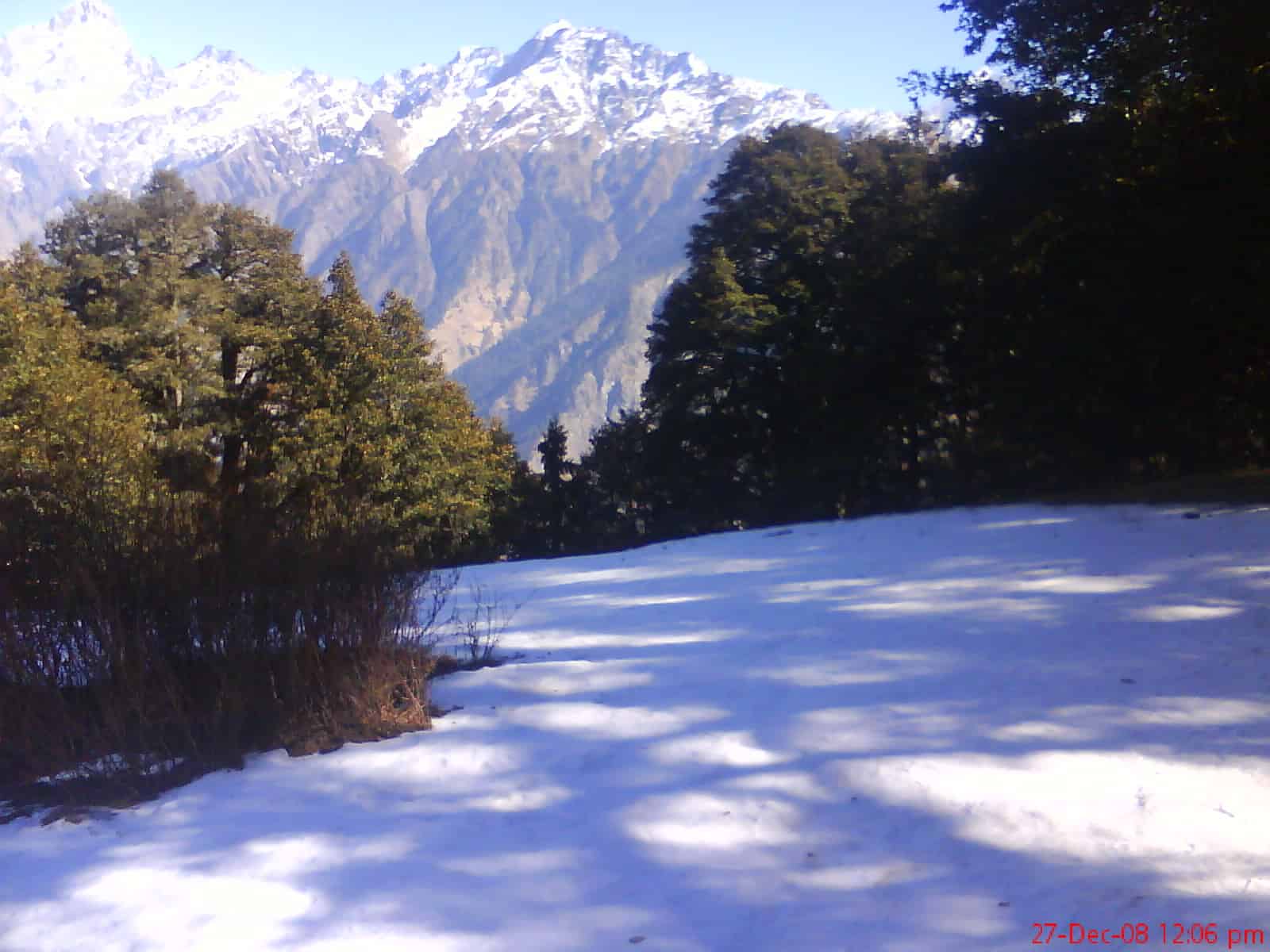
Are you planning a trip to Auli and looking for a complete guide to help you plan? Auli is one of the most picturesque places I have been to in Uttarakhand. With the mighty Nanda Devi range in clear view, fresh snow under your feet, and that pure mountain silence, Auli is a destination that stays with you. I have visited Auli a couple of times now, and every trip has been special in its own way. Whether you want to try skiing, enjoy snowfall, or simply soak in the Himalayan views, this guide covers everything you need to plan your Auli trip in 2026.

Below, you will find a complete guide that covers the best time to visit, how to reach, skiing details with 2026 prices, a 4-day itinerary from Delhi, budget breakdown, accommodation options, and practical tips. I have also covered the Joshimath subsidence situation and what it means for travelers. Hence, keep reading and plan your trip accordingly 🙂
Let's quickly dive into the details:
Auli at a Glance
| Altitude | 2,800 m (approx. 9,200 ft) |
| Distance from Delhi | About 500 km (14-16 hours by road) |
| Nearest railhead | Haridwar / Rishikesh (270-290 km) |
| Nearest airport | Jolly Grant, Dehradun (280 km) |
| Best time | Nov-Feb for snow and skiing, Mar-Jun for trekking |
| Permit required | None for Indian nationals |
| Joshimath-Auli ropeway | CLOSED since January 2023 (subsidence damage to towers), still not running in 2026 |
| Joshimath to Auli transfer | 16 km by road. Shared jeep Rs 100-200 per person one way, private taxi Rs 3,500-4,500 round trip |
| ATM | None in Auli, nearest in Joshimath |
What is the Best Time to Visit Auli?
Auli can be visited throughout the year, but the best time depends on what you want to experience. Since Auli is primarily a skiing destination famous for its snow-covered slopes and mountain views, I would recommend visiting during winters, from November to February. This is when Auli truly comes alive with fresh snowfall, skiing activities, and that magical white landscape.
However, keep in mind that reaching Auli during peak winters can be tricky. The Joshimath-Auli ropeway has been shut since January 2023, so the 16 km road is now the only way up and there is no backup if it closes. The road does get blocked after heavy snowfall until it is cleared. So before leaving, always check the current road and weather conditions, and build a spare day into your plan. Below is a month-by-month breakdown to help you decide.
Summers (March to June): The temperature stays around 10 to 15 degrees Celsius, which is pleasant for trekking and sightseeing. You will not find snow during this time, and the mountains will have a brownish-green shade with some snow remaining on the highest peaks. This is a good time for treks like Gorson Bugyal and Kuari Pass. The Valley of Flowers trek also starts from the Joshimath side during July-August, so many travelers combine both.
Monsoon (July to October): The temperature drops to around 8 to 10 degrees. I would suggest avoiding Auli during monsoon since the region is prone to landslides and heavy rainfall. The roads can get blocked, and exploring the place becomes difficult. If you get stuck in your hotel room due to rain, it can be quite frustrating. The only exception would be September-October when the rains reduce and the landscape turns green.
Winters (November to February): This is the best window for skiing and snowfall. The temperature drops to minus 8 degrees Celsius, and Auli gets covered in a thick blanket of snow. The skiing season runs from January to March, with January being the peak month. To give you an idea of how heavy the snow can get, a single storm in January 2026 dropped close to 45 cm in 24 hours on the slopes, the kind of dump that keeps skiers busy well into February, as reported by local ski trackers and resort updates that season. Keep in mind that snowstorms can happen, so always check the weather forecast from the India Meteorological Department (IMD) before planning your travel dates.
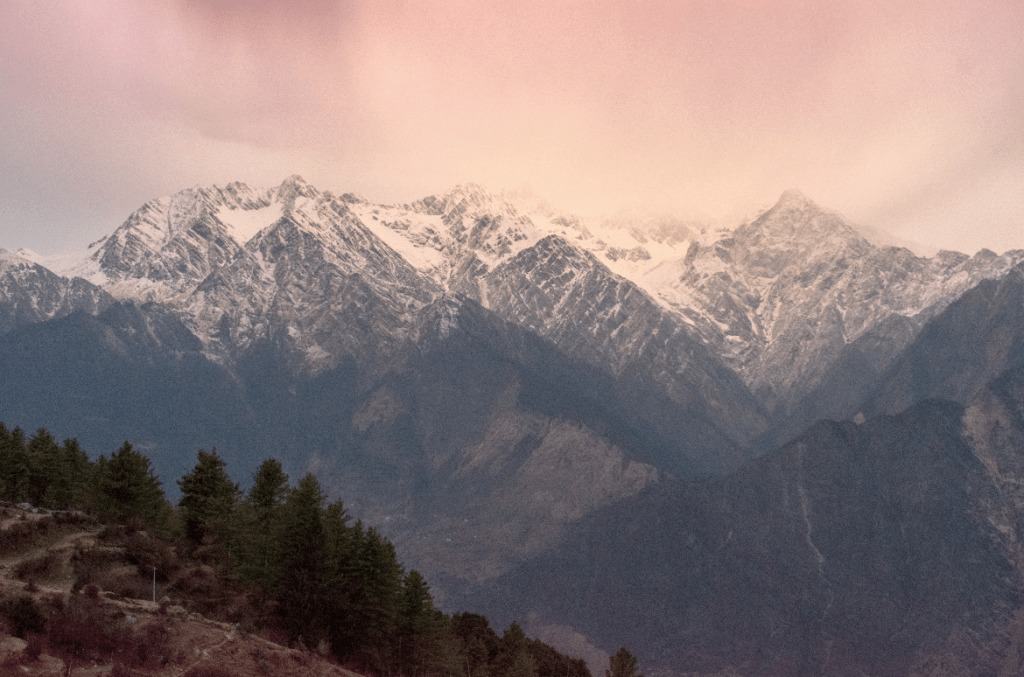
Where is Auli Located?
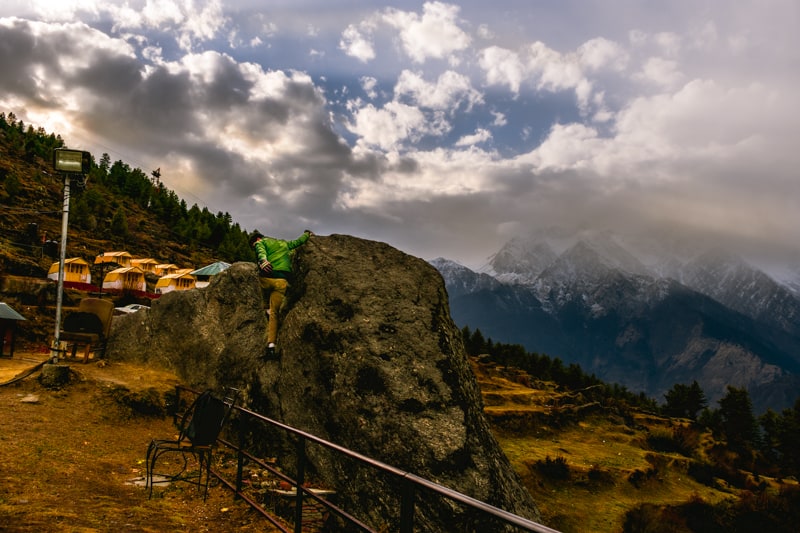
Auli lies at an altitude of about 2,800 meters (approximately 9,200 feet) in the Chamoli district of Uttarakhand. It is located in the Garhwal Himalayas, about 16 km from the town of Joshimath. The place is also known as Auli Bugyal, where “bugyal” means meadow in the local Garhwali language. From Auli, you get a panoramic view of several Himalayan peaks including Nanda Devi (7,816 meters), Kamet (7,756 meters), Mana Parvat, Dunagiri, and Neelkanth.
Auli also serves as a base for the Badrinath pilgrimage route and several popular treks. Joshimath, the gateway to Auli, is an important town on the Rishikesh-Badrinath highway (NH-7). Hence, many travelers combine their Auli trip with a visit to Badrinath or even a Char Dham Yatra.
Is Auli Safe to Visit After the Joshimath Subsidence?
This is a question many travelers have been asking since January 2023, when Joshimath experienced significant land subsidence. Cracks appeared in hundreds of buildings, roads were damaged, and several families were evacuated. It was a serious situation and understandably caused concern among tourists.
As of 2026, the situation in Joshimath has stabilized considerably compared to the panic of early 2023. The affected zone was primarily in the lower Joshimath town area, not on the Auli side. Tourism has resumed and the road from Joshimath to Auli is functional. The Joshimath-Auli ropeway, however, is still shut. It was stopped in January 2023 after subsidence cracked the ground around its lower towers, and a technical survey later found the tower alignments themselves need to be rebuilt from scratch. It has not run since, and as of 2026 the replacement is only at the DPR stage, so do not plan around it. Hotels and resorts in Auli are open for bookings. That said, I want to be honest here. Scientists at the Wadia Institute of Himalayan Geology have continued to state that the town is still in a monitored subsidence zone, with the movement much slower now but not fully stopped, especially something to watch during heavy monsoon rainfall. So, I would suggest you keep a few things in mind. First, check the latest news before travel. Second, since the ropeway is not an option any more, plan the winter road transfer properly. Hire a local 4×4 taxi from Joshimath rather than driving a low-clearance car up yourself, carry or rent tyre chains in Joshimath market, and start the climb in daylight because the last few kilometres ice over badly after dark. Third, stay updated through local contacts or the Uttarakhand Tourism official website for any advisories.
The subsidence issue is real and concerning, but it should not stop you from visiting Auli if you plan wisely. Please take a sensible call based on the latest ground reports.
What Are the Top Things to Do in Auli?
Auli is not just about skiing. There are several experiences that make this place worth visiting. Below are the major things to do and see in Auli.
Experience Skiing in Auli
Skiing is the main attraction in Auli, and it is considered one of the best skiing destinations in India. The slopes are gentle enough for beginners but also have sections for intermediate and advanced skiers. You do not need to be a trained professional to try skiing here. You can hire a guide for an hour-long session, and they will provide all the gear and teach you the basics.
As of 2026, the approximate skiing costs in Auli are as follows. For a basic 1-hour skiing session with an instructor and gear, expect to pay around Rs 500 to Rs 1,500 depending on the season and instructor. A full-day skiing package with gear and instruction costs around Rs 3,000 to Rs 5,000 per person. GMVN (Garhwal Mandal Vikas Nigam) also offers 7-day and 14-day skiing courses with accommodation, which are great value if you are serious about learning the sport.
The skiing season runs from January to March, with January and February being the peak months. Auli also has an artificial lake (more on that below) which is used to create snow when natural snowfall is low, ensuring that skiing can continue throughout the season.
Cable Car and Ropeway Ride (Currently Closed)
Please read this before you plan anything around it: the Joshimath-Auli ropeway is not running. GMVN suspended it in January 2023 when land subsidence in Joshimath opened cracks around the lower towers, and it has stayed shut ever since. A technical survey found several towers damaged badly enough that the whole alignment has to be rebuilt, so this was never a quick repair. If a booking site still quotes fares and timings for it, that page has not been updated.
When it did run, it was one of the longest cable car rides in Asia at about 4 km, covering the distance in roughly 25 minutes with the valley, the man-made lake and the snow peaks laid out below you. It was a genuinely good ride and losing it hurts. A replacement is planned. Bridkul has submitted a detailed project report of around Rs 480 crore for a new two-phase gondola, Joshimath to Auli and then Auli to Gorson. Keep in mind that a DPR is a planning document, not a running lift. Until it is actually built, treat the ropeway as unavailable and budget for the road.
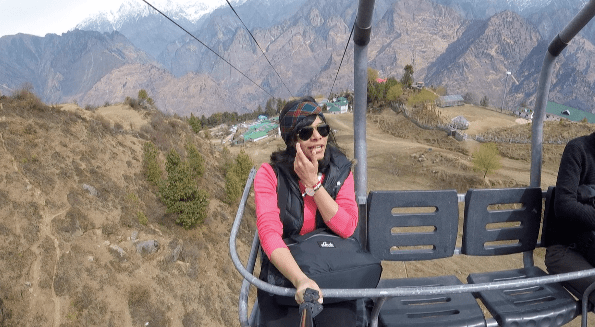
Now, do not confuse the two lifts, because people constantly do. The chair lift at Auli itself is a separate installation from the Joshimath-Auli ropeway, and it does still operate. It connects the lower slopes to the upper skiing area, costs about Rs 300 to Rs 500 per person, and takes around 10 minutes. It runs seasonally and depends on snow conditions, so confirm at the GMVN counter in Auli on the day. It is useful if you want to reach the skiing spot without hiking up, but it cannot get you from Joshimath to Auli. Only the road does that.


Artificial Lake
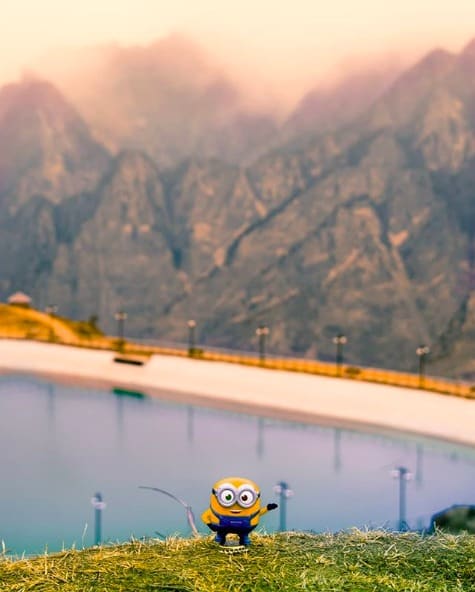
Auli is home to one of the highest man-made lakes in the world. This lake was specifically built to store water for creating artificial snow so that skiing activities can continue even in low-snowfall years. The lake sits at an elevation of about 2,500 meters and is a beautiful sight, especially when the surrounding peaks are reflected in the still water.
Hence, even if you visit Auli during a lean snow season, the artificial snow-making ensures that you do not miss out on skiing. The lake is an easy walk from the main Auli slopes.
Hanuman Temple
There is a Hanuman temple in Auli with an interesting mythological connection. According to the legend, when Lord Rama was fighting the war in Lanka and his brother Laxman was injured, Hanuman Ji flew to the Himalayas to bring the Sanjivini herb. He is said to have rested at this spot in Auli during that journey, and the temple was built to commemorate it.

The temple offers a spiritual experience amidst the mountains. From near the temple area, you can also see Mount Neelkanth and get a sense of how close Auli is to the Badrinath route. For those interested, you can also make a side trip to Mana Village from here, which is known as the last Indian village before the Tibet border.
Trekking Routes from Auli
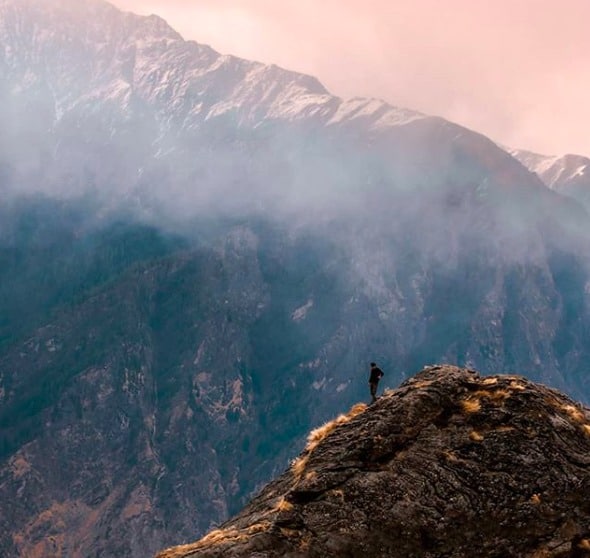
Auli serves as a base camp for several popular treks in the Garhwal region. Some of the notable ones include the Gorson Bugyal trail, Kuari Pass trek, and routes to the Valley of Flowers. Let me briefly cover the two most popular ones.
Gorson Bugyal Trek: This is a relatively easy trek that passes through apple orchards, oak and deodar forests, and ends at the beautiful Gorson Meadow. The trail is about 3 km one way from Auli. From Gorson, you can see several peaks including Nanda Devi, Kamet, Dronagiri, and Neelkanth. The trek is doable in half a day and is perfect for families and beginners. If you continue further from Gorson, you can reach Tali Lake, which is another 3 km ahead.
Kuari Pass Trek: This is a moderate-to-challenging trek that is open during both winter and summer seasons. The word “Kuari” means doorway, and the pass sits near the edge of the Nanda Devi sanctuary. During the trek, you cross meadows, alpine streams, and dense forests. The views include the Chaukhamba Range, Mana Peak, Kamet, and Abil Gamin. The full trek takes about 4-6 days. If you are into trekking, I would highly recommend this one. For more easy options in the state, you can also check easy treks in Uttarakhand for beginners.
How to Plan a 4-Day Auli Itinerary from Delhi?
A 4-day trip from Delhi to Auli is the most common and practical itinerary. Below is a day-by-day plan that you can follow. I have kept it realistic with actual travel times and options.
Day 0: Start from Delhi (Overnight Travel)
Take an overnight bus from Delhi to Rishikesh. Private buses leave from Anand Vihar ISBT (Kashmiri Gate also has options). UPSRTC and UTC government buses are available too. The bus journey takes about 6 to 7 hours, and you should reach Rishikesh early morning. You can also book buses online through the UTC or private bus booking websites. If you prefer driving, the Delhi to Rishikesh distance is about 230 km via NH-334 and takes 5 to 6 hours.
Day 1: Rishikesh to Joshimath/Auli
From Rishikesh, you need to reach Joshimath, which is about 250 km and takes 8 to 10 hours by road. Buses leave early morning from Rishikesh bus stand. The regular government (UPSRTC) bus fare is approximately Rs 350 to Rs 450 for Joshimath. In case you book through private operators or aggregator apps instead, keep in mind semi-sleeper and AC options on this route can run anywhere from Rs 850 to Rs 3,000, so it is worth comparing both before you book, depending on whether comfort or budget matters more to you. You can also find shared cabs. The route goes through Devprayag, Rudraprayag, Karnaprayag, and Chamoli, following the NH-7 (Badrinath highway).
Once you reach Joshimath, the only way up to Auli is the 16 km road, since the ropeway has been shut since January 2023. A shared jeep costs about Rs 100 to Rs 200 per person one way, or you can hire a private taxi for roughly Rs 3,500 to Rs 4,500 round trip with waiting. In winter, take a 4×4 rather than a sedan. Reach Auli by evening, check into your hotel, and soak in the surroundings. Trust me, the first view of the snow-covered peaks from your hotel window will make the long journey worth it.
Day 2 and Day 3: Explore Auli
You have two full days to explore Auli. I suggest splitting them as follows. On Day 2, try skiing in the morning (book an instructor for a 1-2 hour session), visit the artificial lake, and take the chair lift to enjoy the views from the upper slopes. In the afternoon, visit the Hanuman Temple and the nearby viewpoints. The sunset views from Auli are something else, so make sure you find a good spot in the evening.
On Day 3, drive down to Joshimath in the morning. Explore Joshimath town, visit the Narsingh Temple and the local market. If time permits and road conditions allow, you can even make a side trip to Tapovan (about 14 km from Joshimath) which has hot water springs. In the afternoon, drive back up to Auli and enjoy your last evening in the mountains. Alternatively, if you are a trekker, you can spend this day doing the Gorson Bugyal trek.
Day 4: Head Back to Delhi
Start early. Drive down to Joshimath and catch a morning bus to Rishikesh (leaves around 5-6 AM). The 16 km descent takes about an hour. The journey back takes about 10 to 12 hours. From Rishikesh, take an evening bus or drive back to Delhi. If you are self-driving, you can leave from Joshimath early and aim to reach Delhi by late night.
In case you have an extra day, I would suggest spending it in Rishikesh on the return journey, or extending the trip to include Valley of Flowers and Hemkunt Sahib if visiting during July-September.
How to Reach Auli from Delhi?
There are several ways to reach Auli. The total distance from Delhi to Auli is about 500 km, and the journey involves reaching Joshimath first and then getting to Auli from there. Here are the options.
By Road (Self-Drive or Bus): This is the most common way. Drive from Delhi to Rishikesh (230 km, 5-6 hours), then Rishikesh to Joshimath (250 km, 8-10 hours). From Joshimath, Auli is 16 km further by road, roughly 45 minutes to an hour. The ropeway that used to cover this stretch has been closed since January 2023. Total driving time is about 14-16 hours with stops. If taking a bus, you will likely need to change at Rishikesh or Haridwar for a Joshimath-bound bus.
By Air: The nearest airport is Jolly Grant Airport in Dehradun, about 280 km from Auli. From Dehradun, you can take a taxi or bus to Joshimath (about 9-10 hours). Several airlines operate flights from Delhi to Dehradun.
By Train: The nearest major railway station is Haridwar (290 km from Auli). Many trains connect Delhi to Haridwar, including the Shatabdi Express. From Haridwar, continue by bus or taxi to Joshimath, and then to Auli.
I always suggest starting the road journey early, ideally by 4 AM from Delhi if self-driving, to avoid the highway traffic and reach before dark. The stretch after Rudraprayag is hilly and can be tiring if driven at night.
How Much Does an Auli Trip Cost in 2026?
One of the most common questions I get asked is about the budget. The cost of an Auli trip varies based on how you travel, where you stay, and what activities you do. Here is a rough breakdown for a 4-day trip from Delhi for 2 persons.
Budget Trip (Per Person):
- Delhi to Rishikesh (bus): Rs 400-600
- Rishikesh to Joshimath (bus): Rs 350-450
- Joshimath to Auli and back by shared jeep: Rs 200-400
- Accommodation in Auli (2 nights, budget hotel): Rs 1,500-2,500 per night (sharing basis)
- Food (3 days): Rs 500-800 per day
- Skiing (1 hour): Rs 500-1,500
- Chair Lift: Rs 300-500
- Miscellaneous: Rs 500
- Total per person (budget): Rs 6,800 to Rs 11,400
Mid-Range Trip (Per Person):
- Self-drive or private taxi from Delhi: Rs 3,000-5,000 (shared among 4)
- Joshimath to Auli private taxi (round trip, shared among 4): Rs 900-1,150
- Accommodation in Auli (2 nights, mid-range): Rs 3,000-5,000 per night
- Food (3 days): Rs 800-1,200 per day
- Skiing (full day package): Rs 3,000-5,000
- Chair Lift + miscellaneous: Rs 1,000
- Total per person (mid-range): Rs 16,000 to Rs 26,000
If you are on a tight budget, my friend, I would suggest staying in Joshimath instead of Auli. Budget hotels in Joshimath start from Rs 1,000 to Rs 2,500 per night, and you can take a shared jeep up to Auli for day visits at Rs 100 to Rs 200 per person each way. This alone can save you Rs 2,000-3,000 on accommodation. Also, if you are traveling in a group of 4, the costs come down significantly since transport and room charges get divided. As I always say, 4 is the magical number for budget trips 🙂
Where to Stay in Auli and Joshimath?
There are several guest houses, hotels, and resorts in Auli. The GMVN Tourist Rest House is a popular government option that offers decent rooms with meals. Private hotels and resorts range from budget to luxury. Some well-known stays in Auli include The Tattva Resort, GMVN Auli, and several homestay options that have come up in recent years.
I stayed at Manik Hotel during my visit, which was cheaper compared to other options at that time. The views from the hotel were spectacular, and the staff was helpful. For budget travelers, Joshimath has more options and better rates. Hotels in Joshimath start from Rs 1,000 per night and go up to Rs 5,000 for comfortable mid-range options.
In case you are traveling during peak season (December to February), I would strongly recommend pre-booking your rooms. Auli has limited accommodation, and rooms fill up fast. If you cannot find a room in Auli, Joshimath is the best alternative since it is just a 16 km drive away.
Food options in Auli are limited. There are a few restaurants and dhabas, but do not expect a lot of variety. Most hotels offer meal packages. In Joshimath, you will find more restaurants and dhabas with basic North Indian food, Maggi, and chai.
What About ATMs, Mobile Network, and Other Facilities?
This is an important section, so keep in mind the following practical information before you travel.
ATMs: There are no ATMs in Auli itself. You will find 2-3 ATMs in Joshimath (SBI and a couple of others). I would strongly suggest carrying enough cash from Rishikesh, Haridwar, or Dehradun. UPI payments work at some hotels and shops in Joshimath, but do not rely on it entirely. In Auli, cash is king.
Mobile Network: BSNL has the best coverage in the Joshimath-Auli area. Jio and Airtel work in Joshimath town but can be patchy in Auli. If you need reliable connectivity, carry a BSNL SIM. Most hotels in Auli have WiFi, but speeds are slow.
Medical: There is a government hospital in Joshimath. In Auli, there are no medical facilities. Carry a basic first-aid kit and any regular medicines you need. If you have any existing health conditions, keep in mind that Auli is at 2,800 meters altitude, so mild altitude discomfort is possible, especially for first-timers.
Fuel: There are petrol pumps in Chamoli town (about 40 km before Joshimath). There is no fuel station in Joshimath or Auli. Make sure you fuel up before reaching. If you are self-driving, fill your tank at Chamoli or earlier at Karnaprayag.
What Should You Pack for an Auli Trip?
If you are visiting during winters, packing right is essential. Temperatures can drop to minus 8 degrees, so layering is the key. Here is a quick checklist.
- Thermal innerwear (top and bottom)
- Warm fleece or down jacket
- Waterproof outer layer (essential for snow activities)
- Snow boots with good grip (regular shoes will not work on icy slopes)
- Woolen cap, gloves, muffler, and socks (at least 3-4 pairs of warm socks)
- Sunglasses and sunscreen (snow reflection can cause sunburn)
- Power bank (batteries drain fast in cold weather)
- Basic first-aid kit and personal medicines
- Cash in sufficient quantity
If you do not have snow boots or warm jackets, you can rent them in Joshimath. Several shops in Joshimath market, including those around the old ropeway station, rent out jackets, boots, and gloves. Rental cost is approximately Rs 200-400 per item per day. In case you are planning a summer visit, regular trekking gear and light woolens will be sufficient.
Nearby Places to Visit from Auli
If you have extra time, there are several places near Auli that are worth exploring.
- Joshimath (16 km): The gateway town with Narsingh Temple, Shankaracharya Math, and local market
- Tapovan (14 km from Joshimath): Known for hot water springs
- Mana Village (75 km from Joshimath): The last Indian village before Tibet border, accessible if the road is open
- Badrinath Temple (45 km from Joshimath): One of the Char Dhams, open May to November
- Gorson Bugyal (3 km trek from Auli): Beautiful meadow with peak views
- Kwani Bugyal and Chattrakund: Further trekking options beyond Gorson
You can also make a side trip to Mana village from Auli, known as the last Indian village.
Wrapping Up
Auli is one of those places in the Indian Himalayas that offers something for everyone. Whether you are a skiing enthusiast, a trekker looking for Himalayan meadows, or a family looking for a peaceful snow destination, Auli delivers. The combination of one of the world’s highest man-made lakes, panoramic views of Nanda Devi, and the thrill of skiing makes it truly special. The ropeway that once carried people up from Joshimath has been closed since 2023, so plan your trip around the road, not around the cable car.
I hope this guide helps you plan your trip to Auli in 2026. If you have any questions about the road conditions, accommodation, or skiing options, feel free to ask in the comments section below. I will be happy to help. Also, if you have already been to Auli, do share your experience and tips so that other travelers can benefit. If you know friends or family planning a trip to Uttarakhand, do share this article with them 🙂 …
For more travel guides and itineraries, you can also check our articles on offbeat places in Uttarakhand, places near Delhi for snowfall, and our Delhi to Tungnath and Chandrashila trek guide if you want to combine Auli with another Garhwal Himalayan trip. For detailed discussions, queries, or finding travel partners, join the DwD Community.
Last Updated: August 2026
Have a travel question?? You can subscribe to my YouTube channel and leave a comment to ask your travel questions about traveling to the Himalayas.
Frequently Asked Questions
Is Auli worth visiting?
Yes, absolutely. Auli offers skiing, trekking, the Auli chair lift up to the slopes, and panoramic views of Nanda Devi and other Himalayan peaks. It is one of the best winter destinations in India and is especially worth visiting from November to February for snow experiences. Do note that the Joshimath-Auli ropeway itself has been closed since January 2023, so you reach Auli by road. Even in summer, the Gorson Bugyal trek and the cool mountain weather make it a good escape from the heat.
How much does skiing cost in Auli in 2026?
A basic 1-hour skiing session with instructor and gear costs Rs 500 to Rs 1,500. Full-day packages cost Rs 3,000 to Rs 5,000. GMVN also offers 7-day and 14-day skiing courses with accommodation for those who want to learn properly.
Is Auli safe to visit after Joshimath subsidence?
As of 2026, tourism in Auli has resumed and hotels are open. The subsidence primarily affected the lower Joshimath town area. The Joshimath-Auli ropeway, though, has been closed since January 2023 after subsidence damaged its towers, and it has not reopened, so all access to Auli is now by the 16 km road. I suggest checking the latest advisories from Uttarakhand Tourism before travel, and in winter hiring a local 4×4 taxi with tyre chains for the climb rather than driving up in a regular car.
What is the best time to visit Auli for snow?
November to February is the best time for snow in Auli. January is the peak month for snowfall and skiing activities. The temperatures drop to minus 8 degrees Celsius, and the entire area gets covered in a thick blanket of snow.
How to reach Auli from Delhi?
The most common route is Delhi to Rishikesh (230 km, 5-6 hours by road) and then Rishikesh to Joshimath (250 km, 8-10 hours). From Joshimath, drive the final 16 km to Auli, roughly 45 minutes to an hour. The ropeway that used to cover this stretch has been closed since January 2023, so a shared jeep (Rs 100-200 per person) or a private taxi is the only way up. You can also fly to Dehradun (Jolly Grant Airport) and then drive to Joshimath (280 km, 9-10 hours).
Can I visit Auli in summer?
Yes, Auli is open year-round. In summer (March to June), the temperature stays around 10-15 degrees Celsius. You will not find snow, but the weather is pleasant for trekking and sightseeing. The Gorson Bugyal trek is especially beautiful during this time with lush green meadows.
Is there an ATM in Auli?
No, there are no ATMs in Auli. The nearest ATMs are in Joshimath (SBI and others). Carry sufficient cash from Rishikesh, Haridwar, or Dehradun. UPI works at some places in Joshimath but is unreliable in Auli.
How much budget is needed for a 4-day Auli trip from Delhi?
A budget trip costs approximately Rs 7,000 to Rs 12,000 per person (bus travel, budget accommodation, basic skiing). A mid-range trip costs Rs 15,000 to Rs 25,000 per person (private transport, mid-range hotel, full-day skiing package). Staying in Joshimath instead of Auli can save Rs 2,000-3,000 on accommodation.
