


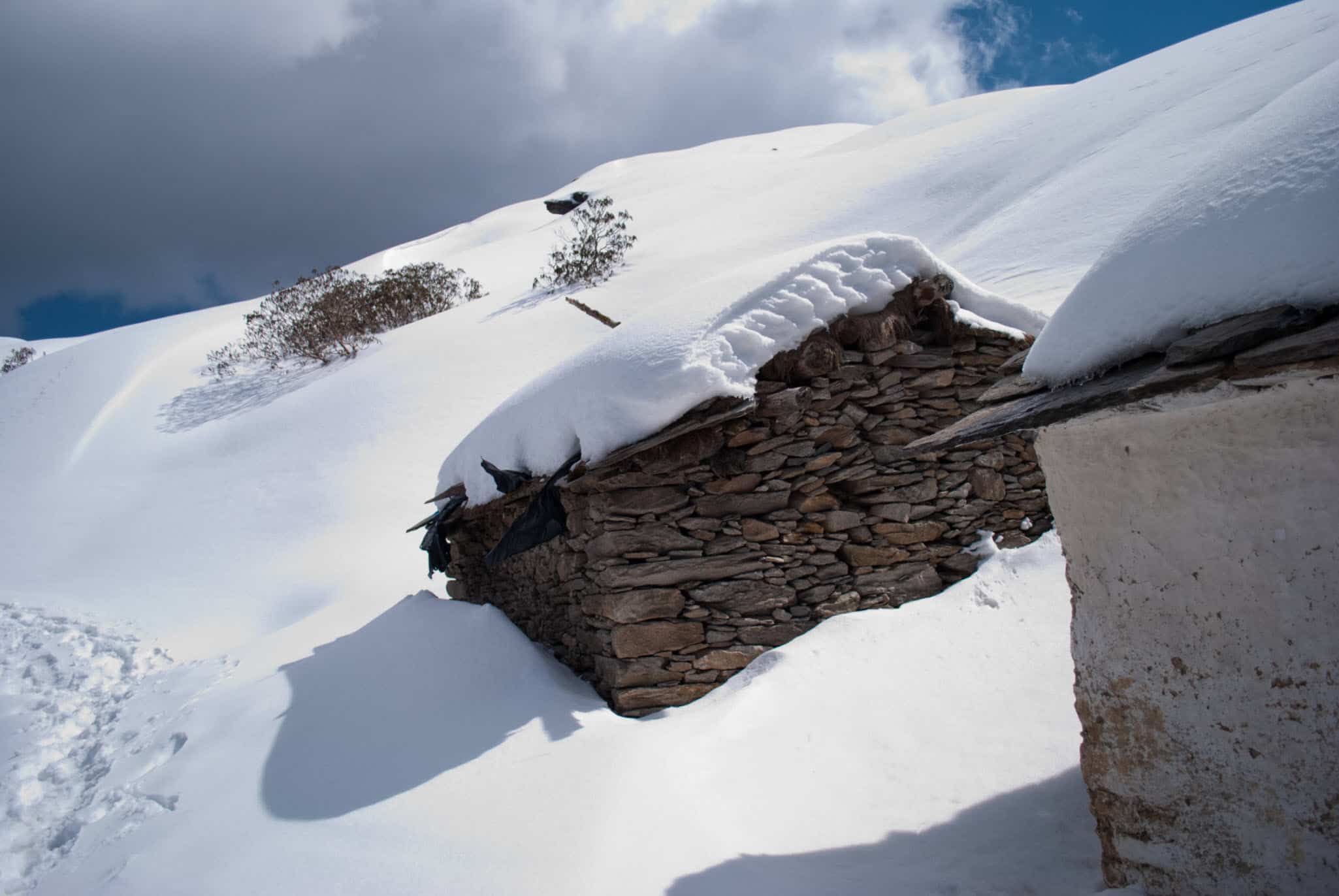
If you are planning a trek to Roopkund, Dayara Bugyal, or any alpine meadow in Uttarakhand, there is something critical you need to know. The Uttarakhand High Court has banned overnight camping in all bugyals (alpine meadows) across Garhwal. This order, passed in August 2018, remains in effect as of 2026 with no successful Supreme Court reversal. Here is everything you need to understand before planning your trip.
Let's quickly dive into the details:
What Is a Bugyal and Why Does It Matter?
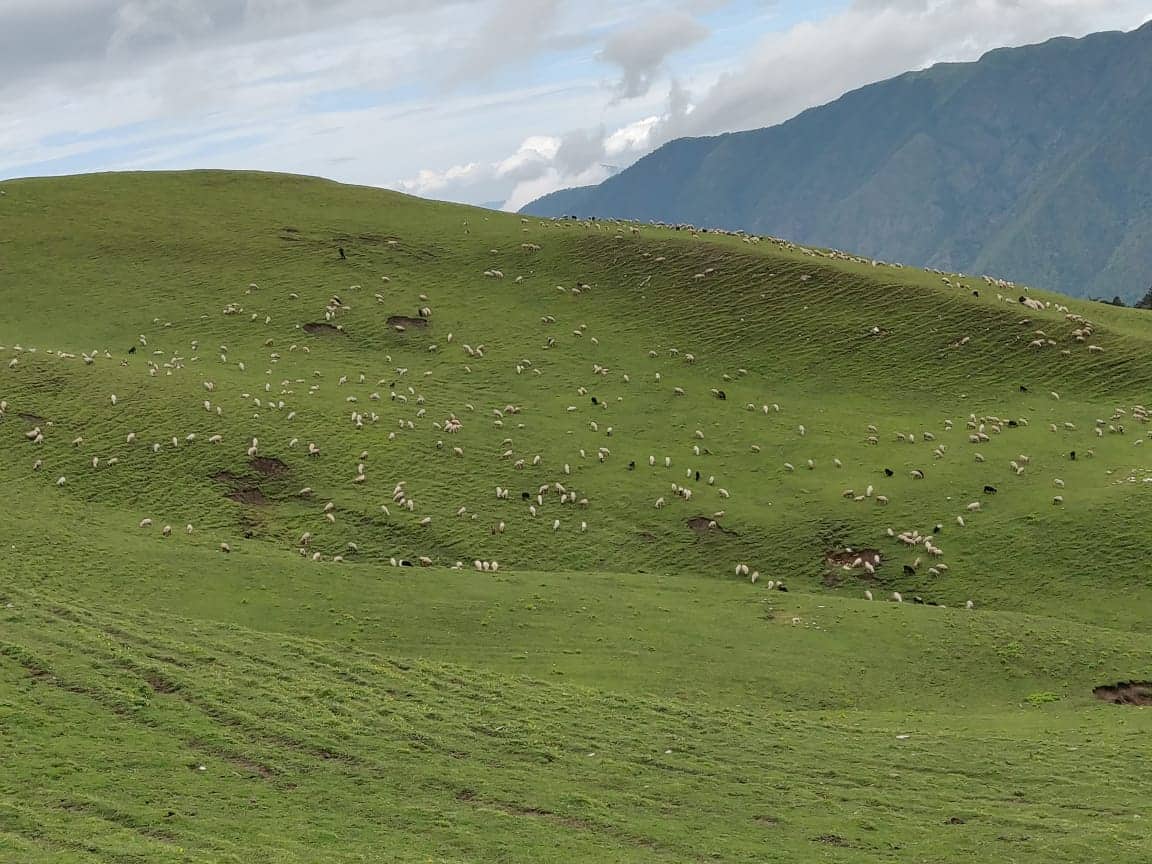
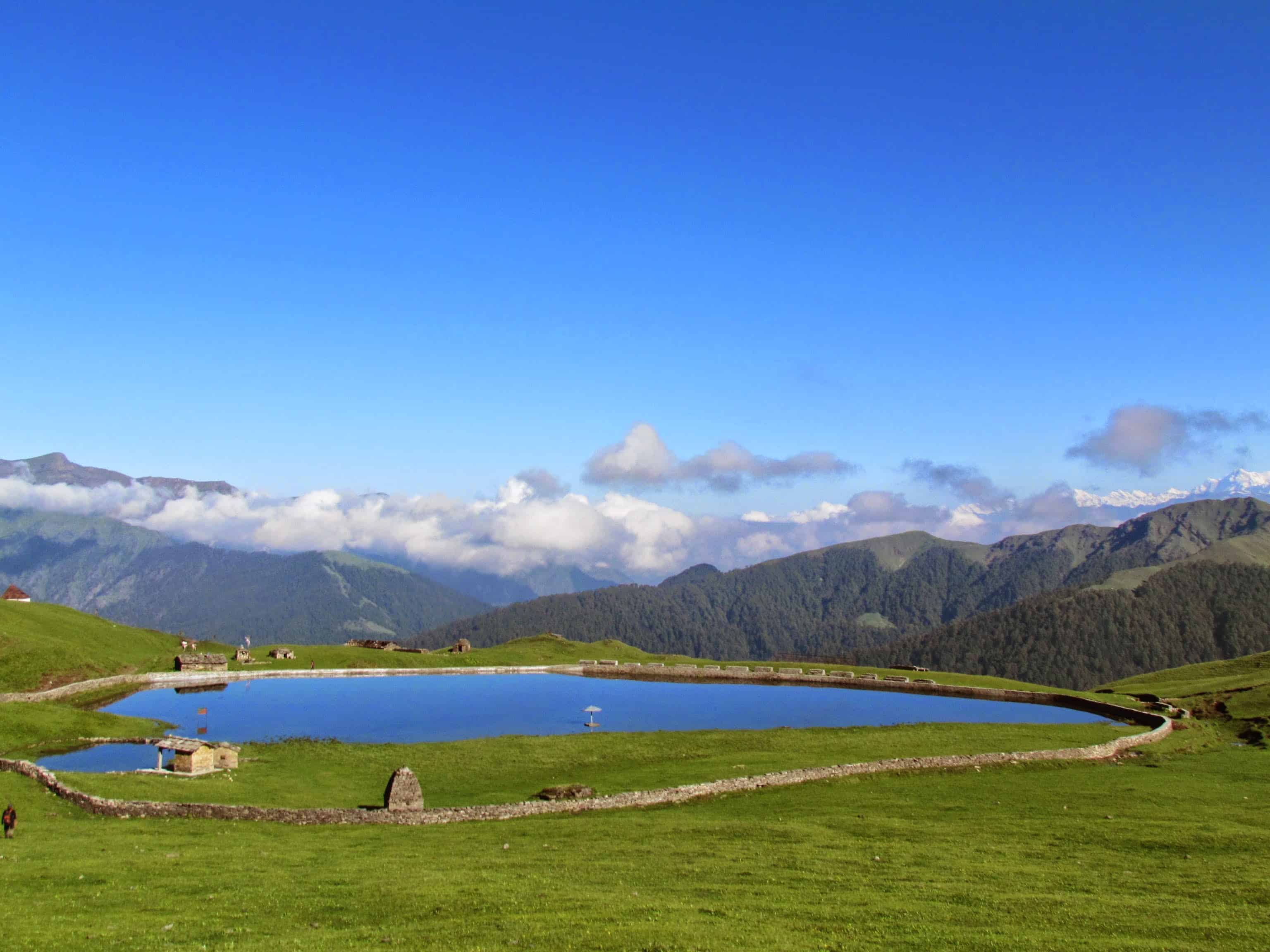
The word “Bugyal” in Garhwali means meadow or pasture land that exists above a certain altitude in the mountains. These are alpine meadows, vast stretches of green grass carpeted with seasonal wildflowers and medicinal plants, found above the tree line in the Garhwal Himalayas. They are ecosystems in themselves, supporting rare flora, medicinal herbs like Keera Jari (Yarsagumba), and wildlife including the Himalayan Musk Deer.
For trekkers, bugyals have always been the most convenient and scenic camping grounds. Flat terrain, stunning views, and easy access to water made them natural campsite choices on almost every popular trek in Uttarakhand. But that very popularity became their biggest threat.
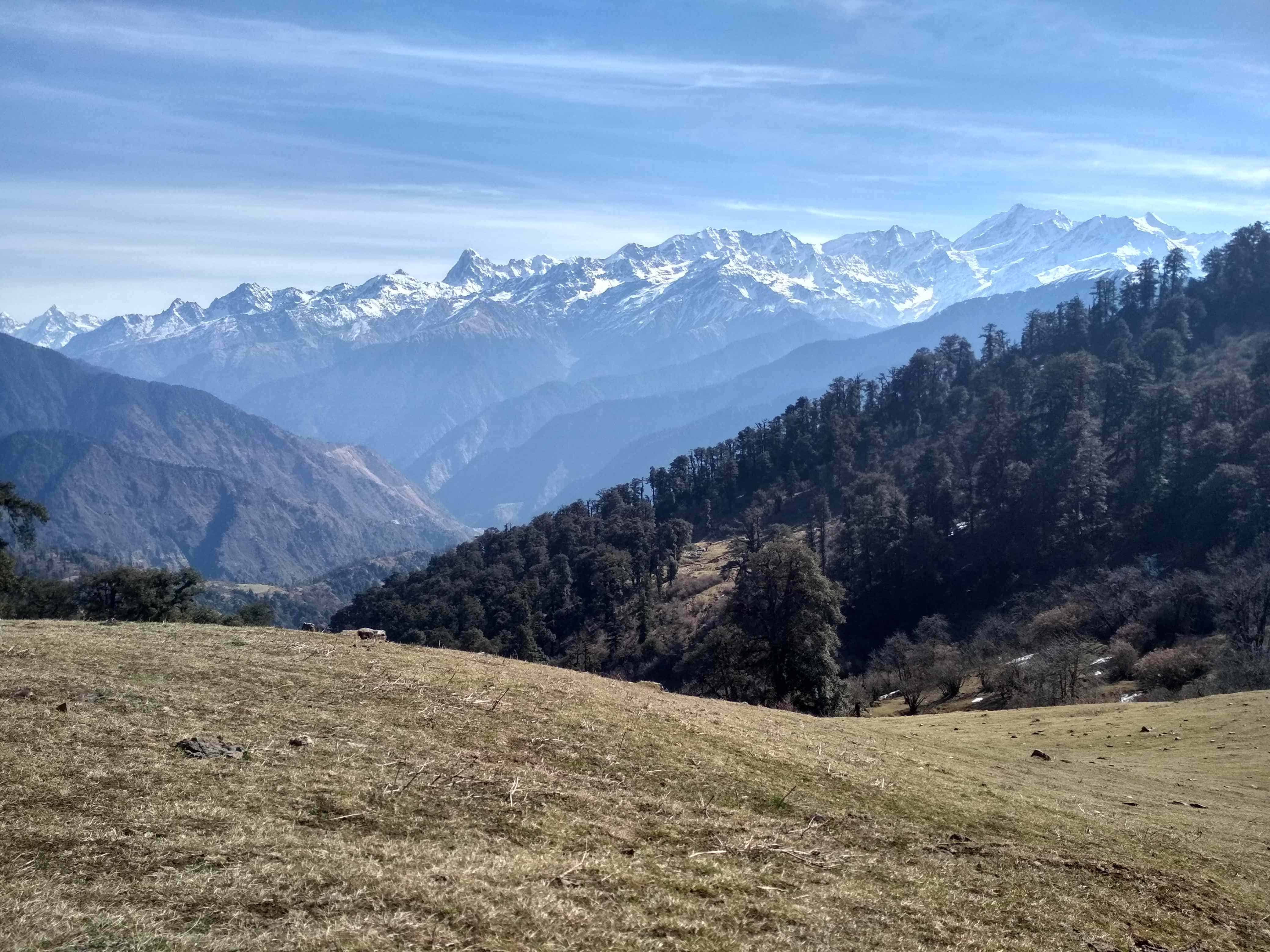
Which Bugyals Are Affected by This Ban?
The ban applies to all alpine meadows and sub-alpine meadows across the state of Uttarakhand. This is not limited to one or two locations. Here is a list of the most well-known bugyals that fall under this order.
- Bedni Bugyal and Ali Bugyal, on the Roopkund trek route in Chamoli district. These were the primary camping grounds for the Roopkund trek.
- Dayara Bugyal, in Uttarkashi district. One of the most popular weekend treks from Delhi.
- Gorson Bugyal, near Joshimath. Often combined with the Auli trip.
- Auli Bugyal, near Joshimath. The famous skiing destination receives hundreds of visitors in winter.
- Panwali Kantha Bugyal, accessible from Gattu near Guptkashi.
- Kushkalyani Bugyal, in Uttarkashi, on the way to Khatling Glacier and Masar Tal.
- Tungnath is also a bugyal.
- Other lesser-known bugyals: Rajrambha, Marjhali, Rajthor, Darmithor, Bishanthor, Galpari, Sankalpa, Yangchari, Shibu Gwar, and Erai Bugyal in Almora district.
Wikipedia has a comprehensive list of bugyals in Uttarakhand if you want to explore further.
What Led to the Bugyal Camping Ban in Uttarakhand?
The story goes back to 2004, when a Lohajung-based society called the Aali-Bedini-Bagzi Bugyal Sanrakshan Samiti filed a Writ Petition (Public Interest Litigation) in the Uttarakhand High Court. As you may know, Lohajung is the base camp for the Roopkund trek.
The Samiti sought to protect the alpine meadows situated below the area of Roopkund in Chamoli district. They argued that commercial trekking activity had caused soil erosion, pollution, and poaching of animals. They also wanted commercial grazing to be banned and overnight stays by tourists to be stopped.
The State Government, in its reply, admitted the extent of the bugyals falling under the Badrinath Forest Division. They confirmed that the tourist season for the Roopkund trek runs from May to October, that fiber huts had been constructed in Gairoli Patal, Bedini, Patar Nachaunia, Bagowabasa, and Aaul for tourist convenience, and that a permit fee of Rs 1,000 per horse/mule had been fixed.
The Samiti countered that the fiber huts had only made things worse. They pointed out that the forest department was also charging camping site fees, Rs 1,000 per night for stays exceeding six nights, Rs 300 per night for 4-6 nights, and Rs 200 per night for 1-3 nights. In other words, the bugyals had been commercialized rather than protected.
What Did the Uttarakhand High Court Order?
The final judgment was delivered on August 21, 2018, by Justice Rajiv Sharma, Chief Justice of Uttarakhand High Court. The Court considered extensive research material on Himalayan ecology, including works by Dr. Rajendra Dobhal, G.S. Rawat, Y.P.S. Pangtey, and others. The judgment is worth reading in full if you are interested in the ecological science behind it.


To quote Justice Rajiv Sharma’s words from the judgment:
“What emerges from the facts is that there are world-famous Bugyals/meadows in District Chamoli. The State Government has not taken effective steps to conserve and preserve them. Construction of Fibre Huts in Bugyals is causing irreparable damage to the environment and ecology. The meadows are god’s grass-lands. No camping activity should be permitted on these grasslands. The number of tourists visiting these Bugyals should also be restricted. The Bugyals are the eco-systems in themselves.“
The 12 Mandatory Directions from the Court
The Court then passed 12 mandatory directions. Here are the ones most relevant to trekkers and travelers.
- Remove all permanent structures from alpine meadows across Uttarakhand, including fiber huts in Aali-Bedini-Bagzi Bugyals, within three months.
- Constitute Eco-Development Committees within six weeks in eco-sensitive zones throughout the state.
- Restrict the number of tourists to not more than 200 per day visiting any bugyal.
- No construction of any permanent structure on bugyals by State undertakings or private entrepreneurs.
- Overnight stay in all alpine meadows/bugyals is banned.
- Commercial grazing of cattle on bugyals is banned. Only local shepherds can graze their cattle with reasonable restrictions on numbers.
- All District Magistrates must ensure removal of plastic bottles, cans, etc. from bugyals.
- No encroachment in bugyals, even in the name of religion.
- Conduct systematic survey of flora and prepare a comprehensive manual.
- Every forest division should maintain an herbarium of important medicinal and rare plants.
- Introduce rotational grazing and reduce livestock stay duration.
- Consider declaring high altitude valleys and bugyals as National Parks or Sanctuaries.
Thanks to LiveLaw.in for publishing the full order of the Uttarakhand HC.
How Does This Affect the Roopkund Trek?
This is the question most trekkers ask, so let me be direct. The Roopkund trek, as it was traditionally done, is effectively closed as of 2026. The classic itinerary depends on camping at Bedni Bugyal and Patar Nachaunia, both of which are alpine meadows. With overnight camping banned on these grounds, the standard 5-6 day itinerary via Lohajung cannot be completed in its original form.
Some trek operators have tried to work around this by setting up camps in forested areas off the meadows, but the logistical challenges are significant. The trail itself passes through the bugyals, and avoiding them entirely would require entirely different routes.
Keep in mind that some organizations still run the “Ali Bedni Bugyal Trek” which covers much of the same route and views without going all the way to Roopkund Lake. The trail passes through the bugyals during daytime but camps are set up in forested zones. If you want the Roopkund experience without the lake itself, this is your best bet in 2026.
How Does the Ban Affect Dayara Bugyal Trek?
Dayara Bugyal is in a slightly better position than Roopkund. The trek itself is shorter (about 6-7 km from Barsu village), and camps can be set up in the forest zone below the meadow. Trek operators have adapted by placing campsites off the bugyal itself.
As of 2026, the Dayara Bugyal trek operates with a permit system managed by the Uttarkashi Forest Division. Permits can be obtained online via the SWS (State Wildlife System) portal. The fee is approximately Rs 126 for Indian nationals and Rs 349 for foreign nationals. You will need your Aadhaar card, a medical certificate, and an affidavit on Rs 100 stamp paper. Apply at least 1-2 days before your planned trek date, as processing can be delayed.
Hence, while the camping ban does affect how Dayara Bugyal treks are organized, the trek itself is still operational. Just remember, you cannot camp on the bugyal. Your campsite will be in the tree-line zone below it.
What About Gorson Bugyal, Auli, and Other Treks?
The ban is state-wide, so every bugyal in Uttarakhand falls under this order. Here is how it impacts some popular destinations.
- Auli and Gorson Bugyal: Auli receives far more than 200 visitors daily during the skiing season. The 200-person daily cap, if strictly enforced, would be a major disruption. In practice, enforcement has been inconsistent, but you should check with local authorities before planning a winter trip.
- Panwali Kantha: This offbeat bugyal near Guptkashi has lower foot traffic, so the ban has less practical impact. But technically, overnight camping is prohibited here too.
- Tungnath and Chopta: The Tungnath-Chandrashila-Deoria Tal itinerary is less affected because most visitors stay in guesthouses and homestays in Chopta, Sari, or Ukhimath rather than camping on the meadow itself.
- Deoria Tal: Camping was already banned at Deoria Tal and Chopta by the District Administration before this High Court order. So this is not new for Deoria Tal visitors.
Has the Government Challenged This Order?
Yes. The Uttarakhand government announced in 2019 that it would file an appeal against this High Court order in the Supreme Court. The then Forest Minister stated that “enough ground has been prepared to challenge the high court order.” Hindustan Times covered this development in detail.
However, as of April 2026, there is no public record of a successful Supreme Court stay or reversal of this order. The High Court ban remains in effect. If you are planning a trek to any bugyal in Uttarakhand, treat this order as active and plan accordingly.
What Is Our View on the Bugyal Camping Ban?
I have mixed feelings about this, my friend, and I think many of you do too.
On one hand, the damage to bugyals was real. I have seen plastic waste, food cans, and trampled wildflower beds on popular treks. The commercialization of these fragile ecosystems, with fiber huts, paid camping fees, and no real conservation happening, was genuinely harmful. The Court’s concern about protecting these “god’s grass-lands” is valid.
On the other hand, a complete ban is harsh, both for the local communities who depend on trekking tourism and for responsible trekkers who leave no trace. Lohajung’s economy was built around the Roopkund trek. For porters, guides, mule owners, and guesthouse operators, this order wiped out their primary income source.
There surely could have been a middle ground between “free for all” and “complete ban.” Regulated permits with daily caps, mandatory waste management deposits, designated camping zones with seasonal rotation, professional monitoring by Eco-Development Committees. These are solutions used in national parks worldwide. A blanket ban, while easy to implement on paper, ignores the livelihoods of people in the mountains.
At Discover With Dheeraj, we have always promoted responsible travel to the Himalayas. Our community initiatives focus on carrying stationery for schools, medicines for dispensaries, and conducting cleanliness drives. We believe that responsible trekking and conservation can coexist, if the rules are designed to enable both.
What Are the Alternative Treks You Can Do Instead?
If your heart was set on Roopkund or a bugyal trek, here are some excellent alternatives that remain fully operational in 2026.
- Ali Bedni Bugyal Trek: Covers the same trail as Roopkund without going to the lake. You walk through the bugyals during daytime and camp in forested zones. Stunning mountain views of Nanda Ghunti and Trishul. Operates from Lohajung.
- Valley of Flowers: A UNESCO World Heritage Site in Chamoli district. No camping inside the valley (day trips only from Ghangaria). Open July to September. A completely different experience from bugyals but equally spectacular.
- Gaumukh Trek: The source of the Ganga at Gangotri Glacier. 18 km trek from Gangotri with camping at Bhojbasa (not a bugyal). Requires permit from Gangotri National Park. 150 trekkers per day cap. Guide and insurance mandatory since September 2024.
- Hampta Pass Trek: This one is in Himachal Pradesh, so the Uttarakhand bugyal ban does not apply. A 5-day trek from Jobra (near Manali) crossing the 14,100 ft Hampta Pass into Lahaul Valley. Open June to September.
- Easy Uttarakhand Treks: If you are a beginner looking for options, we have a detailed list of beginner-friendly treks in Uttarakhand that are not affected by the bugyal ban.
Practical Tips for Trekking in Uttarakhand in 2026
Keep these points in mind if you are planning any trek in Uttarakhand this year.
- Always check with the local forest office before finalizing your itinerary. Rules and enforcement vary by district and season.
- Get permits online through the SWS (State Wildlife System) portal for treks in forest areas. Carry Aadhaar, medical certificate, and the affidavit.
- Medical fitness certificates are now mandatory on tougher routes and for trekkers aged 50+ even on easier routes like Dayara.
- Insurance is increasingly asked for on all treks in the Uttarkashi region.
- Do not camp on any meadow or grassland, regardless of how remote it looks. The ban applies everywhere, and penalties exist.
- Hire local guides and porters. They know the terrain, know where off-meadow campsites exist, and your money supports the communities most affected by this ban.
- Carry your waste back. This should go without saying, but given that waste was one of the primary reasons for this ban, it is worth repeating. Pack out everything you bring in.
For trekking gear recommendations, check our complete trekking packing checklist which covers everything from shoes to first aid.
Frequently Asked Questions
Is the Roopkund trek completely banned in 2026?
The trek itself is not formally “banned,” but overnight camping in bugyals is prohibited by the Uttarakhand High Court order of August 2018. Since the classic Roopkund itinerary depends on camping at Bedni Bugyal and Patar Nachaunia, the trek is effectively not possible in its traditional form. Some operators run the Ali Bedni Bugyal Trek as an alternative.
Can I do a day trip to Dayara Bugyal?
Yes. You can visit Dayara Bugyal during daytime hours with a valid permit from the Uttarkashi Forest Division. The permit costs approximately Rs 126 for Indian nationals. You cannot camp on the meadow itself. Most trek operators now place camps in the forest zone below the bugyal.
Has the Supreme Court overturned the bugyal camping ban?
No. While the Uttarakhand government announced in 2019 that it would file an appeal in the Supreme Court, there is no public record of a successful stay or reversal as of April 2026. The High Court order remains active.
Which bugyals in Uttarakhand are affected?
All alpine meadows and sub-alpine meadows across the state of Uttarakhand fall under this ban. Major ones include Bedni, Ali, Dayara, Gorson, Auli, Panwali Kantha, and Kushkalyani bugyals. The order is not limited to specific bugyals.
Can I still go skiing in Auli?
Yes. Auli’s skiing infrastructure (GMVN facilities, ropeway, hotels) operates outside the bugyal camping restrictions. The ban targets overnight camping on meadows, not organized tourism in established facilities. However, the 200-person daily cap technically applies, though enforcement varies.
What are the best alternative treks to Roopkund?
The Ali Bedni Bugyal Trek covers the same trail with daytime meadow walking. Other options include the Valley of Flowers (July-September), Gaumukh Trek (permit required), the Brahmatal winter trek, and Kedarkantha Trek (winter). For options outside Uttarakhand, the Hampta Pass Trek in Himachal is excellent.

Do I need a permit for trekking in Uttarakhand?
Yes, most treks in Uttarakhand require a forest or national park permit. Apply online through the SWS (State Wildlife System) portal. You will need Aadhaar card, medical certificate (mandatory for age 50+, recommended for all), and in some cases an affidavit on Rs 100 stamp paper. Apply 1-2 days before your trek date.
If you have any questions about the bugyal camping ban, specific trek routes, or need help planning your Uttarakhand trip, feel free to drop a comment below or connect with us on the DwD Community forums. We are always happy to help, my friend. 🙂
Last Updated: April 2026

2 Comments
Comments section gets closed in 90 days. To ask your travel questions, you can follow my YouTube Channel for a faster reply or for a much slower reply follow me on Instagram. :)
Thanks Pankaj. I believe currently forest department is not giving permissions quoting the High Court Order since almost all treks pass through Bugyals where people camp – including technical ones like Bhagirathi peak expeditions etc.,, as reported in the times of India – link here: https://timesofindia.indiatimes.com/city/dehradun/ban-on-trekking-expeditions-by-forest-dept-has-adventure-tour-operators-reeling/articleshow/65598410.cms
Awesome write up Vinod with great insight.