


Kinnaur Valley stretches along the Sutlej River in Himachal Pradesh, from Shimla’s edge through Reckong Peo, Kalpa, Sangla, and Chitkul to the Tibetan border. NH-5 stays driveable most of the year, though monsoon landslides still hit; a slide shut the highway completely at Nigulsari on August 6, 2026, before reopening.
Kinnaur Valley in winters is a completely different world compared to the green, apple-laden version most travelers see in summer. The roads get icy, the villages go quiet, pipes freeze, and you might lose mobile signals for days. But if you are prepared for all of this, a winter trip to Kinnaur can be one of the most raw, beautiful experiences the Himalayas have to offer.
I have traveled to Kinnaur in both summer and winter, and trust me, the two experiences are nothing alike. This guide covers everything you need to know before planning a trip to Kinnaur Valley in winters, from road conditions and temperatures to accommodation, packing, and safety. Read this carefully, plan well, and you will have a trip worth remembering 🙂
Quick Facts for Winter Travel: Best base camp: Kalpa, since hotels there stay open year-round. Road status: NH-5 from Shimla to Reckong Peo stays open through most of winter, with short weather-related closures. Distance to Kalpa: about 580 km from Delhi, 235 km from Shimla. Permit: not required for Kalpa, Sangla, or Chitkul, only needed if you cross Jangi (35 km past Reckong Peo) toward Pooh or Nako. Ideal duration: 5-7 days, with 2-3 buffer days built in.
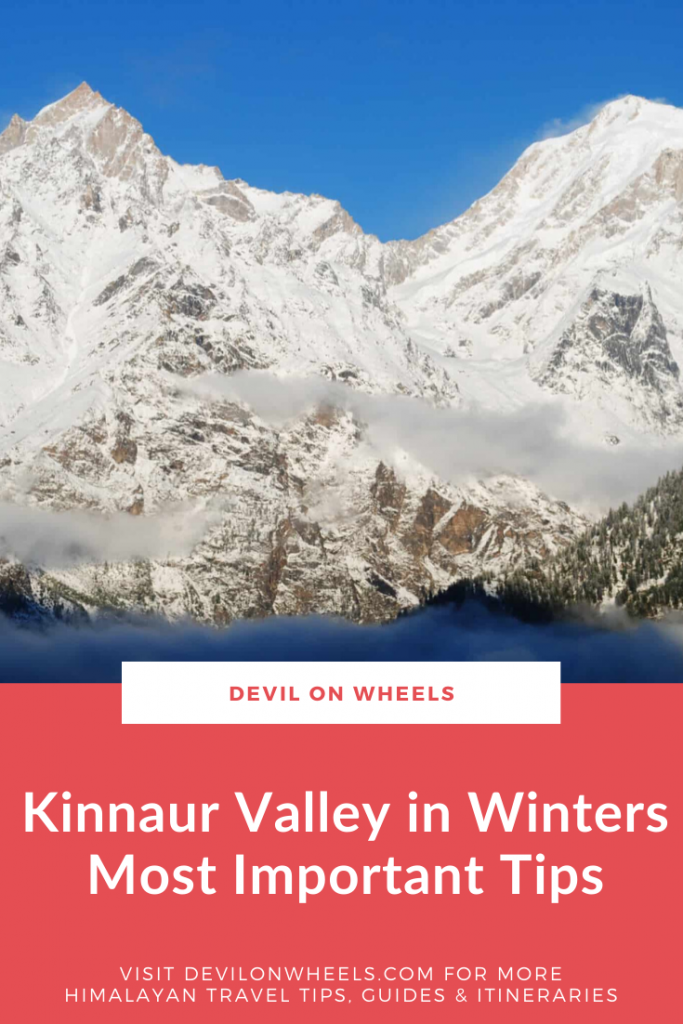
Let's quickly dive into the details:
Can You Travel to Kinnaur Valley in Winters?
Quick answer: Yes, you can travel to Kinnaur Valley in winters. The Hindustan-Tibet Highway (NH-5) from Shimla to Reckong Peo remains open throughout the year, with only temporary closures during heavy snowfall. That said, Kinnaur in winter is not a destination where you can show up without preparation. The temperatures, road conditions, and limited services demand proper planning.
Hence, this article will walk you through all the do’s and don’ts, what to expect, and how to prepare for a winter trip to Kinnaur. I have also written a separate Kinnaur winter itinerary that will help you plan your night stays and daily route in detail.
How Is Winter Different from Summer in Kinnaur?
In summers, you can follow the standard Kinnaur Valley itinerary and cover Kalpa, Sangla, Chitkul, Nako, and beyond without worrying much about road closures or basic amenities. Winter changes everything. You need to balance three things: the availability of basic amenities, the sub-zero temperatures, and the real possibility of getting stuck for days if heavy snowfall blocks the roads.
Frankly speaking, being stuck in a remote Himalayan village with no electricity, no running water, and no mobile signal sounds adventurous when you read about it from the comfort of your home. In reality, it can be stressful if you are not mentally and physically prepared. So, please go through this entire guide before making your decision.

Download your FREE high-resolution PDF copy of this infographic guide about important tips on traveling to Kinnaur in winters. If you found it helpful, please feel free to share it with your family and friends.
Are Roads Open to Kinnaur Valley in Winters?
Quick answer: Yes, roads to Kalpa and Reckong Peo stay open through winter with only short weather-related closures, while Sangla faces occasional 2-3 day closures and Chitkul shuts completely from mid-December to March.
The road to Kinnaur Valley stays open for most of the winter. The best time to visit Kinnaur is spring (March to April) or autumn (September to October), but a winter road trip is absolutely possible if you plan around potential closures.
Here is what you need to know about winter road access:
- Shimla to Reckong Peo: Open all year. BRO and PWD clear this stretch quickly after snowfall. The most vulnerable section is around Narkanda and Kufri where ice builds up on the road.
- Reckong Peo to Kalpa: Mostly open, but the 7 km climb from Powari can get icy. Closures are rare, usually lasting a day or two after heavy snowfall.
- Road to Sangla Valley: Open for most of winter, but can close for 2-3 days after heavy snowfall. The turn-off at Karcham and the 18 km stretch to Sangla gets snow-covered.
- Road to Chitkul: Closes by mid-December and reopens in March. The 28 km from Sangla to Chitkul gets buried under several feet of snow. Do not attempt this stretch in peak winter.
- Beyond Reckong Peo toward Nako: Accessible but increasingly difficult. Expect ice, snow, and limited services. The road through Moorang and Pooh toward Nako can be treacherous. You will also need an Inner Line Permit (ILP) once you cross Jangi, about 35 km past Reckong Peo. See the permit note below.
In case your winter plans include Nako or anywhere beyond Jangi, you will need an Inner Line Permit (ILP). Kalpa, Sangla, and Chitkul sit below the inner line and need no paperwork for Indian or foreign travelers. As per District Kinnaur’s official site (hpkinnaur.nic.in), the ILP for Indian nationals costs Rs 200 to Rs 250 per person and is issued at the e-Governance Centre in Reckong Peo. Carry a printout, your ID proof, and passport-size photos, and keep in mind that winter offices sometimes run shorter hours, so get there early.
Keep in mind that even when roads are technically open, conditions change rapidly. A clear morning can turn into a snowstorm by afternoon. Always check road conditions with local authorities or your hotel before starting each day’s drive.
How Do You Reach Kinnaur in Winter?
Most winter travelers start from Shimla. The drive from Shimla to Kalpa covers about 235 km via Narkanda, Rampur, and Reckong Peo, and takes 8-9 hours in good conditions, longer if there is fresh snow on the Narkanda stretch. If you are starting from Delhi, budget close to 580 km, which is too much for a single day in winter. Most travelers break the journey overnight at Narkanda, Rampur, or Sarahan instead of pushing straight through.
If you would rather not self-drive, HRTC buses run daily between Shimla and Reckong Peo (fares below), and shared taxis operate out of Shimla’s ISBT, though far fewer run in winter than in peak season. Flying into Shimla airport and driving on from there is technically an option, but Shimla’s flight schedule is unreliable in winter fog, so I would not build my entire itinerary around catching a flight.
What Temperature to Expect in Kinnaur Valley in Winters?
Winter temperatures in Kinnaur vary significantly based on altitude and the specific month. Here is a rough guide so you know what to pack for:
| Location | Altitude | Day Temperature | Night Temperature |
|---|---|---|---|
| Narkanda | 8,900 ft | 5°C to 10°C | -2°C to -5°C |
| Rampur | 3,200 ft | 10°C to 15°C | 2°C to 5°C |
| Reckong Peo | 7,513 ft | 5°C to 12°C | -3°C to -8°C |
| Kalpa | 9,711 ft | 2°C to 8°C | -5°C to -15°C |
| Sangla | 8,900 ft | 3°C to 10°C | -5°C to -10°C |
| Nako | 12,014 ft | 0°C to 5°C | -10°C to -20°C |
January and February are the coldest months. Higher villages like Nako and Chitkul (when accessible) can see temperatures drop to -20°C at night. Even Kalpa, which is the most popular winter base, regularly dips to -10°C to -15°C after sunset.
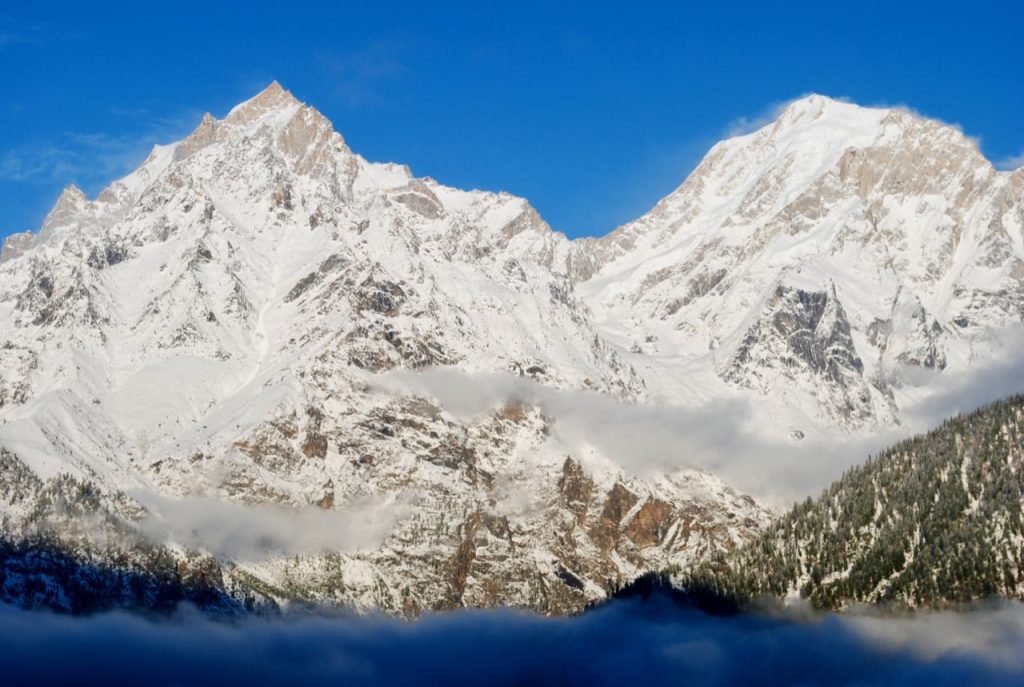
What to Expect on a Winter Trip to Kinnaur Valley?
Quick answer: Expect road closures lasting a few days, icy driving conditions, limited accommodation and food options, frozen water pipes, power and mobile network outages, and very few fellow tourists, balanced against some of the warmest local hospitality and quietest landscapes you will find in the Himalayas.


A winter trip to Kinnaur is nothing like a summer road trip. The valley transforms completely, and so do the challenges. Here are 12 things you should be fully prepared for before you start your journey.
1. Road Closures Can Last Days or Even a Week
This is the single most important thing to understand about winter travel in Kinnaur. Roads can close due to heavy snowfall, landslides triggered by snow melt, or ice buildup. Closures typically last 1-3 days, but in extreme weather, the highway can remain shut for a week. BRO, GREF, and PWD keep the main highway cleared up to Reckong Peo, but side roads to Kalpa and Sangla take longer.
Hence, go prepared with the mindset that you might get stuck for up to a week. Make sure you have nothing urgent to get back to at work. Carry enough cash, medicines, and warm clothes to last through an extended stay. ATMs in remote areas run on electricity, and when power goes out, so does your access to money.
Have you read the detailed Kinnaur Valley Travel Guide covering Kalpa, Sangla, and Chitkul? It will give you a complete picture of the region.

2. Driving on Ice and Snow Requires Experience
If you are driving or riding your own vehicle, be very careful of black ice and compacted snow on the roads. One hard brake on an icy patch can send you skidding toward the gorge or into the mountainside. You should have prior experience of winter driving, or seriously consider hiring a local driver who knows these roads.
The trickiest sections in winter are the climb from Powari to Kalpa, the Karcham to Sangla road, the stretch around Narkanda and Kufri on the Hindustan-Tibet Highway, and the narrow road beyond Reckong Peo toward Moorang. Mechanic shops close in winter across most of Kinnaur. Only Reckong Peo might have a working mechanic. If your vehicle breaks down in a remote section, getting help could take a very long time.
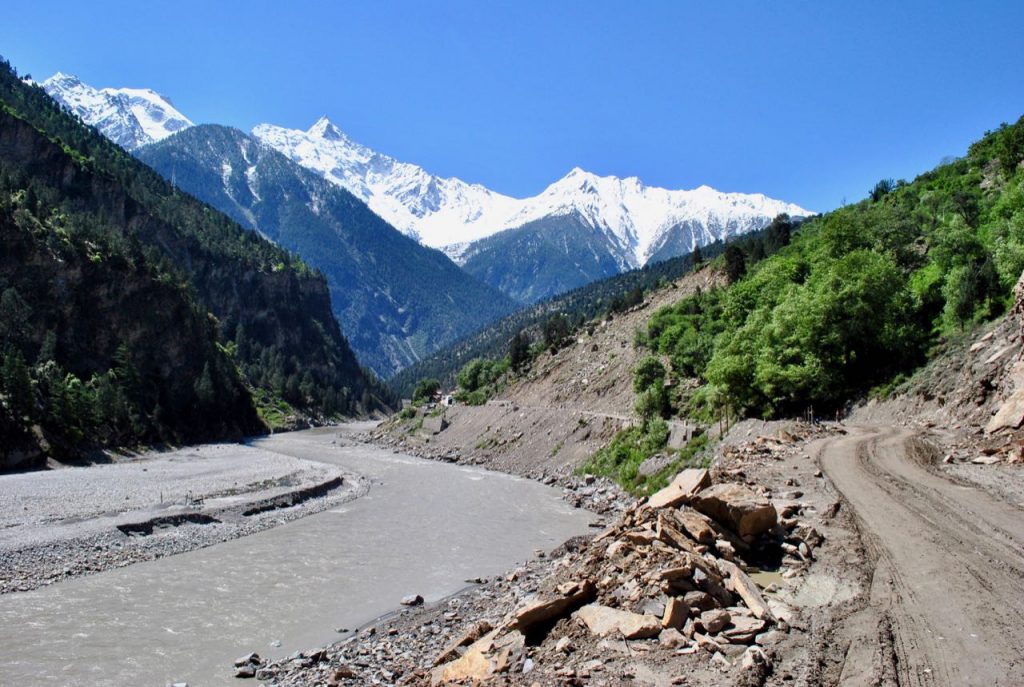
3. Chitkul Will Be Closed, and Sangla Valley May Close Too
The road to Chitkul closes by mid-December and reopens around March. During peak winter, the 28 km stretch from Sangla gets buried under several feet of snow. Do not attempt to trek to Chitkul in winter unless you are with experienced local guides. Sometimes, even the road to Sangla Valley closes for a few days after heavy snowfall.
Plan your trip around Kalpa and Reckong Peo as your primary destinations. If the Sangla road is open when you arrive, treat it as a bonus. Do not build your entire itinerary around reaching Sangla or Chitkul in the middle of winter.
4. Accommodation Will Be Basic, and Options Will Be Limited
Most hotels and guesthouses in Sangla Valley shut down for winter. Only a handful remain open, and they offer basic rooms with limited amenities. Kalpa is your best bet for winter accommodation as several hotels stay open year-round. You can find decent rooms in Kalpa for Rs 1,000 to Rs 3,000 per night, though do not expect the same level of comfort as summer stays.
Reckong Peo has budget guesthouses near the bus stand for Rs 400 to Rs 800 per night. As you move toward Nako and upper Kinnaur, expect bare minimum facilities. Check accommodation options in Kinnaur and call ahead to confirm winter availability before you leave.
If you are torn between basing yourself in Kalpa or Reckong Peo, I would recommend Kalpa without much hesitation. Yes, Reckong Peo has more services since it is the district headquarters, better ATMs, a government hospital, and more shops, but Kalpa gives you a direct view of the Kinner Kailash range, a much quieter village feel, and it is only a 20-25 minute drive from Reckong Peo whenever you need something. Most winter travelers use Kalpa as their base and drive down to Reckong Peo for errands rather than the other way around. If your hotel in Kalpa has a bukhari (wood stove) and offers hot water on request, you are set for the trip.
Food options also become limited. Hotel kitchens may offer only basic dal-rice and roti-sabzi. Carry dry snacks, instant noodles, chocolates, and energy bars as backup. In case you get stuck due to road closures, these supplies can be lifesavers.
5. Frozen Pipes Mean No Running Water in Many Places
Water pipes freeze at high altitudes in Kinnaur during winter. Many guesthouses and hotels will not have running water in toilets or washrooms. You may need to use dry pit toilets (traditional style) in some villages, especially in Sangla Valley and the upper reaches of Kinnaur.
For washing up, you will likely rely on bucket water. You can ask your hotel to boil water for you. Use it quickly before it cools down. If you are someone who needs a daily shower, winter in Kinnaur is going to test your comfort zone. Keep your expectations realistic and carry wet wipes and hand sanitizer as alternatives.
Interesting Fact: Did you know there is a difference between Hindustan-Tibet Highway and NH-22? Read the article at Hindustan-Tibet Road: An Introduction
6. Temperatures Will Test Your Gear and Your Willpower
As soon as you cross Narkanda and enter the Kinnaur region, the cold hits differently. At higher villages like Kalpa, Sangla, and Nako, the cold is bone-chilling, especially after sunset. Your fingers and toes will go numb within minutes if you step outside without proper gear.
Good quality thermals (both upper and lower), a heavy windproof jacket, insulated shoes, woolen socks, gloves, a muffler, and a warm cap are absolutely essential. Do not compromise on footwear. Your regular sneakers will not work on icy roads. You need insulated, anti-skid shoes or snow boots.
For a complete winter packing reference, read Tips for Carrying Clothes for a Spiti Valley Trip. The advice applies to Kinnaur as well since the conditions are similar.
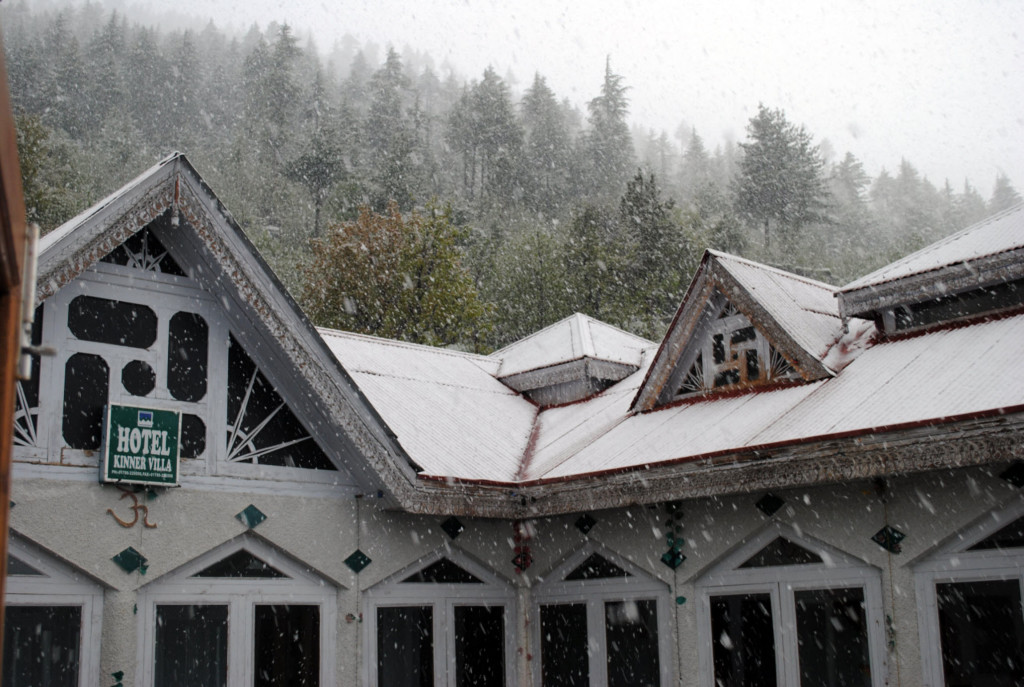
7. Very Few Tourists and Limited Public Transport
Winter is the off-season in Kinnaur, so do not expect many fellow tourists around. This means fewer options for sharing vehicles or finding travel companions. If you are on a budget and rely on shared taxis, finding one may be difficult.
HRTC buses continue to run between Shimla and Reckong Peo daily (fare approximately Rs 430 to Rs 650 depending on bus type, 8-10 hours). However, if a section of the road is unsafe, buses will stop at the last safe point. Passengers walk across the dangerous stretch on foot and board a bus coming from the other side. This bus-exchange system is common in winters and something you should be mentally prepared for.
Local buses within Kinnaur (Reckong Peo to Kalpa, Karcham to Sangla) may not run on schedule or at all during heavy snowfall. Keep 2-3 buffer days in your itinerary to account for delays.
Pro Tip: If you are doing a self-drive to Kinnaur in winters, make sure to read 40 Must-Have Things to Carry on a Self-Drive Trip to the Himalayas
8. Power Outages Can Last Days
Heavy snowfall often brings down electric poles or buries them under snow. Power outages lasting 2-3 days are common in remote parts of Kinnaur during winter. In extreme cases, electricity can be gone for a week or more.
Carry enough spare batteries and a power bank (fully charged before you enter the valley). Keep batteries and your phone inside your jacket or under your blanket at night. Batteries drain much faster in extreme cold, and keeping them warm is the key to making them last. ATMs depend on electricity too, so carry enough cash for your entire trip. Rs 5,000 to Rs 8,000 in cash is a safe amount for a 5-7 day trip.
9. Mobile Signals May Disappear for Days
Mobile towers run on electricity, and when power goes out in winter, so do your mobile signals. You can lose connectivity for days at a stretch. BSNL postpaid has the widest coverage in Kinnaur and is your best bet. Jio and Airtel work in Reckong Peo and Kalpa town but can be unreliable in winter conditions.

Hence, inform your family before entering the valley that you might be unreachable for a few days. When you do get a signal, send a quick WhatsApp message rather than trying to call, as data messages go through more reliably on weak signals. Look for WiFi at banks or hotels running generators. Keep in mind, there is a reason these roads are called some of the toughest in the world.
10. Medical Help Will Be Very Limited
Do not expect reliable medical facilities during winter in Kinnaur. The government hospital in Reckong Peo is the only significant medical facility, and even that may struggle during heavy snowfall. In genuine emergencies, helicopter evacuation is sometimes possible, but weather conditions often prevent flying.
Carry all necessary medicines including basic painkillers, cold and flu medication, any prescription medicines, band-aids, and antiseptic cream. Pack enough to last at least two weeks. If you have an ongoing health condition that needs regular medical attention, a winter trip to Kinnaur is not recommended.
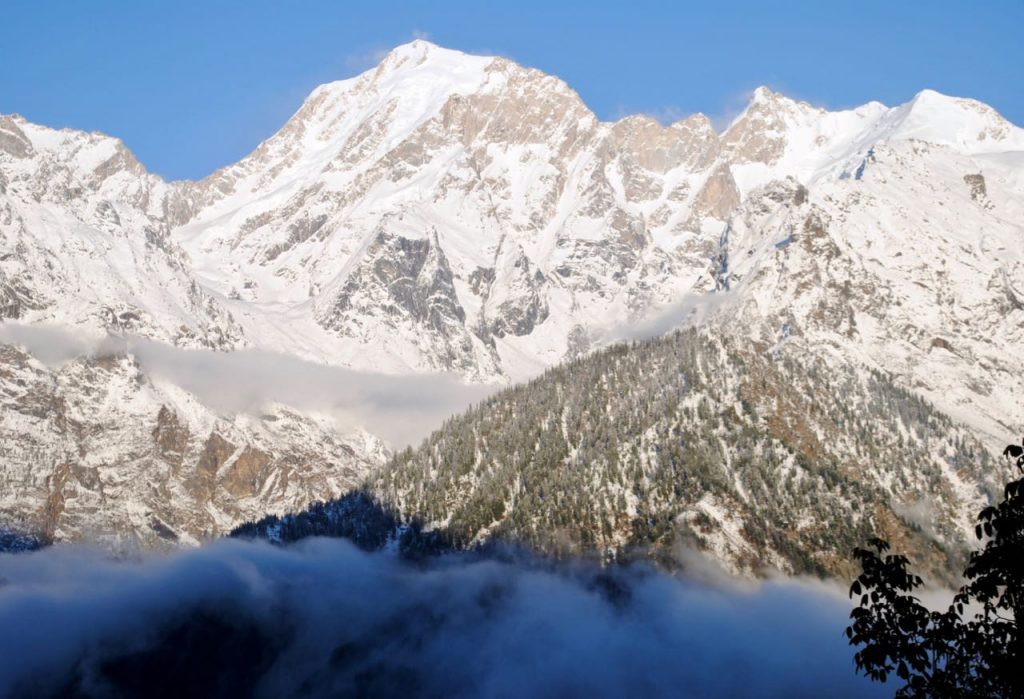
11. The Locals Are Just as Warm and Welcoming as in Summer
This is the best part of a winter trip to Kinnaur. The locals will greet you with the same warmth and hospitality regardless of the season. In fact, since there are so few visitors in winter, many families are genuinely happy to see travelers and will go out of their way to make you comfortable.
You will get to experience real village life in the Himalayas. Sitting around a wood fire (bukhari) in a local home, eating home-cooked Kinnauri food, and listening to stories about how they survive months of snow every year. It puts things in perspective. Your complaints about slow WiFi back in the city will seem a bit silly after spending a few days with these resilient mountain communities.
If you are up for an even tougher winter challenge, read How to Plan a Trip to Spiti Valley in Winters. Spiti’s winter conditions are significantly harsher than Kinnaur’s.
12. The Frozen Beauty Will Stay With You Forever
Despite all the challenges, a winter trip to Kinnaur rewards you with something summer trips cannot match. Snow-covered apple orchards, frozen waterfalls, the Kinner Kailash range draped in white, empty roads with no tourist crowds, and the absolute silence of a Himalayan winter. It is hauntingly beautiful, and I am sure a part of you will remain in Kinnaur long after you return home 🙂
What Should You Pack for a Winter Trip to Kinnaur?
Quick answer: Thermals, a windproof down jacket, insulated snow-ready shoes, woolen layers, a power bank, sufficient cash, and two weeks of medicines are the non-negotiables for a Kinnaur winter trip.
Packing for a Kinnaur winter trip is different from your regular Himalayan trip. Here is a checklist of essentials that you should not travel without:
- Thermals: Good quality upper and lower thermals. Wear them as your base layer under all clothing.
- Windproof jacket: A heavy, insulated, windproof jacket is non-negotiable. Down jackets work best.
- Warm shoes: Insulated, waterproof shoes with anti-skid soles. Regular sneakers will not work on ice.
- Woolen accessories: Multiple pairs of woolen socks, gloves (carry two pairs), a muffler, and a warm cap or balaclava.
- Hot water flask: Carry a steel thermos. You can fill it with hot water at your hotel before heading out.
- Power bank: At least 20,000 mAh capacity. Keep it warm inside your jacket.
- Spare batteries: For your camera and flashlight. Cold kills battery life fast.
- Cash: Rs 5,000 to Rs 8,000 minimum. ATMs may not work for days.
- Medicines: Two weeks’ supply of all essential and prescription medicines.
- Dry snacks: Biscuits, energy bars, chocolates, dry fruits, instant noodles.
- Wet wipes and sanitizer: Running water will be scarce, so these become essential for hygiene.
- Torch/headlamp: Power cuts are frequent. A reliable light source is critical.
- BSNL SIM card: Postpaid BSNL offers the widest coverage in Kinnaur’s remote areas.
How Much Does a Winter Trip to Kinnaur Cost?
Quick answer: Budget travelers can manage Rs 900 to Rs 1,600 per person per day, and mid-range travelers Rs 2,500 to Rs 4,800 per person per day, excluding the Shimla-Reckong Peo bus or taxi fare and the ILP if you head beyond Jangi.
A winter trip to Kinnaur is actually cheaper than a summer trip because accommodation rates drop and there are fewer tourists. Here is a rough budget breakdown per person per day:
| Expense | Budget (Per Day) | Mid-Range (Per Day) |
|---|---|---|
| Accommodation | Rs 400-800 | Rs 1,500-3,000 |
| Food | Rs 300-500 | Rs 500-800 |
| Local transport | Rs 200-300 | Rs 500-1,000 (taxi) |
For HRTC buses from Shimla to Reckong Peo, expect to pay Rs 430 to Rs 650 depending on the bus type (ordinary vs. Himmani Deluxe). The journey takes 8-10 hours. For a detailed cost breakdown, refer to the Kinnaur Valley trip cost guide.
What Is the Best Winter Itinerary for Kinnaur Valley?
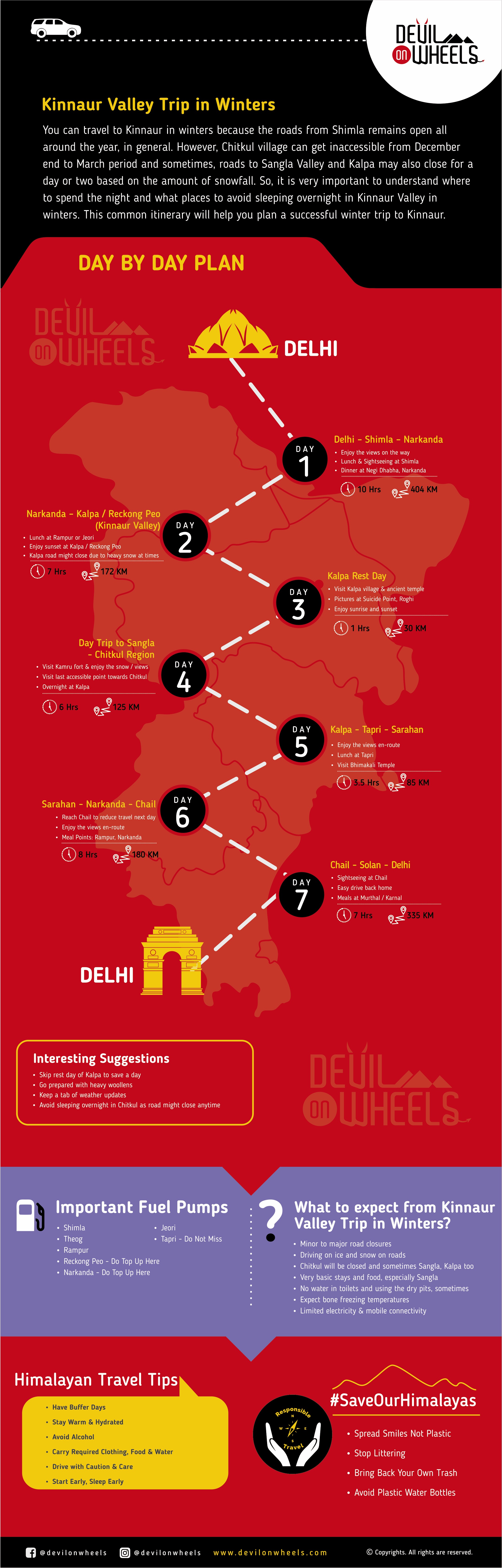
For a winter trip, I recommend a 5-7 day itinerary with Kalpa as your primary base. Here is a suggested plan:
- Day 1: Delhi/Chandigarh to Shimla or Narkanda (overnight stay)
- Day 2: Shimla/Narkanda to Sarahan (visit Bhimakali Temple)
- Day 3: Sarahan to Kalpa via Reckong Peo (settle in, explore Kalpa village)
- Day 4: Kalpa sightseeing. Visit Roghi Village if road is open. Enjoy Kinner Kailash views.
- Day 5: Day trip to Sangla Valley if road is open (return to Kalpa by evening)
- Day 6: Kalpa to Shimla/Narkanda (return journey)
- Day 7: Buffer day for road closures or delays
The buffer day is critical. Do not plan a tight itinerary for a winter Kinnaur trip. If you have extra days and conditions permit, you can extend toward Reckong Peo’s local markets or even attempt the road to Nako, though that requires serious winter driving experience.
Download your FREE high-resolution PDF copy of the Kinnaur Valley winter itinerary. If you found it helpful, please feel free to share it with your family and friends.
Safety Tips for a Winter Trip to Kinnaur Valley
Quick answer: The biggest risks in winter are icy roads after dark, sudden snowstorms, and getting stranded without cash, medicines, or warm gear. Build in buffer days, fill your tank at Tapri, and never push through a closed stretch just to save time.
Winter travel in the Himalayas comes with real risks. Here are some safety guidelines that you should follow strictly:
- Never drive after dark. Roads are icy, there are no streetlights, and a wrong turn can be fatal.
- Carry snow chains for your vehicle if driving. They can be the difference between getting through and getting stuck.
- Do not trek alone to snow-covered villages. Always travel with a local guide or at least another person.
- Inform your family about your itinerary and expected dates of no contact. They should know you may be unreachable for days.
- Keep your fuel tank full. Fill up at Tapri (the last reliable petrol pump before deeper Kinnaur) and top up whenever you get a chance. There is also a fuel station at Reckong Peo.
- Carry a physical map. Google Maps needs data, and your phone may die in the cold. A paper map of the region is a smart backup.
- Stay hydrated. In cold, dry mountain air, dehydration happens faster than you think. Carry your own water bottle and refill it regularly. This also helps reduce plastic waste in the mountains.
Frequently Asked Questions
Is it safe to travel to Kinnaur in December or January?
Yes, it is safe if you are well-prepared. The main highway stays open for most of winter. However, December and January see the heaviest snowfall, so keep buffer days in your plan and carry enough supplies. Avoid venturing to Chitkul or upper Kinnaur during peak winter. Stick to Kalpa and Reckong Peo as your primary stops.
Can I reach Chitkul in winter?
No, the road to Chitkul closes by mid-December and reopens around March. The 28 km stretch from Sangla to Chitkul gets buried under several feet of snow. Do not attempt to trek there in winter without experienced local guides.
Which is the best month for snowfall in Kinnaur?
January and February see the heaviest snowfall across Kinnaur Valley. December also brings snow, especially at higher altitudes like Kalpa (9,711 ft) and Nako (12,014 ft). If your goal is to experience fresh snowfall, plan for late December or January, but be prepared for the challenges that come with it.
Do HRTC buses run to Kinnaur in winter?
Yes, HRTC operates daily buses between Shimla and Reckong Peo throughout winter. The fare ranges from Rs 430 (ordinary) to Rs 650 (Himmani Deluxe), and the journey takes 8-10 hours. However, buses may stop if a section of road is unsafe due to snow or ice. The passenger exchange system (walking across the dangerous section and boarding a bus from the other side) is common in winter.
What kind of vehicle is best for a winter Kinnaur road trip?
A high-ground-clearance vehicle with 4WD capability is ideal. SUVs like Mahindra Thar, Toyota Fortuner, or even a Maruti Suzuki Jimny work well. If driving a sedan or hatchback, you must carry snow chains and have experience driving on icy roads. Two-wheelers are strongly not recommended for winter travel in Kinnaur due to ice and snow on the roads.
Is there snowfall in Kalpa in November?
Light snowfall is possible in Kalpa from late November onward, though heavy snow usually begins in December. November is actually a good time for a Kinnaur trip as you get winter vibes without the extreme conditions. Roads are mostly clear, most hotels are still open, and you might catch the first dusting of snow on the Kinner Kailash range.
How many days are enough for a winter Kinnaur trip?
Plan for 5-7 days minimum, including 2-3 buffer days for potential road closures. A tight 3-4 day plan is risky in winter because even a single day of snowfall can block roads and throw your schedule off. With 7 days, you have enough time to comfortably cover Sarahan, Kalpa, and possibly Sangla Valley while keeping buffer days for delays.
Do you need a permit to visit Kinnaur in winter?
No permit is required for Kalpa, Reckong Peo, Sangla, or Chitkul. These all sit below the Inner Line and are open to both Indian and foreign travelers without paperwork beyond a valid ID. You only need an Inner Line Permit (ILP) once you cross Jangi, about 35 km past Reckong Peo, heading toward Pooh or Nako. As per District Kinnaur’s official site (hpkinnaur.nic.in), the fee for Indian nationals is Rs 200 to Rs 250 per person at the Reckong Peo e-Governance Centre. If you are only touring Kalpa, Sangla, and Chitkul this winter, you can skip the permit process entirely.
Which is a better winter base, Kalpa or Reckong Peo?
I would recommend Kalpa over Reckong Peo for a winter stay. Reckong Peo has more services since it is the district headquarters, but Kalpa gives you direct views of the Kinner Kailash range, a quieter village feel, and hotels that stay open year-round. It is only a 20-25 minute drive down to Reckong Peo whenever you need an ATM, hospital, or extra supplies.
Last Updated: September 2026
Final Thoughts
A winter trip to Kinnaur Valley is not for everyone, and that is exactly what makes it special. If you are someone who enjoys raw, unfiltered Himalayan experiences over comfortable tourist circuits, this trip will reward you in ways a summer visit cannot. The frozen landscapes, the warm local hospitality, and the quiet solitude of a snowbound valley create memories that last a lifetime.
Just make sure you plan well, pack right, and go with realistic expectations. Read the companion article on Kinnaur winter itinerary for a detailed day-by-day plan that will help you organize your night stays and route.
If you have questions about planning your winter Kinnaur trip, feel free to ask in the comments below or join the DwD Community where fellow travelers are always happy to help with real-time advice. Safe travels, my friend 🙂

4 Comments
Comments section gets closed in 90 days. To ask your travel questions, you can follow my YouTube Channel for a faster reply or for a much slower reply follow me on Instagram. :)
Hi Dheeraj,
Thanks a lot for the prompt reply..all your articles are awesome and knowledgeable.
I am not going to Ladhakh just the 360 degree tour from Delhi – Shimla- Kaza- Manali-Delhi.
Friday 18-delhi to Shimla night
Sat 19_ shimla to kinnaur(stay)
Sun 20 – kinnaur to nako/tabo(stay at tabo)
Mon 21- spiti/kaza
Tue 22- hiking komik langza
Wed 23 – kaza monestary and all local stuff
Thurs 24- kaza to chandratal(stay)
Friday 25 – chandratal to kasol(stay)
Saturday26 – kasol to Delhi 9pm ..Sunday morning will reach Delhi
Monday morning 28-delhi to mumbai
Let me know if there is any issue with above plan with EON and also Chandratal will be frozen in May or we can go to Manali from KAza or not.
Thanks in Advance,
Neha
Hey Neha,
Your plan is OK, 23 it will be Ki, Kibber. 21, you can cover Dhangkar and Tabo. Like I said, EON will surely face challenges and struggle on the route from Manali to Kaza as well as Kaza – Chandratal. Rest of the places as well you have to be careful
Chandratal will be frozen or not?
Also, roads are open from kaza to Manali?
Roads from Kaza to Manali have been opened now. Chandratal will not be frozen.