


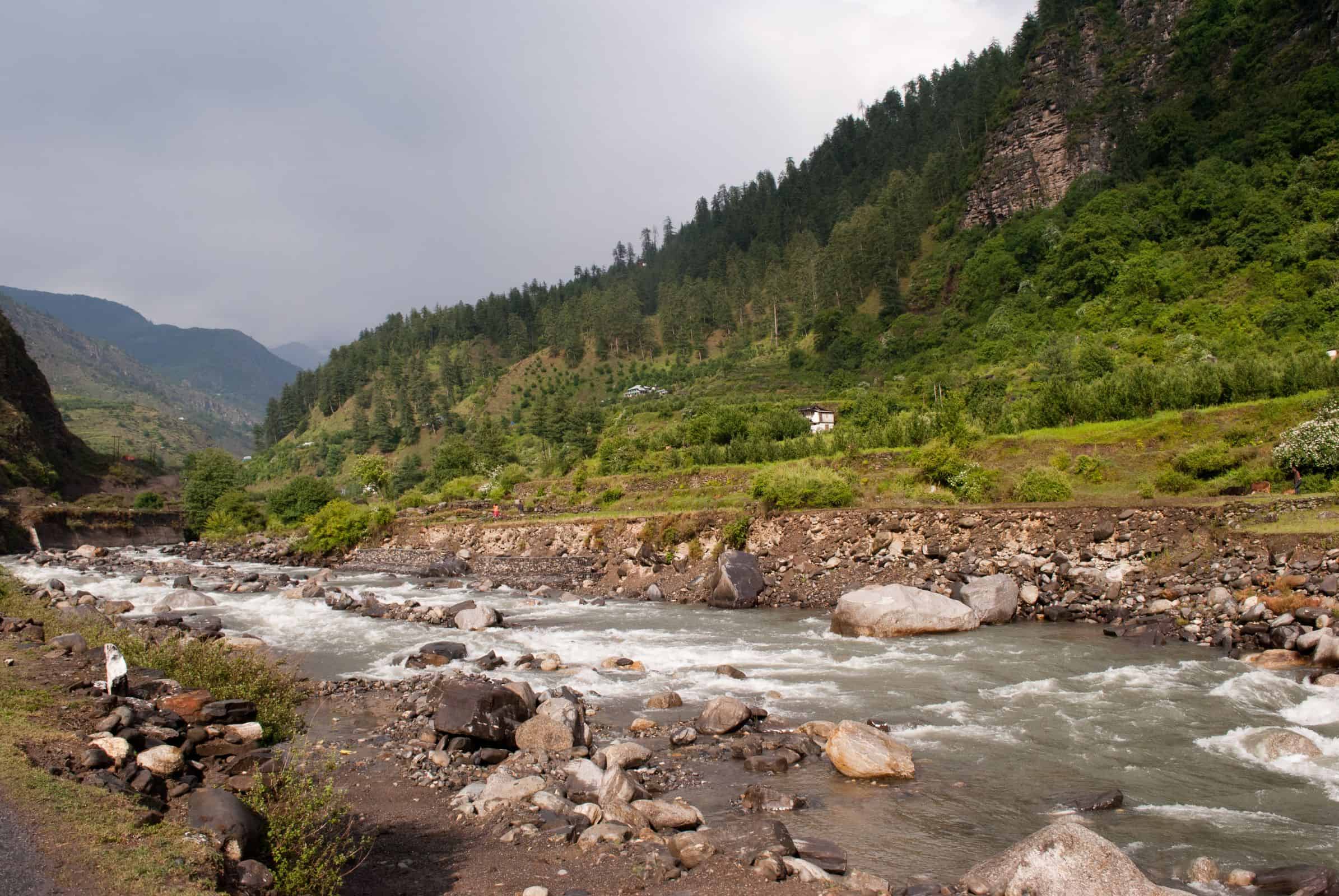
Pabbar Valley is one of those places in Himachal Pradesh that most travelers have never heard of. Located just 100 km from Shimla in the Shimla district, this valley carved by the Pabbar River offers dense deodar forests, crystal-clear streams, apple orchards, and some of the finest treks in the western Himalayas. If you are looking for an offbeat destination that feels untouched yet is easy to reach, Pabbar Valley should be on your list.
I have been to Pabbar Valley and the surrounding areas multiple times. Each visit has reinforced my belief that this region deserves far more attention than it gets. In this guide, I will share everything you need to plan your trip to Pabbar Valley in 2026, covering how to reach, where to stay, what to do, the best treks, and practical tips that will save you time and money.
Let's quickly dive into the details:
What Makes Pabbar Valley Special?
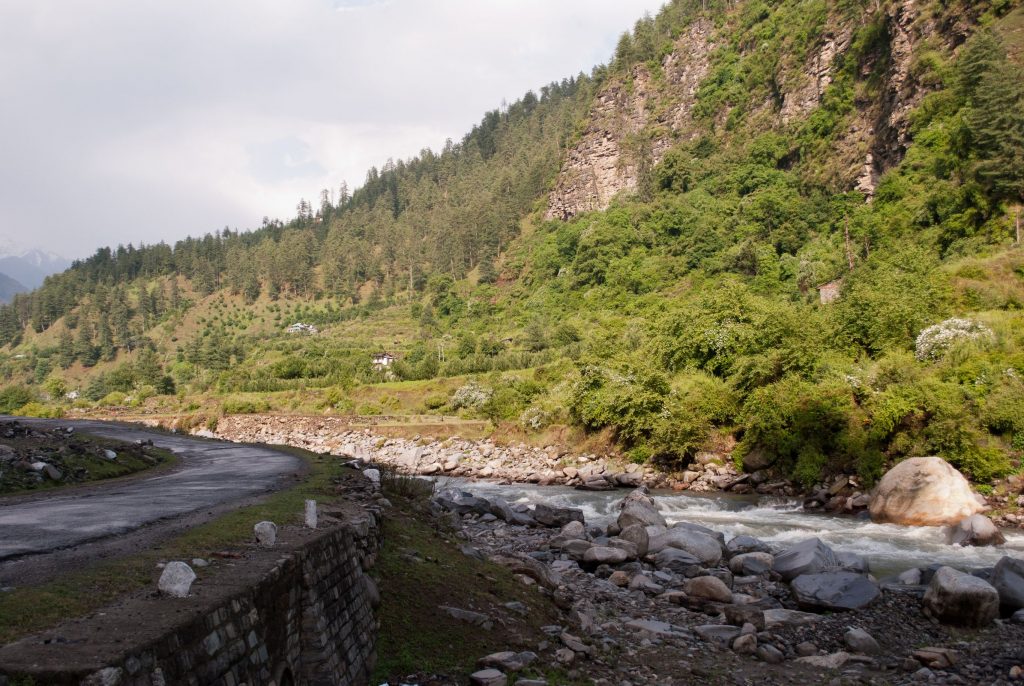
Pabbar Valley stretches along the Pabbar River, which originates from the Chandan Nahan Glacier high in the Chanshal Range. The river flows south through Rohru, Chirgaon, Hatkoti, and Jubbal before joining River Tons, which eventually drains into the Yamuna. The valley sits between the Shimla hills and the Kinnaur border, giving it a unique landscape that transitions from pine forests at lower elevations to alpine meadows and snow-covered peaks above 4,000 metres.
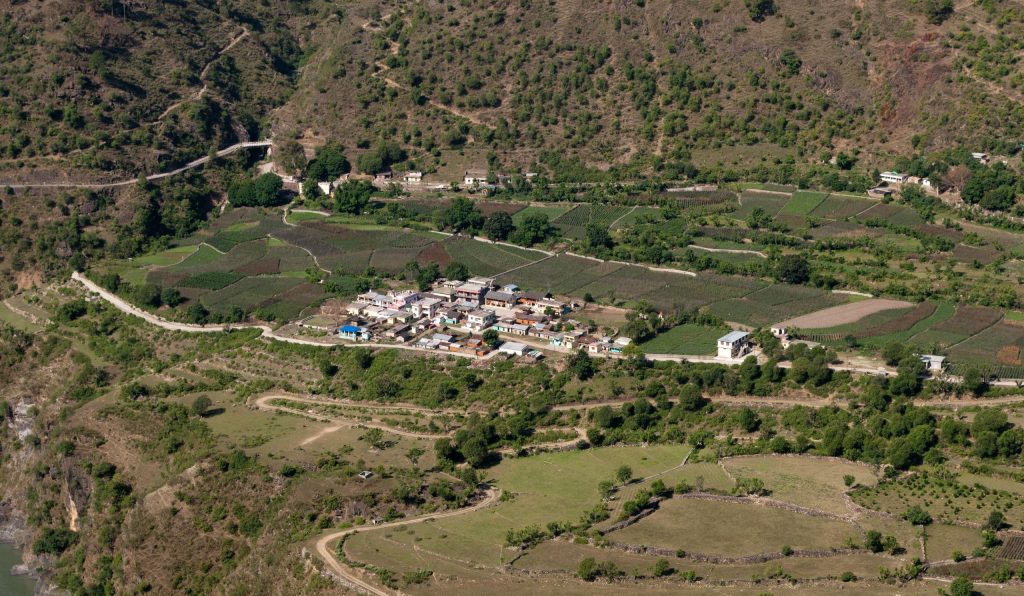
What sets Pabbar Valley apart from more popular destinations like Manali or Kasol is the complete absence of commercial tourism. You will not find party hostels or crowded cafes here. Instead, you get quiet villages, local Himachali hospitality, and trails that see more shepherds than tourists. The region covers gems like Kufri, Fagu, Theog, Kotkhai, Khara Patthar, Jubbal, Hatkoti, Rohru, Chirgaon, Chanshal Pass, and Dodra Kwar. Each of these places offers mountain views, ancient temples, apple orchards, dense forests, and rivers that are genuinely worth your time.
How to Reach Pabbar Valley from Shimla and Delhi?
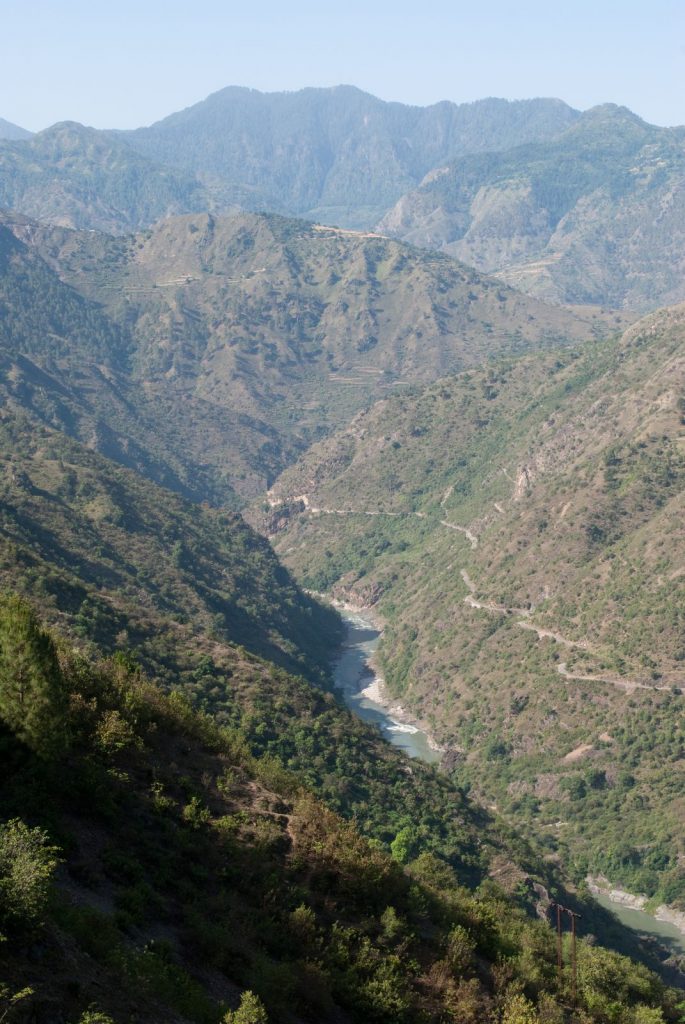
Reaching Pabbar Valley is straightforward. The main gateway town is Rohru, about 115 km from Shimla, and the valley is well-connected by road. Here is how you can get there.
By Road from Shimla
From Shimla, take the road towards Theog (32 km). Instead of turning towards Narkanda, continue straight towards Kotkhai and Jubbal. From Jubbal, the road follows the Pabbar River to Hatkoti and then Rohru. The total drive from Shimla to Rohru takes about 3 to 4 hours depending on road conditions. The route is scenic, passing through apple orchards and deodar forests the entire way.
By Bus (HRTC)
HRTC runs multiple daily buses from Shimla to Rohru. The fare is approximately Rs 150-200 for an ordinary bus, and the journey takes around 4-5 hours. From Delhi, there is a direct overnight HRTC bus to Rohru as well. If you miss it, you can take any Delhi-Shimla bus and change at Shimla for a Rohru-bound service. Buses from Shimla ISBT to Rohru depart throughout the day.
By Air
The nearest airport is Shimla (Jubbarhatti), about 100 km away. However, Shimla airport has limited connectivity. The better option is to fly into Chandigarh Airport, which is approximately 220 km from Rohru. From Chandigarh, you can take a bus or hire a taxi via Shimla.
By Rail
The nearest major railhead is Kalka, about 190 km from Rohru. You can take the Shatabdi Express from Delhi to Kalka and then continue by road. A taxi from Kalka to Rohru costs around Rs 3,000-4,000 one way. Alternatively, you can take the narrow-gauge toy train from Kalka to Shimla and then a bus to Rohru from there.
When Is the Best Time to Visit Pabbar Valley?
The best time to visit Pabbar Valley is between March and June. During these months, temperatures range from 18 to 24 degrees Celsius, the skies stay clear, and the entire valley is lush and green. This is also the best period for trout fishing in the Pabbar River and for trekking to higher-altitude lakes and passes.
September to November is another excellent window. The monsoon recedes by mid-September, and the apple orchards in Rohru and Kotkhai are loaded with fruit. The autumn colours across the valley are spectacular. I have put together a full Chopal and Rohru apple country guide if you want a deeper dive into the orchards and harvest season timing.
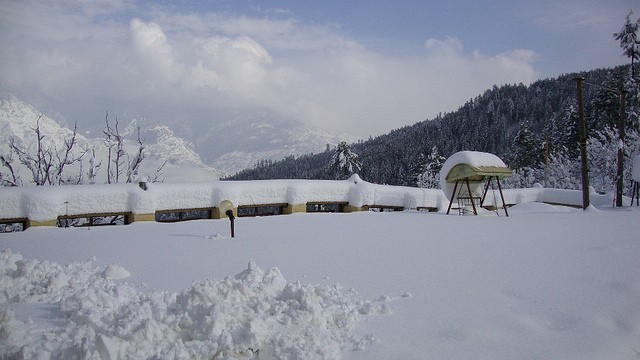
Avoid July and August if possible. The monsoon brings heavy rainfall, landslides, and road closures. The terrain around Pabbar Valley is particularly landslide-prone during this period. December to February brings snowfall, especially at higher elevations. Chanshal Pass remains closed in winter. However, Rohru and the lower valley can be visited for a quiet winter escape if you do not mind the cold.
What Are the Must-Visit Places in Pabbar Valley?
Pabbar Valley is more than just a single destination. It is an entire region with multiple attractions spread across the valley. Here are the highlights you should not miss.
Hatkoti Temple (Hateshwari Mata)
The Hatkoti Temple, dedicated to Goddess Hateshwari (a form of Durga as Mahishasuramardini), is one of the most revered Shakti Peethas in Himachal Pradesh. The temple complex sits on the right bank of the Pabbar River, about 102 km from Shimla. The stone shikhara-style architecture dates back to the 9th century, and the complex has several smaller temples scattered over a 5 sq km area. The annual Hatkoti Mela during Chaitra Navratri (March-April) is a major local festival. There is no entry fee.


Jubbal Palace
Located about 90 km from Shimla at an altitude of 7,000 feet, the Jubbal Palace was designed by a French architect in 1930. It blends Chinese, Indian, and European architectural styles. The palace is spread over 4 acres and surrounded by pine and deodar forests. It served as the seat of the Jubbal princely state. Parts of the palace have been converted into a heritage stay.
Pabbar River
The Pabbar River rises at the Chandan Nahan Glacier in the Chanshal Range above 4,260 metres, flows south through Rohru and Chirgaon, and joins the Tons River near Tiuni before draining into the Yamuna. Rohru’s HP Fisheries office issues a Rs 300 per rod, per day trout permit (01978-224068), valid March-October 2026.

The Pabbar River itself is one of the main attractions of the valley. The crystal-clear waters originate from the Chandan Nahan Glacier and flow through the entire length of the valley. The river is excellent for trout and Golden Mahseer fishing. Rohru, in particular, has been a popular fishing destination since the colonial era. If you are into angling, this is genuinely one of the best spots in Himachal Pradesh.
Chirgaon and Chanshal Pass
From Rohru, the road continues to Chirgaon and then climbs steeply to Chanshal Pass at approximately 4,520 metres. This is one of the highest motorable passes in Himachal Pradesh. The pass is open from May to October, and the drive offers dramatic views of snow-capped peaks and grassy meadows. Start early from Rohru because weather changes fast at this altitude. Carry warm layers even in summer.
What Are the Best Treks in Pabbar Valley?
Pabbar Valley is a trekker’s paradise. The region offers trails ranging from easy day hikes to multi-day high-altitude expeditions. Most treks use Rohru as the base. Here are the top routes.
Chandernahan Lake Trek
This is the most popular trek in Pabbar Valley. Chandernahan Lake sits at an elevation of 4,260 metres and remains frozen for about 8 months a year. The trek starts from Janglik village (the last motorable point) and covers approximately 20-24 km over 3-4 days. The trail passes through dense pine, oak, and rhododendron forests, with camping spots at Dayara Thatch (around 11,000 feet) and Litham Thatch. The lake is considered sacred by the locals. The difficulty level is moderate to hard, and the best season is mid-May to mid-October. A local guide is strongly recommended.
Rohru to Buran Ghati Pass
The Buran Ghati trek takes you through lush meadows, serene alpine lakes, and dense forests to reach the pass at 4,578 metres. The trail from Rohru passes through small villages and far-reaching meadows before climbing to the pass, which is a common route used by shepherds heading to Kinnaur. From the top, the views of both the Pabbar and Sangla valleys are stunning. This is a moderate-to-difficult trek best done between June and September with an experienced guide.
Gadsari Village to Saru Lake
This lesser-known trek leads to Saru Lake at 11,865 feet. While you can see the lake after a day-long trek from the motorable road bend at Chanshal Pass, the route through Gadsari village is far more satisfying. At 24 km from Rohru, the trail takes you through dense foliage, over multiple streams, and offers panoramic views of the Bandarpoonch range. The lake itself is pristine and peaceful. A 2-day trek is ideal.
Kharapathar to Giri Ganga
This is a perfect day trek. The 8 km trail starts near the Himachal Tourism Hotel in Kharapathar and gradually ascends through meadows, vegetable fields, and pine forests. You get clear views of the Chander-Nahan mountain range along the way. The trail ends at the Giri Ganga Temple. You can complete the trek in a day and return to Rohru for the night.
Rupin Pass Trek
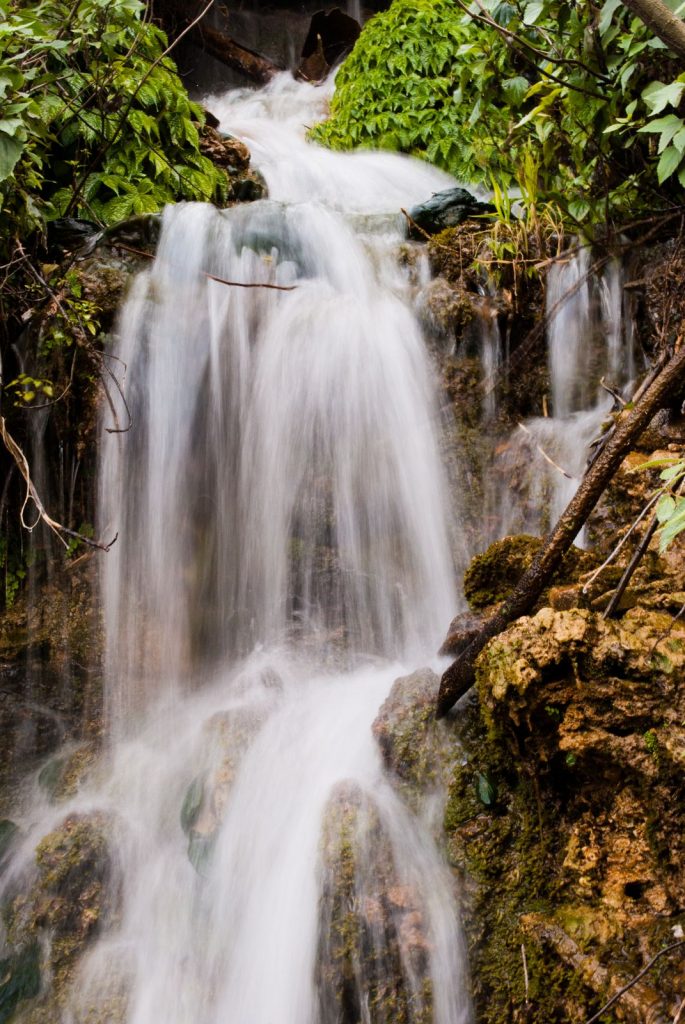
The Rupin Pass trek starts from Dhaula and takes you through sky-high cliffs, thick forests, quaint villages, and snow fields. The Rupin River keeps you company throughout. The highlight is a multi-level waterfall that you encounter along the trail. The final ascent to Rupin Pass at 4,619 metres is steep and involves crossing snowy and rocky terrain. This is a challenging 7-8 day trek best attempted between May and October with proper gear and a guide.
Where to Stay in Pabbar Valley?
Rohru is the main base for accommodation in Pabbar Valley. Here is what you can expect.
Budget hotels in Rohru: Basic rooms are available for Rs 800-1,500 per night. These are simple but clean, and most offer hot water. Do not expect luxury.
Homestays: The best way to experience the valley. Local homestays in Rohru, Chirgaon, and surrounding villages cost Rs 500-1,200 per night, often including meals. The Himachali home-cooked food is a highlight.
HPTDC and PWD rest houses: There are government rest houses in Rohru and Chirgaon. These are affordable (Rs 500-1,000/night) but need advance booking through the HPTDC website.
Camping: For trekkers, camping is always an option. The meadows along the Pabbar River and at higher elevations like Dayara Thatch offer excellent camping spots. Carry your own gear or arrange through a local trekking operator in Rohru.
How Much Does a Trip to Pabbar Valley Cost?
Pabbar Valley is a budget-friendly destination compared to most Himachal hotspots. Here is a rough breakdown for 2026.
Transport: HRTC bus from Shimla to Rohru costs Rs 150-200 one way. If driving, fuel for a return trip from Shimla is approximately Rs 1,000-1,500. A private taxi from Shimla to Rohru costs Rs 2,500-3,500 one way.

Accommodation: Budget hotels Rs 800-1,500/night. Homestays Rs 500-1,200/night. Camping is free if you carry your own gear.
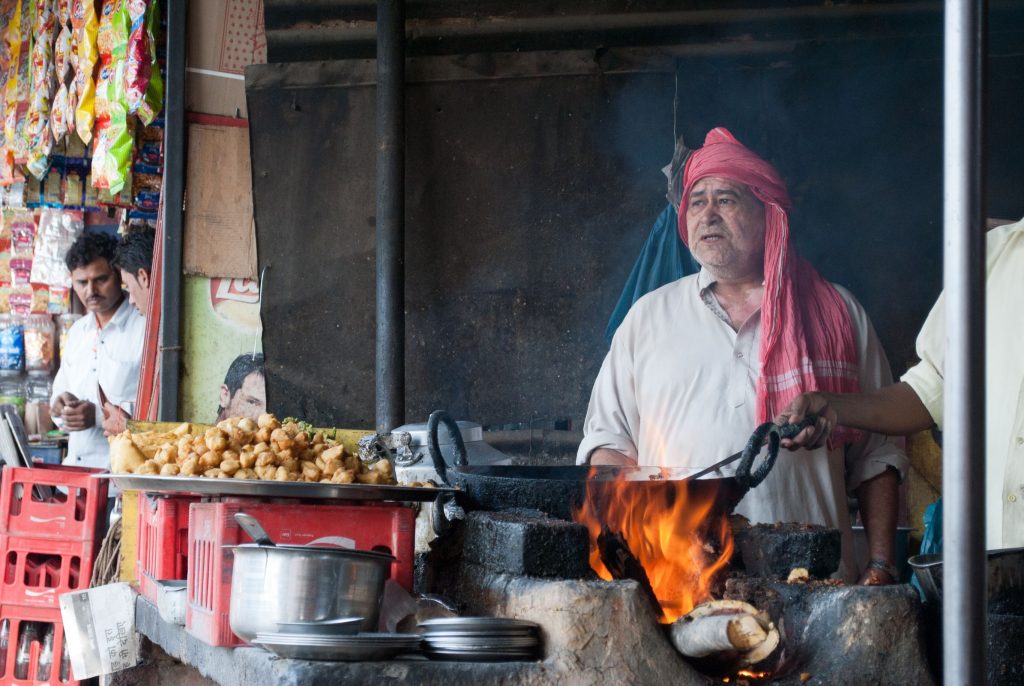
Food: Meals at local dhabas cost Rs 100-200 per meal. Homestay meals (included) bring this down further.
Trek costs: If hiring a local guide for Chandernahan Lake or Buran Ghati, expect Rs 1,000-1,500 per day for the guide. Organised trek packages (including food, camping, guide) run Rs 4,000-8,000 per person for 3-4 days.
For a 3-day trip from Shimla by bus, staying in budget accommodation and eating at dhabas, you can manage comfortably within Rs 3,000-5,000 per person.
What Should You Keep in Mind Before Visiting?
Here are some practical tips that will help you plan better.
- Carry warm clothes and trekking shoes. Even in summer, evenings in the valley get cold. For treks to Chandernahan or Chanshal Pass, proper layers are essential.
- Carry sufficient water and snacks. Once you leave Rohru for any trek, there are no shops. Keep refilling your bottles at streams along the way.
- ATM and mobile connectivity. Rohru has ATMs and decent mobile connectivity (BSNL and Jio work here). However, once you head towards Chirgaon or on any trek, network disappears. Inform your family about your plans before heading out.
- Fuel. There is a petrol pump in Rohru. Fill up here if you are driving further towards Chanshal Pass, as there are no fuel stations beyond this point.
- Road conditions during monsoon. The roads between Shimla and Rohru are generally good, but the stretch beyond Rohru towards Chanshal Pass can be in rough condition, especially after rains. Check locally before attempting the drive to Chanshal.
- No permit required. There is no special permit needed to visit Pabbar Valley or Chanshal Pass for Indian nationals.
A Suggested 3-Day Itinerary for Pabbar Valley
If you have 3 days, here is a practical itinerary that covers the highlights of Pabbar Valley.
Day 1: Shimla to Rohru (115 km, 3-4 hours). Start early from Shimla. Stop at Hatkoti Temple en route. Reach Rohru by afternoon. Explore the town, walk along the Pabbar River, and settle into your accommodation.
Day 2: Rohru to Chanshal Pass and back. Leave early for Chanshal Pass via Chirgaon. The drive takes about 3 hours one way. Spend time at the top, take in the views, and return to Rohru by evening. Alternatively, use this day for the Kharapathar to Giri Ganga day trek.
Day 3: Rohru to Shimla. Head back to Shimla at a relaxed pace. Stop at Jubbal Palace if you missed it on the way up. You can also detour to Kotkhai, famous for its apple orchards, especially if visiting between September and November.
If you have more time (5-7 days), consider adding the Chandernahan Lake trek (3-4 days from Janglik) or extending your trip through Chanshal Pass towards Dodra Kwar, one of the most offbeat villages in Himachal Pradesh.
Please Travel Responsibly
It is my humble request to anyone reading this, please do not litter in the hills. Even if you are visiting touristy places, and especially in far-flung, isolated villages, please ensure you clean up after yourself. Carry a water bottle with you and keep refilling it. If you have to buy filtered water, please dispose of the bottle properly. There are no cleanup crews coming after you to pick up your trash.
I love the hills, as I am sure you do too. Let us do our part in ensuring that when we return next time, the place is still the same. Anyone who travels through the hills is a part of a very special community. It is our duty to ensure the hills remain clean for everyone. Please travel responsibly in the Himalayas.
Frequently Asked Questions
Is Pabbar Valley safe for solo travelers?
Yes, Pabbar Valley is safe for solo travelers. The locals are friendly and helpful. Rohru is a well-connected town with hotels, ATMs, and mobile connectivity. However, if you are trekking alone to remote areas like Chandernahan Lake, hiring a local guide is strongly recommended for safety.
Do I need a permit to visit Chanshal Pass?
No, Indian nationals do not need any permit to visit Pabbar Valley or Chanshal Pass. There are no restricted areas in this region for domestic travelers.
Can I visit Pabbar Valley in winter?
You can visit Rohru and the lower parts of Pabbar Valley in winter (December to February). However, Chanshal Pass and higher-altitude areas will be closed due to heavy snowfall. Expect temperatures to drop below zero at night in Rohru during winter months.
Is Pabbar Valley good for families with children?
The lower Pabbar Valley around Rohru, Hatkoti, and Jubbal is perfectly suitable for families. The roads are good, accommodation is comfortable, and the sightseeing is gentle. However, treks to Chandernahan Lake or drives to Chanshal Pass are better suited for older children and adventure-ready families.
What is the best base for exploring Pabbar Valley?
Rohru is the best base for exploring Pabbar Valley. It has hotels, ATMs, a petrol pump, mobile connectivity, and HRTC bus services. Most treks in the region start from or near Rohru.
How many days are enough for Pabbar Valley?
A minimum of 3 days is recommended for sightseeing and a day trip to Chanshal Pass. If you plan to do the Chandernahan Lake trek, add 3-4 more days. A week gives you enough time to explore the entire valley thoroughly.
Is there mobile network in Pabbar Valley?
Rohru has decent mobile connectivity with BSNL and Jio networks. Once you head beyond Chirgaon towards Chanshal Pass or on any trek into the higher reaches, mobile network is unavailable. Plan accordingly.
I hope this guide helps you plan your trip to Pabbar Valley. In case you have more questions, feel free to drop a comment below and I would be happy to help. If you have already been to Pabbar Valley, do share your experience with the DwD Community. Your stories might just help a fellow traveler plan their trip better. 🙂
Last Updated: April 2026
