


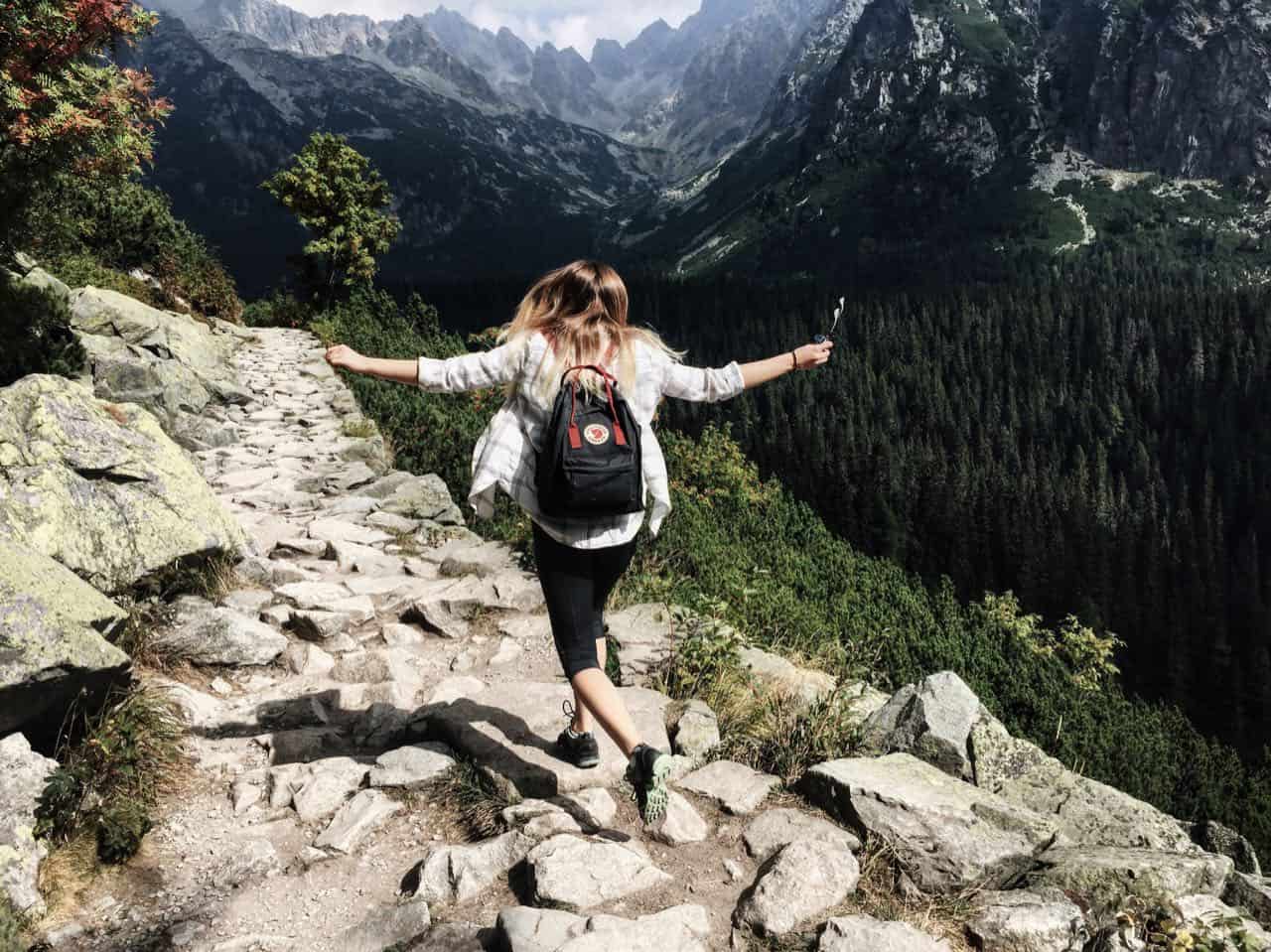
Planning your first solo trip as a woman? Whether you are heading to the Himalayas, the beaches of Goa, or exploring a new city on your own, this guide covers the most important tips for solo female travel in India in 2026. From safety advice and packing essentials to choosing the right destination and handling tricky situations, everything you need is right here.
Last Updated: March 2026
Let's quickly dive into the details:
Why Should Women Travel Solo?
Solo travel is one of the most transformative experiences you can gift yourself. As women, we are often the caretakers, the planners, the ones holding everything together for everyone else. A solo trip is your chance to be completely, unapologetically selfish with your time. And trust me, that feeling is addictive in the best way possible 🙂
Traveling with friends and family is wonderful. When you need to revisit a memory, someone else understands the exact moment and the emotions it carries. That is a special bond. However, traveling alone will make you uncomfortable in ways that build real confidence. You will rely on your own quick thinking, become far more aware of your surroundings, and discover parts of yourself that daily routines keep buried. You will be your own boss, make plans only for yourself, and move at your own pace.
Statistics from travel industry reports consistently show that solo female travel has grown faster than any other travel segment globally, and India is no exception. More Indian women are hitting the road alone than ever before, and the infrastructure to support them, from female-only dorms in hostels to reliable cab apps, has improved significantly.
What Are the Pros and Cons of Solo Female Travel?
The sense of achievement is real. You are the only one pumping yourself up, safeguarding your documents, managing your budget, and navigating unfamiliar places. Eating alone at a restaurant can feel like a small triumph in itself. You do not need to convince anyone about that random offbeat village you want to explore or accommodate someone else’s itinerary. You are calling the shots.
Want to curl up beside the hotel pool and read a book? No one to stop you. Craving some local street food that might gross other people out? Dig in and enjoy. Feeling a burst of energy and want to explore random alleyways of a small town? By all means, you are the master of your time. The freedom to be spontaneous is one of solo travel’s greatest gifts.
On the flip side, there are moments of loneliness, especially during meals or when you see something beautiful and wish someone were there to share it. Safety requires more vigilance. Logistics are entirely on you. But these “cons” are exactly what make you stronger. The confidence you gain in yourself and the trust in your own abilities will stay with you long after the trip ends.
To awaken quite alone in a strange town is one of the pleasantest sensations in the world
Freya Stark
What Are the Most Important Safety Tips for Solo Female Travelers?
Safety is the number one concern for women traveling solo, and rightly so. The good news is that with the right preparation, solo travel in India is very doable and rewarding. Here are the essential tips I have gathered from my own travels and conversations with dozens of solo female travelers in the DwD community.
1. How Do I Choose the Right Destination?
Your choice of destination sets the tone for the entire trip. For your first solo trip, pick a place that has a strong backpacker culture and a steady flow of other travelers. In India, places like Kasol in Parvati Valley, Dharamshala and McLeod Ganj, Rishikesh, and Manali are excellent choices for solo women. These destinations have hostels with female-only dorms, cafes where you can meet other travelers, and well-established tourist infrastructure.
Research your destination thoroughly before booking. Read recent traveler reviews (not just the polished marketing ones), check the connectivity situation (mobile network, ATM availability), and understand the local culture. Keep in mind that your safety must always be your top priority, but also be realistic in your assessment. Most places in India are far safer than social media makes them seem.
2. What Should I Pack for a Solo Trip?
Pack light. Seriously. When you are traveling alone, every kilogram matters because you are the only one carrying your bags. I know we are infamous for overpacking. I, for one, used to pack a pair of heels on every vacation “just in case”, and not once did I ever wear them. Know your travel style and pack only what you will actually use.
Here is a quick essentials checklist for solo female travelers:


- Documents: ID proof (Aadhaar + one more), printed hotel bookings, travel insurance papers, 2 passport-size photos
- Health kit: Sanitary pads/tampons, basic medicines (paracetamol, ORS, Digene, band-aids), sunscreen SPF 50+, hand sanitizer
- Safety items: Pepper spray, a sturdy door stopper (for hotel rooms without proper locks), power bank, torch
- Money: Carry enough cash and spread it across different bags. Keep a separate emergency stash. UPI works almost everywhere in India now, but do not rely on it in remote mountain areas
- Clothing: Comfortable walking shoes (skip the heels), layers for hill stations, modest clothing for conservative areas, a good rain jacket
- Snacks: Glucose packets, energy bars, mint candies, and a reusable water bottle. If you are heading on treks in the Himalayas, having snacks is non-negotiable since food options can be scarce
3. How Do I Keep Stress Under Control?
Things will not go your way entirely, and that is perfectly okay. Have the core of your journey planned: book your transport tickets to and from your destination, arrange your first night’s accommodation, and have a rough list of things you want to do. Keep some buffer in your schedule. Trying to cram too much into every day is a recipe for burnout.
One practical tip that works really well: share your live location with a trusted friend or family member throughout your trip. Apps like WhatsApp allow continuous location sharing for up to 8 hours at a time. This gives both you and your family peace of mind without anyone needing to call every few hours.
4. Why Is Travel Insurance Important?
Travel insurance is easily the most skipped item on any checklist, but I am a strong advocate for it. Whether you are traveling internationally or within India, get a decent plan. For domestic trips, a basic policy covering medical emergencies and trip cancellation costs Rs 300-500 for a week. For international travel, comprehensive plans start around Rs 1,000-2,000 for a week. This small expense can save you lakhs if something goes wrong.
5. Should I Disclose My Accommodation Details?
No. Your hotel or hostel is your safe space. Even if you meet friendly people at a cafe or during a tour, keep your exact accommodation details vague. If someone asks where you are staying, give a general area instead of the exact hotel name. Make plans to meet new acquaintances in public spaces. This is not paranoia, it is just smart travel practice that experienced solo travelers follow regardless of gender.
6. How Important Is It to Take a Break from Technology?
Documenting your trip is great, but try to limit social media during the actual travel. Women tend to lead busy, multitasking lives, and when that constant activity is stripped away, we sometimes reach for our phones just for the comfort of familiarity. Resist the urge. Be comfortable in the present moment. Some of the best travel memories come from being fully present, not from trying to capture the perfect Instagram story.
That said, keep your phone charged and accessible for safety. The 112 India mobile app is extremely useful. It connects you to emergency services through call, SMS, or the in-app panic button. For women specifically, the app has a “SHOUT” feature that alerts registered volunteers in your vicinity for immediate assistance.
7. Should I Join Group Activities While Traveling Solo?
Absolutely. While being alone is joyous, meeting new people adds another layer to the experience. Join a local cooking class, a walking tour, a yoga session in Rishikesh, or a group trek. Hostels are excellent for this because they naturally bring solo travelers together. Many hostels in Kasol, Manali, and Dharamshala organize group activities specifically for solo travelers.
8. When Should I Trust My Instincts?
Always. If a situation feels uncomfortable, remove yourself from it immediately. Do not second-guess yourself thinking you are overreacting. Your gut feeling is more reliable than you think. It is entirely okay to leave a conversation, change your seat on a bus, or walk away from someone who makes you uneasy. This trip is about you, and you do not owe politeness to anyone who makes you uncomfortable.
Carry a pepper spray at all times, not just while traveling. In case of any emergency in India, remember these numbers: 112 (universal emergency), 1091 (women’s helpline), and 181 (women’s helpline for domestic abuse). Save them on your phone before you start your trip.
9. How Do I Manage Emergency Contacts?
Keep multiple copies of emergency contact numbers, with one in each of your travel bags. You should have these numbers saved on your phone’s emergency calling feature as well. Include your hotel’s name and number on this list. If you are traveling to the Himalayas or remote areas, also note the nearest hospital, police station, and the local emergency contact number for the district.
10. What Snacks and Essentials Should I Always Carry?
Always carry something to munch on for energy. This is especially important if you are the adventurous type heading to areas where food options are limited. Mint candies, protein bars, glucose packets, a water bottle, and a few Digene tablets (because you will be eating out mostly) are must-haves. If you are trekking, also carry the essentials listed in our trekking guide.
11. Should I Be Open to New Experiences?
Yes, absolutely. Being worried about safety is a legitimate concern, but it should be something you are aware of, not obsessed about. Do not let fear prevent you from having conversations, trying new food, or exploring a side street. Most people are inherently good, and the odds are most likely in your favor. That said, walk the fine balance between openness and caution. Be adventurous but not reckless.
What Practical Safety Advice Should Every Solo Female Traveler Follow?
- Be mindful of what you wear: I genuinely dislike giving this advice, but it is practical. India is culturally diverse, and what is normal in Goa might draw unwanted attention in a small town in Rajasthan. Dress according to the local context. This is not about limiting yourself, it is about being smart. (Have I said I dislike giving this advice? I really do.)
- Pack the essentials: Tampons, sanitary pads, a decent first-aid kit, sunscreen, toiletries, hair ties. Also pack a good pair of sneakers for all the walking and exploring you will be doing
- Set clear boundaries: While interacting with new people, it is okay to use your judgment and maintain distance initially. Being firm and calm usually works. In India, being overly polite can sometimes be misread, so be clear about your comfort levels
- To handle unwanted attention: Casually mention that your partner or family is arriving soon. This is an easy way to discourage persistent people. And if you meet someone you like, well, be as friendly as you want. Just use your judgment
- Arrange hotel pickups: Especially if you are arriving at night, have someone from your hotel meet you at the airport, railway station, or bus stand. It might cost a bit extra, but safety after dark is worth every rupee
- Speak up if harassed: If someone touches you inappropriately, speak loudly and firmly. Make sure there are people around you. Do not immediately leave the public space if you are taking an isolated route afterwards. Wait for the moment to pass. People around you will speak up in your defense
- Keep your documents ready: Whether traveling domestically or internationally, have all documents (ID, tickets, insurance) organized and accessible
Which Are the Best Destinations in India for Solo Female Travelers?
The Himalayas are among the safest and most rewarding regions in India for solo female travel. The mountain communities are generally warm and welcoming, and the backpacker culture in places like Himachal Pradesh means you will always find other solo travelers to connect with.
Here are some destinations I especially recommend for solo women:

- Kasol, Himachal Pradesh: The backpacker capital of India. Hostels, cafes, easy treks like Kheerganga, and a strong solo traveler community. Budget: Rs 1,500-2,500/day
- Dharamshala and McLeod Ganj: Home of the Dalai Lama, Tibetan culture, yoga retreats, and an extremely traveler-friendly atmosphere
- Manali: Well connected, lots of activities from paragliding to cafe hopping, and a good base for exploring Parvati Valley
- Rishikesh, Uttarakhand: Yoga capital of the world. Safe, spiritual, affordable, with plenty of adventure activities. Easy treks nearby for beginners
- Harsil, Uttarakhand: For those who want something quieter and offbeat. A peaceful village with apple orchards and stunning views
- Goa: The most internationally-oriented state. Beach culture, vibrant nightlife, large expat community. Safe and well-connected
- Pondicherry: French colonial architecture, peaceful beaches, affordable cafes. Excellent for solo introspection
- Kerala: Progressive state with high literacy, women travelers are widely respected. Backwaters, tea plantations, and incredible food
India gets a bad reputation when it comes to solo female travel, but I have experienced genuine kindness and memorable conversations with strangers on Indian soil. The hills especially have a charm of their own and are generally very safe, though slightly more effort to access. Whether you choose the Himachali hills or their Uttarakhand counterpart, the Northeast, or the Western Ghats, all are viable and beautiful options.
For international destinations, the challenges are different: language barriers, unfamiliar cuisine, homesickness. But the experience of discovering a place entirely on your own terms makes it all worth it.
What Are the Essential Safety Apps and Emergency Numbers for India?
Having the right apps and numbers saved on your phone before your trip can make all the difference. Here is what every solo female traveler in India should have:
- 112 India App: The official emergency response app by the Government of India. Has a panic button and a special “SHOUT” feature for women that alerts registered volunteers nearby. Download it before your trip
- Emergency number: 112: Works across India. You can also press the power button 5 times quickly on most smartphones to trigger an emergency SOS
- Women’s Helpline: 1091: Available 24/7 across India
- Women’s Helpline (Domestic Abuse): 181
- Railway Police (RPF): 182: Useful if traveling by train
- Ola/Uber: For verified cab rides in cities. Both apps show driver details and allow trip sharing with contacts
- Google Maps with offline maps: Download maps for your destination area before you lose network. Essential for the Himalayas where mobile coverage is patchy
- WhatsApp Live Location: Share your real-time location with family for up to 8 hours
How Can I Travel Solo on a Budget in India?
Solo travel does not have to be expensive. India is one of the most affordable countries for budget travelers. Here is a rough daily budget breakdown for solo female travel in the Himalayas:
- Hostel dorm bed: Rs 300-800/night (female-only dorms available at Zostel, The Hosteller, GoStops)
- Budget guesthouse/homestay: Rs 800-1,500/night
- Meals: Rs 300-600/day (dhaba food and local eateries)
- Local transport: Rs 100-300/day (buses, shared autos)
- Activities: Rs 200-500/day (entry fees, short treks)
That puts your daily budget somewhere between Rs 1,500 and Rs 2,500 for a comfortable solo trip in the mountains. For a tighter budget, read our guide on planning a budget trip to Kasol under Rs 5,000. For tips on traveling responsibly in the Himalayas, check out our detailed guide.

Download your FREE high-resolution PDF copy of this infographic guide about tips on women solo traveling. If you found it helpful, please feel free to share it with your friends and family to help them too.
What Should I Know Before My First Solo Trip?
Living in a society where the traditional definition of a woman’s role has often been limited, I genuinely believe women have a deeper hunger for individuality and independence. Wanting to do as we please is a luxury, and while it might feel uncomfortable to break stereotypes, the desire to be acknowledged as an individual surpasses any hesitation.
If you are reading this page, you already know you want to do this. Do not overthink it. Book your tickets, pack your bags (light!), and go. Your first solo trip does not have to be a two-week Himalayan expedition. It can be a weekend trip to Kasol, a three-day Rishikesh getaway, or a Goa beach escape. Start small, build confidence, and then go bigger.
I hope this guide gives you the push you need. If you have questions, concerns, or your own solo travel tips to share, drop them in the comments below. I would love to hear from you. And if you know someone who has been thinking about their first solo trip, feel free to share this article with them. Sometimes, all we need is a little encouragement 🙂 …
Also, for those who want more travel inspiration and want to connect with fellow travelers, check out the DwD Community where solo travelers regularly share their experiences, find travel partners, and help each other plan trips.
Frequently Asked Questions
Is India safe for solo female travelers?
Yes, India is generally safe for solo female travelers with the right preparation. Destinations like Himachal Pradesh (Kasol, Manali, Dharamshala), Rishikesh, Kerala, and Goa have well-established backpacker cultures and are very welcoming to solo women. Carry pepper spray, save emergency numbers (112, 1091), share your live location with family, and choose well-reviewed accommodation. Common sense and awareness go a long way.
What is the best destination in India for a first-time solo female traveler?
Kasol in Himachal Pradesh and Rishikesh in Uttarakhand are the top picks for first-time solo women travelers. Both have affordable hostels with female-only dorms, plenty of cafes, easy treks, and a strong community of backpackers. You will feel safe and find it easy to meet other solo travelers.
How much does a solo trip cost for a woman in India?
A budget solo trip in the Indian Himalayas costs roughly Rs 1,500-2,500 per day including hostel dorm (Rs 300-800), meals (Rs 300-600), and local transport (Rs 100-300). A week-long trip to Kasol or Manali can be done under Rs 12,000-15,000 if you travel by HRTC buses and stay in hostels or homestays.
What should a solo female traveler pack for India?
Essential items include comfortable walking shoes, modest clothing for conservative areas, a basic first-aid kit, sanitary products, sunscreen, pepper spray, a door stopper for hotel rooms, a power bank, torch, emergency cash spread across bags, and a local SIM card. Keep documents in both digital and printed format.
What emergency numbers should I save before traveling solo in India?
Save these numbers: 112 (universal emergency, works like 911), 1091 (women’s helpline), 181 (domestic abuse helpline), and 182 (railway police). Also download the “112 India” app which has a panic button and a “SHOUT” feature that alerts nearby volunteers. Share your live location with family via WhatsApp throughout the trip.
Can I travel solo to Ladakh or Spiti as a woman?
Yes, many women travel solo to Ladakh and Spiti every year. However, these are high-altitude, remote destinations that require more planning. You will need permits, proper acclimatization, and awareness of limited mobile coverage and medical facilities. For detailed tips, check our guide on solo trips to Ladakh. Consider joining a group trip or finding a travel partner through the DwD community if it is your first time in such remote terrain.
Are hostels safe for solo women in India?
Most popular hostel chains in India like Zostel, The Hosteller, GoStops, and Backpacker Panda offer female-only dorms and have good security measures. These are some of the best accommodation options for solo women travelers because you meet other travelers, have a social common area, and staff who are experienced in handling solo traveler needs. Always check recent reviews before booking.
