


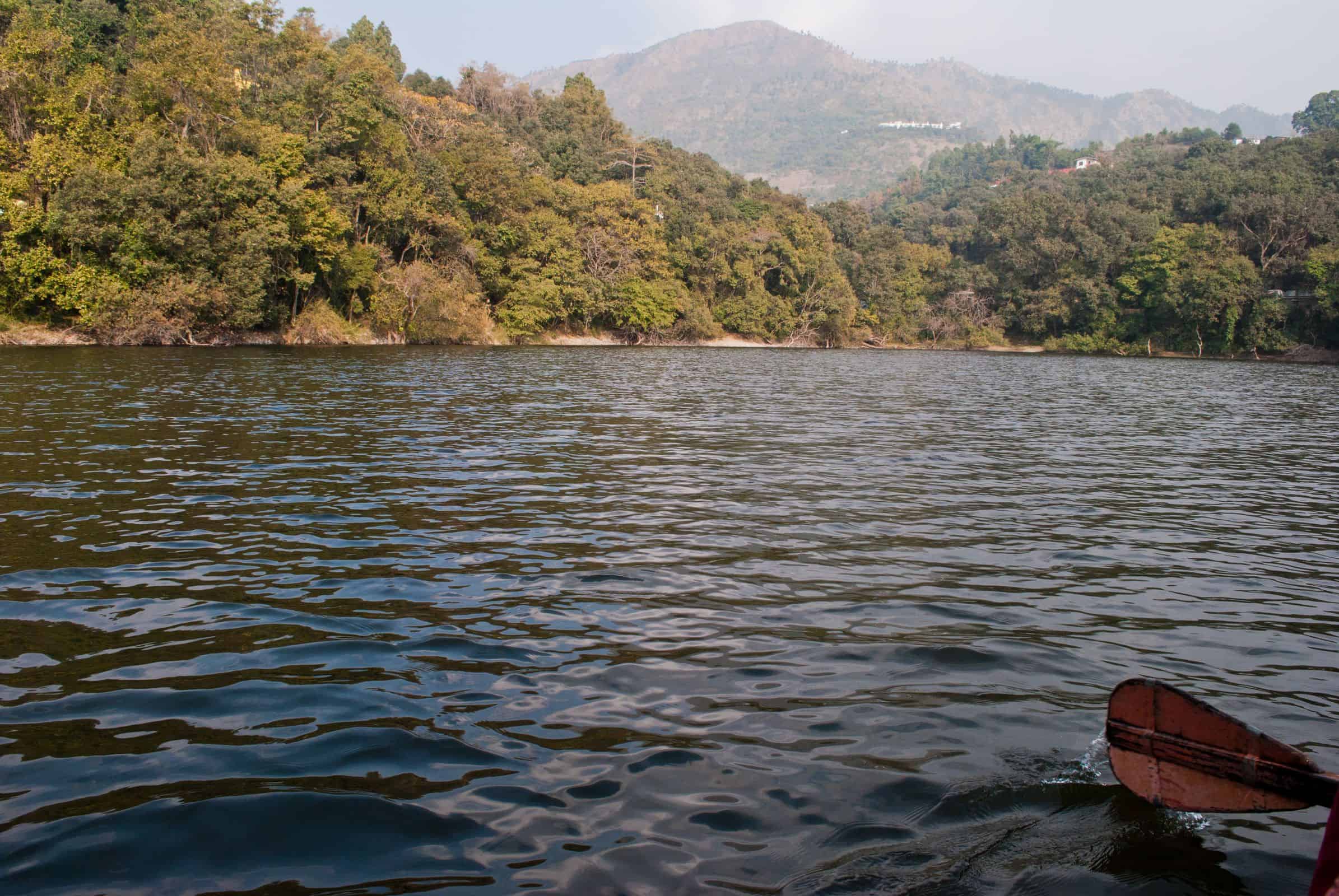
Sattal sits just 23 km from Nainital, but it feels like a completely different world. While Nainital’s Mall Road overflows with tourists every weekend, Sattal’s seven interconnected freshwater lakes stay tucked away in dense oak and pine forests, almost untouched. With over 500 bird species, 525 butterfly varieties, and some of the cleanest lake water left in the Indian Himalayas, this is not your typical Kumaon hill station. It is, quite simply, one of the most underrated destinations in Uttarakhand. And the best part. You can reach it for under Rs 5,150 per person on a 3-day trip from Delhi.
I have been visiting the Kumaon region for over a decade now, and Sattal holds a special place in my heart. The morning mist floating over the water, the symphony of bird calls at dawn, and the fact that you can still have an entire lake to yourself on a weekday. That is what keeps drawing me back. If you are planning a family trip to Sattal, a solo birding expedition, or even a quiet weekend getaway from Delhi, this guide covers everything you need to know in 2026, including current KMVN tariffs, train timings, the best birding spots, and a tested 3-day itinerary.
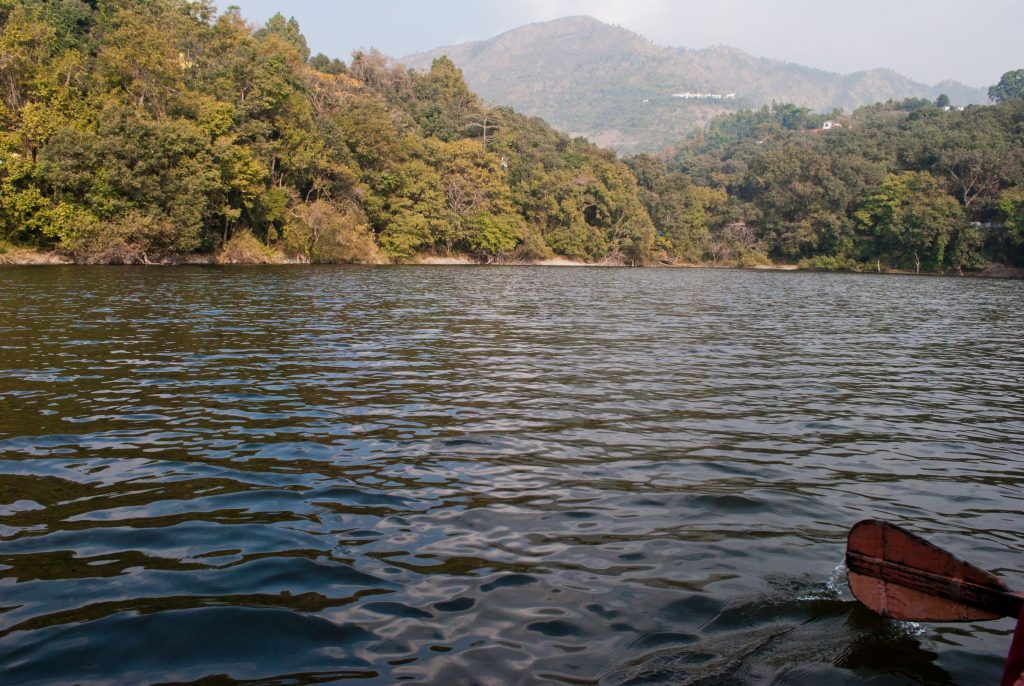
Sattal is not a single lake, despite what many first-time visitors assume. It is a cluster of seven interconnected freshwater lakes in Uttarakhand’s Nainital district, sitting at 1,370 meters and just 23 km from Nainital town. Locals call it “seven lakes” for exactly that reason, and six of the seven hold water year-round while Sukha Tal dries out seasonally.
Let's quickly dive into the details:
Quick Facts About Sattal
| Location | Nainital District, Uttarakhand |
| Elevation | 1,370 meters (4,495 feet) |
| Distance from Nainital | 23 km (45 min drive) |
| Distance from Delhi | 310 km (7-8 hours by road) |
| Distance from Kathgodam | 32 km (1.5 hours) |
| Distance from Mukteshwar | 52 km via Bhowali (about 2 hours) |
| Best Time to Visit | March to May, October to January |
| Number of Lakes | 7 interconnected freshwater lakes |
| Famous For | Birdwatching (500+ species), 525 butterfly varieties, kayaking |
| Mobile Network | Good (Airtel, Jio, BSNL) |
| ATM | Nearest in Bhimtal (3 km) |
| Budget (per person, 3 days) | From INR 5,150 (budget) to INR 19,000 (premium) |
| Entry Fee | Free (no entry fee for lakes) |
Quick Answer: Is Sattal worth visiting? Yes, absolutely. Sattal is one of the few destinations near Delhi where you can have pristine freshwater lakes almost to yourself, watch 500+ bird species, go kayaking for Rs 450-900 per ride (2026 rates), and stay at KMVN for Rs 1,400 per night. The drive from Delhi takes 7-8 hours. Kathgodam railway station (32 km away) has direct overnight trains from Delhi. No entry fee. Open year-round. Best time: March-May and October-November.
What Makes Sattal Special? 7 Lakes, 500 Birds, Zero Tourist Chaos
Sattal, literally “seven lakes” in the local language, is a cluster of seven interconnected freshwater lakes in the lower Himalayan range of the Kumaon region. Set amidst dense oak and pine forests at 1,370 meters in the Mehragaon valley, Sattal remains one of the few uncontaminated freshwater ecosystems in India. That distinction alone should grab your attention.
What truly sets Sattal apart from every other Kumaon destination is the combination of ecological richness and solitude. The area supports over 500 species of resident and migratory birds, more than 525 butterfly varieties, over 11,000 species of moths, beetles, and insects, and 20 mammal species. The British compared Sattal’s beauty with the Westmorland region of England, and you can still see remnants of their colonial presence at the Jones Estate.
Hence, while Nainital has become a crowded weekend destination and Bhimtal is catching up fast, Sattal retains its pristine character. The lakes display peaceful environs with the chirping of birds and rustling of leaves setting the pace of your day. This makes it perfect for honeymooners, nature lovers, birdwatchers, families, solo travelers, and anyone who genuinely needs a break from noise.
The Seven Lakes of Sattal
The seven interconnected lakes that give Sattal its name are:
- Panna Tal (Garud Tal), named after Garuda, the divine eagle and mount of Lord Vishnu
- Nal-Damyanti Tal, associated with the Mahabharata legend of King Nala and Damayanti
- Hanuman Tal
- Sita Tal, named after Goddess Sita from the Ramayana
- Ram Tal, named after Lord Rama
- Laxman Tal, named after Laxman
- Sukha Tal (Bharat Tal), named after Bharat from the Ramayana
Keep in mind that during the dry season, Sukha Tal often dries up completely, which is how it got the name “Sukha” (dry). The other six lakes remain filled throughout the year and are interconnected through underground channels. According to legend from the Mahabharata, King Nala and his wife Damayanti drowned in one of these seven lakes during their exile period, and that particular lake came to be known as Nal-Damyanti Tal in their memory.
Location and History
Sattal sits in the Lower Himalayan Range, formed by tectonic activities and the uplifting of sedimentary deposits between the Tibetan Plateau and the Indo-Gangetic plains. The rocks are mainly sedimentary and quartzite in nature. During the colonial era, the British fell in love with this place and established a tea plantation estate here, one of only four in the entire Kumaon region. The remnants of this colonial past can still be seen in the Jones Estate and old British bungalows scattered around the lakes.

When is the Best Time to Visit Sattal?
Sattal is a year-round destination, but each season offers a different experience. Here is a month-by-month breakdown based on my personal visits over the years.
March to May (Spring and Early Summer)
This is one of the best periods to visit Sattal. The weather is pleasantly warm during the day (15-25 degrees Celsius) and cool at night. The oak and pine forests are lush green, wildflowers are in bloom, and migratory birds are still around. Adventure activities like kayaking, rock climbing, and trekking are in full swing. However, this is also peak tourist season, so expect higher accommodation prices and more crowds on weekends. If possible, visit on weekdays to get the full Sattal experience.
June to August (Monsoon Season)
I will be honest with you. Monsoon in Sattal is beautiful to look at but challenging to navigate. The lakes overflow, the forests turn a brilliant shade of emerald green, and the entire valley looks straight out of a painting. However, heavy rainfall often leads to landslides on the Kathgodam-Nainital-Sattal road, making travel risky. Adventure activities are suspended, and leeches become a problem on forest trails. If you are a landscape photographer or someone who loves the monsoon vibe, visit during late August when the rains start reducing. Otherwise, better avoid this season.
September to November (Autumn)
This is my favorite time to visit Sattal. The post-monsoon months offer crystal-clear skies, comfortable temperatures (10-20 degrees Celsius), and the best birdwatching opportunities as migratory species start arriving from Central Asia and Tibet. The lakes are full from the monsoon rains but the roads are dry and safe. Adventure activities resume, and accommodation prices drop slightly compared to the summer peak.
December to February (Winter)
Winter in Sattal is cold (temperatures can drop to 0-10 degrees Celsius) but incredibly peaceful. If you enjoy bonfire nights, crisp mountain air, and having the place almost entirely to yourself, winter is perfect. Birdwatching is excellent during these months as Upper Himalayan species migrate down to these lower elevations. However, keep in mind that some adventure activities may be limited due to the cold, and you will need proper woolen clothing. Occasional fog can reduce visibility in the mornings. For those who love snowfall near Delhi, Sattal’s higher neighbours like Nainital and Mukteshwar sometimes get light snow in January.
My recommendation: March to May for first-timers and families. October to November for birdwatchers and photographers. December to January for solitude seekers.
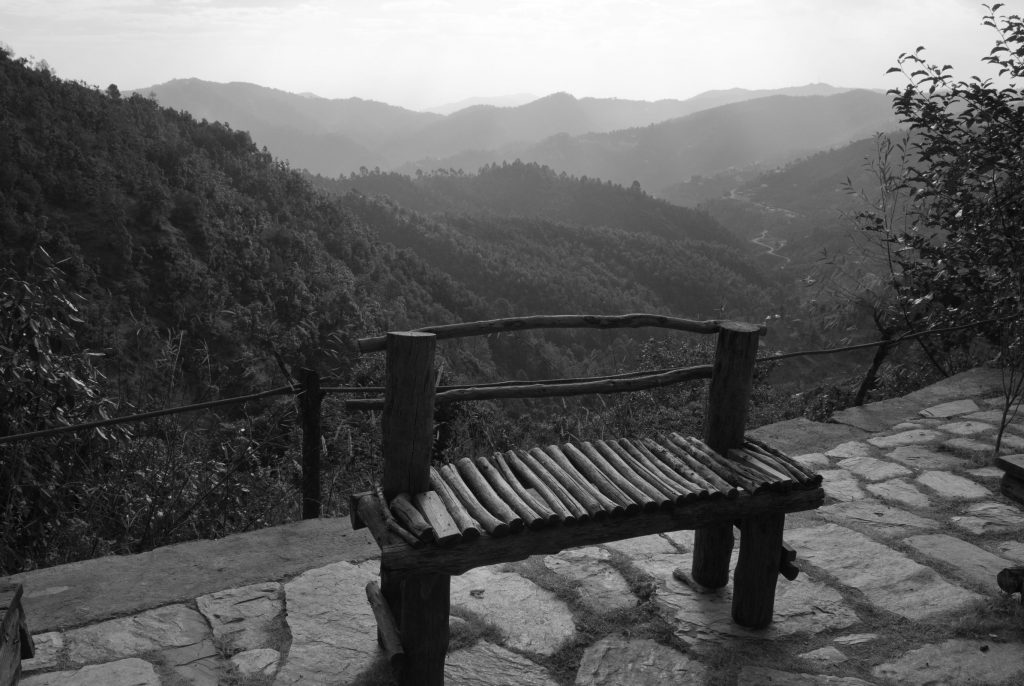
How to Reach Sattal from Delhi, Nainital, and Kathgodam
Sattal is located in the lower Himalayas, just 23 km from Nainital and 32 km from Kathgodam railway station. It is well connected with most major towns and cities of North India. Any sedan or hatchback can handle the roads throughout the year, except during heavy monsoon.
How Far Is Sattal from Nainital?
Sattal sits 23 km from Nainital, a drive of about 45 minutes on the paved hill road connecting the two towns. The nearest railhead, Kathgodam, is 32 km away, roughly 1.5 hours by taxi, and Bhimtal, the closest town with ATMs and extra dining options, is just 3 km from Sattal.


How to Reach Sattal by Air
The nearest airport to Sattal is Pantnagar Airport, located approximately 61 km away. From Pantnagar, you can hire a taxi directly to Sattal (the journey takes about 2 hours) or take a bus to Nainital and then a local taxi. Taxis from Pantnagar to Sattal cost around INR 1,500 to INR 2,000 depending on the vehicle type.
Keep in mind that Pantnagar is a small airport with limited flight connectivity. Most travelers prefer flying into Delhi’s Indira Gandhi International Airport (310 km away) and then driving or taking a train to Kathgodam.
How to Reach Sattal by Train
The nearest railway station is Kathgodam, situated only 32 km from Sattal. Kathgodam is the last railhead of the Kumaon region and is well connected to Delhi, Lucknow, Howrah, and other major cities.

There are three main trains from Delhi to Kathgodam as of 2026:
- Kathgodam Shatabdi Express (12040), departs New Delhi at 06:20 AM, arrives Kathgodam at 11:55 AM (fastest option, about 5.5 hours, CC fare around INR 495-625)
- Uttaranchal Sampark Kranti Express (15035), departs New Delhi at 04:00 PM, arrives Kathgodam at 10:45 PM (SL fare around INR 220, 3A fare around INR 555)
- Ranikhet Express (15013), departs Delhi at 08:21 PM, arrives Kathgodam at 05:05 AM (overnight option, SL fare around INR 190, 3A fare around INR 505)
From Kathgodam, you can hire a shared taxi (INR 150-200 per person) or a private taxi (INR 800-1,200) to reach Sattal. The journey takes about 1.5 hours. I suggest booking train tickets well in advance, especially during the peak season (April-June and October-November) as these trains fill up quickly.
How to Reach Sattal by Road from Delhi
The distance from Delhi to Sattal is approximately 310 km, which can be covered comfortably in 7 to 8 hours depending on traffic and breaks. The roads are well-maintained throughout the journey, making it ideal for a self-drive trip.
Route: Delhi > NH9 > Ghaziabad > Hapur > Moradabad > Rampur > Haldwani > Kathgodam > Bhimtal > Sattal
I always suggest starting early from Delhi (around 5-6 AM) to avoid the Ghaziabad-Hapur traffic bottleneck. The roads are smooth up to Haldwani, after which you start climbing into the hills.
For those who prefer public transport, Uttarakhand Transport Corporation (UTC) buses run daily from Delhi ISBT Anand Vihar to Nainital and Haldwani (INR 400-600 per person for ordinary, INR 800-1,200 for Volvo). From Nainital, you can take a local bus or shared taxi to Sattal (about 30-40 minutes, INR 50-100 per person). You can also book UTC bus tickets online through their official portal.
What Are the Best Things to Do in Sattal?
Sattal offers a unique blend of tranquility and adventure. Whether you want to spend your days in quiet contemplation by the lakeside or try adrenaline-pumping activities, this place has something for everyone. Here is what you should not miss.
Birdwatching: 500+ Species in One Location
Sattal is genuinely one of the best birdwatching destinations in the Indian Himalayas. The dense oak and pine forests surrounding the lakes support an incredible diversity of avian life. The area is home to over 500 species of resident and migratory birds, making it one of the richest bird habitats in India. If you enjoy birding, you should also check out Pangot near Nainital, which is equally rewarding and just 25 km away.
Some of the commonly spotted species include the Red-billed Blue Magpie, Himalayan Griffon, Lammergeier, Grey-headed Canary Flycatcher, Spotted Forktail, Verditer Flycatcher, Crested Kingfisher, Plum-headed Parakeet, and various species of warblers, thrushes, and woodpeckers. During the winter months (November to February), migratory species from Central Asia and Tibet arrive, including several species of ducks and other waterfowl.
The best time for birdwatching is early morning (5:30 AM to 9:00 AM) and late afternoon (4:00 PM to 6:00 PM). I recommend hiring a local naturalist guide for INR 800-1,200 per day who can help you spot and identify species. A popular birding spot is the area unofficially called “Studio Point” on the right side of the lake as you enter Sattal, where the overflow water pours into the valley. The lighting and natural environment make it perfect for bird photography.
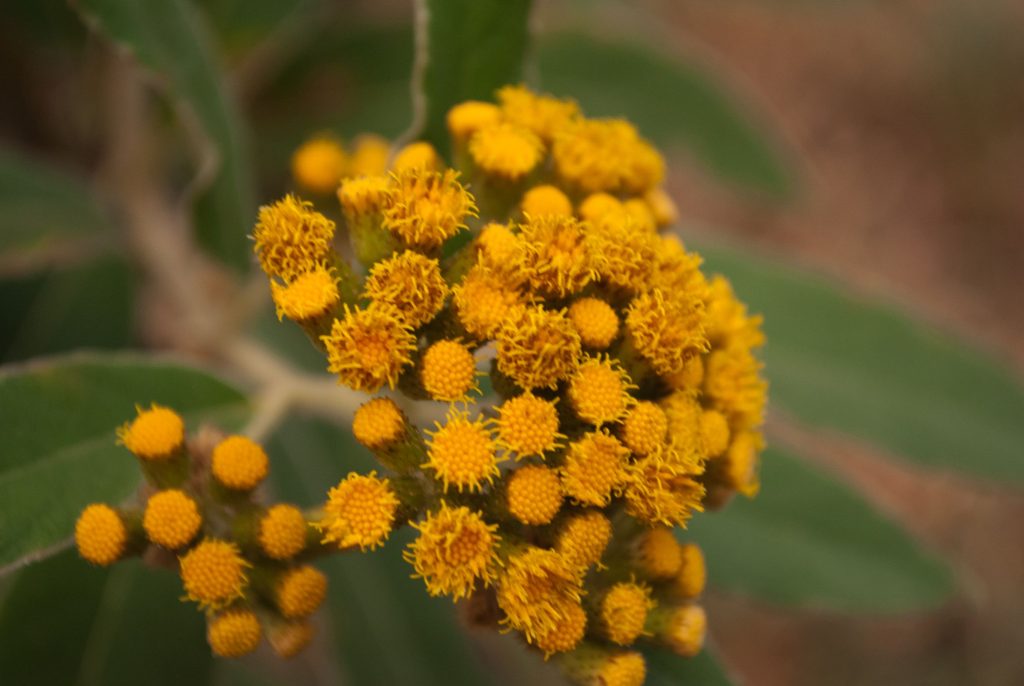
Butterfly Museum at Jones Estate
Sattal is home to over 525 varieties of butterflies and more than 11,000 species of moths, beetles, and insects, making the Butterfly Museum at the historic Jones Estate a natural fit. This museum houses a remarkable collection of butterfly species found in the Kumaon region, preserved and displayed beautifully. According to the Uttarakhand government tourism department, this insect diversity makes Sattal ecologically significant well beyond just its birds.
Entry fee is nominal (around INR 50 per person as of 2026), and the museum is usually open from 10:00 AM to 5:00 PM. The best time to see live butterflies in the forests is during the summer months (April to June) when wildflowers are in bloom.
Kayaking and Boating on the Lakes
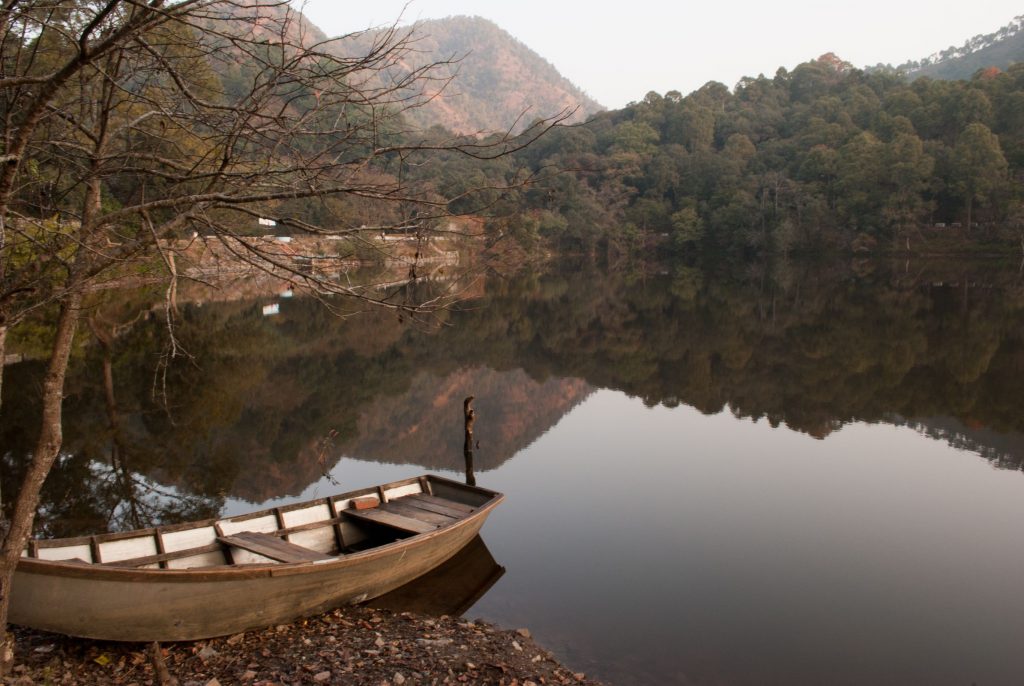
Boating on Sattal’s interconnected lakes is one of the most peaceful experiences you can have. Unlike the overcrowded Naini Lake in Nainital, here you can often have an entire lake to yourself. As of 2026, boating rates are Rs 900 for a full-lake ride, Rs 450 for a half-lake ride, and Rs 400 per hour for paddle boats. Kayaking is also available at INR 300-500 per hour depending on the operator. Early morning boat rides are particularly magical when mist hovers over the water and birds start their morning chorus.
Adventure Activities
Despite its tranquil appearance, Sattal offers plenty of adventure opportunities for thrill-seekers:
- Rock Climbing and Rappelling, natural rock formations provide excellent climbing spots (INR 800-1,200 for a session with equipment and instructor)
- Trekking, several forest trails ranging from easy 2 km walks to challenging 10 km treks
- Mountain Biking, explore the surrounding villages and forests on two wheels (bike rentals available at INR 300-500 per day)
- Fishing and Angling, permits available from the Forest Department (INR 200-300 per day)
- Jungle Safaris and Nature Walks, guided walks through oak and pine forests (INR 500-800 per person)
- Night Camping, several campsites around the lakes offer tent stays with bonfires (INR 1,500-2,500 per person including meals)
Most adventure activities are available from October to May. During the monsoon season (June to September), activities like rock climbing and trekking are suspended for safety reasons. If you enjoy trekking, also look at our guide on easy treks in Uttarakhand for beginners.
Where to Stay in Sattal? Budget to Premium Options
Sattal offers a good range of accommodation catering to different budgets. Unlike Nainital, you will not find big commercial hotels here, which is actually a blessing. The accommodations are mostly boutique resorts, eco-lodges, homestays, and government guesthouses that blend well with the natural surroundings.
Budget Stays (INR 1,500 to INR 3,000 per night)
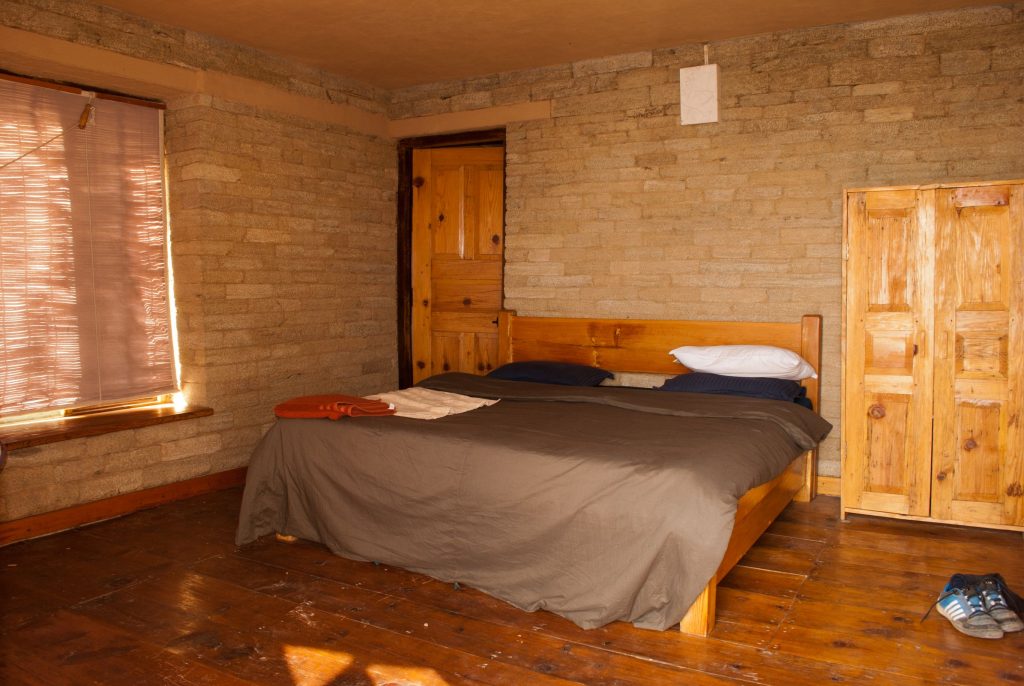
KMVN Tourist Rest House Sattal is the most reliable budget option. Operated by Kumaon Mandal Vikas Nigam (the government tourism body), KMVN offers three types of rooms:
- Standard Rooms (4 rooms available), very basic accommodation without TV, starting from INR 1,400 per night
- Deluxe Rooms (2 rooms available), cemented cottages with wooden roofs, around INR 2,000 per night
- Super Deluxe Rooms (3 cottages available), full wooden cottages with small terraces, around INR 2,800 per night
The views from KMVN are stunning, with the lakes visible from most rooms. The services are basic but clean, and the in-house restaurant serves simple but tasty North Indian meals at reasonable prices (INR 100-200 per meal). I always suggest booking KMVN rooms in advance, especially during peak season (April-May and October-November), as they fill up quickly. You can book directly through the KMVN official website or call their reservation office at +91 8650002520.
Mid-Range Stays (INR 3,000 to INR 6,000 per night)
Several good mid-range resorts and eco-lodges operate in Sattal:
- Sattal Birding Lodge, specializes in birdwatching tourism, offers comfortable rooms with forest views, INR 3,500-4,500 per night
- Wild Kumoan Resort, eco-friendly property with modern amenities, INR 4,000-5,000 per night
- Fredy’s Bungalow, a charming heritage property with colonial-era vibes, INR 4,500-5,500 per night
- Sattal Retreat, family-friendly resort with lakeside location, INR 5,000-6,000 per night
Most mid-range properties include breakfast in the tariff and have in-house restaurants serving Indian, Chinese, and Continental cuisines. Some also organize adventure activities and nature walks as part of their packages.
Premium and Luxury Stays (INR 6,000 to INR 12,000+ per night)
For those looking for a more upscale experience:
- Country Inn Sattal, premium resort with well-appointed rooms, multi-cuisine restaurant, adventure activities, and spa facilities, INR 6,000-8,000 per night
- V Resorts Sattal, boutique property with excellent service and beautiful lake views, INR 7,000-9,000 per night
- The Getaway Jungle Camp, luxury glamping experience with tented accommodation, bonfire nights, and guided nature walks, INR 8,000-11,000 per night
My recommendation: If you are a first-timer on a budget, go for KMVN. If you want a comfortable stay with good amenities, the mid-range eco-lodges offer the best value for money. For honeymooners or special occasions, the premium resorts are worth it.

How Much Does a Trip to Sattal Cost? Complete Budget Breakdown
Here is an approximate cost breakdown for a 3-day trip to Sattal from Delhi for 2 people as of 2026. Keep in mind these are ballpark figures and your actual expenses will depend on your travel style.
| Expense Category | Budget (2 people) | Mid-Range (2 people) | Premium (2 people) |
| Transportation (Delhi-Sattal round trip) | INR 3,000 (Shared train + taxi) | INR 6,000 (Self-drive car, fuel) | INR 10,000 (Cab rental round trip) |
| Accommodation (2 nights) | INR 2,800 (KMVN, INR 1,400/night) | INR 10,000 (Mid-range resort, INR 5,000/night) | INR 16,000 (Premium resort, INR 8,000/night) |
| Meals (3 days, 2 people) | INR 2,000 (INR 300-350 per meal) | INR 3,500 (INR 500-600 per meal) | INR 5,000 (Resort dining) |
| Activities and Sightseeing | INR 1,500 (Boating, museum, nature walks) | INR 3,000 (Kayaking, trekking, guided birdwatching) | INR 5,000 (Full adventure package) |
| Miscellaneous | INR 1,000 | INR 1,500 | INR 2,000 |
| Total Estimate | INR 10,300 (INR 5,150 per person) | INR 24,000 (INR 12,000 per person) | INR 38,000 (INR 19,000 per person) |
Pro Tips to Save Money:
- Travel in a group of 4-5 people to split taxi and accommodation costs
- Book KMVN well in advance and cook simple meals in your room (they allow it)
- Visit during the off-season (July-September or January-February) for lower rates
- Take the train to Kathgodam instead of driving or flying to Pantnagar
- Carry your own snacks and drinking water from Delhi to avoid expensive roadside stops
What to Eat in Sattal? Local Food Guide
Sattal has a fairly adequate number of restaurants and eating joints, though not as many as Nainital or Bhimtal. Most resorts and hotels have in-house restaurants that serve North Indian, South Indian, Chinese, and Continental cuisines. The food quality is generally good, and you will find vegetarian and non-vegetarian options at most places.
Street food is limited, but you will find momos at small roadside stalls near the main lakeside area (INR 50-80 per plate). There are also a couple of small dhabas serving chai (INR 10-20 per cup), Maggi (INR 30-50), and simple thalis (INR 100-150). I always recommend eating at the restaurants of the resorts where you are staying, as the quality and hygiene standards are more reliable. KMVN’s in-house restaurant serves simple but tasty meals at around INR 150-250 per meal per person.
If you want more variety, take a short trip to Bhimtal (just 3 km away) where you will find more dining options including bakeries, cafes, and multi-cuisine restaurants.
Which Places Can You Visit Near Sattal?
While Sattal itself deserves at least 2-3 days of your time, there are several beautiful places nearby that you can explore on day trips.
Distance from Sattal to Nearby Places
Here is every major nearby town from Sattal at a glance, distance and drive time, so you can plan multi-stop day trips without guesswork.
| Destination | Distance | Drive Time |
|---|---|---|
| Bhimtal | 3 km | 10 minutes |
| Naukuchiatal | 8 km | 20 minutes |
| Nainital | 23 km | 45 minutes |
| Pangot / Kilbury | 25 km | 50-60 minutes |
| Kathgodam Railway Station | 32 km | 1.5 hours |
| Mukteshwar (via Bhowali) | 52 km | About 2 hours |
| Pantnagar Airport | 61 km | 2 hours |
| Delhi | 310 km | 7-8 hours |
Sattal to Mukteshwar runs 52 km by road, split into two legs through the Bhowali junction on NH109: 12 km Sattal to Bhowali, then 40 km on to Mukteshwar, since no direct road links the two towns. Budget close to 2 hours of driving, with a private taxi starting near Rs 1,399 one-way (about Rs 9/km) as of August 2026.
Nainital (23 km, 45 minutes)
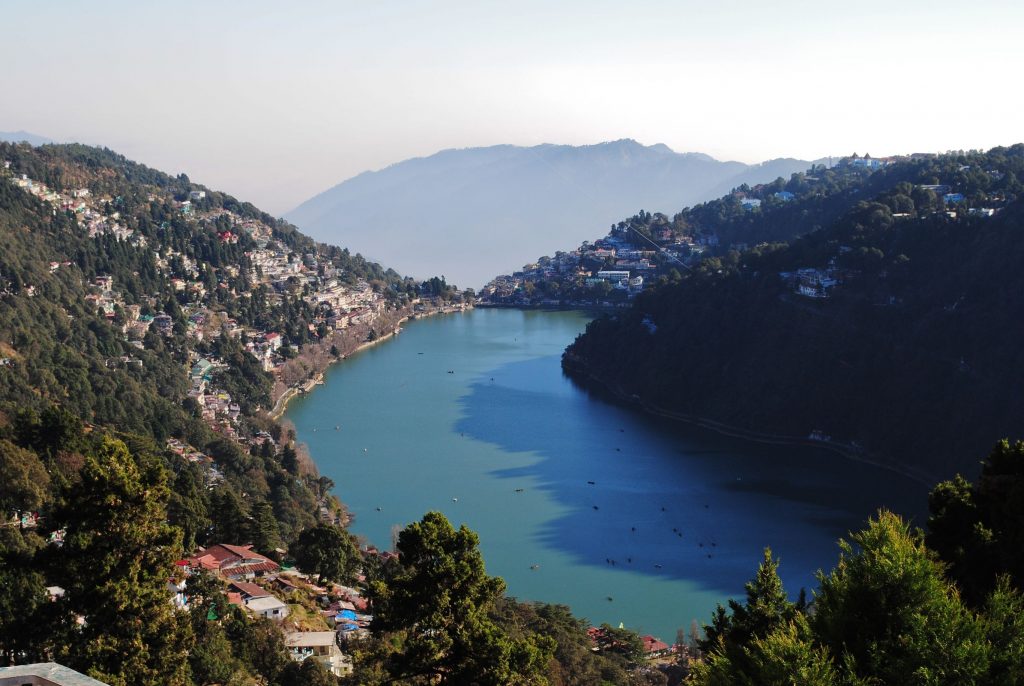
The famous lake city of Nainital needs no introduction. Perched at 2,084 meters, Nainital is home to the stunning Naini Lake, Mall Road, Naina Devi Temple, and numerous viewpoints like Tiffin Top and Snow View Point. The Kumaon region has been a favorite among hill station lovers since the British era, and Nainital remains its crown jewel.
Bhimtal (3 km, 10 minutes)
Located just 3 km from Sattal, Bhimtal is home to a larger and relatively quieter lake compared to Nainital. The Bhimtal Lake has a small island in the center with an aquarium. The town offers better shopping and dining options compared to Sattal, making it a good place to stock up on supplies. You can also visit the ancient Bhimeshwar Mahadev Temple here.
Naukuchiatal (8 km, 20 minutes)
Naukuchiatal literally means “nine-cornered lake.” Perched at 1,220 meters, this is the deepest lake in the Nainital region with a depth of around 40 meters. The lake is less commercialized than Naini Lake and offers excellent opportunities for kayaking, paddling, and paragliding. According to local legend, anyone who can spot all nine corners of the lake in one go will achieve nirvana.
Mukteshwar (52 km, About 2 Hours)
If you are looking for offbeat places in Uttarakhand, Mukteshwar is a must-visit. Located at 2,286 meters, this quaint hill town offers stunning Himalayan views, the famous Mukteshwar Temple, fruit orchards, and adventure activities. There is no direct road linking the two towns, so every route funnels through the Bhowali junction on NH109.
Pangot and Kilbury (25 km)
For serious birdwatchers, Pangot village is another excellent destination near Sattal. Located at 6,300 feet, Pangot falls within the Nainital Forest Reserve and is home to over 580 bird species. The nearby Kilbury Bird Sanctuary is equally rewarding for nature lovers. If you are visiting Sattal specifically for birding, I strongly recommend combining it with a day trip to Pangot.
How to Plan a 3-Day Sattal Itinerary
Here is a suggested 3-day itinerary for Sattal that balances relaxation with exploration.
Day 1: Delhi to Sattal via Kathgodam
- Take the overnight Ranikhet Express from Delhi (departs 08:21 PM, arrives 05:05 AM)
- Arrive Kathgodam by early morning, have breakfast at the station
- Hire a taxi to Sattal (1.5 hours, INR 800-1,200)
- Check into your resort, freshen up, and rest
- Late afternoon: Leisurely walk around the lakes, enjoy the tranquility
- Evening: Bonfire at the resort (if available) or early dinner and rest
Day 2: Full Day in Sattal
- Early morning: Birdwatching walk (5:30 AM to 8:00 AM) with a local guide
- Breakfast at the resort
- Mid-morning: Kayaking or boating on the interconnected lakes
- Lunch and rest
- Afternoon: Visit the Butterfly Museum at Jones Estate
- Late afternoon: Nature trail through oak and pine forests
- Evening: Relax by the lakeside, enjoy the sunset
Day 3: Nearby Places and Departure
- Morning: Visit Bhimtal Lake and Bhimeshwar Temple (3 km)
- Mid-morning: Quick stop at Naukuchiatal (8 km)
- Lunch at a restaurant in Nainital
- Afternoon: Explore Nainital’s Mall Road and Naini Lake
- Evening: Depart for Kathgodam or Delhi
This itinerary can easily be extended to 4-5 days if you want to include Kausani, Mukteshwar, or other offbeat places in Kumaon.
Practical Tips for Visiting Sattal in 2026
- Avoid the monsoon season if possible. The region receives heavy rainfall from June to September, which often leads to landslides and road blockages on the Kathgodam-Nainital route. If you are keen on experiencing the lush green monsoon beauty, keep your plans flexible and pay attention to weather updates from India Meteorological Department before traveling.
- Book accommodation in advance. Sattal has limited accommodation compared to Nainital, and the good properties get booked quickly during peak season (April-May and October-November). KMVN especially fills up fast.
- Carry cash. While ATMs are available in nearby Bhimtal, it is better to carry sufficient cash as not all small shops and dhabas accept digital payments. The nearest ATMs in Sattal are about 3 km away.
- Fishing permits required. If you plan to fish in the lakes, you need to obtain a permit from the Forest Department. These day permits cost around INR 200-300 and can be arranged through your resort or directly from the forest office in Bhimtal.
- Carry woolen clothing even in summer. Evenings and early mornings can get quite cold even during the summer months. A light jacket or sweater is always useful. For a complete packing guide, check out our list of things to carry on a trip.
- Mobile network is good. Airtel, Jio, and BSNL networks work well in Sattal. Vodafone-Idea coverage is patchy.
- Respect the environment. Sattal is one of the few pristine ecosystems left in the Kumaon region. Do not litter, do not play loud music that disturbs wildlife, and do not pluck flowers or plants. Follow the principles of responsible travel in the Himalayas.
Keep the Hills Clean: A Humble Appeal
It is my humble request to anyone reading this to PLEASE not litter in the hills. Whether you are visiting touristy places or remote villages, please ensure you clean up after yourself. There are no cleanup crews coming after you to pick up your trash in these remote areas. It genuinely breaks my heart to go into the hills and see plastic bottles, cigarette butts, paper plates, and discarded clothes strewn around.
I love the hills, as I am sure you do too. Let us do our part in ensuring that when we return the next time, the place is still the same pristine paradise. Anyone who travels through the hills is part of a very sacred community. It is our duty to ensure they remain clean for the people living there and for future travelers. With folded hands, I request you to please carry back all your plastic waste and leave no trace of your visit except footprints and memories.
Frequently Asked Questions About Sattal
How many days are enough for Sattal?
I would suggest a minimum of 2 nights and 3 days to truly experience Sattal without rushing. This gives you enough time to explore the lakes, do some birdwatching, try adventure activities, and simply relax in nature. If you plan to cover nearby places like Nainital, Bhimtal, and Mukteshwar, extend it to 4-5 days.
Is Sattal better than Nainital for a weekend trip?
It depends on what you are looking for. Nainital offers more commercial amenities, shopping, restaurants, and a lively atmosphere. Sattal is for those seeking peace, nature, birdwatching, and solitude. I always recommend combining both in your itinerary. Spend 1-2 days in Nainital for sightseeing and shopping, then retreat to Sattal for 2-3 days of genuine tranquility.
Can we swim in Sattal Lake?
Swimming is generally not allowed in Sattal lakes as they are protected freshwater ecosystems and an important bird habitat. The lakes are also quite deep in places, making swimming risky. Boating and kayaking are the safest and most enjoyable ways to experience the water.
Is Sattal safe for solo female travelers?
Yes, Sattal is quite safe for solo female travelers. The area is peaceful, the locals are friendly and respectful, and most resorts have good security. However, as with any destination, I suggest staying at a reputable resort, avoiding isolated trails alone after dark, and informing your resort staff before heading out for walks or treks.
Is there any entry fee for Sattal Lake?
There is no entry fee to visit Sattal lakes. The area is open to the public year-round. However, the Butterfly Museum at Jones Estate charges a nominal entry fee of around INR 50 per person. Fishing permits from the Forest Department cost INR 200-300 per day.
Which is better for a quiet trip, Sattal or Bhimtal?
Sattal is more offbeat, quieter, and better for nature lovers and birdwatchers. Bhimtal is slightly more developed with more dining and shopping options but still much quieter than Nainital. If you want absolute tranquility and do not mind limited dining options, choose Sattal. If you want a balance of peace with some conveniences, Bhimtal works better. Ideally, visit both since they are only 3 km apart.
How far is Sattal from Delhi by road?
Sattal is approximately 310 km from Delhi via NH9 through Moradabad and Haldwani. The drive takes 7-8 hours depending on traffic. The nearest railway station is Kathgodam (32 km), which is connected to Delhi by Shatabdi Express (5.5 hours), Sampark Kranti Express, and the overnight Ranikhet Express.

What birds can I spot in Sattal?
Sattal hosts over 500 bird species through the year. Common sightings include Red-billed Blue Magpie, Himalayan Griffon, Lammergeier, Grey-headed Canary Flycatcher, Spotted Forktail, Verditer Flycatcher, Crested Kingfisher, and Plum-headed Parakeet. Winter months (November-February) bring migratory species from Central Asia including ducks and waterfowl. The best birding hours are 5:30-9:00 AM and 4:00-6:00 PM.
How far is Sattal from Mukteshwar?
Sattal to Mukteshwar is 52 km by road via the Bhowali junction, since no direct road connects the two towns. The route breaks down as 12 km from Sattal to Bhowali, then 40 km onward to Mukteshwar. Budget close to 2 hours of driving on the winding Kumaon roads, with a private taxi from Bhowali currently starting around Rs 1,399 one-way (about Rs 9/km) as of August 2026, rising in peak season (April-May, October-November).
I hope this guide provides you with all the information you need to plan your trip to Sattal. However, if you have any questions or need help planning a custom itinerary, feel free to drop a comment below or reach out through the DwD Community. I will be happy to help a fellow traveler. If you know friends or family who are planning a trip to Kumaon or Uttarakhand, do share this article with them. Safe travels and happy exploring 🙂 …
Last Updated: August 2026

2 Comments
Comments section gets closed in 90 days. To ask your travel questions, you can follow my YouTube Channel for a faster reply or for a much slower reply follow me on Instagram. :)
Interesting information. Thanks for sharing this.
Thank you. Glad you found it informative