


Last Updated: July 2026
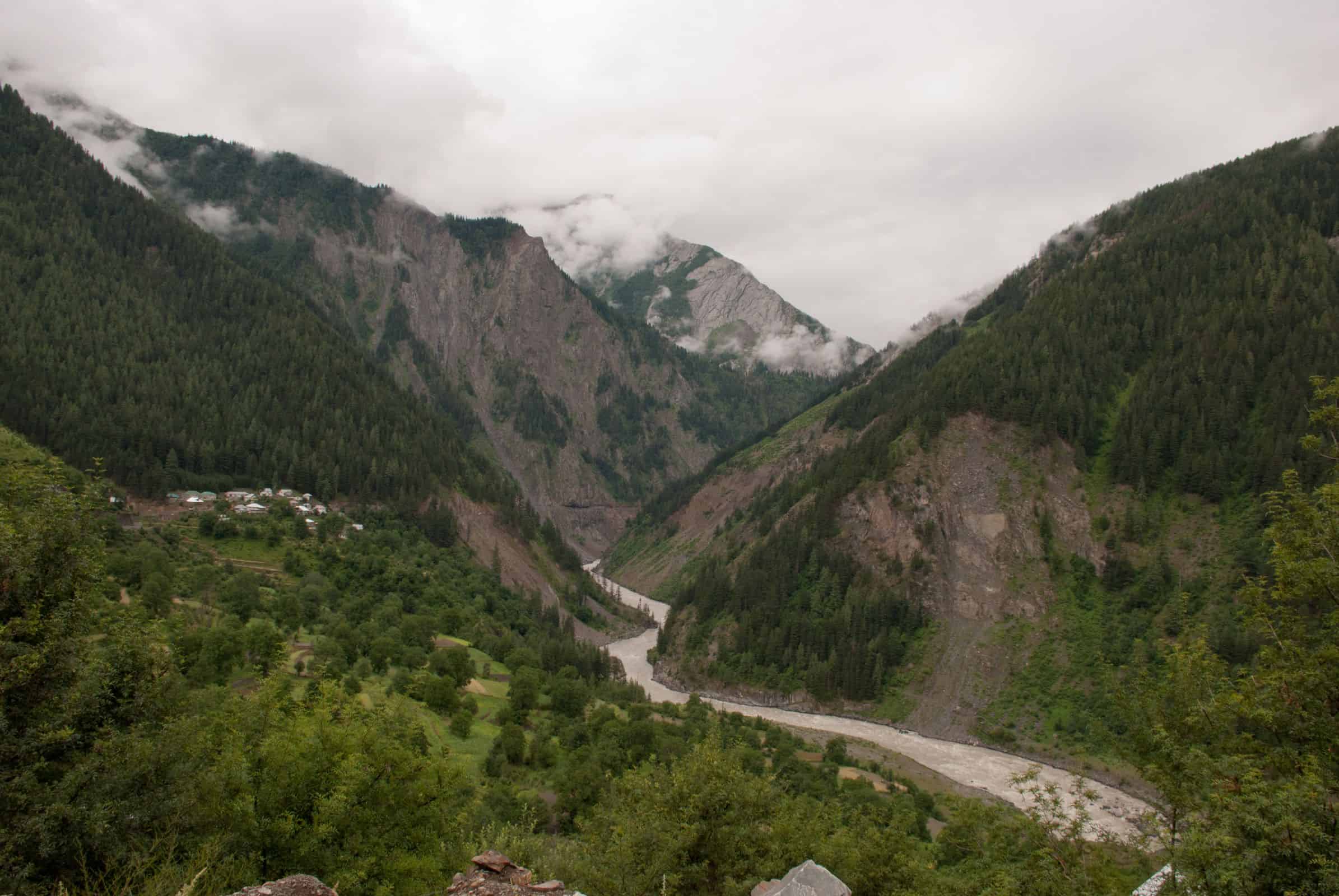
Are you planning a trip to Sach Pass and wondering how to go about it? Well, Sach Pass has earned its reputation as one of the toughest motorable passes in the Himalayas, and for good reason. The dangers are real, but so is the raw, untouched beauty that awaits you on the other side. I have been on this route multiple times and every single time, the panoramic views of snow-clad peaks, deep valleys, and roaring streams leave me speechless.
In this detailed Sach Pass travel guide, I will cover everything you need to plan your trip. From routes and itinerary to road conditions, best time to visit, vehicle recommendations, accommodation options, and safety tips. Let me help you prepare so you can experience this incredible pass with confidence 🙂 …
Let's quickly dive into the details:
Practical Info at a Glance
| Best Time to Visit | July to September (pass opens late June, closes mid-October) |
| Budget (per day) | Rs 1,500 – Rs 2,200 per person (self-drive, group of 4) |
| Difficulty Level | Challenging (rated among India’s toughest motorable passes) |
| Nearest ATM | SBI ATM in Killar; last reliable ATMs before that are in Chamba and Dalhousie |
| Mobile Network | Patchy to none after Bairagarh, BSNL only, spotty even in Killar |
| Fuel Availability | Last petrol pump in Chamba, none between Chamba and Killar |
| Permits Required | No permit for Indian nationals, ID checked at the Satrundi police post |
| Last Updated | July 2026 |
What Is Sach Pass and Why Should You Visit?
Sach Pass sits at a staggering elevation of 4,414 metres (14,500 feet) in the Chamba District of Himachal Pradesh. It is one of the highest motorable passes in the world, a mammoth pass of the Pir Panjal range that connects the Chamba Valley with the remote Pangi Valley. It is the shortest and toughest route from Chamba to Killar, covering a distance of about 170 km.
Now, I know what you are thinking. Why go through all this trouble? Well, Sach Pass is not just a mountain pass. It is an experience that pushes your limits and rewards you with views that very few places in India can offer. Snow-clad peaks, virgin natural beauty, and minimal tourist flow create the perfect combination for a nature-lovers getaway and tranquility. Once you cross the pass and enter Pangi Valley, you unlock some of the most remote and beautiful villages in the Himalayas. Places like Dharwas, Luj, Sural, Hundan, Findroo, Findar, Mindhal, and Parmar are waiting to be explored.
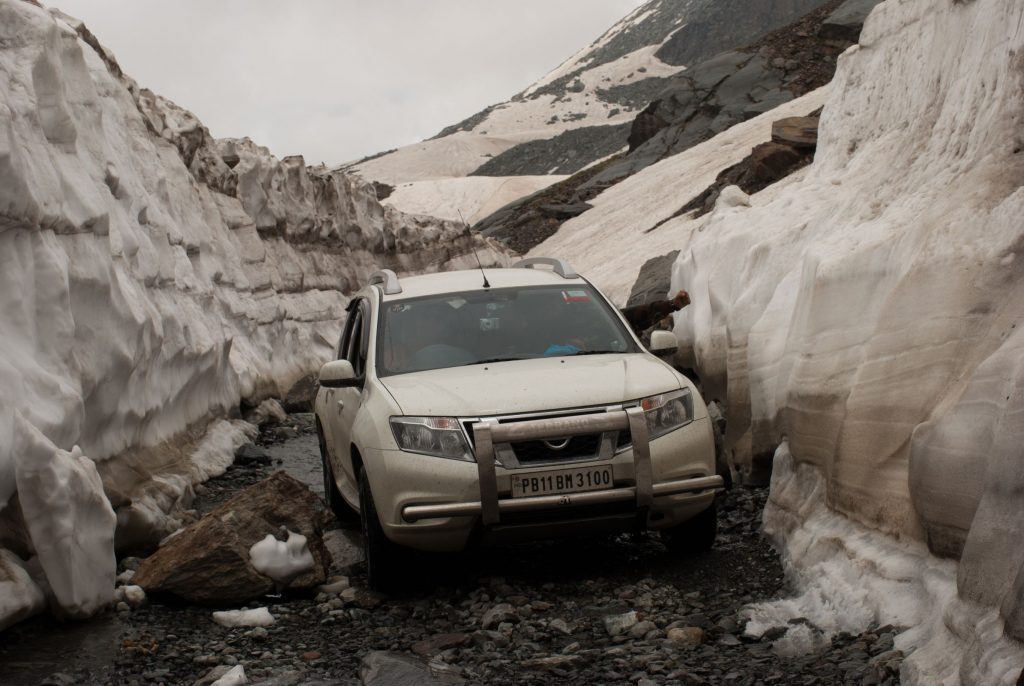
The entire Pangi Valley offers many picturesque villages, and there is a PWD rest house in Cherry where you can stay in peace, along with hotels or guest houses in Killar. If you are someone who loves the Himalayas and wants to go beyond the usual tourist circuits, then Sach Pass should definitely be on your list.
When Is the Best Time to Visit Sach Pass?
Sach Pass is a seasonal pass that typically opens between June or early July and remains accessible until mid-October. The exact dates depend on snowfall and clearance by the PWD. Keep in mind that the road is narrow and unmetalled, so even when open, conditions can be challenging.
Here is a month-wise breakdown to help you decide when to go:
- June (Early Season): The pass may just be opening. Heavy snow patches remain on the road. Only for experienced drivers and adventure seekers who want the snow experience. Road conditions are at their worst.
- July (Best for Balance): Snow clearance is mostly done by PWD. Traffic flow is more regular. This is when I suggest most travelers plan their trip. Check the latest Sach Pass road conditions in July before you leave.
- August – September (Peak Season): The most comfortable window. Roads are at their best (relatively speaking). Weather is warmer. Water crossings are manageable. This is the sweet spot for first-timers.
- October (Late Season): The pass starts receiving fresh snowfall. Early October might still be fine, but by mid-October, the pass closes. Only for experienced travelers. For the exact 2026 shutdown dates, see my Sach Pass closing 2026 guide.
I always suggest the July to September window for most people. If you want to experience snow and a real tough grind, go early in June or towards the closing in October. But please, take a sensible call based on your experience level.
How to Reach Sach Pass from Delhi?
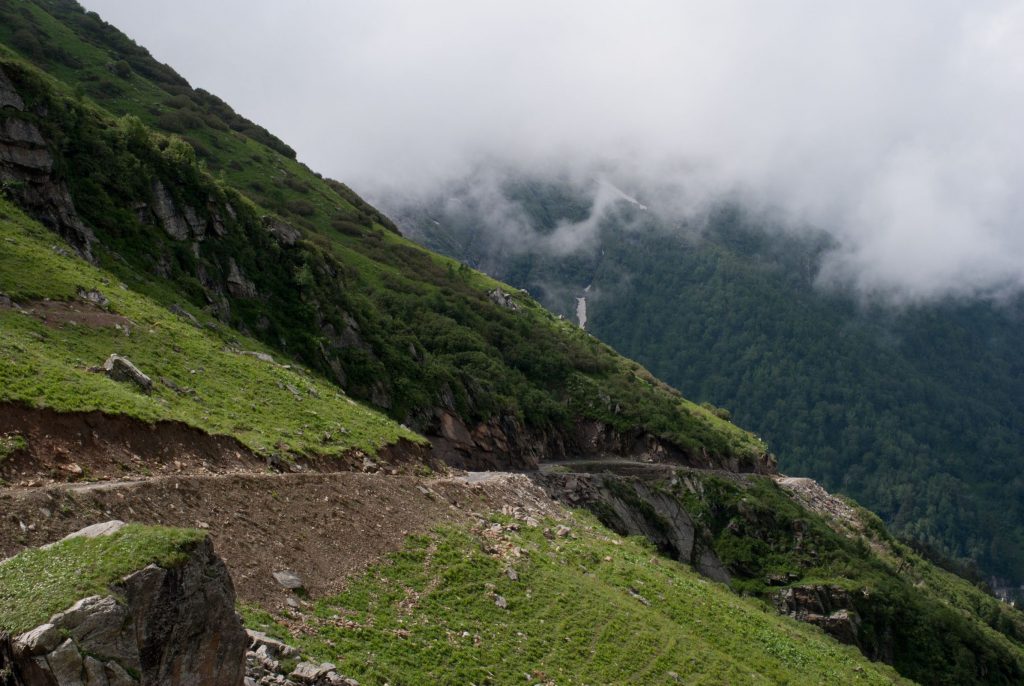
Sach Pass can be reached from three directions. The most popular route is via Pathankot – Dalhousie – Chamba. The other two are via Manali – Udaipur road and via Udhampur/Anantnag – Kishtwar – Paddar – Pangi road. The first route is the shortest, most popular, and also the most treacherous.
The route from Chamba goes through: Chamba – Tissa (63 km) – Bairagarh (90 km, 2,800 metres) – Satrundi (106 km, 3,400 metres) – Sach Pass (120 km, 4,420 metres) – Bagotu (130 km, 3,600 metres) – Killar (166 km, 2,590 metres).
From Delhi, the most common route is: Delhi – Pathankot – Dalhousie – Chamba – Tissa – Bairagarh – Satrundi – Sach Pass – Killar. The total distance from Delhi to Killar via this route is approximately 780 km.
Distance From Major Cities to Sach Pass
| From | Distance | Approx. Time |
|---|---|---|
| Delhi | 640 km (to Sach Pass top) | 18-20 hours (2 days) |
| Chamba | 131 km | 6-7 hours |
| Pathankot | 250 km | 10-12 hours |
| Dalhousie | 135 km | 6-7 hours |
| Udhampur | 300 km | 12-14 hours |
| Kishtwar | 150 km | 8-10 hours |
| Manali (via Udaipur) | 320 km | 14-16 hours |
How Far Is Sach Pass from Manali?
Manali to Sach Pass covers approximately 320 km via the Atal Tunnel, Keylong, Tandi, and Udaipur to Killar, taking about 14-16 hours of driving typically split across 2 days with a halt at Keylong or Udaipur. This route approaches Sach Pass from the Pangi Valley (Killar) side, not the shorter Chamba – Bairagarh approach.
As documented in my July 2026 Sach Pass road update, the return leg from Killar to Manali via Udaipur, Trilokinath, Khoksar, and the Atal Tunnel measured out at Cherry (14 km), Purthi (28 km), Tindi (54 km), Madgran (70 km), Udaipur (79 km), Trilokinath (96 km), Khoksar (175 km), Rohtang Pass (194 km), and Manali (245 km) on my own odometer. Add the roughly 45-50 km stretch from Killar up to Sach Pass top itself, and you land in the same 290-320 km range that other trip reports quote, depending on exactly where you start measuring the pass from. Keep in mind that the Atal Tunnel bypass alone saves 1-2 hours over the old Rohtang Pass climb, so factor that in when timing this leg.
Keep in mind that up to Bairagarh, the road connectivity is decent. However, after Bairagarh, the last 30-35 km are poorly developed (if at all existent) and this portion alone will take you about 2 hours. From Bairagarh, you are climbing nearly 2,000 metres in elevation. So, buckle up. Mental preparation is more important than physical preparation on this route.
It should also be noted that Pangi Valley remains accessible all year round from the Paddar Valley (Jammu and Kashmir) route via Kishtwar. However, this is a much longer route as you have to take the Chamba to Bhaderwah or Udhampur road.


Which Vehicle Is Best for Sach Pass?
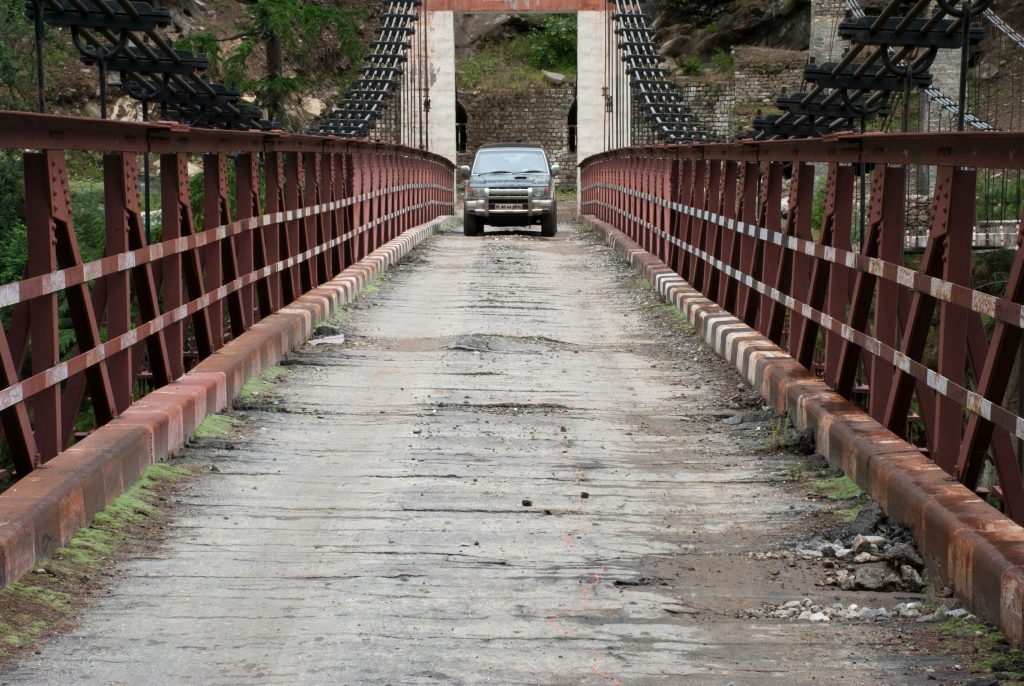
Your vehicle choice can make or break this trip. The road conditions after Bairagarh are some of the worst you will encounter anywhere in India. Here is my honest assessment based on different vehicle types:
- 4×4 SUV (Highly Recommended): Vehicles like Thar, Fortuner, or Gurkha are the most comfortable option. Extra ground clearance and low-ratio settings help immensely on the rocky and waterlogged stretches.
- Normal SUV / Crossover: Vehicles like Creta, Seltos, or Scorpio can manage in experienced hands. The driver needs to be very careful on rockier sections and water crossings.
- Sedan / Hatchback: I would not recommend it. Low ground clearance means you risk hitting rocks and scraping the underbody. If this is your only option, be extremely cautious and drive only in good weather conditions.
- Motorcycle: Adventure bikes and Royal Enfields work well. Comfort and safety depend heavily on rider experience. Water crossings require extra caution. Check out tips for handling water crossings on your motorcycle.
I would highly recommend a 4×4 SUV or a sturdy motorcycle for this journey. If you are not confident about driving on these roads, consider hiring a local taxi driver from Chamba who knows the terrain. A shared car from Chamba costs approximately Rs 600 per head, and a private taxi runs about Rs 3,000 per day (as of 2025, verify locally for current rates).

What Does a Sach Pass Trip Itinerary Look Like?
When it comes to planning this trip, you need to be prepared, both mentally and physically. Here is a day-by-day breakdown that I suggest for most travelers coming from Delhi. This itinerary gives you enough time to acclimatize and enjoy the journey without rushing.
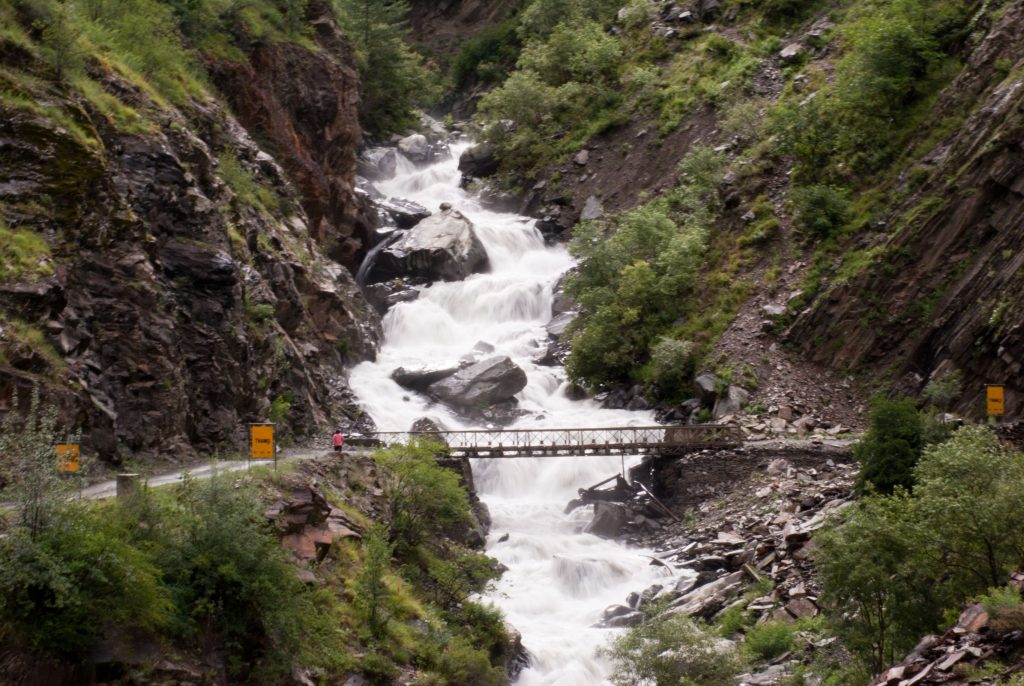
Day 1: Delhi to Dalhousie (560 km, 10-12 hours)
You can reach Dalhousie by road from Delhi in about 10-12 hours depending on traffic. Alternatively, you can fly to Dharamshala (Gaggal Airport) and drive from there, covering about 120 km in 3 hours. I suggest you drive down from Delhi itself. Start early in the morning, ideally by 4-5 AM. Stay the night in Dalhousie, explore the town, and get a good rest. You will need it for the days ahead.
Day 2: Dalhousie to Bairagarh (121 km, 3.5-4 hours)
This is a relatively easy day of driving. The road from Dalhousie to Bairagarh via Chamba and Tissa is mostly paved and in decent condition. Two accommodation options worth exploring in Bairagarh are Mannat Homestay and Hotel Chamunda, both economical and clean.
Bairagarh might seem like just a pit-stop village, but do go out and explore the surroundings. The facilities are basic and there is not much to catch your attention initially. However, the pleasant weather, friendly locals, and the peace and quiet is something you will appreciate. Use this time to prepare your vehicle, fuel up, and stock up on snacks and water for the next day.
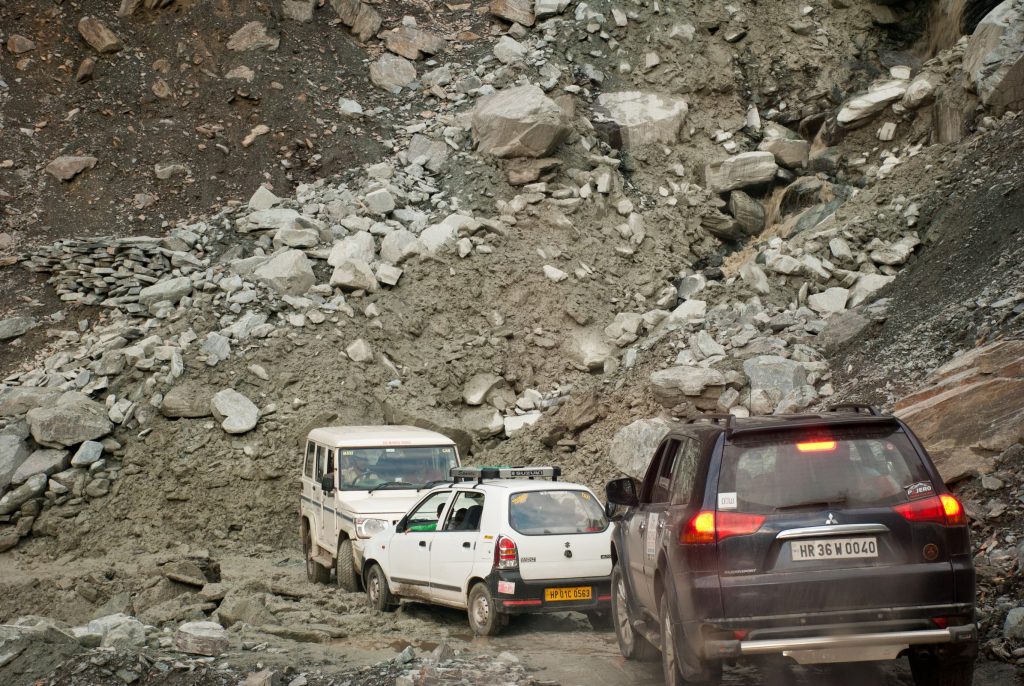
Day 3: Bairagarh to Sach Pass to Killar (76 km, 6-8 hours)
This is THE day. The point where the tarmac ends and the real adventure begins. From Bairagarh, it is about 25-odd km of trail that gets progressively worse and more narrow. Initially, you motor through dense forests and lush greenery. Then, as you keep climbing, the vegetation disappears and you enter a more barren landscape dotted with flowing streams and waterfalls.
Important: Leave as early in the morning as possible from Bairagarh. The nallahs get flooded as the sun rises during the day and the glacial melt increases. Starting by 5-6 AM gives you the best chance of manageable water crossings. The total distance to Killar is 76 km, but each kilometre will be etched in your memory forever.
At Satrundi, there is a police check post where your IDs will be checked and the driver signs an undertaking taking responsibility for the journey ahead. Beyond Satrundi, the road has no NOC from PWD, so you are proceeding at your own risk. Hence, it is important that you are well prepared and your vehicle is in good condition.
Day 4 Onwards: Explore Pangi Valley and Return
Once in Killar, you have several options. Spend a day or two exploring the remote villages of Pangi Valley. The area is rich in culture, and the people are incredibly warm and welcoming. You can explore Dharwas, Sural, and the stunning Killar to Kishtwar road, which is considered one of the most dangerous roads in the world.
For the return journey, you have two options. You can go back the same way via Sach Pass to Dalhousie, or you can continue from Killar towards Udaipur and then to Manali via the Manali – Leh Highway route. The second option makes for a more complete circuit but adds 2-3 extra days to your trip.
We have a more detailed day-by-day Sach Pass itinerary with route breakdown as well! Also check out the most common Sach Pass – Pangi Valley itinerary and tips on how to make a Sach Pass trip in 4-5 days.
How Much Does a Sach Pass Trip Cost in 2026?
The cost of a Sach Pass trip depends on how you travel, your vehicle, and your accommodation choices. Here is a rough budget breakdown per person for a 5-6 day trip from Delhi, assuming a group of 4 people sharing a car:
| Expense | Budget (per person) | Mid-Range (per person) |
|---|---|---|
| Fuel (Delhi – Dalhousie – Killar – return) | Rs 3,000 – 4,000 | Rs 4,000 – 5,000 |
| Accommodation (5 nights) | Rs 2,500 – 4,000 | Rs 5,000 – 7,500 |
| Food (5-6 days) | Rs 2,000 – 3,000 | Rs 3,000 – 4,500 |
| Miscellaneous (chai, snacks, emergency) | Rs 500 – 1,000 | Rs 1,000 – 1,500 |
| Total (per person, group of 4) | Rs 8,000 – 12,000 | Rs 13,000 – 18,500 |
If you are traveling by taxi instead of self-drive, add approximately Rs 3,000 per day for a private taxi from Chamba (split among passengers). Solo bikers should budget Rs 10,000-15,000 for fuel and basic accommodation for a 5-6 day trip.
Keep in mind that accommodation options in Killar and Pangi Valley are very basic. Do not expect luxury hotels here. Budget guesthouses and homestays in Killar range from Rs 500-1,500 per room per night. In Bairagarh, rooms at Mannat Homestay or Hotel Chamunda cost Rs 500-1,000 per room (as of 2025, verify locally for current rates).
What Should You Know About Road Conditions and Safety?
Let me be very honest with you here. The road to Sach Pass after Bairagarh is among the worst you will encounter anywhere in the Himalayas. The difference between “road” and “no road” vanishes completely. Expect furious water streams, deep slush, loose rocks, landslide-prone sections, steep ascents, and very tricky turns with sheer drops.
Here are some safety tips that I strongly recommend:
- Start early from Bairagarh (5-6 AM): Nallahs swell as the sun melts glacial ice. Morning crossings are much safer. Read more about why starting early matters on Himalayan trips.
- Carry basic tools and a tow rope: You might need them, or someone else on the road might. Check out the self-drive checklist for Himalayan trips.
- Keep your fuel tank full: There is no petrol pump between Chamba and Killar. Fill up before leaving Chamba.
- Carry food and water: There are no dhabas between Bairagarh and Killar on the Sach Pass stretch.
- Travel in a convoy if possible: Having another vehicle nearby is reassuring on this route.
- Do not drive after dark: The road has no guardrails and no lights. Darkness on this road is dangerous.
- Check weather forecast: A sudden downpour can make the road impassable within hours. Keep an eye on the India Meteorological Department (IMD) website.
- Mobile network: Expect limited to no mobile connectivity after Bairagarh. BSNL may work at some spots. Download offline maps before you start.
Will You Experience AMS on the Sach Pass Trip?
Since you will be climbing from about 2,800 metres (Bairagarh) to 4,414 metres (Sach Pass top) within the same day, there is a possibility of mild Acute Mountain Sickness (AMS). However, since most travelers cross the pass and descend to Killar (2,590 metres) on the same day, they do not sleep at the high altitude, which reduces the risk significantly.
That said, keep in mind that you should remain well hydrated throughout the drive. Carry at least 2-3 litres of water per person. If you start feeling headache, nausea, or dizziness at the top, do not panic. These are mild symptoms and will reduce as you descend towards Killar. However, if symptoms get worse, descend immediately and seek medical help.
Can You Reach Sach Pass by Bus?
Yes, the HRTC operates a bus service from Chamba to Killar via Sach Pass, but only during the open season (roughly July to October). The bus from Chamba typically departs early morning around 5-6 AM. If you are coming from Killar to Chamba, the bus leaves around 7 AM. Do not expect any buses after that as the route is difficult and time-consuming.
The bus journey is an experience in itself, but it is not for the faint-hearted. These are ordinary HRTC buses navigating some of the worst roads in the state. The fare from Chamba to Killar is affordable (under Rs 500), but the journey takes 10-12 hours. Schedules may vary seasonally, so I suggest verifying with HRTC or the local bus stand before planning around the bus.
What to Pack for a Sach Pass Trip?
Packing right can make a huge difference on this trip. Here is what I suggest you carry:
- Warm layers: Temperatures at the top can drop to near freezing even in summer. Carry a good down jacket, thermals, and a windproof layer.
- Waterproof gear: Rain is common. Waterproof jacket, pants, and shoe covers are essential.
- Sturdy shoes: Good trekking shoes with ankle support, especially if you plan to walk around the pass area.
- First aid kit: Including Diamox (for AMS), painkillers, bandages, antiseptic, and any personal medication.
- Torch/headlamp: Power cuts are common in remote areas.
- Dry snacks and water: Energy bars, nuts, biscuits, and at least 3 litres of water per person.
- Cash: ATMs are available in Chamba and Dalhousie but not beyond. Carry enough cash for the entire trip. UPI may not work due to poor network.
- Vehicle tools: Spare tyre, jack, tow rope, basic toolkit, and extra fuel if possible.
- Offline maps: Download the route on Google Maps before you lose network.
Related Reading
- The Most Complete Guide to Pangi Valley
- Sach Pass – Pangi Valley Most Common Itinerary (Day by Day)
- How to Make a Sach Pass Trip in 4-5 Days
- Sach Pass in July – Road Conditions and Updates
- Killar to Kishtwar – The World’s Most Dangerous Road
Frequently Asked Questions
Can I do a Sach Pass trip in one day from Dalhousie?
Technically yes, but I would not recommend it. It takes about 6-7 hours one way from Dalhousie to Sach Pass top. A round trip in one day means 12-14 hours of driving on extremely rough roads. This is very tiring and risky, especially for kids and elderly passengers. I suggest breaking the journey at Bairagarh, staying overnight, and tackling the pass fresh in the morning.
How safe are the roads to Sach Pass?
The roads are among the most challenging in India. Police at the Satrundi check post take an undertaking from the driver that they will travel only up to Ranikot (5 km from Satrundi). Beyond that, it is the driver’s responsibility as the road does not have NOC from PWD. That said, thousands of travelers complete this route every season safely with proper preparation and caution.
Is Sach Pass open in June 2026?
Sach Pass usually opens between mid-June and early July depending on snowfall and PWD road clearance. In some years with heavy snowfall, the opening can extend to late June or even early July. Check the latest road status before planning your trip.
Can a sedan reach Sach Pass?
It is not recommended. The road after Bairagarh has loose rocks, deep ruts, and water crossings that can damage a low-clearance vehicle. If a sedan is your only option, drive with extreme caution and only in good weather. A 4×4 SUV or a motorcycle is the better choice for this route.
Is there mobile network on the Sach Pass route?
Mobile network is available in Dalhousie, Chamba, and parts of the road up to Tissa. After that, connectivity becomes very patchy. BSNL may work at a few spots. In Killar, BSNL has some coverage. Download offline maps and inform your family about the connectivity gap before you start the trip.
Are there petrol pumps on the way to Sach Pass?
The last petrol pump before Sach Pass is in Chamba. There is no fuel station between Chamba and Killar. Make sure you fill your tank completely in Chamba. For the return journey, the nearest pump from Killar is also back towards Chamba. Carry extra fuel if your vehicle’s range is limited.
Do I need any permit for Sach Pass?
No special permit is required for Indian tourists to visit Sach Pass or Pangi Valley. However, you will need to register and show your ID at the Satrundi police check post. Keep your Aadhaar card, driving licence, and vehicle RC ready.
What is the best vehicle for Sach Pass?
A 4×4 SUV like Mahindra Thar, Toyota Fortuner, or Force Gurkha is the best choice. Normal SUVs with high ground clearance like Scorpio or Creta can also manage in experienced hands. Motorcycles, especially Royal Enfield Himalayan or similar adventure bikes, are also popular. I would not recommend sedans or hatchbacks for this route.
How far is Sach Pass from Manali?
Sach Pass is about 320 km from Manali via the Atal Tunnel, Keylong, Tandi, and Udaipur to Killar, roughly 14-16 hours of driving usually split across 2 days. This is the Pangi Valley (Lahaul) side approach, different from the shorter Chamba – Bairagarh route covered in the main itinerary above.
Can I reach Sach Pass from Manali without going via Chamba?
Yes. Instead of the Chamba – Bairagarh approach, drive Manali – Atal Tunnel – Sissu – Tandi – Udaipur – Tindi – Killar and cross Sach Pass from the Pangi Valley side. This route needs a 4×4 and a halt at Keylong or Udaipur, but it works well if you are continuing on from a Spiti or Lahaul trip instead of backtracking to Chamba.
Final Thoughts
Sach Pass is one of those places that tests your resolve and rewards you like few others can. The roads are tough, the conditions are unpredictable, and the infrastructure is minimal. But the views, the sense of achievement, and the remote beauty of Pangi Valley make every bit of the struggle worth it.
Have a travel question?? You can subscribe to my YouTube channel and leave a comment to ask your travel questions about traveling to the Himalayas.
I hope this Sach Pass travel guide covers everything you needed for planning your trip. In case you still have questions, feel free to ask them in the comments section below. If you know someone planning a trip to Sach Pass or Pangi Valley, do share this article with them. It might help them prepare better. Happy travels, my friend 🙂 …
