


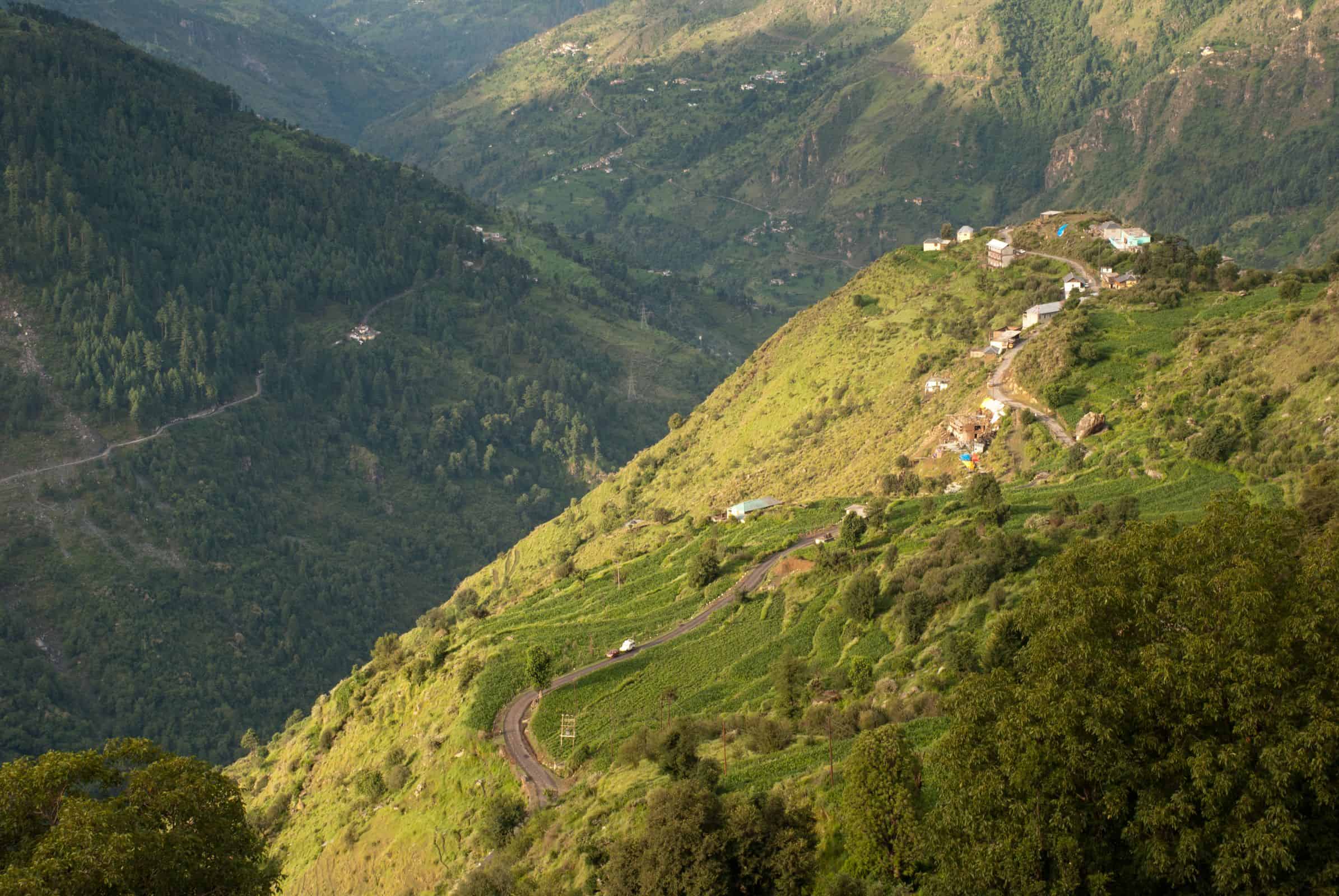
If you have done Ladakh, explored Spiti, and are now looking for something truly remote and untouched in Himachal Pradesh, then Pangi Valley should be on your radar. Tucked away in the Chamba district, between the Pir Panjal and Zanskar ranges, Pangi Valley is one of those rare corners of the Himalayas that still feels like a different world altogether. The valley remains cut off from the rest of Himachal for about 6 to 7 months every year, and that isolation is exactly what makes it so special.
In this guide, I will cover everything you need to know before planning a trip to Pangi Valley. From the two main routes to reach Killar (the valley’s headquarters), to places you must visit, budget breakdown, road conditions, mobile connectivity, and practical tips that will actually help you on the ground. Whether you are a biker, a backpacker, or someone traveling by car, this guide has got you covered.
Practical Info at a Glance
| Location | Chamba District, Himachal Pradesh |
| Valley HQ | Killar (~8,000 ft / 2,438 m) |
| Highest Point on Route | Sach Pass (~14,500 ft / 4,420 m) |
| Best Time to Visit | June to September (Sach Pass open July to mid-October) |
| Distance from Delhi | ~700 km via Chamba, ~650 km via Manali |
| Budget (per person, 7 days) | Rs 8,000 – Rs 20,000 |
| Permits Required | None for domestic tourists |
| Difficulty Level | Moderate to Challenging (road conditions) |
| Last Updated | March 2026 |
What Makes Pangi Valley Different from Spiti or Ladakh?
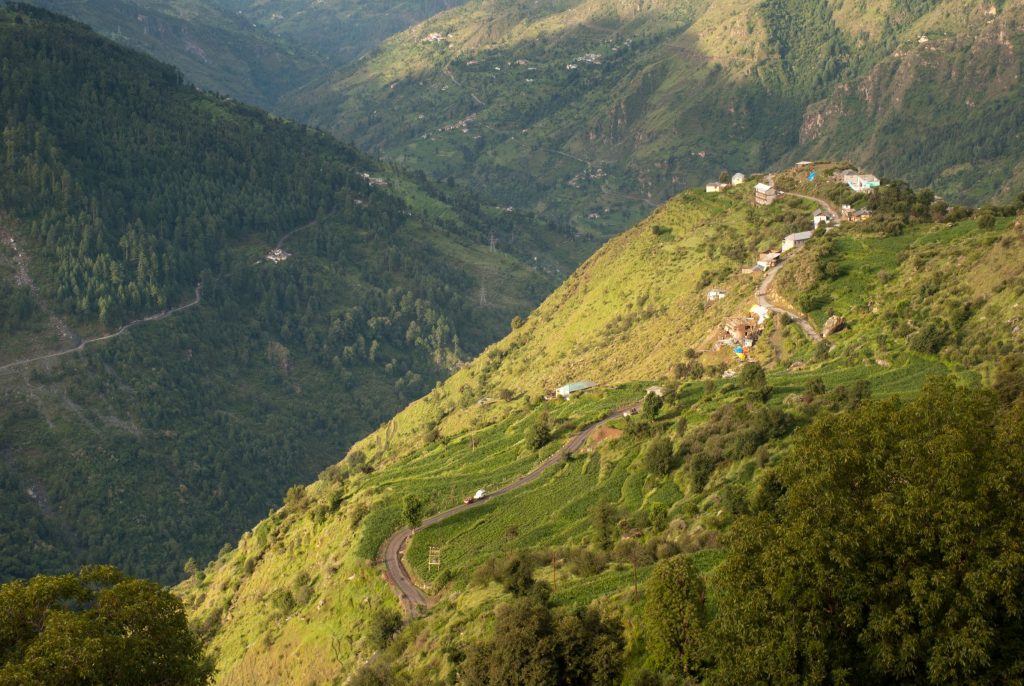
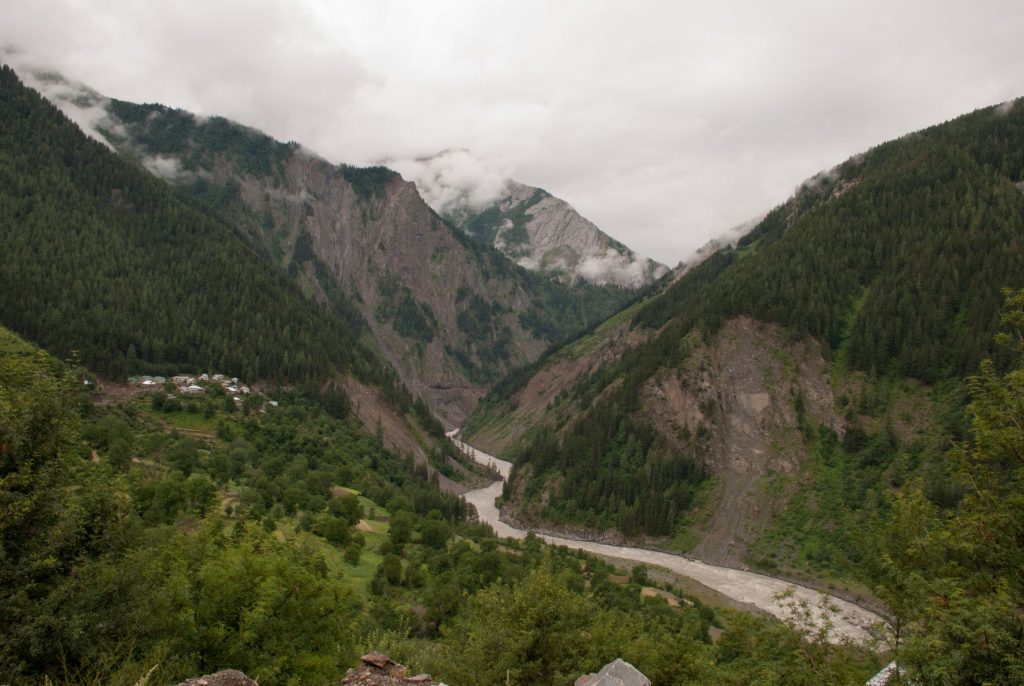
Pangi Valley sits in a transition zone between the Himalayas and the Trans-Himalayas, which gives it a unique character. Unlike Spiti which is a cold desert, or Ladakh which is high-altitude plateau, Pangi has dense forests of deodar and birch on one side and barren, rocky landscapes on the other. The Chandrabhaga (Chenab) river flows through the entire length of the valley, and the sound of rushing water is your constant companion here.
The valley is home to the Pangwal and Bhoti tribes, who have their own distinct culture, festivals, and way of life. Tourism infrastructure is minimal. There are no fancy hotels, no cafes with Wi-Fi, and no Instagram-famous spots with crowds. What you get instead is raw, unfiltered Himalayan terrain and some of the warmest hospitality from local families who open their homes to travelers. If that sounds like your kind of travel, keep reading.
How to Reach Pangi Valley? Two Main Routes Explained
There are two main routes to reach Killar, the headquarters of Pangi Valley. Your choice will depend on the time of year, your vehicle, and your overall trip plan. Let me break down both routes for you.
Route 1: Via Sach Pass (from Chamba Side)
Route: Delhi → Pathankot → Chamba → Bairagarh → Sach Pass (14,500 ft) → Killar
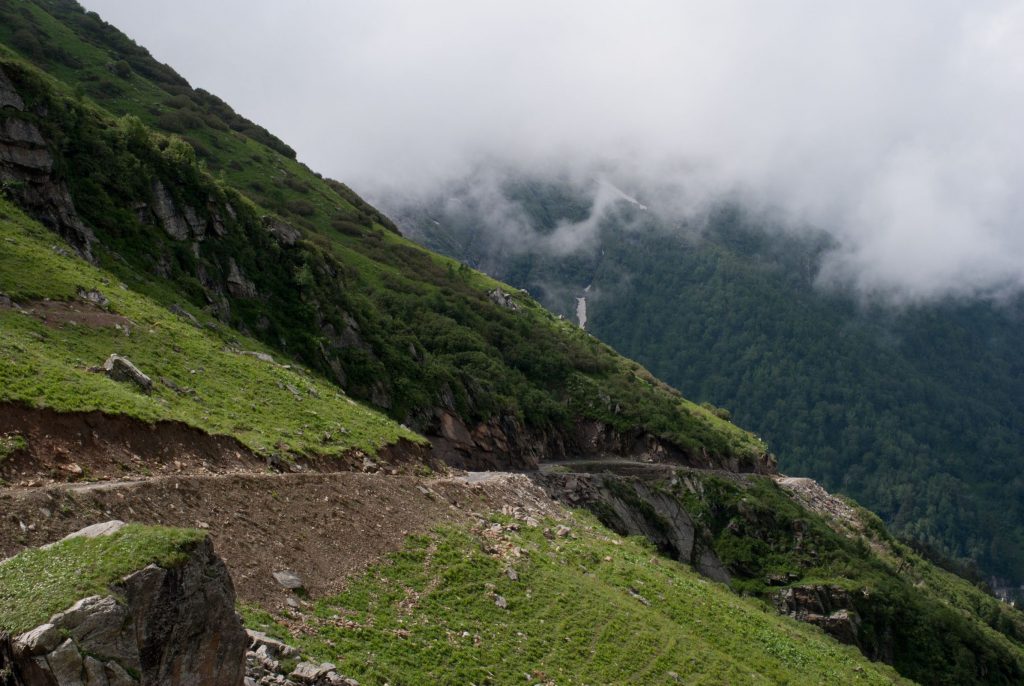
Distance: Chamba to Killar is about 159 km, but keep in mind this is not your regular highway distance. The road from Bairagarh to the top of Sach Pass is extremely challenging with sharp hairpin bends, water crossings, and rocky stretches. From the pass, the descent to Killar is equally demanding. The entire Chamba to Killar stretch can take anywhere between 8 to 12 hours depending on road conditions and your vehicle.
When it opens: Sach Pass typically opens for small vehicles (SUVs, bikes) by late June or early July, depending on snow clearance by BRO. For buses and larger vehicles, the pass usually becomes accessible from mid-July. The road remains open until mid-October, sometimes a bit longer if snowfall is delayed. I suggest checking road status updates before you finalize your dates. You can read more about the Sach Pass route in my detailed Sach Pass Trip Travel Guide.
Route 2: Via Keylong-Udaipur (from Manali Side)
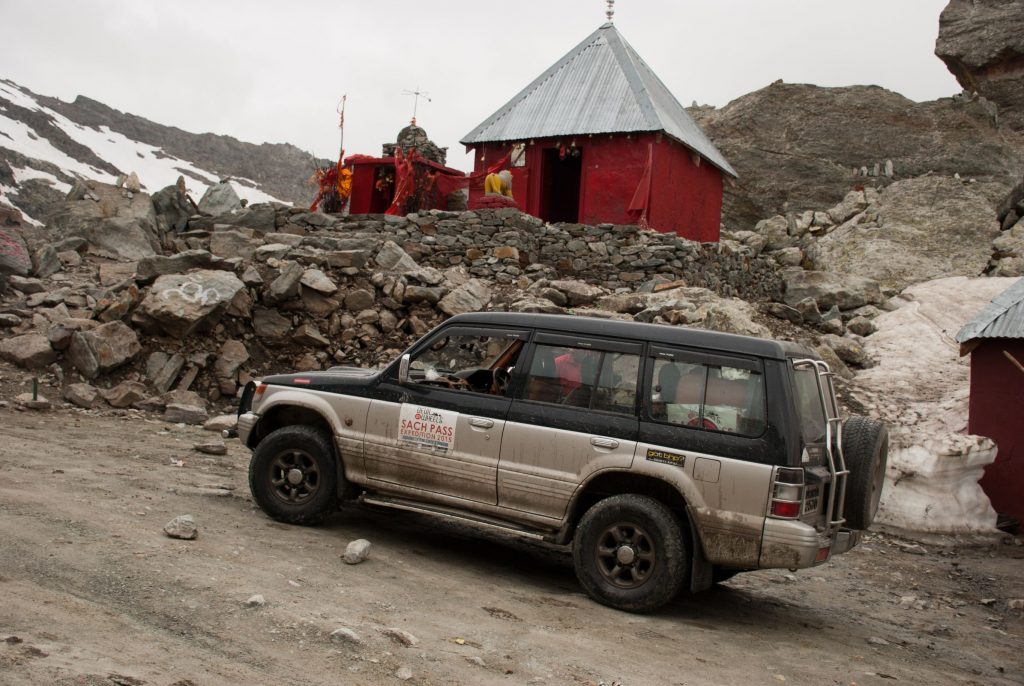
Route: Delhi → Manali → Atal Tunnel → Keylong → Udaipur → Tindi → Killar
Distance: Keylong to Killar is about 130 km. The biggest advantage of this route is that it opens earlier in the season compared to Sach Pass, since the Atal Tunnel has made Keylong accessible year-round. However, the road from Udaipur to Killar via Tindi is still seasonal and depends on snow clearance. This route is generally considered less challenging than the Sach Pass route, though the road quality is still rough in many stretches.
My suggestion: If this is your first trip to Pangi, I would recommend entering via the Keylong-Udaipur route and exiting via Sach Pass (or the other way around). This way, you get to experience both routes and the journey itself becomes a significant part of the trip. For those who want to read more about the Keylong side, check the Lahaul Valley Complete Guide.
Can I Reach Pangi Valley by Bus?
Yes, HRTC operates a seasonal bus service from Chamba to Killar via Sach Pass. The bus typically departs from Chamba at around 6 AM and the service runs from July to September (sometimes into early October, weather permitting). The fare is approximately Rs 300 to Rs 350 per person. However, keep in mind that this is a very long and tiring journey by bus, easily taking 10 to 14 hours on a good day. The bus may not run on days when the road is blocked due to landslides or heavy rain.
From the Manali side, you can take a bus to Keylong and then find shared transport or local buses onward to Udaipur and Killar, though frequency is limited. For the latest schedules, I recommend checking with the HRTC office in Chamba or Keylong directly, as timings change based on road conditions.
What Are the Best Places to Visit in Pangi Valley?
Pangi Valley has several sub-valleys and villages worth exploring. Most travelers base themselves in Killar and make day trips to the surrounding areas. Here are the places you should not miss.
1. Killar
Killar is the administrative headquarters of Pangi Valley and the only town in the region with basic amenities. You will find a small market here with a few shops selling essentials, a government hospital, a bus stand, a helipad, and a handful of hotels and homestays. It is not a tourist destination in itself, but it is your base camp for exploring the rest of the valley. The town sits at about 8,000 feet along the Chandrabhaga river.
2. Sural Bhatori
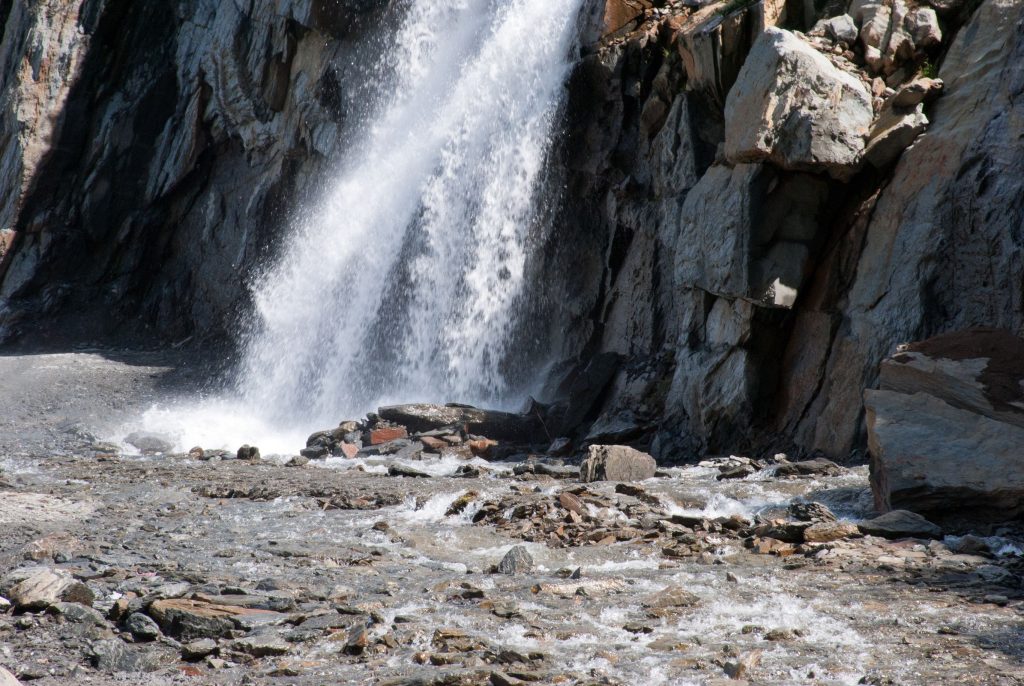
Located about 22 km from Killar, Sural Bhatori is one of the most beautiful sub-valleys in Pangi. The village is known for its ancient Buddhist monastery (gompa) set in a sacred grove of Bhojpatra (Himalayan birch) trees. There is a waterfall about 20 minutes walk from the village, and the entire setting feels otherworldly. From Sural Bhatori, trekking routes lead further towards Zanskar, making it a starting point for some serious multi-day treks.
3. Hudan Bhatori
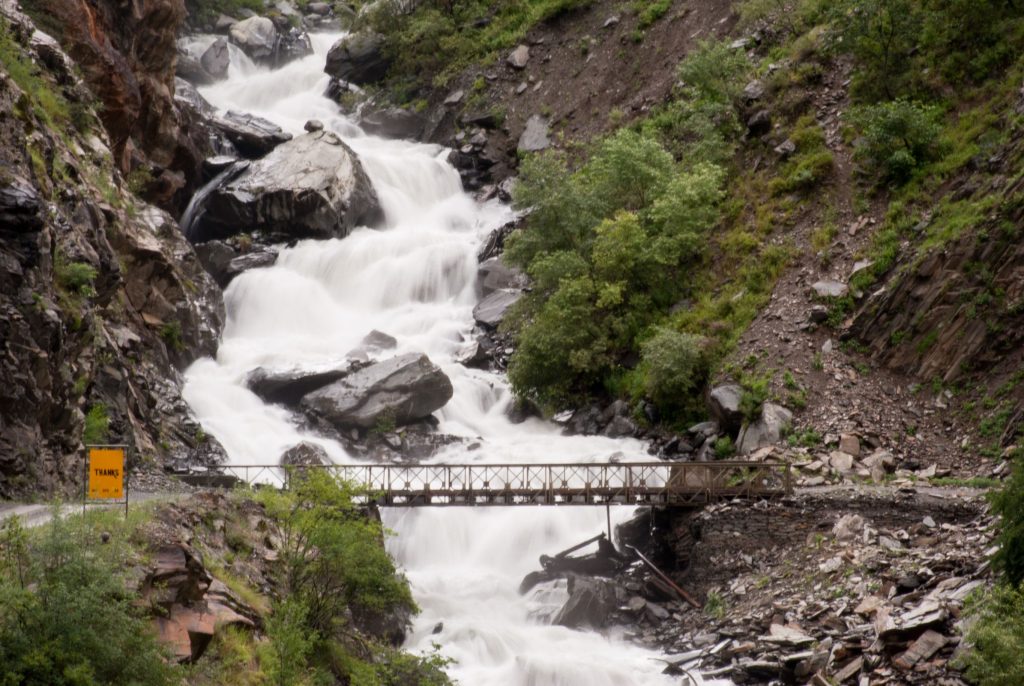
Hudan is the closest sub-valley from Killar, about 13 km upstream along the Mahlu nallah. The valley has 4 to 5 small villages, with Hudan Bhatori being the last one. There is a small lake near Bhatori that makes for a great camping spot, and the gompa in Hudan Bhatori is worth visiting. This is probably the best option for travelers who have limited time but still want to experience the deeper parts of Pangi.


4. Mindhal Village and Chamunda Devi Temple
If you are reaching Killar from the Keylong side, you will cross Mindhal village on the way. The village is home to the Chamunda Devi temple (also called Mindhal Mata), which is considered the most sacred religious site in the entire Pangi Valley. Two annual fairs are held here in the months of Bhadra (August-September) and Ashvina (September-October), and if your visit coincides with these, you will get to witness the vibrant local culture and traditional celebrations of the Pangwal community.
5. Sach Pass
At about 14,500 feet, Sach Pass is not just a gateway to Pangi Valley but a destination in itself. The drive up to the pass from the Chamba side is one of the most thrilling road experiences in the Indian Himalayas. Snow walls, narrow cliff sections, and water crossings make this a challenging but rewarding drive. For a detailed day-by-day plan, check my Sach Pass – Pangi Valley Itinerary.
6. Killar to Kishtwar Road (For the Adventurous)
If you are looking for an extended adventure, the road from Killar to Kishtwar in Jammu and Kashmir is considered one of the most dangerous roads in the world. It is a single-track dirt road carved into steep cliffs above the Chenab river, and it is not for the faint-hearted. I have covered this route in detail in my article on the Killar to Kishtwar road. Only attempt this if you have a sturdy vehicle, good driving skills, and nerves of steel.
When Is the Best Time to Visit Pangi Valley?
The best time to visit Pangi Valley is between June and September. Here is a month-by-month breakdown to help you decide.

June: The Keylong-Udaipur route may open by mid-June, but Sach Pass is usually still under snow. Early visitors can enter from the Manali side if the Udaipur-Killar road has been cleared. Weather is pleasant but unpredictable.
July: This is when Sach Pass officially opens for most vehicles. HRTC bus service from Chamba to Killar begins. July brings monsoon rains, which means landslides and road closures are common. If you are a biker or driving an SUV, be prepared for delays. For more on traveling to Sach Pass in July, check my Sach Pass in July guide.
August to September: This is arguably the best window. The roads have stabilized after the initial monsoon fury, the valley is lush green, and the weather is comfortable during the day (15-25 degrees Celsius in the valley). Nights can get cold, so carry warm layers. The fairs at Mindhal village also happen during this period.
October: Sach Pass begins to receive early snowfall and the road can close anytime. Only attempt a visit in early October if you are closely monitoring road conditions. The Keylong route may stay open a bit longer.
November to May: The valley is cut off. Sach Pass is buried under snow and the Udaipur-Killar road is also closed. Only helicopter service operates during this period for essential supplies and emergencies.
How Much Does a Pangi Valley Trip Cost?
Pangi Valley is one of the most budget-friendly destinations in the Himalayas, simply because there are limited options to spend money. Here is a rough budget breakdown for a 7-day trip (per person, assuming 2 people sharing costs).
Budget Breakdown (7-Day Trip, Per Person)
| Expense | Budget (Rs) | Mid-Range (Rs) | Comfort (Rs) |
|---|---|---|---|
| Accommodation (6 nights) | 3,000 (Homestays, Rs 500/night) | 6,000 (Guesthouses, Rs 1,000/night) | 9,000 (Best available, Rs 1,500/night) |
| Food (7 days) | 2,100 (Homestay meals, Rs 300/day) | 3,500 (Dhabas + homestay, Rs 500/day) | 4,900 (Rs 700/day) |
| Transport (own vehicle – fuel) | 3,000 | 3,500 | 4,000 |
| Transport (by bus/shared) | 1,500 | 2,500 | 4,000 |
| Miscellaneous | 500 | 1,000 | 2,000 |
| Total (own vehicle) | 8,600 | 14,000 | 19,900 |
| Total (by bus/shared) | 7,100 | 13,000 | 19,900 |
Keep in mind that these are approximate figures. Homestay prices in remote sub-valleys like Hudan and Sural may vary. Some homestays include meals in their rate, which brings down your food costs significantly. Also, there are no ATMs in Pangi Valley beyond Killar (and even the one in Killar may not always work), so carry enough cash for your entire stay.
What Should I Know About Safety and Road Conditions?
Pangi Valley is not your typical hill station weekend trip. The roads are challenging, the terrain is remote, and help is not easily available. Here are the key safety points.
Road conditions: Both routes involve rough, unpaved roads with loose gravel, water crossings, and narrow stretches along steep drops. An SUV or motorcycle with good ground clearance is recommended. Sedans are not advisable. The Keylong-Udaipur route is slightly better but still rough in many sections.
Landslides: Monsoon season means landslides. Roads can get blocked for hours or even days. Always check conditions before starting and carry enough food and water. According to BRO officials, Sach Pass road clearance depends entirely on that year’s snowfall pattern.
Altitude sickness: Killar at 8,000 feet is manageable for most, but Sach Pass at 14,500 feet can cause AMS symptoms. Do not rush through the pass. If you feel headache, nausea, or dizziness, take it slow.
Medical facilities: Government hospital in Killar has limited facilities. For anything serious, evacuation to Chamba or Keylong is needed. Carry a first-aid kit and personal medications.
Fuel: No petrol pump in Pangi Valley. Last fuel stops: Chamba town (Sach Pass route) or Keylong (Manali route). Fill up completely before entering. Bikers should carry a jerry can.
Mobile Network and Connectivity in Pangi Valley
Connectivity in Pangi Valley is extremely limited. Here is what you can expect as of 2026.
BSNL has the best coverage in the valley and works in Killar and some villages along the main road. Jio has started working in Killar town and a few spots, but do not rely on it for the entire valley. Airtel coverage is patchy at best. Vodafone/Vi does not work in Pangi at all.
My suggestion is to carry a BSNL SIM as your primary connection if you need to stay in touch. A dual-SIM phone with BSNL and Jio is your best bet. Do not expect data connectivity in most of the valley, and inform your family about the limited communication before you head in. For similar connectivity tips in other Himalayan valleys, check my article on mobile connectivity in Spiti Valley.
Where to Stay in Pangi Valley?
Accommodation options in Pangi Valley are basic but adequate. Here is what is available.
Homestays: The best way to experience Pangi. Local families in Killar, Sural, Hudan, and other villages offer rooms with home-cooked meals for Rs 500 to Rs 1,500 per night. Websites like Pangi Tourism list verified options.
HPPWD Rest Houses: Government rest houses at Killar, Tindi, and a few other locations. Basic rooms, affordable. Book in advance through the HPPWD office.

Camping: Carry your own tent and Pangi opens up. The lake near Hudan Bhatori and meadows near Sural are popular spots. Carry all supplies and leave no trace.
Hotels: A couple of small hotels in Killar with basic rooms. Rates range from Rs 800 to Rs 1,500 per night.
Suggested Itinerary for Pangi Valley (7 Days from Delhi)
Here is a practical 7-day itinerary that covers both routes and the key highlights of the valley.
Day 1: Delhi to Chamba (~550 km, 10-12 hours). Start early, reach by evening. Stay overnight.
Day 2: Chamba to Killar via Sach Pass (159 km, 8-12 hours). Start by 5 AM. Cross Sach Pass and descend into Pangi Valley.
Day 3: Explore Killar and visit Hudan Bhatori (13 km one way). Return to Killar by evening.
Day 4: Day trip to Sural Bhatori (22 km one way). Visit the monastery, hike to the waterfall. Return to Killar.
Day 5: Killar to Keylong via Tindi and Udaipur (130 km, 6-8 hours). Stop at Mindhal village for Chamunda Devi temple.
Day 6: Explore Keylong and Lahaul Valley. Visit Jispa or Sissu. Refer to Lahaul Valley itineraries for options. Stay in Keylong or Jispa.
Day 7: Keylong to Manali via Atal Tunnel (~110 km, 3-4 hours). Drive back to Delhi or break journey at Chandigarh.
For a shorter trip plan, check my guide on how to make a Sach Pass trip in 4-5 days.
Essential Tips for Your Pangi Valley Trip
Based on what I have learned from covering this region and feedback from DwD community members who have done this trip, here are some practical tips that will help.
- Fuel up completely before entering the valley. No petrol pumps inside Pangi. Last fuel stops are Chamba (via Sach Pass) or Keylong (via Udaipur route).
- Carry enough cash. ATM availability is unreliable. Carry Rs 5,000 to Rs 10,000 in small denominations for the valley portion of your trip.
- Pack warm clothing even in summer. Temperatures drop significantly at night and at Sach Pass. A good quality fleece and a windproof jacket are essential.
- Carry basic medicines including Diamox (for AMS prevention at Sach Pass), paracetamol, ORS, and any personal medications.
- Respect local culture. Pangi Valley has strong tribal traditions. Ask before photographing people or religious sites. The Pangwal and Bhoti communities are very welcoming, but mutual respect goes a long way.
- Travel in a group if possible. The roads are remote and help may be hours away. Having another vehicle in convoy provides a safety net.
- Check road conditions before starting. Roads in Pangi are unpredictable, especially during monsoon. A call to the SDM office in Killar or HRTC office in Chamba can save you from a wasted journey.
- Carry your own snacks and water. Once you leave Chamba or Keylong, food options are very limited until you reach Killar.
Related Reading
If you are planning a trip to this region, these articles on Discover With Dheeraj will be helpful.
- The Most Complete Guide to Pangi Valley
- Sach Pass Trip Travel Guide – Day by Day Itinerary
- Killar to Kishtwar – The World’s Most Dangerous Road
- Jispa Village – Complete Travel Guide
- Lahaul Valley – The Most Complete Guide
Frequently Asked Questions About Pangi Valley
Is Pangi Valley safe to visit?
Yes, Pangi is safe during the open season (June to September). The risks are road-related (landslides, weather), not personal safety. Local communities are welcoming. Take precautions for AMS at Sach Pass.
Do I need a permit to visit Pangi Valley?
No permits are required for domestic tourists as of 2026. Foreign nationals should check with the District Magistrate office in Chamba.
Can I take a sedan to Pangi Valley?
I would not recommend it, especially via Sach Pass. The road has water crossings, loose rocks, and steep gradients. An SUV or motorcycle is the way to go.
Is there internet in Pangi Valley?
Very limited. BSNL works in Killar and some main road villages. Jio is patchy in Killar town. Do not expect reliable data services in most of the valley.
What is the nearest airport?
Gaggal Airport in Dharamshala (Kangra), about 180 km from Killar. Alternatively, fly into Bhuntar (Kullu) and take the Keylong route via Atal Tunnel.
Can I visit Pangi Valley in winter?
All road access is cut off from November to May. Only helicopter service operates for essentials. Winter visits are not recommended for tourists. For winter options, check my winter trip planning guide.
How many days do I need?
Minimum 5 days if using one route. For the full experience with both routes (Sach Pass + Keylong), plan 7 to 8 days from Delhi.
Is Pangi suitable for solo travelers?
Solo bikers do visit Pangi regularly. However, given remote roads and limited connectivity, traveling with a companion is safer. The DwD Community is a good place to find travel partners.
What food is available?
Simple home-cooked meals: rajma-chawal, dal, roti, seasonal vegetables, and Maggi at dhabas. Homestays serve the best food. Carry snacks and dry fruits for the road.
Is Pangi Valley better than Spiti?
Different experiences altogether. Spiti is a cold desert with established tourism. Pangi is greener, more remote, with almost no infrastructure. Done Spiti and want something rawer? Go to Pangi. First-timer? Start with Spiti Valley.

Conclusion
Pangi Valley is not for everyone, and that is precisely what makes it special. It is for the traveler who has moved beyond the popular circuits and wants to experience the Himalayas in their most raw and undiluted form. The roads will test your patience, the isolation will challenge your comfort zone, but the valley itself will reward you with a kind of peace and beauty that you will not find on any tourist map.
If you are planning a trip to Pangi Valley and have questions about road conditions, itinerary, or anything else, feel free to ask in the comments section below. You can also join the DwD Community where fellow travelers share real-time updates and trip reports from this region. If you found this guide helpful, do share it with your friends and family who might be planning a trip to this part of Himachal.
I hope this article helps you plan your Pangi Valley adventure. If you have any questions, feel free to ask in the comments section below 🙂
