


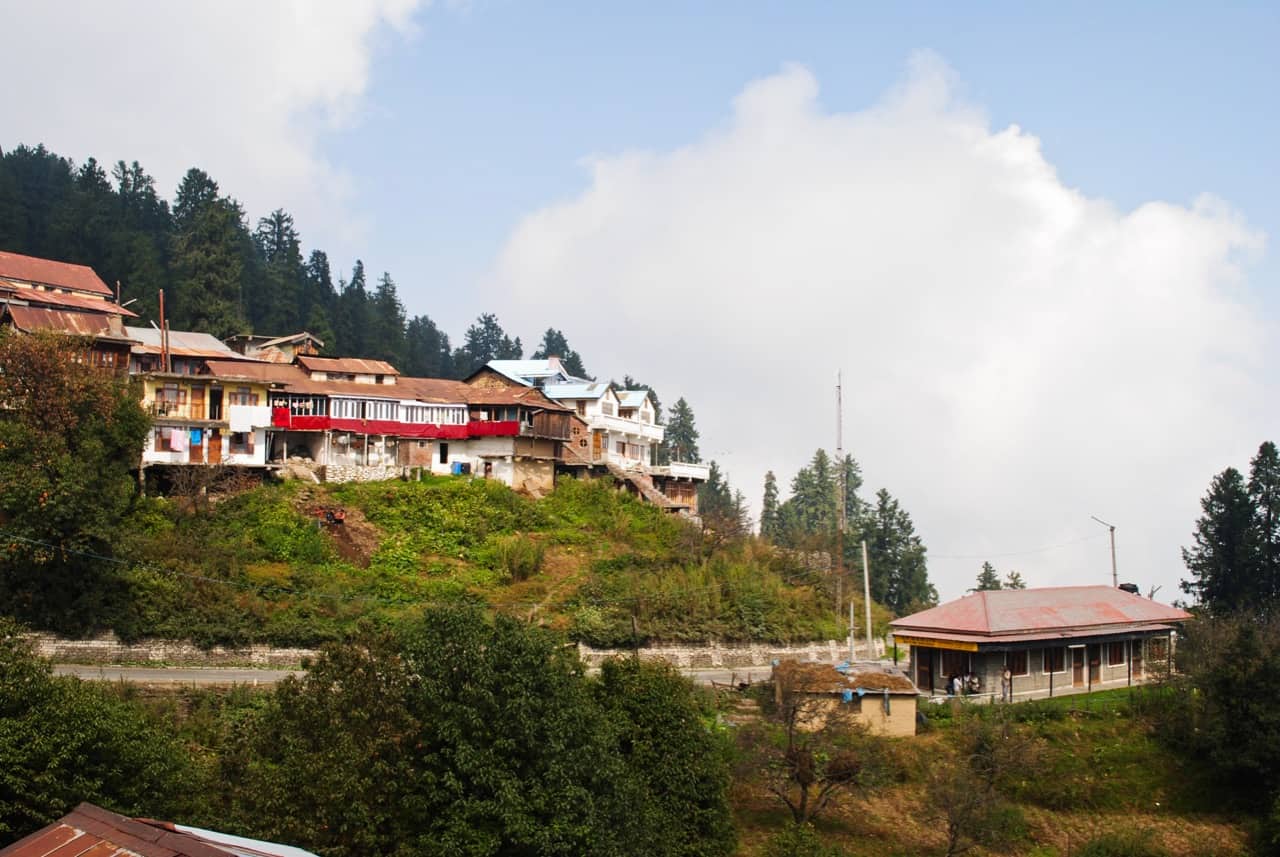
Narkanda sits at 9,060 feet on the old Hindustan Tibet Road, just 63 km past Shimla. Most travelers drive past without a second thought because they are rushing to Kinnaur Valley or Spiti, and Narkanda is just another dot on the map. I used to think the same until I actually stopped here. What I found was a quiet hill town with apple orchards covering every slope, beginner-friendly skiing at Dhumri from January to March, and an 11,152 ft Hatu Peak that gives you a 360-degree view of the Shivalik Range without the crowd you find at Kufri or Mall Road.
If you are tired of the Shimla crowd and want a hill station where you can actually hear the wind in the pines, Narkanda deserves a dedicated trip. Not just a pit stop. This Narkanda travel guide covers everything you need to plan your visit in 2026, from how to reach from Delhi, where to stay, what to see (Hatu Peak, Tani Jubbar Lake, Stokes Farm at Thanedar), and how much a 3-day weekend trip actually costs. I have tried to include every practical detail so that you do not have to look anywhere else.
Let's quickly dive into the details:
Narkanda at a Glance
- Altitude: 9,060 feet (2,760 meters)
- District: Shimla, Kumarsain subdivision
- Distance from Delhi: 403 km (10-11 hours by road)
- Distance from Shimla: 63 km (2-3 hours by road)
- Best time to visit: April to June (summer), January to March (snow and skiing)
- Key attractions: Hatu Peak (3,400 m / 11,152 ft), Tani Jubbar Lake, Stokes Farm (Thanedar), skiing at Dhumri slopes, apple orchards
- Budget per day: Rs 1,500-3,000 for a budget traveler
- Mobile network: Jio, Airtel, BSNL, and Vi all work reliably
- ATM: Available in Narkanda town
- Nearest hospital: Dispensary in Narkanda, Civil Hospital at Theog (35 km)
- Petrol pump: Available in Narkanda with mechanics nearby
- Last updated: May 2026
What Makes Narkanda Worth Visiting in 2026?
Narkanda sits at 9,060 feet on the old Hindustan Tibet Road (NH-5), roughly 63 km from Shimla and 403 km from Delhi. It serves as a gateway to Kinnaur and Spiti valleys, but it also works perfectly as a standalone weekend destination. The town receives heavy snowfall from December to February, making it one of the best places to see snow near Delhi in Himachal. In summer, the apple orchards turn green and the temperature stays between 15 and 25 degrees Celsius, which is genuinely pleasant.
Unlike Shimla or Manali, Narkanda has not been overrun by commercial tourism. The main market is small, the roads are quiet once you leave the highway, and the forests around Hatu Peak are thick with deodar and pine. For solo travelers, couples, and families looking for a peaceful Himalayan getaway, this is exactly the kind of place I keep recommending on the blog as an alternative to overcrowded hill stations.
The town also has a surprisingly rich history. It sits on the ancient Hindustan Tibet Road, the same trade route that connected the Indian plains with Tibet for centuries. Samuel Satyanand Stokes, an American who settled here in the early 1900s, introduced commercial apple cultivation to this region. His legacy lives on at Stokes Farm near Thanedar, which is now a popular side trip from Narkanda. The Atal Bihari Vajpayee Institute of Mountaineering and Allied Sports (ABVIMAS) also runs its winter skiing programs from Narkanda, giving the town a reputation among adventure sports enthusiasts across India.
When Is the Best Time to Visit Narkanda?
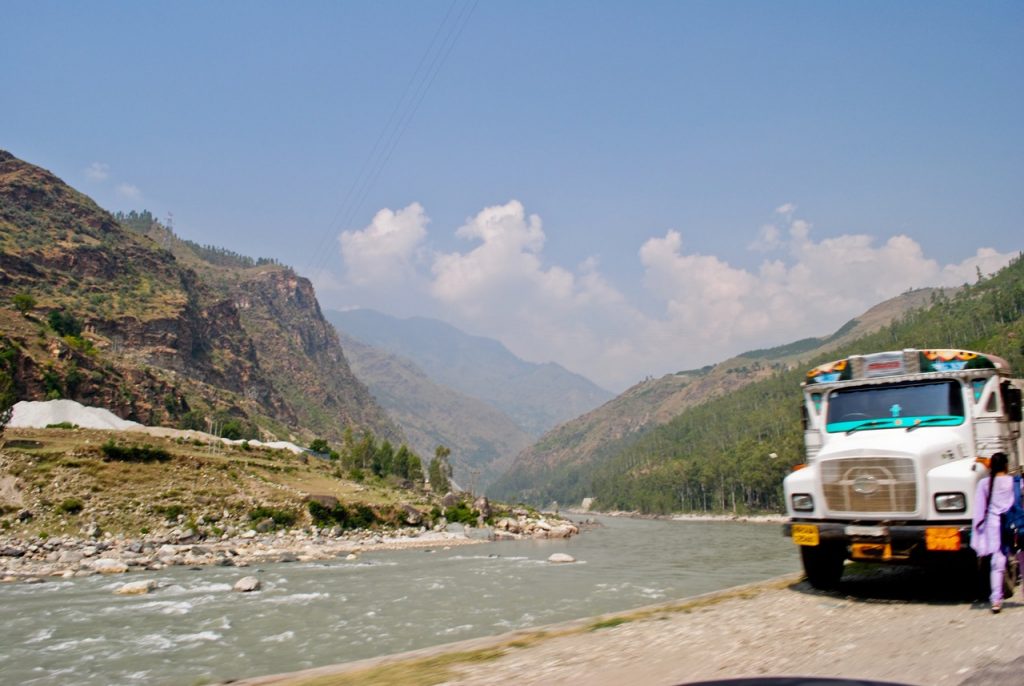
Each season in Narkanda offers something different, and the best time depends entirely on what you want to experience. Summer (April to June) is comfortable for general sightseeing, while winter (January to March) is the season for snow and skiing. Here is a month-by-month breakdown based on my visits and research.
Narkanda Weather by Month (Quick Reference)
If you just want the Narkanda weather numbers before you commit to dates, here is the month-by-month table. I have added what I would actually pack or plan around each month, not just the temperature, since a number alone does not tell you whether the Hatu Peak road is slush, ice, or clear.
| Month | Day / Night Temp | What to Expect | Dheeraj’s Tip |
|---|---|---|---|
| January | 8-10°C / -8 to -10°C | Heavy snow, roads icy, ski season begins | Carry micro-spikes for the walk near the Dhumri slopes. Ordinary shoes slip on the packed ice patches, not just fresh snow. |
| February | 8-11°C / -6 to -8°C | Best skiing month, ABVIMAS intermediate course window | Book the HPTDC ski package at least two weeks ahead. February weekends fill up fast with Delhi school-break crowds. |
| March | 12-15°C / -2 to 2°C | Snow turning to slush, last window for snow photos | Pack waterproof trekking shoes, not snow boots. March roads are slush and mud rather than powder. |
| April | 18-20°C / 4-6°C | Apple blossom season, mild and clear | Visit Stokes Farm in the first two weeks of April. The blossom window closes fast once temperatures climb. |
| May | 20-25°C / 6-10°C | Warm afternoons, cool evenings, tourist season starts | Carry a light fleece for Hatu Peak even in May. The wind at 11,152 feet cuts through a t-shirt by evening. |
| June | 22-25°C / 10-13°C | Peak pre-monsoon crowd, driest month of summer | Book Tethys or HPTDC Hotel Hatu at least three weeks ahead. June weekends are the busiest of the year here. |
| July | 22-24°C / 14-16°C | Monsoon begins, landslide risk on the Shimla road | Check the Hindustan Tibet Road status before leaving Theog. This stretch is where slides most often shut the highway. |
| August | 15-25°C / 12-15°C | Heavy rain some days, apple harvest starts | Carry a proper rain shell, not an umbrella. The ridge-top wind turns umbrellas useless within minutes. |
| September | 18-19°C / 6-10°C | Rain tapering off, clearer skies from mid-month | Wait for the last two weeks of September. That is when the monsoon haze clears and the Shivalik view from Hatu Peak opens up fully. |
| October | 20-23°C / 8-12°C | Crisp air, golden light, comfortable trekking weather | Start the Hatu Peak trek by 7 AM. October mornings are cold but the trail warms up fast once the sun clears the ridge. |
| November | 15-18°C / 2-5°C | Dry, thinning crowds, Narkanda Lavi Fair | Time your visit around the Lavi Fair in mid-November. It is one of the oldest trade fairs in the region and rarely shows up on tourist itineraries. |
| December | 8-12°C / -4 to -2°C (early month) | Cold and dry early, first snow possible late month | Early December is cold without guaranteed snow. If snow is the whole point of your trip, wait for January instead. |
January to March (Winter and Snow): This is when Narkanda gets heavy snowfall. The town and surrounding forests turn white, and the skiing slopes at Dhumri near HPTDC Hotel Hatu become operational. If you want to learn skiing, this is the season. ABVIMAS conducts structured skiing courses every winter, typically a Basic Skiing Course in late February and an Intermediate Course in early March. The 2027 schedule is usually announced in December 2026 on the official ABVIMAS website, so check there for exact dates and booking windows. HPTDC also runs shorter skiing packages at around Rs 2,100 per person for a 3-day course including lodging. Equipment rental alone starts at around Rs 1,200 per person. The temperature drops to -10 degrees Celsius at night, so pack heavy woolens and thermals. Shimla town itself, at a lower altitude, is far less reliable for snow in the same window. My Shimla in winter snowfall timing guide breaks down month by month why Narkanda holds snow so much longer.
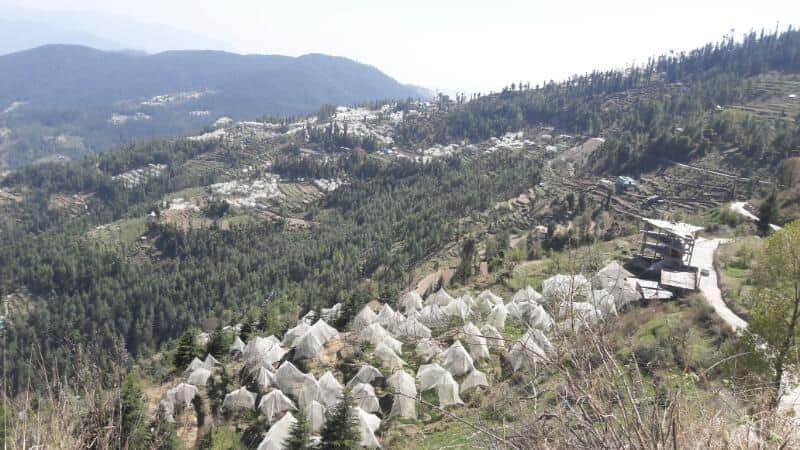
April to June (Summer): The most comfortable months to visit. Daytime temperatures stay around 20-25 degrees, and the apple orchards are in full bloom. April is particularly beautiful when the apple trees blossom and turn the hillsides white and pink. May and June can feel slightly warm during the day and the tourist rush picks up because of summer vacations. I would suggest visiting in April if you want fewer crowds and the prettiest orchards.
July to September (Monsoon): The Himalayas are prone to landslides during the monsoon, and Narkanda is no exception. Roads can get blocked, and you may end up stuck at your hotel watching clouds for days. That said, the apple picking season starts in July-August, and nearby Thanedar village looks stunning with its orchards loaded with red and green apples. If you love rain and do not mind some risk, the views between showers are genuinely beautiful. Keep in mind that this is also when leeches are active in the forest trails around Hatu Peak.
October to December (Autumn and Early Winter): October and November are underrated months for Narkanda. The air is crisp, the orchards turn golden, and the crowds thin out after the Dussehra festival season. The Narkanda Lavi Fair, held in November, is one of the oldest trade fairs in the region and worth timing your trip around if you are into local culture. Early December sometimes brings the first snowfall.
How to Reach Narkanda from Delhi?
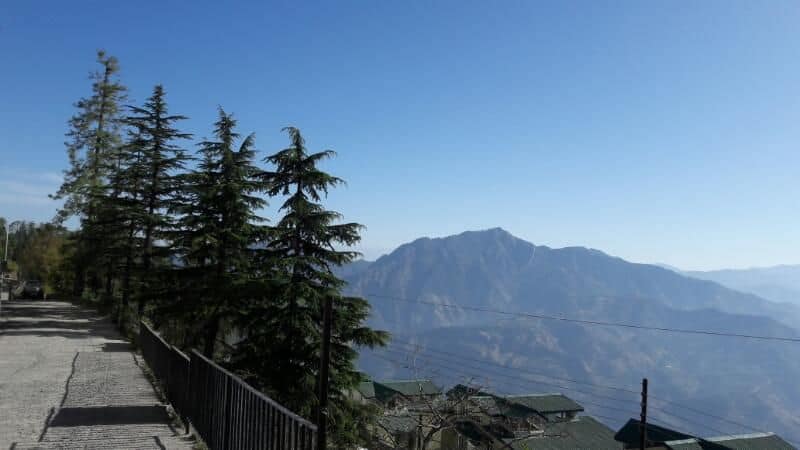
Narkanda is 403 km from Delhi by road and takes around 10-11 hours to reach by car or bus. The route follows NH-44 to Chandigarh and then NH-5 through Shimla. Roads are well-maintained for most of the year. The Parwanoo-Shimla four-lane highway project is now largely complete as of 2026, with only the Kandaghat tunnel section still under construction. This has reduced travel time between Chandigarh and Shimla, though you may still encounter some delays near the construction zone.
How to Drive from Delhi to Narkanda?
The best route from Delhi by self-drive or taxi is:
Delhi → Kurukshetra → Ambala → Chandigarh → Panchkula → Shimla → Narkanda
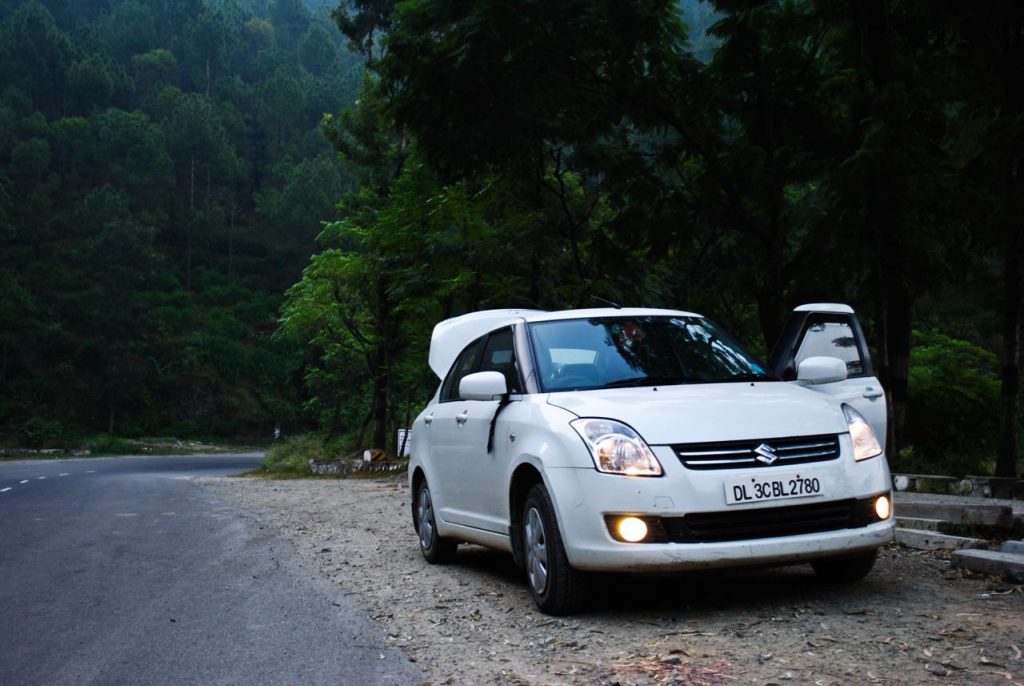
The stretch from Shimla to Narkanda (63 km, 2-3 hours) is the highlight of the drive. You cruise along mountain crests on the Hindustan Tibet Road, passing through Kufri, Fagu, and Theog. The road is well-paved and the views are stunning, especially the apple orchards between Theog and Narkanda. Keep in mind that traffic through Theog town can be slow since the highway passes through the market area.
If you are driving your own car, fuel up fully at Chandigarh or Shimla. There is a petrol pump at Narkanda, but if you plan to continue towards Kinnaur, remember that the next reliable petrol pump after Narkanda is at Rampur, about 50 km ahead.
How to Reach Narkanda by Bus?
No direct bus runs from Delhi to Narkanda. You need to take a bus to Shimla first, then change to a local HRTC bus. Here is the breakdown.
Delhi to Shimla: HRTC and HPTDC operate multiple bus types overnight from ISBT Kashmere Gate. As of 2026, the fares are approximately Rs 440 for an ordinary non-AC bus, Rs 650-750 for a semi-deluxe or Himdhara AC, and Rs 950-1,000 for a Himsuta AC Volvo 2×2. Over 25 HRTC services run daily between Delhi and Shimla. The journey takes 9-10 hours.
Shimla to Narkanda: HRTC runs multiple buses daily from Shimla Bus Stand (ISBT Tutikandi) towards Rampur, Kinnaur, and Reckong Peo. Every bus heading to Kinnaur passes through Narkanda. The first bus departs around 3:40 AM and the last around 11:30 PM. The fare is approximately Rs 150-200 for ordinary/semi-deluxe, and the journey takes about 2.5-3 hours. You can check current schedules on the official HRTC booking portal.


How to Reach Narkanda by Train?
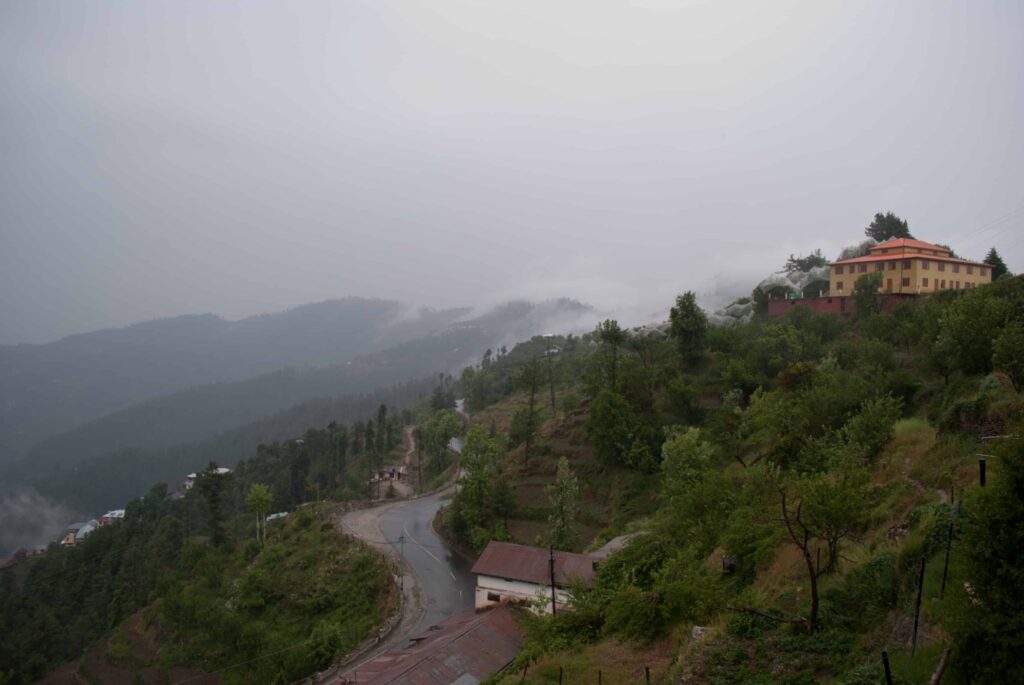
There is no direct train to Narkanda. Take the Shatabdi Express from New Delhi to Kalka. From Kalka, you have three options to reach Shimla.
- Kalka-Shimla Toy Train (UNESCO Heritage): The Shimla-Kalka Railway passes through 103 tunnels and offers a magical journey through the hills. It is slow (5-6 hours) but worth it if you have the time. I have spoken about this before, and trust me, the toy train is the cutest way of traveling.
- Bus from Kalka: HRTC buses to Shimla run frequently. Takes about 3-4 hours.
- Taxi from Kalka: Private and shared cabs are available at Kalka railway station. Takes about 3 hours.
From Shimla, take an HRTC bus or hire a taxi to Narkanda (63 km).
Can You Fly to Narkanda?
The nearest airport is Jubbarhatti Airport (Shimla Airport), about 80 km from Narkanda. Flight connectivity to Shimla is limited, with flights primarily from Delhi. From the airport, hire a taxi to Narkanda or take a bus from Shimla Bus Stand. In case you are considering this option, keep in mind that Shimla airport often has cancellations due to weather, especially in winter and monsoon. I would recommend the bus or train route for reliability.
What Are the Best Places to Visit in Narkanda?
Narkanda may be a small town, but it has enough attractions to keep you engaged for 2-3 days. Here are the places worth visiting, in order of priority.

Hatu Peak (3,400 meters / 11,152 feet)
This is the highest point in the Shimla district and the main reason most travelers come to Narkanda. The peak is about 7-8 km from Narkanda town by road. No public transport goes there. A return taxi for four people costs around Rs 800-1,000 (as of 2026, verify locally). If you prefer trekking, the trail from Narkanda to Hatu Peak takes about 3 hours one way through dense deodar and pine forests. The trail is well-marked and considered easy to moderate, making it suitable for beginners.
At the top, there is a temple dedicated to Ma Kaali (Hatu Mata Temple). The 360-degree view of the Shivalik Range from here is worth every bit of the climb. You can see snow-capped peaks in winter and rolling green valleys in summer. Just beyond the peak, a 15-minute walk takes you to the Jau Baug meadows, an open grassy area with panoramic views that most visitors miss. Pack a picnic lunch and spend a few hours here.
Tani Jubbar Lake
A small but scenic lake surrounded by cedar forests, located about 5 km from Narkanda. There is a Nag Devta temple on the banks of the lake (entry inside the temple is not permitted). An annual fair is held near the lake in June where local artisans display their crafts and traditional Himachali music performances take place. It is a peaceful spot for a short walk, and the reflections of the surrounding trees in the still water make it worth the visit.
Stokes Farm (Thanedar)
Located about 16 km from Narkanda in Thanedar village, Stokes Farm is Shimla’s oldest apple orchard. It was established in 1916 by Samuel Satyanand Stokes, an American who converted to Hinduism and dedicated his life to apple cultivation in these hills. The farm sits at about 8,100 feet and offers free entry. It is open from 6 AM to 6 PM. The best time to visit is April (blossom season) or July to September (harvest season when you can see apple plucking in action). Even outside these windows, the orchards and the story behind them are worth the drive.
Narkanda Skiing at Dhumri Slopes
If you are visiting between January and March, do not miss the skiing. The Dhumri ski slopes near HPTDC Hotel Hatu sit at about 2,700 meters and are operated by both HPTDC and ABVIMAS. The slopes here are gentler compared to places like Auli, making Narkanda ideal for beginners. The Himachal Pradesh Tourism Department has been conducting ski courses here since 1980, so there is decades of experience behind the instruction. Equipment rental and basic day courses start around Rs 1,200 per person. For structured multi-day training, check the ABVIMAS schedule on their official website.
Mahamaya Temple (Kacheri)
About 7 km from Narkanda town, the Mahamaya Temple in Kacheri village is a revered Hindu temple dedicated to Goddess Mahamaya. It is surrounded by thick forests and offers panoramic mountain views. The temple itself is not large, but the setting is serene and the drive through Kacheri gives you a feel of authentic Himachali rural life. This is a good option if you have an extra half-day and want to explore beyond the standard tourist spots.
There is a reason that Narkanda makes it to the list of top honeymoon destinations in Himachal. The combination of snow, quiet forests, and mountain views creates a genuinely romantic setting.
What Is the Best Narkanda Weekend Trip Itinerary?
A weekend trip to Narkanda from Delhi works best as a 3-4 day plan. Here is a day-by-day itinerary that covers all the key places without rushing.
Day 0: Leave Delhi Overnight
If you are traveling by bus, self-drive, or train, leave Delhi overnight. HRTC and HPTDC Volvo buses to Shimla depart from ISBT Kashmere Gate through the evening and night. If driving, you can cover Delhi to Chandigarh by midnight and stop for a few hours of rest before continuing to Shimla at dawn.
Day 1: Reach Shimla, Drive to Narkanda
Reach Shimla by morning. If you are on a bus, head to Shimla ISBT Tutikandi and catch the next bus towards Rampur or Kinnaur, which will drop you at Narkanda. If driving, continue on NH-5 from Shimla towards Narkanda.
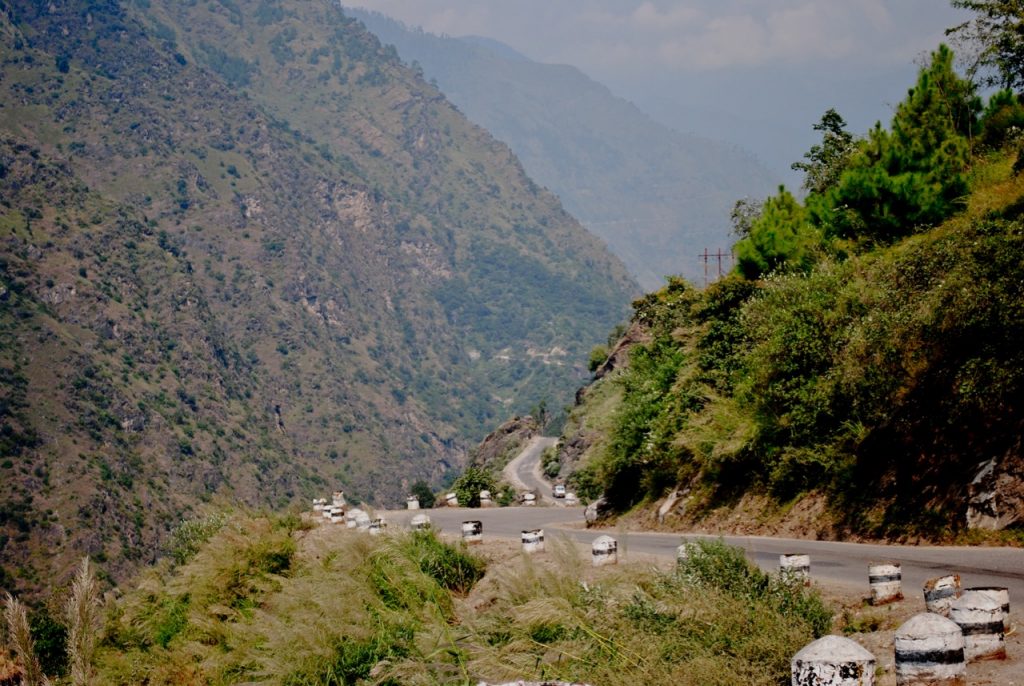
The 63 km drive from Shimla to Narkanda takes 2-3 hours and passes through some genuinely scenic spots. After crossing Sanjauli, you enter the Shimla Reserve Forest area and pass through Kufri. Kufri is a popular tourist spot in its own right, and you can stop for a quick break here. Beyond Kufri, you hit Fagu, which sits on the Hindustan Tibet Road. The tiny settlements along this stretch, perched high on the Himalayan ridgeline, give you a feel for Himachali hill life.
As you pass Theog (traffic can be slow here since the town sits on the highway) and continue towards Narkanda, the views open up dramatically. The road between Theog and Narkanda is about 35 km and takes roughly an hour, but my friend, the views on this stretch are spectacular. Apple orchards everywhere, deep valleys on both sides, and clear mountain air.
Check into your hotel, rest, and if time permits, explore the Narkanda market area in the evening. Alternatively, you can choose to spend a day in Shimla exploring Mall Road before heading to Narkanda on Day 2.
Day 2: Explore Narkanda (Hatu Peak, Tani Jubbar Lake, Skiing)
This is your main exploration day. Start early for Hatu Peak. If you are trekking, begin by 7 AM to reach the top by 10 AM and have it mostly to yourself. If you are taking a taxi, it is a 30-minute drive each way. Spend 2-3 hours at the peak, explore the Hatu Mata Temple, and walk over to the Jau Baug meadows if time permits.
After returning from Hatu Peak, have lunch in town and then head to Tani Jubbar Lake in the afternoon. The lake is a pleasant 20-30 minute drive from Narkanda. If visiting in winter (January to March), skip the lake and head to the Dhumri skiing slopes instead. You can rent equipment and get a few hours of practice on the beginner slopes.
Day 3: Thanedar Visit or Extended Exploration, Head Back
On your last day, you have a couple of options depending on your interests.
- Visit Thanedar: The apple capital of Himachal, about 16-18 km from Narkanda. The Stokes Farm is a must-visit, especially during the apple plucking season (July-August). Even outside the season, the village and its orchards are worth the drive.
- Visit Mahamaya Temple and Kacheri: For a quieter, more offbeat experience. The temple is about 7 km from Narkanda and the drive through the countryside is peaceful.
- Trek around Narkanda: The forests surrounding Narkanda have several informal trails. In winter, you can combine skiing with a snow trek.
- Continue to Kinnaur: Many travelers club Narkanda with onward travel to Kalpa, Sangla Valley, and Chitkul. If you have extra days, Narkanda works as the first stop on a longer Kinnaur-Spiti road trip.
Start your return journey to Delhi by afternoon to avoid driving in the dark through the hills. If taking a bus, head back to Shimla and catch an evening Volvo to Delhi.
Where to Stay in Narkanda?
Narkanda has a decent range of accommodation options, from budget homestays to a luxury resort. Hotel prices in Narkanda are generally lower than Shimla or Manali, though rates go up during peak winter (skiing season) and summer weekends. Here is what to expect in each price range.
Budget (Rs 800-1,500/night): Harsh Villa Guest House is a reliable budget option that several travelers have recommended. The PWD rest house in Narkanda is another budget-friendly choice if you can get a booking (available through the HP PWD website). Several homestays have also come up in recent years, offering clean rooms with home-cooked meals. If you are the type who values local experience over hotel amenities, homestays are the way to go here.

Mid-Range (Rs 2,000-4,000/night): HPTDC Hotel Hatu is the government-run property here and offers clean rooms with decent views. It is also the base for HPTDC skiing courses in winter, so if skiing is your priority, this is the most convenient option. The Wilderness, located in the Jubbar area near Tani Jubbar Lake, is set within apple and cherry orchards. The rooms are Himachali-style and the lake-side location is charming, though it is a bit far from Narkanda town center.
Luxury (Rs 5,000-10,000+/night): Tethys Ski Resort is hands down the best luxury stay in the region. The floor-to-ceiling windows overlooking forested hills, the location nestled in thick orchards in Nagrot Village, and the old-world-charm feel make it worth the splurge. If you are celebrating something special, this is where you should book.
What Are the Food Options in Narkanda?
Narkanda is a small town, so do not expect a wide variety of restaurants. Most visitors eat at their hotel or guesthouse. The main market has a few dhabas and small restaurants serving North Indian food. Try the Thukpa (Tibetan noodle soup) at one of the local joints. It is perfect after a cold winter trek. Negi Dhaba in the market area is a local favorite with reasonable prices and good home-style food. Some travelers also recommend the small cafes that have started coming up along the highway.
If you are staying at one of the resorts, they usually have in-house restaurants with more variety. For budget travelers, dhaba meals cost around Rs 150-250 per person per meal. If you are visiting between July and October, do not miss buying fresh apples directly from the orchards or roadside sellers. The apples here are among the best you will ever eat, and they cost a fraction of what you pay in Delhi.
How Much Does a Narkanda Trip Cost in 2026?
Narkanda is a relatively affordable destination compared to Shimla or Manali. Here is a rough budget breakdown for a 3-day weekend trip from Delhi for two people.
| Expense | Budget (2 people) | Mid-Range (2 people) |
|---|---|---|
| Delhi-Shimla bus (return) | Rs 1,800 (HRTC Ordinary x2) | Rs 4,000 (Volvo AC x2) |
| Shimla-Narkanda bus (return) | Rs 600 | Rs 800 |
| Accommodation (2 nights) | Rs 2,000 | Rs 6,000 |
| Food (3 days) | Rs 2,400 | Rs 4,000 |
| Local transport (Hatu Peak taxi etc.) | Rs 1,000 | Rs 2,000 |
| Skiing (if winter, per person) | Rs 2,400 | Rs 2,400 |
| Total (without skiing) | Rs 7,800 | Rs 16,800 |
| Total (with skiing) | Rs 10,200 | Rs 19,200 |
If you are driving your own car, replace the bus costs with fuel (approximately Rs 3,000-3,500 for a round trip from Delhi) plus tolls (around Rs 500-600). Hence, a budget traveler can do a Narkanda weekend trip for under Rs 5,000 per person, which is remarkable value for a Himalayan getaway.
What Practical Tips Should You Know Before Visiting Narkanda?
Here are some practical things that will help you plan better.
Mobile Connectivity: All major networks (Jio, Airtel, BSNL, Vi) work in Narkanda. Internet speed is decent for basic browsing and messaging. You should not have connectivity issues here, which is a big plus compared to more remote Himalayan destinations.
ATM and Payments: ATMs are available in Narkanda town. Most hotels and some restaurants accept UPI and card payments. However, keep cash handy for dhabas, local cabs, and smaller shops. I would suggest carrying at least Rs 3,000-5,000 in cash as a buffer.
Medical Facilities: A small dispensary is available in Narkanda for basic medical needs. The nearest proper hospital is the Civil Hospital at Theog, approximately 35 km away. Carry a basic first-aid kit and any personal medications.
Petrol Pump: There is a petrol pump at Narkanda with mechanics available nearby. If you are driving towards Kinnaur, fuel up here as the next reliable petrol pump is at Rampur (about 50 km ahead).
Shopping: Do not expect much shopping in Narkanda. The market is tiny. If you want to buy apples (and you should, especially between July and October), buy them directly from orchards or roadside sellers. The apples here are among the best in the world. You can also find locally made Himachali handicrafts like shawls and caps at a few shops.
Clothing: Layering is key. Narkanda sits at 9,060 feet, and temperatures can change quickly, especially as you move between sun and shade. If visiting in winter (December to March), carry heavy thermals, down jackets, gloves, and warm boots. In case you want a detailed checklist, refer to my list of things to carry on a trip to the Himalayas. For winter visitors who want proper cold-weather gear recommendations, also check the winter jackets guide for budget travelers.
What Are the Responsible Travel Tips for Narkanda?
- Do not litter. Narkanda does not have proper waste management. Carry your waste back to Shimla or Delhi. Most waste here gets dumped or burned, which harms the fragile hill environment.
- Skip the plastic bottles. Carry a reusable water bottle and refill it. The water in this part of the Himalayas is clean enough in most places.
- Respect local culture. Interact with villagers politely and learn about local traditions. Do not play loud music in the forests or near temples.
- Support local businesses. Eat at local dhabas, buy from local shops, and hire local cabs when possible. Tourism should benefit the people who live here, not just the big hotel chains.
- Apple orchards are private property. Do not enter orchards without permission. Many travelers assume they can walk into any orchard for photos, but these are working farms and the owners depend on the harvest for their livelihood.
Can You Visit Narkanda as Part of a Longer Himachal Trip?
Absolutely. Narkanda sits perfectly on the Shimla-Kinnaur-Spiti circuit, and many travelers use it as either their first or last stop on a longer road trip. Here are some popular combinations.
- Narkanda + Kinnaur: From Narkanda, continue on NH-5 to Kalpa, Sangla, and Chitkul. This is a 4-5 day trip from Delhi.
- Narkanda + Spiti: Use Narkanda as a night halt on the Shimla-Kinnaur-Spiti route. This works well for a 7-10 day Spiti circuit. If you are planning this route, check my Spiti via Shimla planning guide for detailed logistics.
- Narkanda + Shimla + Mashobra: A 3-4 day loop covering Shimla’s offbeat side. Great for families and first-time visitors to Himachal.
- Narkanda + Thanedar + Sarahan: For apple orchard lovers. Thanedar and Sarahan (Bhimakali Temple) are both within easy reach.
If you are exploring offbeat places in Himachal Pradesh, Narkanda fits right in with the theme. It gives you that perfect balance of accessibility and peace. You get mountain views without the 20-hour drives, snow without the altitude sickness risk, and orchards without the tourist bus crowds.
Frequently Asked Questions
Is Narkanda safe for solo travelers?
Yes. Narkanda is a small, peaceful hill town with low crime rates. The locals are friendly and helpful. Solo travelers, including women, can visit safely. Just take the standard precautions you would in any hill area, like avoiding isolated trails after dark and informing your hotel about your plans if you are heading for a trek.
Can I visit Narkanda in winter with my family?
Yes, Narkanda is a great winter destination for families, especially if your children want to see snow and try skiing. The HPTDC and ABVIMAS skiing courses are beginner-friendly with gentle slopes at the Dhumri area. Make sure everyone is bundled up warmly as temperatures can drop below -10 degrees Celsius at night. Carry proper snow boots because regular shoes will not work on icy roads.
How many days are enough for Narkanda?
Two full days in Narkanda are enough to cover Hatu Peak, Tani Jubbar Lake, Stokes Farm (Thanedar), and the skiing point. Including travel from Delhi, plan for a 3-4 day trip. If you want to combine Narkanda with Thanedar or onward travel to Kinnaur, add 2-3 more days.
Is there snowfall in Narkanda in December?
Narkanda usually receives its first snowfall in late December, though the exact timing varies year to year. For guaranteed heavy snow, plan for January or February. Keep in mind that early December can be cold without snow, which some travelers find disappointing. If snow is the primary reason for your trip, I would suggest the second half of January as the safest bet.
Can I drive to Hatu Peak?
Yes, a paved road connects Narkanda to Hatu Peak (about 7-8 km). The road is narrow with sharp turns, so drive carefully. In winter, the road may be snow-covered and impassable for non-4WD vehicles. No public transport runs to Hatu Peak, so your options are taxi, self-drive, or trekking. The trek is the more rewarding option if you have the time and fitness.
What is the taxi fare from Shimla to Narkanda?
A private taxi from Shimla to Narkanda costs approximately Rs 2,000-2,500 for a one-way trip (as of 2026). Shared cabs may be available from Shimla Bus Stand at lower rates. In case you are on a budget, the HRTC bus at Rs 150-200 is the most affordable option.
Is Narkanda better than Shimla for a weekend trip?
If you are looking for peace, nature, and fewer crowds, Narkanda is a much better choice than Shimla. Shimla offers more shopping, restaurants, and colonial-era attractions, but it gets extremely crowded, especially on weekends and during holidays. Narkanda gives you the mountain experience without the chaos. That said, if this is your first time in Himachal, you might want to spend half a day in Shimla and then move to Narkanda.
Are there any permits needed to visit Narkanda?
No permits are required to visit Narkanda. It is a straightforward drive from Shimla with no checkpoints or restricted areas. Permits are only needed if you continue beyond Narkanda towards Inner Line areas in Kinnaur (beyond Reckong Peo) or Spiti Valley.
What is the best month to see apple orchards in Narkanda?
April is the best month to see apple blossoms, when the orchards turn white and pink. For apple harvest, visit between July and September. August is typically the peak of the plucking season, especially around Thanedar and the Stokes Farm area. You can buy fresh apples directly from farmers at very reasonable rates. For an even bigger dose of apple country, my Chopal and Rohru guide covers the orchards further south around Chanshal Pass and the Pabbar Valley.
I hope this Narkanda travel guide helps you plan your trip. If you have questions about bus timings, road conditions, or anything else, feel free to drop a comment below, and I will do my best to help. If your friends or family are planning a trip to this part of Himachal Pradesh, do share this guide with them. You can also connect with the DwD community on our social channels for real-time travel updates. Safe travels 🙂
Have a travel question?? You can subscribe to my YouTube channel and leave a comment to ask your travel questions about traveling to the Himalayas.

2 Comments
Comments section gets closed in 90 days. To ask your travel questions, you can follow my YouTube Channel for a faster reply or for a much slower reply follow me on Instagram. :)
Thank you so much for sharing this blog with us. It provides a collection of useful information. You obviously put a lot of effort into it.
Appreciate your kind words! It is such a pleasure to get positive feedback on all the effort! Happy travels to you!