


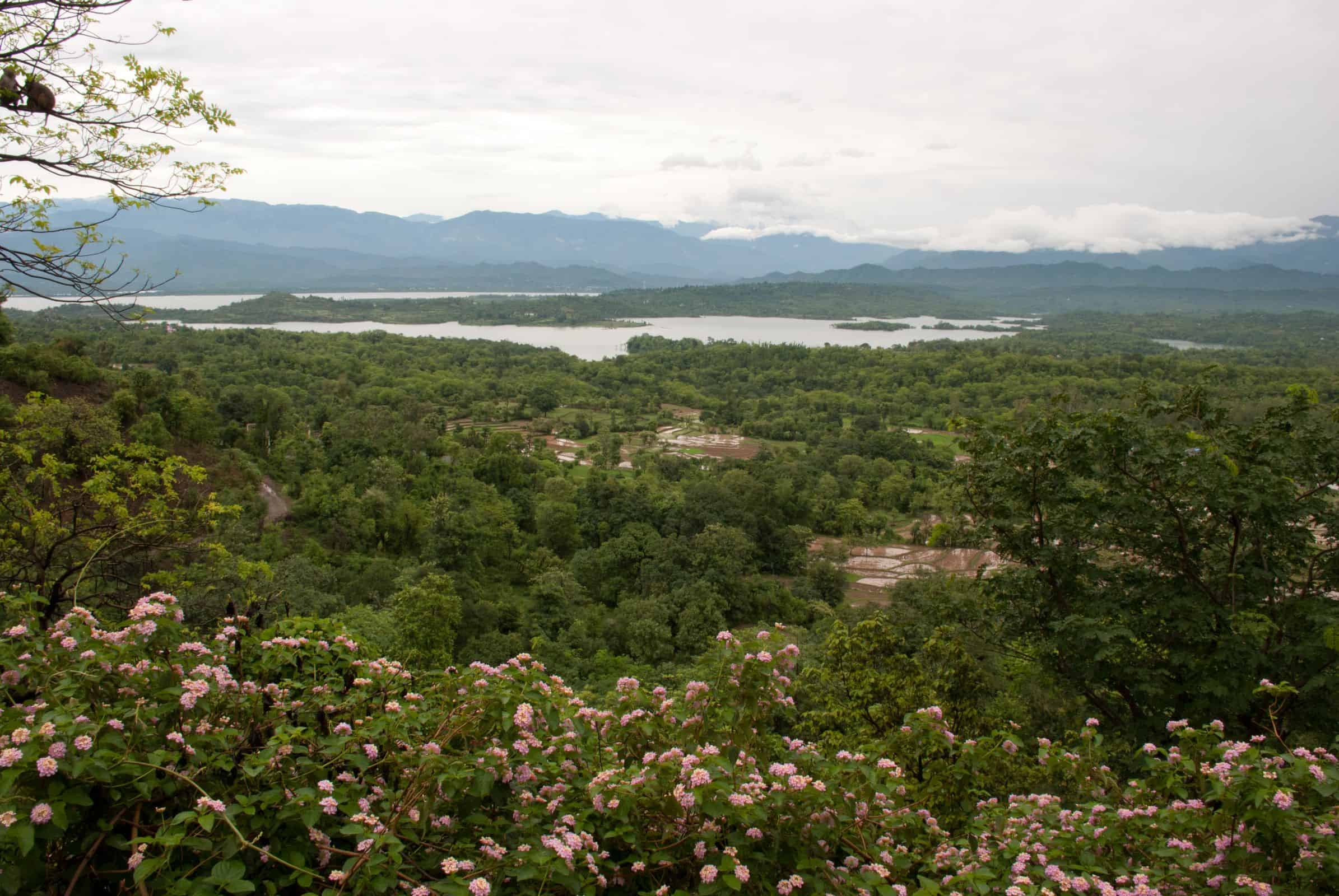
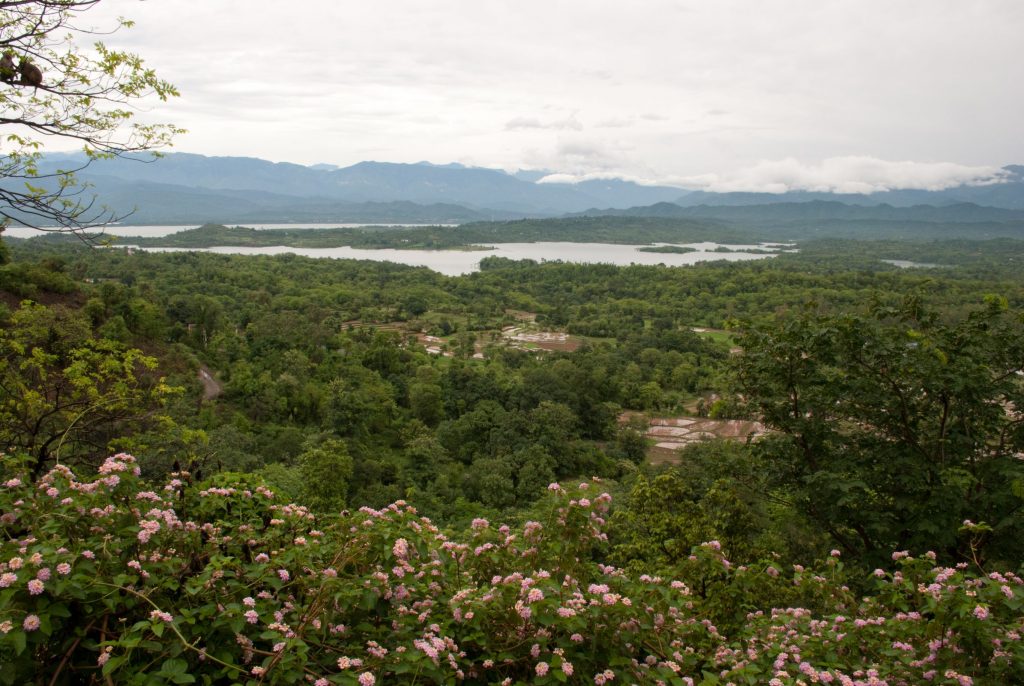
What Makes Lahaul Valley Special in 2026?
Situated only 33 KMs from Manali along the Manali to Leh Highway, the valley starts from the other end of Atal Tunnel, which acts as a bridge between Manali and Lahaul. Earlier, in order to reach Lahaul, one needed to travel through Rohtang Pass. However, the pass is infamous for its touristy activities and traffic congestion. Sometimes, it could even take you 4+ hours to navigate through the traffic issues during peak season.
With Atal Tunnel, you can now reach Lahaul year-round, including in winters when Rohtang Pass remains closed. The tunnel operates 24/7 and has transformed Lahaul from a seasonal destination to an all-weather paradise. Lahaul-Spiti is the largest district of Himachal Pradesh in terms of area. The headquarter of Lahaul is Keylong, situated about 72 Kms from Manali.
Quick Facts for 2026:
- Atal Tunnel is open throughout the year, and there is no toll for using it
- No personal ILP required for Indian tourists, but every vehicle needs a free e-Aagman e-pass
- SADA entry fee of Rs 200/car or Rs 50/bike is collected at the Sissu barrier (Himachal-registered vehicles are exempt)
- Mobile connectivity improved (BSNL, Airtel work in major villages)
- Fuel available at Tandi, Keylong, Udaipur
- ATMs in Keylong and Udaipur
Here’s something that trips up a lot of first-timers, and honestly a lot of older blog posts (including my own) have gotten this wrong. There is no personal permit or ILP required for Indian citizens travelling to Lahaul. However, your vehicle does need to be registered. Every car and bike entering Lahaul-Spiti district, including through Atal Tunnel, now needs a free e-Aagman e-pass from eaagman.hp.gov.in (the official Himachal Pradesh government portal). It only takes a few minutes, but I always suggest filling it out from Manali or Shimla 24-48 hours in advance, because there’s no usable mobile network right at the checkpost. Separately, the Special Area Development Authority (SADA) collects Rs 200 per car or Rs 50 per two-wheeler at their barrier near Sissu, just past the tunnel. Himachal-registered vehicles are exempt, and it’s cash only, so keep some handy.
I have covered extensive details on things to do in Lahaul and all the details you need to know about the valley in my previous posts. Today, let’s focus on the itineraries!
How Do I Plan a Trip from Delhi to Lahaul Valley?
Lahaul is clubbable with your Manali plans now, thanks to Atal Tunnel. You’ll need to be prepared a bit, however, as acclimatization can be an issue when visiting high-altitude parts of the valley like Baralacha La (16,040 ft) and Sarchu (14,070 ft). Hence, I always suggest spending at least one night at Jispa or Keylong before heading to higher altitudes. If you specifically want a detailed 5-day plan that covers the valley’s highlights, my Lahaul Valley 5-Day Itinerary maps out each day from Sissu to Trilokinath.
Before we go into the detailed day-by-day plans, let me share the key distances and travel times you should be aware of.
Key Road Distances and Travel Times
| Route | Distance | Approx. Time |
| Delhi to Bhuntar | 490 Kms | 12-13 hours |
| Bhuntar to Manali | 52 Kms | 1.5-2 hours |
| Manali to Sissu (via Atal Tunnel) | 40 Kms | 1.5 hours |
| Sissu to Keylong | 30 Kms | 1 hour |
| Keylong to Jispa | 23 Kms | 30 minutes |
| Keylong to Udaipur | 54 Kms | 1.5 hours |
| Jispa to Baralacha La | 52 Kms | 2 hours |
| Baralacha La to Sarchu | 32 Kms | 1 hour |
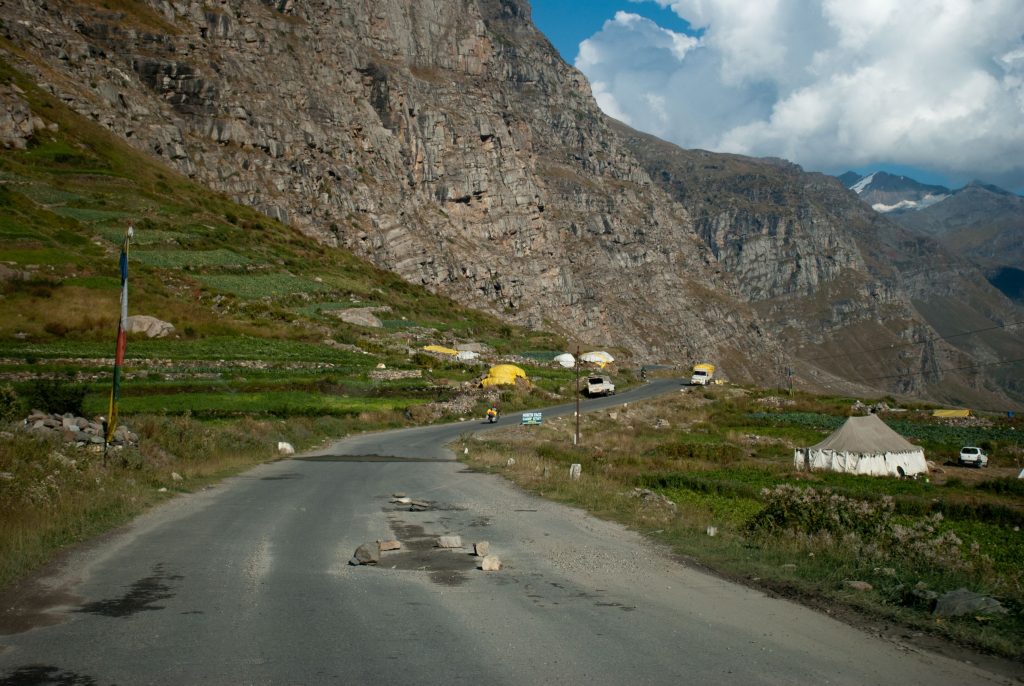
Lahaul Valley Itinerary – 8-9 Days from Delhi (Most Recommended)
Let us look at this plan, most recommended if you have 9 days of travel time. This itinerary allows proper acclimatization, covers both eastern Lahaul (Keylong, Jispa, Baralacha La) and western Lahaul (Pattan Valley, Udaipur), and includes buffer time for weather delays.
Day 0 – Starting Point Delhi
Catch an overnight bus from ISBT Delhi to Bhuntar. Many public transport buses leave ISBT for an overnight journey to Bhuntar. Volvo or Mercedes buses will be available starting INR 1500 to INR 1800 as of 2026. I suggest booking in advance during peak season (May to October).
Day 1 – Delhi to Chandigarh to Bhuntar to Manali
You’ll reach Bhuntar in the morning around 8-9 AM. From Bhuntar, catch a local bus or taxi to Manali (52 Kms, INR 100-150 per person by bus). Check in to your hotel near Hadimba Temple or Old Manali. Rest up and go out to explore Manali. Particularly heading to Mall Road, Old Manali cafes, and local markets. Enjoy the cuisine and head out to small cafes. You can even go shopping for some local handicraft. A must have is Himalayan Trout if you’re a non-vegetarian!
Overnight stay at Manali.
Day 2 – Sightseeing Manali and Exploring Nearby Areas
Solang Valley, Naggar, and Aleo are all great places to go see. If you’re headed to Solang Valley, I personally suggest stopping by at Café 1947’s new location at Vashisht (it is a beauty!). As an added bonus, the food is great too. You can also visit Hadimba Temple, Vashisht Hot Springs, and explore the Tibetan markets.
In case you’re interested in adventure sports, Solang offers paragliding (INR 2500-3500) and zorbing (INR 500-800). However, keep in mind these are weather-dependent.
Overnight stay at Manali.
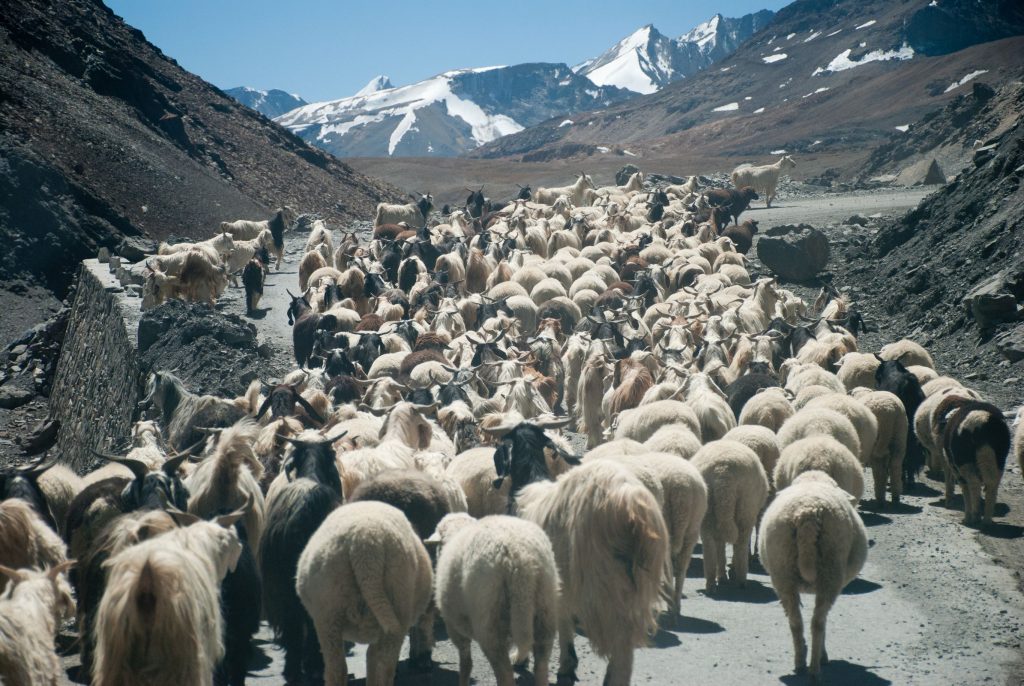
Day 3 – Manali to Sissu to Keylong to Jispa (93 Kms, 3-4 hours)
Today is the day you enter Lahaul Valley! Leave from Manali early in the morning (by 8 AM) and head towards Atal Tunnel. Crossing the tunnel takes you into the Lahaul area. Suddenly the scenery is completely evolved and you’re now in the lap of massive mountains with intimidating beauty. Up to Keylong, you’ll still be immersed in especially lush mountains. However, as you’re reaching Jispa, you’ll start seeing the more arid mountains, synonymous with Spiti and Ladakh.
Today’s day is not taking you directly to Jispa in one shot. You’ll be stopping at multiple places and enjoying many pit stops. Some of the stops must include Sissu Waterfall (right after the tunnel), Tandi Confluence (where Chandra and Bhaga rivers meet), Guru Ghantal Gompa (8th century monastery, 5 km from Keylong), and Shashur Gompa near Keylong. All these monasteries provide stunning views and a peek into the Buddhist culture of the region.
Overnight stay at Jispa. Hopefully, this will ensure you don’t suffer from AMS the next day. Jispa is at 10,880 ft, which is a good acclimatization altitude before heading higher. If you want to spend more time here, I have a dedicated Jispa village guide with homestay options, riverside camps, and things to do around the village.
Day 4 – Jispa to Baralacha La to Sarchu (107 Kms, 4-5 hours)
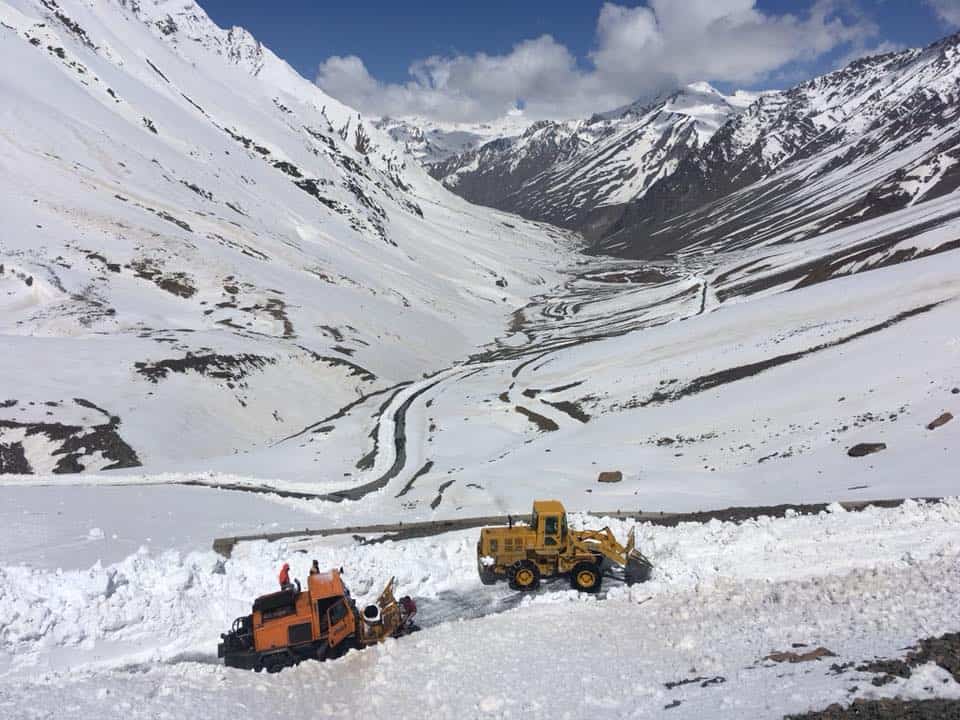
This is my favourite day of the trip! From Jispa, you’ll touch many beautiful places including Suraj Tal (the third highest lake in India at 16,000 ft), Deepak Tal (a stunning twin lake), Zing Zing Bar (a popular dhaba stop), and then the ever mighty Baralacha La at 16,040 ft. Must stop at Zing Zing Bar and do get some lip-smacking (and hot!) garlic tomato soup and Maggi. Garlic is known to help with regulating oxygen and combat symptoms of AMS, so drink up!
Baralacha La is stunning. I have no words to describe the beauty and the sheer impact this place will have. I have tried to describe the magnitude of ethereal exquisiteness of the region. The pass offers 360-degree views of snow-capped peaks and pristine glaciers. In case you’re visiting between May and June, you might still see heavy snow cover.


Overnight stay at Sarchu in camps. Personally, Sarchu was especially difficult for me. I didn’t stay overnight at Jispa on my first trip, and hence suffered from AMS symptoms. I highlight this to ensure you truly understand the magnitude of AMS and how it is something that must be factored in when travelling to far-flung places in the Himalayas. Sarchu is at 14,070 ft, and the overnight temperature can drop to -5°C even in summer.
Day 5 – Sarchu to Keylong (84 Kms, 3-4 hours)
Return back to Keylong at a leisurely pace today. You can revisit Suraj Tal in better light or explore Deepak Tal more thoroughly. Stay at Keylong and cover some of the things you missed when you crossed here first. Keylong has better accommodation options, hot water facilities, and restaurants compared to Sarchu. You can explore the local market, visit Khardung Gompa (just above Keylong town), and try local delicacies like butter tea and momos.
Overnight stay at Keylong.
Day 6 – Keylong to Udaipur (54 Kms, 1.5 hours)
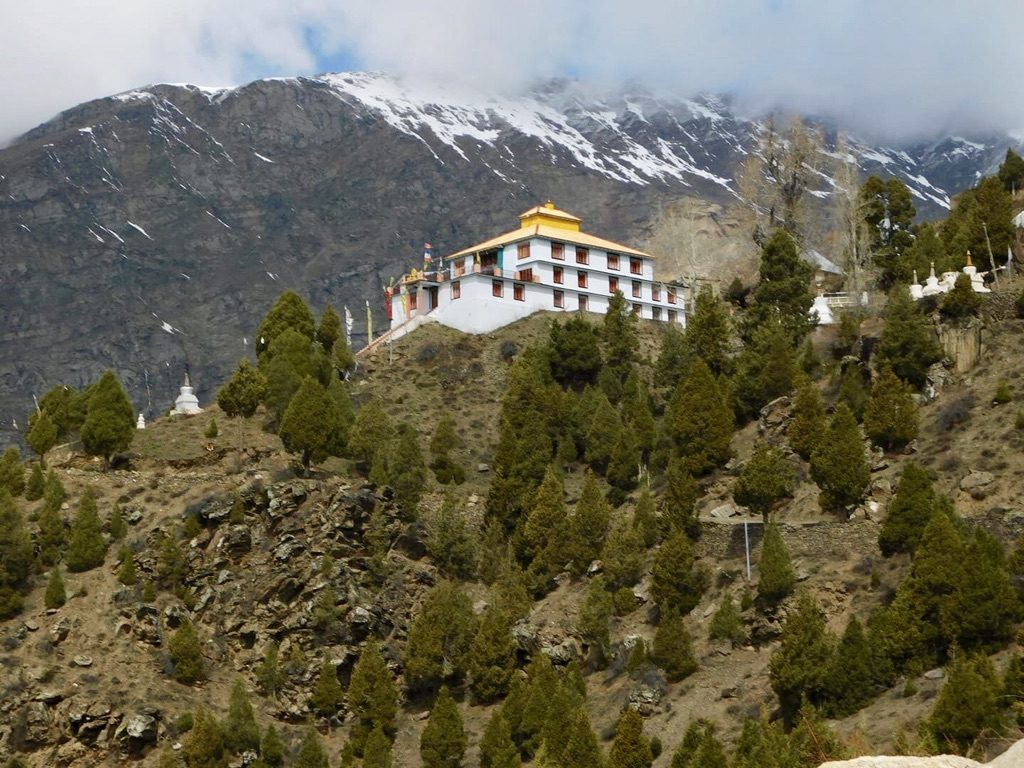
Enter the west of Lahaul today, the Pattan Valley. Least explored regions of Lahaul, Pattan is stunning!!! Lots of religious places in this region signify the amalgamation of religions and cultures in the hills. Some of the places worth exploring include Mrikula Devi Mata Temple (a 7th-century temple with unique wooden architecture), Triloknath Temple (revered by both Buddhists and Hindus), and the picturesque villages along the Chandrabhaga River.

Udaipur in Lahaul should not be confused with the Udaipur in Rajasthan! This is a small, serene town in Pattan Valley. The landscape here is different from eastern Lahaul, more green and river-valley oriented.
Overnight stay at Udaipur.
Day 7 – Explore Regions near Udaipur (Miyar Valley)
Get on foot today and head to the isolated Miyar Valley. Miyar Valley takes you close to the stunning landscape of Zanskar, and you’ll have access to some tiny villages of Tingrit, Urgos, and Shukto. The valley is known for its trekking routes, including the famous Miyar Valley to Zanskar trek. However, for a day trip, you can drive up to the road-head at Khanjar village and explore on foot from there.
The drive itself is scenic, following the Miyar River through narrow gorges and terraced fields. Keep in mind that the road condition can be rough, and a sturdy vehicle is recommended.
Overnight stay at Udaipur.
Day 8 – Udaipur to Keylong to Manali to Mandi (200+ Kms, 6-7 hours)
Ending of the trip is always melancholy. Day to head back home. Pack up your stuff and make your way back through Keylong and Atal Tunnel to Manali. If you’re travelling by your own car, try to cover as much distance after Manali as possible. Great options (depending on the time you’re reaching) include Kullu, Bhuntar, and Mandi.
In case you’re taking a bus back to Delhi, you can board the overnight Volvo from Manali around 5-6 PM. Alternatively, stay at Mandi and catch a bus the next morning.
Overnight stay at Mandi (if driving) or overnight bus to Delhi.
Day 9 – Mandi to Delhi (475 Kms, 10-11 hours)
Home. Start early from Mandi (by 6 AM) to avoid traffic near Chandigarh and Delhi. You should reach Delhi by evening.
Day 10 – BUFFER Day
This will act as a buffer day to be kept in case of road closure due to landslides or snowfall, or perhaps you want to enjoy more (always a must!). Himachal roads are unpredictable during monsoon (July-August), so keep this day handy.
Can I Make a Trip to Lahaul Valley in 5 Days?
Absolutely! But you will face a hectic schedule and limited explorations. I prefer to enjoy the hills at a leisurely pace, keep my eyes and heart open. Especially when visiting a brand new place, I fully understand I won’t be able to cover it all. But I still want to absorb the self-reflection that the Himalayas induce.
However, it is only realistic to not get a lot of days off from work, or even just wanting to escape for a few days to rewind the clock. Here’s a breakup for your 5-day quick itinerary.
5-Day Lahaul Valley Quick Itinerary
| Day | Route | Key Activities |
| 0/1 | Delhi to Chandigarh to Bhuntar to Manali | Overnight bus, arrive Manali by noon, rest and explore Mall Road |
| 2 | Manali to Atal Tunnel to Sissu to Jispa (93 Kms) | Cross Atal Tunnel, Sissu Waterfall, Tandi, reach Jispa by evening |
| 3 | Jispa to Suraj Tal to Deepak Tal to Baralacha La to Keylong (84 Kms) | Early start, cover high-altitude lakes and pass, return to Keylong for night stay (better acclimatization than Sarchu) |
| 4 | Keylong to Manali to Mandi (144 Kms) | Leisurely drive back, explore Keylong market in morning, reach Mandi by evening |
| 5 | Mandi to Chandigarh to Delhi (475 Kms) | Early start, reach Delhi by evening |
Important Note for 5-Day Trip: Skip Sarchu overnight stay. Instead, do a day trip from Jispa to Baralacha La and return to Keylong for the night. This reduces AMS risk significantly. Also, skip western Lahaul (Udaipur, Miyar Valley) to save time.
What is the Best Time to Plan a Road Trip to Lahaul Valley?
Lahaul Valley temperature remains pleasant through most of the year except deep winters. In winters, from late November to March, the region experiences heavy snowfall, and Lahaul temperature plummets to sub-zero. This might seem like a deterrent, but you can participate in a ton of winter activities including skiing and snow trekking. What’s even more amazing is that Lahaul is relatively untouched by mass tourism in winters, and you’ll get to enjoy near-virgin peaks and ski to your heart’s delight.
Month-wise Breakdown:
- April-May: Roads clear of snow, temperatures 5°C to 15°C, best for sightseeing and monastery visits. Suraj Tal and Baralacha La may still have snow cover in early April.
- June-August: Peak season, temperatures 10°C to 20°C, all roads including Baralacha La and Sarchu open, but July-August can see monsoon-related landslides. Advance booking required for accommodation.
- September-October: Shoulder season, clear skies, temperatures 5°C to 15°C, best for photography. Fewer tourists, better hotel availability.
- November-March: Winter tourism season, temperatures -10°C to 5°C, Atal Tunnel allows access to Keylong and Jispa. Skiing at Sissu, winter festivals, frozen waterfalls. Carry heavy woolens and check road status daily.
Keep in mind that “all roads open” only really applies to the Keylong-Jispa side of Lahaul, which the tunnel keeps accessible practically year-round. The high-altitude stretch beyond Jispa, over Baralacha La to Sarchu, is a different story. It typically opens mid-to-late May once BRO finishes snow clearance, and stays motorable into November most years, though the exact dates shift with the winter snowfall. As of the 2026 season, this stretch reopened for civilian traffic in mid-May, so don’t plan a Sarchu leg of your trip before that unless you check current status first. I keep a running Baralacha La 2026 road status update and there’s also a solid overview on the pass itself on Wikipedia if you want the historical context.
However, if you’ve not experienced such cold before, you will need to be prepared for winter temperatures. And, add to that the added difficulty of AMS. Also, it is best to avoid the area during peak monsoon months (July-August), given how prone the hills are to landslides. I myself have been stuck at Keylong, mere 80 KMs from Manali, for over 10+ hours due to a massive landslide for which the Army needed to be called! So do remember to keep buffer days in your itineraries for sure. Especially if you’re a novice traveller, it can be overwhelming to deal with landslides.
However, for the rest of the year, you will find favourable road conditions and temperatures in Lahaul. I personally recommend May-June and September-October for the best experience. I have gone into a lot more depth on this, month by month, in my Lahaul Valley best time to visit post, in case you’re still deciding when to go.

Where Can I Get Taxis for Lahaul Valley Trip?
Taxis to Lahaul Valley are available from both Bhuntar and Manali. There are many cab aggregators that will provide you outstation rides for the duration of the trip. If you’re planning on exploring the hills in earnest, having your own car is not necessary at all. In fact, it might be a headache when you’re exploring narrow roads and uncertain parking situations.
The costing may be anywhere around INR 25,000 to INR 30,000 depending on the number of days of the trip (as of 2026). In general, these local drivers charge from Rs 4,000 to Rs 4,500 per day for SUVs, inclusive of driver charges and fuel. Sedans may be Rs 500-800 cheaper per day, but I would highly recommend a SUV or 4X4 for this journey, especially if you’re planning to go beyond Keylong.

You can also check out the list of taxi drivers I have shared for Spiti and Kinnaur. Many of these drivers also cover Lahaul routes.
Self-Drive Option: If you prefer self-driving, you can rent cars from Manali. Rental costs range from INR 2,500 to INR 4,500 per day depending on the vehicle type. However, keep in mind you’ll need experience driving in mountains, and fuel planning becomes your responsibility.
Can I Reach Lahaul Valley by Bus?
Yes, and this is the route I’d suggest for solo backpackers or anyone travelling on a tighter budget. HRTC runs regular buses from Manali to Keylong, typically 5 services a day between 4 AM and 12 noon, with the fare around Rs 174 per person. The first bus out of Manali gets you to Keylong by around 2 PM. From Keylong, shared taxis or the local HRTC bus onward to Jispa are easy to find and inexpensive. Keep in mind, bus schedules on mountain routes change seasonally, so confirm current timings at the Manali ISBT counter or the HRTC website before you plan your day around them.
What is the Budget for a Lahaul Valley Trip in 2026?
Lahaul Valley is relatively budget-friendly compared to Ladakh or Spiti if you plan smartly. Here’s a realistic breakdown for different travel styles. In case you want a more granular, line-by-line cost calculator, I have a dedicated Lahaul Valley budget guide that goes deeper than the table below.
Budget Breakdown (Per Person, 8-9 Days Trip)
| Expense Category | Budget Travel | Mid-Range Travel | Comfortable Travel |
| Transport (Delhi-Manali round trip) | INR 3,000 (bus) | INR 5,000 (Volvo) | INR 8,000 (flight to Bhuntar + taxi) |
| Local taxi/vehicle (shared/full) | INR 3,500 (shared) | INR 7,000 (per person in group of 4) | INR 10,000 (private taxi) |
| Accommodation (7 nights) | INR 3,500 (homestays, dorms) | INR 7,000 (budget hotels) | INR 14,000 (mid-range hotels) |
| Food (8 days) | INR 2,400 (dhabas, INR 300/day) | INR 4,000 (local restaurants) | INR 6,400 (hotel dining) |
| Entry fees, permits, misc. | INR 1,000 | INR 1,500 | INR 2,000 |
| Total (approx.) | INR 13,400 | INR 24,500 | INR 40,400 |
Hence, if you’re a budget traveller going in a group of 4, you can comfortably do Lahaul in INR 15,000 to INR 18,000 per person. Mid-range travellers should budget around INR 22,000 to INR 28,000 per person. Keep an additional 10-15% buffer for unexpected expenses. One thing the table above doesn’t break out separately: the e-Aagman e-pass is free, but the SADA entry fee (Rs 200/car or Rs 50/bike) is charged per vehicle, not per person, so split it across your group when you’re doing the math.
How to Prevent Acute Mountain Sickness (AMS) in Lahaul?
AMS is a real concern when you’re travelling from Manali (6,726 ft) to Baralacha La (16,040 ft) within a day or two. I have personally experienced mild to moderate AMS symptoms at Sarchu, so I cannot stress enough how important acclimatization is.
Prevention Tips:
- Gradual ascent: Spend at least one night at Jispa (10,880 ft) before going to Baralacha La or Sarchu.
- Hydration: Drink 3-4 litres of water daily. Avoid alcohol and heavy meals.
- Diamox: Consult your doctor about taking Diamox (acetazolamide) 125mg twice daily starting 24 hours before ascent.
- Listen to your body: If you experience severe headache, nausea, or dizziness, descend immediately. Don’t push through.
- Avoid exertion: First day at high altitude, avoid heavy physical activity. Let your body adjust.
- Garlic and ginger: Local wisdom says garlic soup and ginger tea help. They’re available at most dhabas.
In case symptoms worsen, descend to a lower altitude immediately. Keylong has a civil hospital with oxygen facilities. Please take a sensible call for yourself and your loved ones waiting for your safe return.
Why Visit Lahaul Valley?
Serene views, untouched beauty, stunning silence of the hills. Do I need to get into this more? I love Lahaul for all that it has to offer. You will fall in love with her too. If the idea of serenity, natural exquisiteness, and tranquility excites your senses, then without a doubt, go and explore the magical Lahaul Valley.
What sets Lahaul apart from Spiti and Ladakh is its accessibility (thanks to Atal Tunnel), its blend of green valleys and arid mountains, and its relatively lower tourist footfall. You get the Himalayan experience without the overwhelming crowds of Leh or Kaza.
Plus, the cultural amalgamation is fascinating. You’ll see Hindu temples and Buddhist gompas within kilometers of each other, reflecting the unique heritage of the region.
Frequently Asked Questions about Lahaul Valley Itinerary
Do I need a permit to visit Lahaul Valley in 2026?
You personally don’t need any ILP or permit as an Indian citizen to visit Keylong, Jispa, Baralacha La, or Sarchu. However, your vehicle does. Every car or bike entering Lahaul-Spiti district, including through Atal Tunnel, must be registered with a free e-Aagman e-pass at eaagman.hp.gov.in, and there’s a small SADA entry fee (Rs 200/car, Rs 50/bike) collected at Sissu. Foreign nationals may additionally require a Protected Area Permit for certain areas, so check with the Lahaul-Spiti district administration if that applies to you.
Is Lahaul Valley safe for solo female travellers?
Yes, Lahaul is quite safe for solo female travellers. The local population is hospitable, and tourist areas are well-connected. However, as with any remote region, I suggest staying in established homestays or hotels, informing someone about your itinerary, and avoiding travel after dark on isolated roads.
Can I visit Lahaul Valley in winter?
Yes! Thanks to Atal Tunnel, Lahaul is now accessible year-round. Winter (December to February) offers a completely different experience with heavy snowfall, frozen waterfalls, and winter sports like skiing at Sissu. However, roads beyond Keylong may be closed, and you need to carry heavy woolens and check road status daily.
Where is fuel available in Lahaul Valley?
Petrol pumps are available at Tandi (near the Chandra-Bhaga confluence), Keylong, and Udaipur. There is no fuel pump at Jispa, Baralacha La, or Sarchu. Hence, always fill up your tank at Tandi or Keylong before heading to higher regions. Carry extra fuel in jerry cans if you’re planning extended trips.
What kind of vehicle is suitable for Lahaul Valley?
For routes up to Keylong and Jispa, a sedan can manage if driven carefully. However, for Baralacha La, Sarchu, and off-the-beaten routes like Miyar Valley, I would highly recommend a SUV or 4X4. Ground clearance and sturdy suspension make a huge difference on rough mountain roads.
Is mobile network available in Lahaul Valley?
BSNL and Airtel have coverage in Keylong, Jispa, Sissu, and Udaipur. However, connectivity is patchy beyond these towns. Don’t rely on mobile data for navigation. Download offline maps (Google Maps allows offline download) before entering the region.
Are there ATMs in Lahaul Valley?
ATMs are available in Keylong and Udaipur. However, they often run out of cash during peak season or due to connectivity issues. I always suggest withdrawing enough cash in Manali before entering Lahaul. Carry at least INR 10,000 to INR 15,000 in cash per person for a week-long trip.
Can I combine Lahaul with Spiti or Ladakh?
Absolutely! Lahaul is on the route to both Spiti (via Kunzum Pass from Keylong) and Ladakh (via Baralacha La and Sarchu). Many travellers combine Manali, Lahaul, Spiti, and exit via Kinnaur, often adding a detour to Chandratal Lake along the way since it’s a short diversion once you’re headed towards Kunzum. For Ladakh, you can continue from Sarchu to Leh. However, these combined trips need 14-18 days minimum.
How many days do I need for a Lahaul Valley trip?
I’d suggest 8-9 days from Delhi if this is your only trip for the season, since that gives you proper acclimatization time plus a buffer day, and lets you cover both eastern Lahaul (Keylong, Jispa, Baralacha La) and western Lahaul (Udaipur, Miyar Valley). If you’re pressed for time, 5 days is doable but hectic. Anything under 5 days and I’d honestly suggest picking just Keylong and Jispa rather than rushing to Sarchu and back, since AMS risk goes up when you compress the ascent.
Is Lahaul Valley cheaper than Spiti or Ladakh?
Yes, generally. Lahaul is closer to Manali, so transport costs are lower, and Keylong or Jispa homestays tend to be more affordable than what you’ll find in Kaza or Leh during peak season. On a per-day basis, budgeting INR 1,500 to 2,000 in Lahaul is comparable to a lean Spiti trip, but you’ll spend less overall simply because the road trip itself is shorter and you’re not adding extra days for the Manali-Leh Highway or the Kinnaur detour into Spiti.
Related Reading for Your Lahaul Valley Trip
Here are a few more posts from the blog that I’d suggest reading before you finalize your plan:
![What to pack for Ladakh Bike Ride or Spiti Bike Ride? [Clothes, Spares, Gear & Accessories]](https://discoverwithdheeraj.com/yt_vid_thumbs/ladakh/88.png)
- Jispa Village – The Most Complete Travel Guide
- How to Calculate the Cost or Budget of a Lahaul Trip
- Lahaul Valley – Best Time to Visit
- Baralacha La Pass – 2026 Opening Date and Road Conditions
- Lahaul Valley 5-Day Itinerary
Conclusion
This region is something I am so excited that the world is getting to experience, especially now with Atal Tunnel making it accessible throughout the year! While I do have one humble (and constant) request, please don’t litter when in the hills. Please ensure the residents are not burdened due to tourism. Travel responsibly, support local businesses, and leave no trace behind.
Apart from this, I hope I have done enough in the previous posts as well as this one to ensure all regions of Lahaul are covered in our section on the Valley. Please do drop a comment below and let us know if we should be exploring some new region here. Always happy to have your feedback on the articles. Feel free to ask any questions about the itinerary, and I’ll be happy to help 🙂 …
If you know your friends or family are planning a road trip to Lahaul, do share this article with them to help them plan a memorable trip. You can also check the DwD Community for finding travel partners and discussing your custom plans!
Last Updated: August 2026
