


Last Updated: August 2026
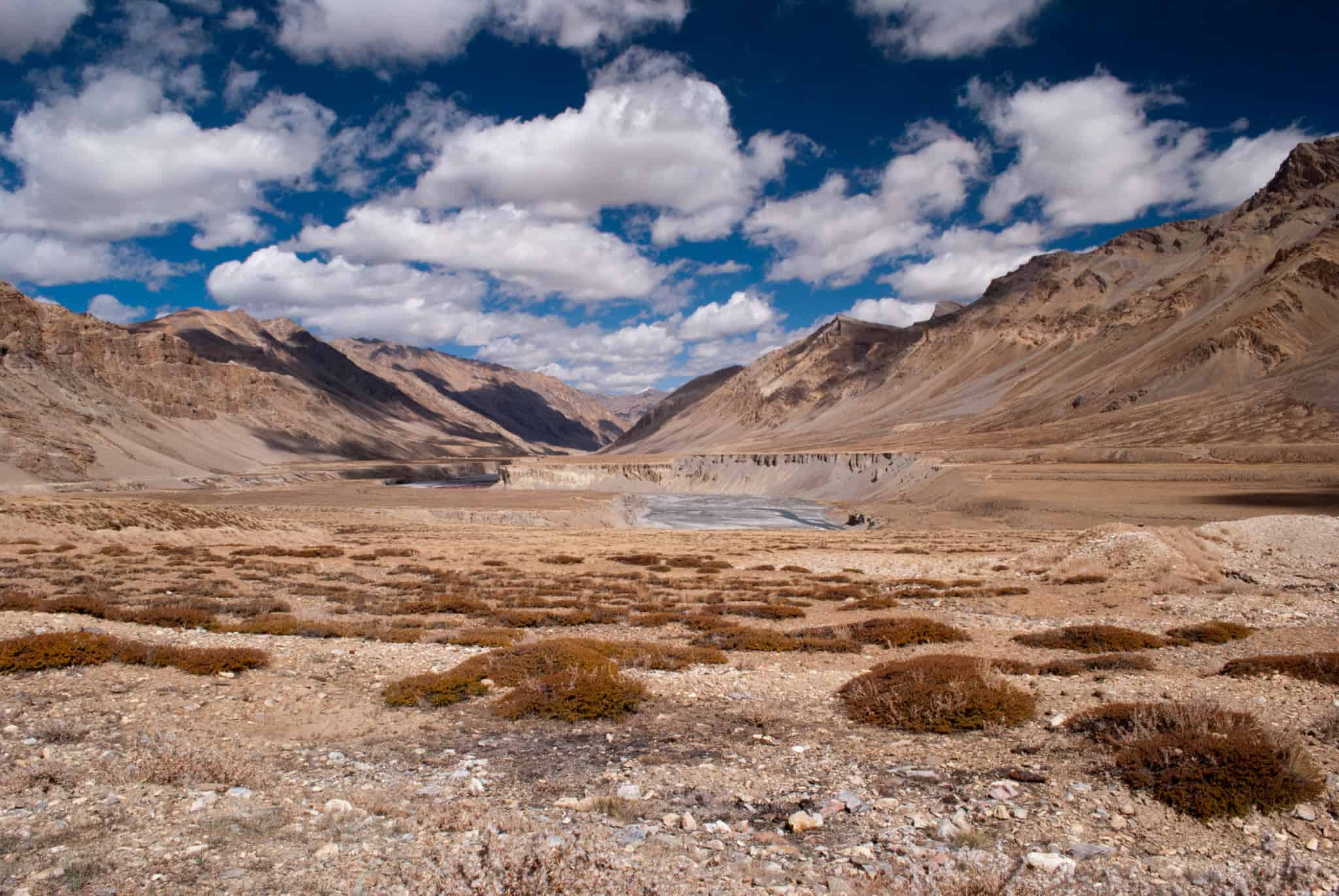
Sarchu sits at 14,070 feet on the Manali-Leh Highway, right at the Himachal Pradesh and Ladakh border, and is the route’s most common overnight stop. It is also where Acute Mountain Sickness strikes hardest. All 6 of us fell ill there through a single night in 2018. Jispa, at about 10,500 feet, is the safer choice.
Sarchu at a glance:
| Sarchu Fact | Detail |
|---|---|
| Altitude | 14,070 ft (4,290 m) |
| Location | Manali-Leh Highway, on the Himachal Pradesh-Ladakh border |
| Distance from Manali | About 222 km |
| Distance from Leh | About 250 km |
| Accommodation | Tent camps (Rs 1,500-3,000 per person with meals, 2026) and the Army Transit Camp only, June to September |
| Mobile Network | None |
| Nearest Medical Facility | None on-site (Army medic only). Nearest hospital is at Keylong, about 105 km back towards Manali |
| 2026 Highway Status | BRO’s Project Deepak and Project Himank completed the seasonal handshake at Sarchu on May 12, 2026. Unrestricted civilian traffic has run since June 1, 2026 |
The lessons from that night at Sarchu have stayed with me ever since.
Practical Info: Sarchu (14,070 ft / 4,290 m) is the midpoint of the Manali-Leh Highway, approximately 222 km from Manali and 250 km from Leh. Accommodation is limited to tent camps (Rs 1,500-3,000 per person including meals, as of 2026) and the Army Transit Camp. There is no permanent settlement here, no mobile network, no petrol pump, and no medical facility. The nearest hospital is at Keylong (about 105 km back towards Manali).
In this post, I will share what actually happened to us at Sarchu, the symptoms we experienced, the mistakes we made, and what you should do instead. If you are planning a trip to Ladakh via the Manali-Leh route, this is one experience I genuinely hope you can learn from without having to repeat it yourself.
This post continues from my previous story on Baralacha La Pass, which describes the journey leading up to Sarchu. For the current highway conditions before you go, check the Manali Leh Highway status page.
Let's quickly dive into the details:
Why Is AMS So Common at Sarchu on the Manali-Leh Highway?
AMS is common at Sarchu because you gain over 7,000 feet of altitude in a single day, climbing from Manali at 6,725 feet to a 14,070-foot overnight stop. That is roughly seven days of safe acclimatization compressed into one day of driving, so the body has no time to adjust before you sleep at extreme altitude.
The reason AMS hits so many travelers at Sarchu is the rapid altitude gain on the Manali-Leh Highway. You start your day at Manali (6,725 ft), cross the Atal Tunnel, and by evening you are sleeping at 14,070 ft. That is a gain of over 7,000 feet in a single day. Your body simply does not get enough time to acclimatize.
To put this in perspective, the recommended rate of ascent above 10,000 ft is about 1,000 ft per day. When you drive from Manali to Sarchu, you are effectively gaining seven days’ worth of altitude in one day. No wonder your body protests.
The Manali-Leh Highway also takes you over multiple high passes before Sarchu. After the Atal Tunnel, you still cross Baralacha La (16,040 ft) before descending to Sarchu. So your body is being pushed to extreme heights even before you settle in for the night. Compare this to the Srinagar-Leh Highway, where the ascent is far more gradual and AMS cases are significantly fewer.
Altitude is categorized as follows:
- High Altitude: 8,000 to 12,000 ft. Mild symptoms possible for first-timers.
- Very High Altitude: 12,000 to 18,000 ft. AMS is common here. Sarchu (14,070 ft), Pang (15,280 ft), and Tanglang La (17,480 ft) fall in this range.
- Extremely High Altitude: 18,000 ft and above. Severe AMS risk. Khardung La (17,582 ft) and Chang La (17,585 ft) approach this zone.
It is a good practice to gain only about 1,000 ft of sleeping altitude every 24 hours above 10,000 ft. Hence, it is far better to stay overnight at Jispa or Keylong instead of pushing all the way to Sarchu on your first day.
What Happened to Us at Sarchu? Our AMS Experience
In short: All 6 of us in the group developed AMS symptoms within hours of arriving at Sarchu after a late, exhausting drive from Manali. Nobody had a good night’s sleep, and one of us started bleeding from the nose.
Our land is so barren and the passes are so high that only the best of friends or fiercest of enemies would want to visit us
Local Ladakhi Saying
Around 9 PM, we were nearing Sarchu after a long and exhausting day of driving from Manali. The daylight had completely gone, and without any light, the spectacular views of the highway were invisible to us. We literally saw no one on the road after Zingzing Bar, and the isolation was very real.
Pro Tip: Please avoid traveling at night on this route, and in Ladakh in general. The roads are narrow, unpaved in sections, and there is no lighting whatsoever.
The moment we reached Sarchu, we were overjoyed. The moment we got out of the car, we were freezing. Still living in the moment, we were not thinking about what was coming. My friend already had a terrible headache and just wanted to sleep. Since we were staying at the Army Transit Camp, a camp medic came to check on us. Most of us had oxygen saturation levels in permissible limits but elevated blood pressure. We were advised to drink plenty of lukewarm water.
What Does AMS Actually Feel Like? The Night at Sarchu
In short: Even small tasks like taking a shower or brushing your teeth become exhausting at 14,070 ft. Sleep is broken, breathing is effortful, and the body treats every bit of exertion as a threat.
After eating food, I made the brilliant mistake of taking a shower. Each step felt like an effort, each breath required concentration, and here I was, ignoring it all and exerting myself further. The cherry on top was when my hair dryer refused to work. I was genuinely scared. Thankfully, a friend came to my rescue. She helped me warm up, and I honestly believe she saved me from a much worse night.


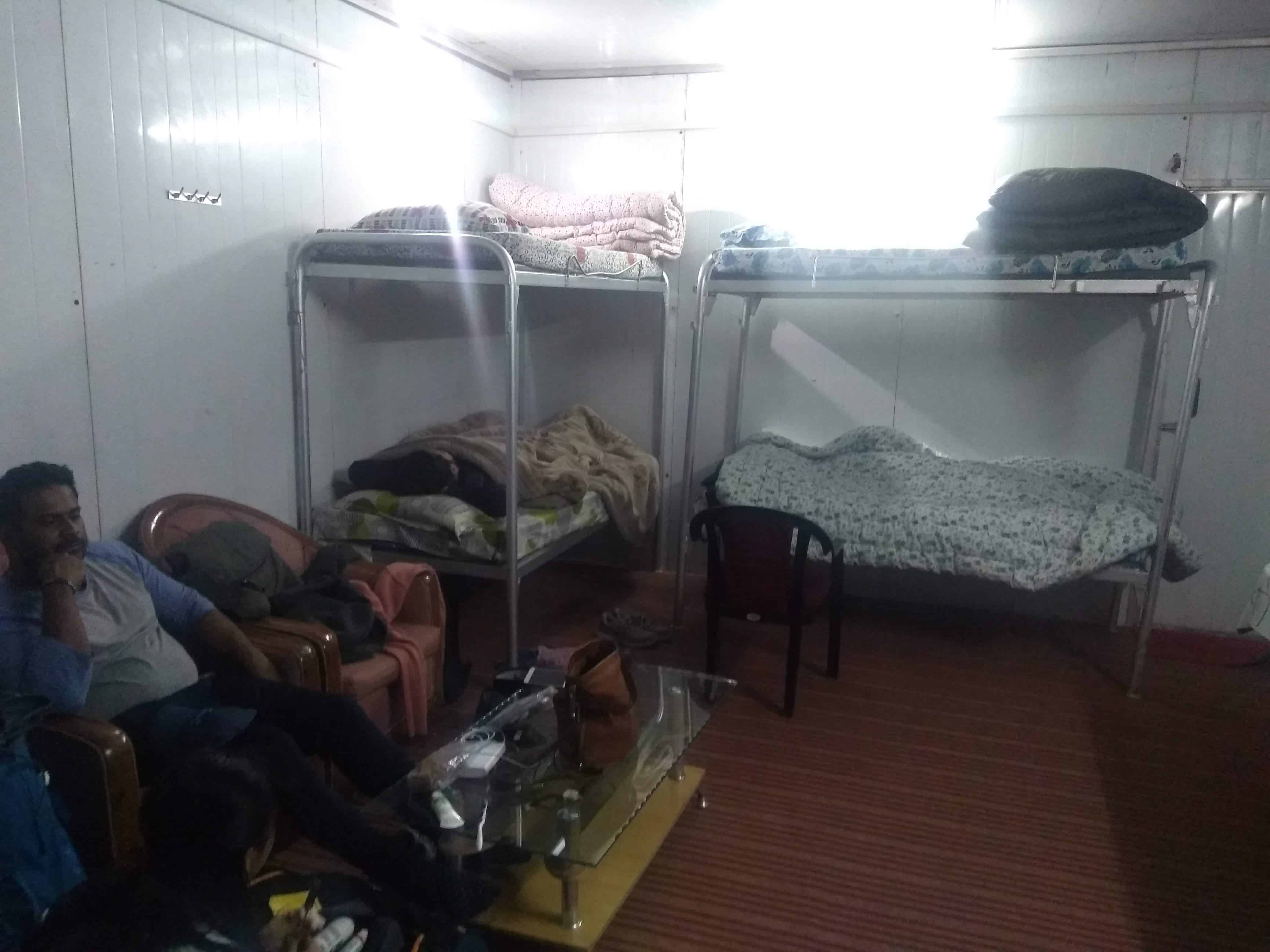
With much effort, doubling up on quilts, we got into our bunk beds. Everyone was freezing and shivering. You could hear the struggle as people tried to warm up. None of us slept well. Every so often, someone would wake up gasping, some were already awake staring at the ceiling, and some were snoring intermittently between bouts of restlessness.
It was not a happy night. As we had planned an early start, the alarm was set for 5 AM. But even before it went off, everyone was awake. Nobody was moving though, each of us fearing we might disturb the sleep of any lucky soul who had managed to catch a wink or two.
When the alarm finally rang, everyone jumped out. Well, “jumped” is a generous word. It was more like a slow-motion scene from a movie, given how much energy even standing up required. Brushing teeth was an ordeal. Just applying toothpaste on the brush took all the life I had in me.
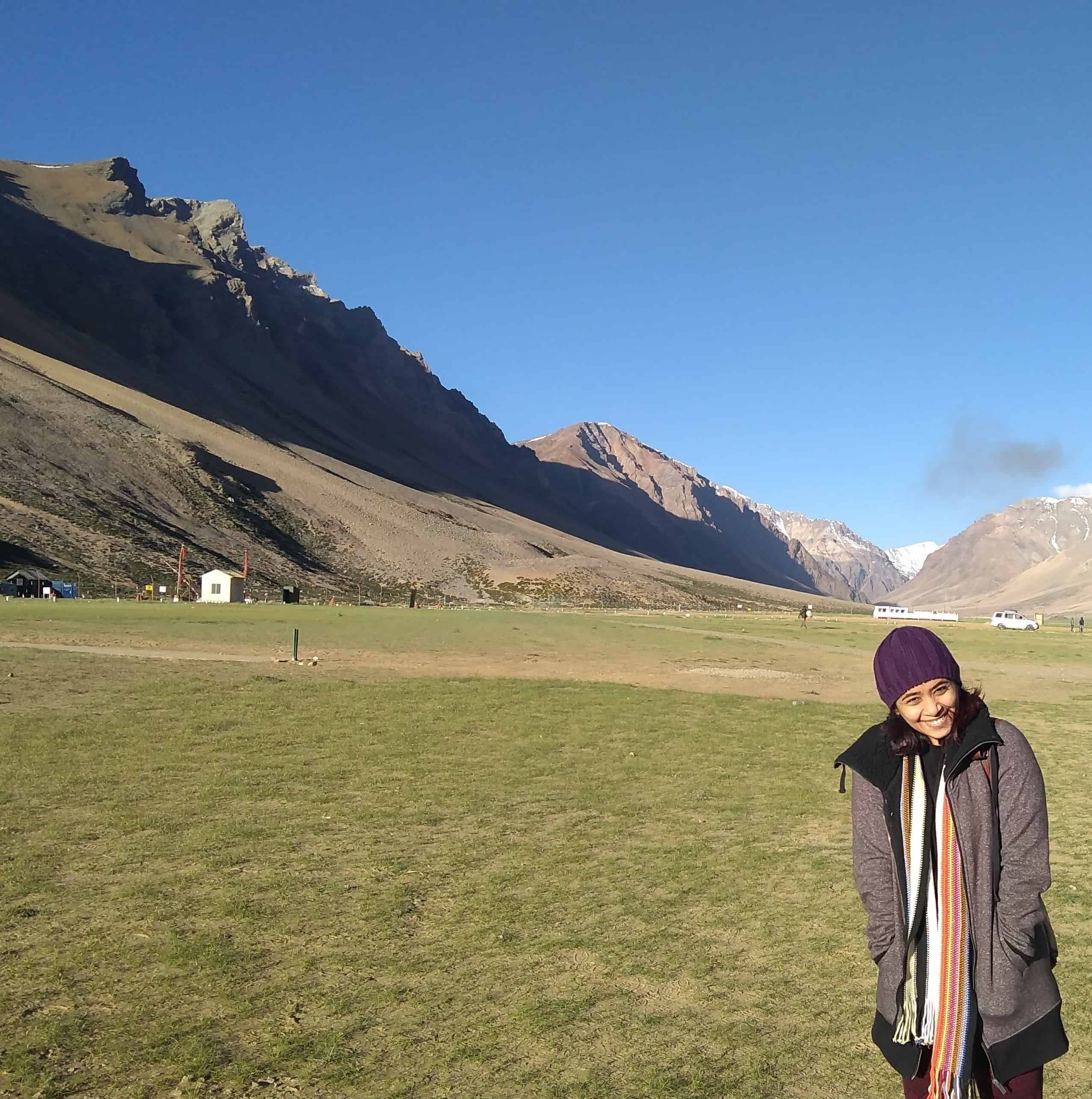
However, that first look at Sarchu the moment we stepped outside, the beauty of barrenness stretching in every direction, the first mountain sunshine on our faces, bundled up in every warm layer we owned. It was magnificent. And just like that, the night felt worth it.
How Did Each Person in Our Group Experience AMS?
In short: Every single one of us had a different AMS story that night, from tremors and nosebleeds to full-blown panic. This is exactly why fitness alone is not protection against altitude sickness.
Once we started driving again, the mood lightened up, and we began sharing our “Sarchu War Stories” (we almost trademarked the term). Here is what each person in our group went through:
- #1: Slept in shorts and a t-shirt (the only way he knew how to sleep). Got up in the middle of the night to pee, and shivered so hard that actual tremors passed through the floor, waking everyone up.
- #2: Got paranoid about dying. Drank water as advised. Threw up in the morning and continued vomiting multiple times throughout the day.
- #3: Got scared of getting up to pee because #1 had shivered so violently.
- #4: Constant headache and blood in nostrils. This was something most of us experienced throughout the trip.
- #5: As the doctor in our group, she was more concerned about everyone else’s breathing than her own symptoms. Kept cursing herself for not packing enough warm clothes.
- #6: Had a full existential crisis. “What the hell did I do? Is this too much adventure? Maybe we should go back!”
Himalayan Lesson: The most important things are the ones we never think about. Oxygen, warmth, and a good night’s sleep become luxury items at 14,000 feet.
How Did the Sarchu Experience Bring Our Group Closer?
In short: A shared night of struggle at 14,070 ft bonded our group in a way an easy trip never could. Sarchu became our trip’s running joke and, oddly, one of our fondest shared memories.
What came out of that terrible night at Sarchu, however, was something unexpected. An incredible sense of bonding. We had lived through this together, huddled up in one room, in bunk beds, listening to each other breathe (and struggle to breathe). There is something about shared suffering in the Himalayas that creates friendships you cannot build anywhere else.
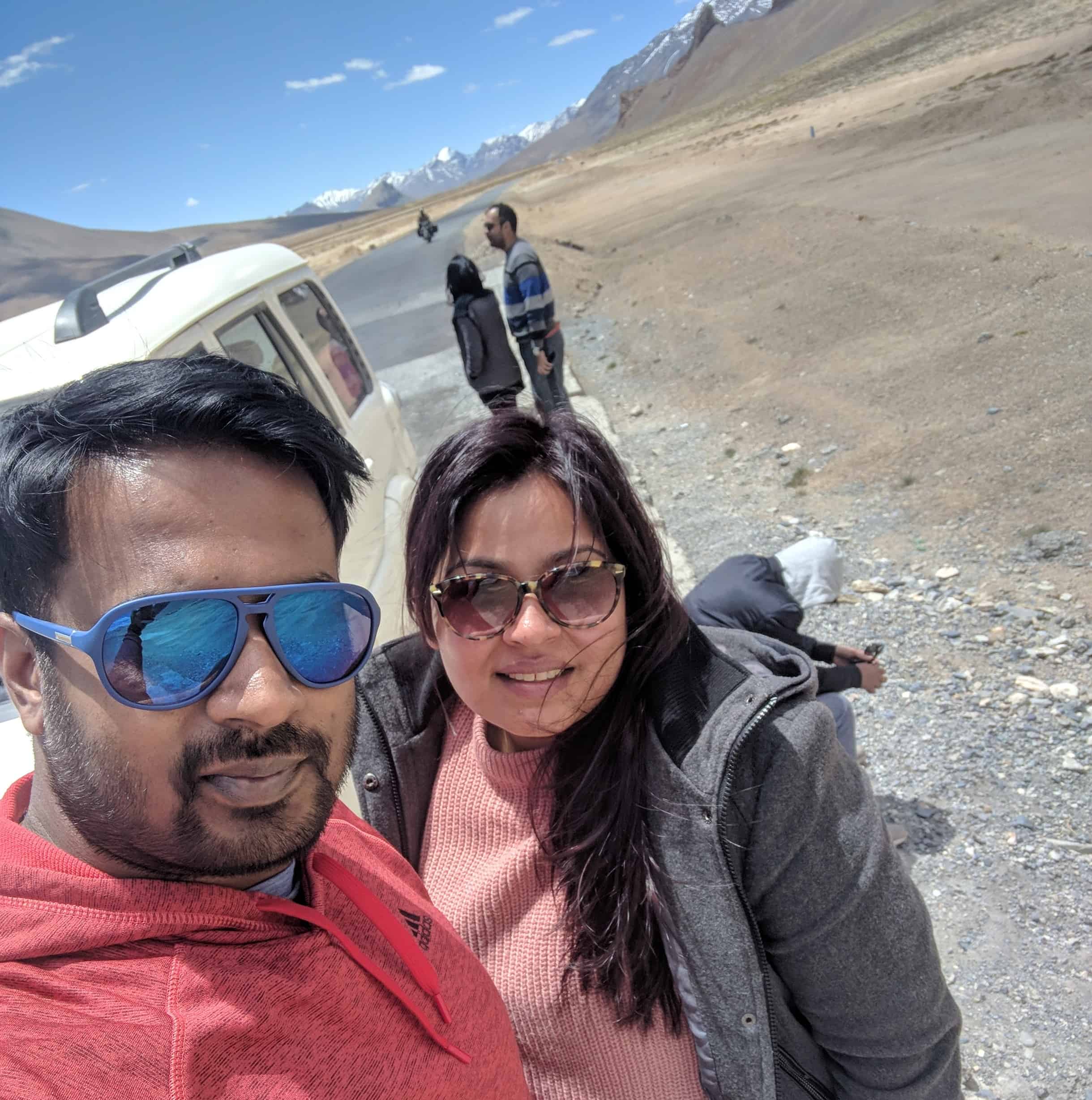
Himalayan Lesson: Your tribe defines your vibe. Travel with people you trust.
Every time someone in the group got irritated (irritability is one of the many symptoms of AMS, by the way), we would crack a Sarchu joke and the tension would dissolve. Every comparison for the rest of the trip was to Sarchu. The dread of having to return through the same place on our way back was epic. Sarchu became our trip’s villain and inside joke, all rolled into one.
If you are planning a trip to Leh by road, do refer to the most common Ladakh itinerary by road to plan your journey well.
How Common Is Severe AMS at Sarchu, and Should It Worry You?
In short: Mild AMS (headache, nausea, poor sleep) is extremely common at Sarchu because of the altitude gain, but severe, life-threatening AMS is uncommon if you know the warning signs and act on them. In case, keep in mind that “common” does not mean “safe to ignore.”
I want to be honest here, because I do not want this post to scare you away from a trip you have been dreaming about. In our group of 6, every single one of us had some form of mild AMS. That is the norm at Sarchu, not the exception, simply because of how fast the altitude climbs. However, only one of us had a symptom that crossed into “watch this closely” territory (the nosebleed), and even that resolved once we descended in altitude the next day toward Pang and beyond.
Severe AMS that progresses to HACE or HAPE is far less common, but it is not something you can predict in advance, which is exactly why the advice in this post exists. Most travelers who follow basic acclimatization rules, avoid pushing straight to Sarchu on day one, drink enough water, and know when to descend, get through the Manali-Leh Highway without any serious incident. Thousands of travelers cross Sarchu every season. The vast majority have a rough night and a great trip. A very small number need medical attention. Knowing which category you are heading toward, and acting early, is the entire point of this article.
What Should You Do to Avoid AMS at Sarchu?
In short: The single biggest thing you can do is not sleep at Sarchu at all on your first night. Stay lower at Jispa or Keylong, hydrate constantly, avoid exertion, and know the descend-immediately rule for severe symptoms.
Now that I have shared what went wrong with us, here is the practical advice that I wish someone had hammered into our heads before we left. Keep in mind, AMS can affect anyone regardless of age, fitness level, or prior experience at altitude. There is no guaranteed way to prevent it, but these steps significantly reduce your risk.
- Stay at Jispa or Keylong instead of Sarchu: This is the single most effective thing you can do. Jispa sits at about 10,500 ft, and Keylong at about 10,100 ft. Both are comfortable altitudes for your first night stop. Start early the next morning and push to Leh in one long day, crossing Sarchu and Pang during daylight without sleeping there.
- Drink water constantly: Track the color of your urine. It should be clear. If it turns dark, you are not drinking enough. Carry your own bottles and refill at every opportunity.
- Do not over-exert yourself: At 14,000 ft, even mundane tasks like walking and breathing require effort. Do not take showers (yes, I learned this the hard way). Do not run. Do not do anything that raises your heart rate unnecessarily.
- Consult your doctor about Diamox: Acetazolamide (Diamox) is commonly prescribed as a preventive measure. Important: it should be started at low elevation, 24 to 48 hours before you gain altitude, not after you reach high altitude. Standard dosage is 125 mg twice daily. Always consult your doctor before taking it, especially if you have a sulfa allergy or kidney issues.
- Carry Camphor (Kapur): This became our group’s best friend on the trip. Wrap a piece of camphor in a handkerchief and inhale from time to time. It provides a brief sensation of easier breathing. It was the thing we passed around in a circle. It was our bonding object at altitude.
- Avoid alcohol and cigarettes: Both cause dehydration, which worsens AMS symptoms significantly.
- Know the Army Transit Camps: There are Army Transit Camps at multiple points on the Manali-Leh Highway. If you feel something serious is happening, stop at one of these camps immediately. The army personnel are experienced with altitude sickness and will help you. We met a convoy of jawans heading to Jammu who specifically encouraged us to use these camps if needed.
- If symptoms worsen, descend immediately: This is the most critical rule. If headache becomes severe, if you experience confusion, loss of balance, or persistent vomiting, you must descend to a lower altitude right away. AMS can progress to HACE (High Altitude Cerebral Edema) or HAPE (High Altitude Pulmonary Edema), both of which are life-threatening.
Water is your best friend at altitude. Carry your own bottles and keep sipping throughout the day. Do not wait until you feel thirsty.
Where Should You Stay Instead of Sarchu on the Manali-Leh Route?
In short: Jispa and Keylong are the safest first-night stops, both around 3,500-4,000 ft lower than Sarchu. If you must stay at Sarchu, arrive early, hydrate, and avoid exertion.
If I had to do this trip again, I would plan my night stops very differently. Here is what I recommend based on my experience and what I have learned since 2018.
Option 1 (Recommended for first-timers): Stay at Jispa (10,500 ft) or Keylong (10,100 ft) on Day 1. These towns have proper hotels, restaurants, and mobile connectivity. Start by 4-5 AM the next day and drive to Leh (about 350 km, 12-14 hours). You will cross Baralacha La, Sarchu, Pang, and Tanglang La during the day, giving your body time to adjust as you move.

Option 2 (For those who must stop at Sarchu): If your vehicle is slow or you started late from Manali, you may have no choice but to stay at Sarchu. In that case, arrive as early as possible, drink lots of water, eat light carb-heavy food, avoid exertion, and sleep with your head slightly elevated. Most importantly, do not panic. Mild AMS symptoms (headache, nausea, difficulty sleeping) at Sarchu are extremely common and will usually resolve once you continue to Leh the next day.
Option 3 (Two-day drive): Break the Manali-Leh drive into three days instead of two. Stay at Jispa on Day 1, Pang or Sarchu on Day 2 (by now your body has had an extra day to adjust), and reach Leh on Day 3. This is the safest approach but requires more time.
Sarchu vs Jispa vs Keylong: Quick Comparison
Here is how the three most common first-night options on this stretch of the highway stack up against each other, based on what actually matters when you are planning your route.
| Factor | Sarchu | Jispa | Keylong |
|---|---|---|---|
| Altitude | 14,070 ft | 10,500 ft | 10,100 ft |
| AMS Risk (Day 1) | High | Low to Moderate | Low to Moderate |
| Accommodation | Tent camps, Army Transit Camp only | Hotels, riverside camps | Hotels, guesthouses |
| Mobile Network | None | BSNL, Jio (patchy) | BSNL, Jio, Airtel |
| Medical Facility | None (Army medic only) | Basic clinic in town | Regional hospital |
| Price Range (2026) | Rs 1,500-3,000/person | Rs 1,500-7,000/night | Rs 1,200-4,000/night |
I have covered this comparison in far more detail in a dedicated post, so those who are still deciding why Jispa beats Sarchu as a stopover should read that one too before finalizing their route.
For a complete understanding of what to expect at every stop, read the Manali-Leh Highway travel guide with descriptions of all the places on the route.
What Are the Common Symptoms of AMS You Should Watch For?
In short: Headache, nausea, and poor sleep are mild AMS. Persistent vomiting, confusion, nosebleeds, or bluish lips are severe AMS and mean you must descend immediately.
Based on our group’s experience at Sarchu and subsequent trips to Ladakh, here are the symptoms you should be aware of. AMS can range from mild discomfort to a medical emergency, so knowing what to look for is critical.
Mild AMS (common at Sarchu, Pang, and above 12,000 ft):
- Headache (the most universal symptom)
- Difficulty sleeping or restless sleep
- Loss of appetite or mild nausea
- Fatigue and general weakness
- Dizziness or lightheadedness
- Shortness of breath during exertion
- Irritability (yes, getting inexplicably annoyed at your travel companions is a real symptom)
Severe AMS (requires immediate action):
- Persistent vomiting
- Severe headache that does not respond to painkillers
- Bleeding from nostrils (we experienced this)
- Confusion or disorientation
- Loss of coordination or inability to walk straight
- Blue or gray lips/fingernails (sign of oxygen deprivation)
- Gurgling sound while breathing (potential HAPE)
If you or anyone in your group shows severe symptoms, do not wait until morning. Descend immediately, even if it means driving at night. Severe AMS can progress to HACE or HAPE within hours, and both require emergency medical attention. The nearest medical facilities on the Manali-Leh route are at Keylong (back towards Manali) or Leh (forward). You can also read more about renting oxygen cylinders in Leh and the detailed AMS prevention guide on this blog.
Should AMS at Sarchu Stop You from Visiting Ladakh?
In short: No. AMS is common but manageable with the right prep. Thousands of travelers pass through Sarchu safely every season. Respect the altitude and it will not stop your trip.
Absolutely not. And I say this as someone who had a genuinely terrible first night at Sarchu. AMS is common, but it is also manageable if you prepare well. The key is respect. Respect the altitude, respect the pace of acclimatization, and respect your body’s signals.
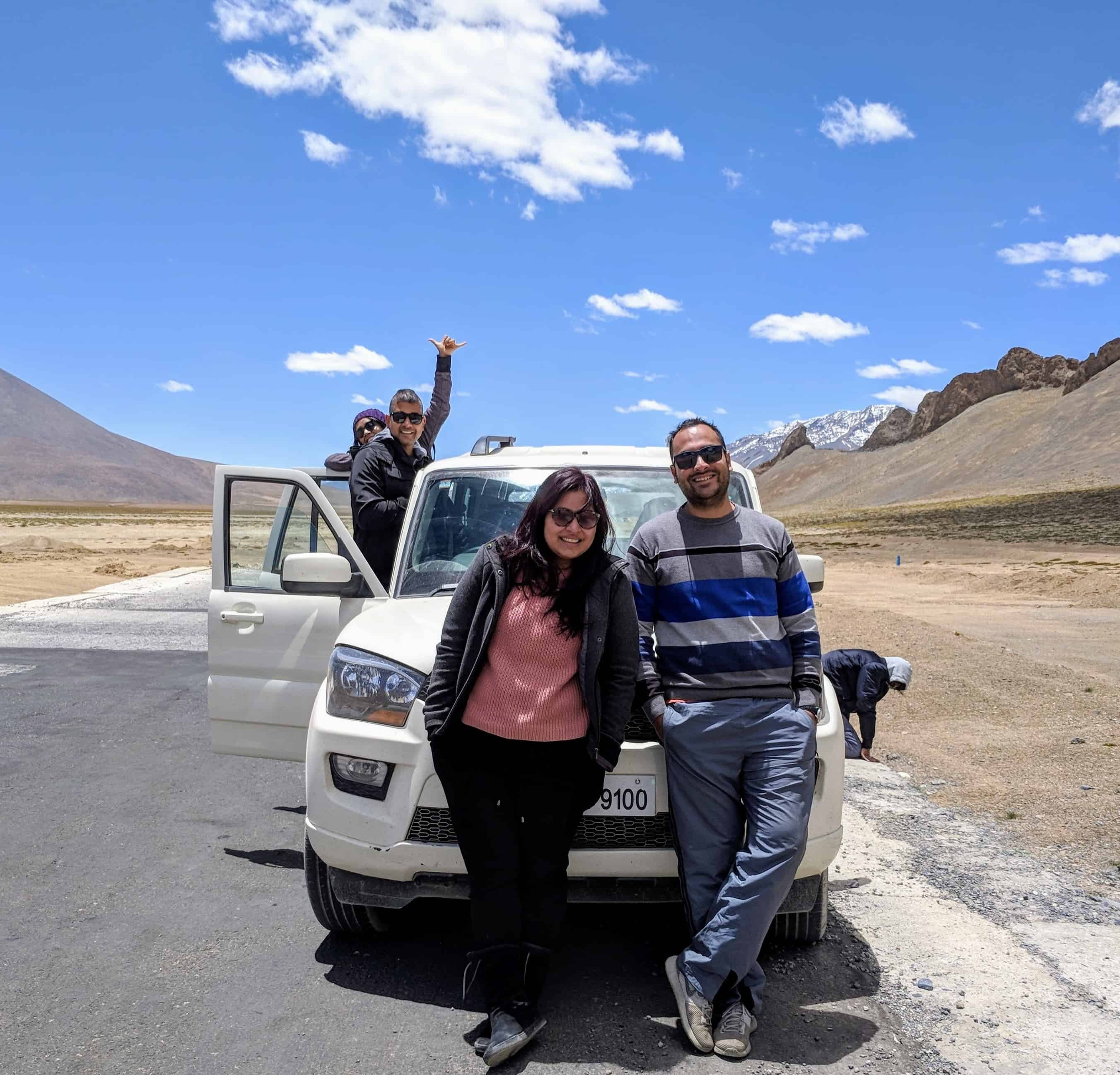
You do not need to be physically unfit to experience AMS. Ladakh is a high-altitude desert, and even seasoned trekkers and athletes can be affected. The good news is that with proper planning, choosing the right night stops, staying hydrated, camping tips from our Ladakh camping guide, and knowing when to descend, you can significantly reduce your risk. If you are a first-time self-driver heading to Ladakh, please take the acclimatization advice seriously. It can make the difference between a trip you remember fondly and one you remember for all the wrong reasons.
The path ahead from Sarchu was not easy either. But with Sarchu behind us, we felt more prepared, more bonded, and oddly more alive. The next morning brought the magic of More Plains, the thrill of back-to-back passes, and the pure joy of Himalayan sunshine. Sarchu tested us, and we passed. Barely, but we passed 🙂
Have you ever experienced AMS at Sarchu or anywhere else in the Himalayas? What is your war story? If you are planning your first trip and worried about altitude sickness, feel free to ask in the comments or reach out through the DwD Community. We have all been through it, and we are happy to help, my friend.
Frequently Asked Questions
Is it safe to sleep at Sarchu on the Manali-Leh Highway?
Sleeping at Sarchu is physically safe, but there is a high risk of experiencing AMS symptoms because of the altitude (14,070 ft). Most travelers experience headache, nausea, and difficulty sleeping. If you are a first-timer, it is much better to stay at Jispa (10,500 ft) or Keylong (10,100 ft) instead, and cross Sarchu during the day the next morning.
What is the altitude of Sarchu and why does AMS happen there?
Sarchu sits at 14,070 ft (4,290 m) on the Manali-Leh Highway. AMS happens here because travelers gain over 7,000 ft of altitude in a single day when driving from Manali. The recommended rate of ascent is only 1,000 ft per day above 10,000 ft, so the rapid gain overwhelms the body’s ability to acclimatize.
Can Diamox prevent AMS at Sarchu?
Diamox (Acetazolamide) can help reduce the severity of AMS symptoms but does not guarantee prevention. It should be started at low altitude, 24 to 48 hours before you begin gaining altitude, at a dosage of 125 mg twice daily. Always consult your doctor before taking Diamox, especially if you have kidney issues or sulfa allergies.
What should I do if I get severe AMS at Sarchu?
If you experience severe symptoms like persistent vomiting, confusion, loss of coordination, or difficulty breathing, you must descend to a lower altitude immediately. Drive back towards Keylong (105 km, about 10,100 ft). Do not wait for morning. Severe AMS can progress to life-threatening HACE or HAPE within hours. The Army Transit Camp at Sarchu has basic medical facilities and can provide oxygen. If you have asthma or any respiratory condition, read the precautions in my Leh Ladakh FAQs on preparing for your trip before you plan this route.
Is Jispa better than Sarchu for an overnight stop on the Manali-Leh route?
Yes, Jispa is significantly better for your first night stop. At 10,500 ft, Jispa is nearly 3,500 ft lower than Sarchu, which gives your body much more time to adjust to the altitude. Jispa also has proper hotels, restaurants, mobile connectivity, and the Tandi petrol pump is only 32 km away. Start early the next morning and you can reach Leh the same day.
What accommodation is available at Sarchu?
Sarchu has tent camps (typically Rs 1,500-3,000 per person including meals, as of 2026) that operate from June to September. The Army Transit Camp is another option if space is available. There are no permanent hotels, no Wi-Fi, no mobile network, and no petrol pump at Sarchu. Accommodation is basic, and you should carry your own sleeping bag for extra warmth.
Does AMS only affect unfit people?
No. AMS can affect anyone regardless of age, fitness level, or prior altitude experience. In our group, the fittest member was actually the one who suffered the most. Physical fitness does not protect you from altitude sickness. The only reliable preventive measure is gradual acclimatization, which means gaining altitude slowly and giving your body time to adjust to lower oxygen levels.
How many people actually get AMS at Sarchu?
Mild AMS symptoms like headache and poor sleep are extremely common at Sarchu, in our experience almost universal among first-time visitors sleeping there. Severe, dangerous AMS is far less common but not predictable in advance. That is exactly why it is safer to avoid sleeping at Sarchu altogether and stay at Jispa or Keylong instead.
What time should you arrive at Sarchu to reduce AMS risk?
Arrive as early in the afternoon as possible, ideally before sunset. Arriving late at night, as we did, means you settle in cold, exhausted, and dehydrated, which makes AMS symptoms worse. An early arrival gives you time to rest, hydrate, eat, and avoid the panic of finding your camp in the dark.
When did the Manali-Leh Highway open at Sarchu in 2026?
BRO’s Project Deepak (from Manali) and Project Himank (from Leh) completed their seasonal snow-clearance handshake at Sarchu on May 12, 2026. Unrestricted civilian and tourist traffic on the Manali-Leh Highway has run since June 1, 2026, so by the time most travelers reach Sarchu each season, the road itself is fully open.
