


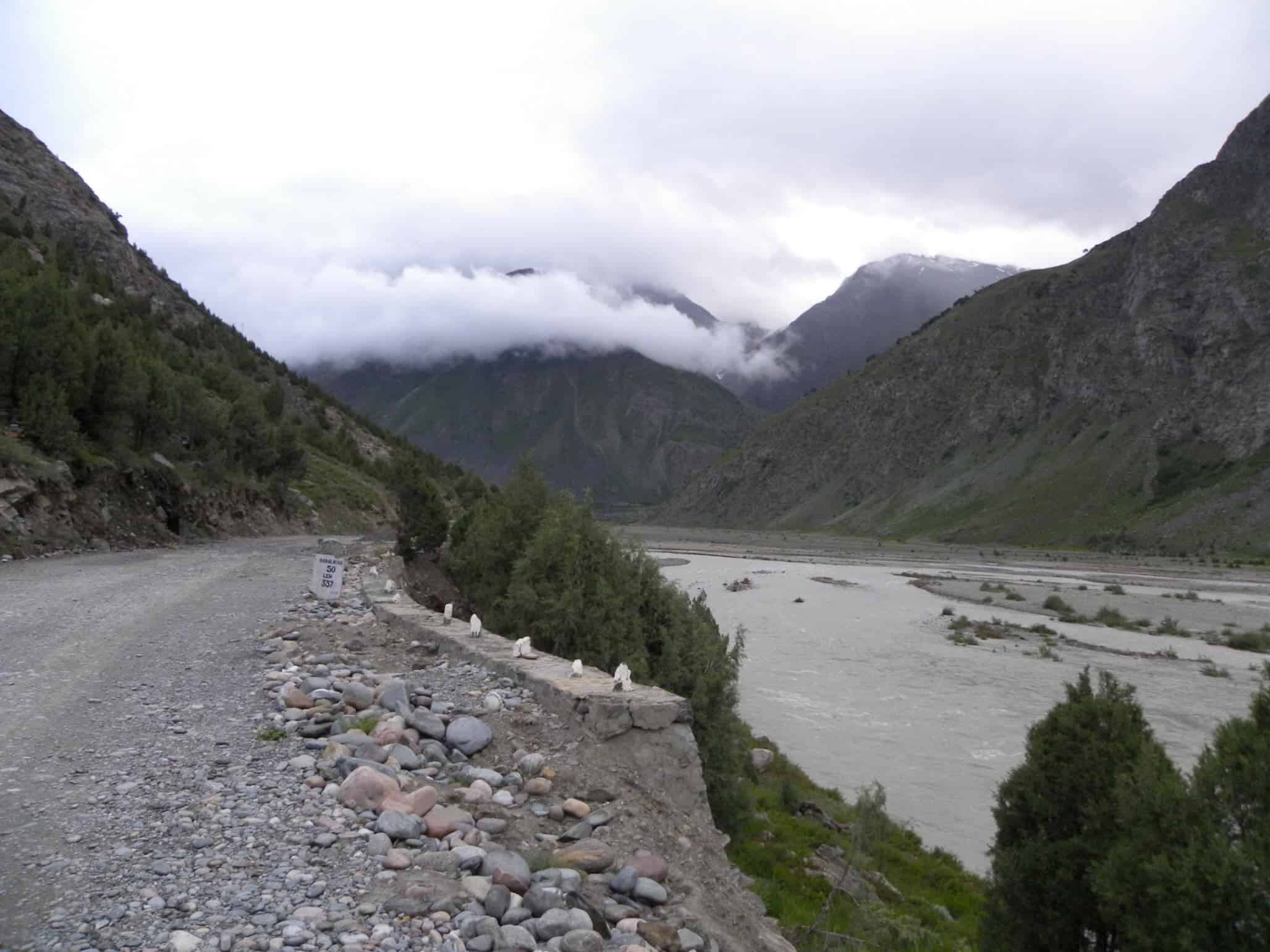
Are you planning a trip through Lahaul Valley and wondering what to actually stop and see along the way? Most travelers treat Lahaul as a transit corridor between Manali and Leh or Spiti, rushing through Keylong without realizing there is an entire world of monasteries, temples, lakes, and medieval forts just a short drive or trek from the highway. I am here to tell you that Lahaul deserves far more than a pit stop.
Lahaul Valley sits at the crossroads of Himachali, Ladakhi, and Tibetan cultures, which makes its sightseeing unlike anything else in the Indian Himalayas. Unlike its neighbor Spiti, Lahaul receives enough monsoon to stay green through summer, giving it a lush character that contrasts beautifully with the dry landscapes you will encounter further north. For a deeper understanding of the region, you can also read my complete Lahaul Valley travel guide. In this guide, I am covering the 10 best places to visit in Lahaul Valley from Manali, with practical details on how to reach each one, what to expect, and how long to spend there.
Let's quickly dive into the details:
Quick Overview: Lahaul Valley in 2026
Lahaul Valley is the western half of the Lahaul and Spiti district in Himachal Pradesh. The district headquarters, Keylong, sits at an altitude of about 10,200 Ft (3,156 meters). Since the Atal Tunnel opened in October 2020, Manali to Sissu (the first major town in Lahaul) is just 40 km, making the valley accessible year-round for the first time in history. Before the tunnel, Lahaul was snow-locked from November to May.
Keylong is about 115 km from Manali via the Atal Tunnel route. As of 2026, the road from Manali to Keylong is paved and in reasonable condition. The last petrol pump before heading north is at Tandi, about 7 km before Keylong, so plan your fuel accordingly. If you want to understand the full scope of the valley, do read my complete guide to Lahaul Valley before you plan your trip.
How Lahaul Became Part of the Ladakh Kingdom
Lahaul has a layered history worth knowing before you visit. Back in the 10th century, the valley along with Spiti and Zanskar was part of the Ladakh Kingdom. By the 17th century, Ladakh was defeated by combined Mongol-Tibetan forces, and Lahaul was split: Upper Lahaul came under the Kullu Kings and Lower Lahaul under the Chamba Rajas. This is why the valley today has a fascinating blend of Hindu and Buddhist traditions, with temples and monasteries sitting side by side.
What Are the Best Places to Visit in Lahaul Valley from Manali?
The 10 places I have listed below cover the full stretch of Lahaul, from Sissu (just after the Atal Tunnel) to Udaipur in the Pattan Valley, which is the southernmost cultural hub of the region. I have arranged them roughly in the order you would encounter them traveling from Manali toward Leh.
1. Sissu Village and the Sissu Waterfall
Sissu is the first major stop after you exit the Atal Tunnel on the Lahaul side. Located on the right bank of the river Chandra at about 3,000 m (around 9,843 Ft), Sissu is a village of terrace farms growing potatoes, peas, barley, and cabbage. The hillsides turn a vivid green by June and stay that way through October. What draws visitors here, apart from the views, is the Sissu Waterfall, which is a short walk via a suspension bridge over the river. The falls are seasonal and most dramatic in July and August when the glacial melt is at its peak.
Sissu is also the village of Lord Gyephang (Ghepan), the most revered local deity of Lahaul. The temple dedicated to Lord Ghepan sits in the village and a peak is named after him, towering above the valley. Keep in mind that the Gyephang temple may be closed to outsiders, so check locally before making a special trip. Sissu itself is worth an hour of exploration even if you do not have religious tourism on your itinerary. The flat fields, the backdrop of snow peaks, and the accessibility from the Atal Tunnel make this one of the most easily visited spots in Lahaul.
2. Kardang Monastery (Kardang Gompa)
Once the capital of Lahaul Valley, Kardang village sits across the river from Keylong and houses the largest and most important monastery in the entire valley. The Kardang Monastery is believed to have been founded about 900 years ago, though it fell into disrepair until a lama renovated it in 1912. Perched dramatically against the bare rocky mountains of Rangcha on the opposite bank of the Bhaga river, the gompa gives the valley an imposing Himalayan feel the moment you set eyes on it.
The main temple has statues of Sakyamuni in the center, Padmasambhava on the right, and Vajradhara on the left. Kardang Gompa also houses the largest number of lamas and chomos (female monks) in Lahaul, and its library contains full volumes of sacred Buddhist texts. Outside the main temple, you can see rock carvings and two large chortens. A small secondary monastery, Jabjesh Monastery, is also within the Kardang village.
To reach Kardang, take the road from Tandi Bridge directly. The monastery is about 3 km from Keylong on a motorable road, followed by a short walk uphill. Keep in mind that you may need to ask locals for the exact approach, as the signage in this area is minimal. Go early in the day when the light is best and the lamas are more likely to be around to let you in.
3. Shashur Gompa (Shashur Monastery)
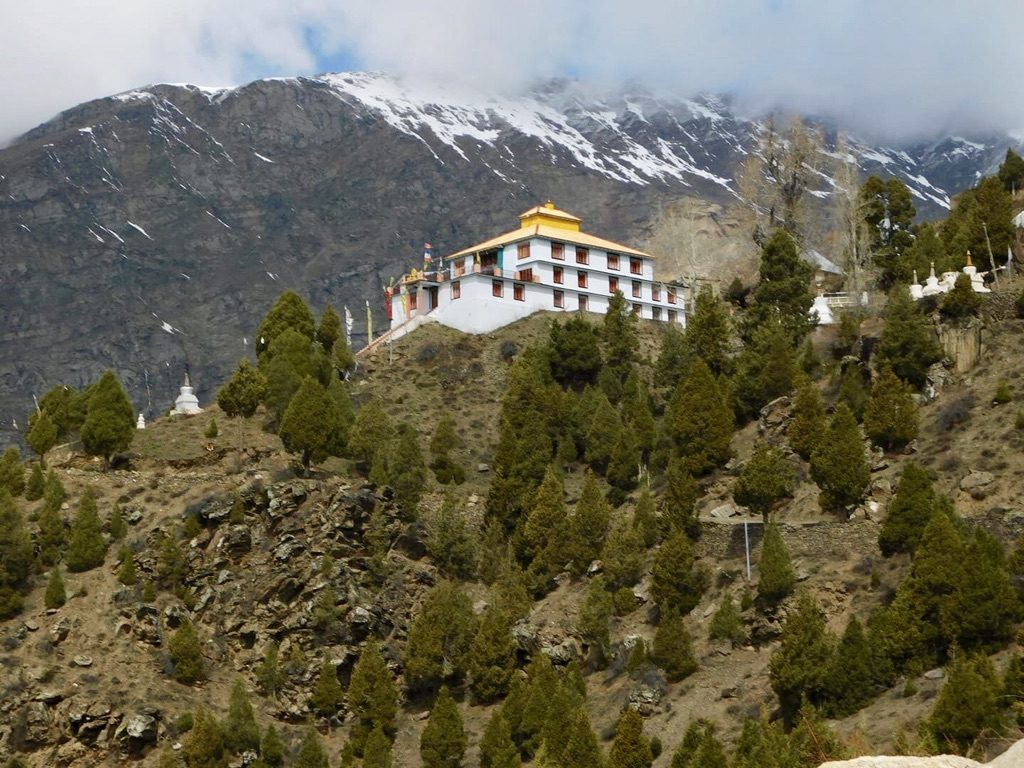
Surrounded by patches of blue pine, Shashur Monastery is one of the most beautiful sights in Lahaul. You can reach it by a 3 km uphill walk from the Keylong main road, or via a 5 km motorable road that was built in recent years. The monastery was built in the 17th century by Lama Deva Gyatsho of Zanskar, who served as a missionary of Nawang Namgyal, the king of Bhutan. The lamas of Shashur belong to the Drukpa sect.
What makes Shashur truly worth visiting are its well-preserved wall paintings depicting all 84 Siddhas of Buddhism, and its beautiful thangkas, including one thangka of over fifteen feet in length. I would urge you to spend some time understanding these paintings rather than rushing through. The Tsheshu Festival is held here in June each year and is a celebration worth timing your visit around if you can manage it. The views from the monastery back down toward Keylong and the valley are stunning, making the uphill walk well worth the effort.
4. Guru Ghantal Gompa
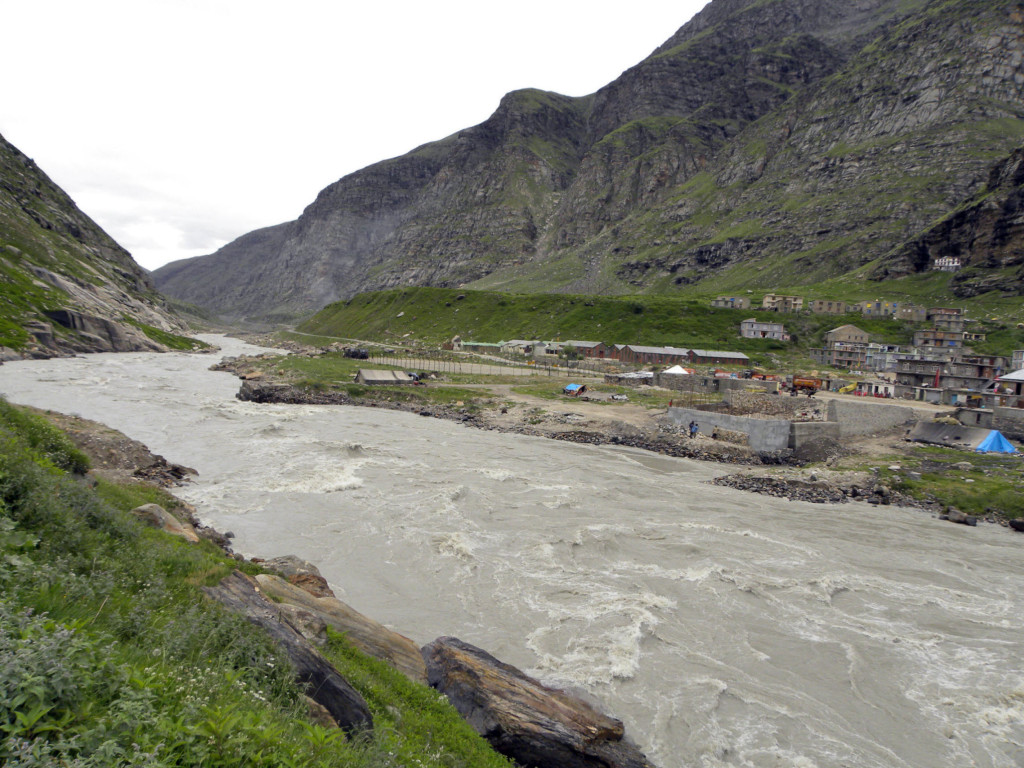
Guru Ghantal Gompa is the oldest monastery in Lahaul, dating back to the 10th century. It sits on a hill above Tupchiling Monastery, near Tandi Bridge at the confluence of the Chandra and Bhaga rivers. The gompa is partially in ruins, but it contains ancient murals and beautiful statues of bodhisattvas. One unique feature is that this monastery has wooden idols, as opposed to the clay idols common in other Lahaul monasteries. This wooden construction tradition is considered quite rare in the Himalayan Buddhist circuit.


There are multiple traditions about the founding of Guru Ghantal. One says it was established by Guru Padmasambhava himself; another credits Rinchen Zangpo; a third holds that a revered local lama named Guru Ghantapa founded it. The trek to the gompa begins at Tupchiling Gompa, which is a few minutes’ walk from Tandi Bridge. Keep in mind that the trek can take 3-4 hours of upward climbing and is strenuous. It is advisable to consult the lamas at Tupchiling first and ask for the key to Guru Ghantal, as it is sometimes locked. The views from the top make the effort worthwhile.
5. Tayul Monastery
Located just above the village of Stingri, between Keylong and Jispa on the Manali – Leh Highway, Tayul Monastery is one of those places that rewards the effort to reach it. The word “Tayul” literally translates to “the chosen place” in Tibetan. According to local legend, Rinchen Lama from the Kham region of Tibet founded this monastery at the beginning of the 17th century.
The monastery contains a massive statue of Padmasambhava and a complete library of the Kangyur. Multiple thangkas inside depict episodes from the life of Lord Buddha. To reach the monastery from the highway, you climb for about an hour through potato and tea plantations. The trail is surrounded by juniper trees and the views become more spectacular as you ascend. At the top you will find a chomo (female monk) gompa and the main monastery with its old mud and stone construction, brightly colored doors and windows. It is advisable to ask locals about the lama’s schedule before you head up, as the monastery is sometimes unattended.
6. Gemur Monastery (Gemus Gompa)
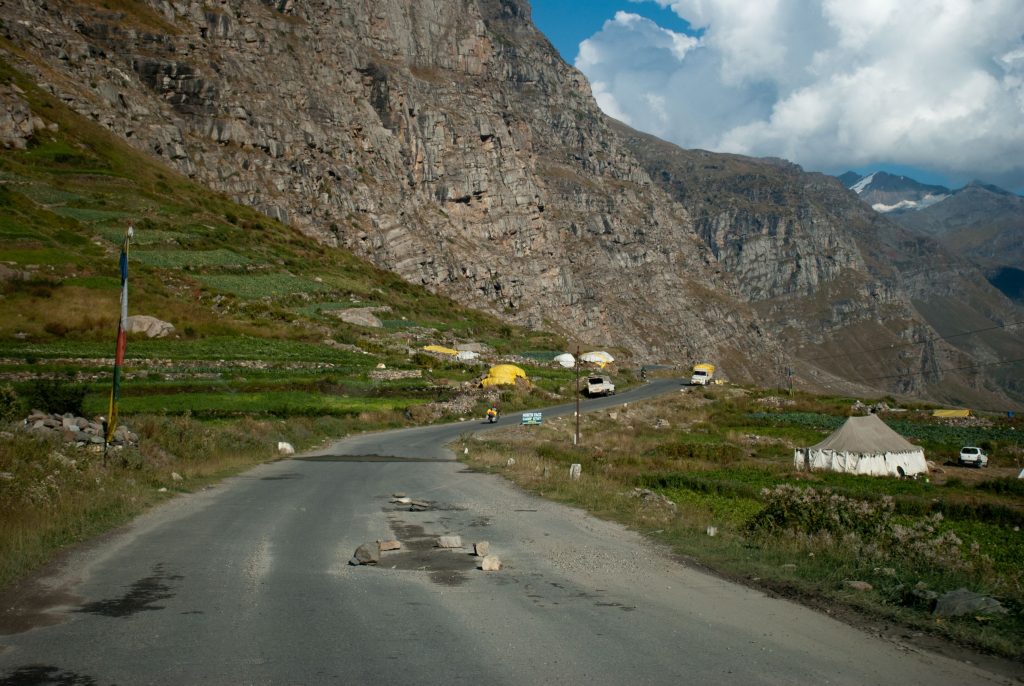
Gemur Monastery (locally called Gemus Gompa) is one of the most accessible monasteries in Lahaul. It lies just above the hamlet of Gemur, which is situated between Keylong and Jispa on the Manali – Leh highway. The monastery is believed to have been established in the 13th century and is one of the wealthiest monasteries in Lahaul. It is particularly famous locally for the masked dances held every July, which draw both local and outside visitors.
The approach to Gemur Monastery is very pleasant. As you get closer, the brightly colored red and black windows on its white walls become visible against the mountain backdrop. There is a large chorten before the monastery entrance. A road was being constructed to improve access, so as of 2026 the access has improved from earlier years. If you are traveling between Keylong and Jispa, this is an easy half-hour detour that I recommend you make. The views from the monastery across the Bhaga river valley are excellent.
7. Gondhla Fort (Tower Fort of Gondhla)
About 18 km from Keylong lies Gondhla village, and within it sits one of the most unusual structures in Lahaul: the Gondhla Fort, locally known as “Char.” Built by Raja Man Singh about 300 years ago (around 1700 AD), this seven-story structure is one of the rare surviving examples of traditional Lahauli secular architecture. The staircases are made of wood, a veranda runs around the top in typical Himachali style, and the remainder is stone construction built with earthquake-resistant technique.
Inside the fort, you can still explore old weapons, statues, costumes, and furniture from the period. The fifth story is particularly interesting as it contains a personal prayer chamber from which the ruler would listen to public petitions and pass judgment from the verandah. The fort is somewhat neglected and not formally maintained as a heritage site, so managing your expectations is important. However, for anyone interested in Lahaul’s history and architecture, this is a must-visit. Gondhla village itself is surrounded by poplars and waterfalls and is worth a short walk around. The famous Gondhla Fair is held here every July.
8. Mrikula Devi Temple, Udaipur
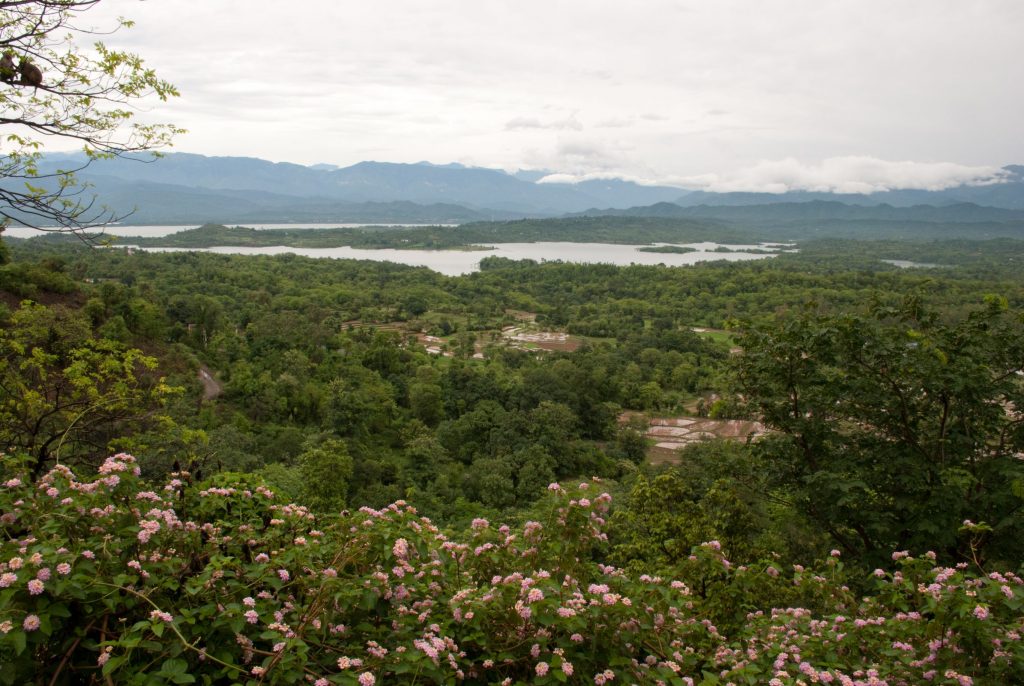
Udaipur is Lahaul’s second-largest town, located 53 km from Keylong in the Pattan Valley. It requires a detour from the main Manali – Leh highway at Tandi, heading south along the Chandra river. The road to Udaipur passes through lush Lahauli villages including Jahalman, Thirot, and Tindi, and the change in landscape is striking. Udaipur is warmer than the rest of Lahaul and surrounded by kail-blue pine forests with apple and walnut cultivation.
The star attraction of Udaipur is the Mrikula (Markula) Devi Temple, built in the 11th or 12th century just above the town bazaar. Dedicated to Goddess Kali, the temple does not look imposing from outside, with its old-style wood-tiled conical roof and simple walls. But once you step inside, the elaborate deodar-wood carvings depicting scenes from the Mahabharata and Ramayana are something you will not easily forget. Locals believe the temple was constructed from a single block of wood by the Pandavas. If you have visited the Hadimba Temple in Manali, you will draw similarities, as it is believed the same 16th-century craftsmen were involved. The silver idol of Kali inside is a combination of Rajasthani, Kashmiri, and Tibetan styles.
9. Triloknath Temple
About 16 km from Udaipur and 46 km from Keylong lies the Triloknath Temple, one of the rare places in India where Hindus and Buddhists worship at the same shrine. Hindus revere the deity as Shiva (Triloknath, the Lord of Three Worlds), while Buddhists worship the same form as Avalokiteshvara, a manifestation of Buddha. The temple is believed to have been originally built in the Kashmiri architectural style during the reign of King Lalitaditya (725-756 AD).
The temple sits at about 2,700 m elevation. Painted pearly white, the approach to the temple requires climbing up from the riverbed toward the cliff top. Tibetan prayer flags decorate the entrance and the ancient wooden-pagoda style structure creates an immediate atmosphere of reverence. The views of the Chandrabhaga river flowing below and the lush valleys around make this one of the most contemplative spots on the Lahaul circuit. The three-day Pauri Festival in August draws large crowds of both Hindu and Buddhist pilgrims and is the best time to experience the temple’s unique dual-faith character.
10. Lahaul and Spiti Tribal Museum, Keylong
Often overlooked by travelers eager to push north, the Lahaul and Spiti Tribal Museum near the market in Keylong is genuinely worth a couple of hours of your time. The museum contains old photographs of tourist sites across Lahaul and Spiti, a collection of traditional attires and instruments, prayer lamps, thangka paintings, and ancient manuscripts. One room is designed as a replica of a monastery prayer hall and contains old masks used in the Cham (masked) dance performances.
The museum timings are from 10 AM to 5 PM and it is closed one day per week (verify locally for the current closing day, as this changes periodically). The collection of artifacts is well-labeled with the names of original donors and descriptions of each item’s use. In case you find it closed on arrival, ask a local shopkeeper to help you reach the museum office to get the key. This is a pattern you will encounter across many small museums and monasteries in Lahaul, so do not be discouraged if the door is shut.
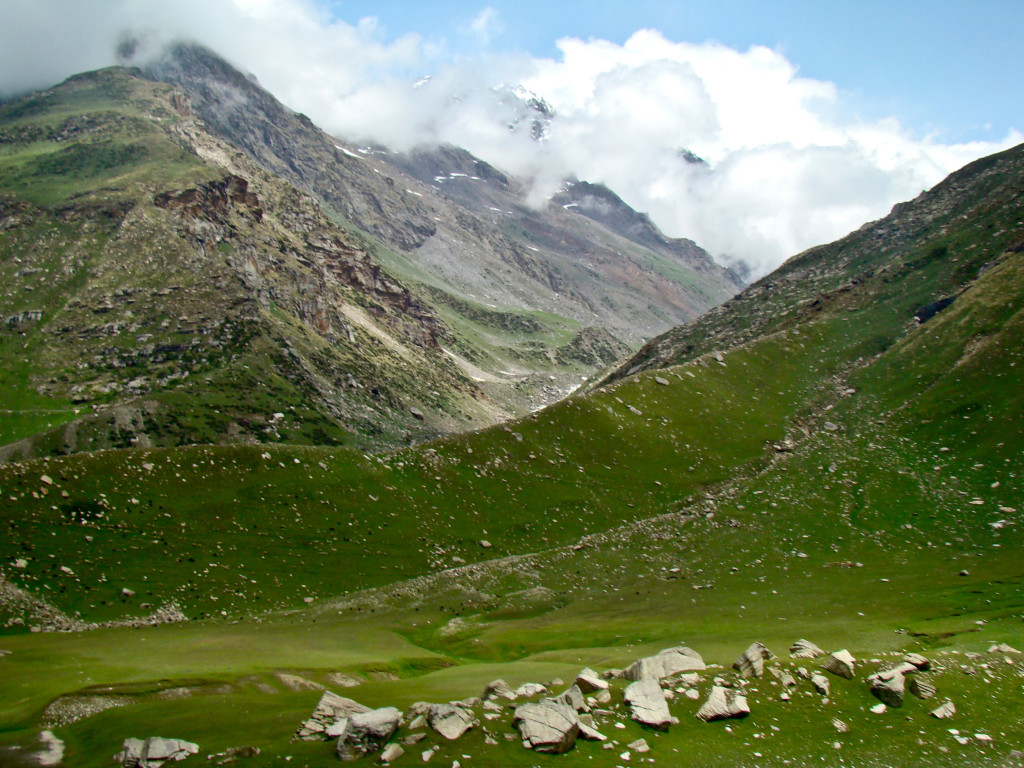
Other Notable Sightseeing Spots in Lahaul Valley
Apart from the ten main places above, the following are worth mentioning for travelers with extra time in the valley.
Deepak Tal is a beautiful small lake located between Keylong and Jispa. It is easily accessible from the highway and offers a quiet, reflective spot with clear water and mountain reflections. I have seen this lake described as one of the hidden gems of Lahaul and I would agree with that assessment.
Jispa Village itself deserves more than just a transit stop. Located 22 km north of Keylong, Jispa sits at the junction of two nullahs with the Bhaga river and is known for trout fishing and riverside camping. I have covered Jispa in detail in my complete guide to Jispa village, and I would highly recommend reading that if you plan to stay the night.
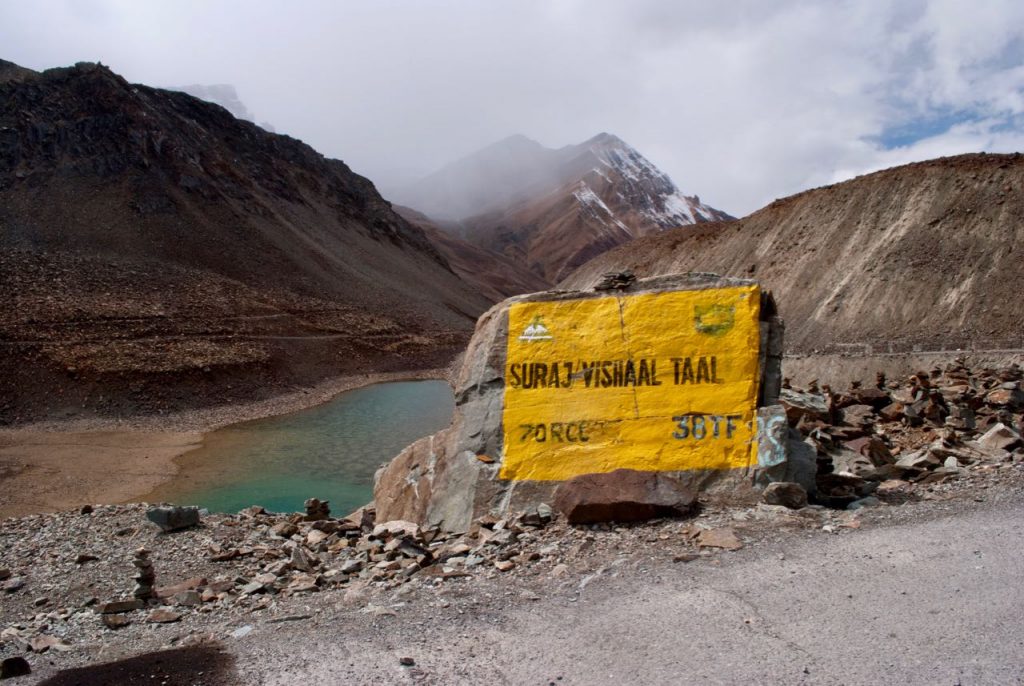
Suraj Tal (Lake of the Sun) sits at about 16,000 Ft near the Baralacha La pass, at the very northern end of Lahaul. This is one of the highest lakes in India and the source of the Bhaga river. There are no shops or facilities near Suraj Tal, so plan accordingly. Do note that Suraj Tal is only accessible for vehicles heading to Leh, not as a standalone day trip from Keylong unless you have a full day and a good vehicle.
Tandi, at the confluence of the Chandra and Bhaga rivers, has religious significance for Hindus (linked to the Pandava legend of marriage of Chandra and Bhaga) and is worth a quick stop to see the confluence point. The petrol pump at Tandi is also practically significant if you are heading toward Leh and want to top up before the long stretch ahead.
![What to pack for Ladakh Bike Ride or Spiti Bike Ride? [Clothes, Spares, Gear & Accessories]](https://discoverwithdheeraj.com/yt_vid_thumbs/ladakh/88.png)
How to Reach Lahaul Valley from Manali (Practical Tips for 2026)
Since October 2020, the Atal Tunnel (9.02 km long, 10,171 Ft elevation) connects Manali to Sissu and eliminates the need to cross Rohtang Pass. This means Lahaul is now accessible year-round. Before the tunnel, the valley was cut off from November to May every year. As of 2026, Manali to Keylong takes about 2.5 to 3 hours in good conditions via this route.
However, if you are traveling on the Manali – Leh Highway toward Leh, keep in mind that the road beyond Darcha and the Baralacha La pass is only open from mid-June to mid-October, weather permitting. Always check the highway status before heading north. For the Rohtang Pass side (the old route), a permit is required for vehicles beyond the Marhi checkpoint if you are taking that road instead of the Atal Tunnel. I have covered the permit details in my Rohtang Pass permit guide.
For public transport, HRTC buses connect Manali to Keylong. The fare for ordinary bus is approximately Rs 250-400 one way (verify with HRTC at the time of travel as fares may have changed). Buses from Manali depart in the morning and the journey takes 3-4 hours depending on traffic and stops. If you are planning a more comprehensive trip to the valley, do check out my Lahaul Valley itineraries for structured plans of 3 to 7 days.
Best Time to Visit Lahaul Valley for Sightseeing
The best time to visit Lahaul Valley for sightseeing is between May and October. The months of June through September see the most favorable weather, with temperatures ranging from about 5 degrees C to 20 degrees C. The Sissu Waterfall is most impressive in July and August. Most monastery festivals (Tsheshu at Shashur in June, Pauri at Triloknath in August, masked dances at Gemur in July) fall in this window.
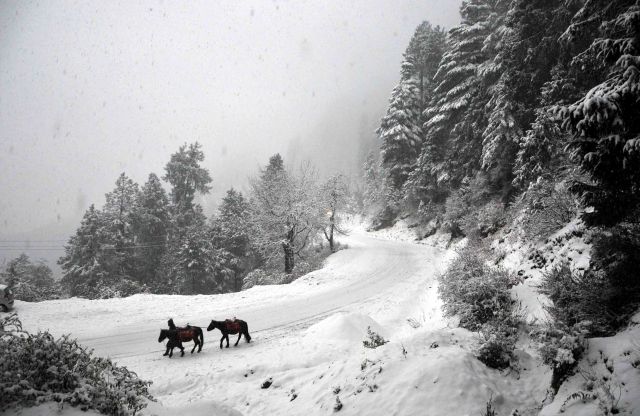
Thanks to the Atal Tunnel, December through February is now viable for visitors who want to see Lahaul in winter snow. The valley gets significant snowfall and the landscape is dramatically different from summer. However, keep in mind that most guesthouses and homestays in the smaller villages (Udaipur, Gondhla, Stingri) may be closed in winter, and the road to Udaipur and Triloknath may be difficult or impassable. Keylong and Sissu remain accessible year-round, but plan your itinerary around availability.
For the full breakdown of month-by-month conditions, accommodation costs, and budget planning for a Lahaul trip, do refer to my Lahaul Valley budget and cost guide.
Safety Notes for Sightseeing in Lahaul Valley
A few practical safety points to keep in mind when visiting Lahaul sightseeing spots, particularly the monasteries and temples in remote locations.
Altitude: Keylong sits at about 10,200 Ft and several monasteries and passes mentioned here are at 14,000-16,000 Ft. If you are coming directly from Delhi or a low-altitude city, give yourself at least one day of acclimatization in the Manali or Keylong area before attempting the longer treks to places like Guru Ghantal. Symptoms of Acute Mountain Sickness (AMS) include headache, nausea, and difficulty sleeping. Do not ignore these.
Trekking to monasteries: Most of the monastery treks in Lahaul (Guru Ghantal, Kardang, Tayul) require 1-4 hours of uphill walking. Wear proper footwear, carry water, and start early in the day. The trails are not always well-marked and asking locals at the base for directions is always advisable.
Mobile network: As of 2026, Airtel 4G, Jio 4G, and BSNL coverage is available in Keylong, Tandi, Sissu, Koksar, and Darcha. However, mobile connectivity is patchy or absent in the smaller villages and on the trek routes. Download offline maps before you leave Keylong.
Respect local customs: Many of these monasteries and temples are active places of worship. Remove your footwear before entering. Ask permission before photographing lamas, monks, or sacred objects. Donations at monastery gates are customary and appreciated by the communities that maintain these ancient buildings with very limited resources.
Frequently Asked Questions about Lahaul Valley Sightseeing
What are the best places to visit in Lahaul Valley?
The top places to visit in Lahaul Valley are Sissu and its waterfall, Kardang Monastery (the largest in Lahaul), Shashur Gompa near Keylong, Guru Ghantal Gompa (the oldest monastery in Lahaul), Tayul Monastery above Stingri, Gemur Monastery between Keylong and Jispa, Gondhla Fort (a 300-year-old seven-story structure), Mrikula Devi Temple in Udaipur, Triloknath Temple, and the Lahaul and Spiti Tribal Museum in Keylong.
Is Lahaul Valley accessible year-round in 2026?
Since the Atal Tunnel opened in October 2020, the Manali side of Lahaul (Sissu, Keylong, Jispa) is accessible year-round. The 9.02 km tunnel bypasses Rohtang Pass completely. However, the road north of Darcha toward Baralacha La and Leh is only open from approximately mid-June to mid-October each year.
How far is Keylong from Manali?
Keylong is about 115 km from Manali via the Atal Tunnel route. The drive takes approximately 2.5 to 3 hours in good road conditions. Sissu, the first major stop in Lahaul, is just 40 km from Manali via the tunnel.
Can I visit Triloknath Temple and Mrikula Devi Temple from Keylong in a day?
Yes, it is possible to visit both temples in a single day trip from Keylong, but it requires an early start. Udaipur is 53 km from Keylong on a road that branches off at Tandi. Triloknath is 16 km further from Udaipur. The total round trip from Keylong is about 138 km and can take 5-6 hours of driving plus time at the temples. I would recommend hiring a local taxi from Keylong for this trip rather than trying to manage it on a through-journey day.
What is the altitude of the sightseeing places in Lahaul Valley?
Altitudes vary significantly across Lahaul sightseeing spots. Sissu and Keylong are around 9,843 Ft and 10,200 Ft respectively. Monasteries like Kardang, Shashur, and Gemur are between 10,000-11,000 Ft. Guru Ghantal Gompa, which requires a 3-4 hour trek, is higher. Suraj Tal near Baralacha La is at approximately 16,000 Ft. Plan your acclimatization accordingly.
Is Lahaul Valley safe to visit in 2026?
Yes, Lahaul Valley is safe for tourists in 2026. The main hazards are altitude-related (AMS) and road conditions on the higher passes. The Atal Tunnel has made the base of the valley much safer and more accessible. For treks to monasteries, going with a local guide or at minimum asking for directions from locals at the base of the trail is always advisable.
What is special about Mrikula Devi Temple in Udaipur, Lahaul?
The Mrikula Devi Temple is special for its extraordinary deodar-wood carvings depicting scenes from the Mahabharata and Ramayana, believed to be the work of the same 16th-century craftsmen who built the Hadimba Temple in Manali. The temple is dedicated to Goddess Kali and is unique for the blend of Rajasthani, Kashmiri, and Tibetan influences in its silver idol. Locals believe the original structure was built from a single block of wood by the Pandavas during their time in the region.
Conclusion: Make Time for Lahaul
Lahaul has a depth of history, culture, and natural beauty that is genuinely underappreciated by travelers who treat it as a pass-through on the way to Ladakh or Spiti. The blend of Hindu and Buddhist traditions here, playing out across 10th-century monasteries and shared temples, is unique in the entire Himalayan belt. The Atal Tunnel has now made this valley far more accessible, and I hope more travelers start taking the time to stop and explore rather than racing to their next destination.
If you are trying to figure out how to build Lahaul into a broader Himachal itinerary, the Jispa vs Sarchu guide will help you decide where to base yourself for a night. For the DwD community members planning a Lahaul or Lahaul-Spiti trip, feel free to post your questions in the comments section below. I will be happy to help you plan around the specific places that interest you most. And if you have visited any of these spots recently and have updates to share, please do, because that kind of on-the-ground input helps all the fellow travelers who read this blog 🙂 …
Last Updated: February 2026. Please verify locally for current ferry, monastery, and road conditions before travel.
